Legumes & Beans
Red Lentil
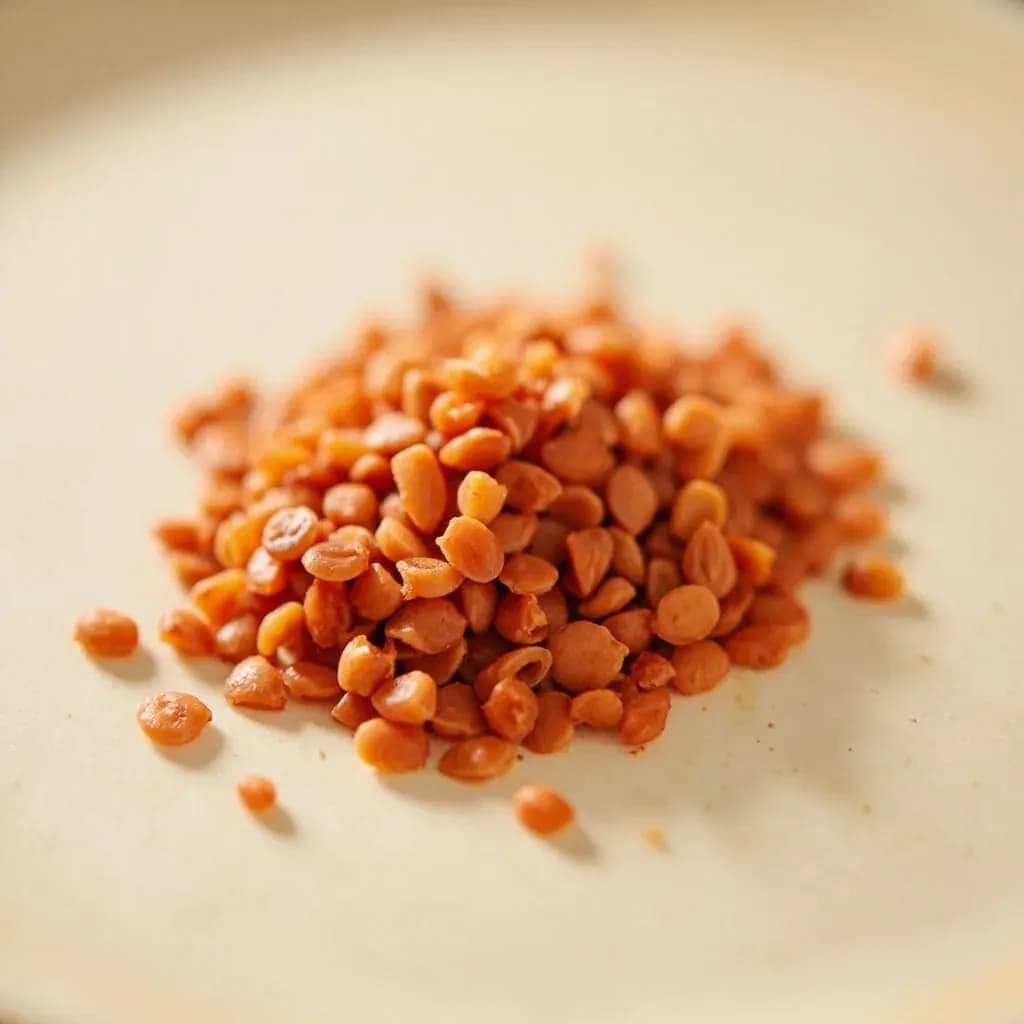
Split orange-red lentils that cook fast and break into creamy dal.
Red lentils are hulled and split lentils with a bright orange color that fades to gold when cooked. They cook in minutes without soaking and soften into a creamy puree, making them ideal for dals, soups, and thickening curries. Their flavor is mild and slightly sweet.
Red lentils, known in South Asian markets as masoor dal, are hulled and split lentils that cook faster than any other common legume. The hulling and splitting process removes the outer husk and the natural seam that holds the seed together, which is why they collapse into a soft, almost porridge-like mass when simmered — unlike green or brown lentils that retain their shape. This quality makes them the default choice for creamy Indian dal, where they are simmered with aromatics and finished with a spiced tadka. They are also the workhorse of thick, silky lentil soups from the Middle East to North Africa, where their natural starches create body without the need for cream or thickeners. Their mild, slightly nutty flavor absorbs spices and acids readily, making them one of the most adaptable ingredients in a pantry: a single pot of red lentils can become a silky dal, a hearty soup, a dip, or a base for vegetable fritters, all by adjusting liquid and cook time.
- Measured in
- g
- Storage
- Pantry
Types & varieties
The standard orange-red split lentil; hulled and split, most common in Indian cooking and the ingredient described in this entry
Slightly smaller seed; cooks marginally faster, identical flavor profile; common in South Asian markets
Whole red lentils with husk intact; earthier flavor, holds shape much better; common in South Indian cooking; behaves differently from split red lentils
A premium variety with slightly larger, yellower seeds; common in the US market; same cooking behavior as standard red lentils
How Red Lentils Behave in the Pot
Red lentils are the softest of the common culinary lentils. Within 15–20 minutes of simmering, they lose all structural integrity and merge with the cooking liquid. This is not a defect — it is the defining characteristic that makes them valuable. The starches released as they break down thicken the surrounding liquid, creating the signature silky texture of dal without any purée step. If you want a chunky lentil dish, red lentils are the wrong ingredient: reach for green, brown, or French lentils instead. If you want a thick, creamy base with built-in body, they are exactly right. Understanding this distinction prevents the most common cooking mistake with red lentils — treating them as if they will hold their shape like a firmer legume.
- Add 2–2½ parts liquid per 1 part dried lentils for a thick dal; use 3–4 parts for a soup.
The Tadka: Building Flavor at the End
In Indian cooking, the single most important technique for red lentils is the tadka (also called tarka or chaunk). It is a quick tempering of fat — usually ghee, but oil or butter work — heated with whole and ground spices until they sizzle and release their aroma, then poured over the finished dal. The fat carries fat-soluble compounds from the spices that water-based cooking cannot extract, and the brief contact with heat develops flavors that prolonged cooking would dull. A standard tadka for red dal includes cumin seeds, mustard seeds, dried red chili, and turmeric, poured in that order as each ingredient has a different ideal temperature. The tadka is added off-heat or at the very end of cooking, never simmered for long.
- Ghee is traditional and preferred for its higher smoke point and nutty flavor
- Onion, garlic, and ginger are often sautéed before the lentils go in — this is a separate step from the tadka, which happens at the end
- Coriander leaves and lemon juice are added after the tadka, not before
Common uses
Tips & pitfalls
- Rinse in a fine-mesh strainer under cold water before cooking — they are often dusty from processing and storage.
- Do not soak red lentils. Unlike whole beans, soaking does not reduce cook time and can cause them to shed too much starch, making the final dish gluey.
- Salt only after cooking. Adding salt early can toughen the exterior and lengthen cook time.
- Remove from heat as soon as tender, around 15–18 minutes. Continued simmering turns them into a paste even if you want some texture.
- Add acid (lemon juice, tomato, yogurt) only at the very end of cooking — acid breaks down the remaining structure and accelerates mushiness.
- For smooth soups or dips, blend while hot using an immersion blender or a regular blender with the vent open — hot liquid generates steam that can blow the lid off.
- The most common mistake: assuming red lentils behave like green or brown lentils. They will not hold their shape. Choose the right lentil for the intended dish.
Nutrition
Energy
1498 kJ · per 100 g
Where the calories come from
Protein
23.9g
48% DV
Carbs
63.1g
23% DV
Fat
2.2g
3% DV
Fiber
10.8g
39% DV
Sodium
7mg
0% DV
Source · USDA FoodData Central · Lentils, pink or red, raw
View on FDC →In the shops
Matched grocery products
No matched grocery products for Red Lentil yet.
Good to know
- Type
- Hulled and split legume (Lens culinaris)
- Color
- Orange-red dried; cooks to yellow-beige
Substitutes
- Yellow Lentils (Toor Dal) — Slightly earthier and holds shape better; swap 1:1; add 5–10 minutes to cook time if you want them to break down
- Mung Dal (Yellow Mung Beans) — Milder and slightly sweeter; good for lighter dals and soups; similar cook time and behavior
- Green or Brown Lentils — Hold their shape firmly when cooked; not ideal for creamy dal; use where a firmer texture is desired instead
- Chickpeas — Entirely different texture and requires 3× longer cook time; not a direct substitute for dal-style preparations
Pairs with
Also called
Dal · Masoor Dal · Red Split Lentils · Lentilles · Red Lentils · Masoor
Appears in these dishes
Related
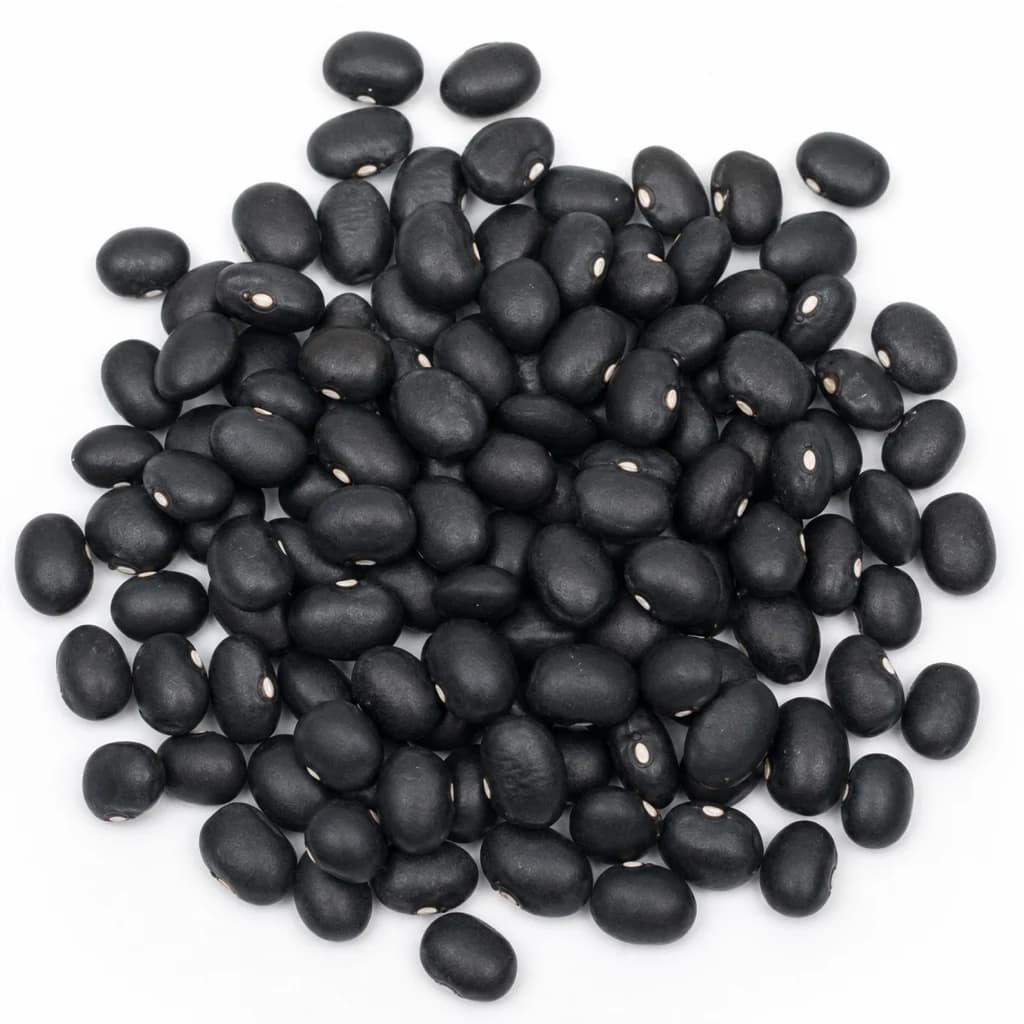
Black Beans
Earthy, creamy beans for bowls, soups, and tacos
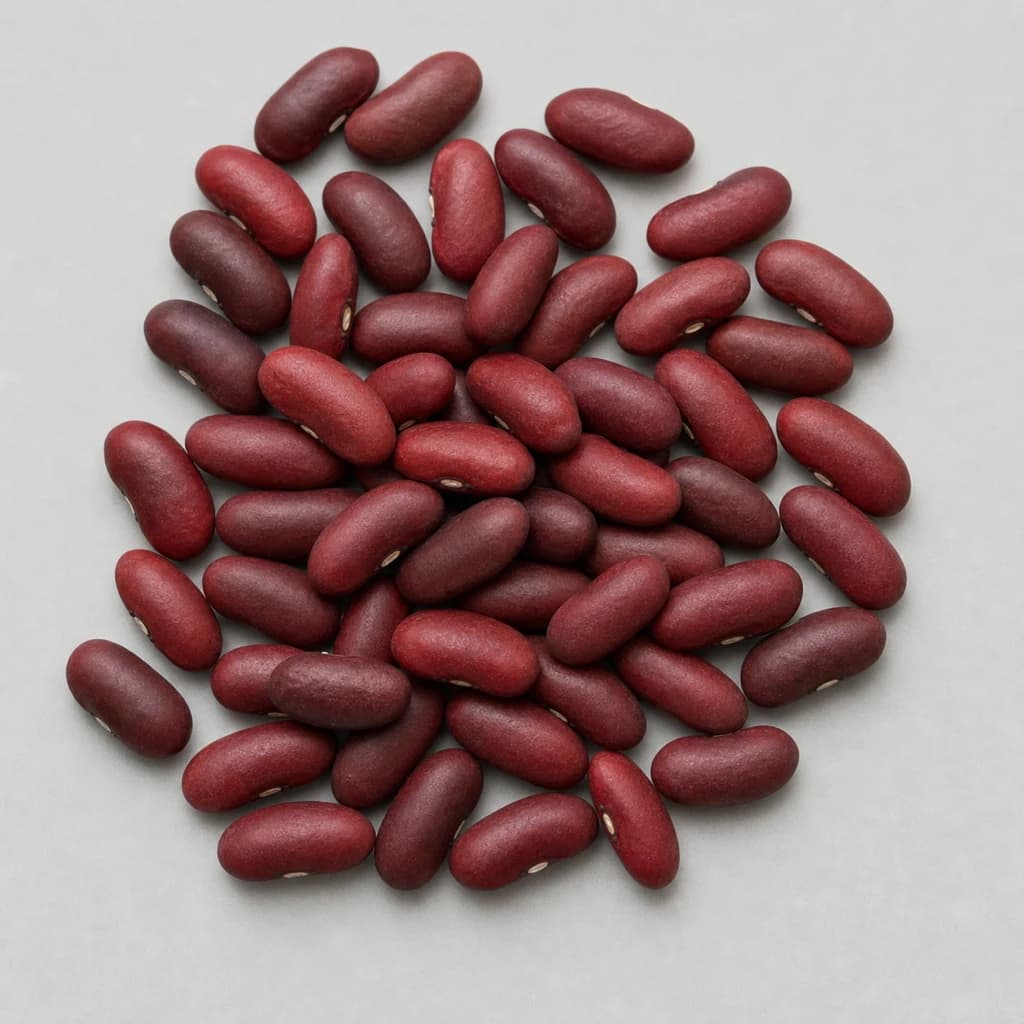
Kidney Beans
Hearty red beans that hold their shape in chili and stews
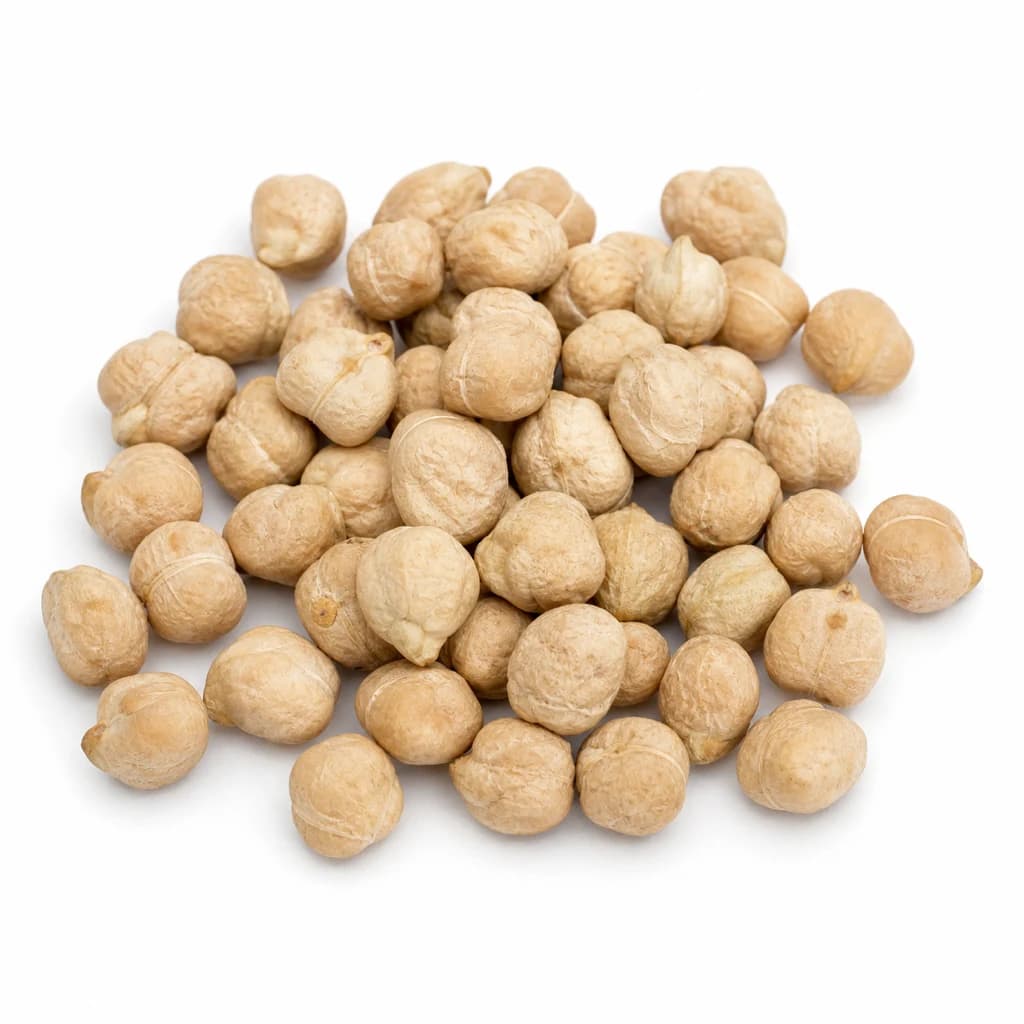
Chickpeas
Nutty, versatile beans for hummus, curries, and roasting
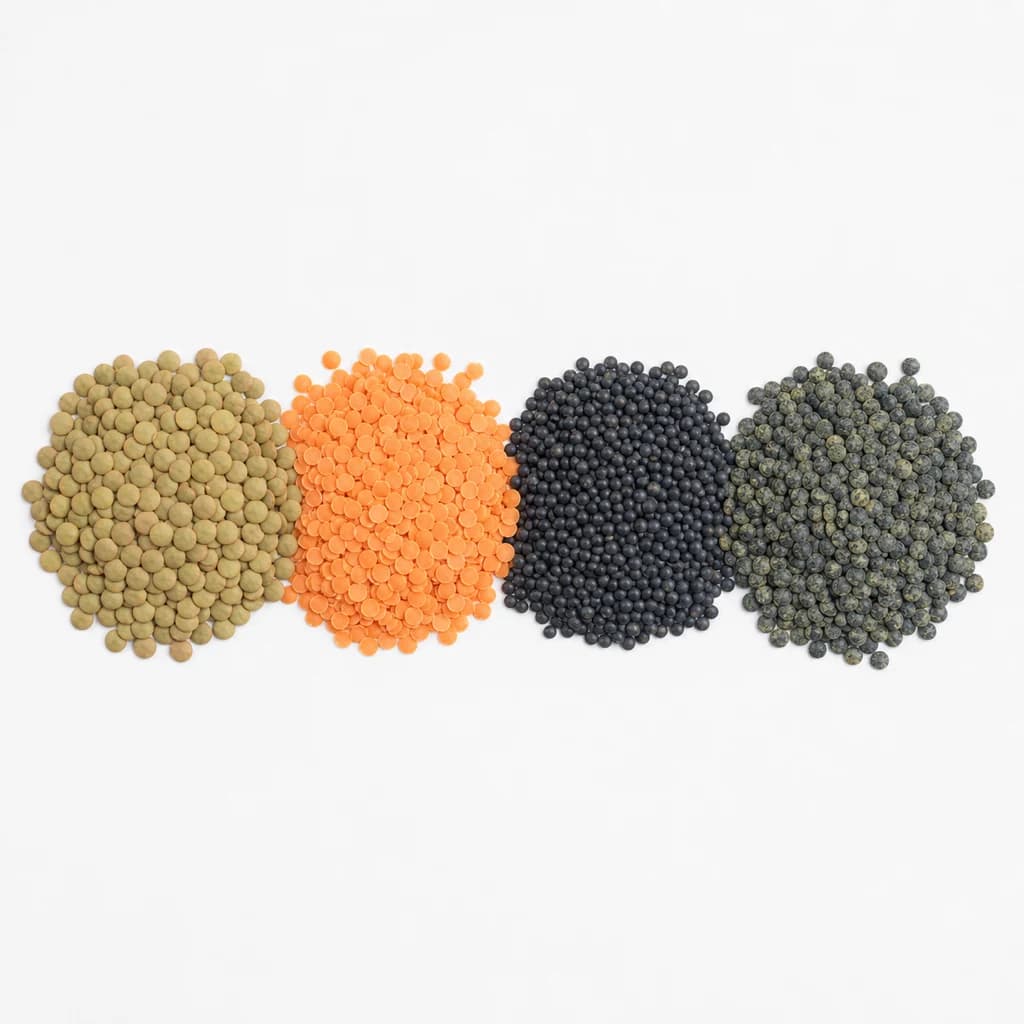
Lentils
Quick-cooking pulses for soups, dals, and hearty salads

White Beans
Creamy, mild beans for soups, stews, and silky purées
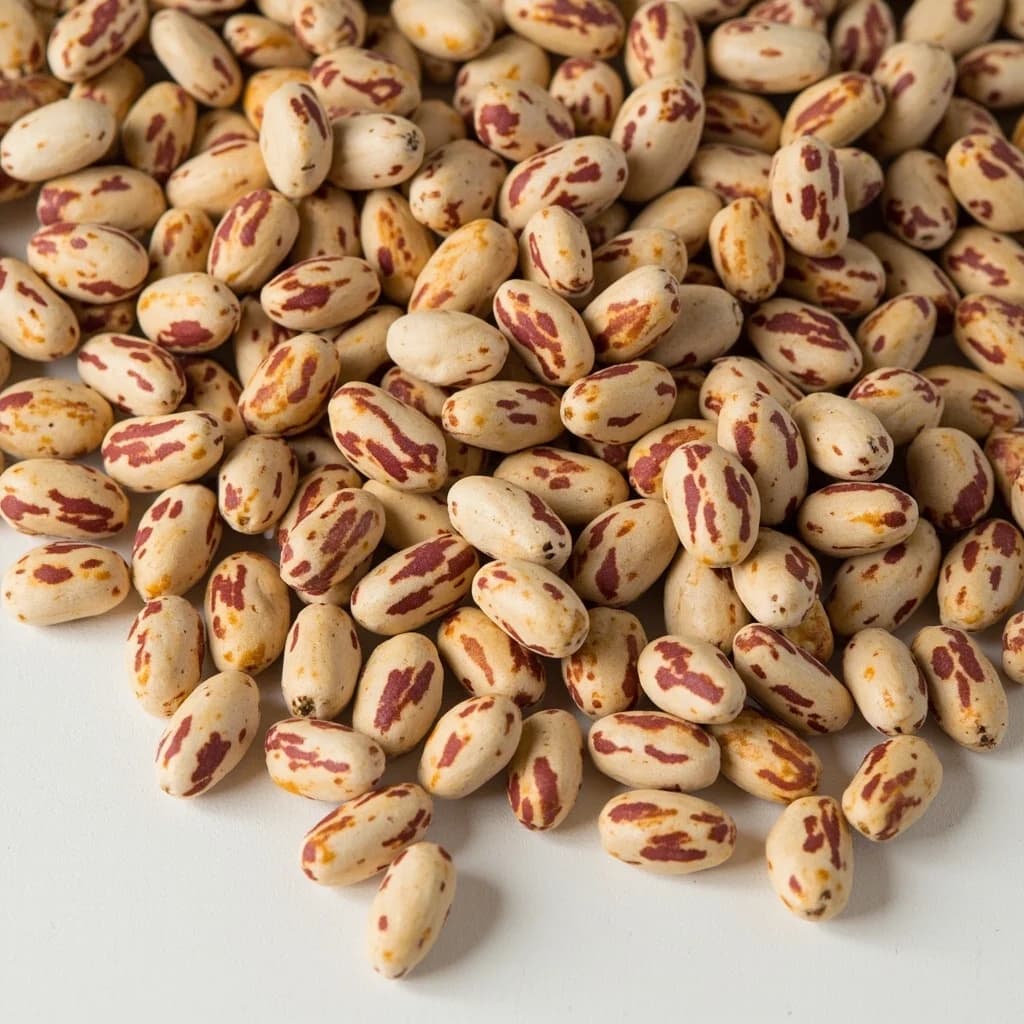
Pinto Beans
Creamy, speckled beans for refried beans and stews

Split Peas
Quick-cooking peas that melt into thick, comforting soups
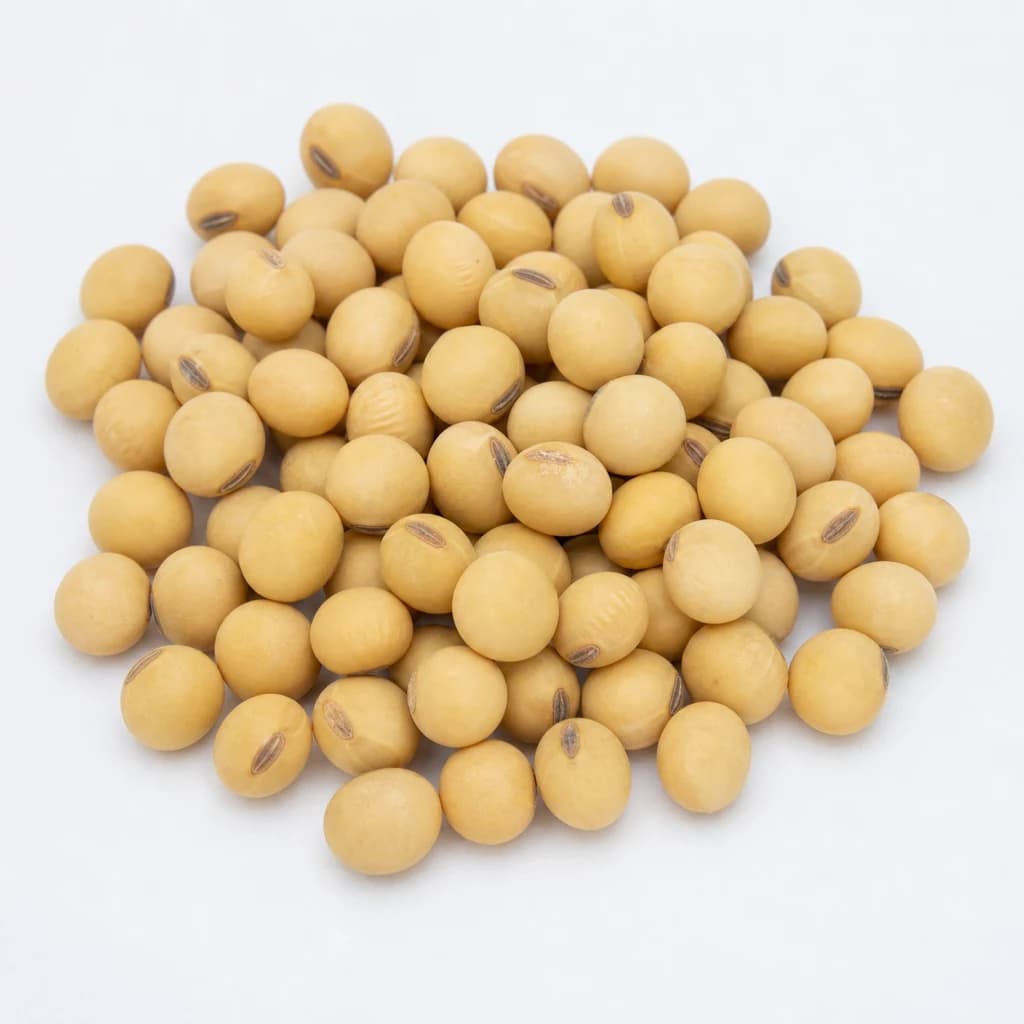
Soybeans
Protein-packed beans, the base for tofu and miso