Legumes & Beans
Black Chickpea (Kala Chana)
Small, dark, nutty chickpea used in Indian curries, chaats, and protein-rich snacks.
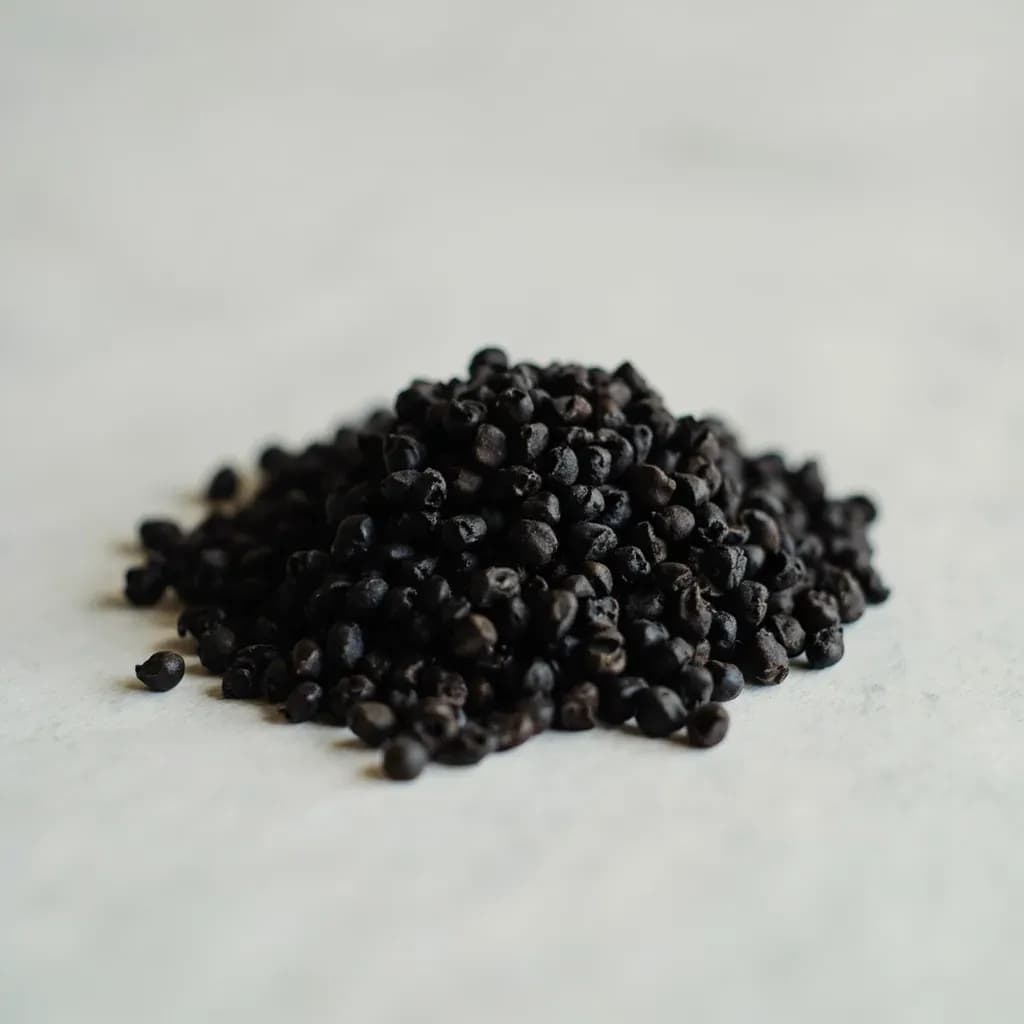
Black chickpeas, or kala chana, are smaller and darker than common chickpeas, with a rougher coat and a firmer, nuttier bite. Common in Indian cooking, they are simmered into chana curries, sprouted for salads, and boiled with spices for chaat. They hold their shape well and are notably high in fiber and protein.
Black chickpeas (Kala Chana) are a desi variety of Cicer arietinum, distinguished by their dark brown to black rough seed coat and cream-colored interior. Smaller and harder than their pale Kabuli cousins—measuring roughly 6–8 mm in diameter—they possess a noticeably nuttier, more assertive flavor and a firmer texture that holds up well in spiced preparations. The thick seed coat, while requiring longer soaking, gives cooked black chickpeas a satisfying bite that white chickpeas lack. Originating from southeastern Turkey and northern Syria, they have been cultivated in the Indian subcontinent for millennia and remain central to North Indian, Punjabi, and Bengali cuisines.
Unlike the milder, smoother-skinned Kabuli chickpeas found in hummus and salads, Kala Chana deliver a distinctly earthy, warming quality that absorbs bold spices and acidic elements beautifully. Their high protein content (19–21% by dry weight) and exceptional fiber levels (12–14 g per 100 g) make them more nutritious by most measures—more iron, more B vitamins, and notably more antioxidants concentrated in the dark seed coat. In India, they are traditionally considered a heavier, more warming food eaten most often in winter months. When cooked properly, they should crush easily between your fingers with no chalky center, yet retain their shape when tossed or simmered.
The term "Kala Chana" (black chickpea) is accurate before cooking—the cooked legume ranges from deep brown to coffee-colored, not jet black. This is distinct from true black beans (Phaseolus vulgaris), which are an entirely different species with a softer, more mealy texture and should not be substituted in traditional preparations.
- Measured in
- g
- Storage
- Pantry
Types & varieties
The common culinary variety; most widely used in Indian cooking
Specific Indian cultivar with slightly larger seeds and darker color; popular in Punjab
Regional name for darker desi chickpeas from West Bengal; similar flavor and texture to standard Kala Chana
Heirloom cultivar from Punjab; prized for superior nutty flavor and creamier cooked texture
Soaking and Cooking Properly
The thick, rough seed coat of black chickpeas demands respect for soaking time. Rushing this step produces unevenly cooked legumes with chalky centers. Always use cold water at a ratio of roughly 3:1—water to chickpeas—and soak for a full 8–12 hours. A pinch of baking soda or a strip of kombu seaweed added to the soaking water can shorten subsequent cooking time by 15–20 minutes by partially breaking down oligosaccharides and softening the coat. Test doneness by pressing a cooked chickpea between your fingers; it should crush easily without resistance. Never add salt to the cooking water until the chickpeas are fully tender—salt added early toughens the skins and extends cooking time considerably.
- Add 1 teaspoon baking soda OR a 2-inch strip of kombu to soaking water to reduce cooking time
- Cook a large batch, portion, and freeze—their texture deteriorates rapidly after day 3 in the refrigerator
- Reserve cooking liquid (aquafaba); it has a more pronounced, slightly bitter flavor than white chickpea aquafaba and works well in savory applications
- For chaat preparations, deliberately undercook slightly so they hold shape when tossed with spices and citrus
Toasting for Depth
A simple preparatory step that elevates any black chickpea dish is to toast the dried legumes before soaking. Place raw, dried chickpeas in a dry skillet over medium heat and stir for 2–3 minutes until fragrant and slightly darkened. This toasting step caramelizes surface sugars and intensifies the natural nuttiness, resulting in a more complex final flavor—especially noticeable in curries and dry-spiced preparations.
- Toast in a dry pan 2–3 minutes before soaking for deeper flavor in curries
- Watch carefully—high heat or too long will cause bitter scorching rather than toasting
Common uses
Tips & pitfalls
- Always soak overnight in generous cold water (3× volume) — the thick seed coat requires full rehydration for even cooking
- Add a teaspoon of salt only after the chickpeas are fully tender; adding it earlier toughens the skins
- Add a piece of kombu (seaweed) or a pinch of baking soda to soaking water to reduce cooking time by 15–20 minutes
- Test doneness by pressing a chickpea between your fingers — it should crush easily with no chalky center
- Cook a large batch and freeze portioned amounts; they lose texture quickly in the refrigerator beyond day 3
- For deeper flavor in curries, toast dried chickpeas in dry pan for 2–3 minutes before soaking and cooking
- Do not discard cooking liquid (aquafaba); it has a more pronounced, slightly bitter flavor than aquafaba from white chickpeas
- When using for chaat, slightly undercook so they hold their shape when tossed with spices and citrus
- Avoid confusing with black beans (Phaseolus vulgaris)—they are a different species with a softer, mealy texture that behaves completely differently in recipes
Nutrition
Energy
1582 kJ · per 100 g
Where the calories come from
Protein
20.5g
41% DV
Carbs
63g
23% DV
Fat
6g
8% DV
Fiber
12.2g
44% DV
Sugars
10.7g
of which
Sodium
24mg
1% DV
Source · USDA FoodData Central · approx. Chickpeas (garbanzo beans, bengal gram), mature seeds, raw
View on FDC →In the shops
Matched grocery products
No matched grocery products for Black Chickpea (Kala Chana) yet.
Good to know
- Scientific Name
- Cicer arietinum (desi type)
- Origin
- Southeastern Turkey and northern Syria; millennia of cultivation in the Indian subcontinent
- Variety Type
- Desi chickpea (distinct from Kabuli/white chickpeas)
- Color
- Dark brown to black skin; cream-colored interior when cooked
- Size
- 6–8 mm diameter; smaller and harder than Kabuli chickpeas
- Protein Content
- 19–21% by dry weight
- Fiber Content
- 12–14 g per 100 g dry weight
- Soaking Time
- 8–12 hours (overnight recommended in 3× cold water volume)
- Cooking Time (soaked)
- 45–75 minutes stovetop; 20–30 minutes pressure cooker
- Storage (dried)
- Up to 2 years in airtight container in cool, dry place
- Storage (cooked)
- 3–4 days refrigerated; up to 1 month frozen
Substitutes
- Kabuli (white) chickpeas — Milder flavor, larger, smoother texture; acceptable in curries but less authentic for chaats and snacks where the nutty bite of black chickpeas is central
- Chana dal — Split and skinned desi chickpeas; cooks faster with creamier texture; use 1:1 ratio but reduce cooking time by half
- Urad dal (black gram) — Different legume with earthier, more intense flavor; acceptable for certain curries but not ideal for chaat or snack preparations
Pairs with
Also called
Kala Chana · Bengal Gram · Desi Chickpea
Related
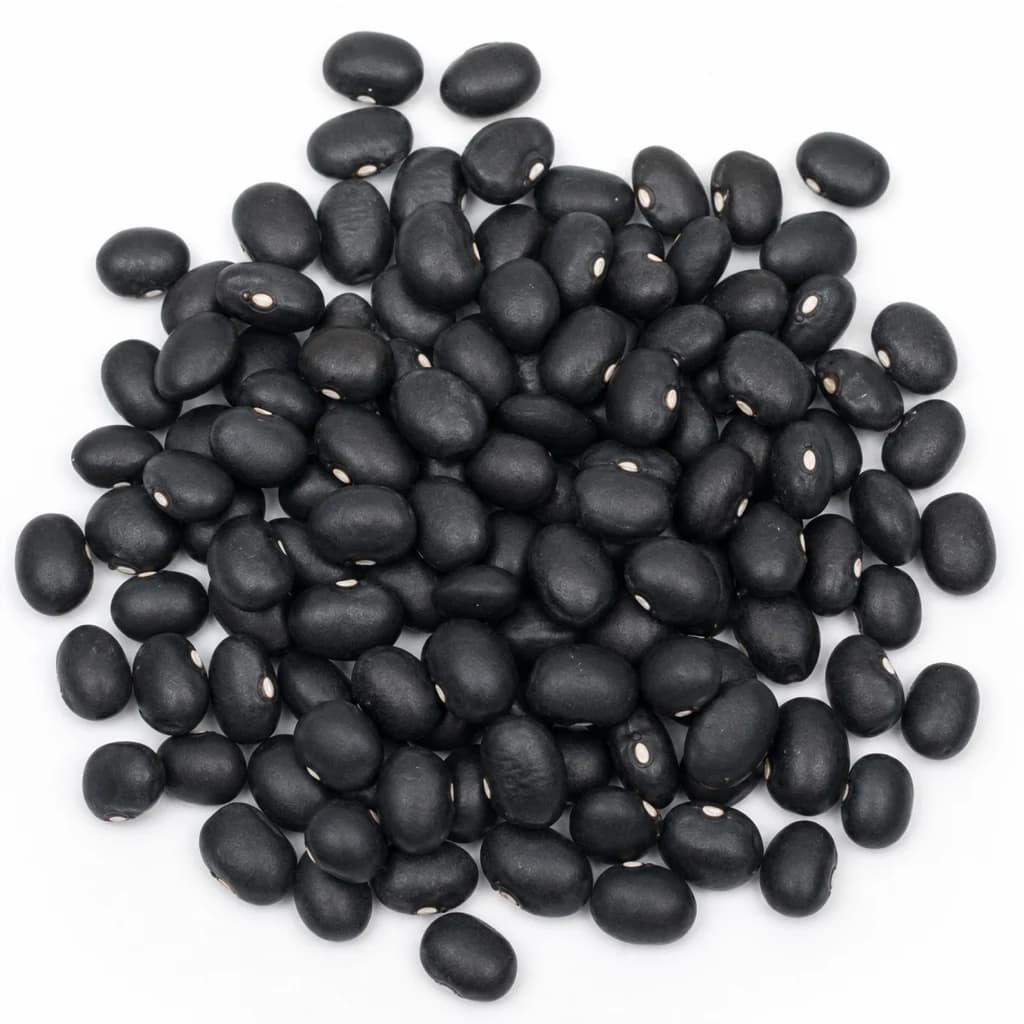
Black Beans
Earthy, creamy beans for bowls, soups, and tacos
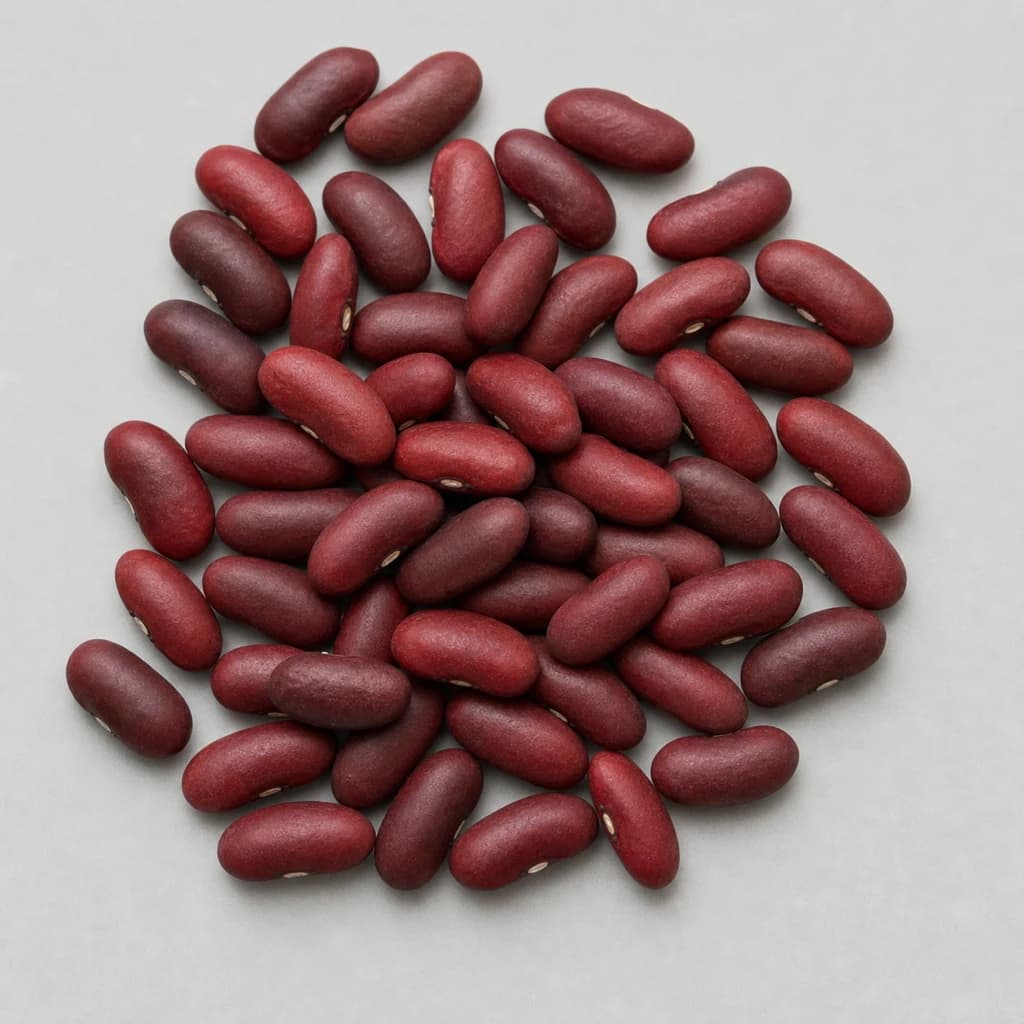
Kidney Beans
Hearty red beans that hold their shape in chili and stews
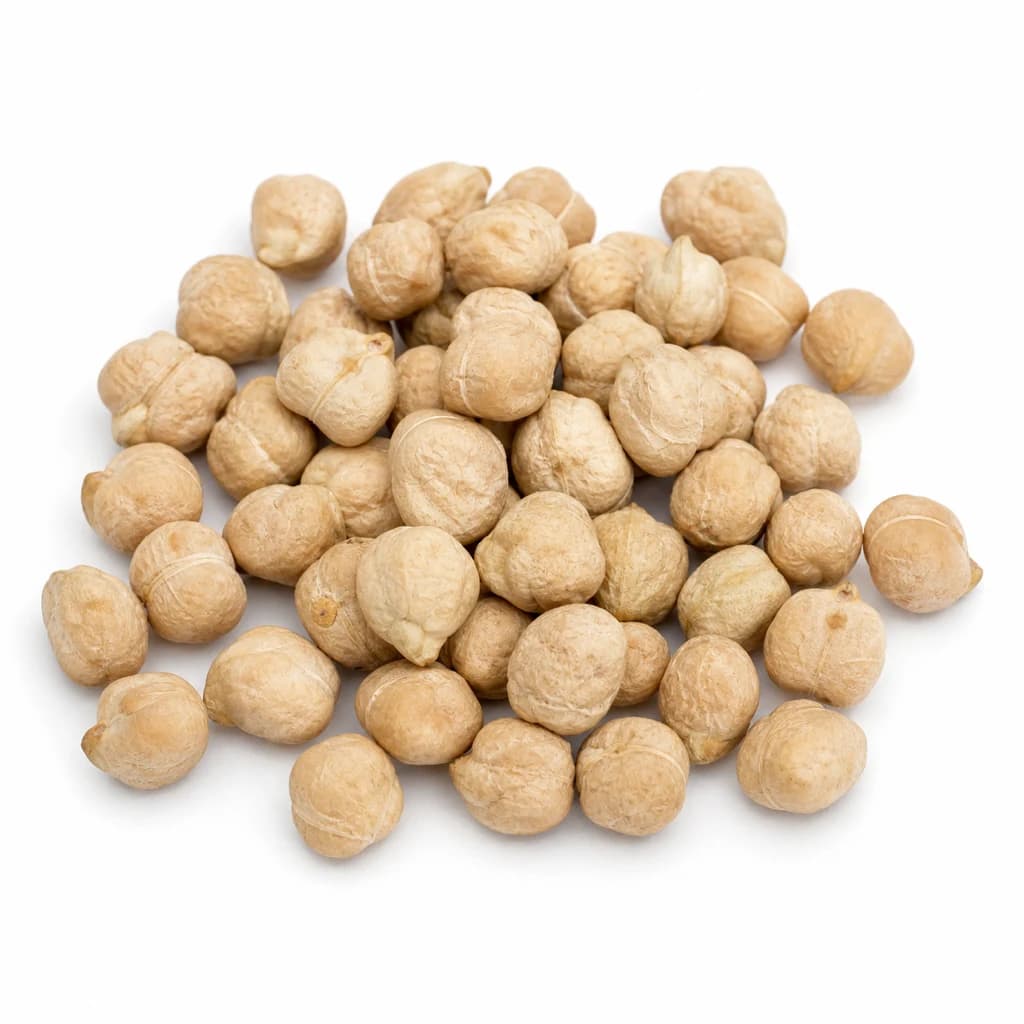
Chickpeas
Nutty, versatile beans for hummus, curries, and roasting
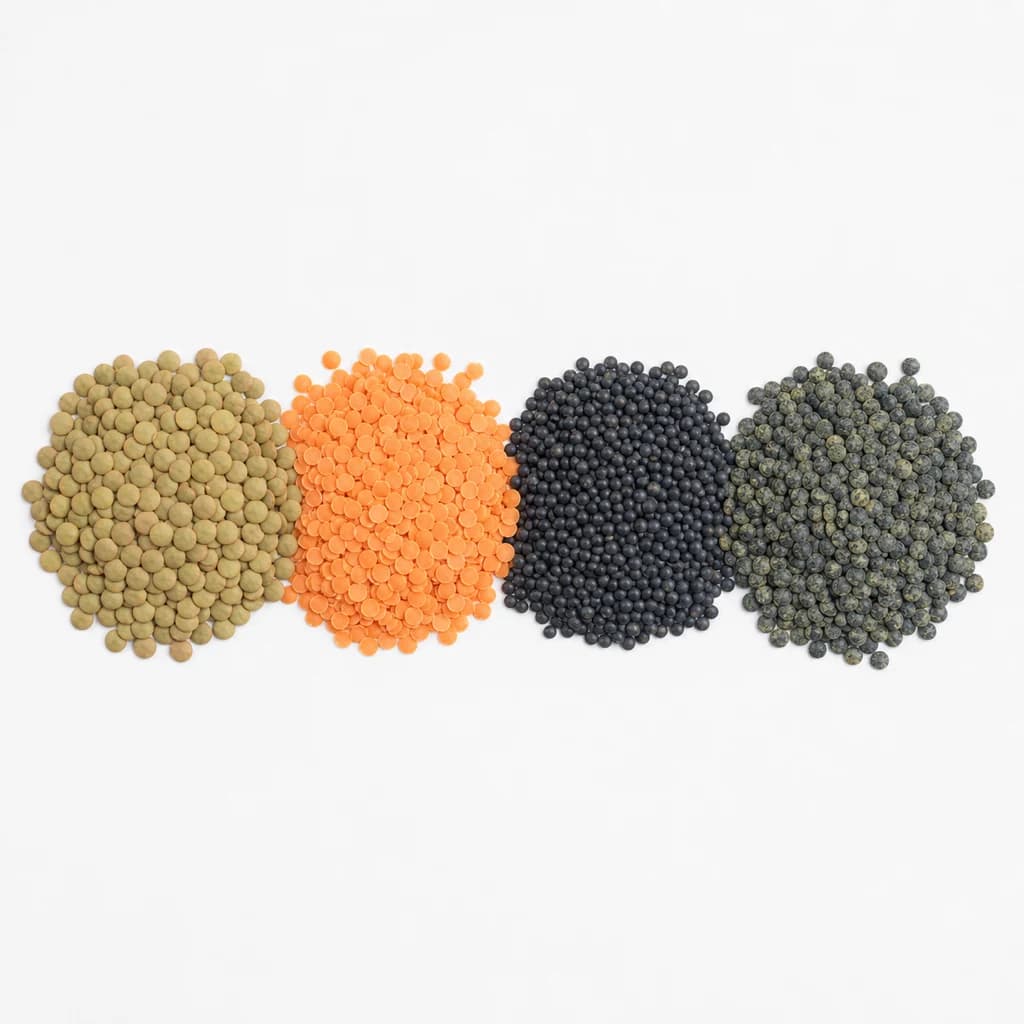
Lentils
Quick-cooking pulses for soups, dals, and hearty salads

White Beans
Creamy, mild beans for soups, stews, and silky purées
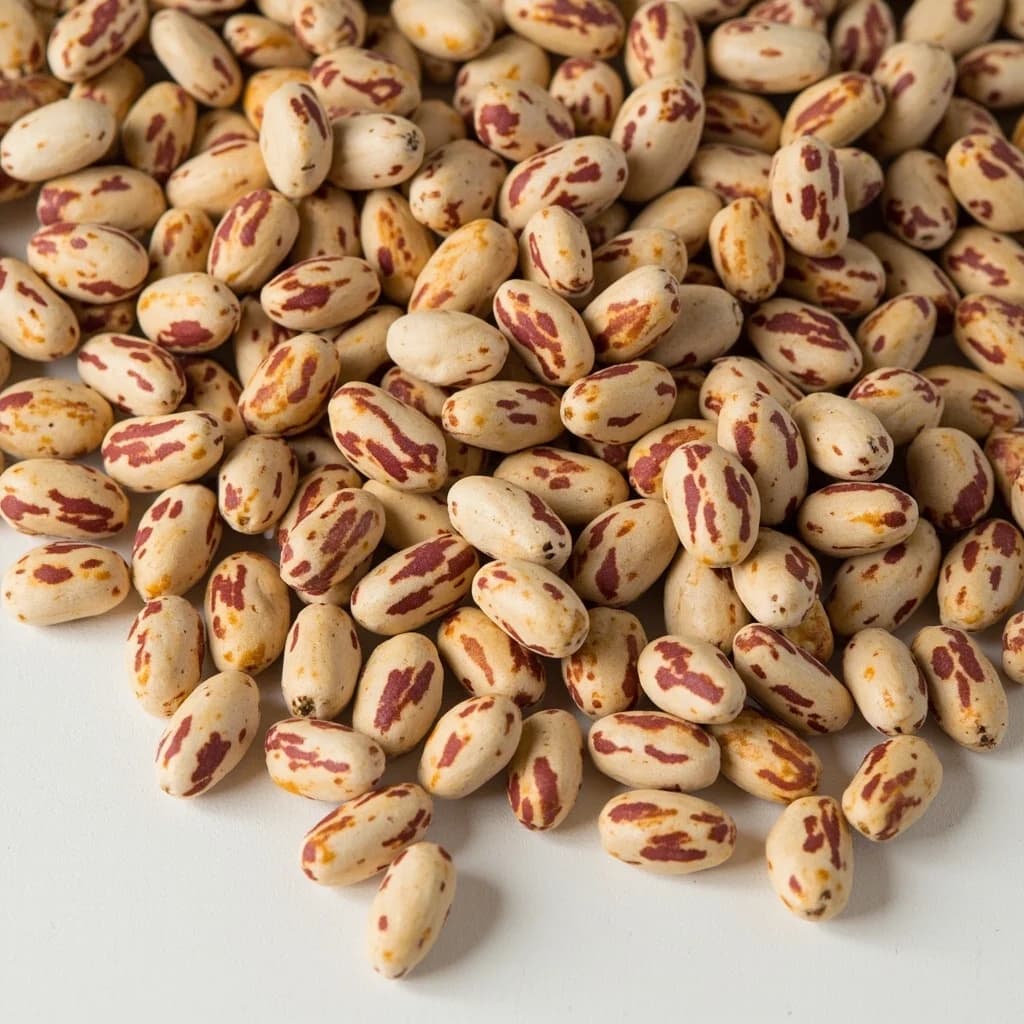
Pinto Beans
Creamy, speckled beans for refried beans and stews

Split Peas
Quick-cooking peas that melt into thick, comforting soups
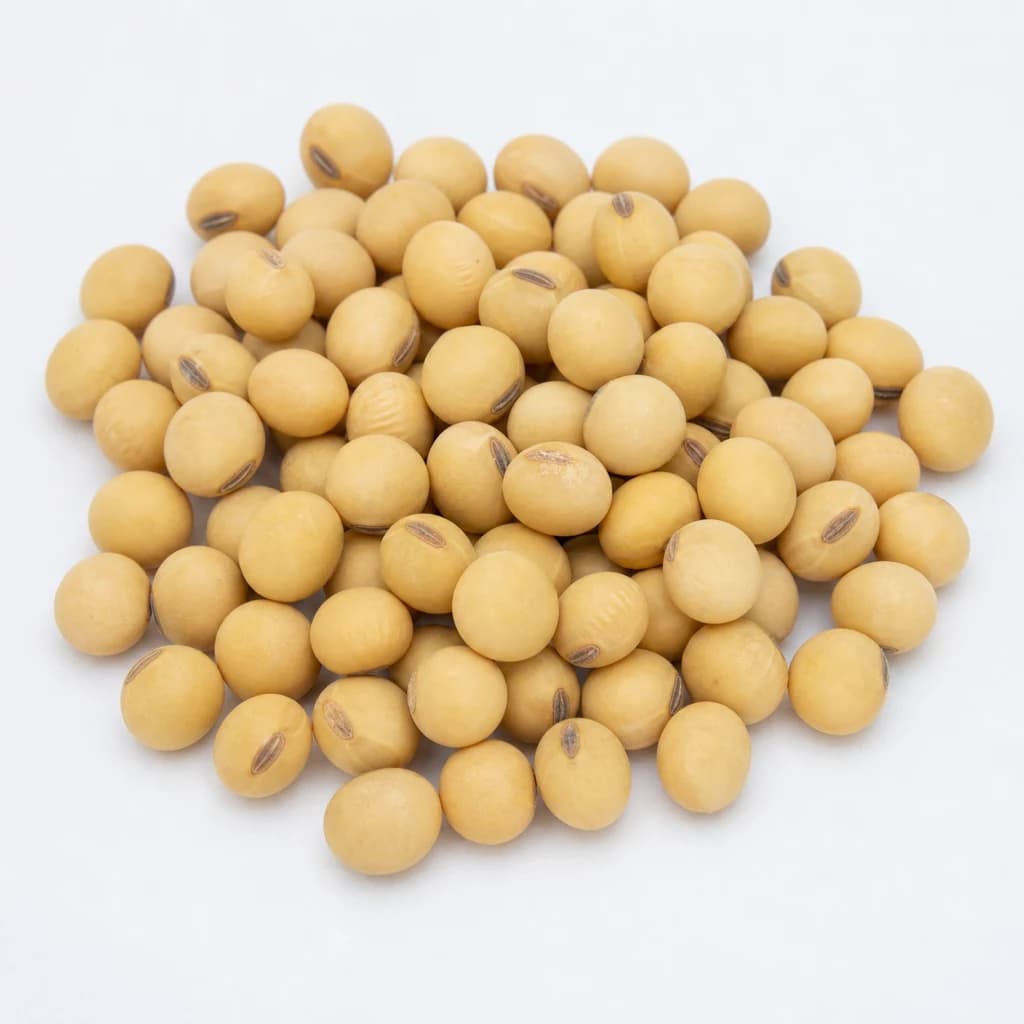
Soybeans
Protein-packed beans, the base for tofu and miso