Spices
Ajwain (Carom Seed)
Tiny seed with a powerful thyme-like punch; flavors Indian breads, fried snacks and dals.
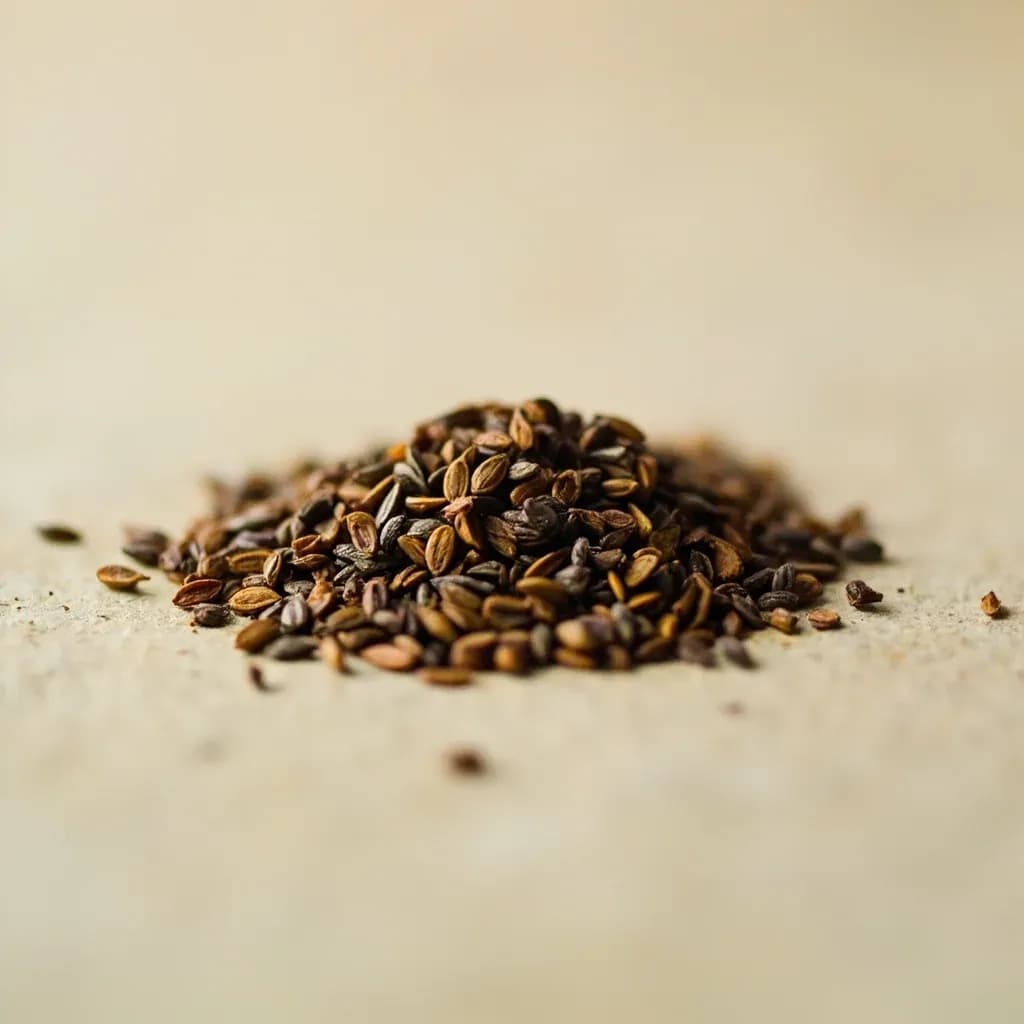
Ajwain, or carom seed, is a small ridged seed packing an intense aroma much like concentrated thyme, thanks to its thymol content. It is widely used in Indian cooking to flavor flatbreads, fried snacks, pickles and lentil dishes, and is valued for aiding digestion. Use it sparingly, as its flavor is sharp and dominant.
Ajwain, also called carom seed or ajowan, is a small, ridged seed from the Trachyspermum ammi plant in the parsley family. Despite its appearance—pale brown, oval seeds about 2 millimeters long—ajwain delivers an extraordinarily concentrated flavor that overwhelms dishes quickly when used carelessly. Its taste is often described as thyme-like, but sharper and more pungent, with distinct notes of anise and oregano and a slight bitterness that registers as medicinal when the seed is overused. The aroma is powerful and slightly numbing on the palate, a sensation caused by thymol, which makes up 40–55% of the seed's volatile oil content. This same compound explains why ajwain has been valued for millennia in Ayurvedic and Unani medicine as a digestive aid.
Unlike many spices that develop complexity through toasting or prolonged cooking, ajwain performs its most important flavor work in the first moments of contact with hot fat. When seeds hit ghee, oil, or butter, the fat-soluble thymol compounds release rapidly, perfuming the cooking medium and any ingredients that follow. This fat-blooming technique is foundational across North Indian, Gujarati, and Rajasthani cuisines. The seeds are almost always used whole—grinding rapidly destroys their volatile oils, and ground ajwain loses potency within weeks. Whole seeds, stored properly in an airtight container away from heat and light, maintain their strength for two to three years.
- Measured in
- g
- Storage
- Pantry
Types & varieties
The standard commercial variety; pale greenish-brown seeds with characteristic pungent flavor; grown throughout India with Rajasthan and Gujarat crops considered premium quality.
Derived from Bunium persicum, a different plant entirely; smaller and darker seeds; more common in Iran and Afghanistan; slightly more bitter and used interchangeably in some preparations but has a distinct character.
Ajwain from Rajasthan and Gujarat commands premium pricing due to higher essential oil content; Bihar and Madhya Pradesh also produce significant quantities for commercial markets.
Common uses
Tips & pitfalls
- Always dry-roast whole seeds in a pan over medium heat for 30–60 seconds until fragrant—this activates the essential oils. Watch carefully; ajwain burns faster than most spices and bitter, burnt seeds ruin a dish.
- Lightly crush seeds with a rolling pin or in a mortar just before adding to hot fat. This ruptures the seed coat and releases flavor compounds more effectively than adding whole seeds.
- Add seeds to hot oil or ghee at the beginning of your tempering sequence, before onions or liquids, to maximize flavor extraction into the cooking fat.
- Use sparingly—½ to 1 teaspoon is sufficient for a dish serving 4–6 people. The flavor dominates quickly, and once added, you cannot reduce it.
- Common mistake: Skipping the fat step and adding seeds directly to wet dishes. This produces a harsh, medicinal bitterness rather than aromatic warmth, because thymol extracts differently in water-based cooking.
- Store whole seeds in airtight glass containers in a cool, dark cabinet. The volatile thymol content makes ajwain susceptible to oxidation and moisture absorption, which dulls its punch over time.
- Never substitute pre-ground ajwain for whole seeds. Grind only what you need immediately before cooking; the ground form loses nearly all its potency within two to three weeks of grinding.
Nutrition
Energy
372 kJ · per 100 g
Where the calories come from
Protein
4.1g
8% DV
Carbs
17.3g
6% DV
Fat
0.5g
1% DV
Sodium
1mg
0% DV
Source · USDA FoodData Central · approx. Seeds, lotus seeds, raw
View on FDC →In the shops
Matched grocery products
No matched grocery products for Ajwain (Carom Seed) yet.
Good to know
- Scientific name
- Trachyspermum ammi (L.) Sprague ex Turrill
- Family
- Apiaceae (parsley family)
- Origin
- Indian subcontinent—primarily India, Pakistan, Iran, and Egypt
- Appearance
- Small, oval, ridged seeds approximately 2 mm; pale brown to grayish-green
- Flavor profile
- Pungent and sharp; thyme-like with anise and oregano notes; slight bitterness when overused
- Part used
- Dried fruit (seed) of the flowering plant
- Thymol content
- 40–55% of seed weight; responsible for pungency, numbing sensation, and medicinal quality
- Shelf life
- 2–3 years whole in airtight container; ground ajwain loses potency within weeks
- Traditional use
- Chewed raw after meals to aid digestion; used in Ayurvedic and Unani medicine for flatulence
Substitutes
- Oregano (dried) — Closest flavor match among common pantry spices; use slightly less as it is milder; best for Mediterranean-style applications rather than traditional Indian preparations.
- Thyme (dried) + Anise Seed (combined) — Mix ½ teaspoon dried thyme with a small pinch of anise seed to approximate ajwain's profile; thyme provides the earthy quality while anise adds the characteristic licorice note.
- Caraway Seeds — Comparable in shape and mild licorice note; use a 1:1 ratio, though the resulting flavor will be less pungent than true ajwain; adjust quantities to taste.
Pairs with
Also called
carom-seed · carom-seed-ajwain · bishops-weed
Appears in these dishes
Related
Salt
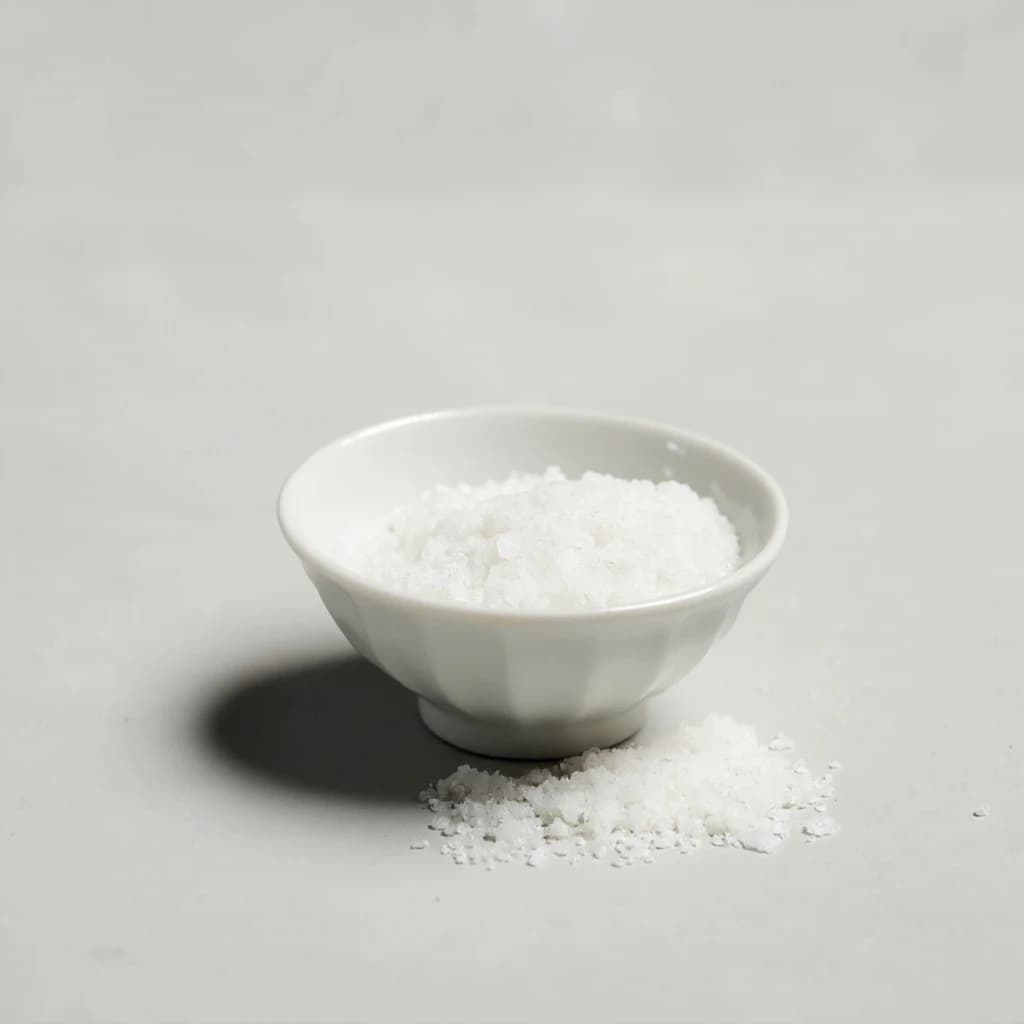
The one seasoning that makes everything else taste like itself

Black Pepper
Pungent, woody heat — best cracked fresh over anything savory
Amchur
Dried unripe mango ground to a tart, fruity souring powder
Paprika
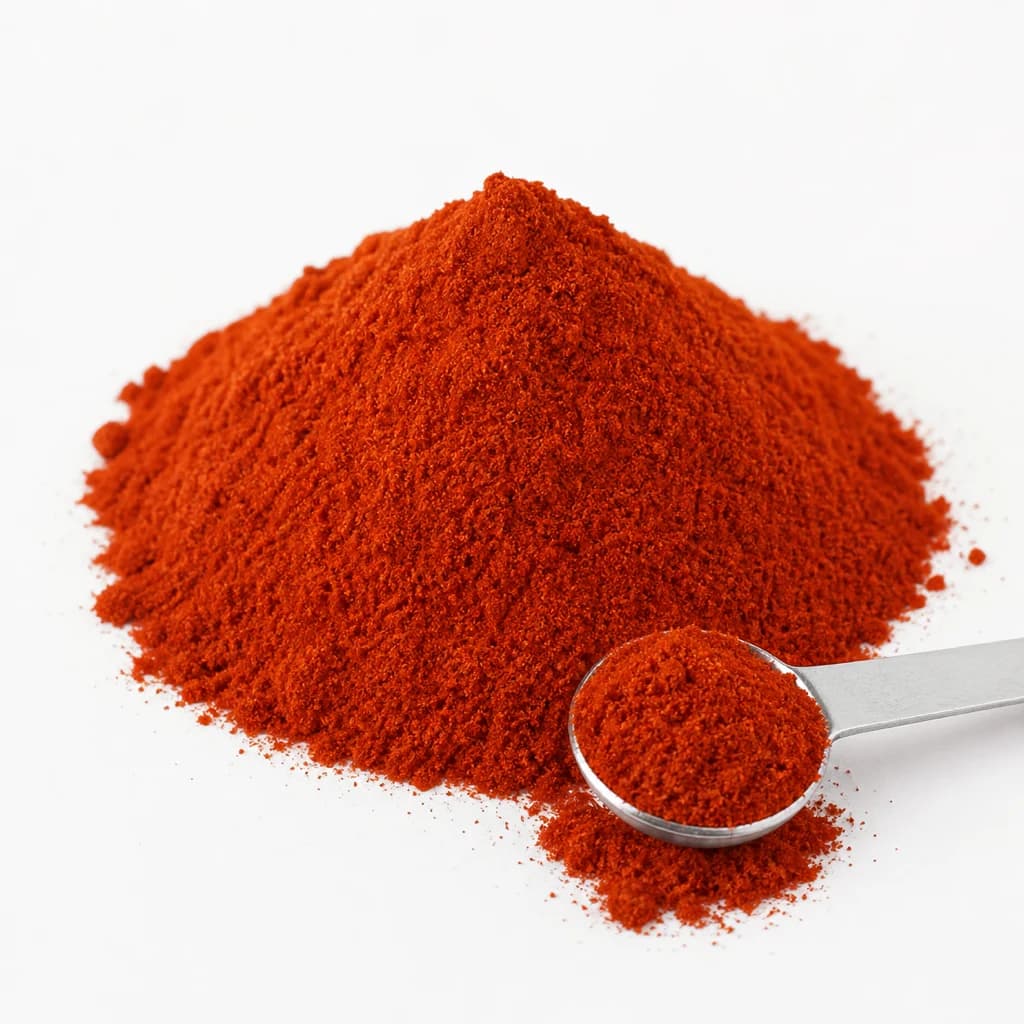
Sweet, vivid ground pepper for color and gentle warmth
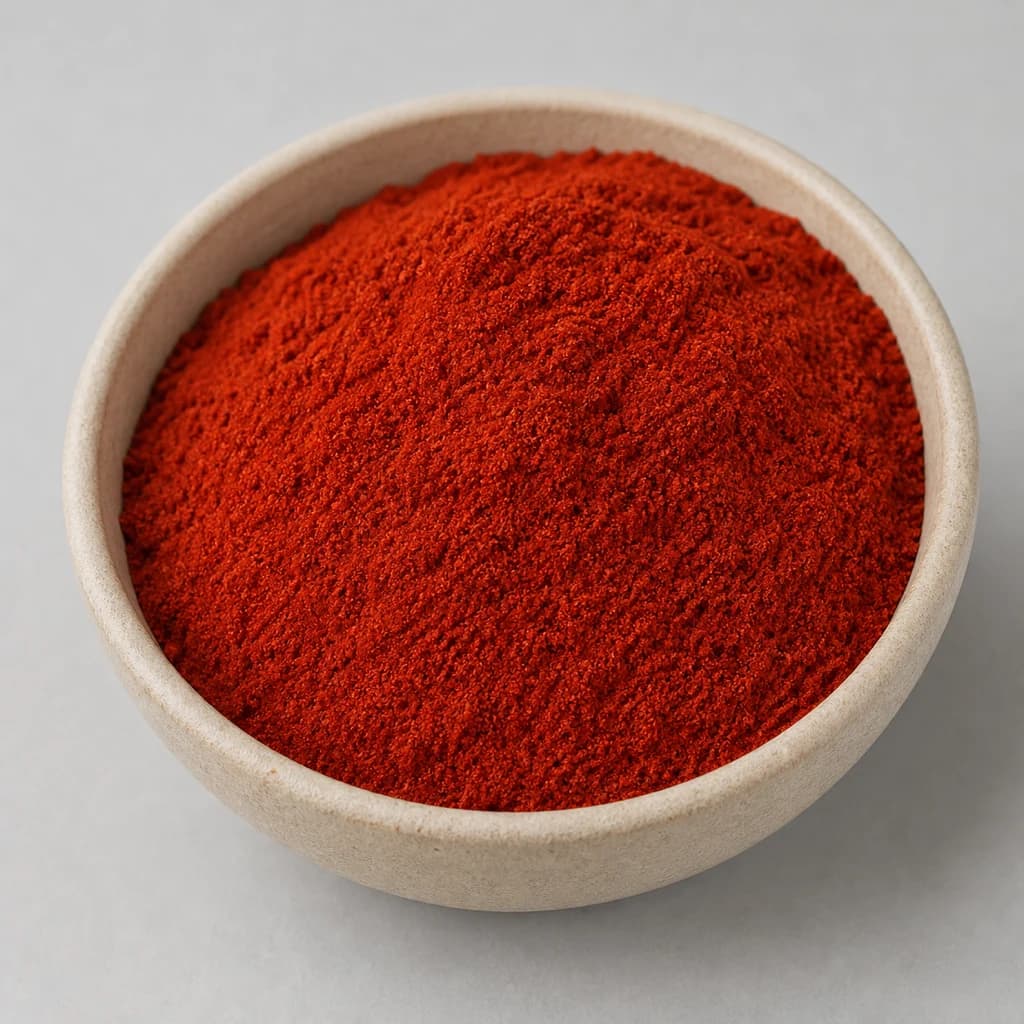
Smoked Paprika
Deep, smoky ground pepper for a campfire warmth
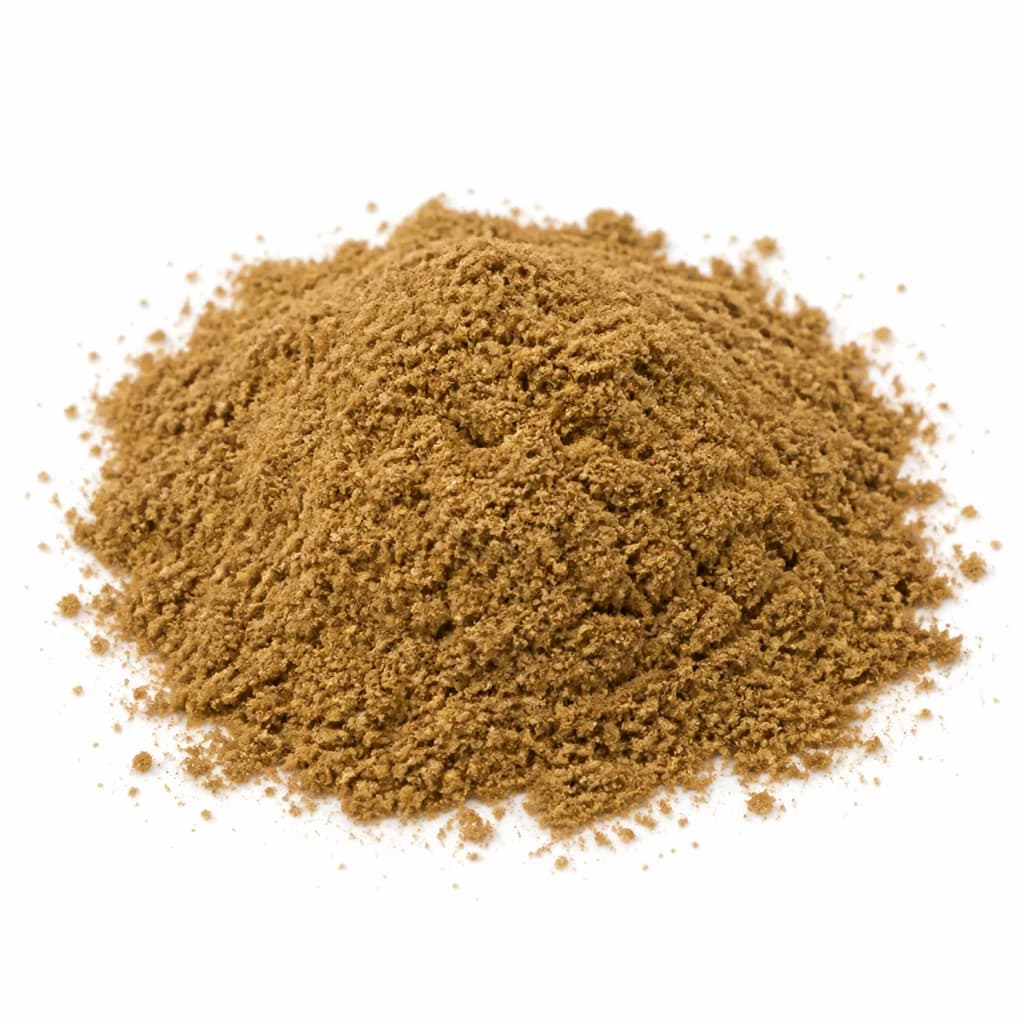
Cumin
Warm, earthy spice central to curries, chili, and tacos
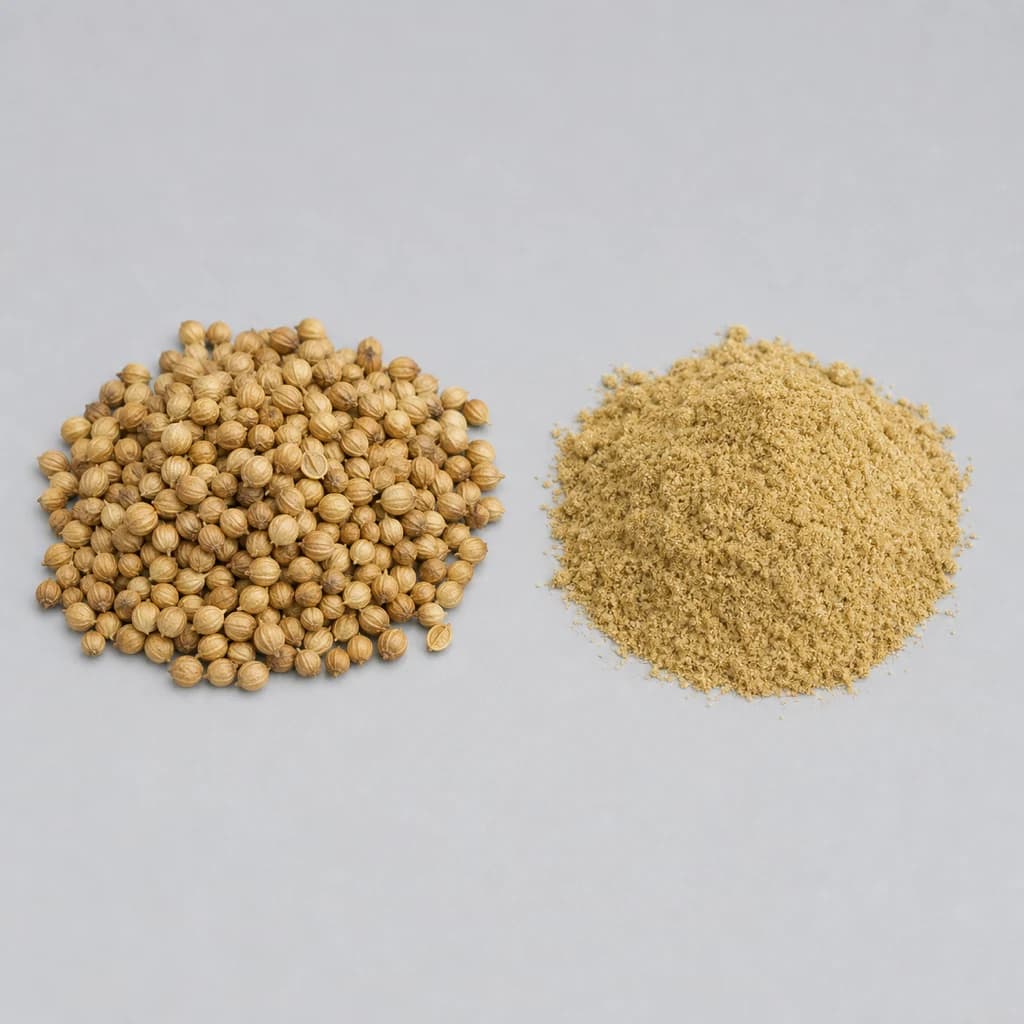
Coriander Seed
Citrusy, warm seed for curries, pickles, and rubs
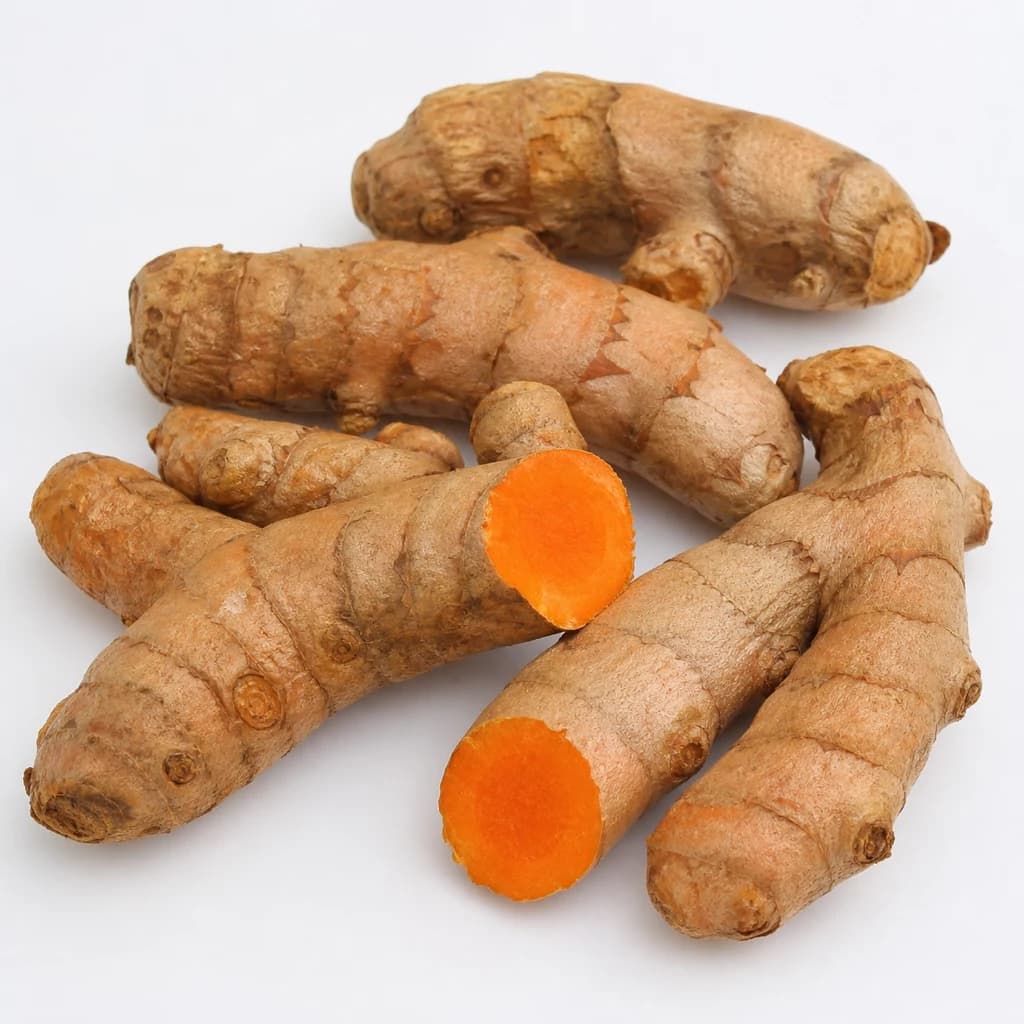
Turmeric
Golden, earthy spice for curries, rice, and color