Legumes & Beans
Red Kidney Bean
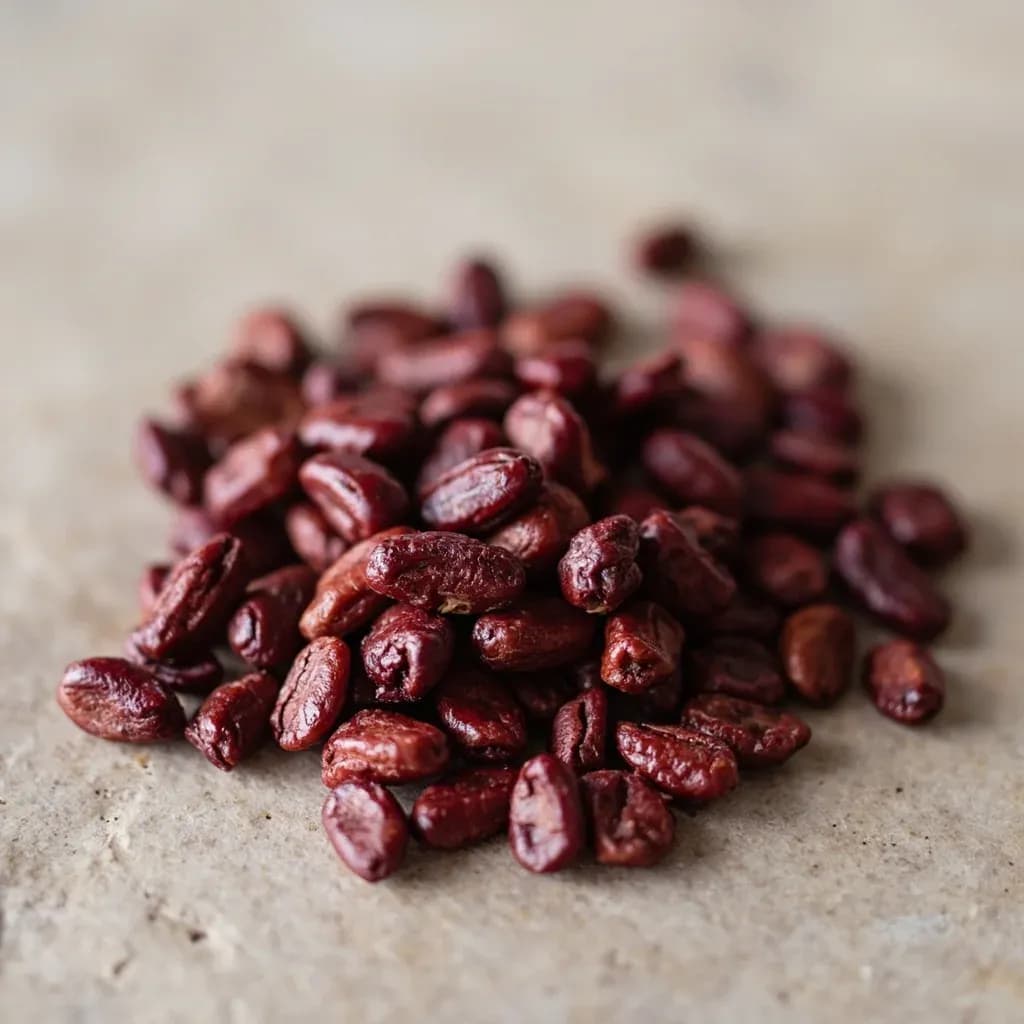
Large dark-red kidney-shaped beans for chili, rajma, and stews.
Red kidney beans are large, dark-red, kidney-shaped legumes with a firm texture and robust flavor that holds up in long-cooked dishes. They are the bean of chili con carne, North Indian rajma, and Caribbean rice and peas. Dried kidney beans must be boiled vigorously after soaking to destroy a natural toxin.
Red kidney beans are the large, bold workhorse of the legume world—those striking dark burgundy, kidney-shaped legumes that anchor chili, stews, and curries across dozens of cuisines. Their firm flesh holds shape beautifully through long simmering, making them the definitive choice when you need beans that contribute substance and texture rather than melting into a broth. The flavor is mild and slightly nutty when raw, developing a satisfying meatiness when properly cooked. What sets them apart from other common beans is their exceptional ability to absorb and carry bold seasoning while maintaining their structural integrity—qualities that explain their prominence in everything from Tex-Mex chili to Punjabi rajma to Louisiana red beans and rice. Beyond their culinary utility, kidney beans are nutritionally dense: a half-cup serving delivers roughly 8–9 grams of protein and 6–7 grams of fiber, making them one of the most economical sources of plant protein available. They are also among the most toxic of the common beans when consumed raw or improperly prepared, containing phytohaemagglutinin, a lectin that can cause severe gastrointestinal distress. This is why the 10-minute minimum boil rule exists and must never be skipped—commercial processing renders canned and restaurant-prepared kidney beans safe, but home cooks bear full responsibility for proper technique.
- Measured in
- g
- Storage
- Pantry
Types & varieties
Deep burgundy, most common variety; widely used in chili and Creole dishes; holds shape exceptionally well through long cooking
Pinkish-red with slightly softer texture; popular in Italian and Mediterranean cooking; similar cooking properties to dark red
Rounder and more compact; common in Caribbean cuisine; slightly quicker cooking time than larger kidney varieties
Understanding the Lectin Risk
Red kidney beans contain phytohaemagglutinin, a lectin that binds to cell membranes in the gastrointestinal tract, causing severe nausea, vomiting, and diarrhea within hours of consumption. Red kidney beans contain this toxin at concentrations four to five times higher than other common beans. The toxin is destroyed when beans are boiled at 100°C (212°F) for at least 10 minutes. This is not a suggestion—it is a minimum safety threshold. Slow cookers operate below this temperature and can actually concentrate the lectin as liquid evaporates, making them particularly dangerous for raw kidney beans. Canned kidney beans are safe because they are fully cooked during processing. If you are using a slow cooker and a recipe calls for raw kidney beans, always parboil them in a separate pot for 10 minutes first, then add them to the slow cooker.
- Never add raw kidney beans directly to a slow cooker
- Discard soaking water—do not cook beans in it
- The 10-minute boil applies after soaking, not before
- Symptoms of lectin poisoning typically appear 1–3 hours after consumption
- Even sprouted kidney beans must be boiled before eating
Soaking and Cooking Times
Dried kidney beans benefit from a long soak in cold water, which hydrates the cells and reduces cooking time by roughly 30–50 percent. Use plenty of water—at least three times the volume of beans—and add one tablespoon of salt per quart to season the beans internally and improve their final texture. After soaking for 4–12 hours (overnight is convenient), drain and discard the soaking liquid. Always cook beans in fresh water. Bring them to a full boil for a minimum of 10 minutes, then reduce to a gentle simmer. Expect 45 minutes to 1.5 hours for properly soaked beans to reach tender doneness. Older beans—those approaching the 2–3 year mark—can take significantly longer, occasionally up to 3 hours. If beans are not softening after 2 hours, the water may be too hard (high in minerals); add a small pinch of baking soda and continue cooking. Beans should be fully tender before adding acidic ingredients like tomatoes, vinegar, or wine, as acid prevents proper softening of the cell structure.
- Always discard soaking water—it contains oligosaccharides that cause gas
Common uses
Tips & pitfalls
- Sort through dried beans before cooking—remove small stones, discolored beans, or debris common even in packaged dried legumes.
- Soak in generously salted water (1 tablespoon per quart) to season the beans from the inside and improve texture.
- Never use the soaking water for cooking—discard it as it contains oligosaccharides that cause gas.
- The critical safety rule: after soaking and draining, boil beans in fresh water for at least 10 minutes before reducing to a simmer. This destroys the toxic lectin phytohaemagglutinin.
- Never cook raw kidney beans in a slow cooker without first boiling them for 10 minutes—low temperatures actually increase lectin concentration.
- Add acidic ingredients (tomatoes, vinegar, wine) only after beans are fully tender; acid prevents proper softening.
- For firmer beans that hold their shape, cook uncovered during the last 15–20 minutes. For creamier results, mash some beans against the pot interior.
- Older beans require significantly longer cooking times—up to 3 hours. If beans don't soften after 2 hours, the water may be too hard (high in minerals); try adding a pinch of baking soda.
Nutrition
Energy
1410 kJ · per 100 g
Where the calories come from
Protein
22.5g
45% DV
Carbs
61.3g
22% DV
Fat
1.1g
1% DV
Fiber
15.2g
54% DV
Sugars
2.1g
of which
Sodium
12mg
1% DV
Source · USDA FoodData Central · Beans, kidney, red, mature seeds, raw
View on FDC →In the shops
Matched grocery products
No matched grocery products for Red Kidney Bean yet.
Good to know
- Scientific name
- Phaseolus vulgaris
- Origin
- Central and South America, cultivated by indigenous peoples for thousands of years
- Primary producers
- United States (Idaho, Nebraska), Mexico, India, Argentina
- Average size
- 1.5–2 cm long
- Flavor (cooked)
- Mild, slightly nutty, meaty; absorbs seasoning well
- Texture
- Firm; holds shape through extended cooking
- Dried shelf life
- 2–3 years in cool, dry conditions
- Key toxin
- Phytohaemagglutinin; destroyed by boiling for minimum 10 minutes
- Cooked yield
- Approximately 2 cups cooked per 1 cup dried
- Sodium (canned, low-sodium)
- 140–200 mg per 1/2 cup serving
- Soaking time
- 4–12 hours in cold water
- Cooking time (after soaking)
- 45–90 minutes; older beans may require up to 3 hours
- Cooked storage
- 3–5 days refrigerated; up to 6 months frozen
Substitutes
- Pinto bean — Most similar texture and flavor; acceptable in most applications but lacks the visual impact of deep red color
- Cannellini bean — Creamy white with milder flavor; works in soups and stews but not ideal for dishes requiring the characteristic red color
- Canned kidney beans — Pre-cooked and convenient; rinse thoroughly to reduce sodium; can be used directly in salads and quick-cooking dishes
Pairs with
Also called
Lobia · Red Kidney Beans · Rajma
Appears in these dishes
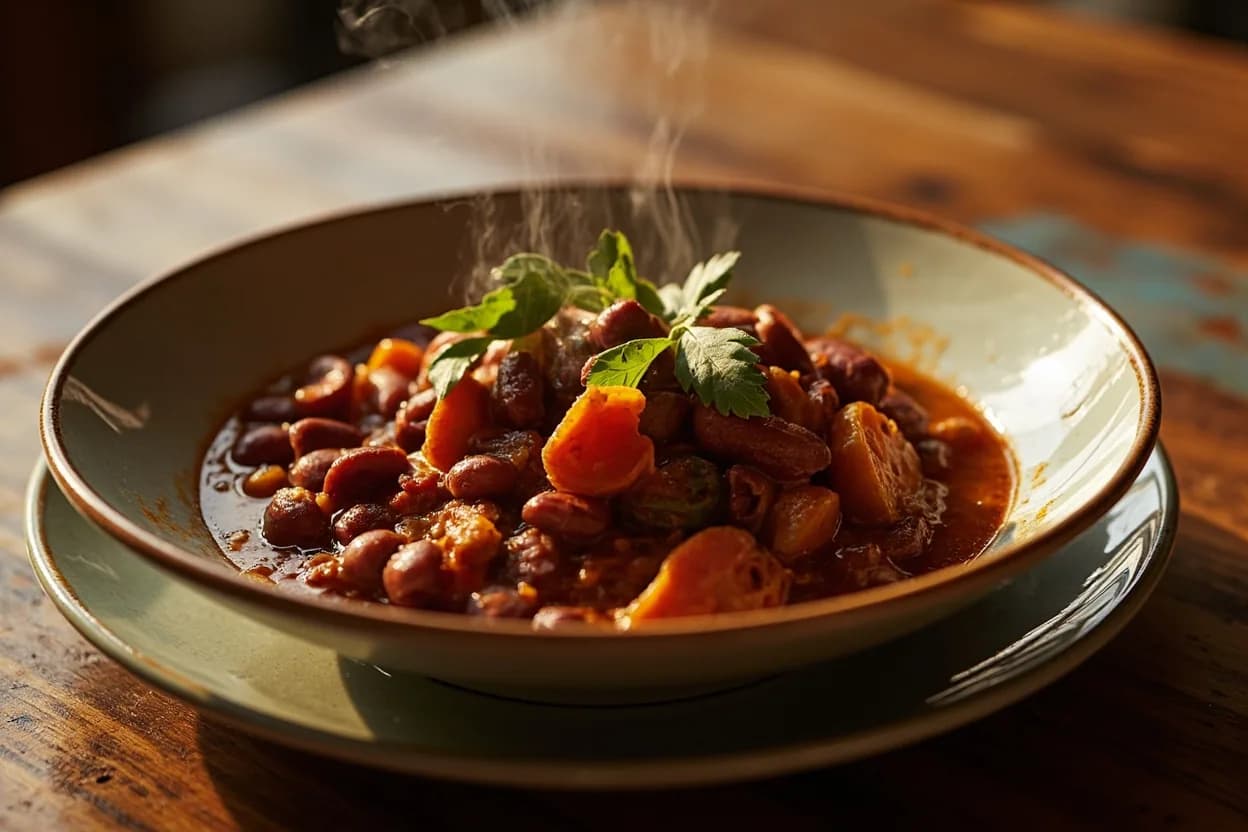
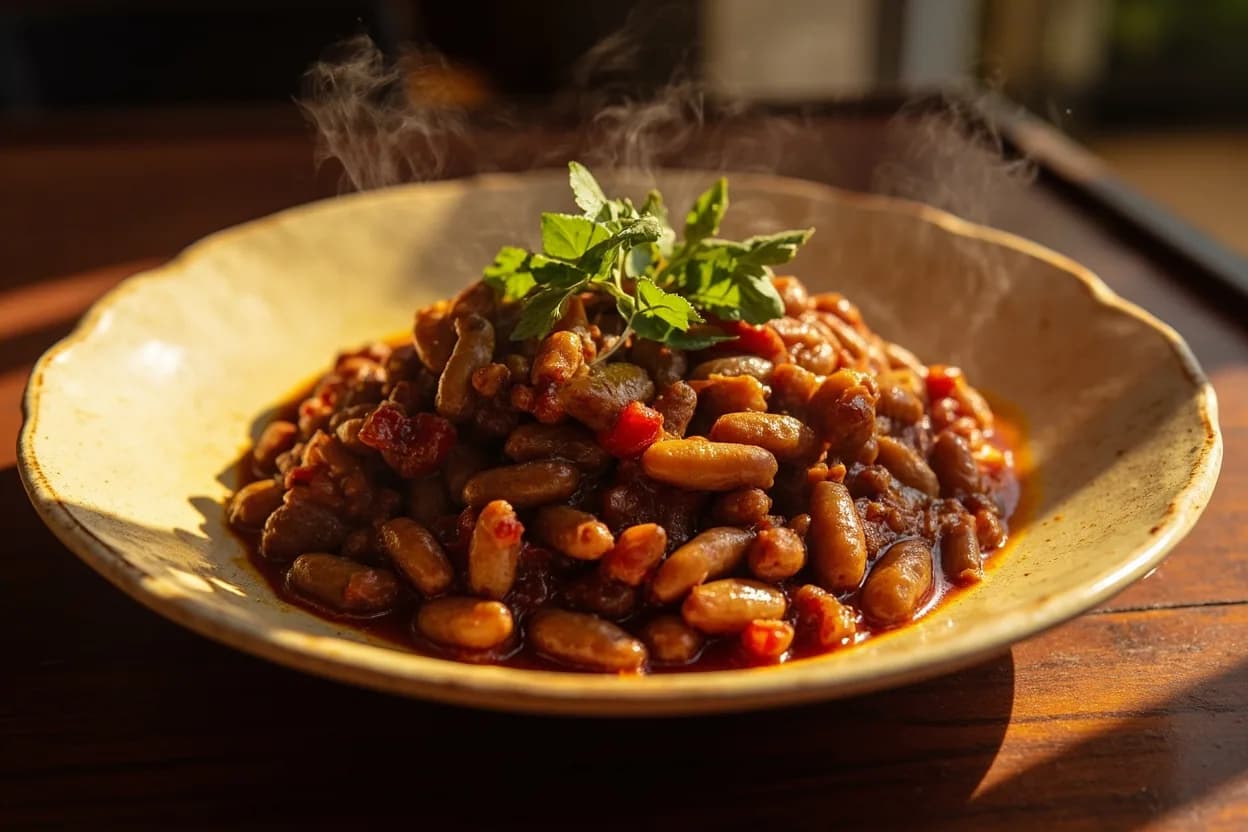
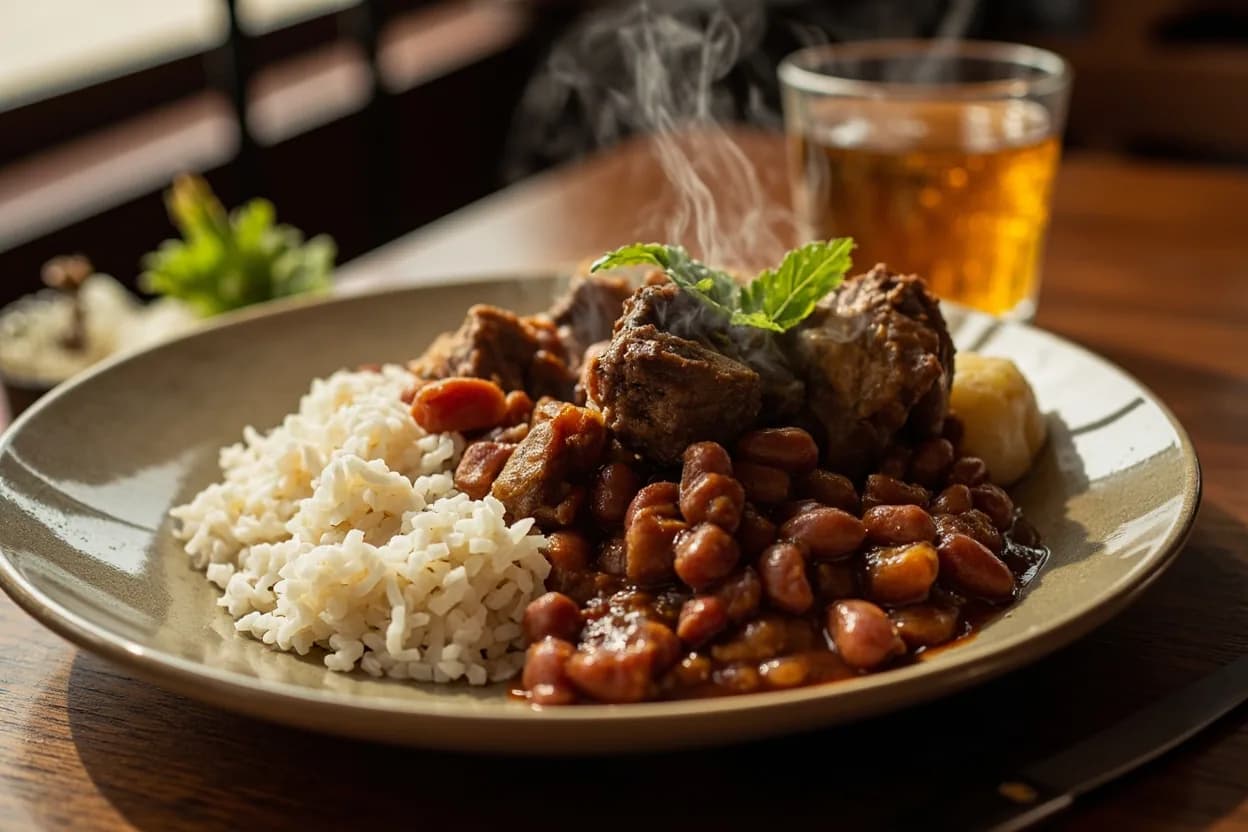
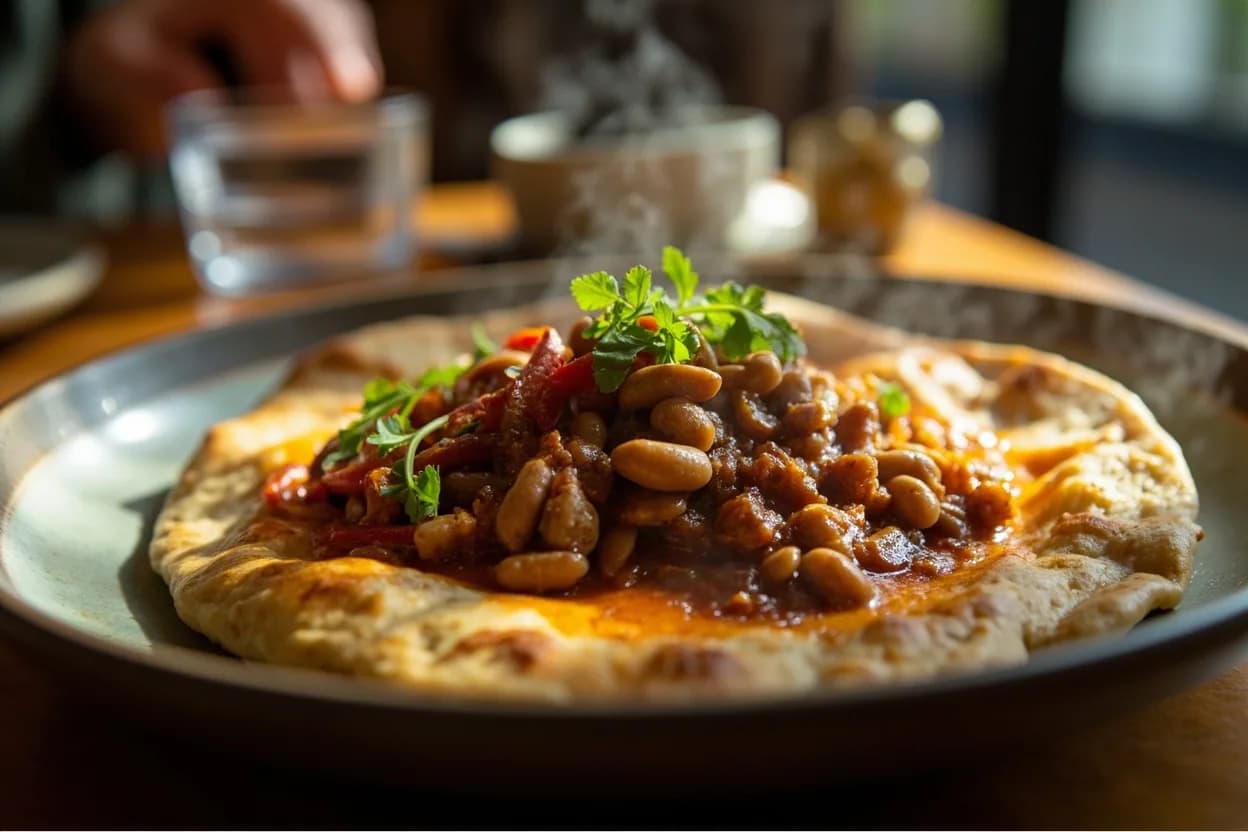
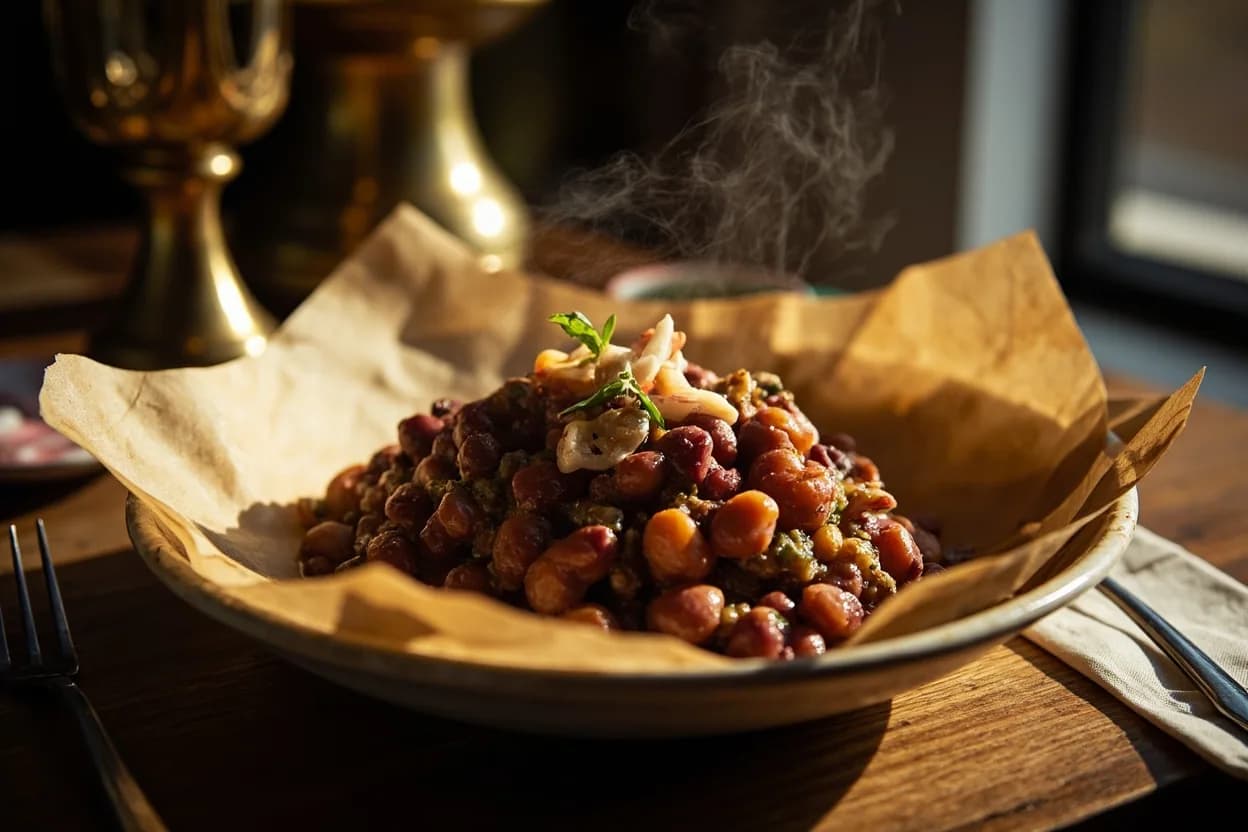
Related
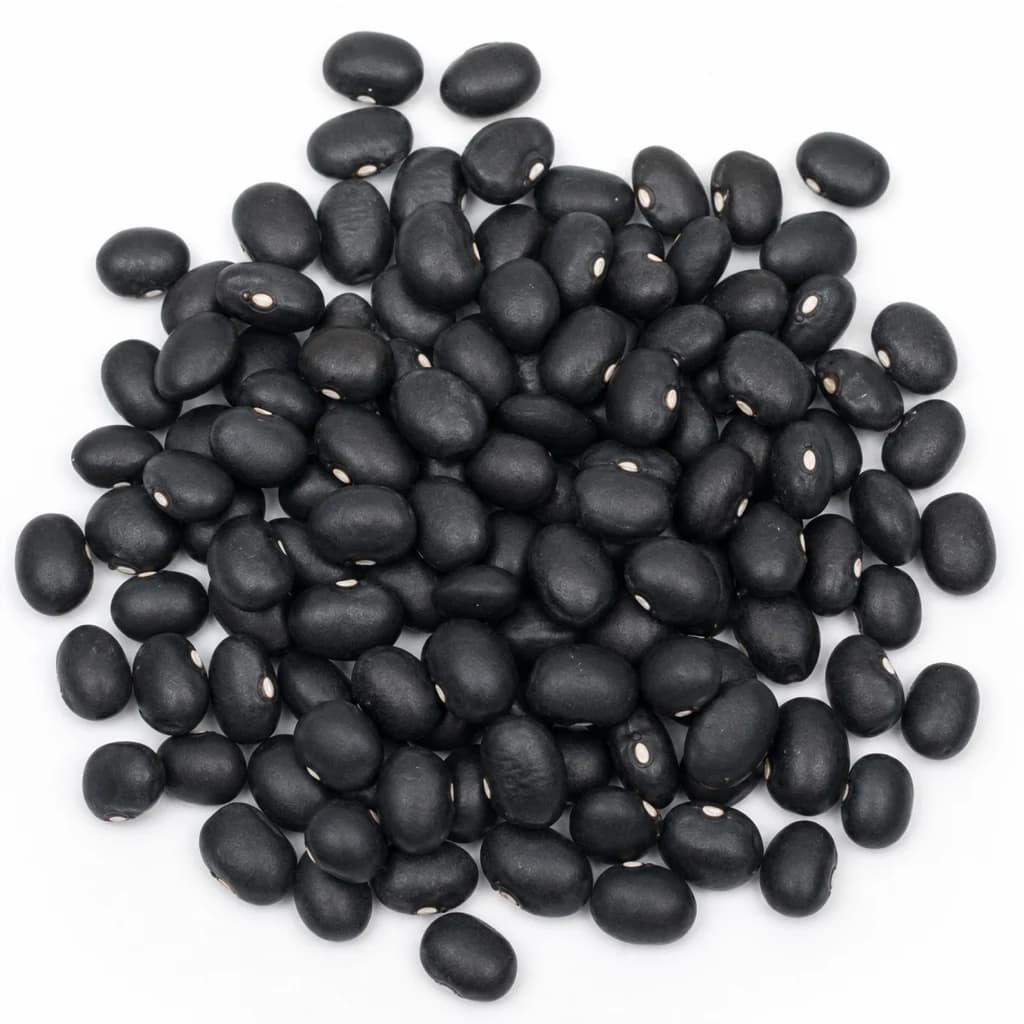
Black Beans
Earthy, creamy beans for bowls, soups, and tacos
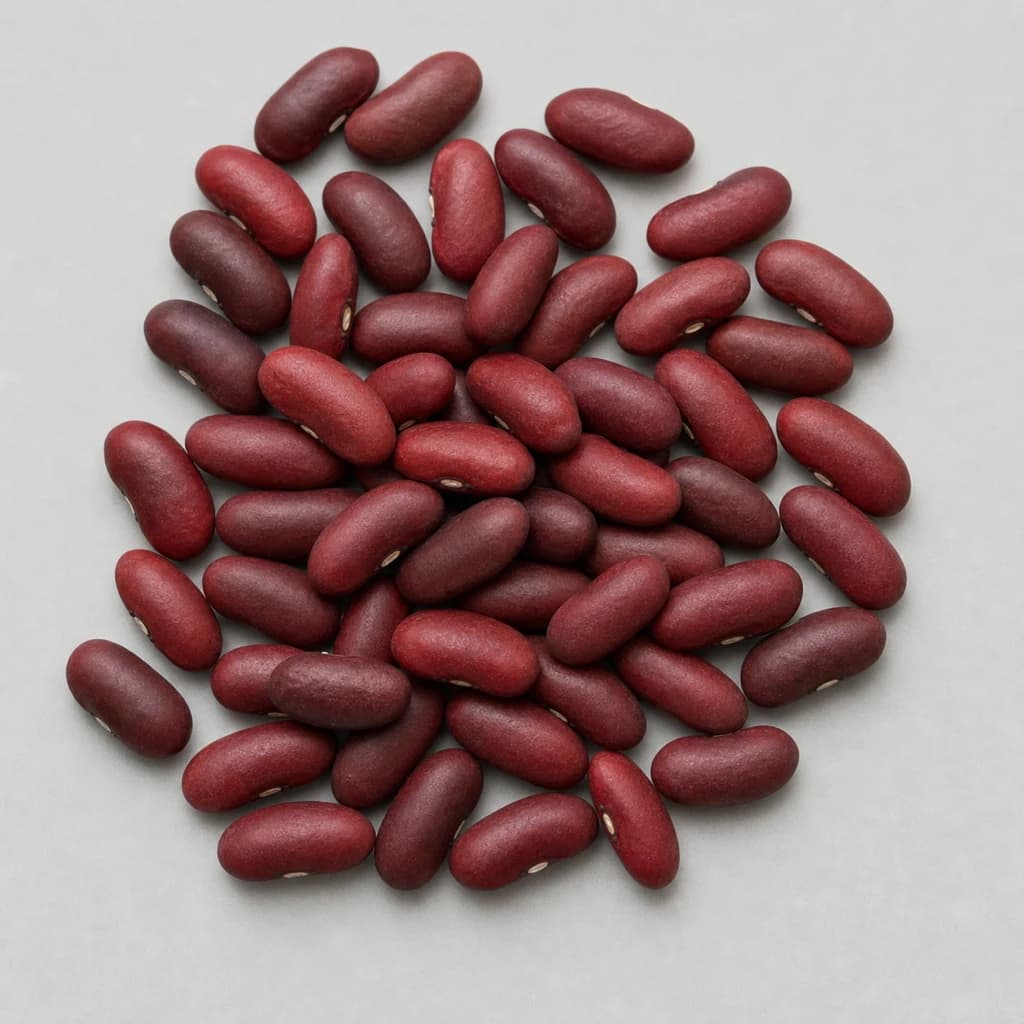
Kidney Beans
Hearty red beans that hold their shape in chili and stews
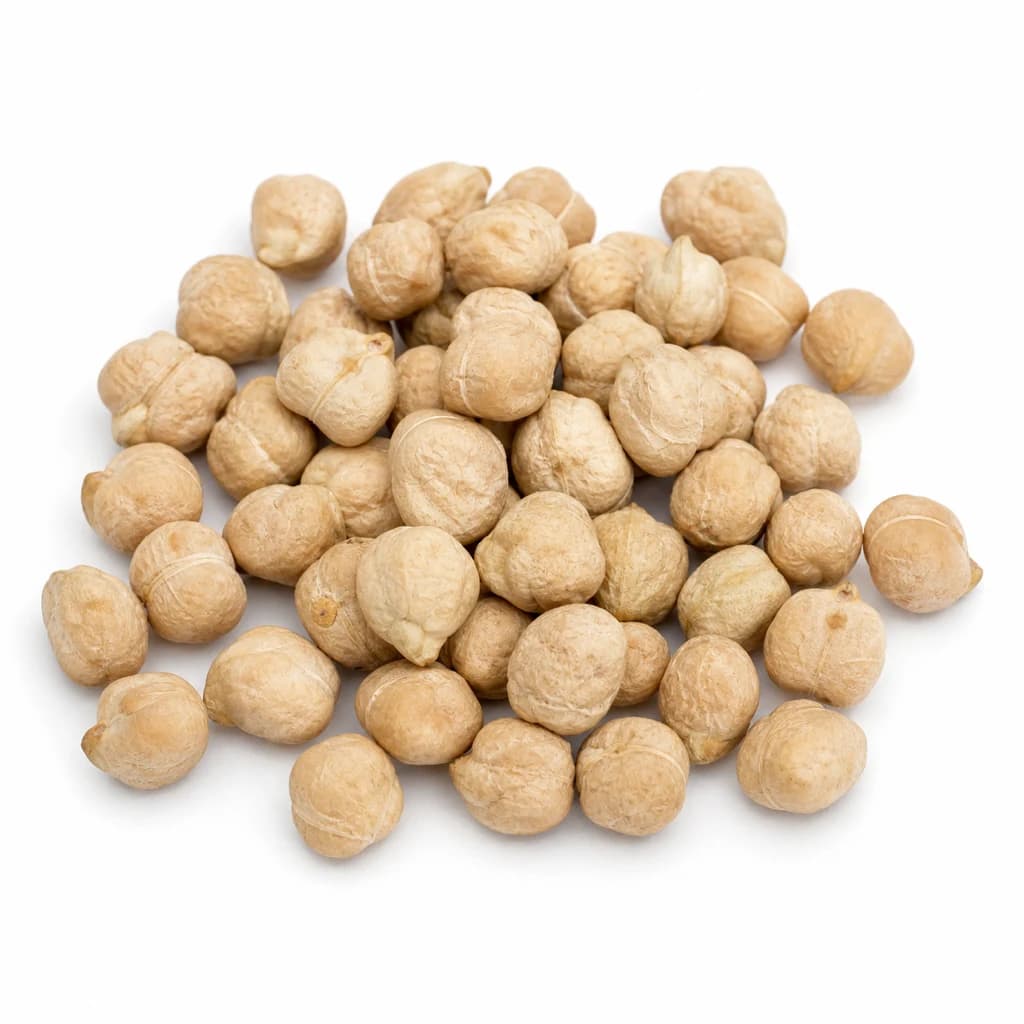
Chickpeas
Nutty, versatile beans for hummus, curries, and roasting
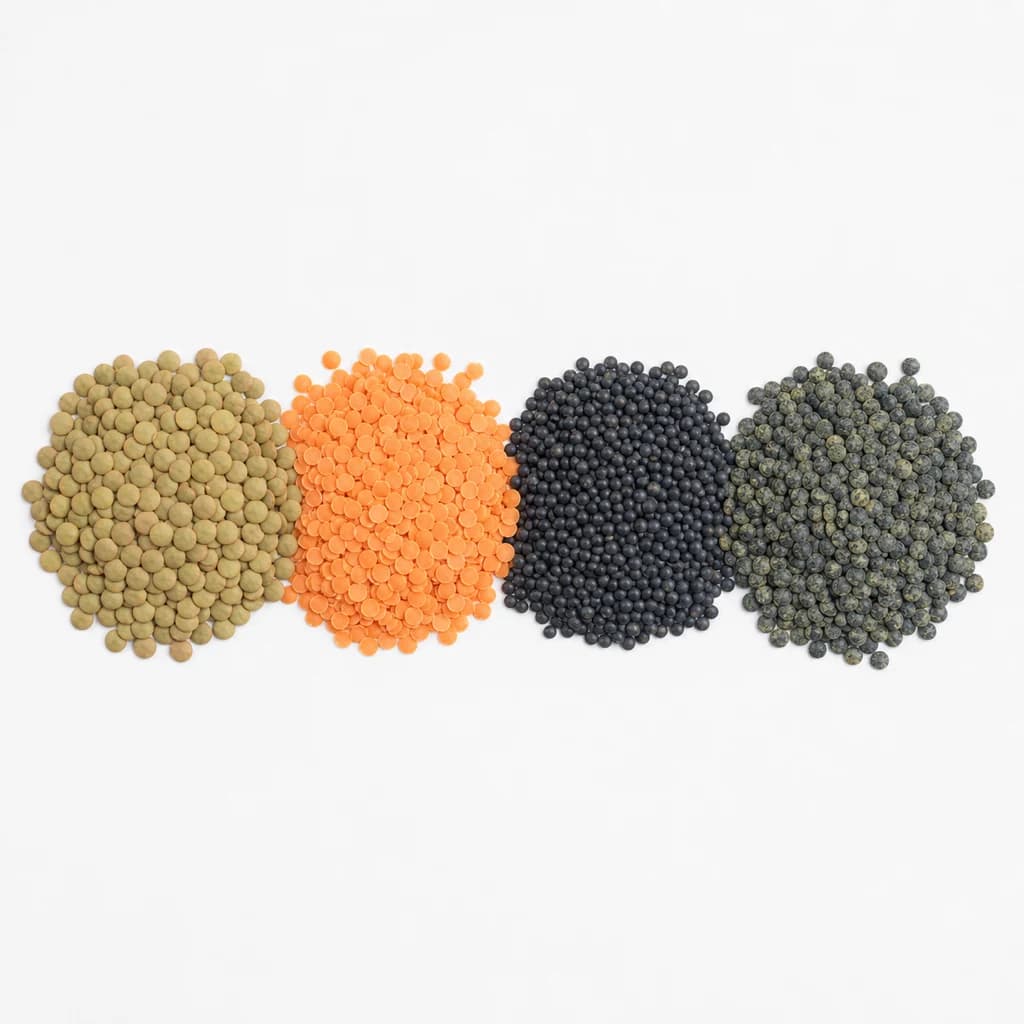
Lentils
Quick-cooking pulses for soups, dals, and hearty salads

White Beans
Creamy, mild beans for soups, stews, and silky purées
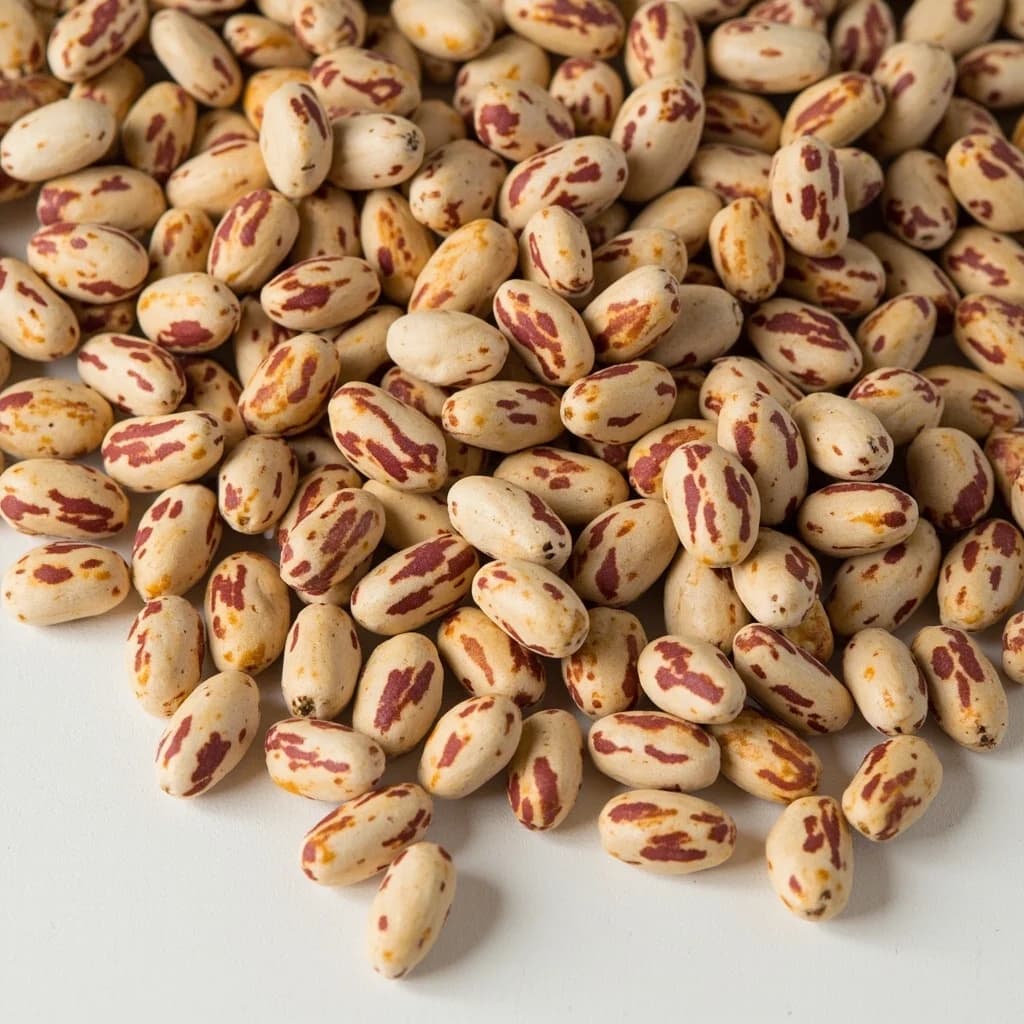
Pinto Beans
Creamy, speckled beans for refried beans and stews

Split Peas
Quick-cooking peas that melt into thick, comforting soups
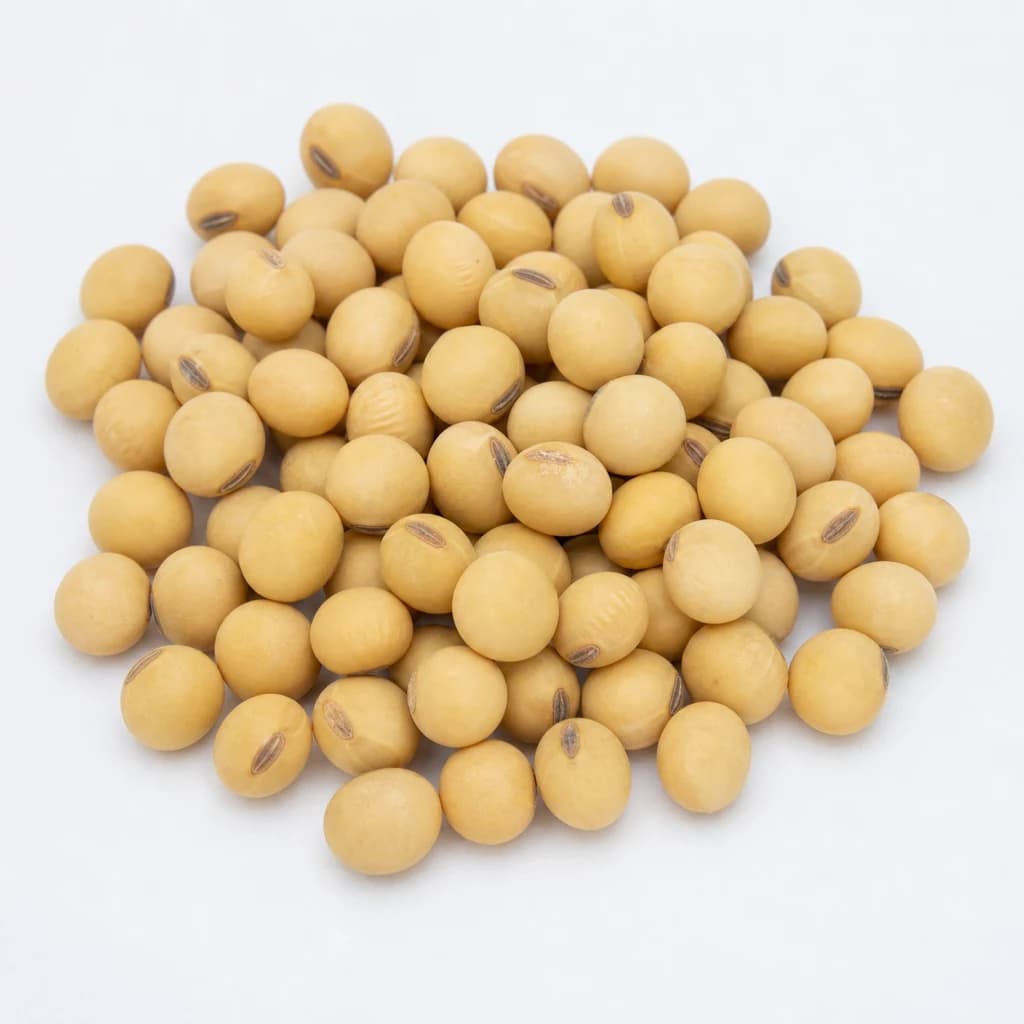
Soybeans
Protein-packed beans, the base for tofu and miso