Heat & Fire
Refrying
Frying already-cooked food again, often mashing it, to concentrate and enrich it.
Refrying takes previously cooked food, classically boiled beans, and fries it in fat while mashing, so it thickens, concentrates, and takes on a richer, toasted flavor. It produces refried beans (frijoles refritos) and reheated dishes like cachupa, where leftovers are crisped up the next day. Despite the name, the food is often fried for the first time during this step, not literally a second time.
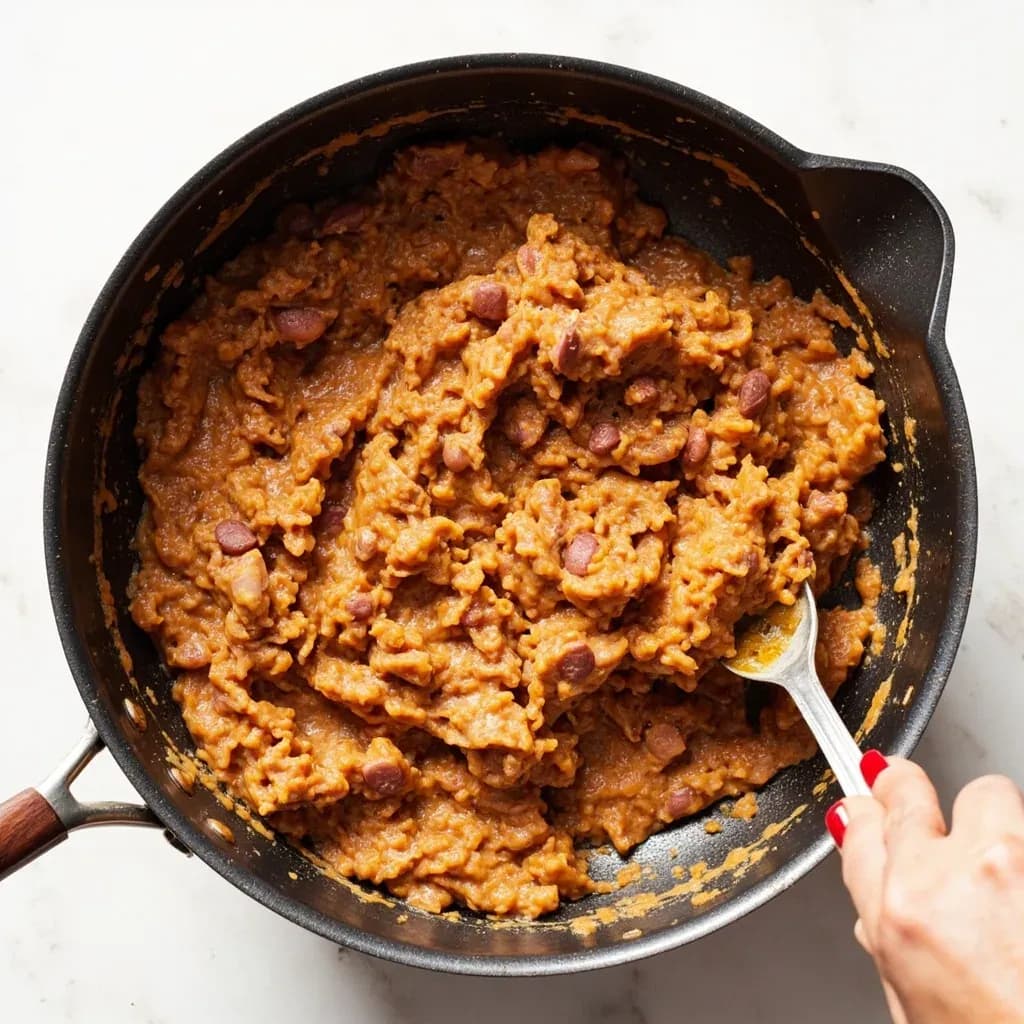
Refrying is the technique of frying an already-cooked, starchy food a second time in fat — usually breaking or mashing it as it cooks — until moisture evaporates and the flavor concentrates. Its most codified expression is Mexican frijoles refritos, where pinto or black beans that have been simmered to tenderness are then crushed and cooked in lard with onion and garlic until the paste thickens, the surface turns glossy with fat, and the pan begins to sizzle softly. The "re-" in refrito works as an intensive prefix ("well-fried" or "thoroughly fried") as much as it does the literal "again," because what is really happening in the pan is evaporation, toasting of exposed starch, and emulsification of the cooking fat into the food.
In practice, refrying is less a recipe than a method, and the same logic governs a surprising range of beloved dishes: Chinese fried rice insists on day-old rice for exactly this reason — fresh rice steams in the pan and goes gluey, while a night in the refrigerator dries the grains so they fry and char on contact. Indonesian nasi goreng, twice-fried tortilla strips for sopa azteca, the British twice-cooked chip, and pre-cooked potatoes crisped in a skillet all rely on the same sequence: cook, cool and dry, then fry in fat to drive off the last of the water and develop flavor that the first cook could not.
The technique matters because it solves a specific problem: most starches, freshly cooked, are wet, bland, and texturally one-note. Refrying fixes all three at once. The fat carries aromatics that the original simmer could not deliver efficiently, the mashing releases bean starches that thicken the paste without thinning the flavor, and the long, gentle fry on the stovetop concentrates everything — leaving you with something that tastes of beans (or rice, or potatoes) in a way the freshly cooked version simply does not.
- Difficulty
- Easy
Types & varieties
The northern-Mexican standard; pinto beans, often mashed smoother, frequently cooked in lard with onion
More common in central and southern Mexico and the Yucatán; earthier, slightly sweeter, often with garlic and epazote
Light, creamy Mexican beans; yield a pale, mellow refried bean popular in central Mexico
Beans left partially whole, mashed just enough to bind; thicker, served as a side or filling
Smooth, glossy, looser than homestyle; thinned with bean broth to almost spreadable consistency
Made with neutral oil or olive oil instead of lard; lighter flavor, same technique
Day-old steamed rice fried in oil over high heat — the same principle applied to a different starch
Pre-cooked or fresh tortillas fried, cooled, then fried again until crisp — the basis of taco shells, taquitos, flautas, and tortilla strips for sopa azteca
How to do it
- 1
Render the fat and soften the aromatics
Heat 2–3 tablespoons of lard (or oil) in a wide heavy skillet over medium heat. Add ½ cup finely chopped white onion and a small pinch of salt; cook, stirring, until translucent and just turning golden, 4–6 minutes. Add 2–3 minced garlic cloves (and 1 minced jalapeño if you want heat) and cook another 30–60 seconds until fragrant.
- 2
Add the cooked beans and a splash of liquid
Add about 3 cups of cooked, drained beans — pinto, black, or bayo — along with ½ cup of the reserved bean cooking liquid. Stir to coat the beans in the seasoned fat and let them warm through for 1–2 minutes.
- 3
Mash to your preferred texture
Use a potato masher, a Mexican bean smasher, or the back of a wooden spoon to crush the beans against the bottom of the pan. For taqueria-style beans, mash until nearly smooth, adding splashes of bean broth as needed. For homestyle, leave roughly a third of the beans whole for texture.
- 4
Fry until the moisture cooks off
Continue cooking, stirring frequently and scraping the bottom, until the beans thicken, pull away from the sides of the pan, and the fat begins to glisten on the surface — 8–15 minutes. The beans should sizzle softly, not steam. Add bean broth only if they tighten up too much to stir.
- 5
Season and finish
Stir in a small sprig of epazote (if using) or a pinch of dried Mexican oregano. Taste and salt generously — refried beans need more salt than you expect because flavor concentrates as moisture cooks off. Remove the epazote sprig before serving. Hold warm over low heat with a thin film of fat or broth on top to prevent a skin from forming.
Beyond beans: the same principle, different foods
Refrying is best understood as a category, not a single dish. Anywhere a cooked starch is fried in fat to drive off moisture and concentrate flavor, the same technique is at work. The most common examples:
- Fried rice (Chinese, Indonesian nasi goreng, Thai khao pad) — cold day-old rice fried in oil over high heat so the grains char rather than steam
- Twice-fried tortillas — corn tortillas fried once, rested, then fried again until brittle for taco shells, taquitos, flautas, and tortilla strips for soup
- Twice-cooked chips (British) — thick-cut potatoes parboiled, cooled, then fried in two stages for a fluffy interior and crisp exterior
- Hash-brown-style potatoes — pre-cooked or boiled potatoes grated or cubed, then fried in fat until the surface browns and dries
- Leftover bread fried in butter for croutons or panzanella toasts — small, but the same logic of drying and browning in fat
The "re-" in refrito, and a note on Caribbean refrito
The Spanish prefix "re-" here is genuinely ambiguous: it can mean "again" (the beans have been cooked, and are being cooked a second time) or it can function as an intensive, as in "re-bueno" or "re-frito," meaning "well-fried" or "thoroughly fried." Both readings describe what actually happens in the pan. Worth distinguishing from a similarly named but unrelated concept: in Dominican, Puerto Rican, and some other Caribbean Spanish kitchens, refrito refers to a seasoned aromatic paste of garlic, onion, and peppers fried in oil, used as a flavor base for rice, beans, and stews. That is a sofrito-family building block, not a re-frying technique — the two should not be confused.
Common uses
Tips & pitfalls
- Always start with well-seasoned cooked beans; bland beans make bland refried beans. Simmer dried beans with onion, garlic, and a bay leaf so flavor is built in from the start
- Save the bean cooking liquid (caldo de frijol) — it is starchy, salty, and the best way to adjust consistency without diluting flavor
- Render the fat with chopped white onion first, until soft and just turning golden; this is the flavor foundation and should not be skipped
- Cook over medium to medium-low heat, not high — you want steady evaporation, not contact-browning on the bottom
- Mash in the pan and stop at the texture you want; over-mashing releases too much starch and turns the paste gummy
- Resist adding too much liquid at once — properly refried beans should look pulled together and dry at the edges, with fat glistening on the surface
- Salt at the end, after the beans have reduced; salt perception intensifies as moisture cooks off
- For refried rice, use cold day-old rice; freshly steamed rice steams in the pan and turns mushy
- Common mistake: undercooking the aromatics before adding the beans — raw onion and raw garlic will not mellow properly once the dense beans go in
- Common mistake: adding cheese, milk, or sour cream to make them "creamier" — traditional refried beans are dairy-free and rely on fat and bean starch for body
- Common mistake: skipping the cook-down and serving as soon as the beans warm through; they should sizzle and look slightly dried-out at the edges of the pan before they are ready
- Common mistake: frying over high heat to speed things up — the outside scorches before the interior dries, leaving a gummy center
Good to know
- Origin
- Mexico; the canonical dish is frijoles refritos, with roots in pre-Hispanic and colonial-era cooking
- Spanish term
- Refrito/refritos — the prefix functions as both "again" and an intensive ("well-fried")
- Primary example
- Refried beans (frijoles refritos) made from pinto or black beans
- Traditional fat
- Pork lard (manteca); modern versions use vegetable oil, olive oil, or bacon fat
- Yield
- About 1 cup of refried beans per 1 cup of drained, cooked beans
- Active time
- 10–20 minutes of frying after the beans are already cooked
- Texture range
- From rustic and chunky (homestyle, whole beans visible) to smooth and spreadable (taqueria style)
- Key aromatics
- White onion, garlic, optional jalapeño or serrano; epazote is the traditional herb, prized partly for its carminative effect
- Difficulty
- Easy; accessible to home cooks
- Storage
- Refrigerated in a covered container for 4–5 days; freezes well for 2–3 months
Also called
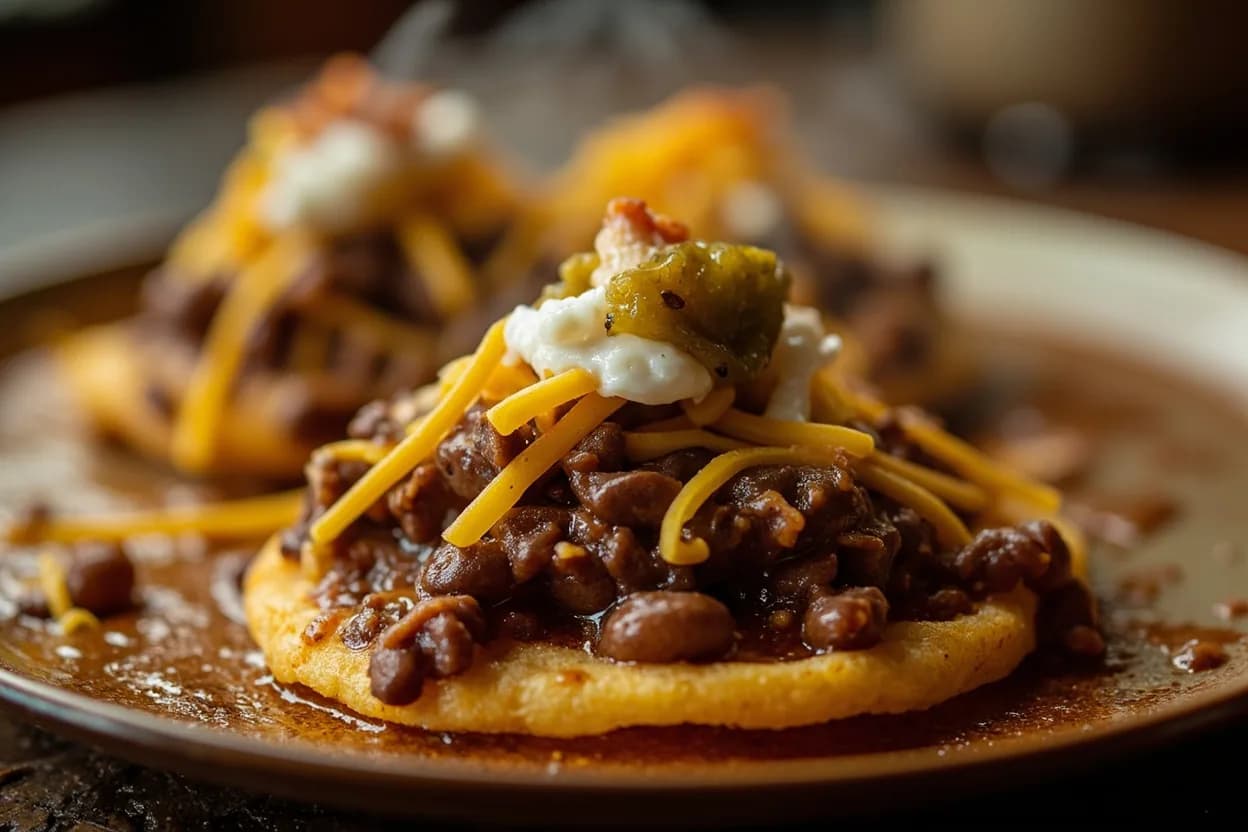
Refrying Beans · Frijoles Refritos · Reheating · Frijoles Molidos
Dishes that rely on it
Related

Sear
Blast the surface hot for a deep-browned, savory crust

Sauté
Cook quickly in a little fat over lively heat, tossing as you go

Stir-Fry
Toss bite-sized pieces over roaring heat for fast, smoky cooking

Pan-Fry
Crisp food in a shallow layer of hot fat, turning once or twice

Deep-Fry
Submerge in hot oil for an all-over crackling crust

Roast
Cook uncovered in dry oven heat for browned edges and tender centers

Bake
Cook with steady, surrounding oven heat — the soul of bread and pastry

Broil
Hit food from directly above with fierce overhead heat