Baking
White Chocolate
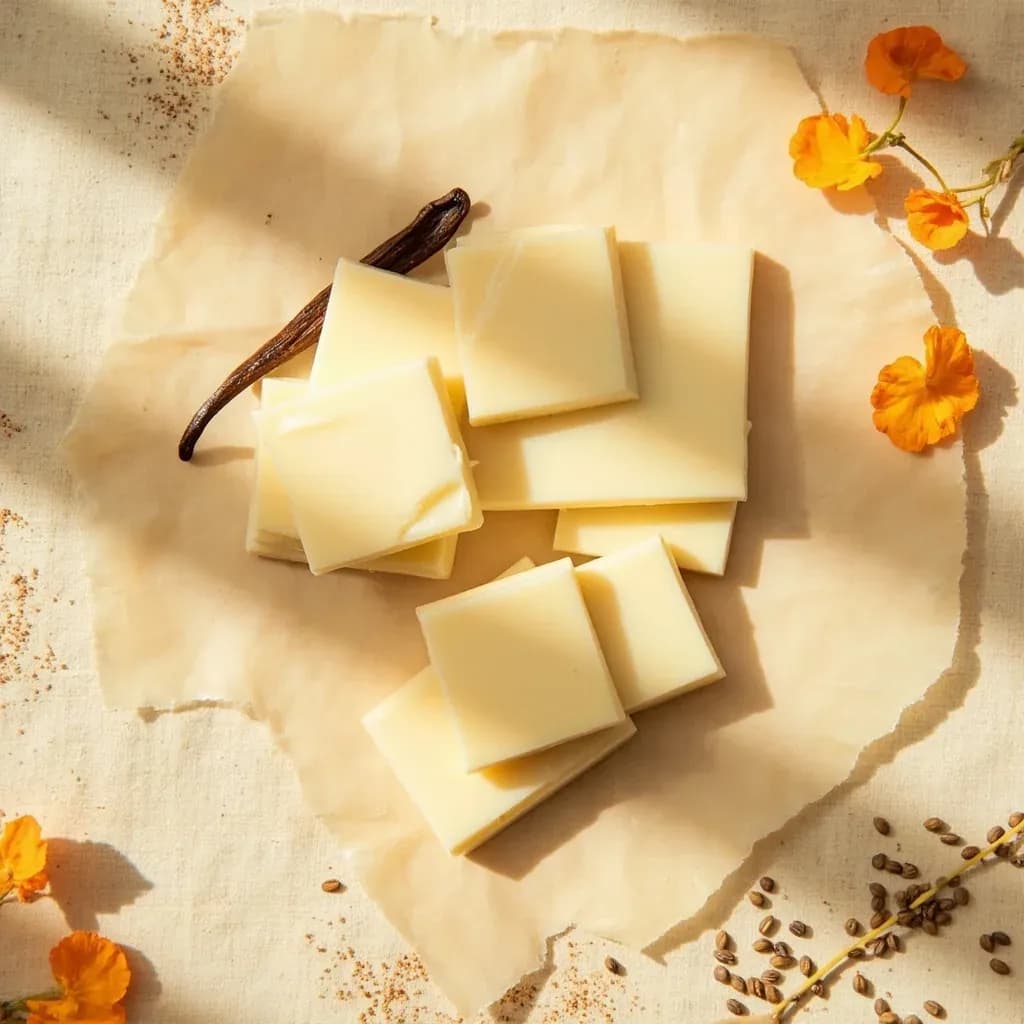
Cocoa butter, milk and sugar with no cocoa solids — ivory, very sweet and heat-sensitive; seizes and scorches readily, so melt low and slow.
White chocolate is the creamy, ivory confection built from cocoa butter, sugar, milk solids, and vanilla — and, crucially, no cocoa solids. That single omission is what separates it from milk and dark chocolate: it removes the bitter, complex backbone those chocolates get from cocoa powder or liquor, leaving a sweet, vanilla-buttery profile that reads more as a confection than a chocolate. The first commercial white chocolate was launched in Switzerland in 1930 as Nestlé's Galak bar, and the category has been a pastry workhorse ever since.
In a baker's hands, white chocolate plays a specific and irreplaceable role: it provides sweetness, dairy richness, and a clean, neutral canvas for flavors that dark or milk chocolate would overwhelm. Raspberry, passionfruit, pistachio, matcha, citrus, and caramel all shine against white chocolate precisely because it doesn't compete with them — it amplifies them. The flip side is that without a counterpoint of bitterness, white chocolate on its own can taste flat, waxy, or one-dimensionally sweet, which is why good pastry recipes almost always pair it with acid, salt, browned butter, or toasted nuts.
Behaviorally, white chocolate is the most temperamental of the three. It has a low melting point (around 40–45 °C / 104–113 °F) because of its high cocoa butter and milkfat content, and the milk solids scorch quickly while the sugar burns before you notice. It also seizes at the slightest contact with water — even a teaspoon, or a puff of steam, will clump it into a stiff, grainy mass. Treat it gently: chop finely, melt low and slow in a dry bowl set over barely simmering water, and temper it whenever you want a glossy, snap-set finish.
- Measured in
- g
- Storage
- Dark Cool
Allergens
Find it in
Suits
Types & varieties
Professional grade with higher cocoa butter (typically 28–33%) and real cocoa butter rather than vegetable fat. Best flavor and snap; must be tempered.
Cocoa butter replaced with palm kernel or other vegetable fats. Easier to melt, no tempering needed, much cheaper, but waxy mouthfeel and noticeably weaker flavor.
Made with cocoa butter from one country or estate; reflects terroir (often nutty, grassy, or fruity). Look for it from Valrhona, Cacao Barry, Felchlin, and bean-to-bar makers.
Contain added lecithin and stabilizers and are shaped/treated to hold form during baking. Melt thicker and less fluid than bar chocolate.
White chocolate blended with nut paste (hazelnut, pistachio, almond); used for bonbon and praline fillings.
Modern style using cultured milk solids or buttermilk powder for a tangy, complex note; made by Zotter, Askinosie, and others.
Real white chocolate vs. compound coating
The single most common source of home-cook disappointment is buying a product that isn't really white chocolate. Here is how to tell them apart on the shelf.
- Real white chocolate lists cocoa butter in the ingredients; compound 'white chocolate' or 'candy melts' lists palm kernel oil, hydrogenated vegetable fat, or other vegetable fats instead.
- Compound coating needs no tempering — that convenience is the giveaway. It also melts at a higher temperature, sets harder, and has a waxy, less creamy mouthfeel.
- Compound is fine for kids' candy projects, holiday-dipped pretzels, and situations where the chocolate is heavily masked by other flavors. It is not the right tool for ganache, mousse, or fine bonbons.
- FDA-regulated white chocolate must contain at least 20% cocoa butter and 14% milk solids; if a bar doesn't meet those floors, it cannot legally be labeled 'white chocolate' in the US.
Tempering white chocolate
Tempering aligns the cocoa butter crystals so the chocolate sets glossy, snaps cleanly, and resists bloom. White chocolate uses a slightly lower range than dark.
- Chop finely and melt gently to ~45 °C (113 °F) in a dry bowl over barely simmering water. Do not let the bowl's bottom touch the water.
- Cool the chocolate by adding finely chopped 'seed' chocolate (or pouring onto a cool marble slab) and stirring until it reaches ~26–27 °C (79–81 °F).
- Rewarm gently to working temperature of ~27–28 °C (81–82 °F) and use immediately. Hold in this range; overheating destroys the crystal structure you just built.
- Test a small amount on a cold surface — it should set within 3–5 minutes with a glossy finish and clean snap.
Common uses
Tips & pitfalls
- Chop finely before melting so it heats evenly — large chunks scorch on the outside before the inside melts.
- Melt in a bain-marie with the bowl's bottom held above the water (a couple of inches of clearance); even a tablespoon of water or a puff of steam will seize it. Wipe the bowl and whisk bone dry first.
- Common mistake: melting on direct heat or in a hot pan. Milk solids scorch and the sugar burns before you notice — both happen well before the chocolate looks done.
- Common mistake: microwaving on full power. Use 30% power in short bursts, stirring between each, to avoid localized scorching.
- If it seizes, do not throw it out — whisk in hot cream 1 tbsp at a time (or a little neutral oil for a sauce) and you can rescue it as a ganache or pastry cream.
- Temper whenever you want a glossy, snap-set finish (dipped strawberries, molded shapes, mirror glaze). If the finished product blooms or streaks white, the cocoa butter has come out of crystal form — re-temper.
- Acidity lifts white chocolate: a pinch of salt, a squeeze of lemon, fresh passionfruit pulp, or a spoonful of yogurt cuts the sweetness and makes the flavor pop.
- Store wrapped tightly in a cool (15–18 °C), dry, dark place — not the fridge, where condensation on the surface causes sugar bloom the moment you take it out.
Nutrition
Energy
2255 kJ · per 100 g
Where the calories come from
Protein
5.9g
12% DV
Carbs
59.2g
22% DV
Fat
32.1g
41% DV
Fiber
0.2g
1% DV
Sugars
59g
of which
Sodium
90mg
4% DV
Source · USDA FoodData Central · approx. Candies, white chocolate
View on FDC →In the shops
Matched grocery products
No matched grocery products for White Chocolate yet.
Good to know
- Composition
- Cocoa butter, sugar, milk solids (usually whole milk powder), vanilla, and an emulsifier such as lecithin. Contains no cocoa solids — that is what distinguishes it from milk and dark chocolate.
- FDA Standard of Identity
- At least 20% cocoa butter, at least 14% milk solids, at least 3.5% milkfat, and no more than 55% sweetener (United States).
- Melting Point
- Approximately 40–45 °C (104–113 °F) — lower than dark chocolate because of high cocoa butter and milkfat content.
- Tempering Range
- Melt to ~45 °C, cool seed-wise to ~26–27 °C, rewarm working chocolate to ~27–28 °C for a glossy, snap-set finish.
- Inventor / First Brand
- Introduced by Nestlé in Switzerland in 1930, originally launched as the Galak bar (still sold in parts of Europe).
- Moisture Sensitivity
- Even a teaspoon of water can cause seizing — sugar dissolves and saturates the fat, producing a stiff, grainy clump.
- Common Formats
- Couverture callets/discs, baking bars, chips (stabilized to hold shape), shavings, and compound coatings (vegetable-fat based).
- Shelf Life
- 6–12 months from production if sealed and stored at 15–18 °C, dry, and away from light. Blooms and turns rancid faster than dark chocolate because of the milkfat.
Substitutes
- Compound white chocolate / candy melts — Closest 1:1 swap for dipping and molding — melts easily without tempering, but flavor is waxy and noticeably less creamy. Best for candy coating where other flavors dominate.
- Another brand of real white chocolate — Switching between couverture brands will subtly change sweetness, milk fat, and cocoa butter content — but it remains the only true substitute in a recipe that depends on real cocoa butter.
- Browned-butter caramel with milk powder — In a sauce or filling where only the sweet-creamy role matters, a beurre noisette caramel whisked with whole milk powder can stand in for white chocolate ganache.
- Salted white miso caramel — For savory-leaning desserts, this mimics the umami, salty edge of good white chocolate without the sweetness.
Pairs with
Also called
white couverture
Related

All-Purpose Flour
The do-anything flour for bread, cakes, sauces, and dredging

Bread Flour
High-protein flour for chewy, well-risen breads
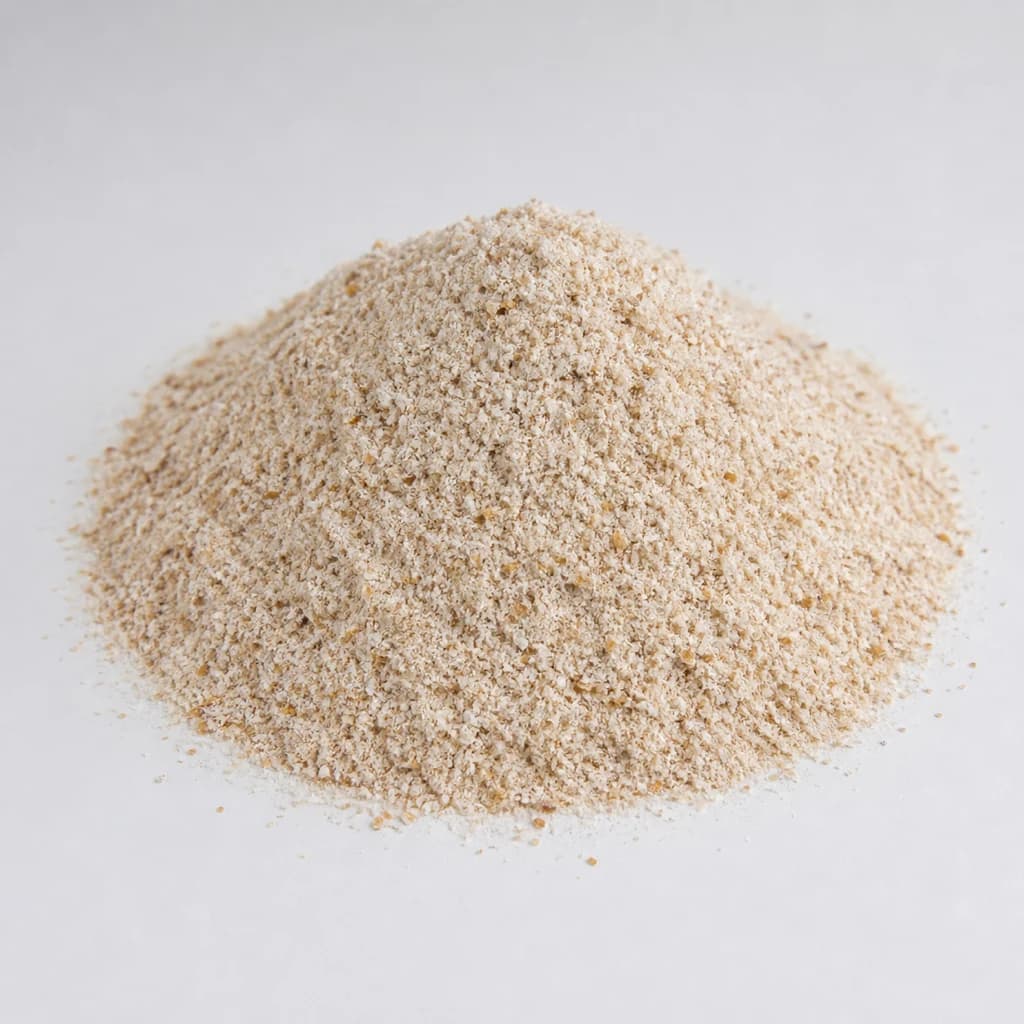
Whole Wheat Flour
Nutty, whole-grain flour for hearty breads and bakes
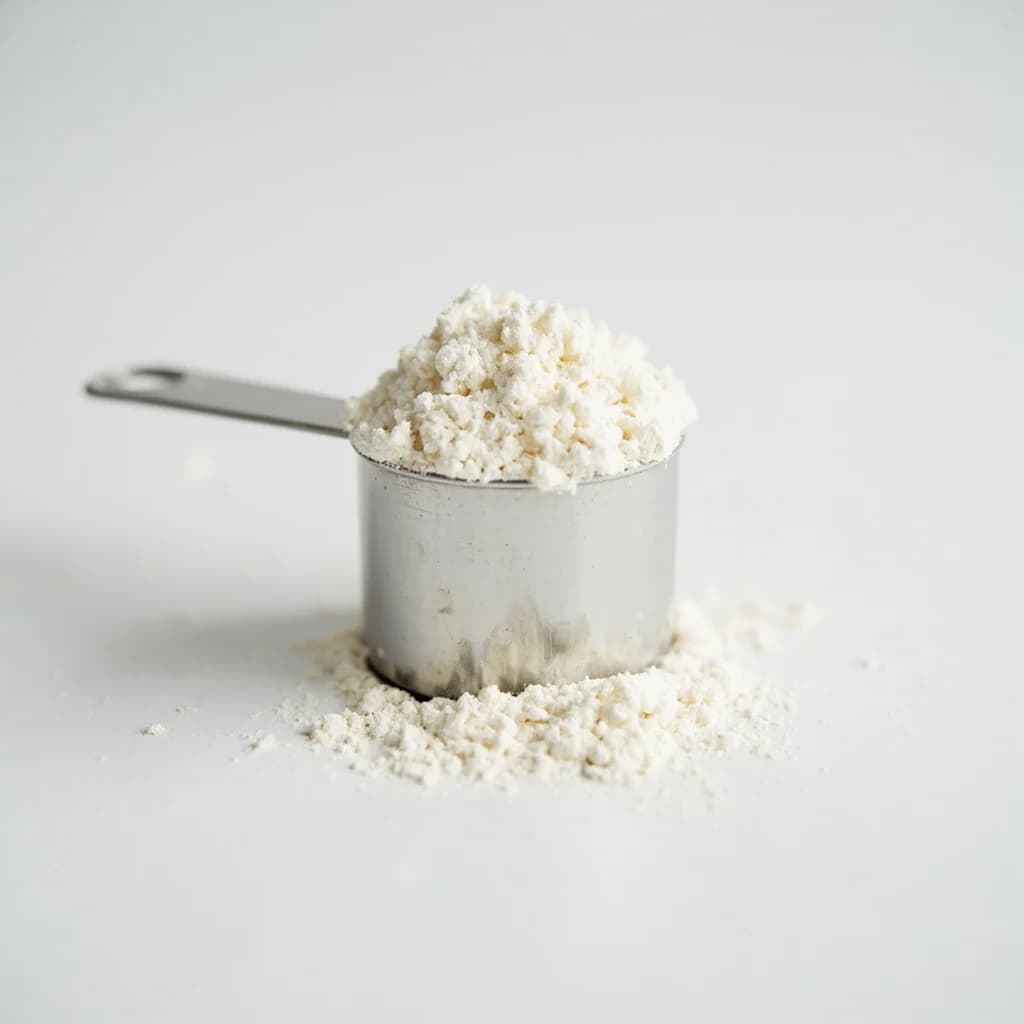
Cake Flour
Fine, low-protein flour for tender, delicate cakes
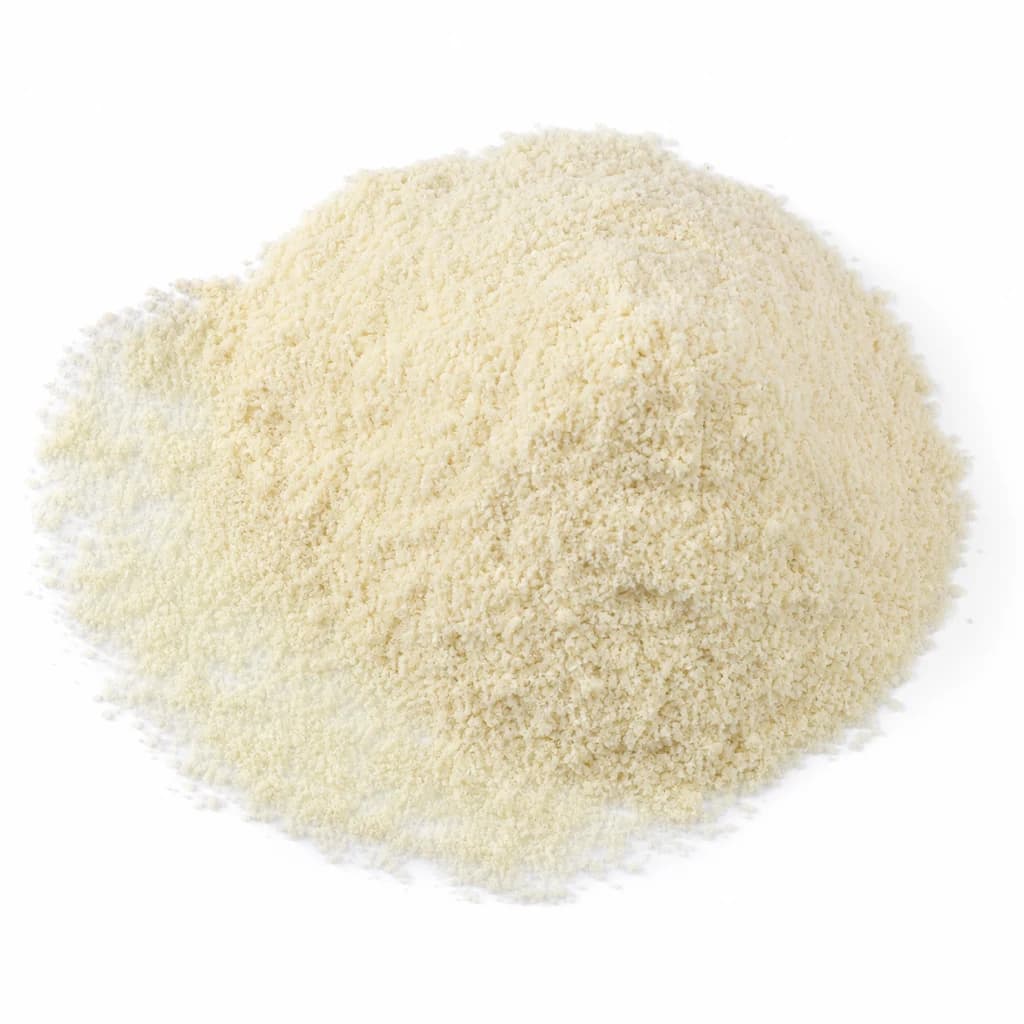
Almond Flour
Nutty, gluten-free flour for macarons and tender bakes

Baking Powder
All-in-one leavener for fluffy cakes, pancakes, and biscuits

Baking Soda
Pure leavener that needs acid to lift — and tenderize
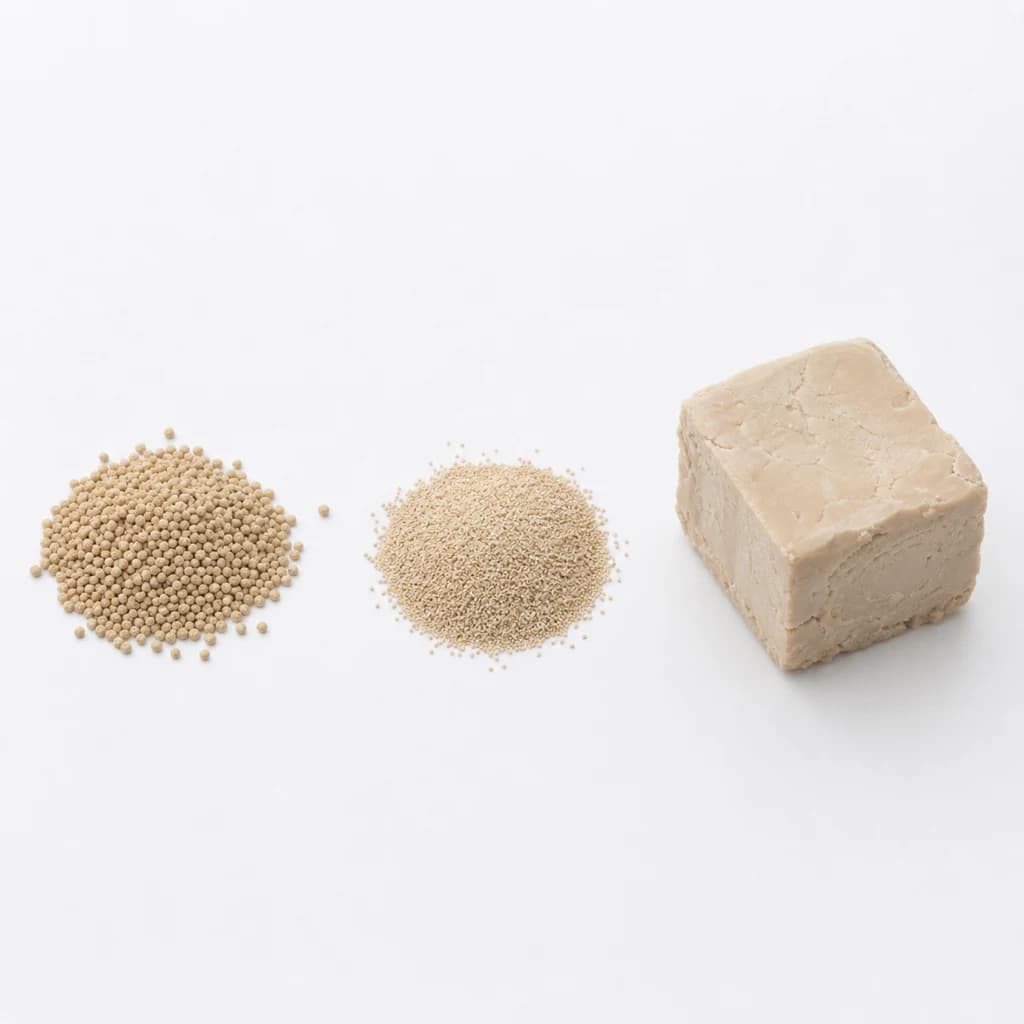
Yeast
Living leaven that makes bread rise and dough come alive