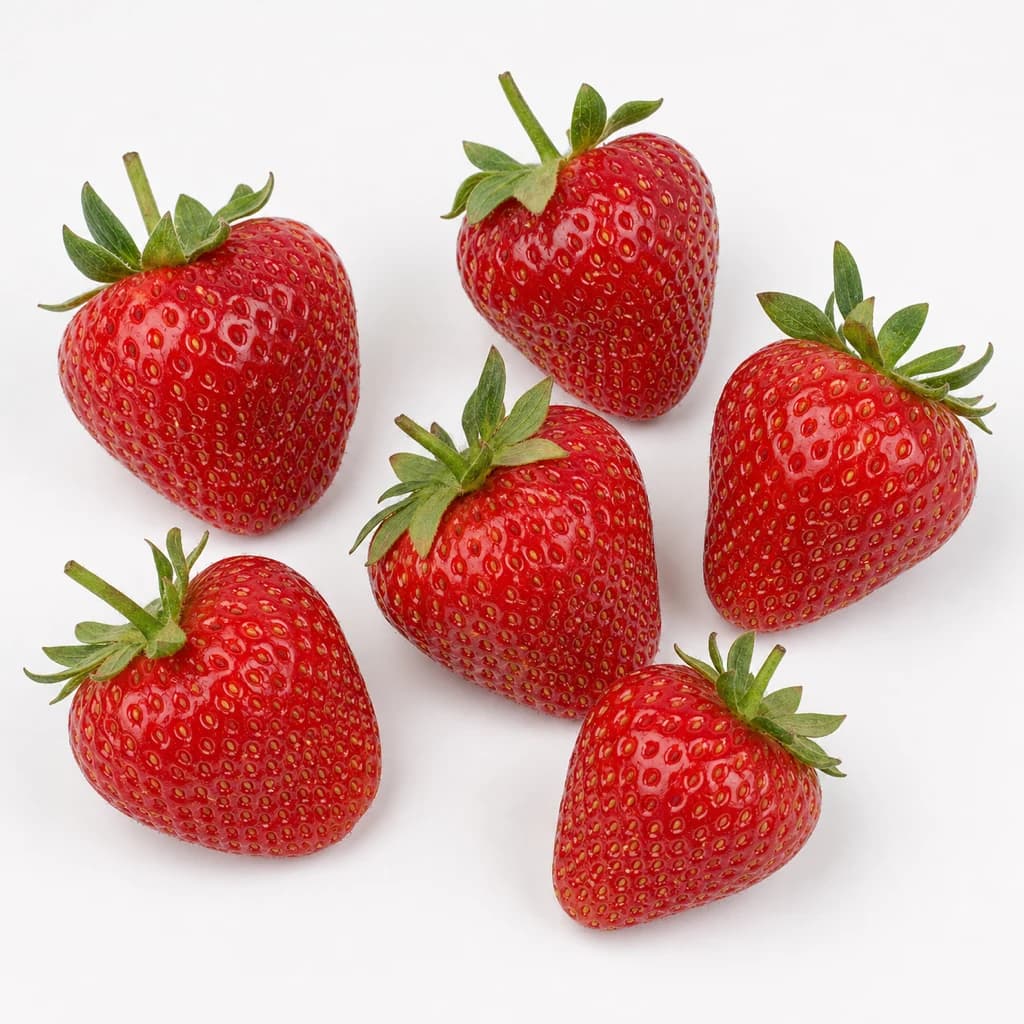
Natural form
Ripe strawberries showing their characteristic heart shape, red color, and green calyx.
Establishes the defining visual identity of a strawberry — shape, color, surface texture, and attached calyx — so readers can recognize it at a glance.
Produce
Strawberry
Sweet, fragrant berries for desserts, salads, and snacking
Juicy and perfumed, strawberries crown a shortcake, brighten a salad, and macerate into a glossy compote. They're delicate — keep them dry, cold, and eat them quickly.
The strawberry is the bright herald of late spring and summer — fragrant, juicy, and perfumed, equally at home crowning a shortcake, sliced over cream, simmered into jam, or eaten warm straight from the patch. Fragile and quick to spoil, it rewards buying ripe (strawberries don't sweeten after picking) and eating fast. The best ones smell like strawberries from across the kitchen; the worst are watery, hollow, and pale.
- Measured in
- g
- Storage
- Refrigerate
- Shelf life
- 5 days
Find it in
Types & varieties
Big summer crop in one flush; the classic shortcake berry
Smaller crops spread across the season
Tiny, intensely fragrant, prized
How to choose
Because strawberries don't ripen after picking, color and smell are everything: want fully, deeply red berries (no white or green shoulders), plump and glossy, with fresh green caps, and a real strawberry fragrance. Check the bottom of the punnet for crushed, leaking, or moldy berries — one furry berry spreads fast. Size doesn't equal flavor; small can be sweetest.
How to store
Strawberries are highly perishable and hate moisture. Keep them dry and unwashed, in a single layer or loosely in a breathable container in the fridge, and use within a couple of days. Pick out any that start to soften or mold immediately so they don't infect the rest. Wash only right before eating.
- Store dry and unwashed in the fridge
- Remove any moldy berry at once
- Wash just before eating, not before storing
How to prep and macerate
Rinse gently in cold water, then hull (remove the green cap and white core) with a paring knife or huller. To coax flavor from less-than-perfect berries, macerate: toss sliced strawberries with a little sugar (and a splash of balsamic, lemon, or liqueur) and let them sit — they release a glossy, sweet syrup. A pinch of black pepper or basil is a classic flavor lift.
Common uses
Tips & pitfalls
- Buy fully red — strawberries won't get sweeter after picking
- Store dry and unwashed; moisture rots them fast
- Macerate with sugar (and balsamic) to draw out syrup and deepen flavor
- A tiny bit of black pepper or basil makes them taste more like themselves
- Freeze a glut on a tray, then bag, for smoothies and sauces
Nutrition
Energy
134 kJ · per 100 g
Where the calories come from
Protein
0.7g
1% DV
Carbs
7.7g
3% DV
Fat
0.3g
0% DV
Fiber
2g
7% DV
Sugars
4.9g
of which
Sodium
1mg
0% DV
Source · USDA FoodData Central · Strawberries, raw
View on FDC →In the shops
Matched grocery products
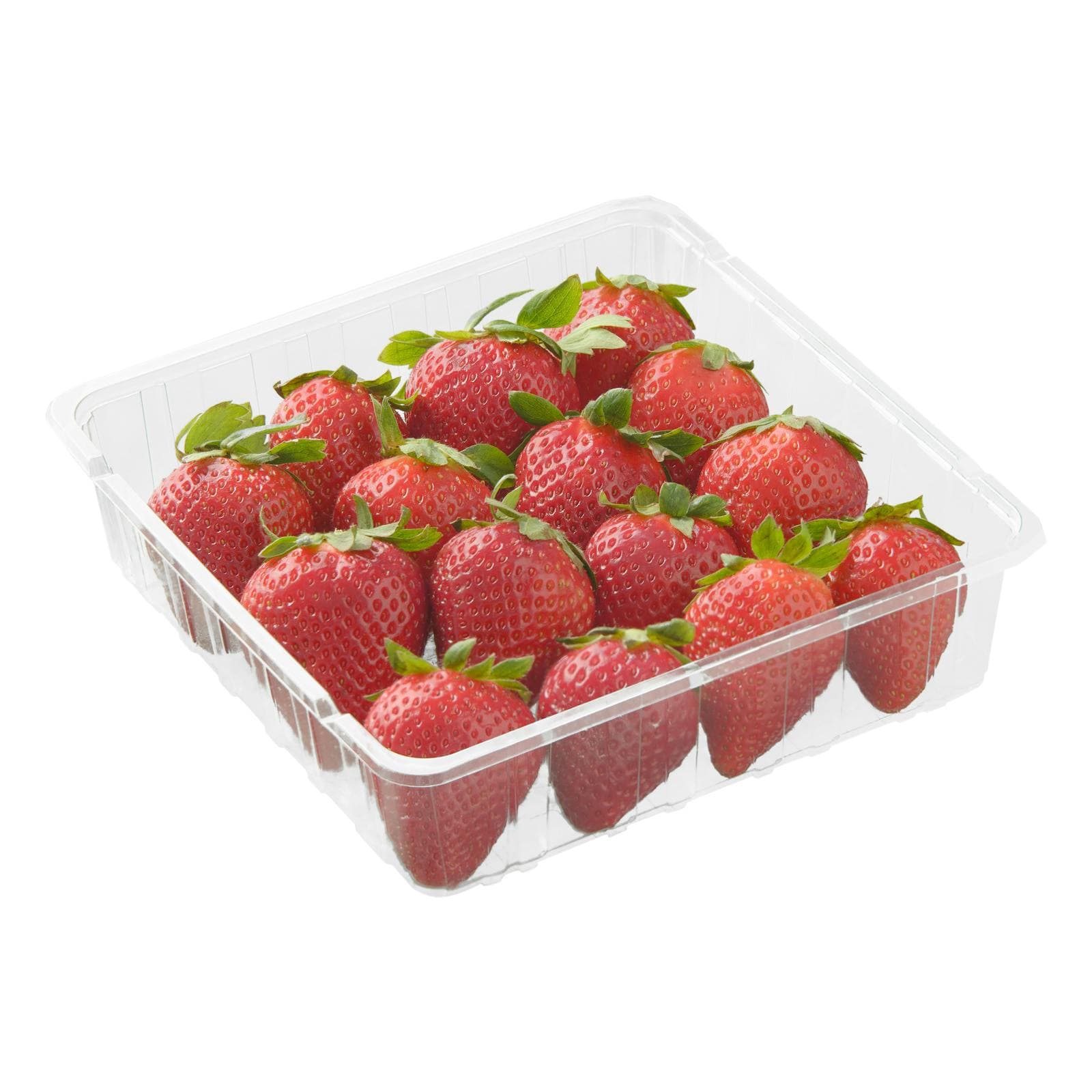 €2.09
€2.09Strawberry
440 g · Mercadona
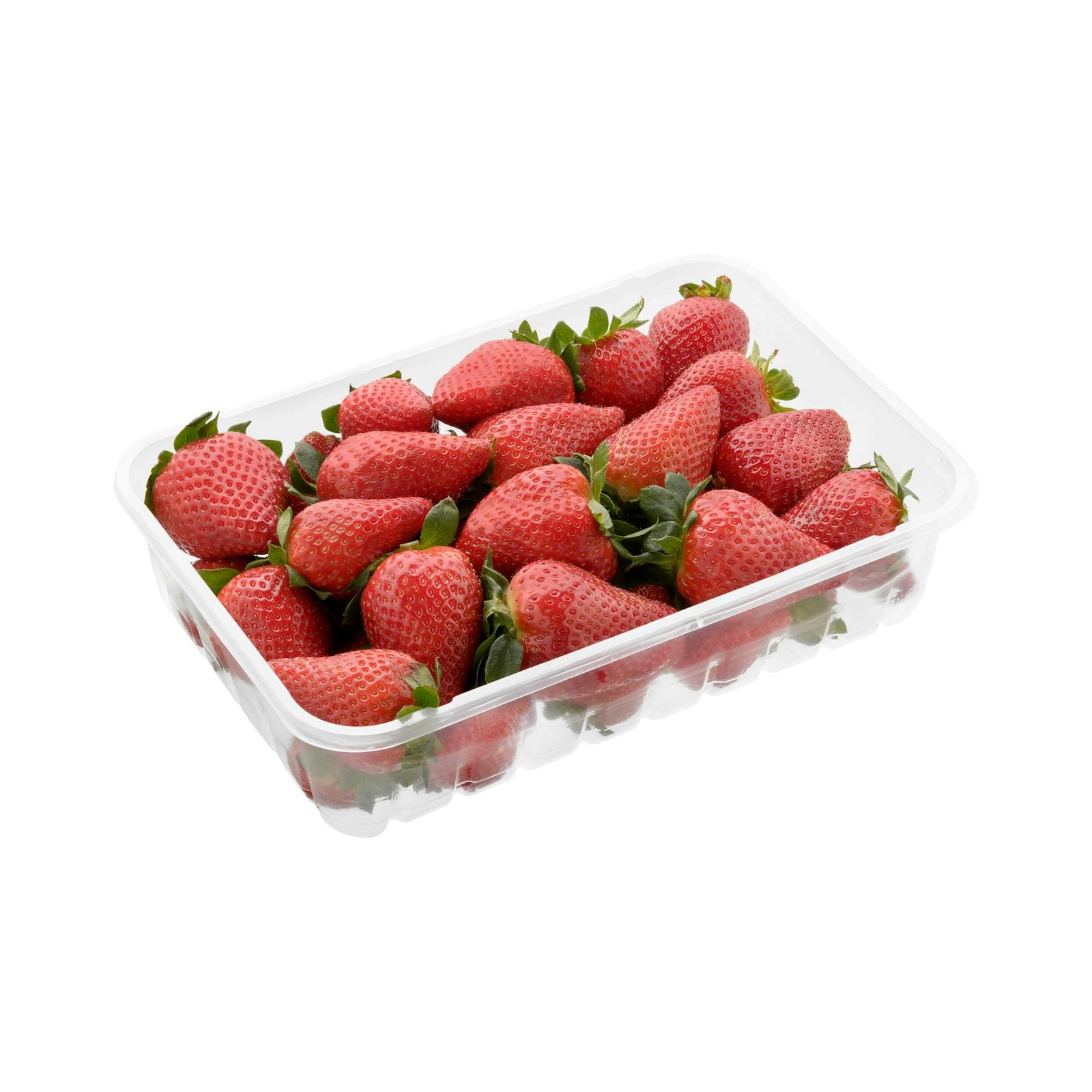 €3.90
€3.90Strawberry
1.3 kg · Mercadona
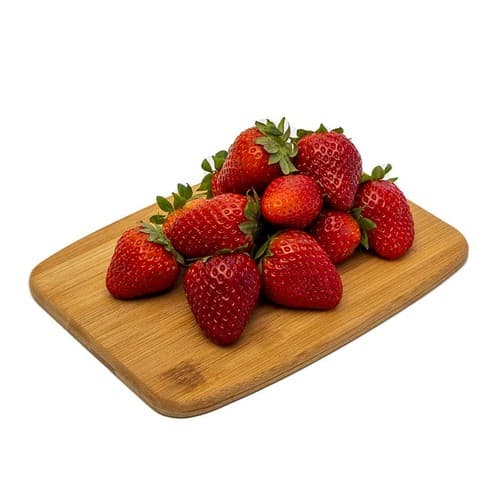 €2.59
€2.59La Collita Strawberry Terrine 500 g
LA COLLITA · kg · Bonpreu
Good to know
- Peak season
- Late spring through summer (local season is best)
- Flavor
- Sweet-tart, fragrant, juicy; doesn't ripen after picking
- Origin
- Modern berry is an 18th-century cross of American species
- Nutrition
- ~32 kcal/100g; very high vitamin C, manganese, antioxidants
- How to buy
- Fully red, fragrant, plump, glossy; fresh green caps; no white shoulders or mold
Substitutes
- Raspberry — For a tarter berry in desserts and sauces
- Mixed berries — Blueberries/blackberries for baking and toppings
- Frozen strawberries — For smoothies, sauces, and baking off-season
Pairs with
Also called
fresa · frutilla
Appears in these dishes


Related
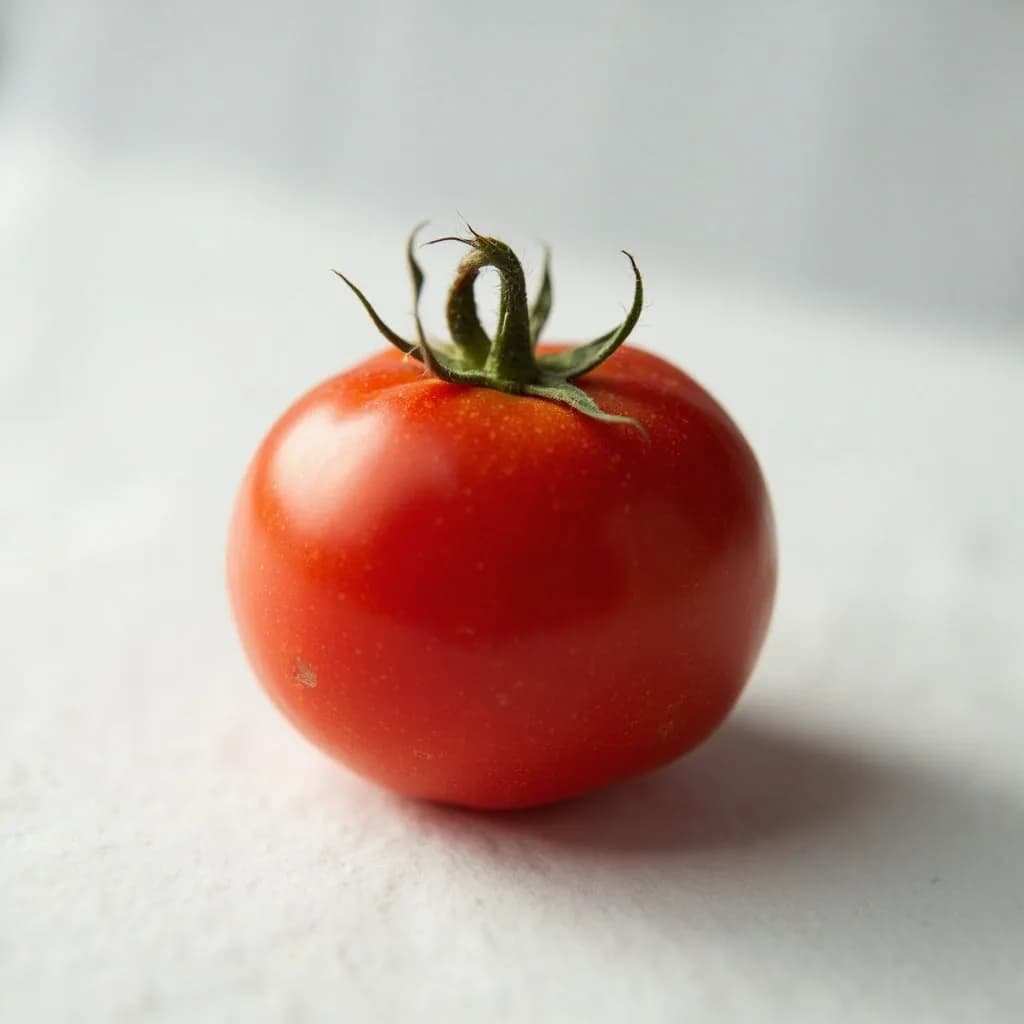
Tomato
Juicy, sun-sweet fruit for sauces, salads, and slow-cooked depth
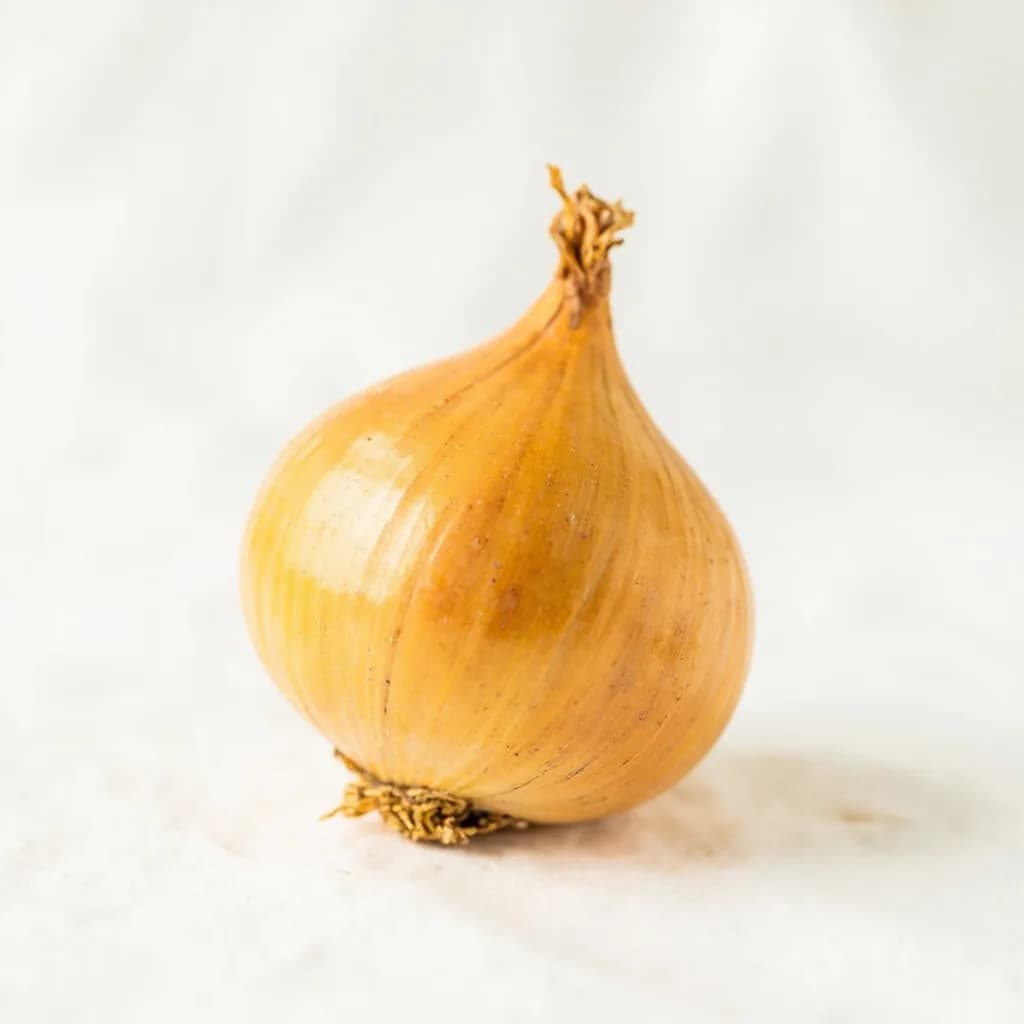
Yellow Onion
The aromatic backbone of soups, sofritos, and braises
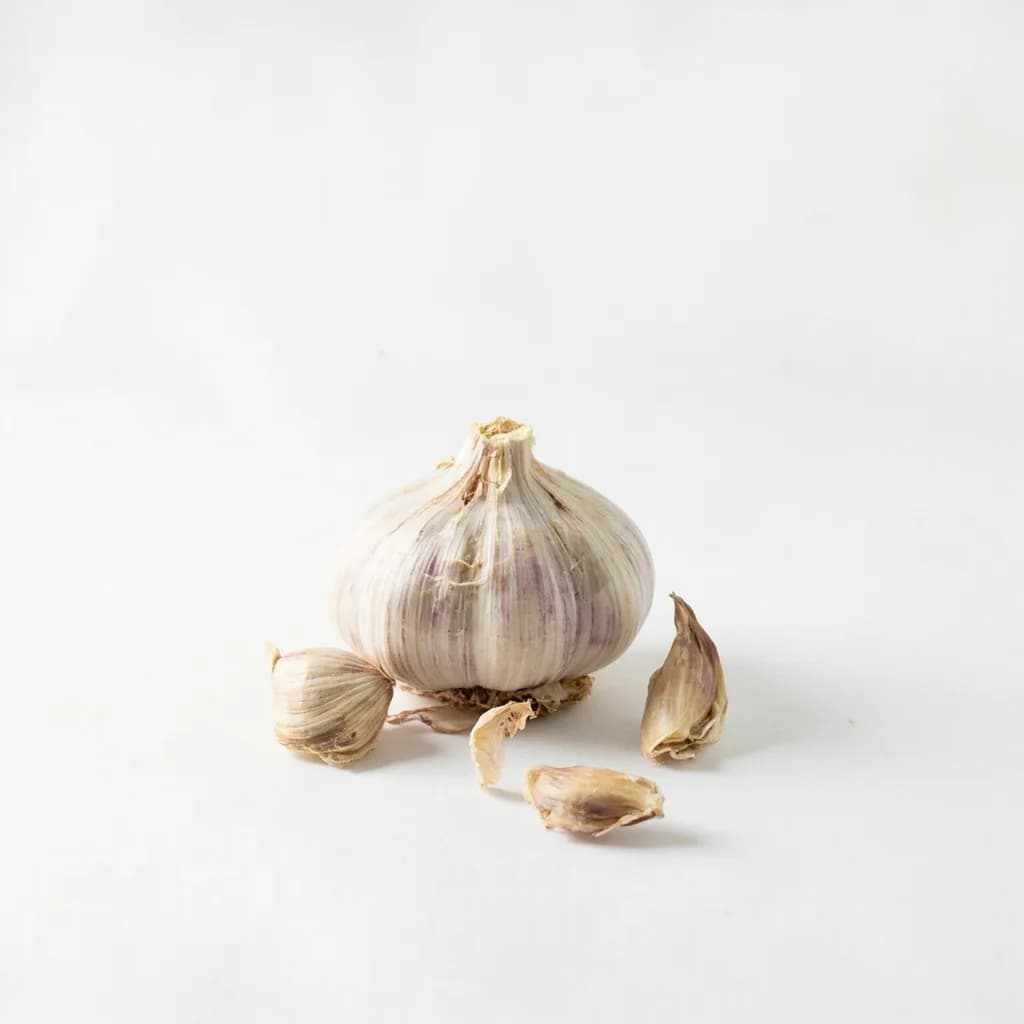
Garlic
Pungent cloves that perfume nearly every savory dish
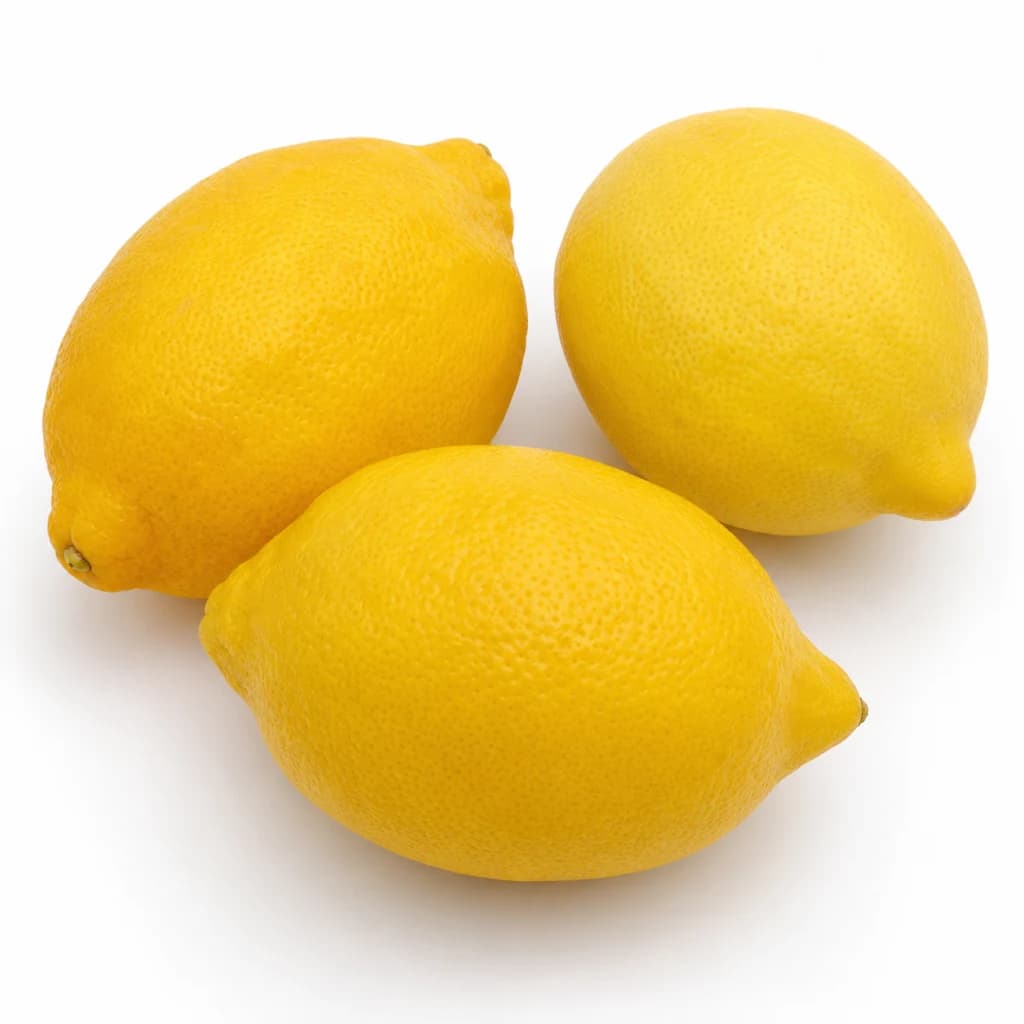
Lemon
Bright, acidic citrus that wakes up almost any dish
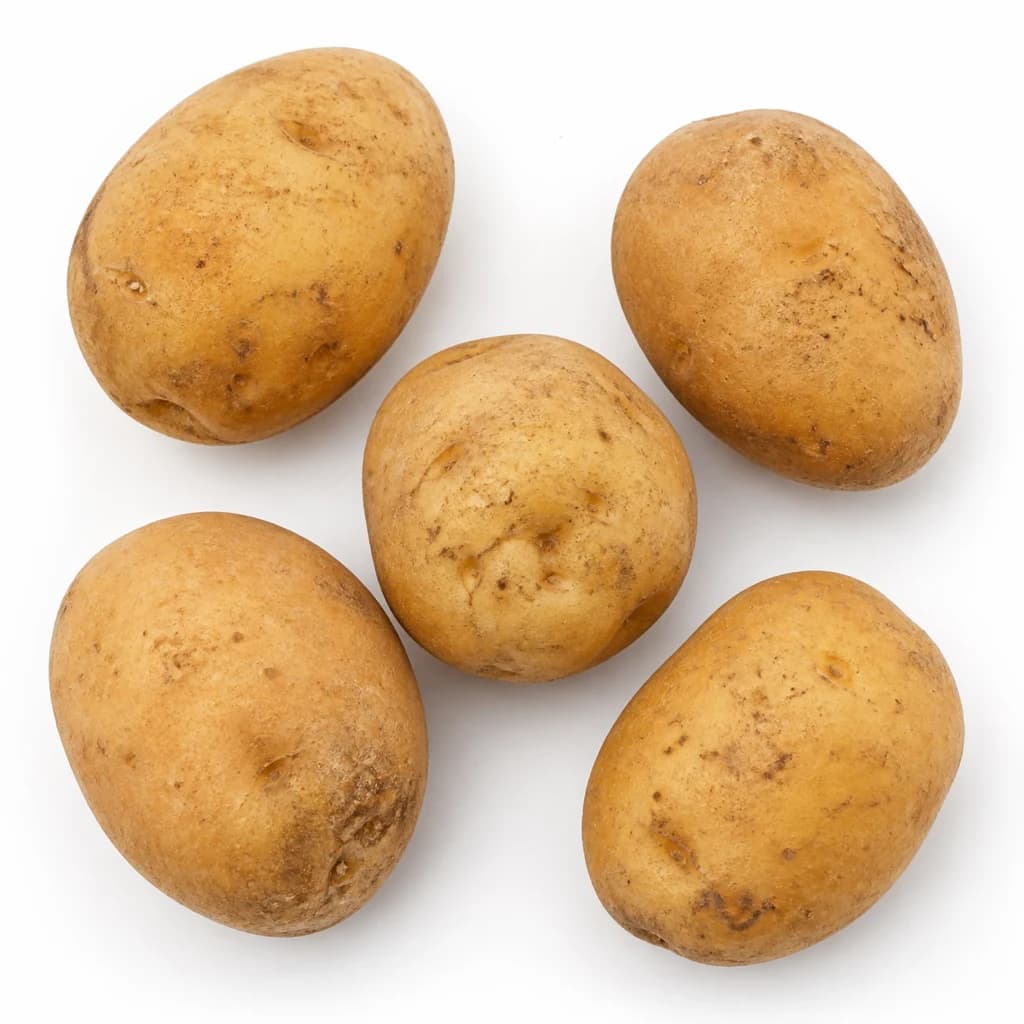
Potato
Humble, hearty staple — roast, mash, fry, or boil
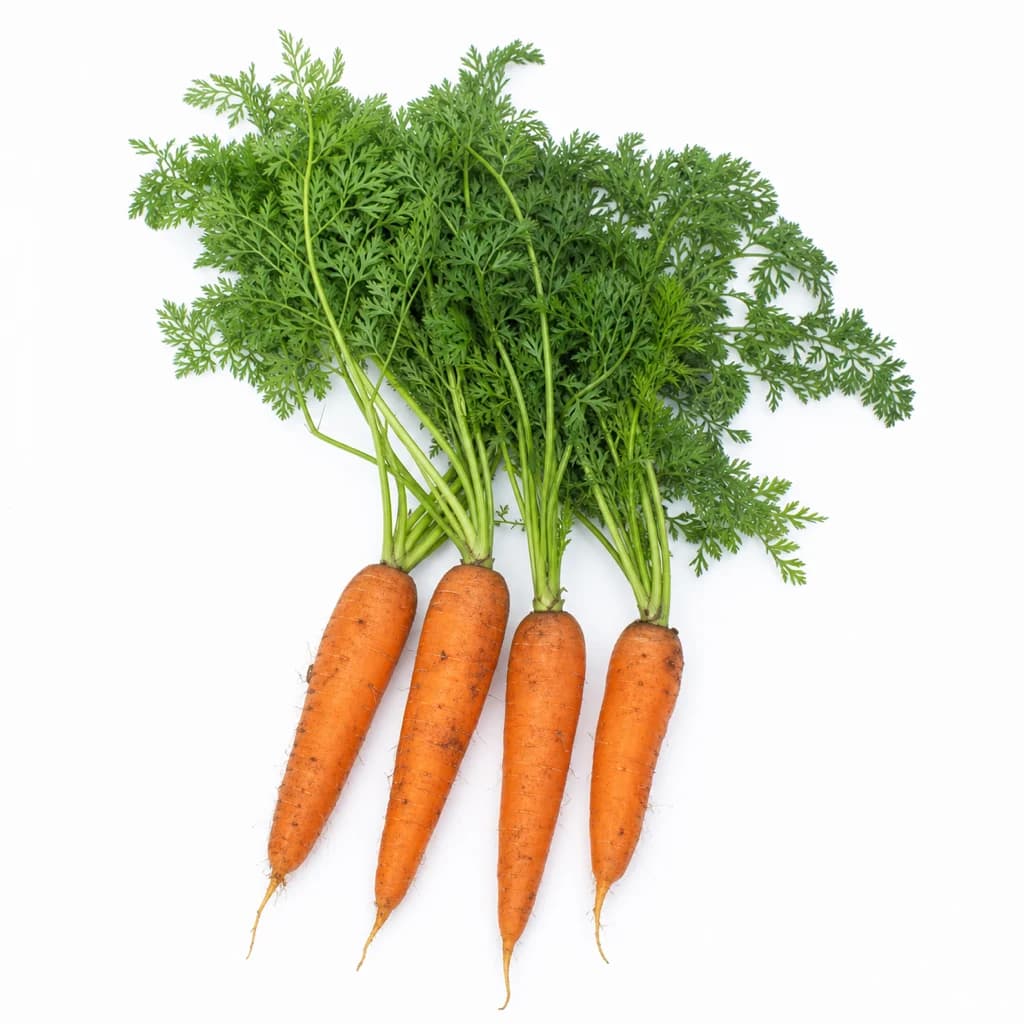
Carrot
Sweet, crunchy root — raw, roasted, or the base of a sofrito
Cucumber
Cool, crisp, and watery — for salads, pickles, and tzatziki

Lettuce
Crisp leaves for salads, wraps, and a fresh crunch