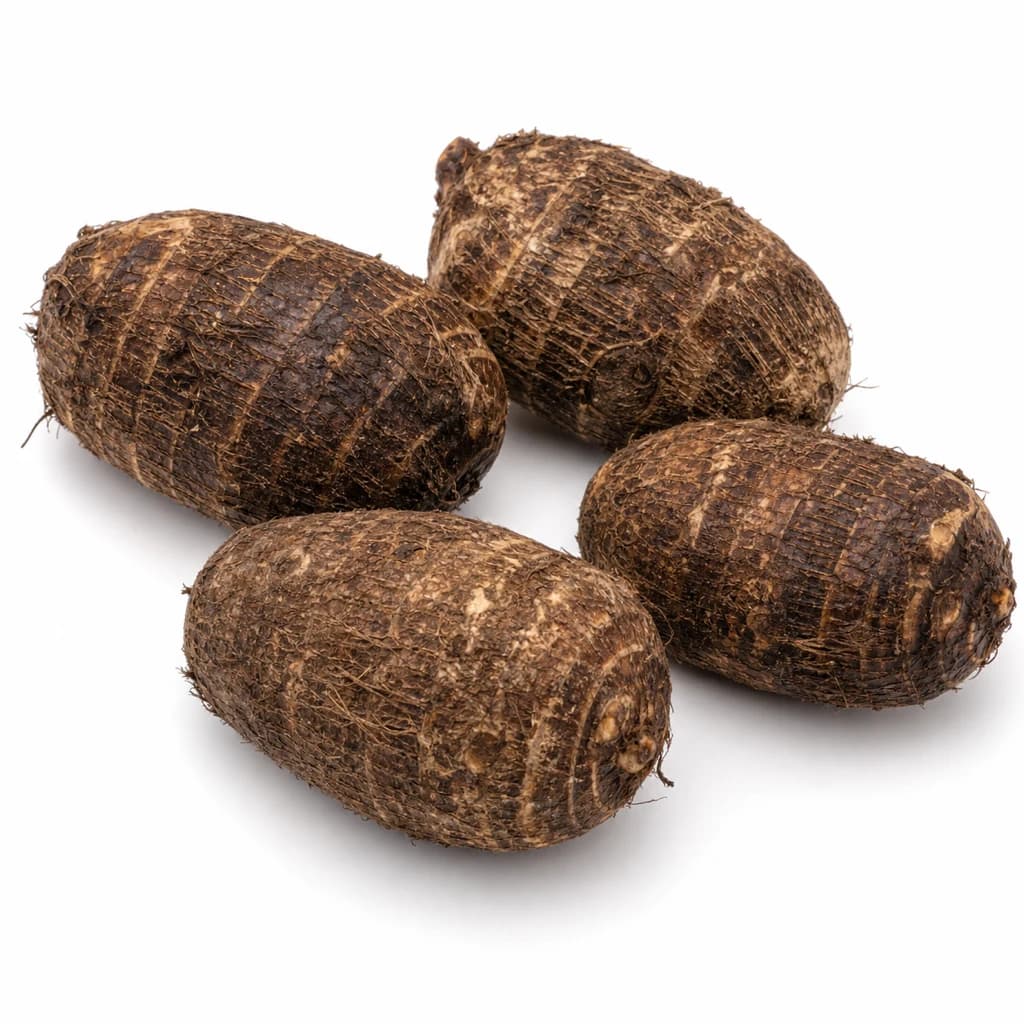
Natural form
Whole cocoyam corms showing rough brown outer skin and characteristic corm shape.
Shows the unprocessed corm as a buyer or harvester would encounter it, with its distinctive fibrous brown skin and irregular shape.
Produce
Cocoyam
Starchy taro-family corm boiled, pounded or fried as a staple across Africa and the Caribbean.
Cocoyam is a starchy edible corm from the taro and tannia family, with a nutty flavor and firm flesh. It is boiled, fried, or pounded into porridges and fufu-style staples across West Africa and the Caribbean, and its leaves are also eaten. Like related corms, it must be cooked to break down irritating oxalates.
Cocoyam is a starchy corm belonging to the taro family (Araceae), valued across West Africa, the Caribbean, and parts of Asia as a fundamental carbohydrate staple. The term 'cocoyam' is used somewhat loosely in English-speaking regions—it typically refers to Xanthosoma species in West African cooking and to Colocasia species (specifically dasheen) in the Caribbean, while both may be called 'taro' elsewhere. The corm has smooth skin with white, cream, or pink-tinged flesh that becomes tender and dense when cooked, offering a mild, nutty flavor with subtle earthy undertones that absorbs accompanying sauces and seasonings well. Its thick, starch-rich texture makes it ideal for pounding into smooth fufu, slicing for frying, or adding body to soups—and its ability to hold shape in liquid makes it versatile across preparations.
The plant originated in Southeast Asia and southern India before spreading westward through trade routes and, tragically, through the forced migration of enslaved people to the Caribbean. This transatlantic journey made cocoyam a cornerstone of Caribbean ground provisions and West African soups simultaneously. Beyond the corm, the large arrow-shaped leaves of Xanthosoma species (called cocoyam greens, kontomire, or callaloo) are also eaten as a cooked vegetable in many regions, though they require thorough cooking to eliminate irritants. The corm must never be eaten raw—its calcium oxalate raphides (microscopic needle-like crystals) cause intense oral irritation and can be toxic in sufficient quantity. With proper cooking, however, cocoyam becomes a reliable, filling ingredient that rewards the cook who takes time to understand its behavior.
In the kitchen, cocoyam behaves similarly to taro but has a denser, drier starch quality when cooked. It absorbs liquids and fats readily, making it excellent for dishes that need a starchy backbone. The corm peels easily once raw, though the skins can cause skin irritation in sensitive individuals—peeling under cold running water is advised. Size matters significantly: smaller corms (under 2 lbs) cook through in 25–30 minutes, while larger specimens can take 40 minutes or more. The yield is generous—about 70–80% of a cocoyam is edible after peeling—making it an economical staple. Cooked cocoyam freezes well for up to three months, though you should always freeze after cooking, never before.
- Measured in
- g
- Storage
- Pantry
Types & varieties
Large central corm; the dominant variety in the English-speaking Caribbean. Smooth texture when cooked, good for mashing and frying.
Smaller corms with a pronounced central core; common in West Africa and parts of Asia. Holds its shape better when boiled.
Often called 'cocoyam' in West Africa; arrow-shaped leaves distinguish it from Colocasia. Creamy white to pink flesh.
Common name for various Xanthosoma species; used interchangeably with yautia in Caribbean cooking.
Smaller, rounder corms with purple-streaked flesh; common in Hawaiian cuisine.
Yellow-fleshed cultivar; sweeter and more delicate flavor than white varieties.
Understanding the Cocoyam Nomenclature
The naming conventions around cocoyam, taro, dasheen, eddoe, yautia, and tannia can confuse even experienced cooks. In practical terms, there are two main botanical groups: Colocasia species (the 'true taros' with dasheen and eddoe as common varieties) and Xanthosoma species (the 'new world taros' including yautia and tannia). Both groups behave similarly in cooking and can generally be substituted for one another. In West Africa, cocoyam typically refers to Xanthosoma; in the Caribbean, cocoyam usually means Colocasia. When shopping or cooking, focus on the cooking properties rather than getting caught in botanical distinctions—size, flesh color, and freshness matter more than the precise variety.
- Check flesh color and firmness when purchasing; avoid corms with soft spots or drying skin
- Both Colocasia and Xanthosoma varieties require the same thorough cooking—no variety is safe to eat raw
- Regional names vary widely; don't assume 'cocoyam' and 'taro' refer to different things in a recipe
Working with Cocoyam Greens
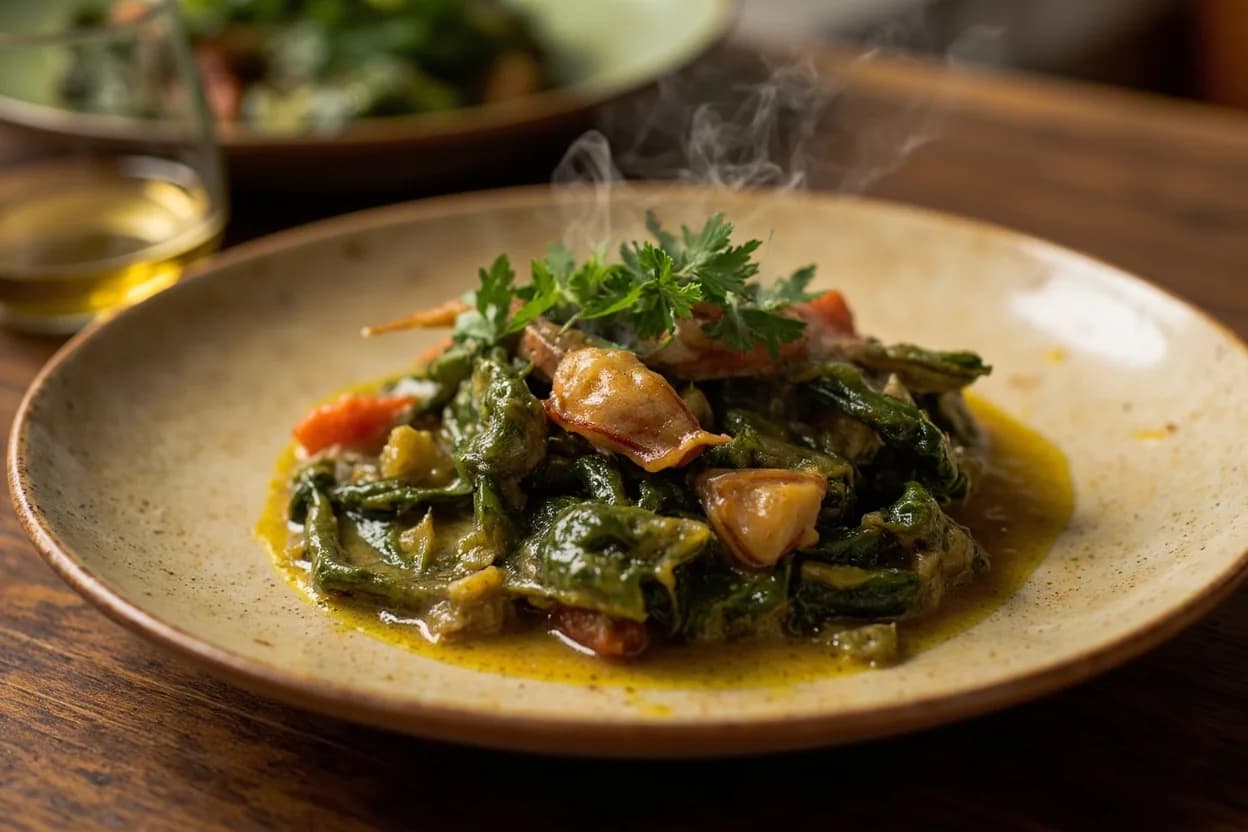
In many West African and Caribbean cuisines, cocoyam refers not just to the corm but also to the edible leaves (kontomire, callaloo). These large, arrow-shaped leaves are rich in vitamins and minerals and are cooked similarly to spinach or collard greens. They must be washed thoroughly, stripped from tough stems, and cooked until completely wilted and tender—typically 15–20 minutes of simmering. Raw cocoyam leaves contain calcium oxalate raphides, just like the corm. Once cooked, the leaves develop a silky, slightly slimy texture similar to cooked spinach, making them excellent for thickening soups and stews.
- Young, tender leaves are preferable; older leaves can be bitter and tougher
- Add a pinch of baking soda while cooking to help break down fibers and maintain color
- Use cocoyam greens within 2–3 days of purchase for best quality
Common uses
Tips & pitfalls
- Always cook cocoyam thoroughly—undercooking leaves calcium oxalate raphides that cause intense mouth and throat irritation. When in doubt, cook longer.
- Peel under cold running water; the skins can cause skin irritation similar to poison ivy in sensitive individuals. Wear gloves if you have sensitive skin.
- Add a pinch of salt or a splash of lemon juice to the boiling water—this helps reduce surface irritants and improves texture.
- Test doneness by piercing with a skewer or fork; it should pass through without resistance, similar to a fully baked potato. Hard, resistant centers indicate more cooking time is needed.
- Never taste cocoyam raw, even in small amounts, as a 'quick test'—the irritation is immediate and unpleasant, and larger amounts can be genuinely toxic.
- When frying cocoyam chips, ensure oil is at 350°F (175°C) and cook in small batches. Crowding the oil drops the temperature and results in soggy, greasy chips.
- Cooked cocoyam freezes well for up to 3 months. Freeze after cooking, never before—freezing raw cocoyam degrades texture and can cause discoloration.
- For pounded dishes like fufu, work while the cocoyam is piping hot. Once cooled, the starches set and won't blend into a smooth paste.
Nutrition
Nutrition
No USDA FoodData Central match for Cocoyam yet. We surface a per-100 g profile once a generic whole-food entry is matched and verified.
In the shops
Matched grocery products
No matched grocery products for Cocoyam yet.
Good to know
- Type
- Corm
- Family
- Araceae (taro family)
- Scientific names
- Colocasia esculenta, Xanthosoma sagittifolium, Xanthosoma species
- Origin
- Southeast Asia and southern India, spread to West Africa and the Caribbean via the slave trade
- Flavor
- Mild, nutty, slightly sweet when cooked; earthy undertones
- Raw state
- Contains calcium oxalate raphides; must be cooked before eating
- Boiling time
- 25–40 minutes depending on size
- Storage
- Cool, dark, dry place for up to 2 weeks; do not refrigerate raw
- Yield
- Approximately 70–80% edible after peeling
Substitutes
- Taro — Same plant genus; essentially interchangeable in most recipes
- Malanga (yautia blanca) — Same Xanthosoma family; nearly identical cooking properties and can be used cup-for-cup
- Sweet potato — Similar starchy texture when cooked; milder flavor; not ideal for pounded dishes but works for boiled or fried preparations
- Yuca/Cassava — Comparable starchy backbone for fried preparations; requires longer cooking and has a different mild, slightly nutty flavor
- Plantain (green) — Works for pounded fufu-style dishes; different flavor but similar dense, starchy texture
Pairs with
Also called
Eddoe · Eddo · Dasheen · Tannia · Yautía · Madumbe · Amadumbe · Colocasia · Kolokasi
Appears in these dishes
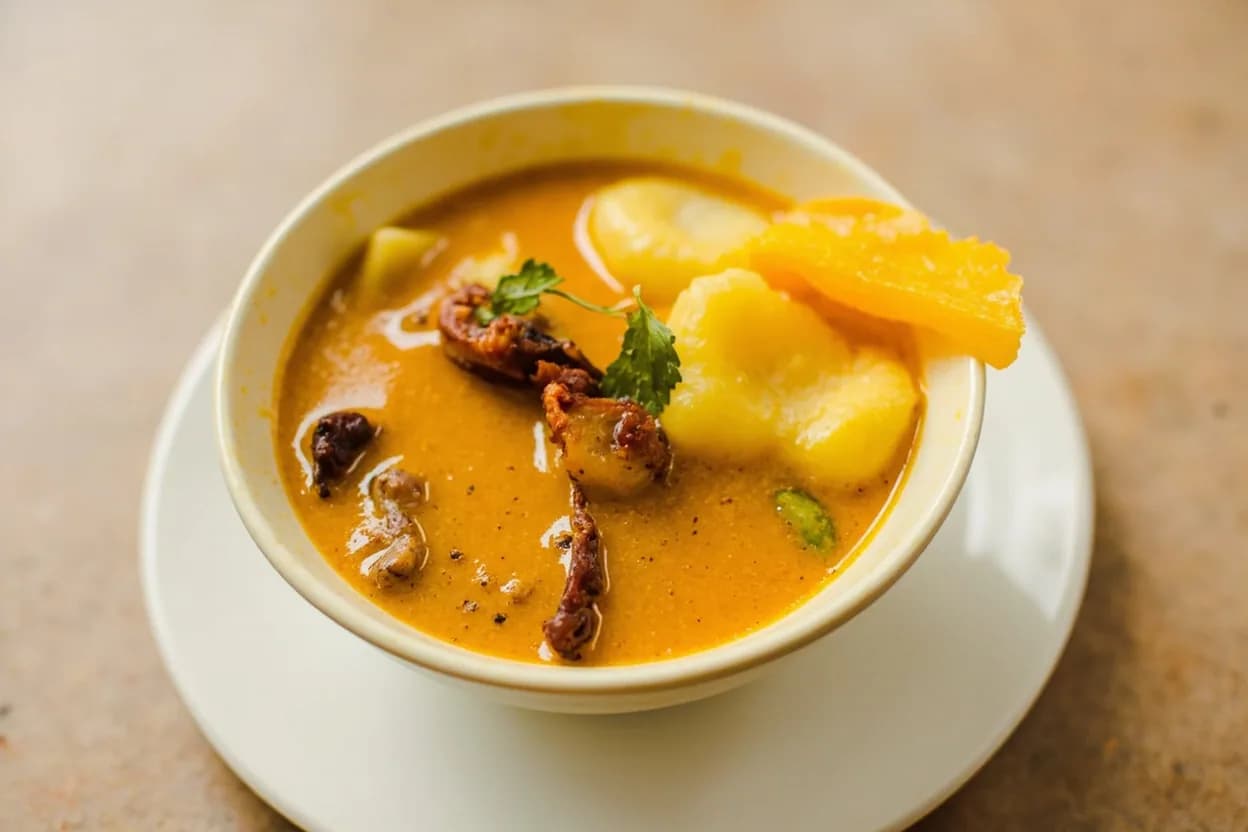
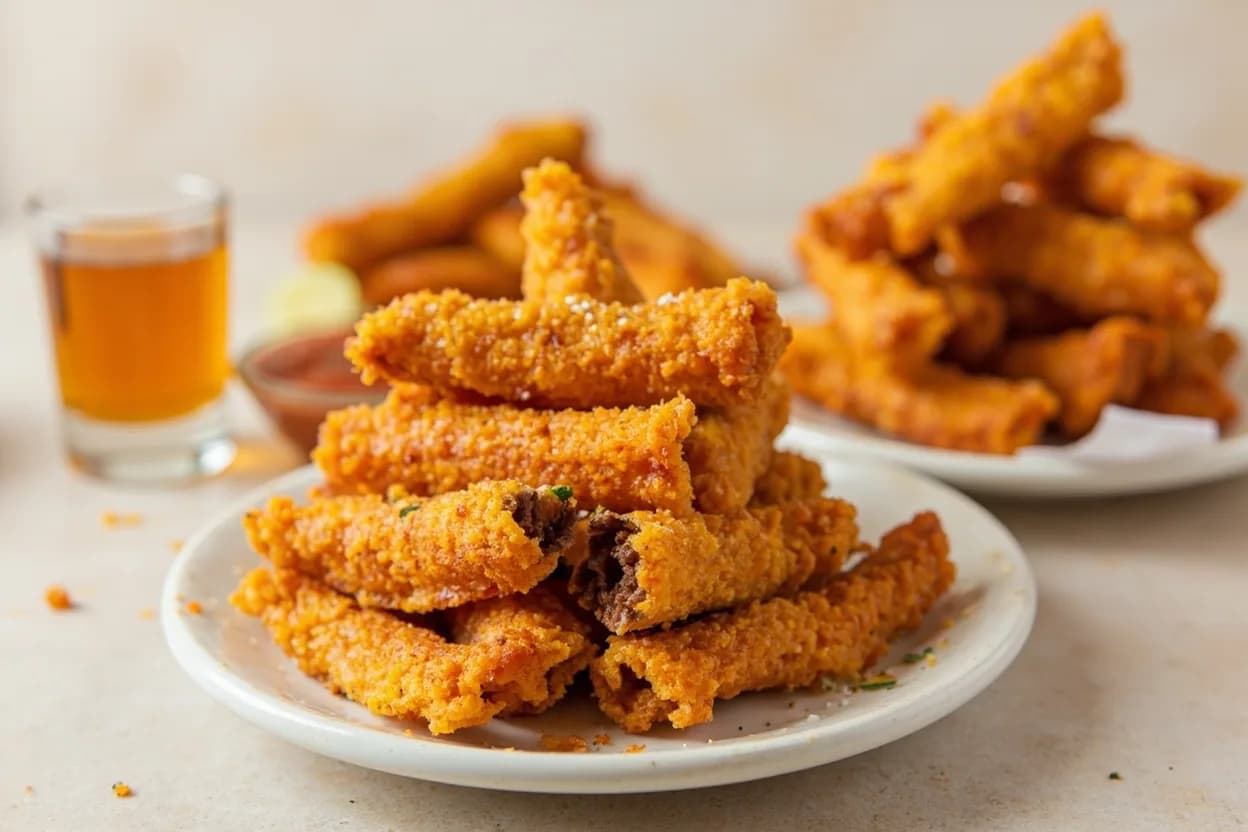
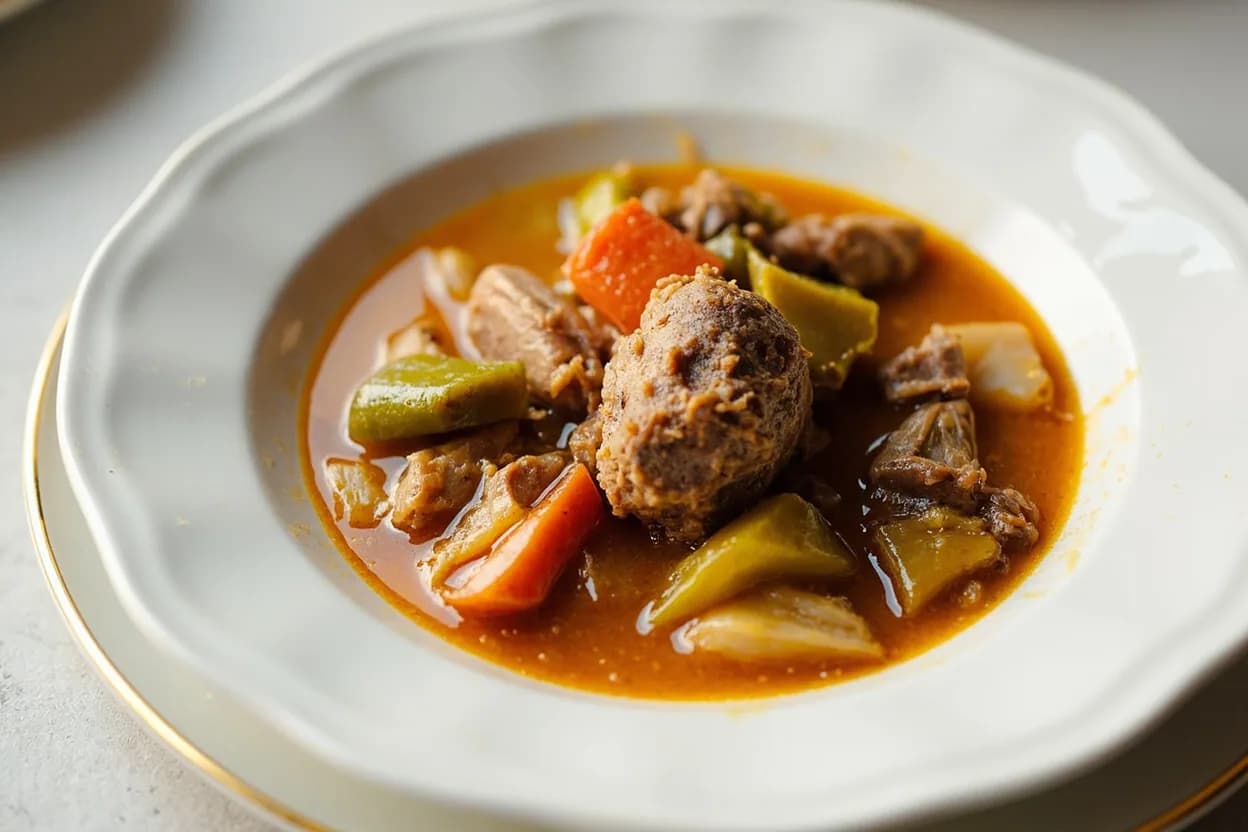
Related

Tomato
Juicy, sun-sweet fruit for sauces, salads, and slow-cooked depth

Yellow Onion
The aromatic backbone of soups, sofritos, and braises

Garlic
Pungent cloves that perfume nearly every savory dish

Lemon
Bright, acidic citrus that wakes up almost any dish

Potato
Humble, hearty staple — roast, mash, fry, or boil

Carrot
Sweet, crunchy root — raw, roasted, or the base of a sofrito

Cucumber
Cool, crisp, and watery — for salads, pickles, and tzatziki

Lettuce
Crisp leaves for salads, wraps, and a fresh crunch