Varieties
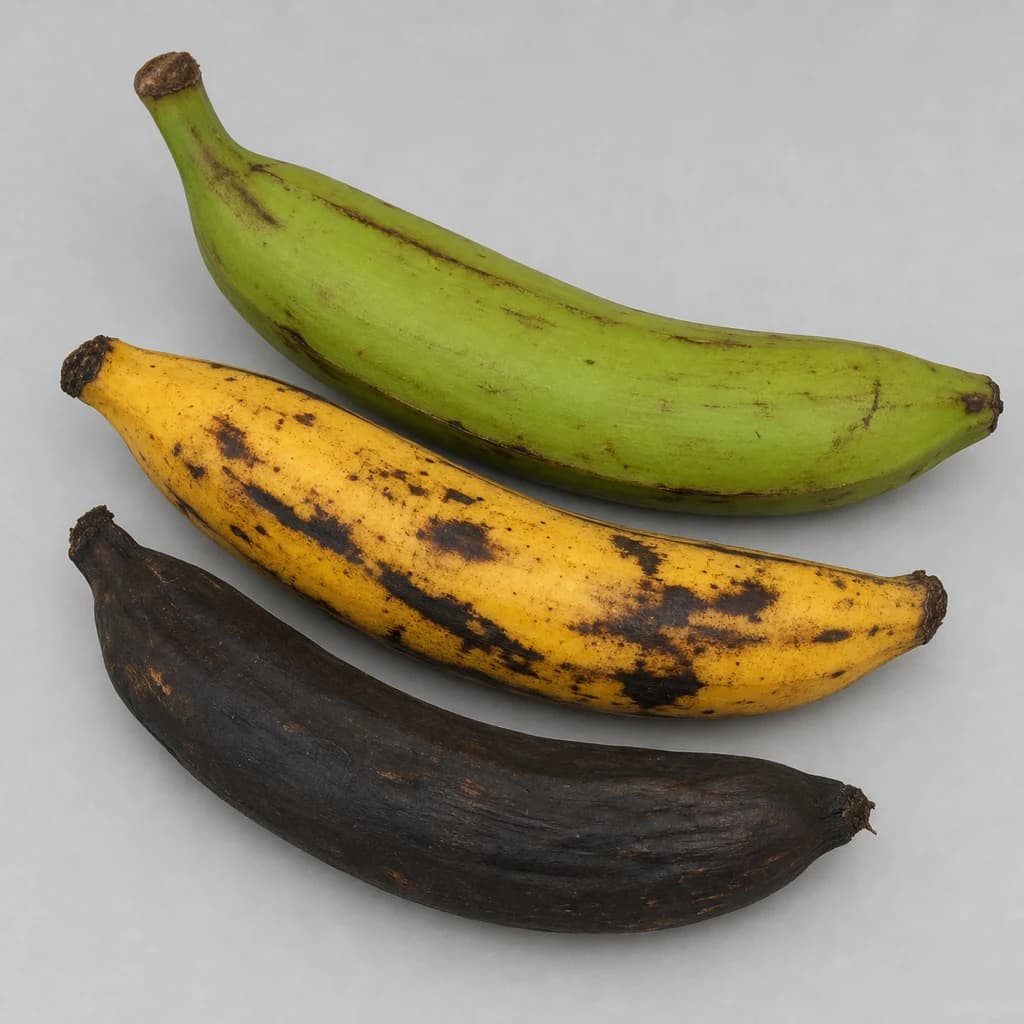
Green unripe and black ripe plantains together show how starch transforms to sweetness.
Showing both stages side by side in one scene teaches that ripeness determines whether a plantain is savory or sweet — the defining characteristic of the ingredient.
Produce
Plantain
Starchy cooking banana fried, boiled or mashed, sweet when ripe and savory when green.
Plantains are large, starchy relatives of the banana that must be cooked rather than eaten raw. Green and unripe they are starchy and savory for tostones and chips; ripe and blackened they turn sweet for fried maduros and mashed dishes. They are a staple carbohydrate across the Caribbean, Latin America and West Africa.
Plantain is a cooking banana, botanically classified as Musa × paradisiaca, a hybrid of Musa acuminata and Musa balbisiana, distinguished from eating bananas by its higher starch content, lower moisture, and nearly inedible raw state. Where eating bananas are bred for sweetness and fresh consumption, plantains are bred as a starch crop—their thick, dense flesh holds together through frying, boiling, and mashing without turning mushy. This fundamental difference makes plantains a culinary workhorse across tropical regions from West Africa to the Caribbean to Southeast Asia, where they function as a versatile starch staple much as potatoes do in temperate climates.
The behavior of plantain shifts dramatically with ripeness, and mastering this progression is key to unlocking its versatility. Green plantains are starchy, mildly sweet, and firm—behave like a potato and apply them the same way. As the peel turns yellow and then black, the starches convert to sugars and the flesh softens; completely black plantains are intensely sweet and caramel-like, suitable for dessert applications. The transition stage—yellow with brown speckles—offers a middle ground of slight sweetness with enough structure for certain preparations. This single ingredient spans the savory-sweet divide that most ingredients cannot cross.
Plantains rank as the fourth most important Musa crop globally for food security, trailing only rice, wheat, and maize in caloric contribution among food crops. They are always cooked before eating, and their thick peels—accounting for roughly 35% of the fruit—must be removed, which requires different techniques depending on ripeness. Understanding plantain means understanding that you are working with a dual-purpose ingredient: savory when green, sweet when ripe, with a universe of preparations in between.
- Measured in
- piece
- Storage
- Pantry
Types & varieties
Larger, seedless or few-seeded, milder flavor; dominant in West and Central Africa and the Caribbean
Shorter and broader, very sweet when ripe; common in Latin America and Florida
Most commercially available variety; versatile across all ripeness stages
Shorter plant, smaller fruit; easier to grow in limited space, similar culinary use
Peeling Plantains by Ripeness
Green plantains are notoriously difficult to peel raw—their peels cling tightly to the flesh. The most reliable method: score the peel lengthwise in 3–4 places with a sharp knife, then submerge the scored plantain in boiling water for 3–4 minutes. Lift with tongs and let cool slightly until handleable. The peel will slide off cleanly. Ripe plantains peel more easily; make a shallow lengthwise incision and peel back the skin, similar to a regular banana.
- Green plantains: blanch 3–4 minutes before peeling
- Ripe plantains: peel like a banana, starting from the stem end
- A sharp paring knife minimizes flesh loss when scoring
Green vs. Ripe: Choosing and Using
The most common mistake is using a plantain at the wrong ripeness for your intended dish. Green plantains are savory and starchy—use them wherever you would use potatoes: in soups, stews, as fried chips, or mashed. Ripe plantains are sweet and tender—use them in desserts, breakfast dishes, or as a caramelized side. The sweet-savory divide is not negotiable in traditional cooking; a green plantain will not caramelize into maduros, and a black plantain will not hold together for tostones.
- Green: firm, dark green peel, no yellow or black spots
- Ripe for frying (maduros): fully yellow with brown speckles
- Very ripe (dessert): peel mostly black, flesh intensely sweet
- Yellow plantains straddle both worlds—slightly sweet but still firm enough for some savory dishes
Common uses
Tips & pitfalls
- Choose green plantains with firm, dark green peels; avoid bruises or yellowing for savory applications
- To peel green plantains easily: score lengthwise 3–4 times, blanch in boiling water 3–4 minutes, then slide the peel off cleanly
- Cut plantains with a sharp knife—flesh bruises easily, affecting texture and appearance
- For frying green plantains: ensure oil reaches 350–375°F; too cool makes them soggy and greasy, too hot burns before the interior cooks
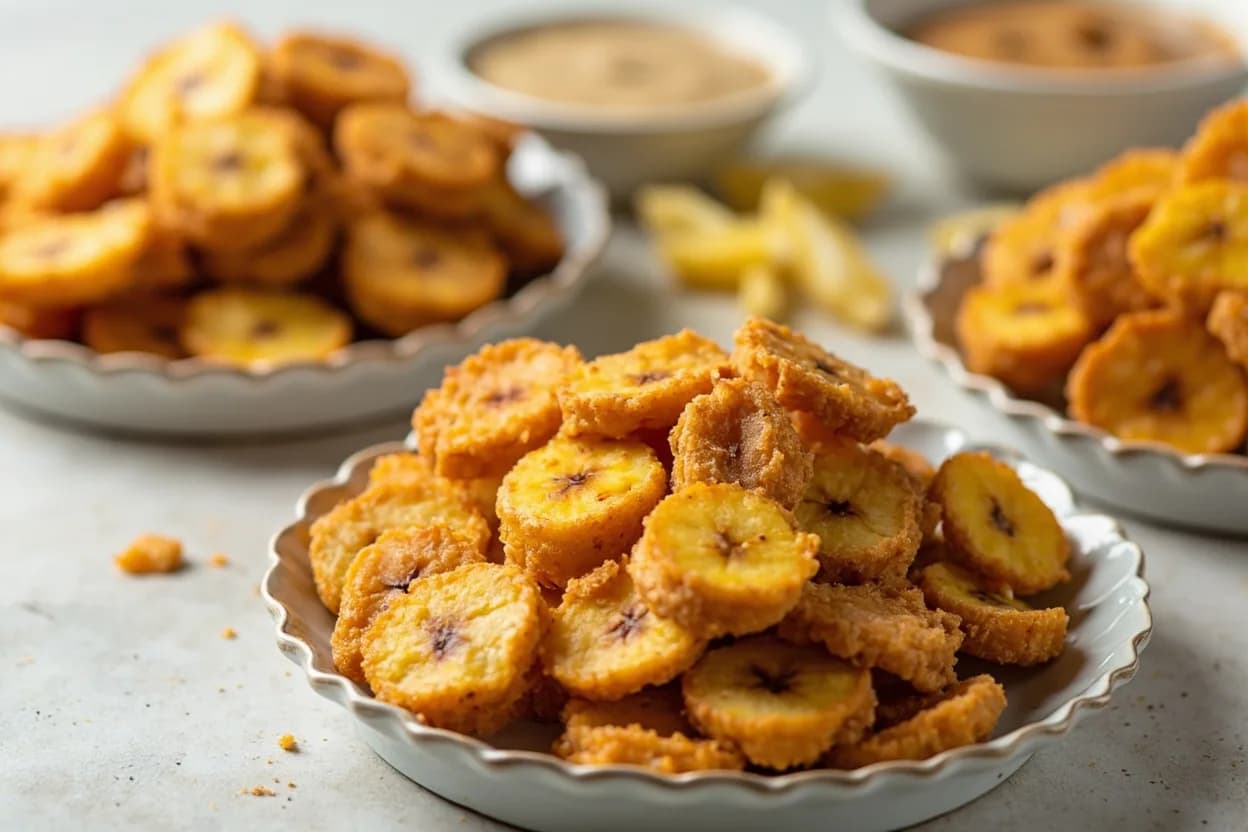
- Double-fry tostones: fry green slices 2–3 minutes per side at 350°F, flatten while warm, then fry again at 375°F until golden and crispy
- Ripe plantains should be yellow with black spots for maximum sweetness; completely black peels indicate very sweet, almost overripe fruit
- Do not refrigerate unripe plantains—cold halts ripening and can gray the flesh irreversibly
- When pan-frying ripe plantains, use medium heat to allow sugars to caramelize without burning; flip once when golden on one side
- Green plantain flesh browns quickly once cut—have your cooking liquid or next preparation ready before slicing
Nutrition
Energy
372 kJ · per 100 g
Where the calories come from
Protein
1.1g
2% DV
Carbs
22.8g
8% DV
Fat
0.3g
0% DV
Fiber
2.6g
9% DV
Sugars
12.2g
of which
Sodium
1mg
0% DV
Source · USDA FoodData Central · Bananas, raw
View on FDC →In the shops
Matched grocery products
No matched grocery products for Plantain yet.
Good to know
- Scientific Name
- Musa × paradisiaca (Musa acuminata × Musa balbisiana hybrid)
- Origin
- Southeast Asia; cultivated over 5,000 years, now widespread in tropical regions worldwide
- Flavor (Green)
- Starchy, mildly sweet, neutral; dense, firm texture
- Flavor (Ripe)
- Sweet with caramel undertones; soft, yielding texture
- Ripening Stages
- Green (savory) → Yellow (semi-ripe) → Black (very ripe, dessert-sweet)
- Storage (Green)
- Room temperature 1–2 weeks; do not refrigerate (causes graying, halts ripening)
- Storage (Ripe)
- Refrigerate ripe (black) plantains 2–3 days; peel darkens but flesh stays intact
- Yield
- Peel is ~35% of fruit; 65% usable flesh
Substitutes
- Green Banana — Closest substitute for green plantain; similar starchy texture, slightly sweeter; cook 5–10 minutes less
- Taro Root — Comparable starch content and texture; distinct nutty flavor; use equal amounts in boiled or fried applications
- Cassava (Yuca) — Similar starchy texture when cooked; must be boiled before frying; slightly more fibrous
- Breadfruit — Can substitute in fried applications; firmer texture; reduce cooking time slightly
- Potato — Works for soups and stews; lacks plantain's subtle sweetness; cook time varies by variety
Pairs with
Also called
Banana Pão · Banana-da-terra · Ripe Plantain · Plátano Maduro · Cooking Banana · Green Plantain
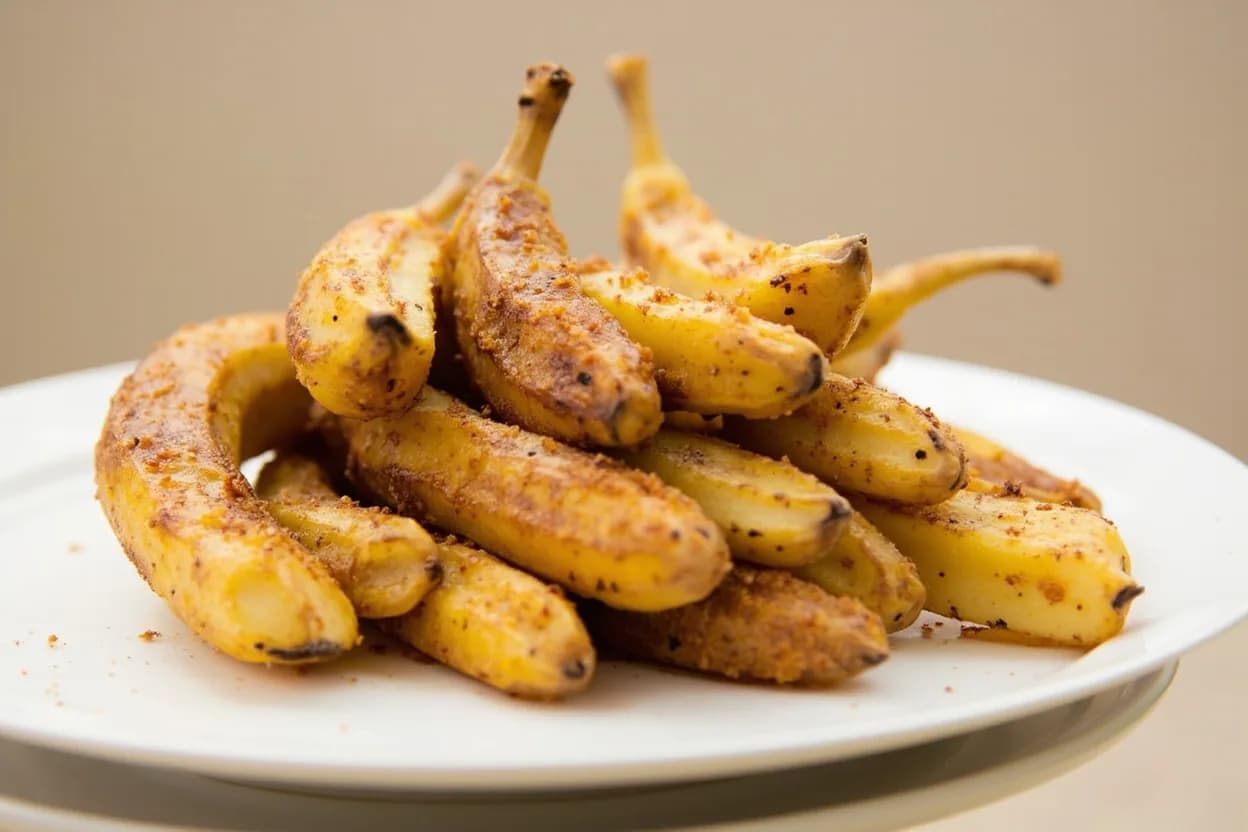
Appears in these dishes
Related
Tomato
Juicy, sun-sweet fruit for sauces, salads, and slow-cooked depth
Yellow Onion
The aromatic backbone of soups, sofritos, and braises
Garlic
Pungent cloves that perfume nearly every savory dish
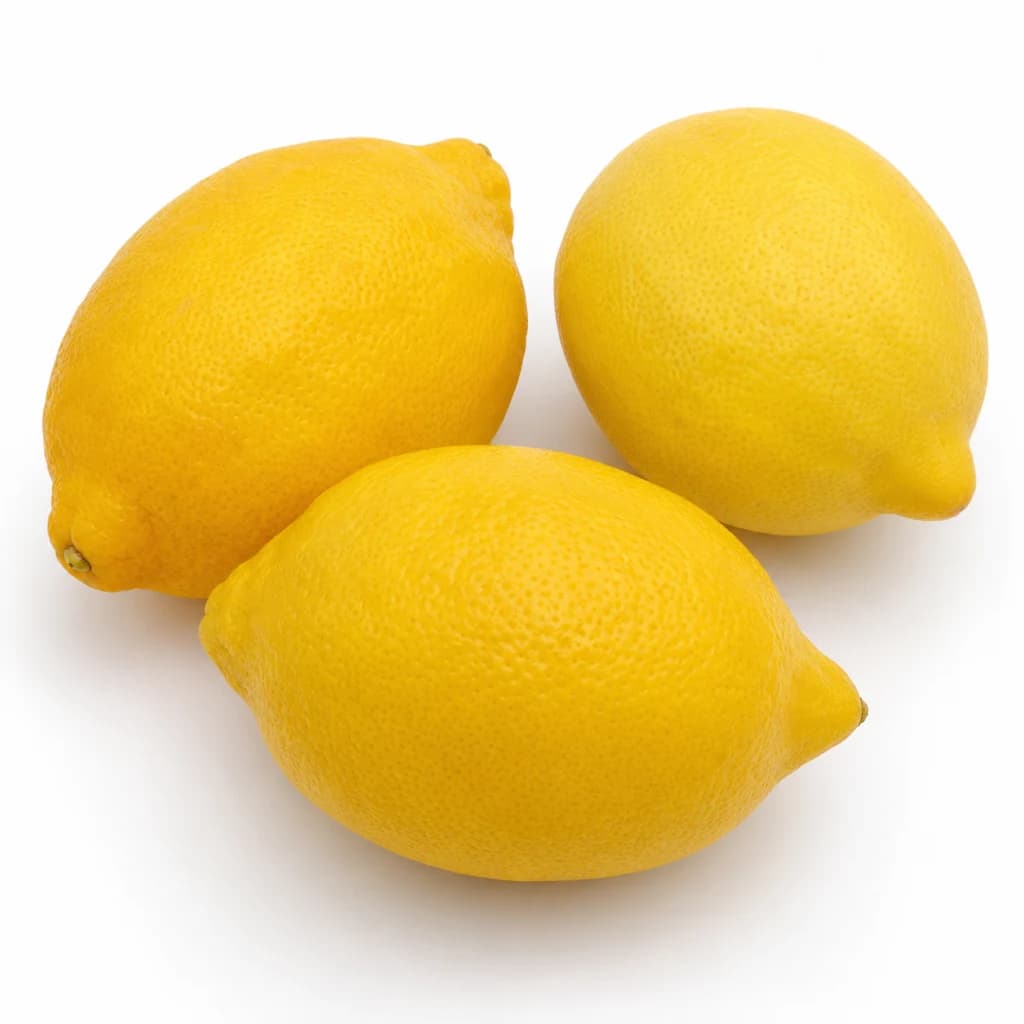
Lemon
Bright, acidic citrus that wakes up almost any dish
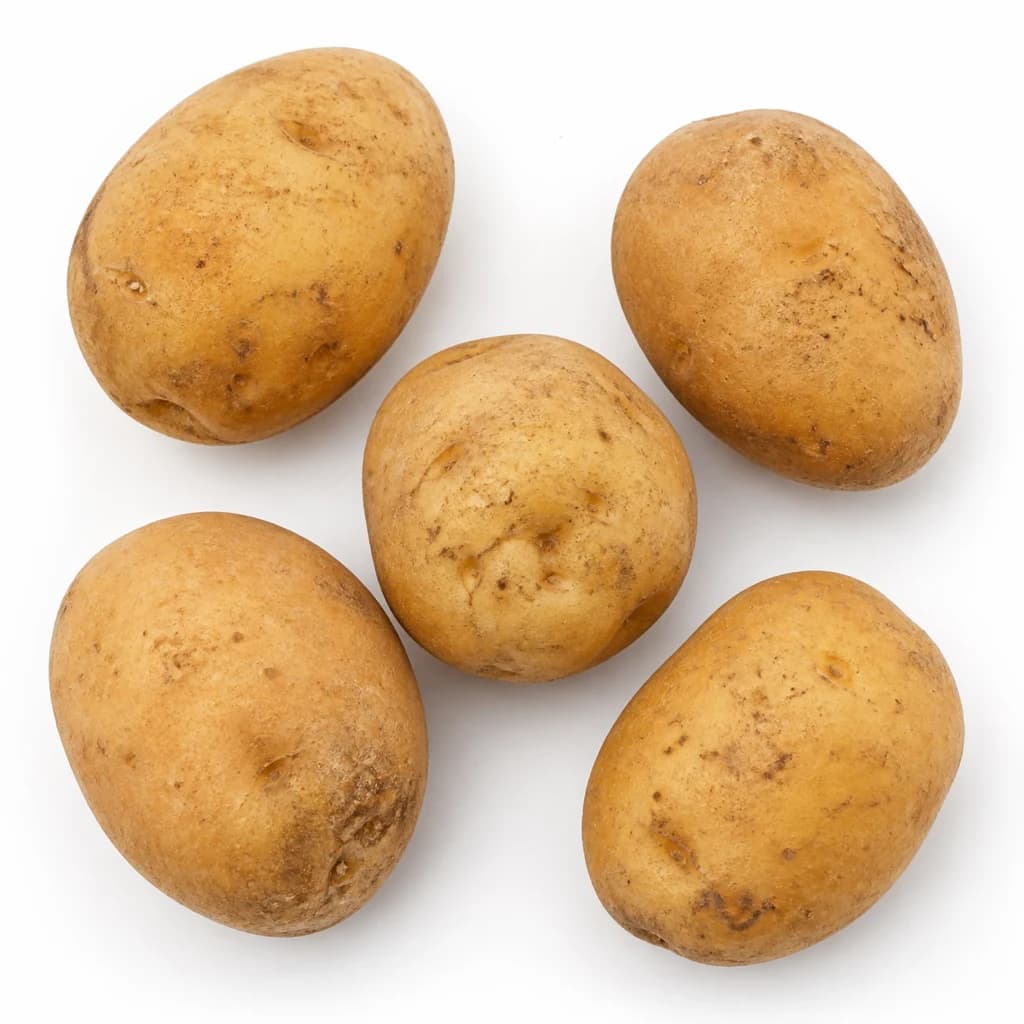
Potato
Humble, hearty staple — roast, mash, fry, or boil
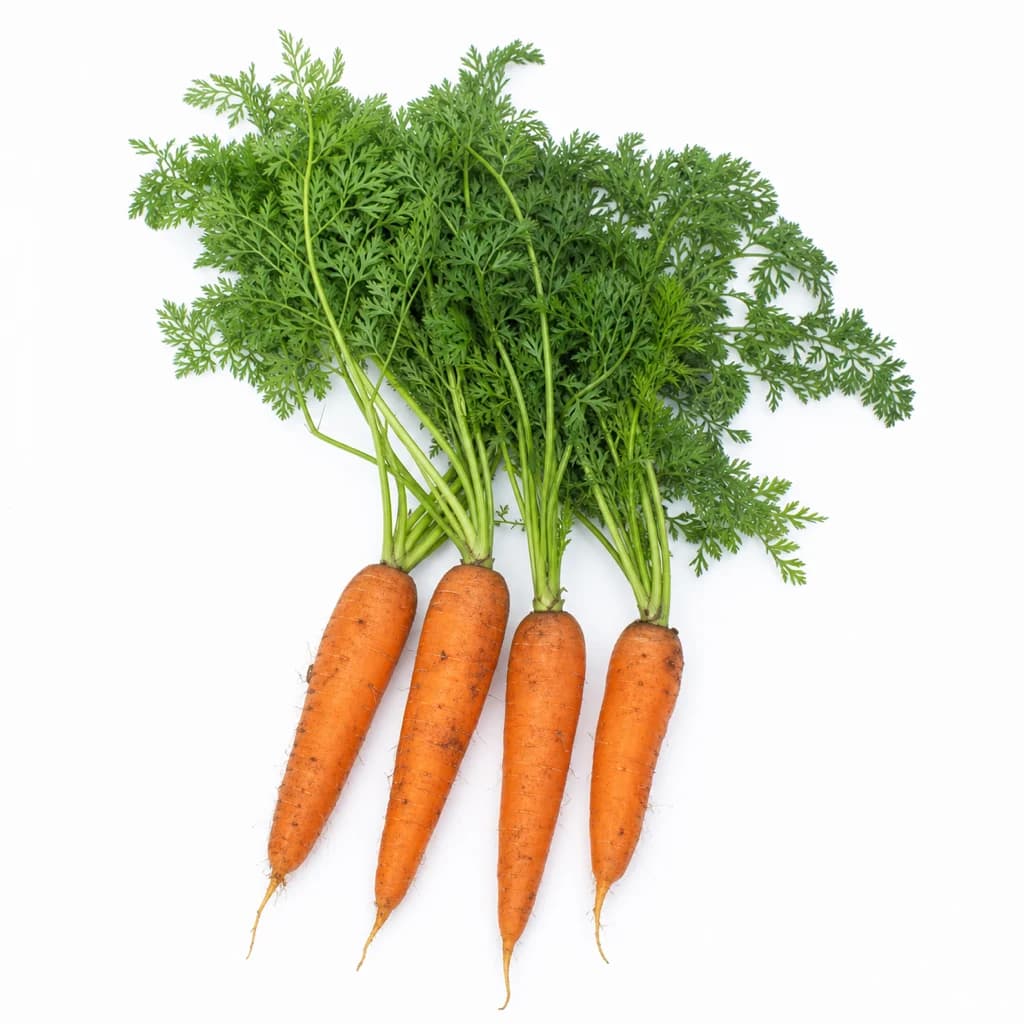
Carrot
Sweet, crunchy root — raw, roasted, or the base of a sofrito
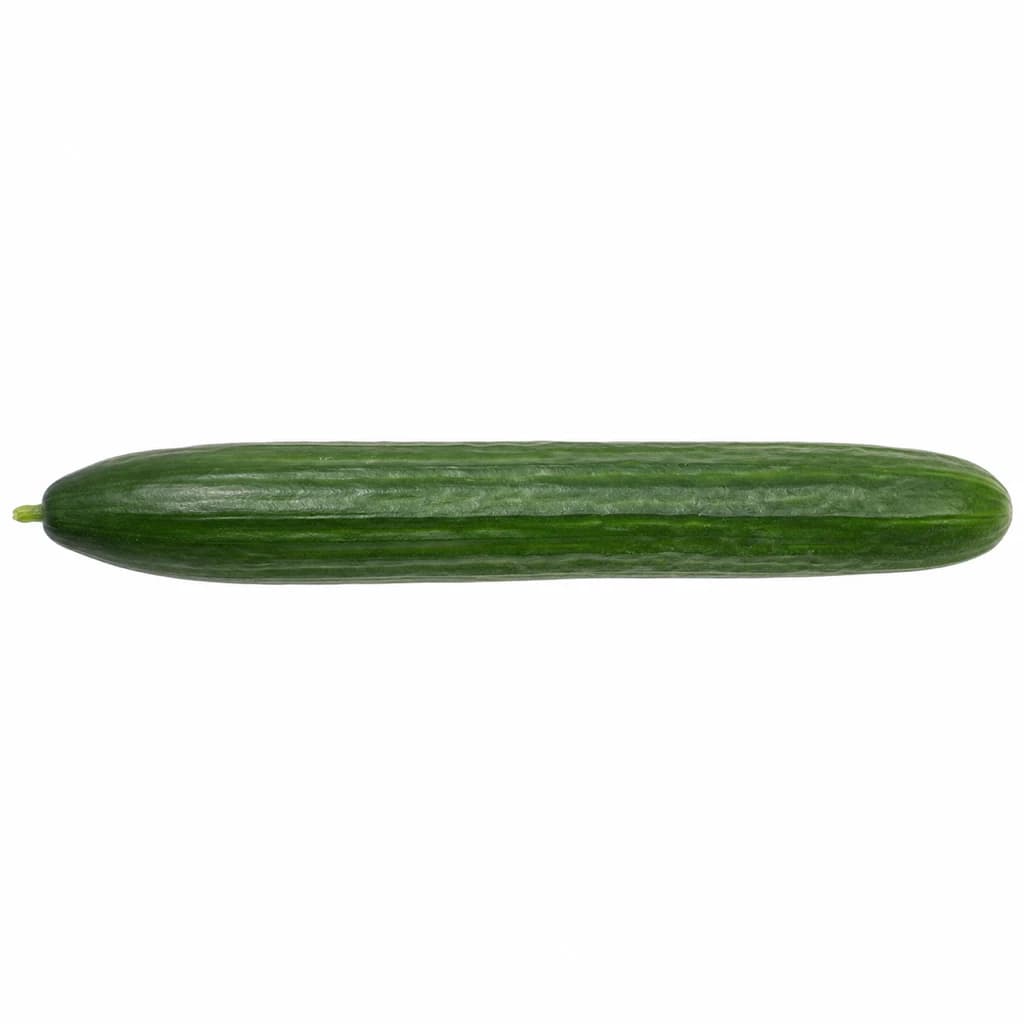
Cucumber
Cool, crisp, and watery — for salads, pickles, and tzatziki

Lettuce
Crisp leaves for salads, wraps, and a fresh crunch