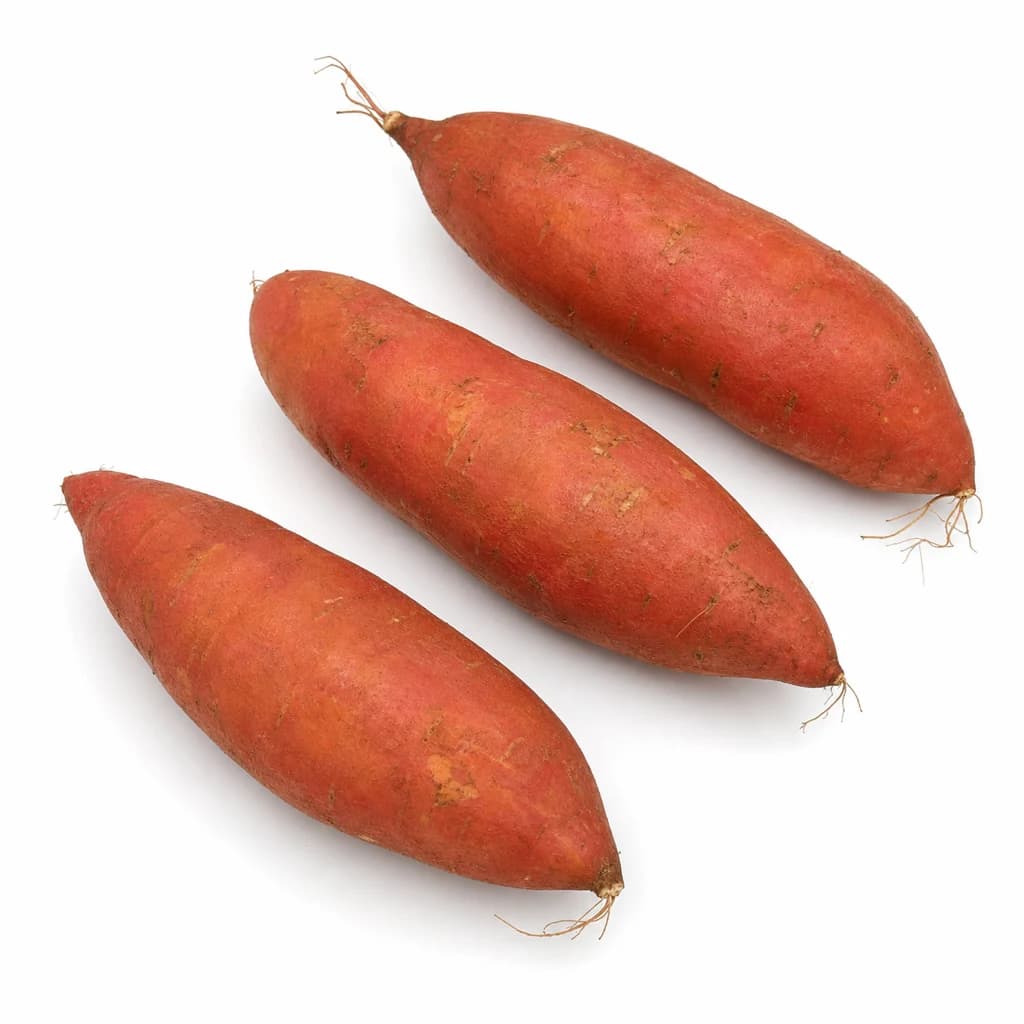
Natural form
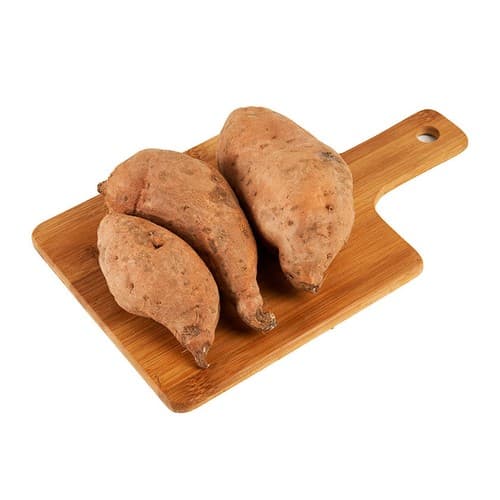
Whole sweet potatoes showing tapered oval shape, reddish-copper skin, and thin root hairs.
Shows the unprocessed tuber's identifying shape, skin color, and surface texture so readers can recognize it in markets.
Produce
Sweet Potato
Sweet, vibrant tuber for roasting, mashing, and fries
Naturally sweet and creamy, sweet potatoes roast into caramelized wedges, mash silky, and bake into wholesome fries. Store them dark and cool, away from the fridge.
The sweet potato is a vibrant, naturally sweet tuber with creamy flesh that caramelizes gorgeously when roasted and mashes into silk. Despite the name it's not closely related to the regular potato, and it behaves differently — moister, sweeter, and richer in beta-carotene. It bridges sweet and savory effortlessly, equally at home as a marshmallow-topped holiday casserole, a spiced curry, or crisp baked fries.
- Measured in
- piece
- Storage
- Dark Cool
- Shelf life
- 21 days
Find it in
Types & varieties
Moist, sweet, deep color; the common type
Drier, less sweet, firmer flesh
Vivid purple flesh, nutty and dense
Purple skin, pale chestnut-sweet flesh
How to choose
Pick firm, plump tubers with smooth, unblemished skin and no soft spots, cracks, sprouts, or a wrinkled feel. Medium, evenly shaped ones cook most predictably. Any bruising or pitting spreads fast, so inspect carefully.
How to store
Keep sweet potatoes in a cool, dark, dry, ventilated place — not the fridge, where cold turns the centers hard and off-flavored. A pantry or cellar is ideal; they last a few weeks. Don't wash until you're ready to cook.
- Never refrigerate raw
- Cool, dark, dry, airy
- Wash only before use
How to cook for the best texture
Roasting whole concentrates the sugars and gives the deepest flavor — slow and low (around 200°C/400°F) coaxes out more sweetness than the microwave. For fries, cut evenly, don't crowd the pan, and a light dusting of cornstarch helps them crisp despite their moisture.
Common uses
Tips & pitfalls
- Roast whole and unpeeled to concentrate sweetness and ease peeling after
- Their high sugar means they brown fast — watch the oven so they don't scorch
- Cornstarch and high heat are the secret to crisp sweet-potato fries
- The skins are edible and nutritious — leave them on
- Mash with warm spices (cinnamon, nutmeg) or savory ones (cumin, chipotle)
Nutrition
Energy
360 kJ · per 100 g
Where the calories come from
Protein
1.6g
3% DV
Carbs
20.1g
7% DV
Fat
0.1g
0% DV
Fiber
3g
11% DV
Sugars
4.2g
of which
Sodium
55mg
2% DV
Source · USDA FoodData Central · Sweet potato, raw, unprepared (Includes foods for USDA's Food Distribution Program)
View on FDC →In the shops
Matched grocery products
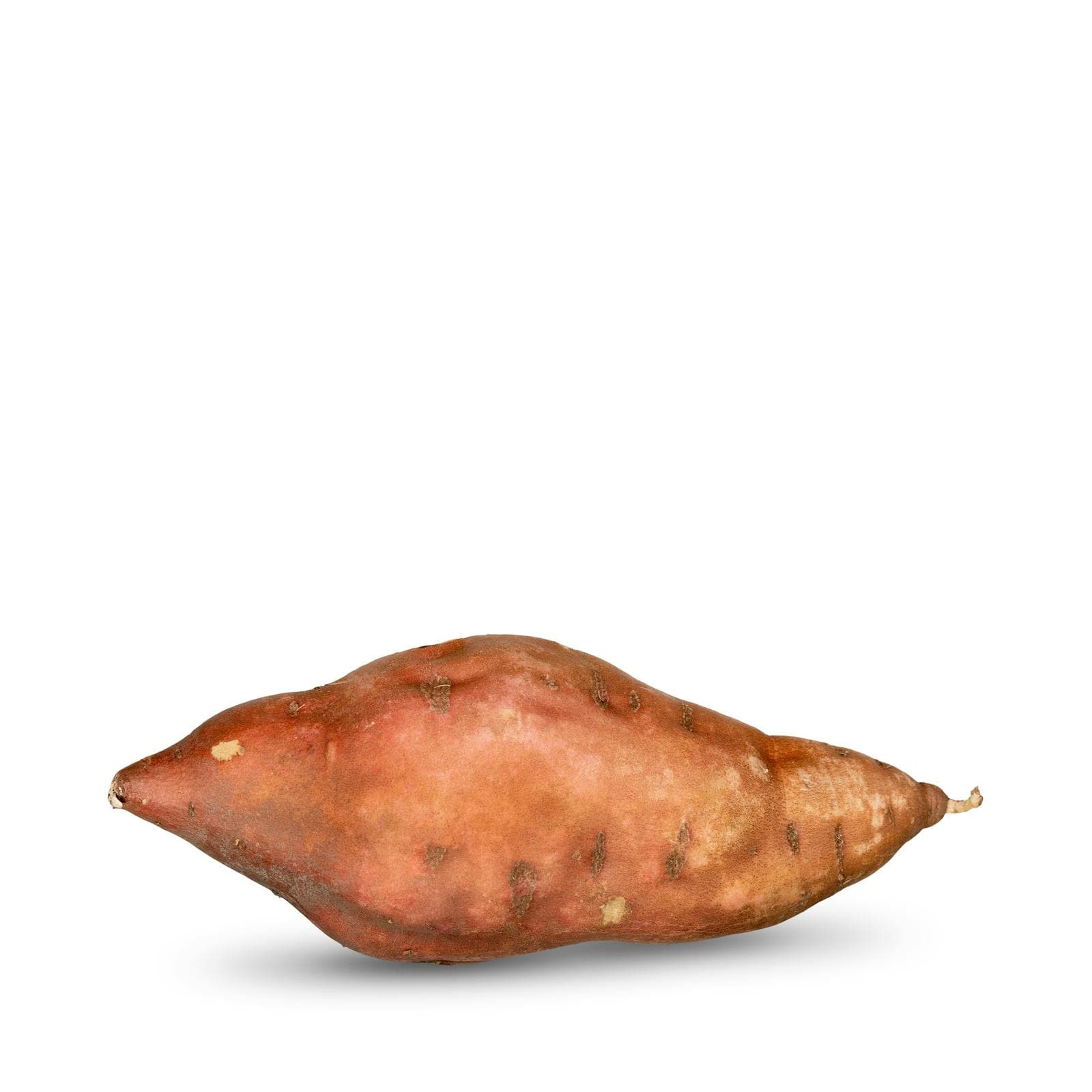 €1.24
€1.24Sweet Potato
370 g · Mercadona
 €1.01
€1.01Sweet Potato 1 unit
ud · Bonpreu
 €1.29
€1.29Sweet Potato 1 unit
Bonpreu
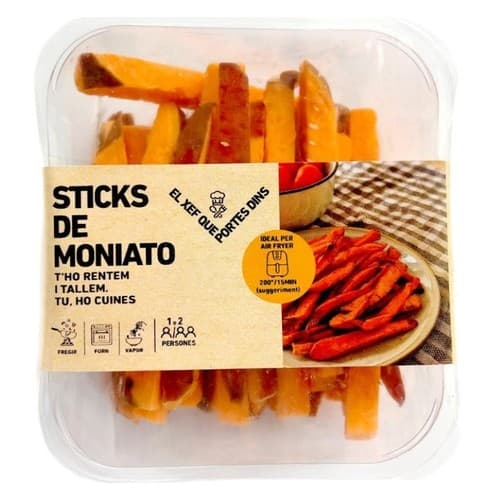 €2.49
€2.49Sweet Potato Sticks
kg · Bonpreu
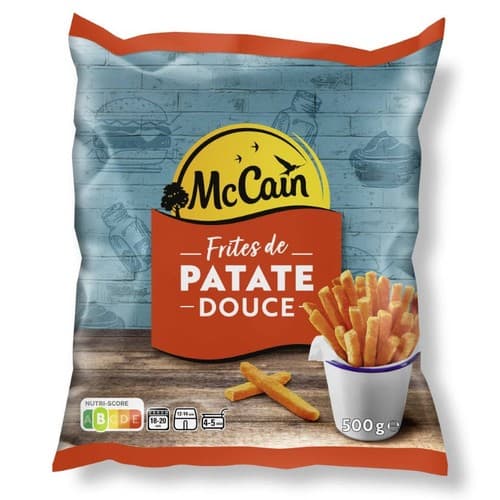 €4.79
€4.79MCCAIN Sweet Potato Fries
MCCAIN · kg · Bonpreu
 €3.39
€3.39Organic Sweet Potato in Tray 700g
kg · Bonpreu
Good to know
- Peak season
- Fall and winter
- Flavor
- Sweet, earthy, creamy; deepens and caramelizes when roasted
- Origin
- Central/South America; cultivated for millennia
- Nutrition
- ~86 kcal/100g; loaded with beta-carotene, fiber, vitamin C
- How to buy
- Firm, smooth, even color; no soft spots, cracks, or shriveling
Substitutes
- Butternut squash — Similar sweetness and color; great in soups and roasts
- Pumpkin — For purées and pies
- Carrot — For sweetness in mashes and soups
Also called
batata · boniato · camote
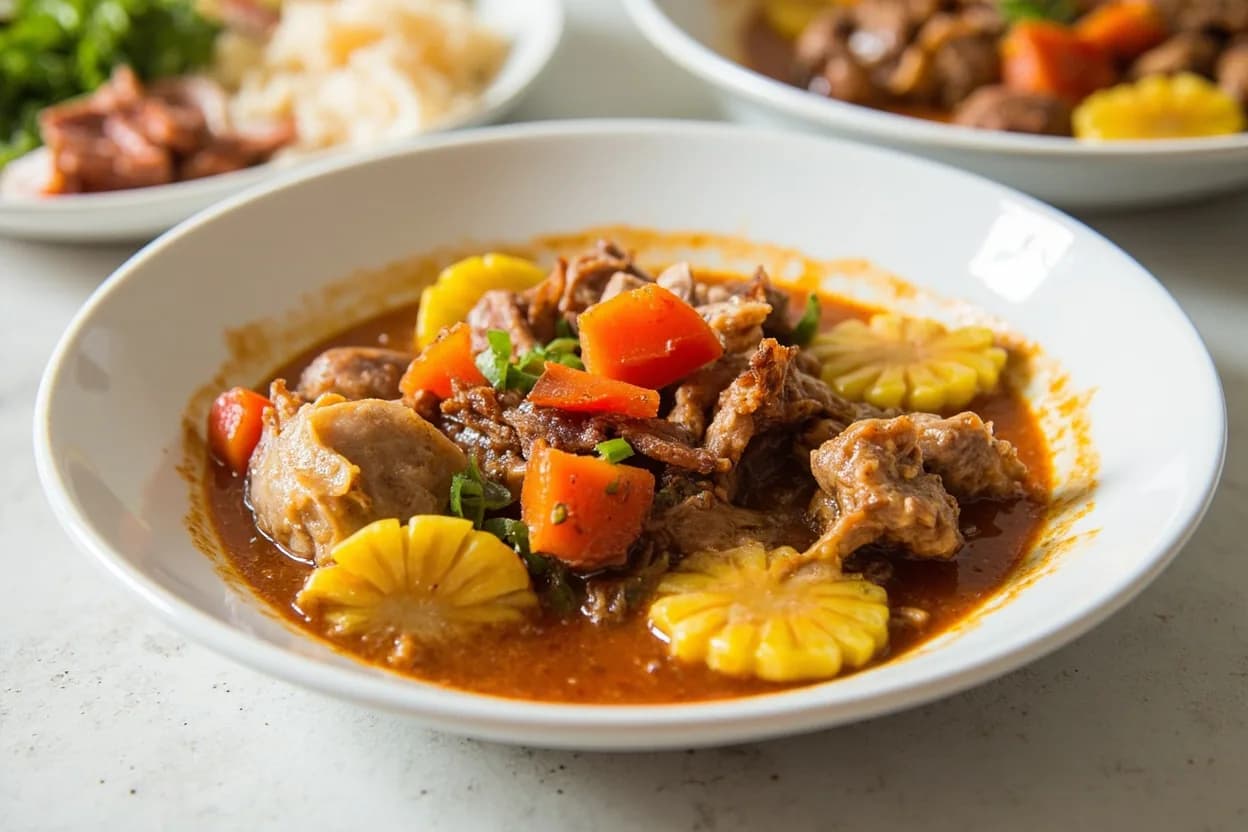
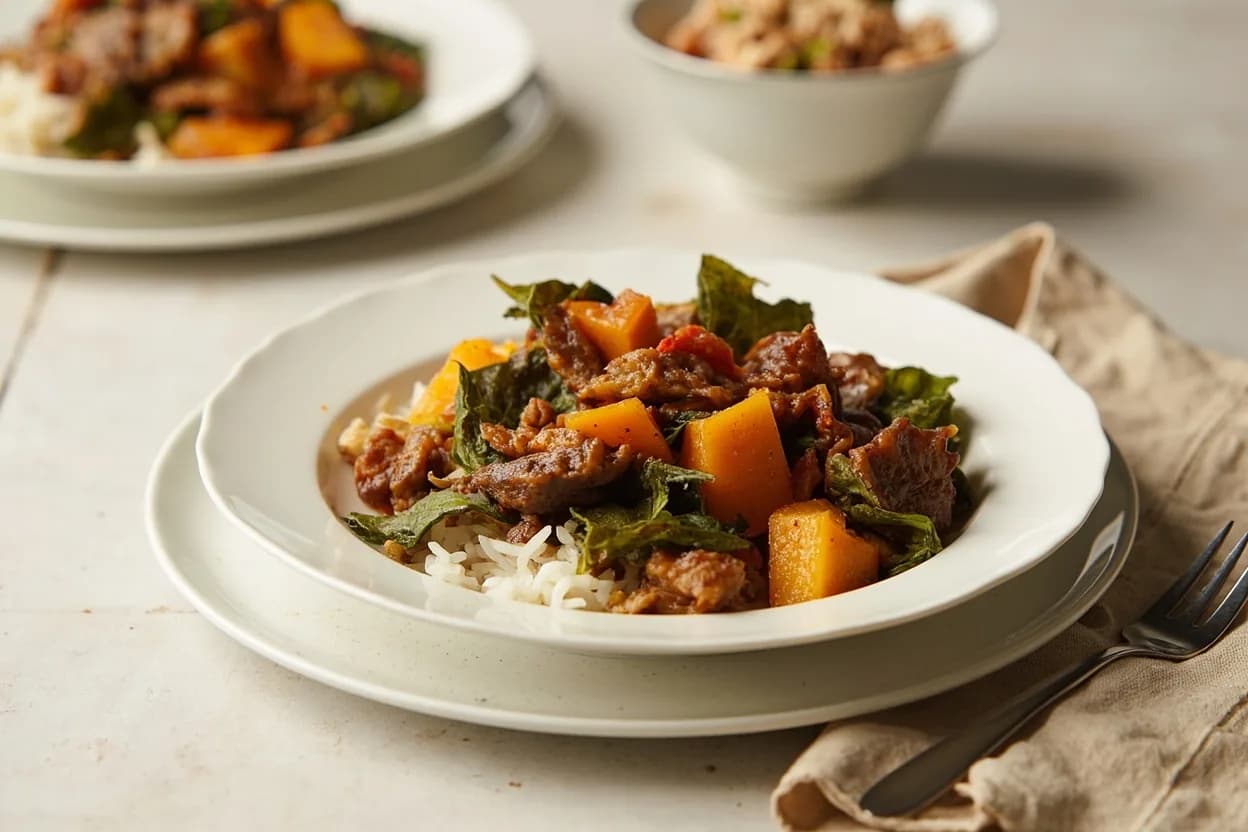
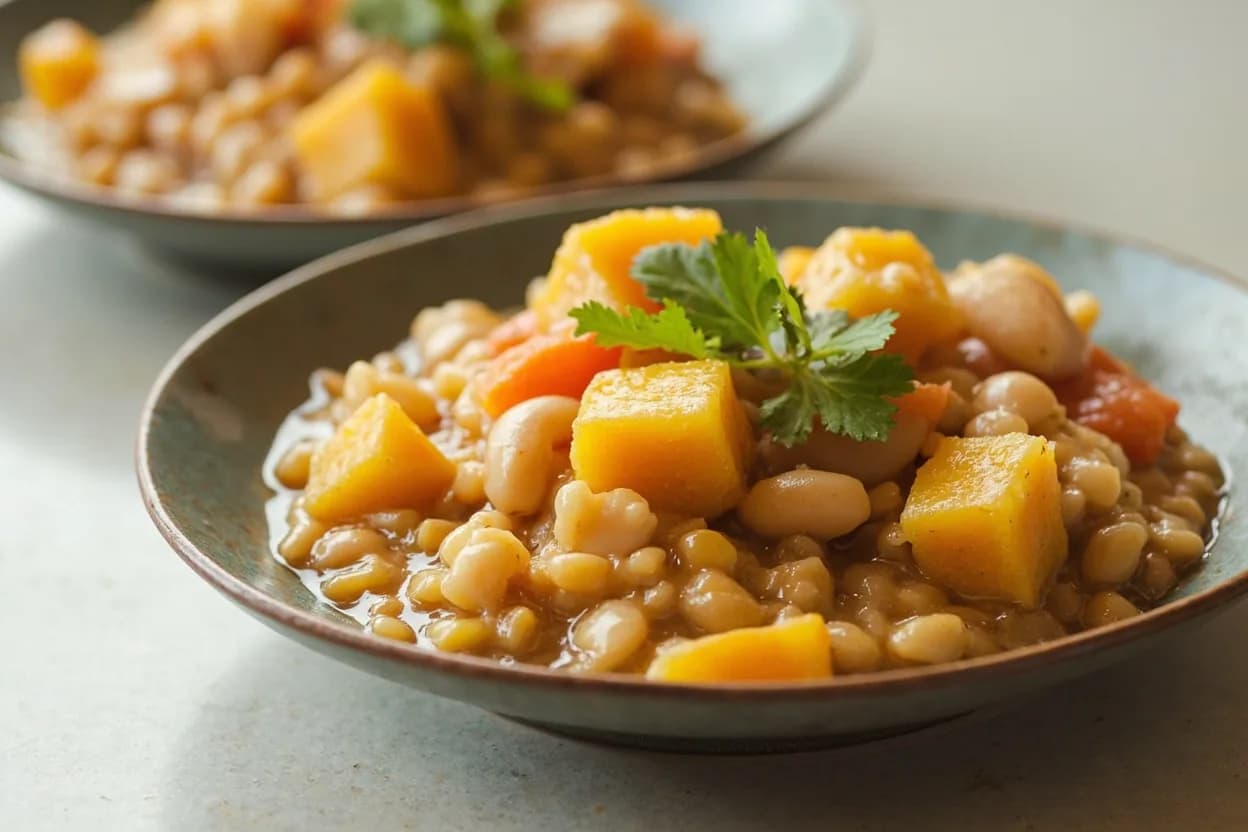
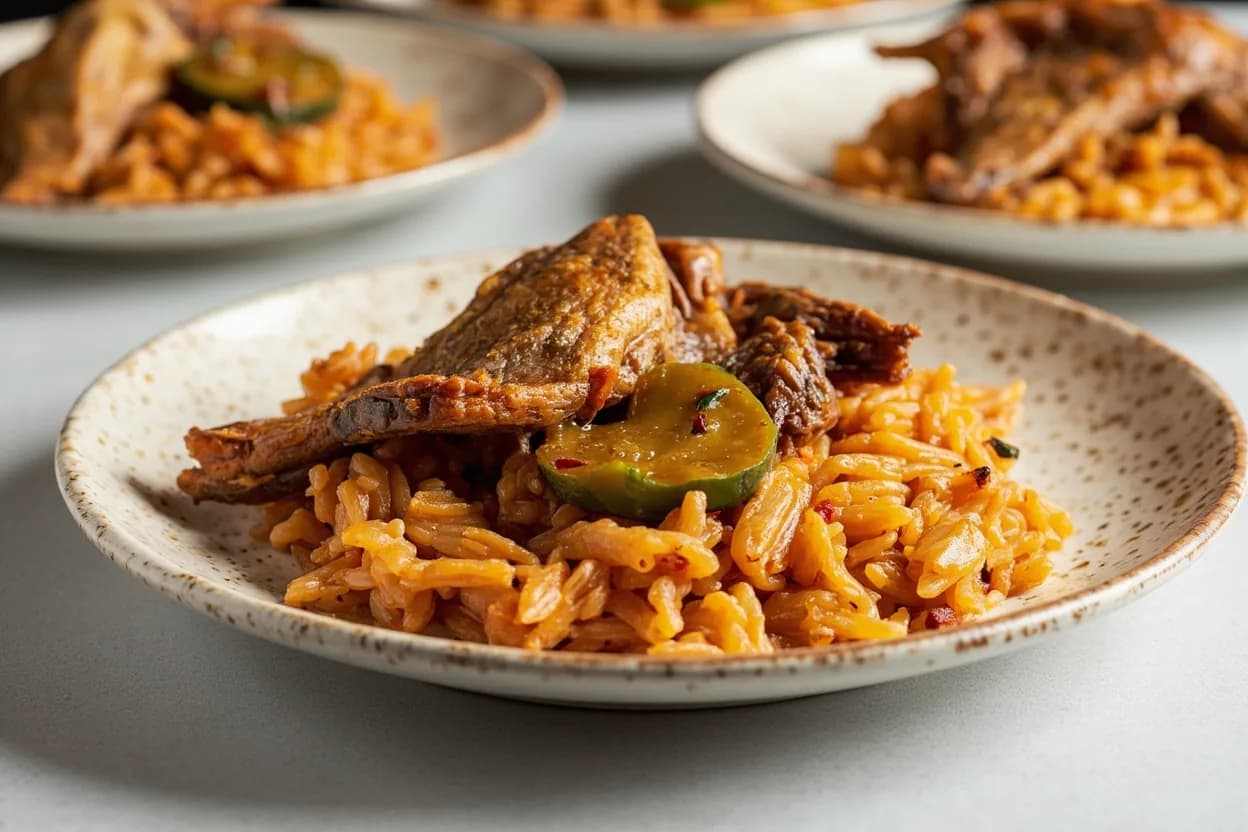
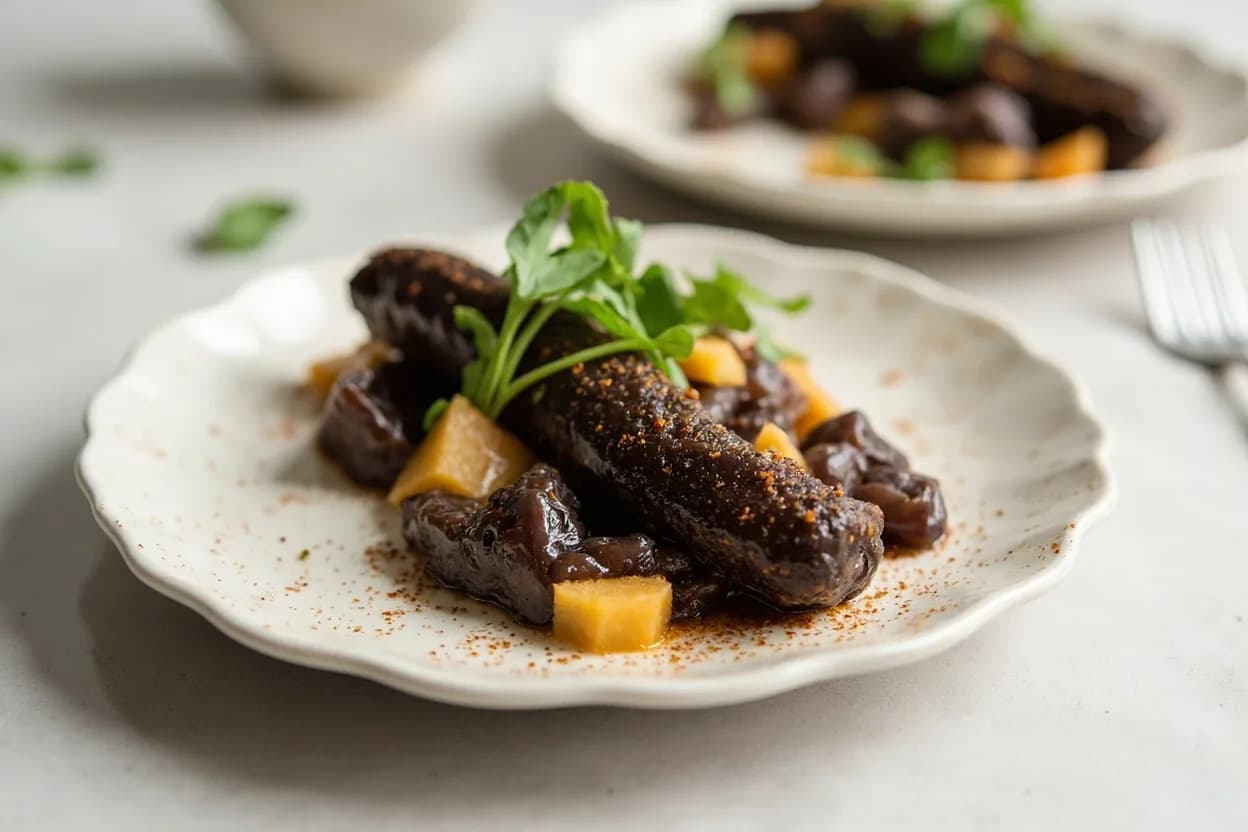
Appears in these dishes
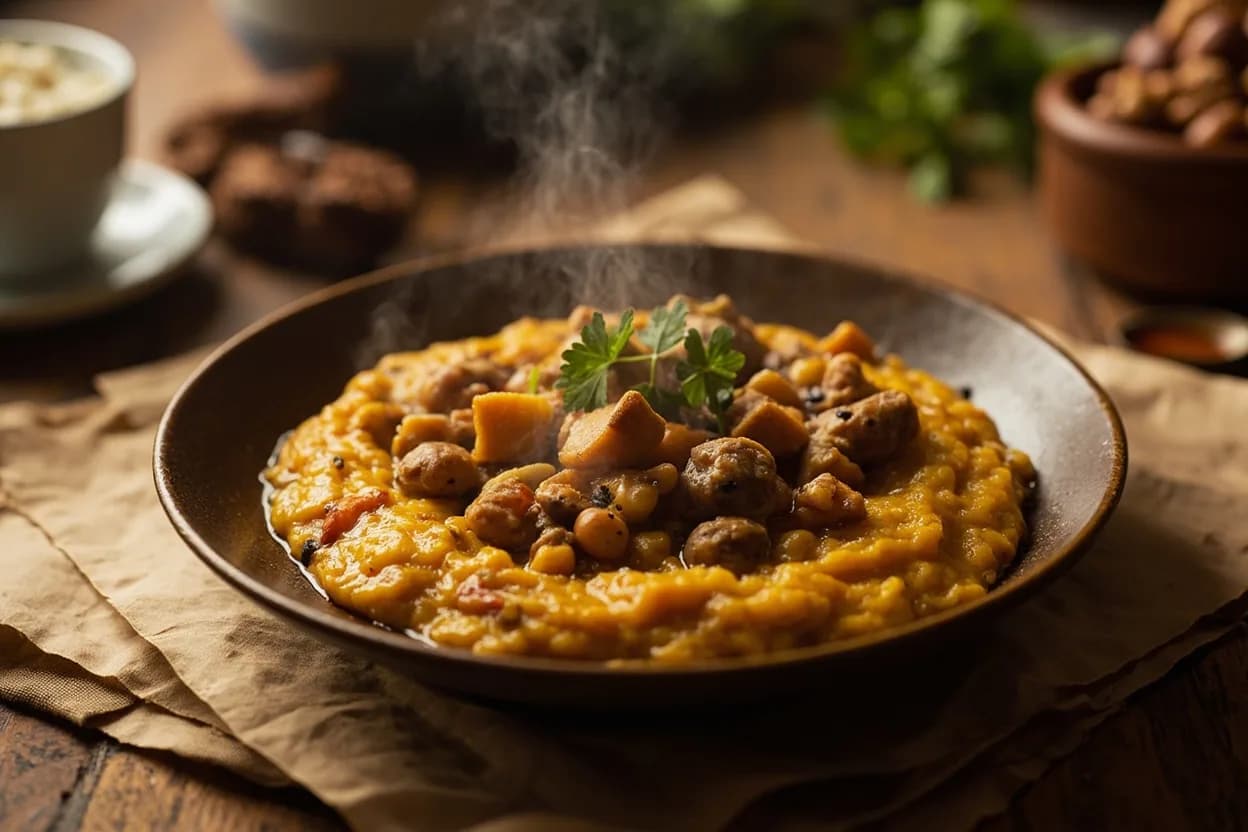
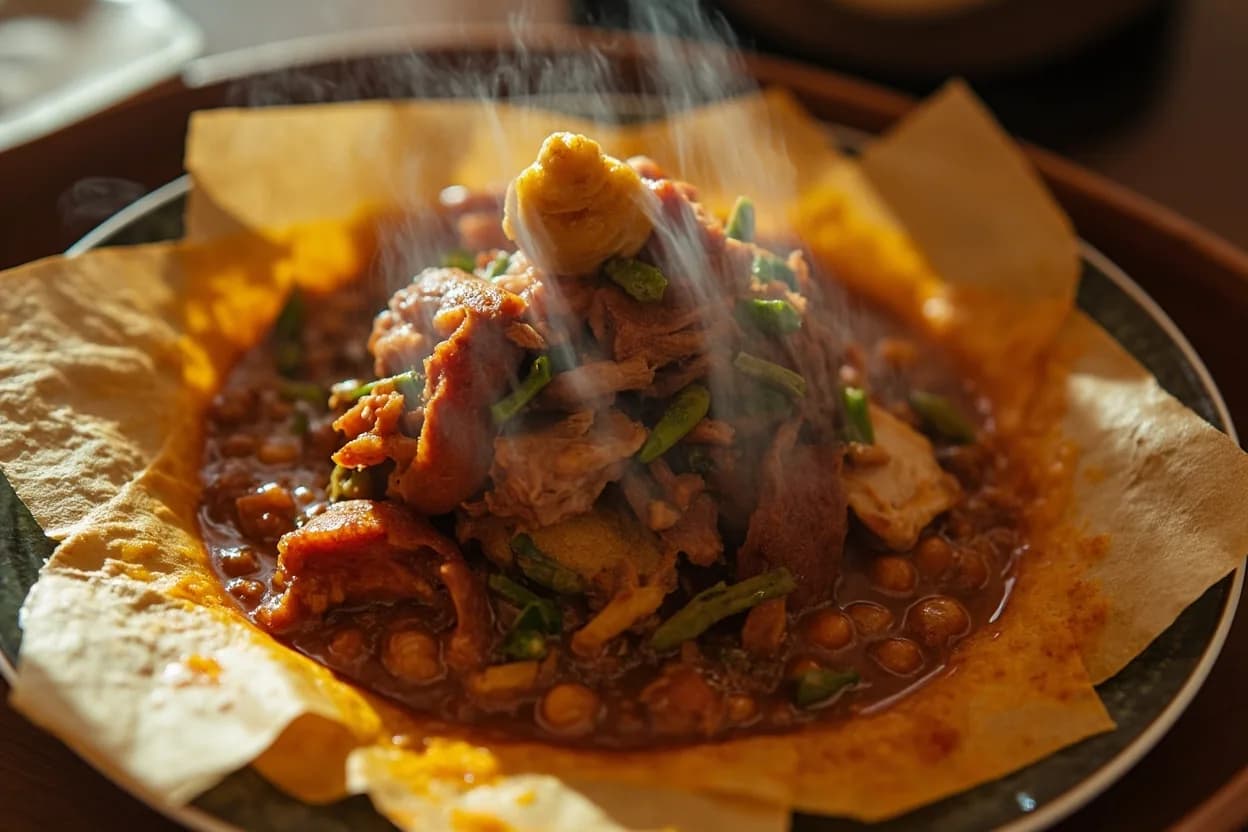
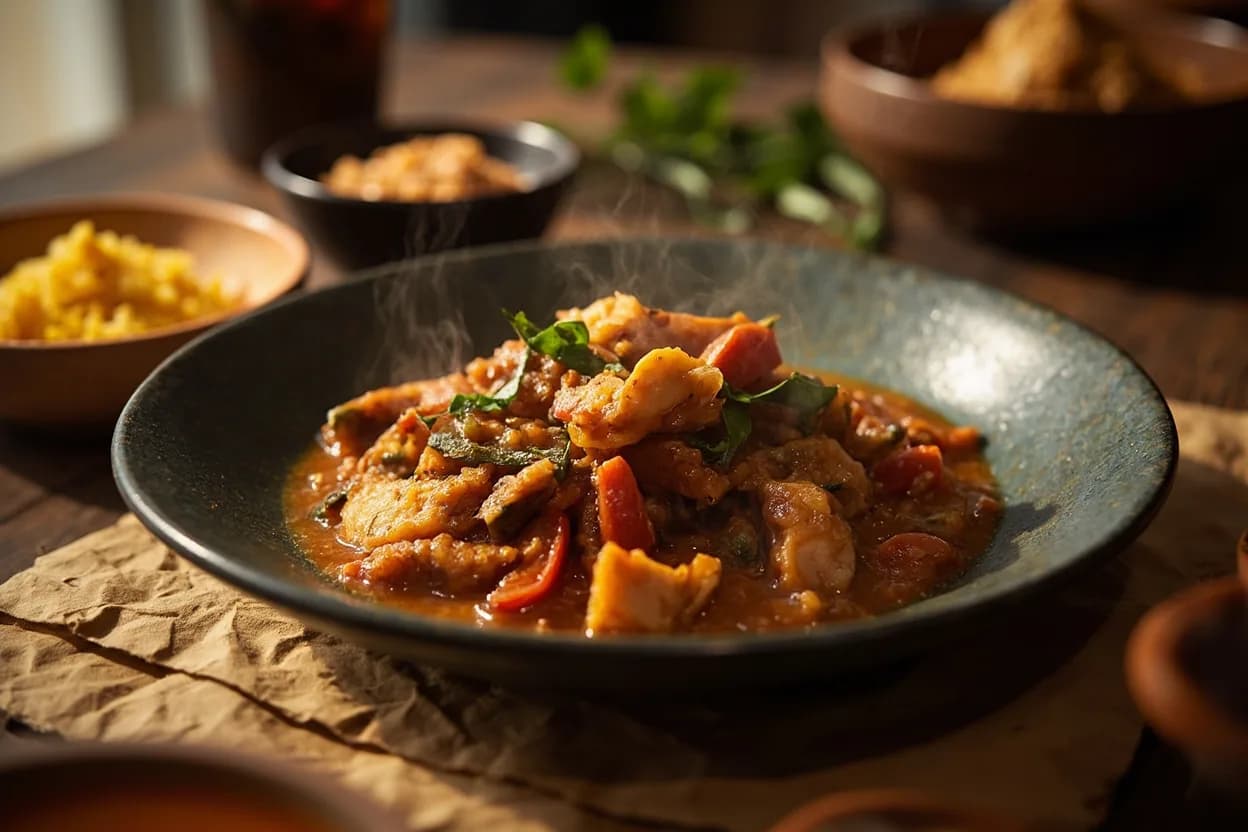
Related
Tomato
Juicy, sun-sweet fruit for sauces, salads, and slow-cooked depth
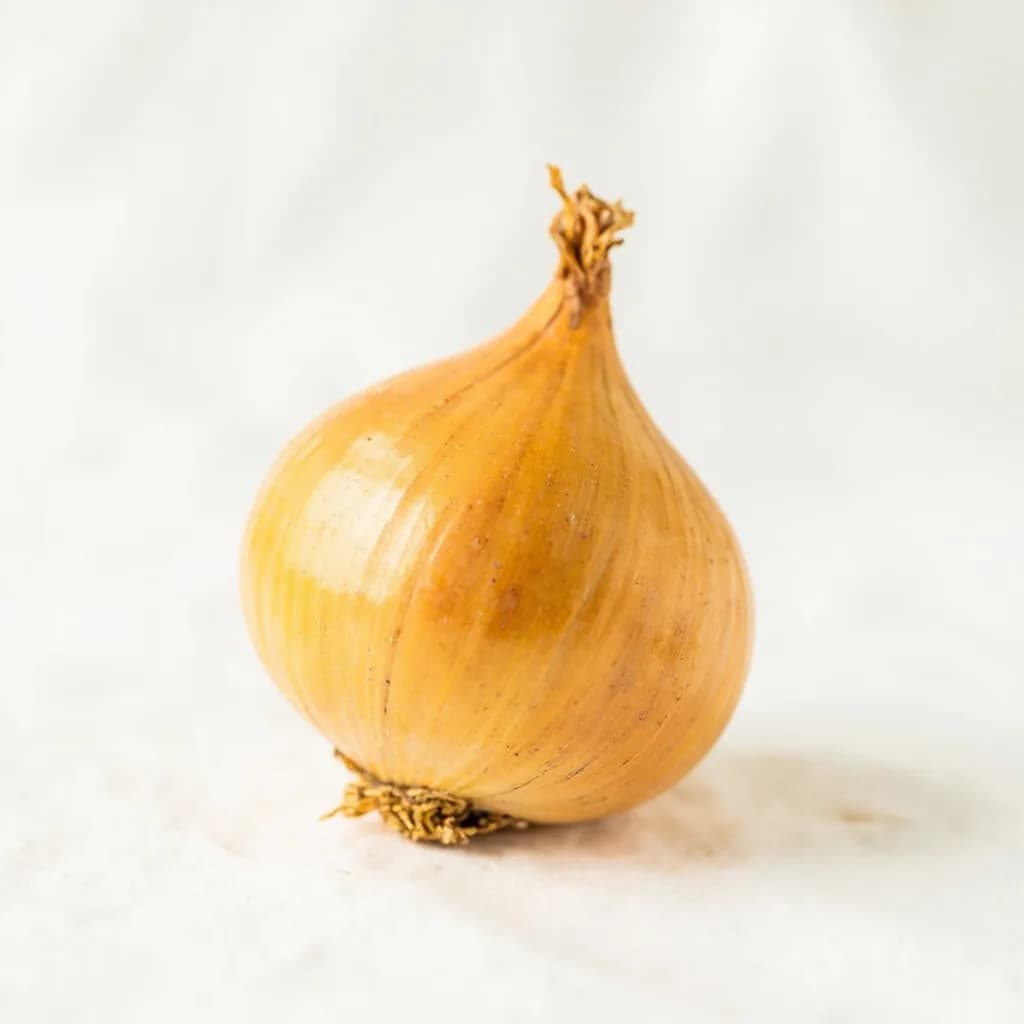
Yellow Onion
The aromatic backbone of soups, sofritos, and braises
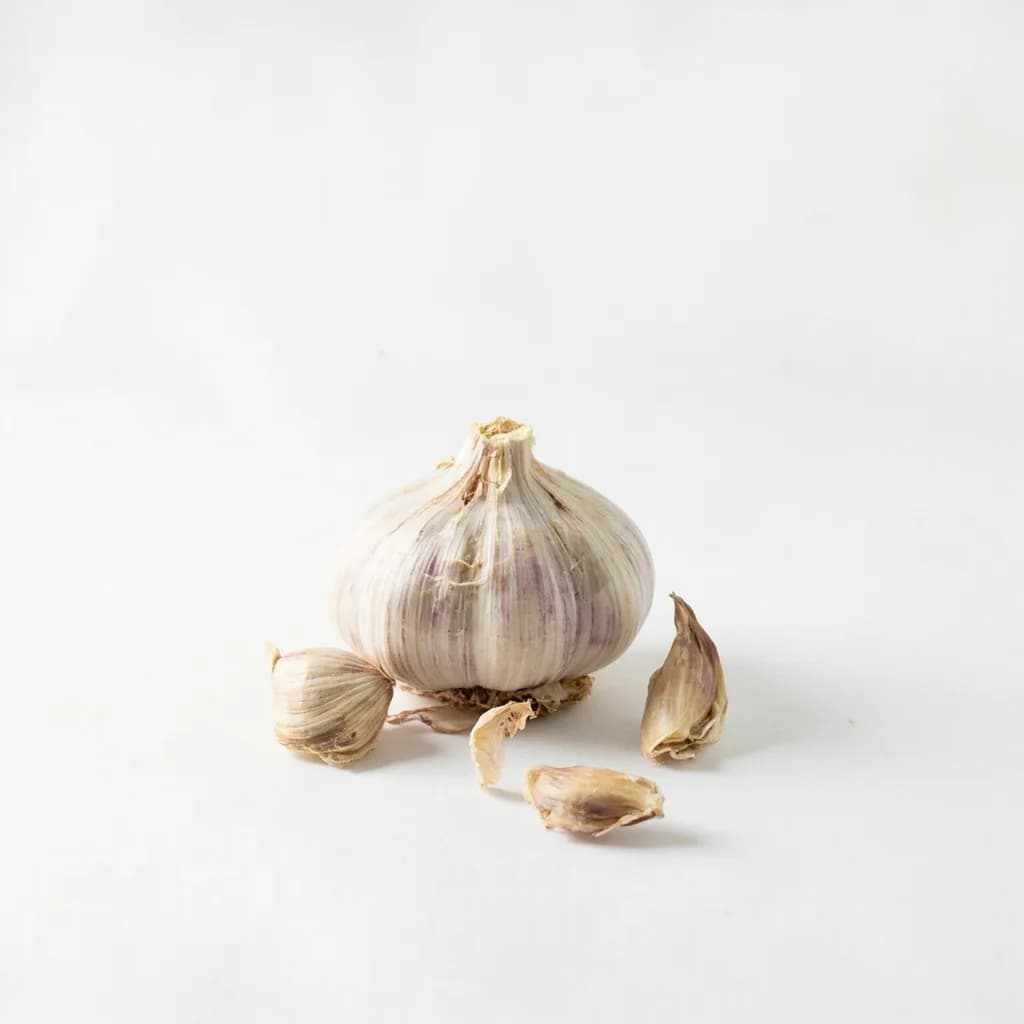
Garlic
Pungent cloves that perfume nearly every savory dish
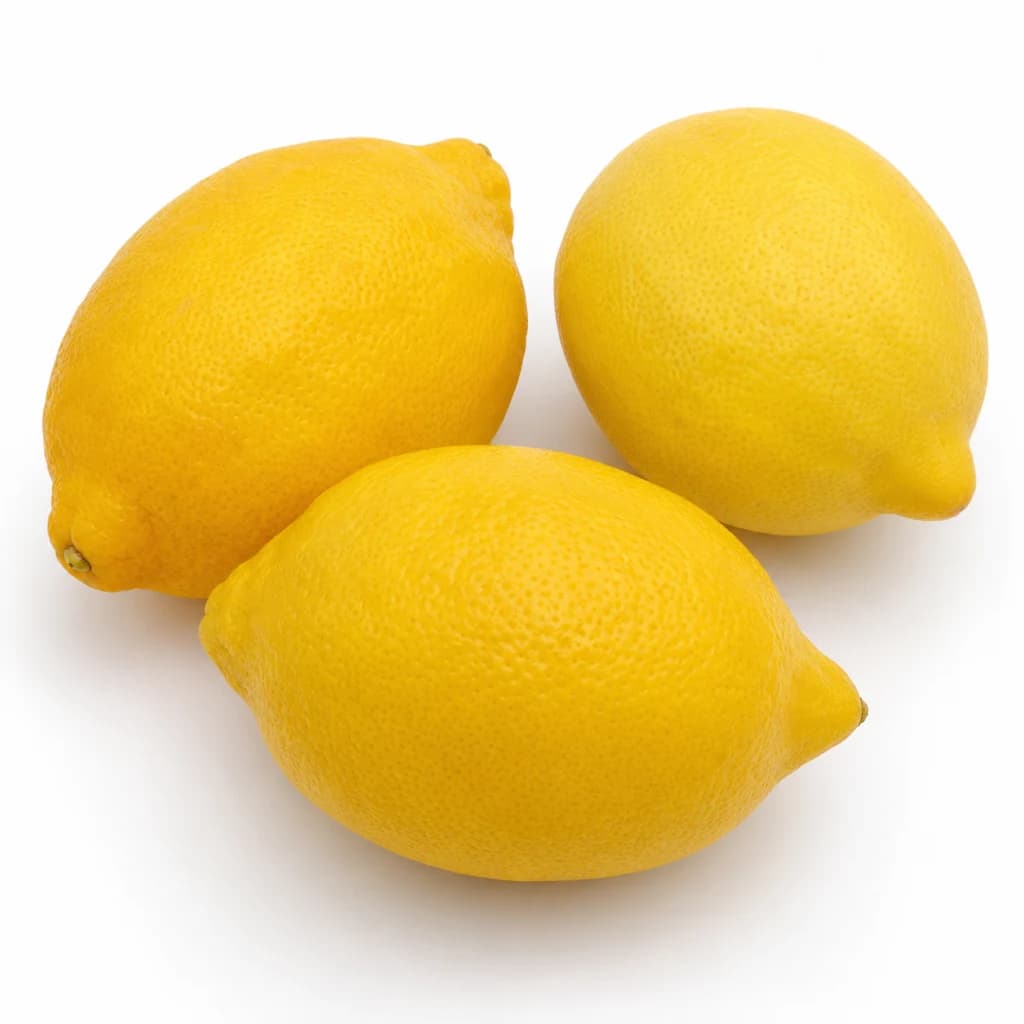
Lemon
Bright, acidic citrus that wakes up almost any dish
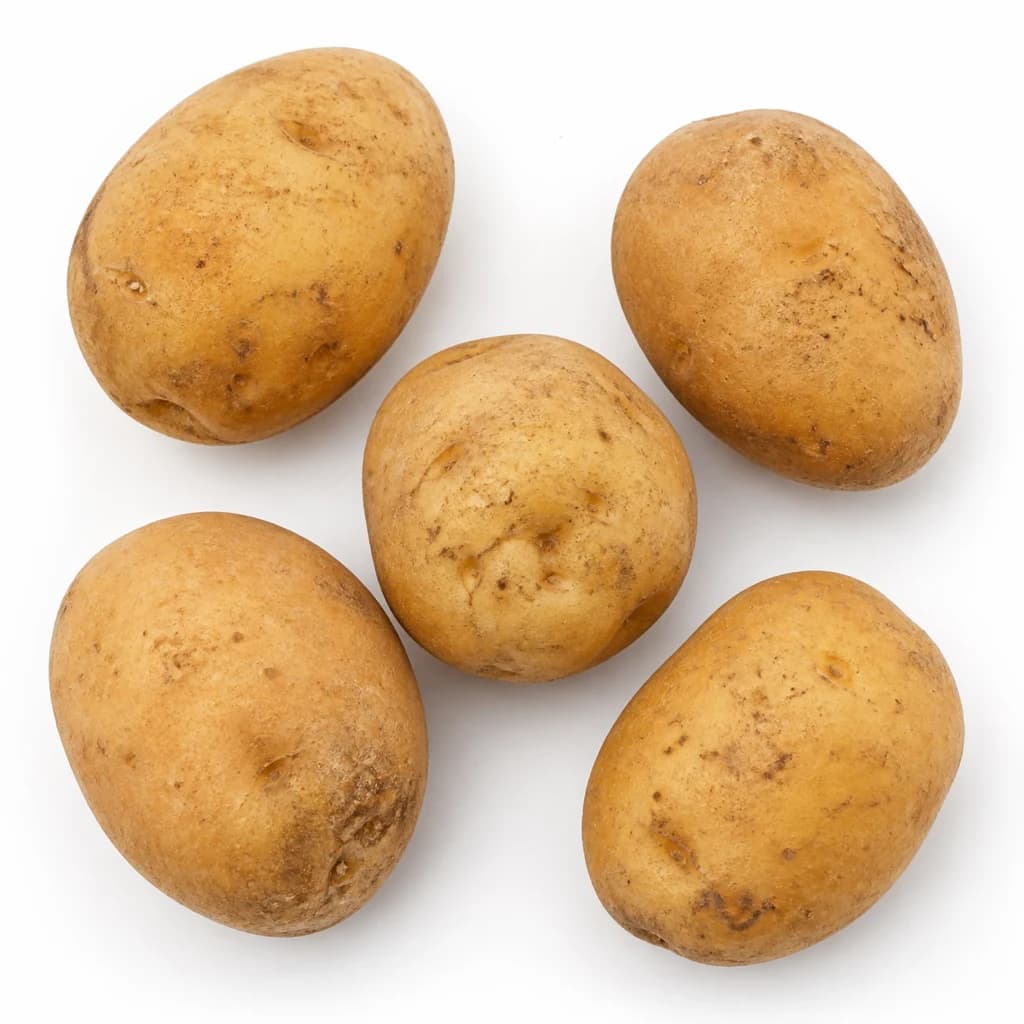
Potato
Humble, hearty staple — roast, mash, fry, or boil
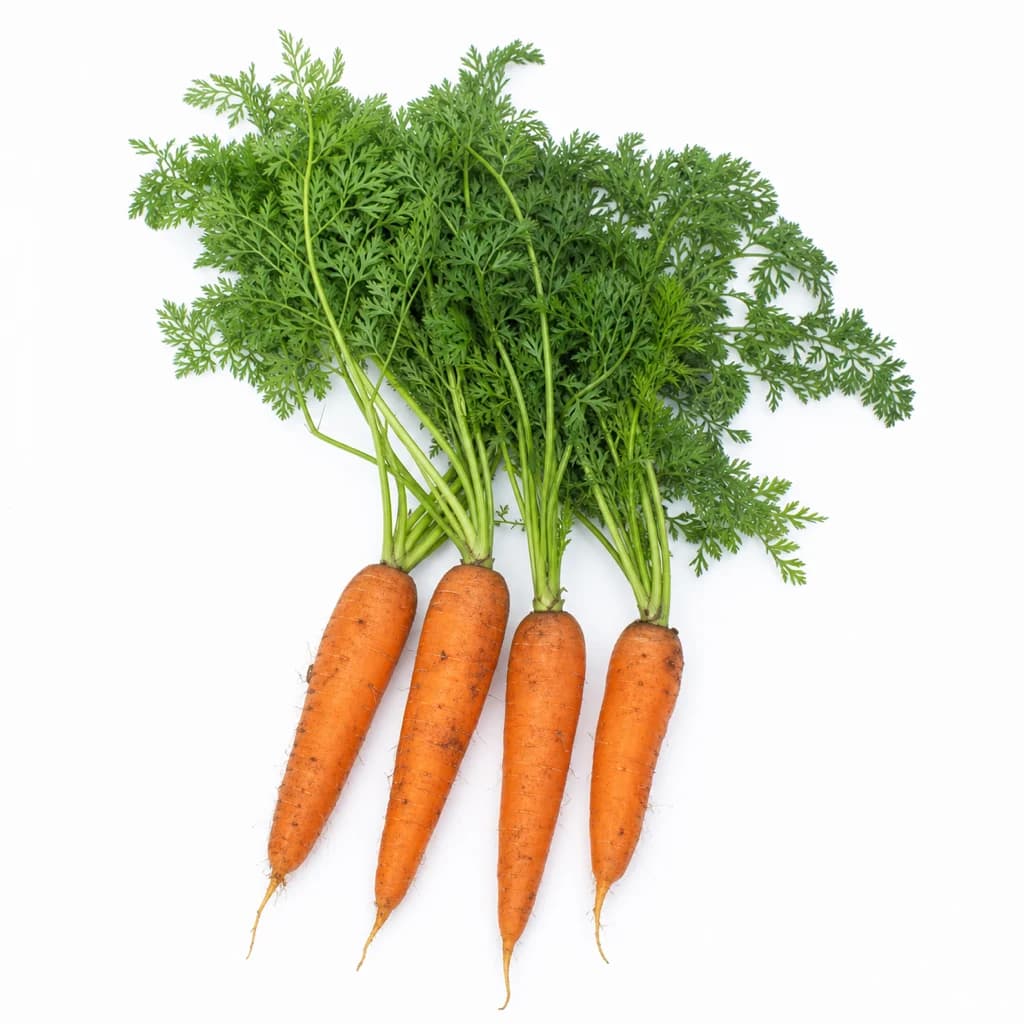
Carrot
Sweet, crunchy root — raw, roasted, or the base of a sofrito
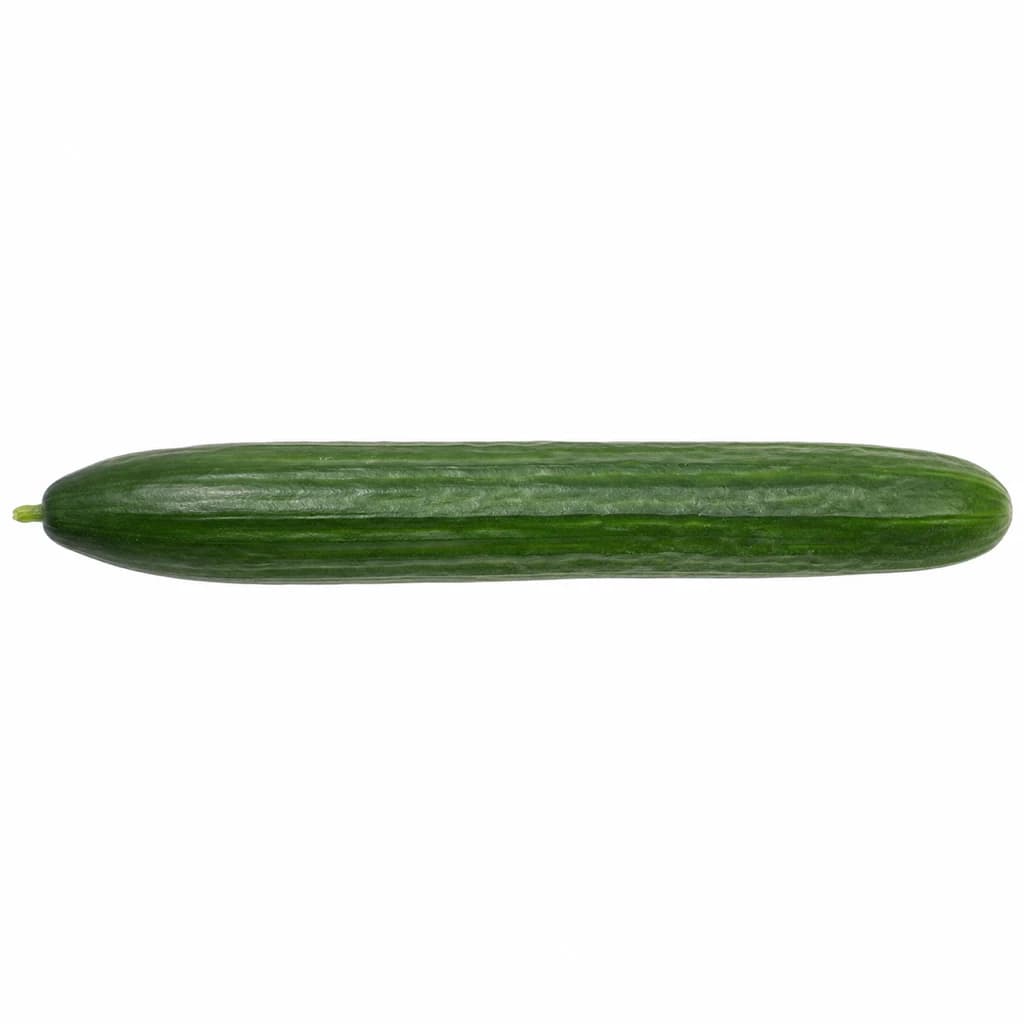
Cucumber
Cool, crisp, and watery — for salads, pickles, and tzatziki

Lettuce
Crisp leaves for salads, wraps, and a fresh crunch