Varieties
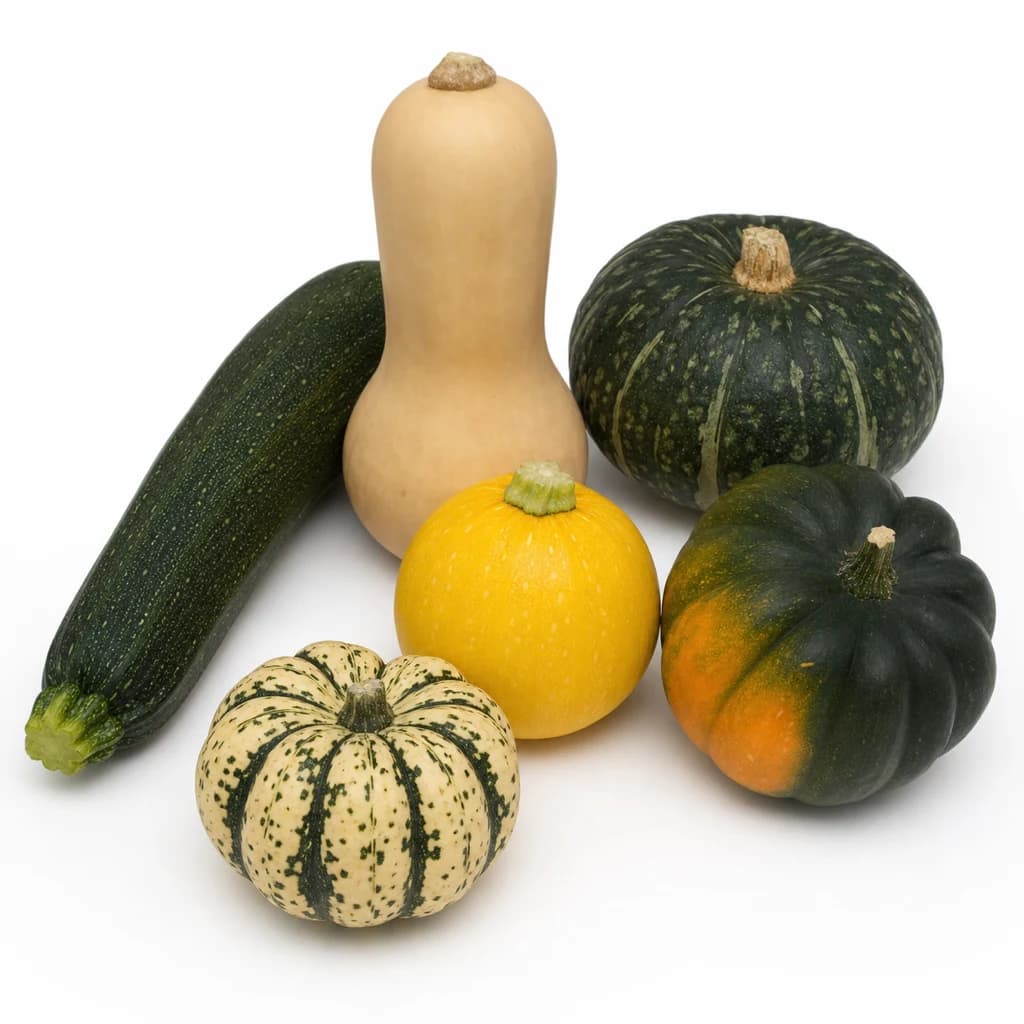
Squash spans dozens of distinct types, from soft green zucchini to hard-rinded butternut and kabocha.
Showing multiple distinct cultivars side by side in one scene conveys that squash is a broad category, not a single vegetable, and teaches recognition across types.
Produce
Squash
Family of gourds with dense, sweet flesh, roasted, stewed, or pureed into soups and sides.
Squash covers a broad family of gourds, from soft summer varieties to dense, sweet winter types like butternut and pumpkin. The flesh is roasted, stewed, pureed into soups, or simmered into stews across the Americas, Africa, and Asia. Winter squash store well thanks to their hard rinds, while summer squash are tender and cook quickly.
Squash belongs to the Cucurbitaceae family and represents one of humanity's oldest cultivated vegetables, first grown alongside corn and beans in Mesoamerica over 8,000 years ago as part of the "Three Sisters" planting system. The summer-winter distinction is not botanical but practical: summer squash (zucchini, yellow squash, pattypan) are harvested immature with thin, edible skin and high water content, requiring use within days. Winter squash are harvested at full maturity with hard shells that develop concentrated sweetness and allow storage for months. Both types share the same genus (Cucurbita), and the names reflect storage life rather than growing season—winter squash are actually harvested in late summer and early fall.
Winter squash develop their signature nutty, caramelized sweetness through the extended growing season, making them ideal for high-heat roasting, which concentrates flavor and creates complex edges. Summer squash, by contrast, perform best with quick cooking methods that preserve their delicate, bright character. Both categories are remarkably versatile: zucchini can anchor a main course or dessert; butternut fills soups, sides, and pies; spaghetti squash replaces pasta; kabocha excels in tempura. This range makes squash a year-round kitchen staple, and its forgiving nature—it rarely becomes truly inedible through overcooking—makes it one of the most approachable vegetables for home cooks.
The primary pitfall with squash is water management. Summer squash carry significant internal moisture that can dilute flavors or create a mushy texture if not addressed. Winter squash, paradoxically, can also yield a steamed, watered-down result when roasted at low temperatures or covered. The fix for both is straightforward: salt summer squash before cooking and let it drain; use dry, high heat (400–425°F) for winter squash. Once you internalize this one principle, squash becomes almost foolproof.
- Measured in
- piece
- Storage
- Pantry
Types & varieties
Most versatile summer squash; available in green, yellow, or globe-shaped. Italian grey zucchini has denser flesh. Direct substitutes: yellow squash, pattypan
Mild, slightly sweet. Straightneck tends to be firmer; crookneck has a curved neck and more tapered shape.
Flying-saucer shape with tender flesh and delicate flavor. Best when small (2–4 inches); larger ones become watery.
Most widely available winter squash; tan skin, orange flesh. Sweet, smooth texture. Long storage (2–3 months).
Small, ridged dark-green squash with orange patch. Flesh is slightly fibrous but sweet. Cut in half for roasting; the shell becomes edible when tender.
Oblong with cream and green stripes; skin becomes tender and edible when roasted. Creamy, sweet flesh. Short storage (2–3 weeks).
Yellow oval squash; flesh separates into spaghetti-like strands when cooked. Neutral flavor; holds shape better than pasta.
Dark green skin, deep orange flesh. Intensely sweet, dense, dry texture. Excellent for tempura and soups.
Mini butternut, approximately 4 inches long. Deep orange flesh; significantly sweeter and more concentrated than standard butternut.
Dark green with grey stripes; turban-shaped top. Dense, dry, sweet orange flesh. Superior to butternut for puree.
Colorful hybrid of acorn and sweet dumpling; tan with orange and green spots. Mild, slightly sweet flesh; skin becomes edible when roasted.
Large (8–15 lbs), bumpy blue-grey or orange shell. Very sweet, dense orange flesh. Often sold pre-cut due to size.
Bright orange-red teardrop shape; thin, edible skin. Sweet, chestnut-like flavor. Dense, dry flesh.
Small (4–8 lbs) with stringy flesh. Bred for baking; superior to carving pumpkins. High flesh-to-seed ratio.
Ornamental-looking with turban-shaped top; pale orange and green coloring. Flesh is mild and slightly dry; largely decorative.
Choosing and Storing Squash
Select summer squash that feels heavy for their size with firm, unblemished skin. Pass on any that have soft spots or are overly large—big zucchini are often seedy and watery. Winter squash should have intact, uncracked skin and feel heavy. A dried-out stem indicates age. Storage differs dramatically: summer squash deteriorate quickly at room temperature, so refrigerate unwashed in a plastic bag for up to a week. Winter squash, by contrast, suffer in the refrigerator—the cold damages cell structure and shortens storage life. Keep them in a cool, dry, dark place (50–55°F is ideal), and they will last 1–3 months depending on variety. Butternuts and hubbards store longest; delicata has the shortest shelf life at 2–3 weeks.
- Refrigerate summer squash unwashed; wash just before using
- Store winter squash in a cool, dry, dark place; never refrigerate
- Select firm, heavy squash; avoid any with soft spots or cracks
- A dried stem on winter squash indicates age—choose squash with intact, fresh-looking stems
Winter Squash Safety
Cutting through hard-shelled winter squash is the most hazardous kitchen task involving squash. The dense shell resists cutting, and a slipping knife can cause serious injury. The safest approach: microwave the whole squash for 2–3 minutes to soften the shell slightly, then cut from the stem end down (the blossom end has a flat base that provides stability). Alternatively, halve the squash, scoop the seeds, and place cut-side down on a baking sheet—the flesh steams internally and becomes easy to scoop once tender. Never attempt to force a knife through a cold, hard winter squash shell.
- Microwave whole winter squash 2–3 minutes before cutting for safer slicing
- Cut from stem end down; the blossom end provides a stable flat base
- Halve and steam method: cut in half, place cut-side down, roast until tender
- For large squash, use a cleaver or have the store cut it before taking it home
Common uses
Tips & pitfalls
- Salt summer squash before cooking to draw out excess moisture if you want a less watery result; drain 15–20 minutes, then pat dry.
- Roast winter squash cut-side down at 400–425°F until the flesh is tender (25–40 minutes depending on size). This caramelizes natural sugars and concentrates flavor.
- Microwave whole winter squash for 2–3 minutes before cutting—the shell becomes significantly easier to slice safely.
- Scoop seeds from winter squash, clean them, toss with oil and salt, and roast at 325°F for 10–15 minutes for a nutritious snack. Save seeds from sugar pumpkins and butternuts—they have the best flavor.
- For smooth purees (soup, pie filling), roast the squash, then blend while still warm. Strain through a fine-mesh sieve for silkier results.
- Small pattypan and young zucchini need only 3–4 minutes of cooking; they become mushy if overcooked.
- Winter squash puree can be substituted 1:1 for pumpkin puree in any recipe. Freeze excess in 1-cup portions for up to 3 months.
- Do not peel delicata or red kuri before roasting—the skin becomes tender and edible.
- When cutting winter squash, work from the stem end down; the blossom end has a natural flat base that provides stability.
- Grilled zucchini and yellow squash should be cut thick (1/2 inch or more) to prevent falling through the grate and to hold their structure.
- Never substitute carving pumpkins for cooking—they are watery, stringy, and lack the sweetness of proper pie or sugar pumpkins.
Nutrition
Energy
109 kJ · per 100 g
Where the calories come from
Protein
1g
2% DV
Carbs
6.5g
2% DV
Fat
0.1g
0% DV
Fiber
0.5g
2% DV
Sugars
2.8g
of which
Sodium
1mg
0% DV
Source · USDA FoodData Central · Pumpkin, raw
View on FDC →In the shops
Matched grocery products
No matched grocery products for Squash yet.
Good to know
- Family
- Cucurbitaceae (gourd family)
- Origin
- Mesoamerica; cultivated for at least 8,000 years, alongside corn and beans in the "Three Sisters" planting system
- Categories
- Summer squash (thin skin, harvested immature, short storage) and winter squash (hard shell, harvested mature, long storage)
- Peak Season
- Summer: late spring through summer. Winter: harvested in fall, stores through winter
- Flavor Profile
- Mildly sweet with nutty undertones; sweetness intensifies dramatically with roasting. Winter varieties are more concentrated than summer.
- Storage — Summer Squash
- Refrigerate unwashed in a plastic bag for up to 1 week; do not wash until ready to use
- Storage — Winter Squash
- Store whole in a cool (50–55°F), dry, dark place for 1–3 months depending on variety. Do not refrigerate.
- Key Nutrients
- Excellent source of vitamin A (beta-carotene, especially in orange-fleshed varieties), vitamin C, dietary fiber, and potassium
Substitutes
- Yellow squash for zucchini — Direct substitute; slightly sweeter and more delicate; cook identically in any application.
- Zucchini for yellow squash — Direct substitute; use green zucchini in dishes where the color contrast is acceptable.
- Pumpkin puree for butternut puree — Similar texture and sweetness; taste is nearly indistinguishable in soups, sauces, and baked goods.
- Sweet potato for winter squash — Comparable sweetness and texture in soups and purees; not interchangeable for roasted halves or when skin is eaten.
- Carrot for winter squash — Works in soups and purees; different flavor but similar sweetness and color (especially useful in veloutés and baby food).
Pairs with
Also called
Zapallo · Ayote · Pumpkin
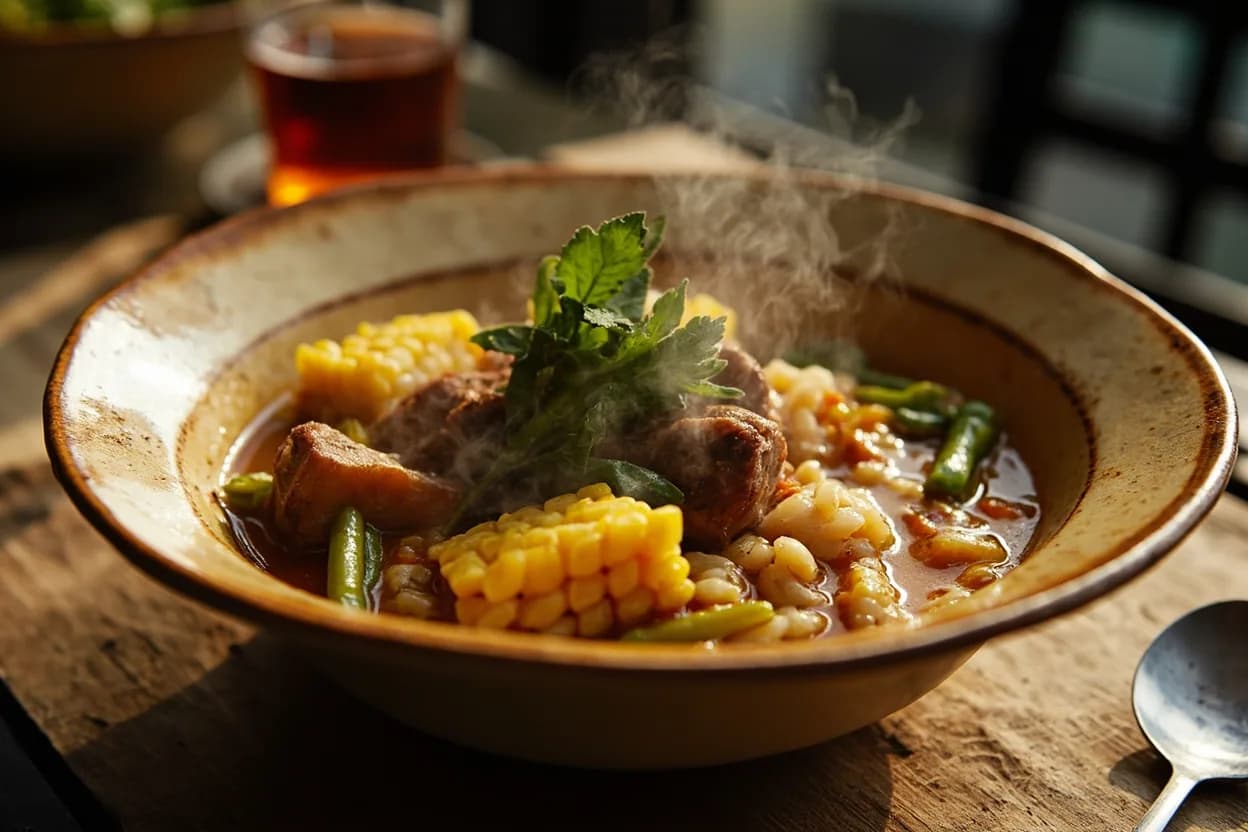
Appears in these dishes
Related
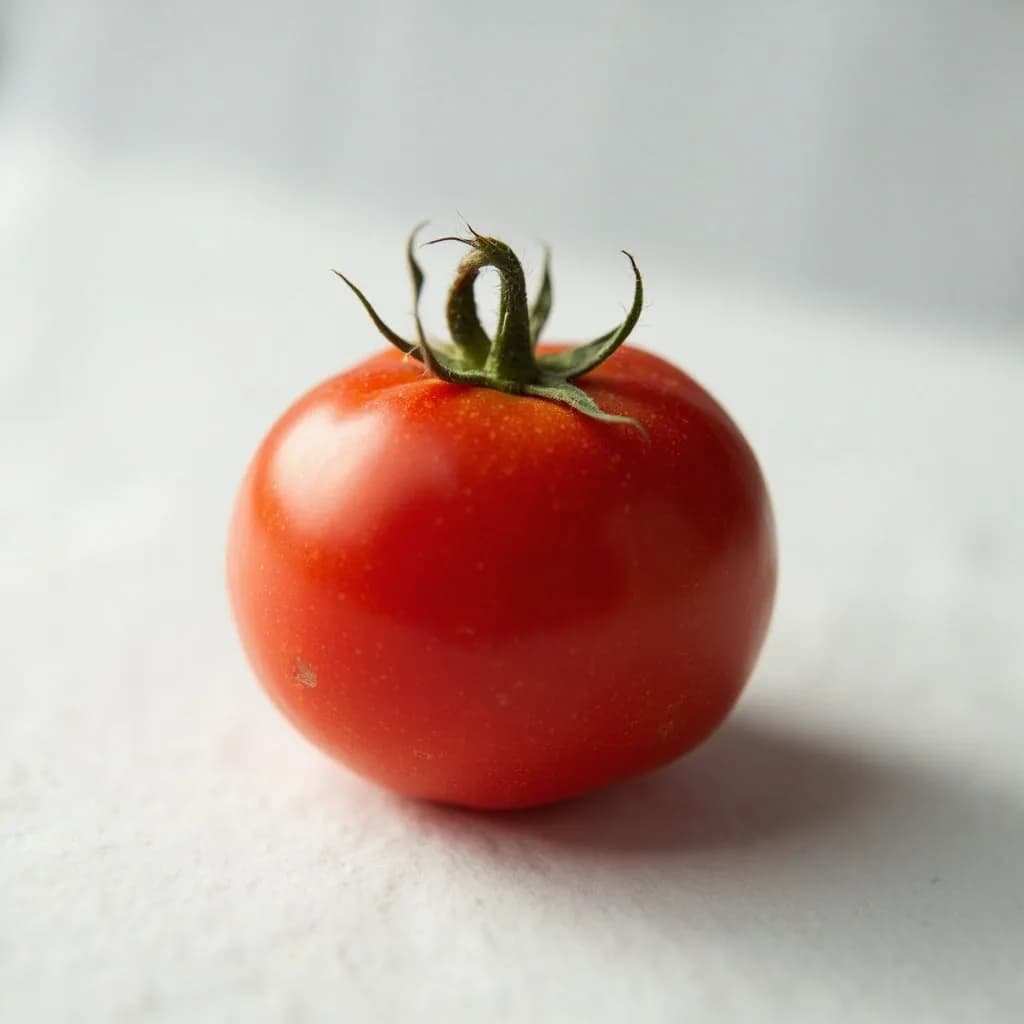
Tomato
Juicy, sun-sweet fruit for sauces, salads, and slow-cooked depth
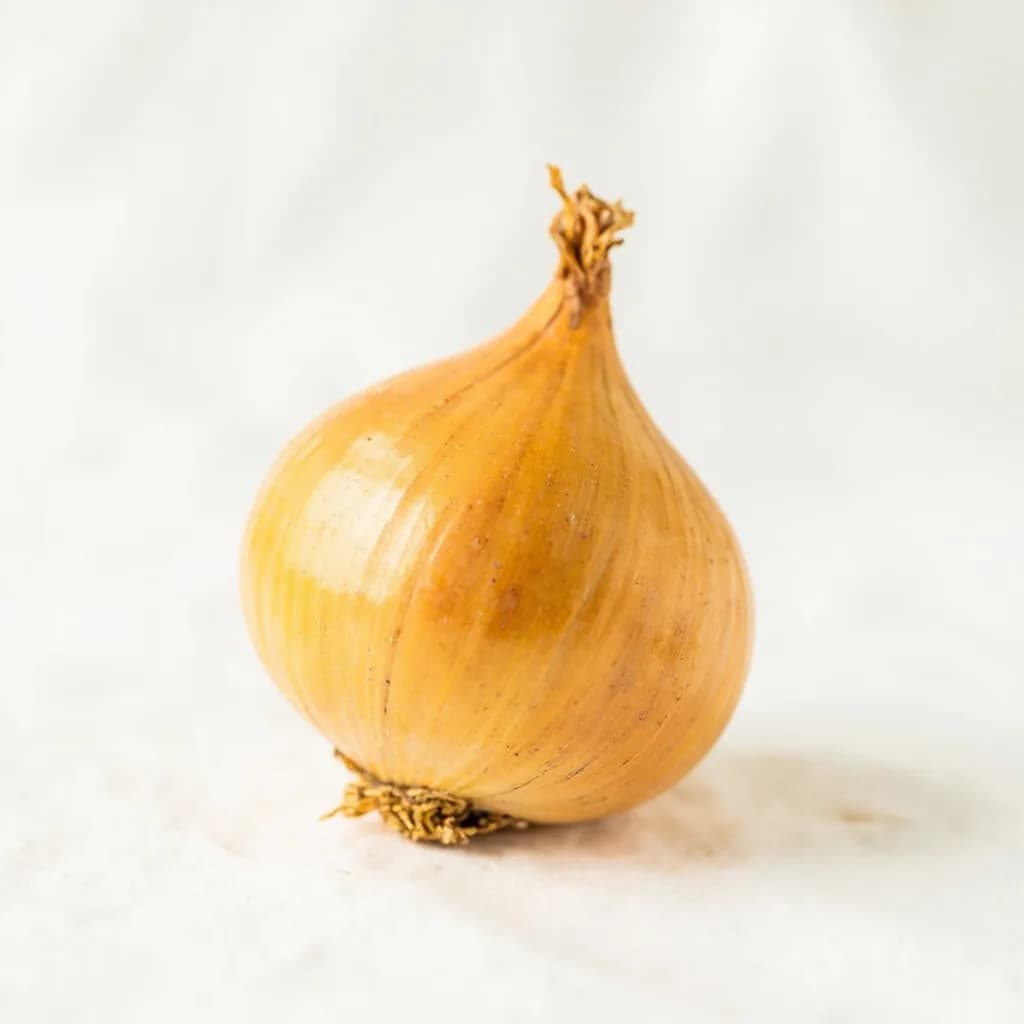
Yellow Onion
The aromatic backbone of soups, sofritos, and braises
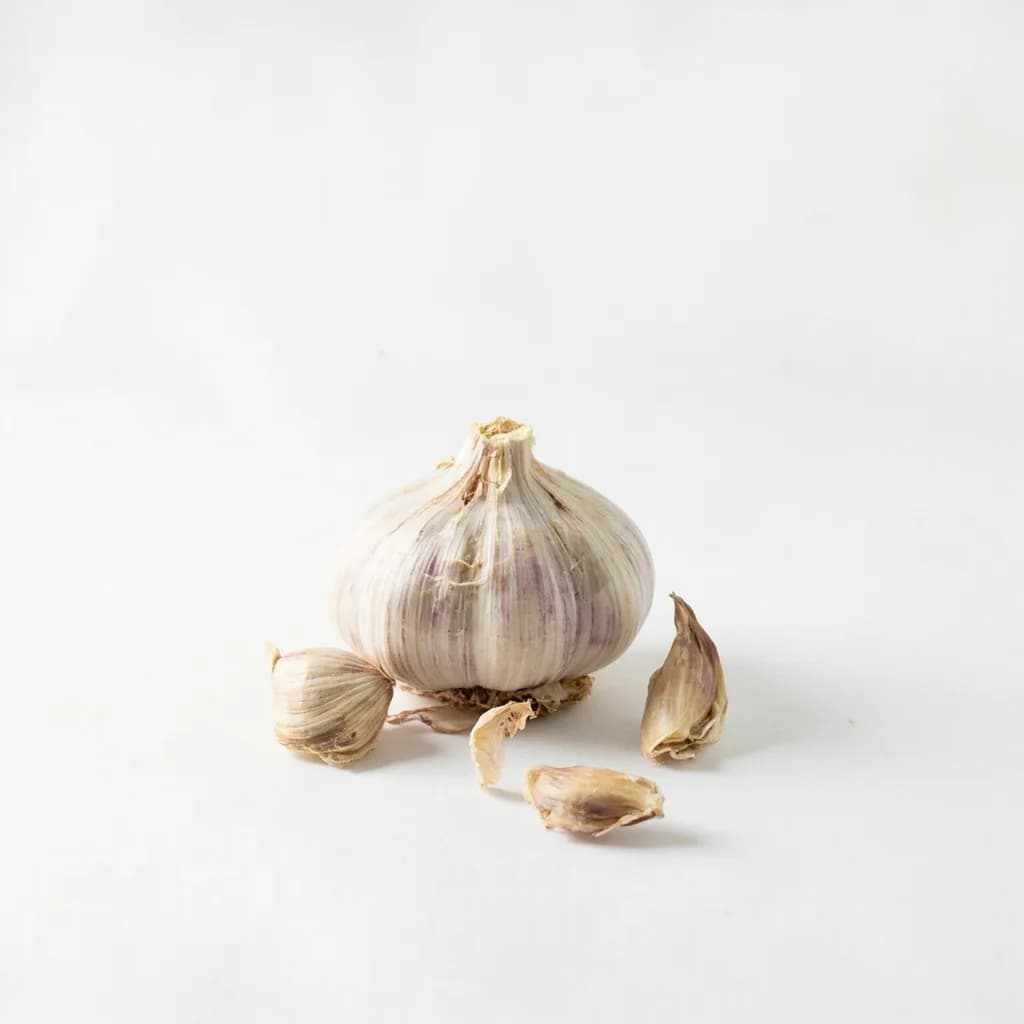
Garlic
Pungent cloves that perfume nearly every savory dish
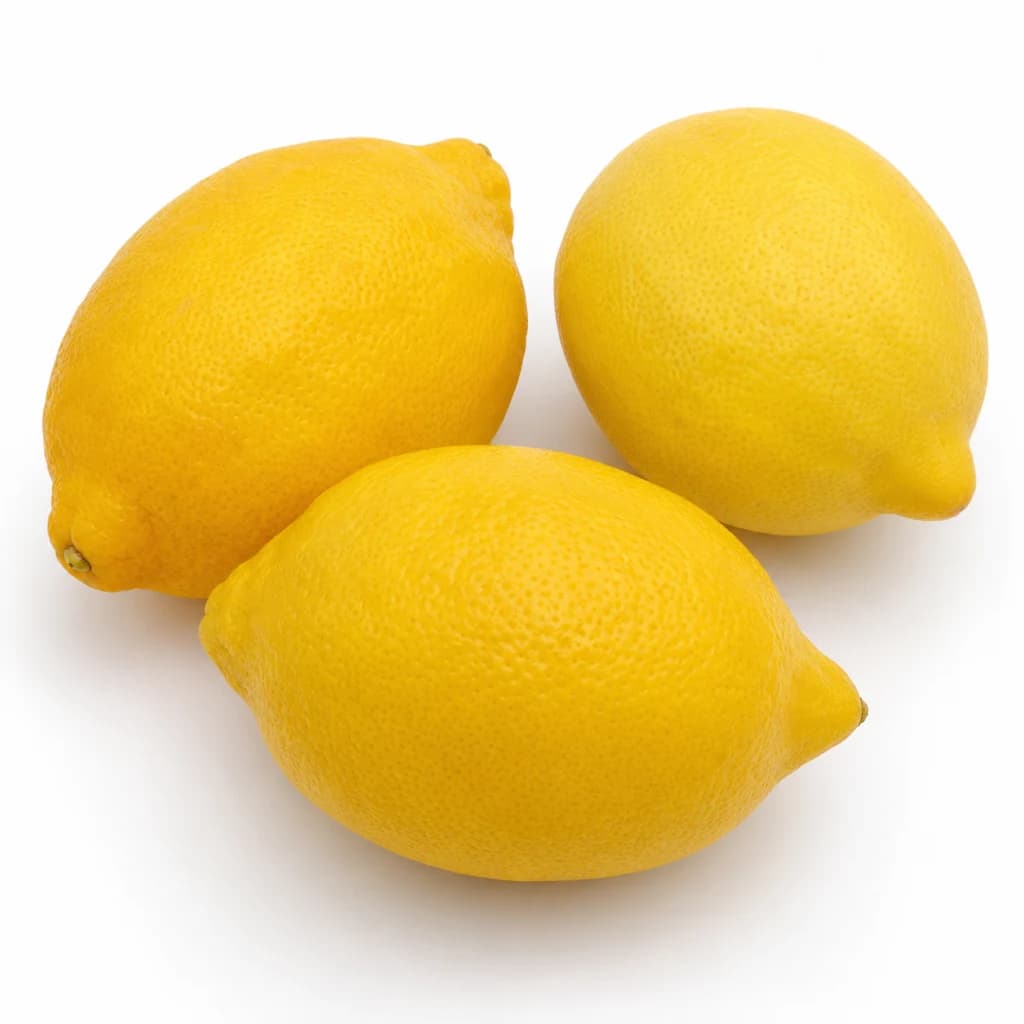
Lemon
Bright, acidic citrus that wakes up almost any dish
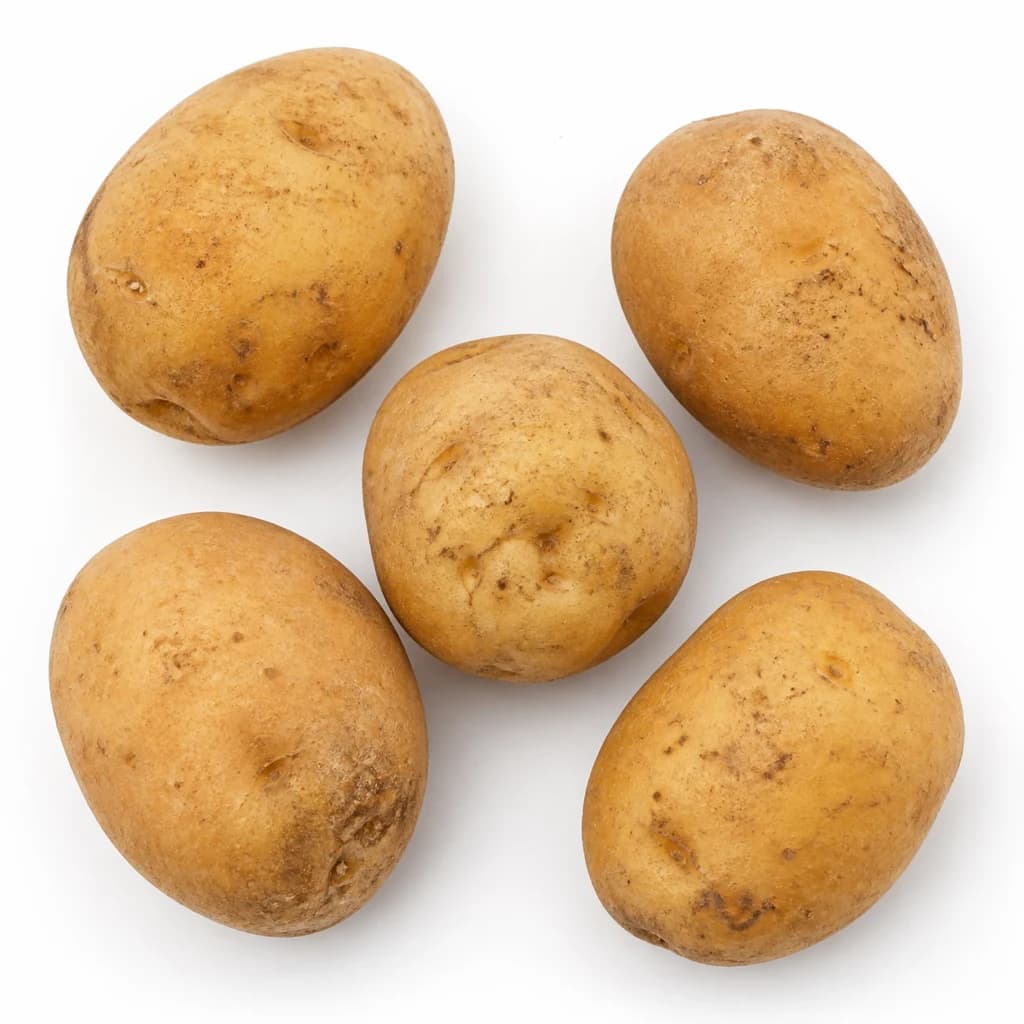
Potato
Humble, hearty staple — roast, mash, fry, or boil
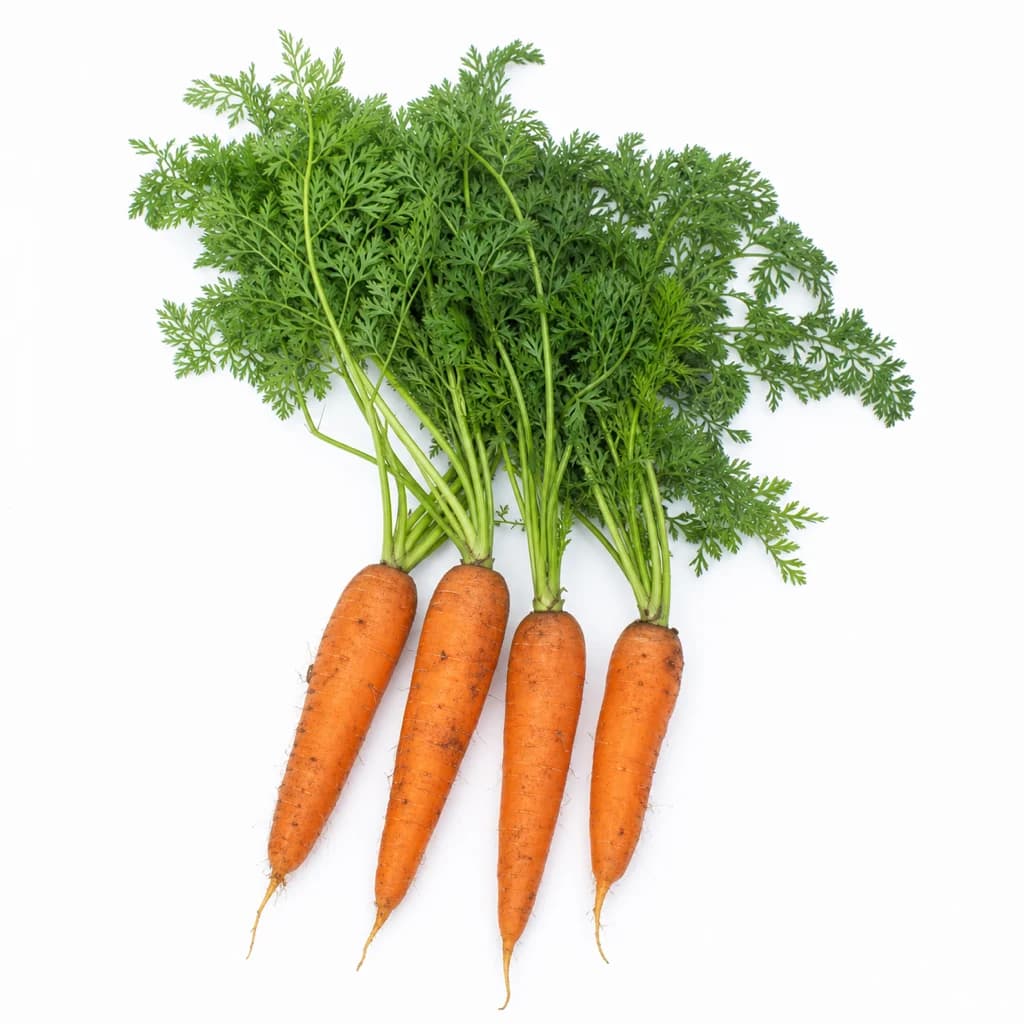
Carrot
Sweet, crunchy root — raw, roasted, or the base of a sofrito
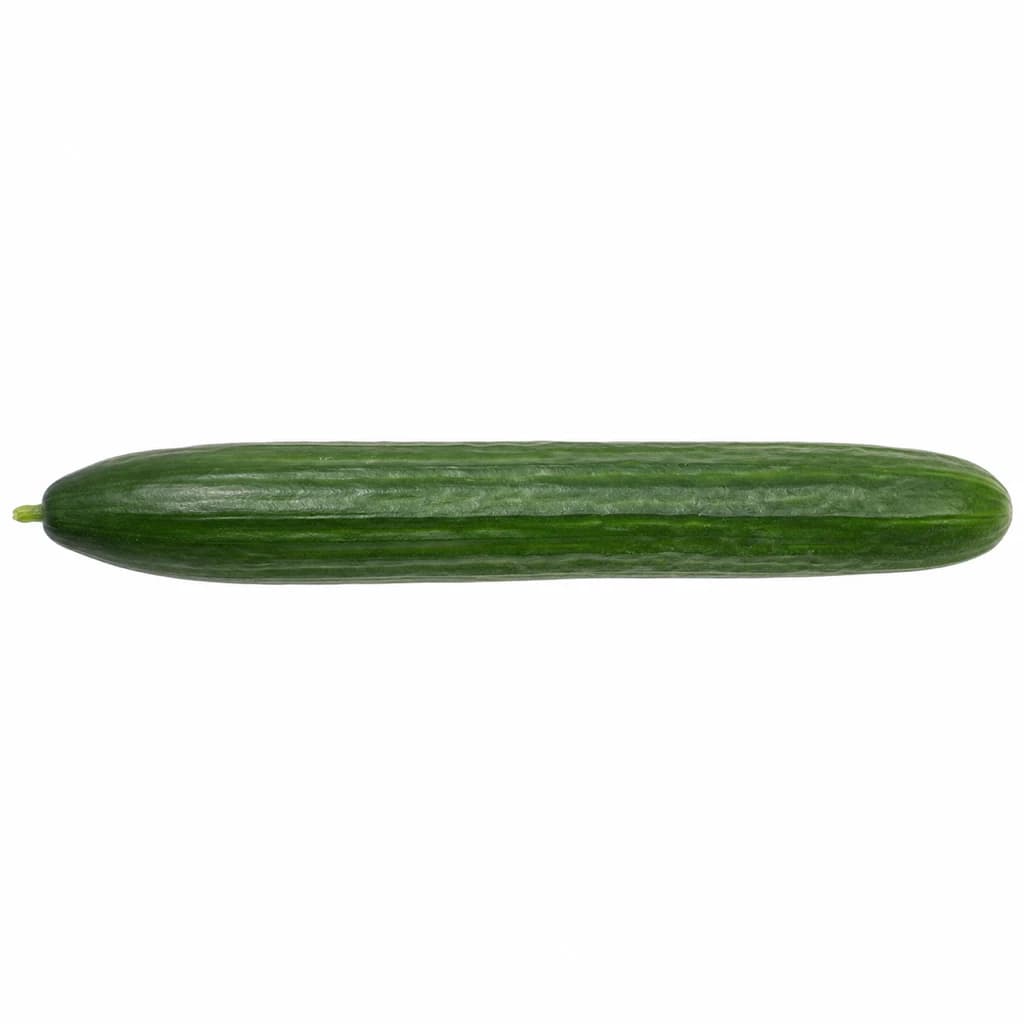
Cucumber
Cool, crisp, and watery — for salads, pickles, and tzatziki

Lettuce
Crisp leaves for salads, wraps, and a fresh crunch