Legumes & Beans
Black Bean
Dense, earthy black beans central to Latin American cooking.
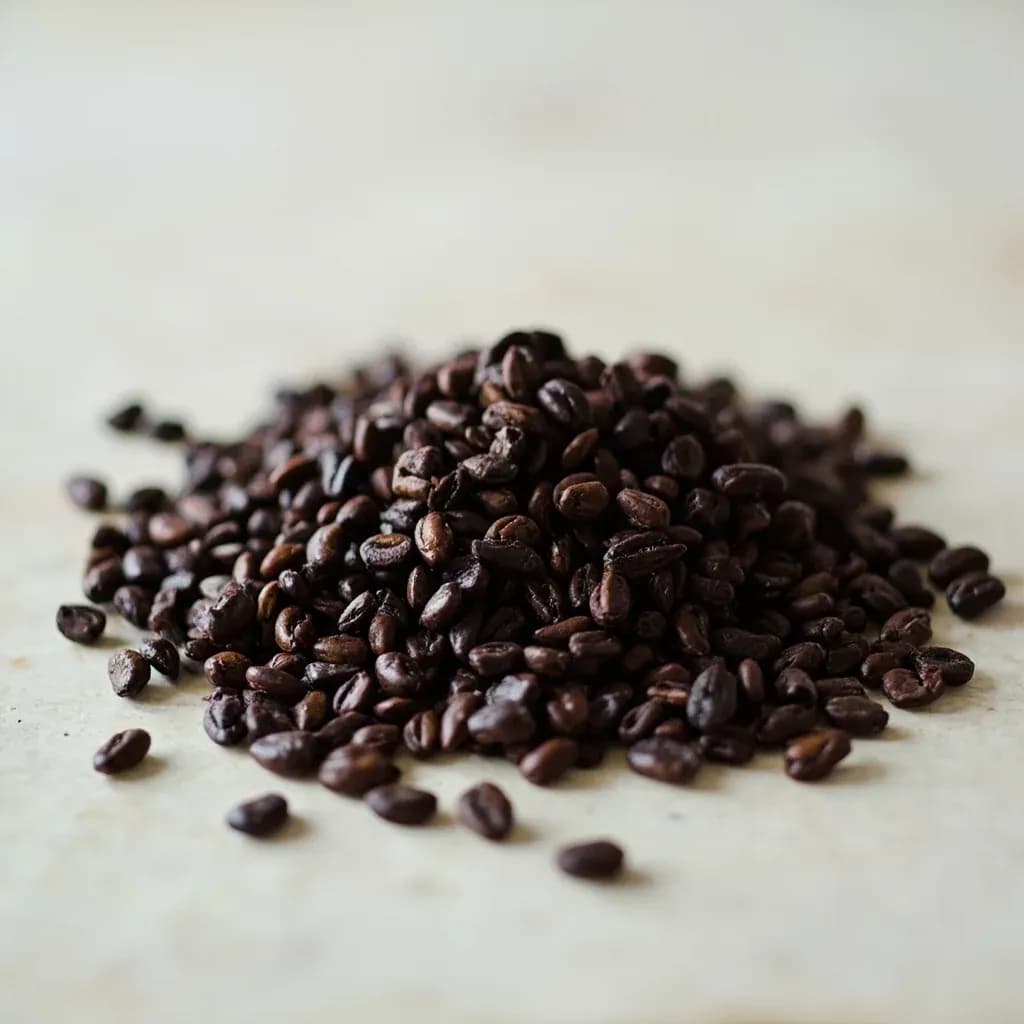
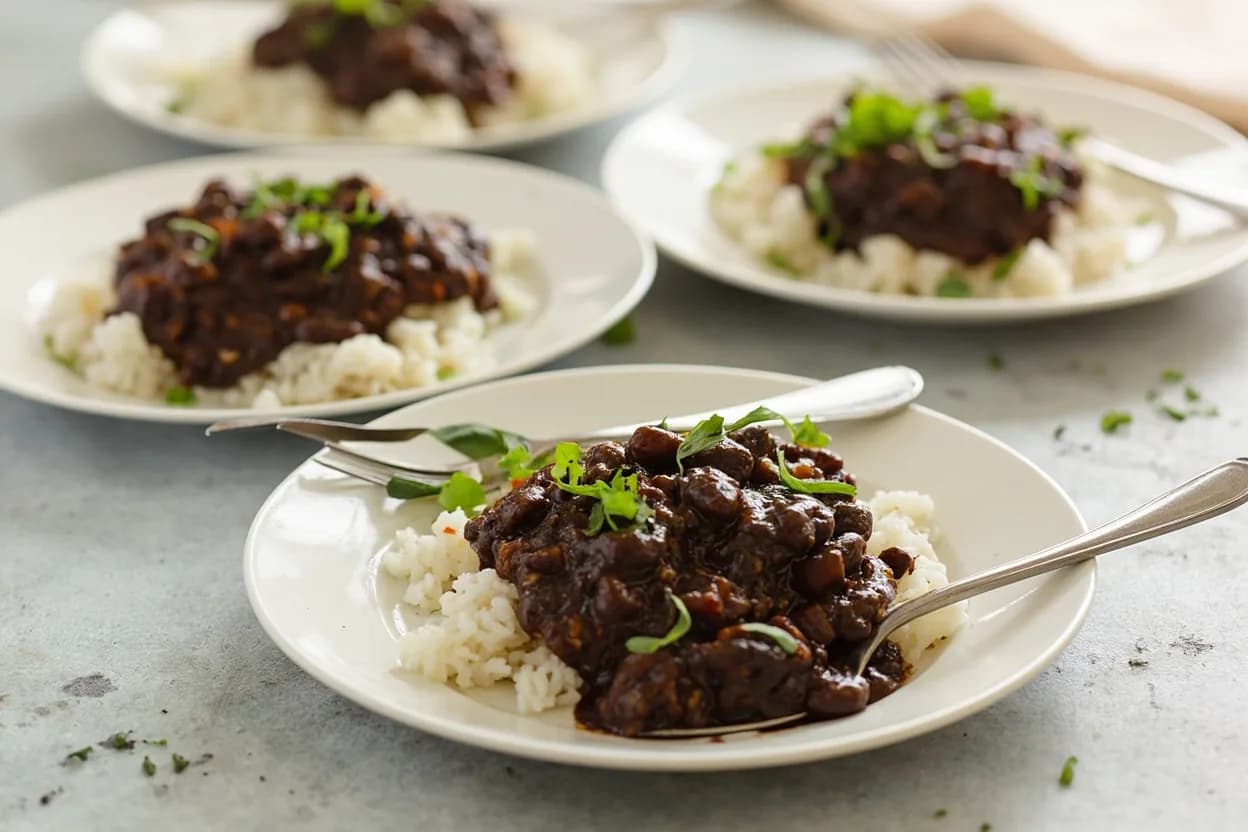
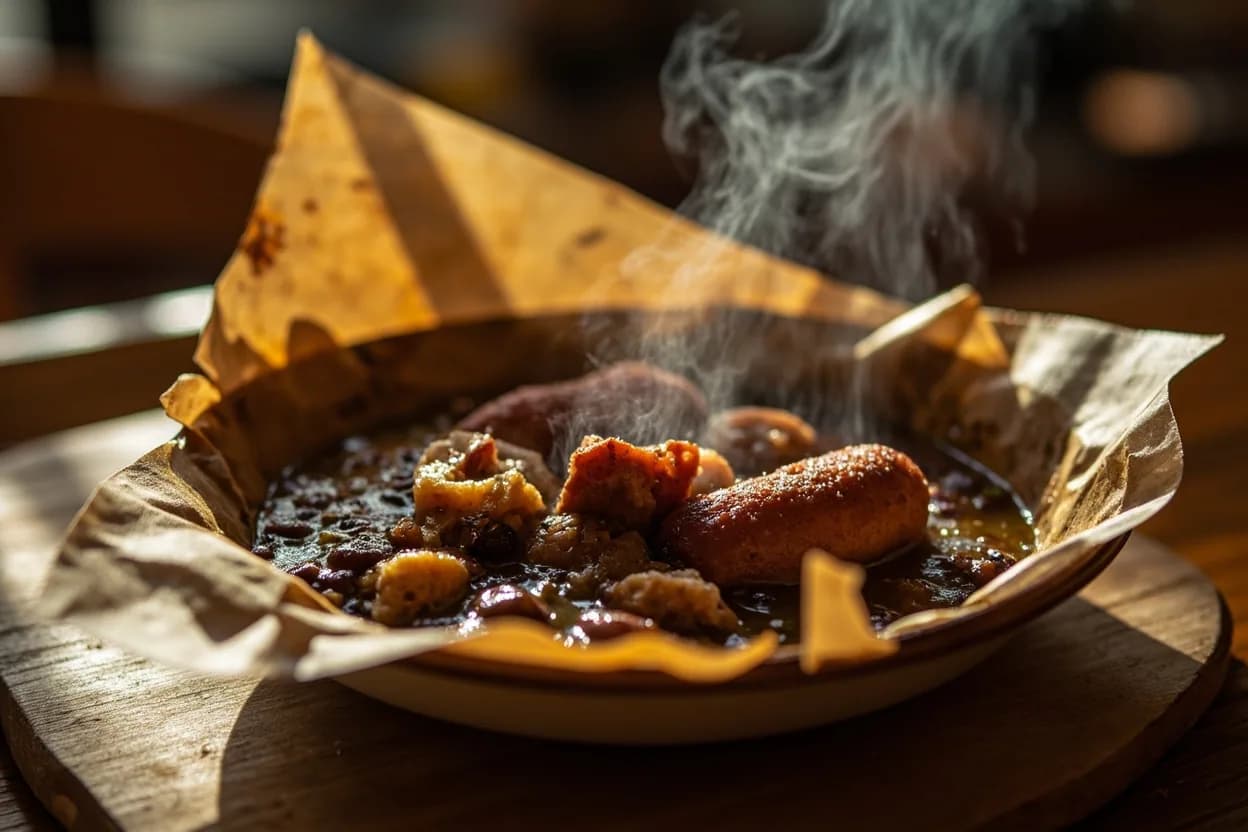
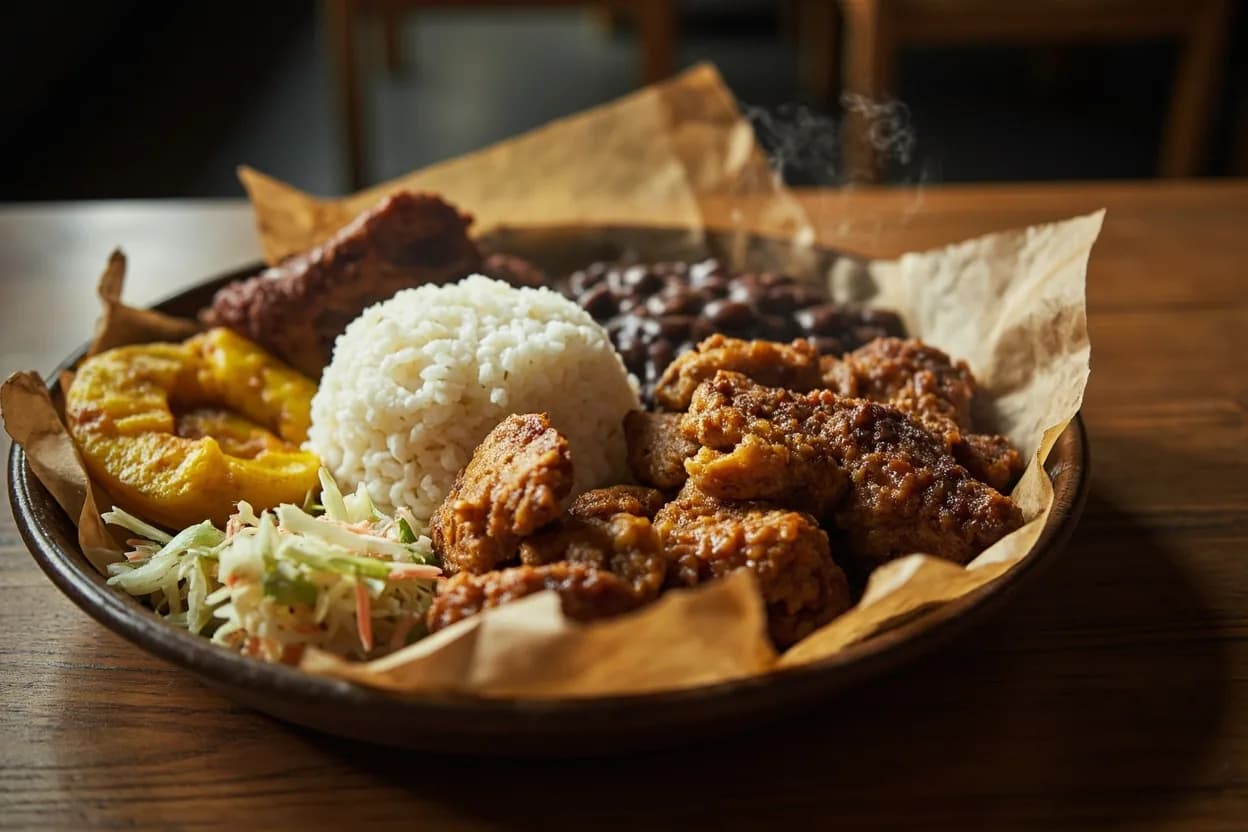
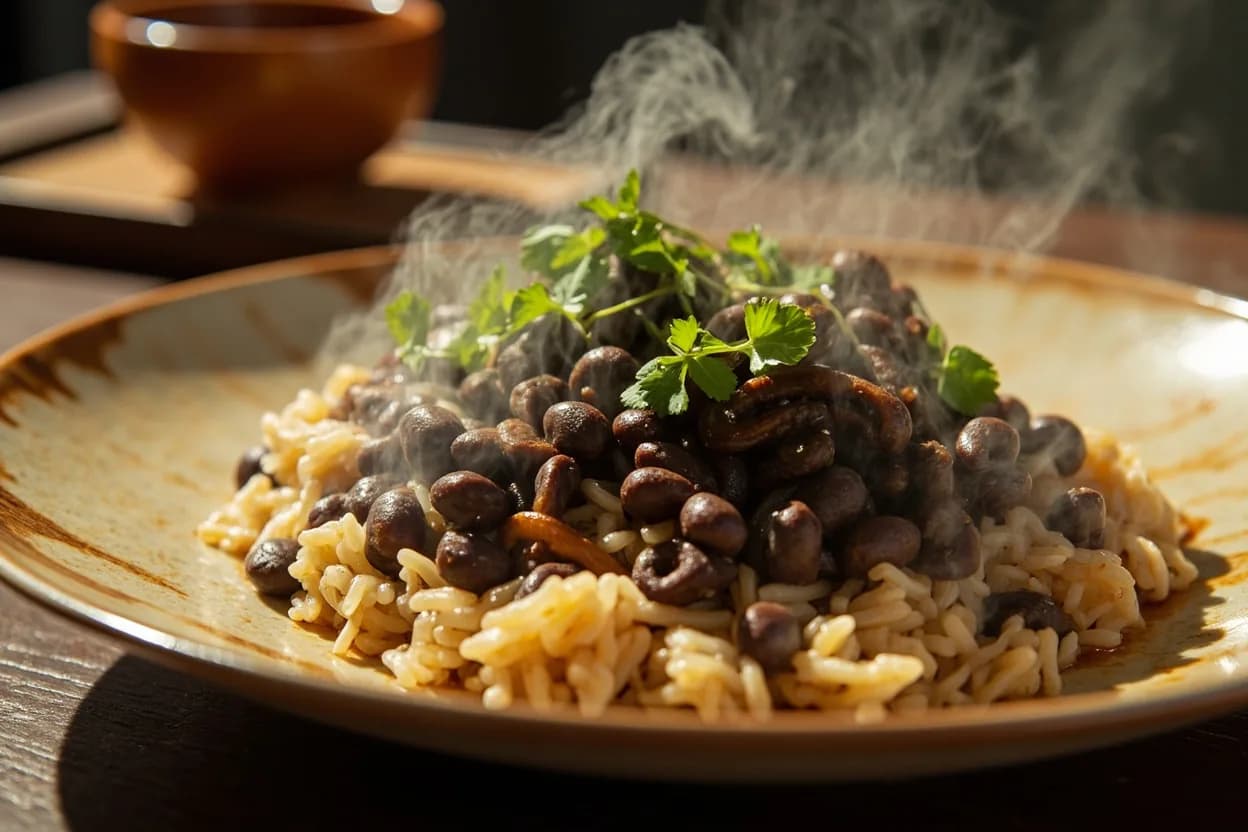
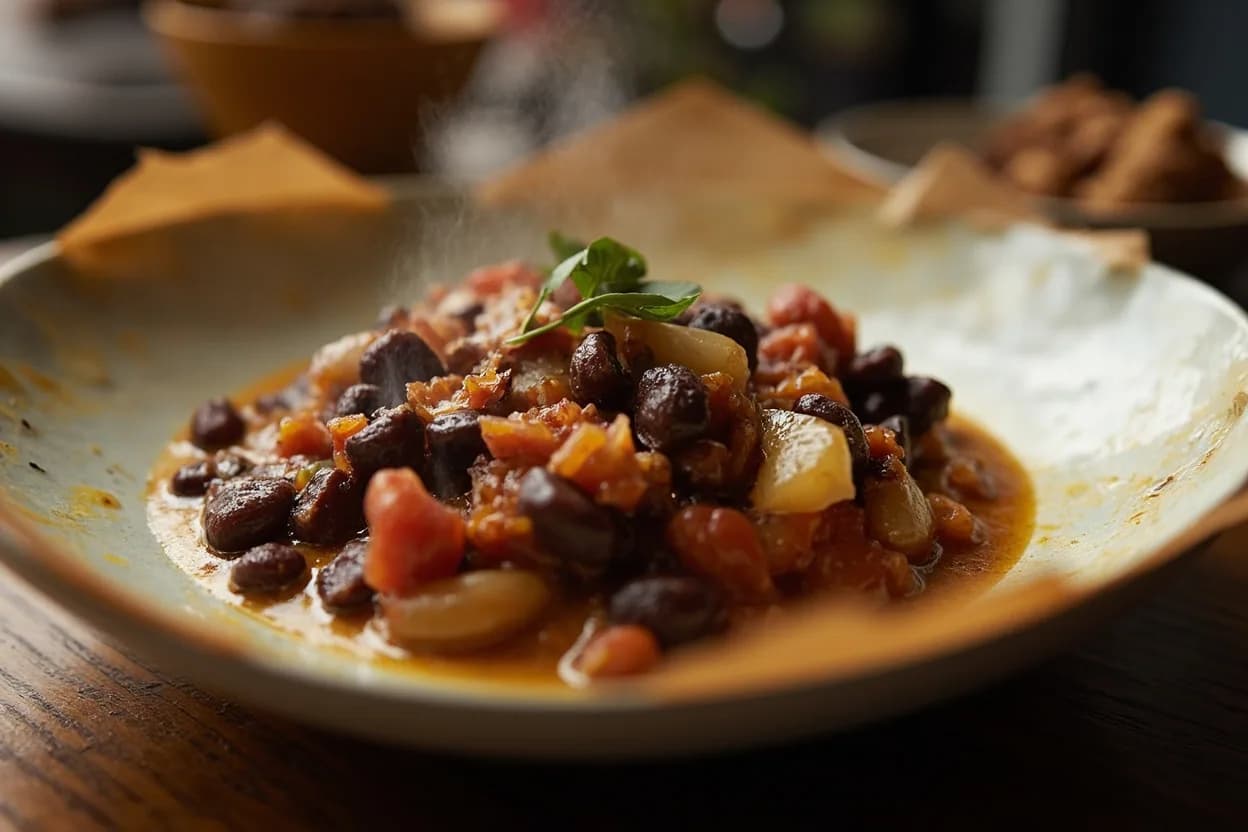
Black beans are small, glossy black legumes with a dense, creamy interior and earthy, slightly sweet flavor. They are a staple of Latin American cuisine, used in Brazilian feijoada, Cuban black beans and rice, soups, and tacos. They hold their shape well and pair classically with cumin, garlic, and lime.
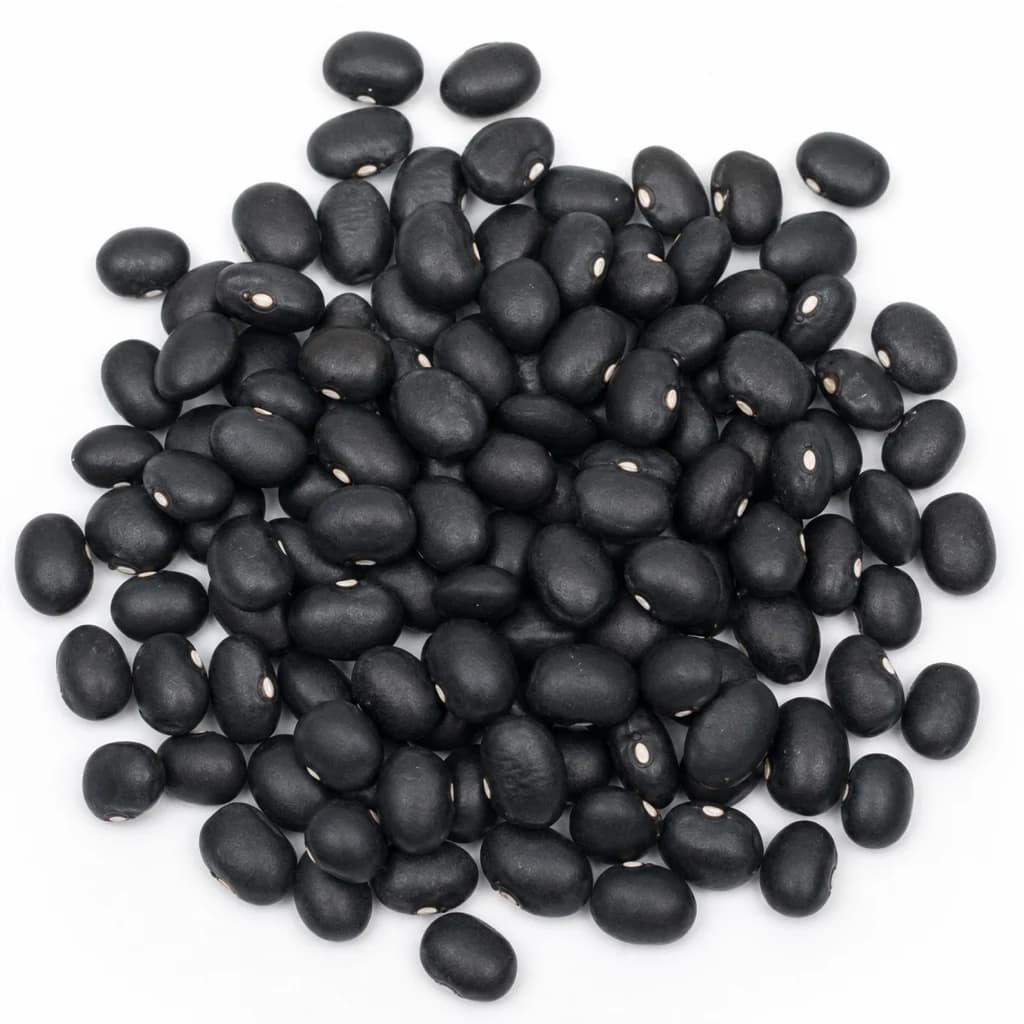
Black beans (Phaseolus vulgaris) are small, dense legumes with a matte black outer skin and a cream-colored interior when cooked. Native to Central and South America where they have been cultivated for over 7,000 years, they are the foundation of countless Latin American, Caribbean, and Brazilian dishes. Their flavor is characteristically dense and earthy with a subtle sweetness and faint mushroom note that develops fully when properly cooked. The texture is their defining feature: a firm, resilient exterior that holds its shape through long simmers, surrounding a creamy interior that gives way when bitten. This combination makes black beans uniquely suited for dishes where visual integrity and silky mouthfeel both matter. The color shift from black exterior to cream interior upon cooking is a reliable indicator of doneness. While canned black beans are a legitimate shortcut, dried beans cooked from scratch offer superior flavor, texture, and control over seasoning—and the technique is straightforward once you understand a few key principles.
- Measured in
- g
- Storage
- Pantry
Types & varieties
The most common variety; small, oval, dense. Standard for Latin American and Caribbean cooking.
Heirloom variety; slightly larger, good for soups and salads.
Heirloom variety with richer, more intense flavor; cooks slightly faster.
Bred for quick cooking; maintains shape well in soups.
Modern variety developed for commercial growing; consistent size and cooking time.
Common uses
Tips & pitfalls
- Sort dried beans before soaking: pick out debris, stones, or shriveled beans and rinse well.
- Soak dried beans in cold water for at least 4 hours; overnight is ideal for more even cooking and shorter final cooking time.
- Discard soaking water for better digestibility—the water contains oligosaccharides that cause gas.
- Add salt only after beans are completely tender; salt added early can prevent beans from softening.
- Use a heavy-bottomed pot and keep beans at a gentle simmer, not a rolling boil, to prevent skins from bursting.
- Add aromatics like quartered onion, garlic cloves, cumin seeds, or epazote to the cooking water for better flavor.
- For canned black beans, always drain and rinse thoroughly to remove excess sodium and the starchy liquid.
- A splash of lime juice or vinegar added at the end brightens the flavor significantly.
- If beans are old, they may not soften fully even with extended cooking; use fresh dried beans from a source with good turnover.
- Beans double or triple in volume when cooked; plan accordingly.
Nutrition
Energy
1427 kJ · per 100 g
Where the calories come from
Protein
21.6g
43% DV
Carbs
62.4g
23% DV
Fat
1.4g
2% DV
Fiber
15.5g
55% DV
Sugars
2.1g
of which
Sodium
5mg
0% DV
Source · USDA FoodData Central · Beans, black, mature seeds, raw
View on FDC →In the shops
Matched grocery products
No matched grocery products for Black Bean yet.
Good to know
- Scientific Name
- Phaseolus vulgaris
- Origin
- Central and South America; cultivated for over 7,000 years
- Also Called
- Turtle beans, black turtle beans, frijoles negros
- Color
- Black exterior; cream or light-colored interior when cooked
- Flavor
- Dense, earthy, slightly sweet with a subtle mushroom note
- Texture
- Firm exterior, creamy interior when cooked properly
- Primary Storage (Dried)
- 2–3 years in airtight container in cool, dry place
- Refrigerated Storage (Cooked)
- Up to 5 days
- Frozen Storage (Cooked)
- Up to 2 months in freezer-grade container
- Typical Soak Time (Dried)
- 4–8 hours or overnight
- Typical Cook Time (Dried)
- 45–90 minutes after soaking, depending on age
- Acid Sensitivity
- Add acid only after beans are fully tender; acid prevents softening
Substitutes
- Pinto Beans — Most similar texture and mild flavor; good all-purpose substitute in soups and Mexican dishes.
- Kidney Beans — Similar size and heartiness; slightly more starchy; acceptable in chili and stews.
- Navy Beans — Smaller and milder; works well in pureed applications like dips and soups.
- Adzuki Beans — Smaller but similar earthy flavor; good in salads and side dishes.
Also called
Feijão Preto · Frijol Negro · Black Beans · Canned Black Bean · Turtle Bean
Appears in these dishes


Related
Black Beans
Earthy, creamy beans for bowls, soups, and tacos
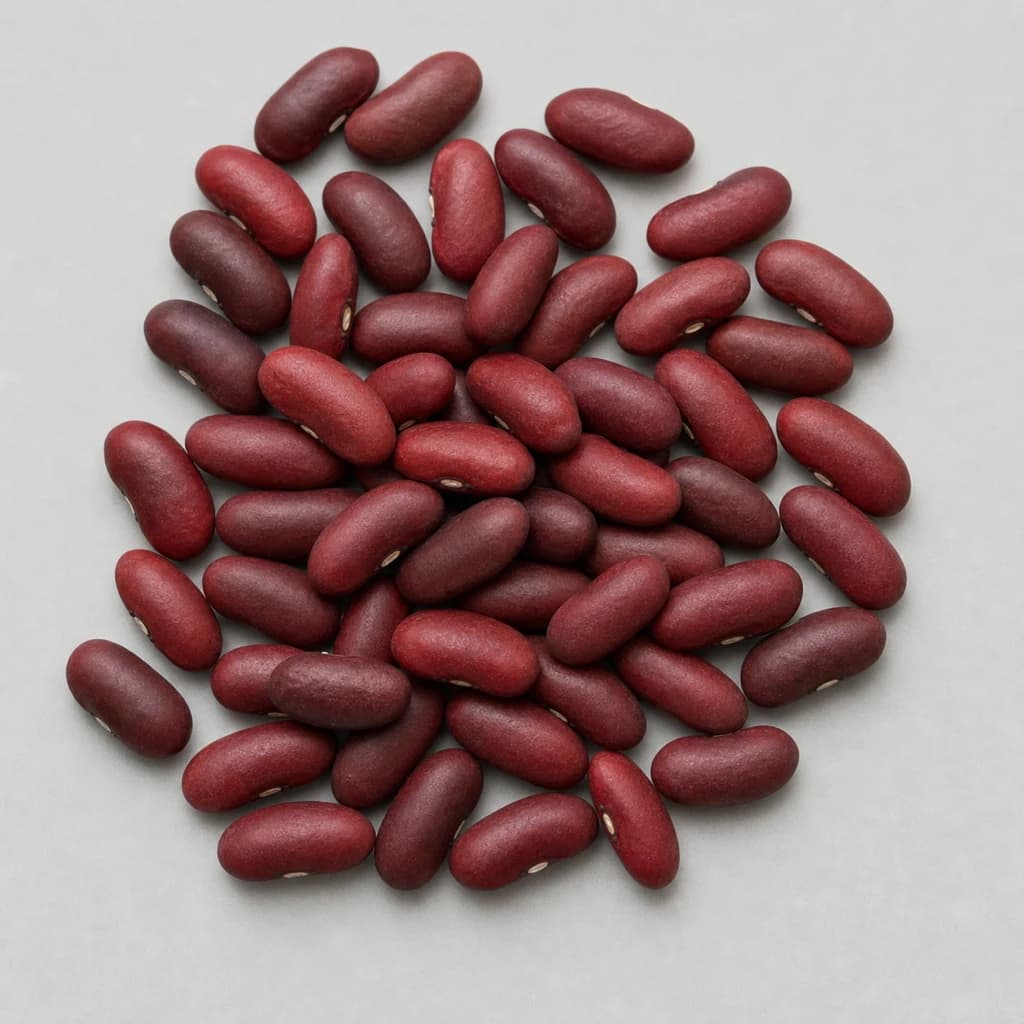
Kidney Beans
Hearty red beans that hold their shape in chili and stews
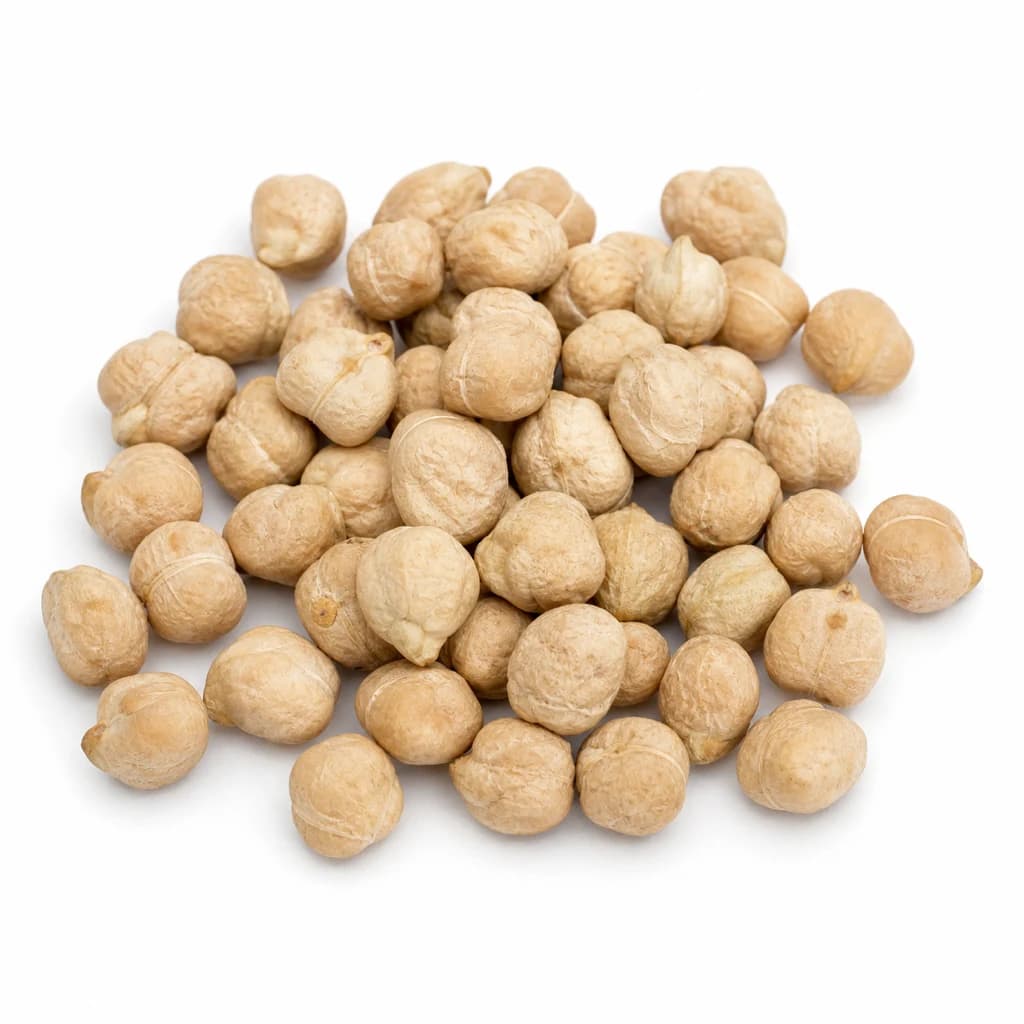
Chickpeas
Nutty, versatile beans for hummus, curries, and roasting
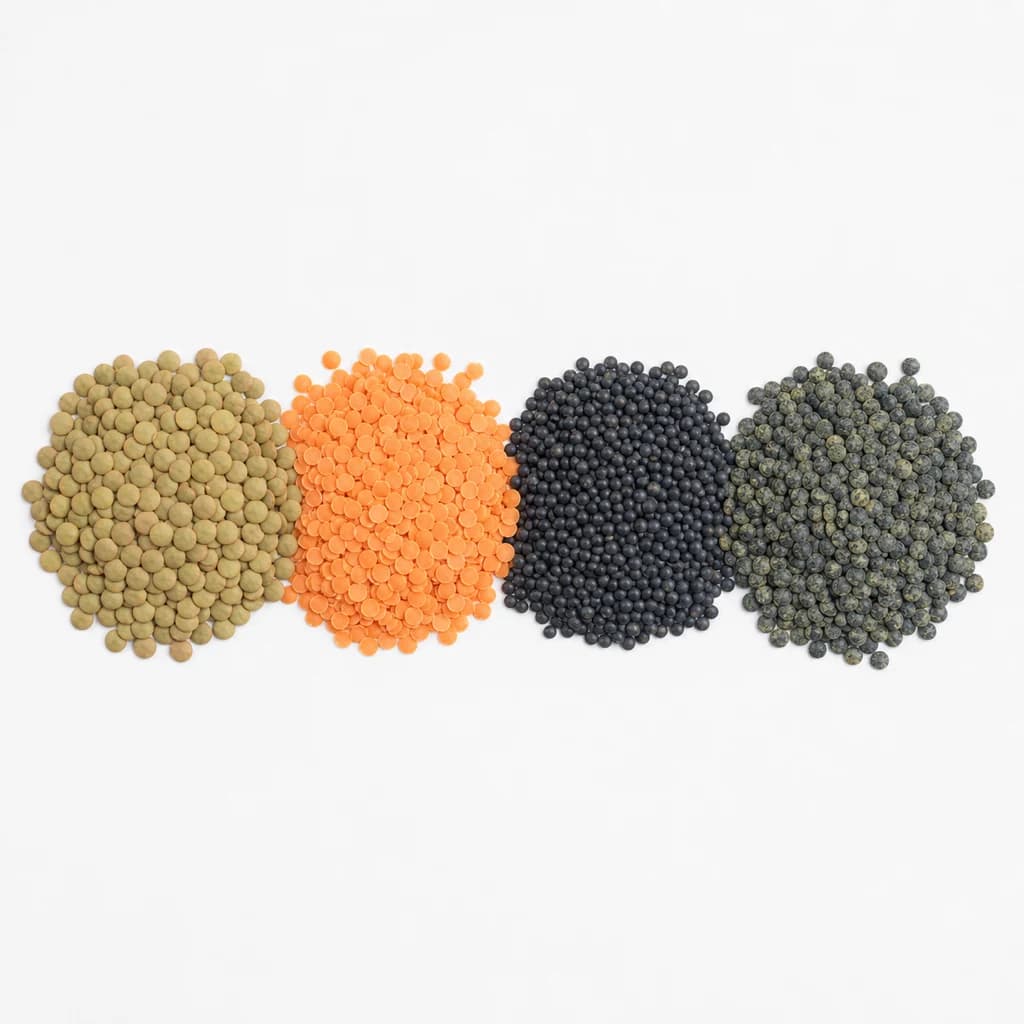
Lentils
Quick-cooking pulses for soups, dals, and hearty salads

White Beans
Creamy, mild beans for soups, stews, and silky purées
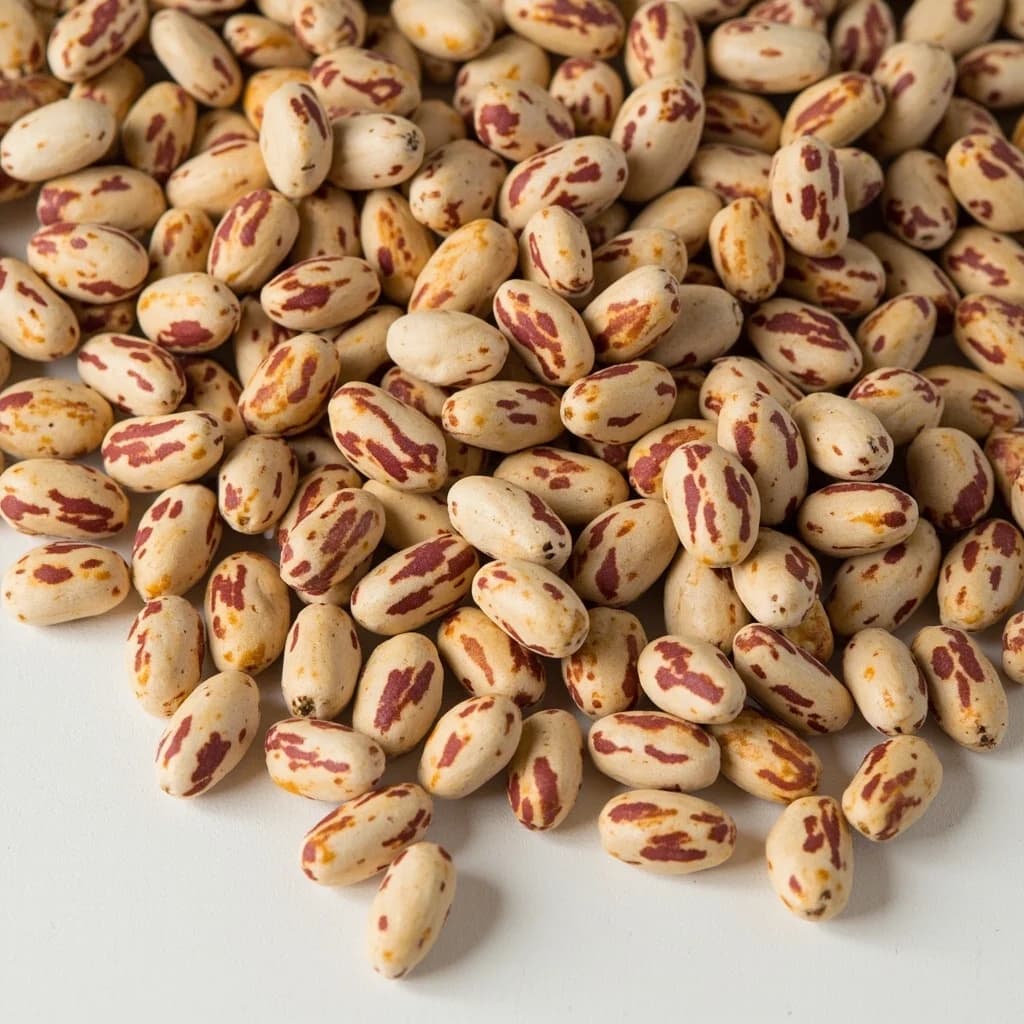
Pinto Beans
Creamy, speckled beans for refried beans and stews

Split Peas
Quick-cooking peas that melt into thick, comforting soups
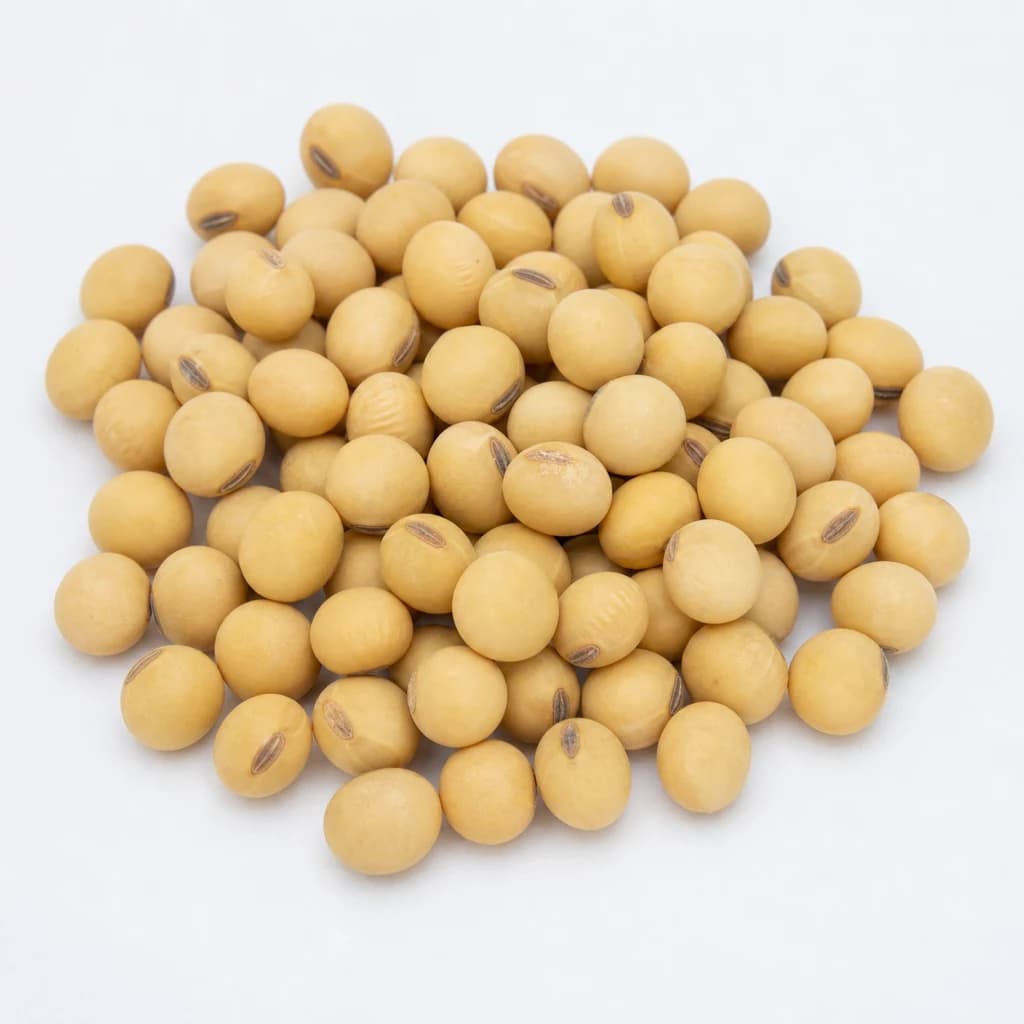
Soybeans
Protein-packed beans, the base for tofu and miso