Natural form
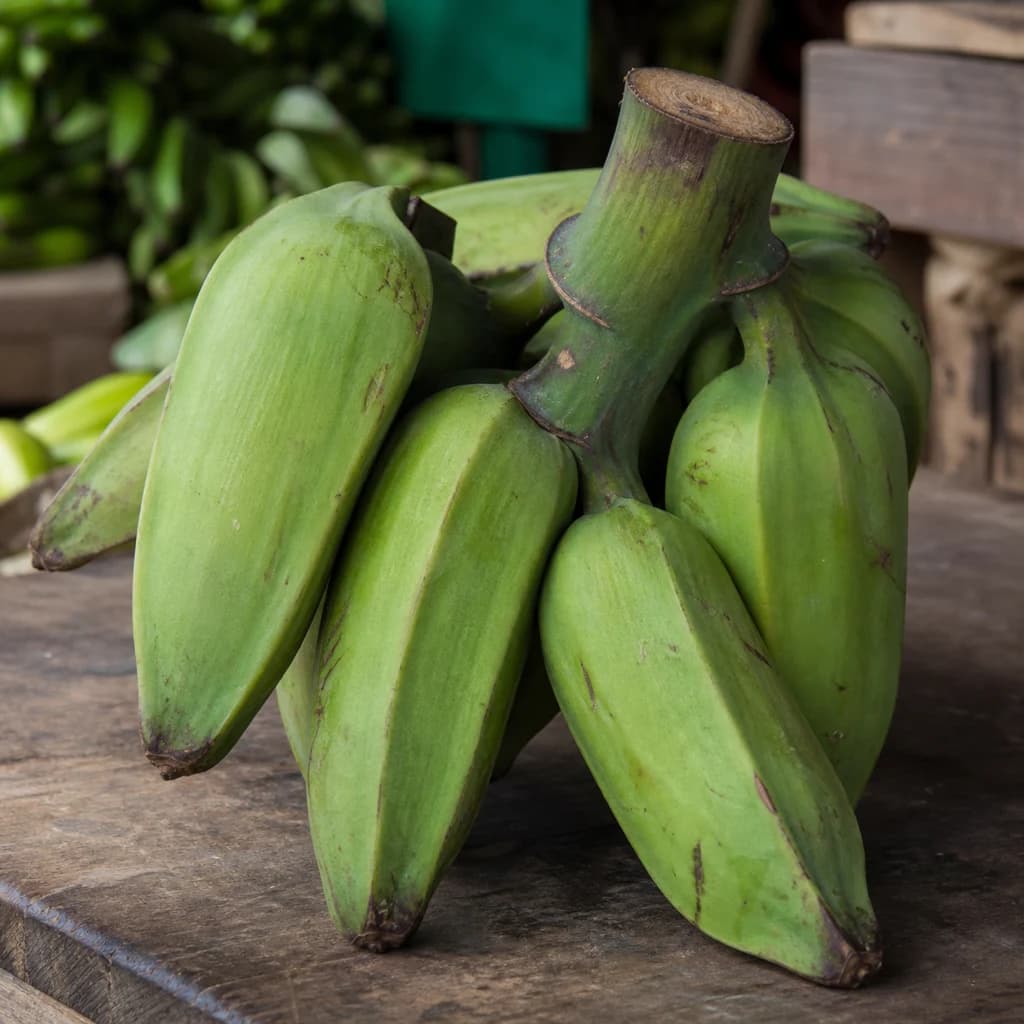
Unripe matooke bananas on the bunch, thick-skinned and deeply green.
Shows the raw ingredient exactly as it arrives from the farm — the defining green, starchy form that distinguishes matooke from dessert bananas.
Produce
Matooke (Green Cooking Banana)
Starchy East African green cooking banana, steamed and mashed into a savory staple.
Matooke is a starchy green cooking banana that is the dietary staple across Uganda and parts of East Africa. The unripe fruit is peeled, wrapped in banana leaves and steamed, then mashed into a soft, savory mash served with stews, groundnut sauce, or meat. It has almost no sweetness when cooked and a dense, potato-like texture.
Matooke is the starchy green cooking banana (Musa acuminata AAA-EA, East African Highland Banana group) that forms the foundation of cuisine across the Great Lakes region of East Africa, particularly Uganda, where per-capita consumption averages roughly 250 kg per year — among the highest for any staple food in the world. Brought from Southeast Asia via Indian Ocean trade routes between 500–1000 AD, this banana was selectively cultivated over centuries for its dense, starchy flesh rather than sweetness. Unlike the banana eaten raw as fruit, matooke is always cooked; raw matooke is almost inedibly firm and starchy, packed with resistant starch that breaks down dramatically during prolonged steaming into a soft, fluffy, neutral-tasting bulk. The word "matooke" comes from Luganda and means "to wrap" or "to cover," a direct reference to the traditional preparation of steaming the bananas wrapped in banana leaves. This technique is not mere tradition — wrapping retains heat, prevents condensation from making the flesh waterlogged, and imparts a faint earthy aroma that un-wrapped steaming lacks. The texture result is the defining quality of properly cooked matooke: separated, fluffy fibres that mash into a smooth mass, distinct from the sticky, gluey paste produced by boiling or undercooking.
- Measured in
- piece
- Storage
- Pantry
Types & varieties
The most common and preferred variety in Uganda; produces large bunches with short, fat fingers; excellent fluffy starchy texture when steamed
Widely cultivated in central Uganda; reliable yielder with good shelf stability
Traditional variety from western Uganda; slightly smaller fingers but strong flavour; becoming less commercially widespread
Popular in eastern Uganda; slightly sweeter after cooking; versatile for both matooke and light frying
Shorter, thicker-fingered variety common in Rwanda; very dense flesh; preferred for very smooth matooke preparations
Wider fingers with thinner peels; easier to process in bulk; grown throughout Tanzania
Matooke vs. Plantain
These are frequently confused outside East Africa but are distinct species. Plantain (Musa × paradisiaca) is a hybrid of Musa acuminata and Musa balbisiana, with less starch, a different cell structure, and a softer, less fluffy result when steamed. Matooke is higher in resistant starch and produces a noticeably drier, more separated-fibre texture when properly cooked. If a recipe specifies matooke, substituting plantain will yield a softer, wetter dish — still edible, but not authentic.
- Matooke: Musa acuminata (AAA-EA group); higher starch, fluffier texture when cooked
- Plantain: Musa × paradisiaca (AAB group); less starchy, softer result
- Use plantain at a 1:1 ratio when matooke is unavailable, but expect a different consistency
Why Steaming Matters
Steaming is not optional tradition — it is the essential technique that produces the correct texture. The long, gentle, moist-heat exposure in a covered pot (45–90 minutes depending on bunch size) denatures the starch granules and breaks down cell walls gradually, allowing moisture to escape and producing the characteristic light, fluffy, separated-fibre quality. Quick boiling, by contrast, floods the flesh with water before the starches fully gelatinise, creating a sticky, gluey mass that is considered a cooking failure in East African kitchens. The banana leaves in traditional preparation serve a practical function: they create a sealed parcel that traps steam, distributes heat evenly, and prevent condensation from dripping directly onto the bananas, which would make the surface wet rather than allowing the interior to steam dry and fluffy.
- Steaming: 45–90 min at a steady simmer; dry interior, fluffy texture
- Boiling: produces waterlogged, sticky, gluey texture — a common beginner mistake
- Banana leaf wrapping: retains heat, prevents condensation sogginess, adds subtle earthy aroma
From Staple to Street Food
While matooke is most associated with the ceremonial steamed-and-mashed staple, it travels well into other preparations. Thinly sliced and deep-fried, it becomes crisps — a popular snack sold by street vendors throughout Uganda and Tanzania. Slightly thicker slices can be pan-fried as a side dish. In some coastal regions, matooke is escaloped, layered with coconut milk, and baked into a rich, creamy gratin-like dish that reflects Swahili coastal influences on inland traditions. Rural preparations sometimes grind dried matooke into flour for a fermented porridge, a practice that extends shelf life in areas without refrigeration. These secondary uses demonstrate the ingredient's versatility beyond its role as the daily starch base.
- Fried chips: slice 3–5 mm thick for even frying; too thick = raw centre, too thin = burns
- Escaloped with coconut milk: coastal East African preparation, richer than steamed matooke
- Fermented porridge: rural preparation using dried matooke flour; extends usability beyond fresh harvest
Common uses
Tips & pitfalls
- Select bananas that are completely green and very firm; any yellowing means starch has begun converting to sugar and the result will be mushy, not fluffy
- Steam rather than boil whenever possible — boiling makes matooke gluey and waterlogged; steaming preserves the fluffy, separated-fibre texture that defines good matooke
- Wrap the bunch or individual fingers in banana leaves before steaming to retain heat, prevent condensation sogginess, and add a subtle earthy aroma — this step genuinely improves the result
- Cook until the peel splits and the flesh yields completely; a skewer or knife should pass through with zero resistance; undercooked matooke is tough and unpleasantly gummy
- Peel immediately after cooking while still hot — the peel releases easily from cooked flesh and becomes difficult to remove once cooled
- For katogo, mash while still quite hot and mix with stew liquid to achieve a cohesive, saucy consistency
- Do not confuse matooke with plantain — they are different species; plantain produces a softer, less fluffy result when steamed
- When substituting sweet potato or similar alternatives, use roughly half the quantity and reduce cooking time, as they cook faster than dense matooke
Nutrition
Energy
372 kJ · per 100 g
Where the calories come from
Protein
1.1g
2% DV
Carbs
22.8g
8% DV
Fat
0.3g
0% DV
Fiber
2.6g
9% DV
Sugars
12.2g
of which
Sodium
1mg
0% DV
Source · USDA FoodData Central · Bananas, raw
View on FDC →In the shops
Matched grocery products
No matched grocery products for Matooke (Green Cooking Banana) yet.
Good to know
- Scientific Name
- Musa acuminata AAA-EA (East African Highland Banana)
- Primary Origin
- Southeast Asia via Indian Ocean trade routes, 500–1000 AD; now a dietary staple in the Great Lakes region
- Main Producers
- Uganda (world's largest producer), Rwanda, Tanzania, Burundi, eastern DR Congo, western Kenya
- Peak Season
- Year-round; heavy harvest June–August
- Color When Unripe
- Green to bright green; yellowing signals starch-to-sugar conversion and a shift from savory to sweet
- Texture When Cooked
- Soft, smooth, and fluffy when steamed; slightly gummy when boiled; holds shape when fried
- Storage
- Room temperature (10–15°C / 50–59°F) for up to 2 weeks; do not refrigerate
- Typical Yield
- One medium bunch (5–10 hands) yields 2–3 kg of peeled, ready-to-cook flesh
Substitutes
- Plantain (green) — Closest texture and starch content; slightly sweeter and less fluffy. Cook the same way. Use 1:1 ratio.
- Sweet potato (orange or white) — Cooks faster (20–30 min boiling) and is sweeter. Use half the quantity and reduce liquid in the dish accordingly.
- Cassava (yuca) — Comparable starchy bulk; must be boiled or steamed until completely tender. Remove the woody central core before cooking. Texture is grainier than matooke.
- Taro (cocoyam) — Similar dense, starchy quality. Takes 25–40 minutes to cook through. Stronger earthy flavour; reduce quantity in recipes to avoid overpowering the dish.
Pairs with
Also called
Green Cooking Banana · Cooking Banana · East African Highland Banana
Appears in these dishes
Related
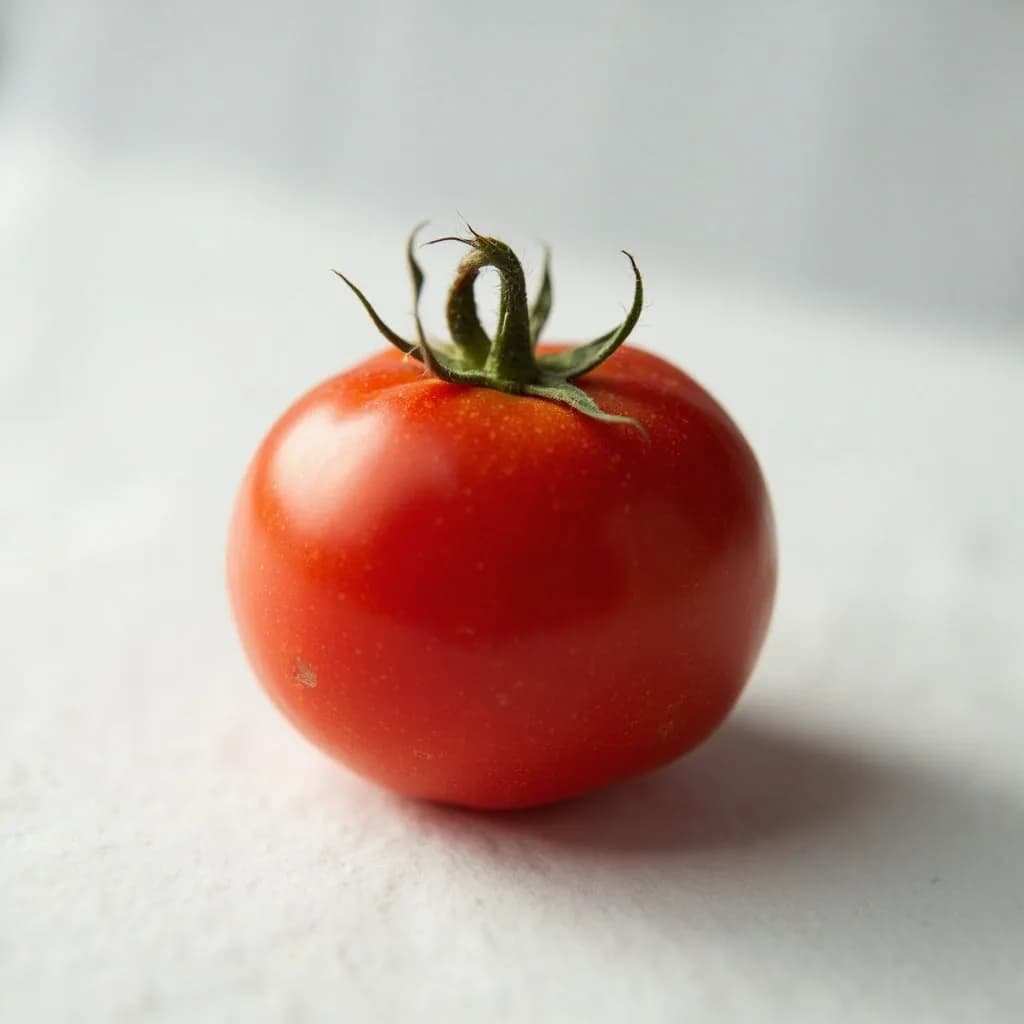
Tomato
Juicy, sun-sweet fruit for sauces, salads, and slow-cooked depth
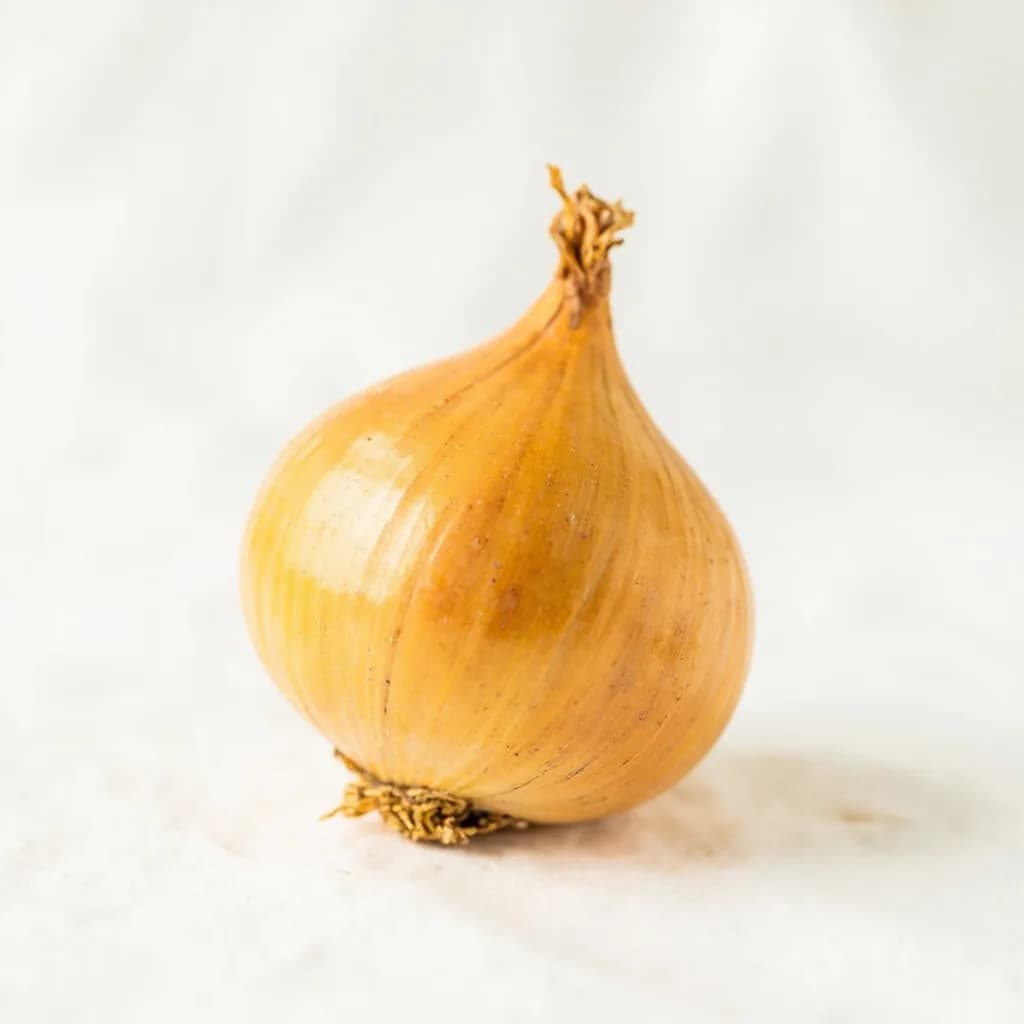
Yellow Onion
The aromatic backbone of soups, sofritos, and braises
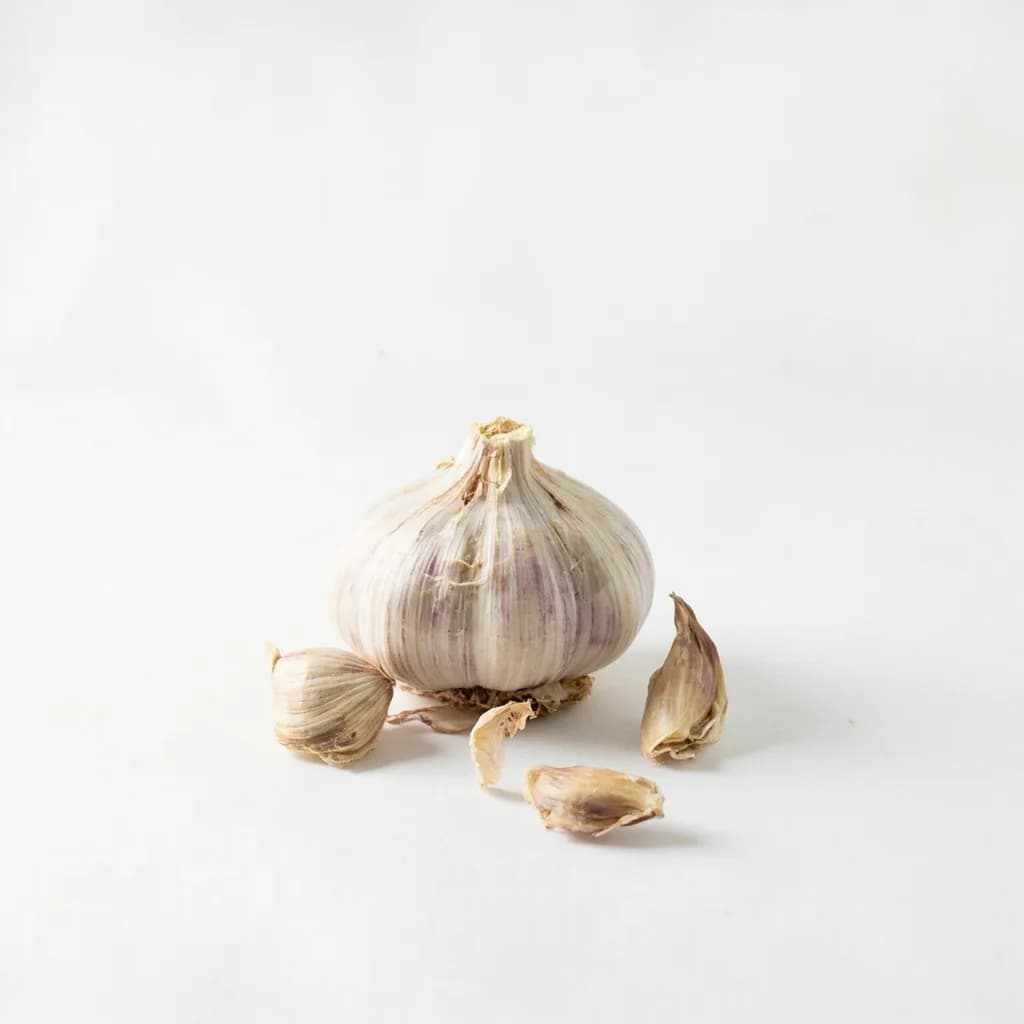
Garlic
Pungent cloves that perfume nearly every savory dish
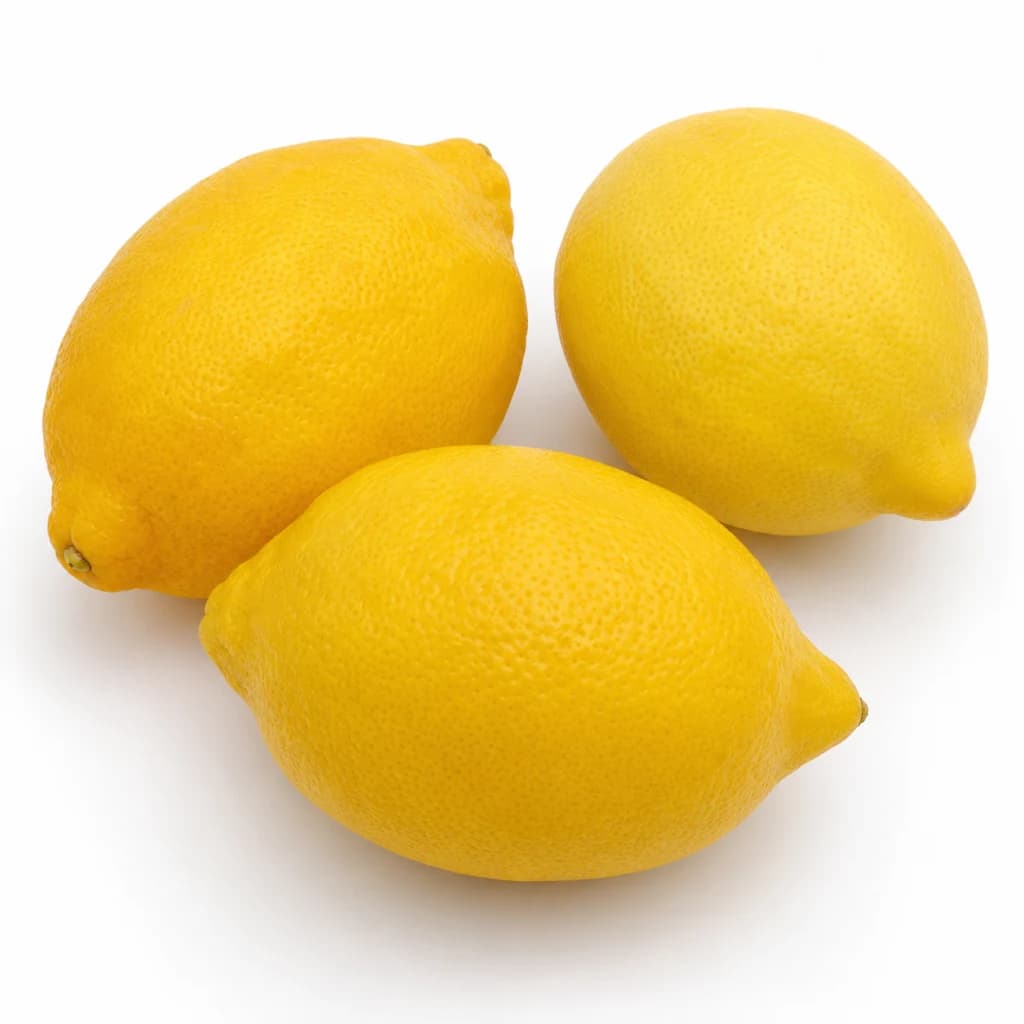
Lemon
Bright, acidic citrus that wakes up almost any dish
Potato
Humble, hearty staple — roast, mash, fry, or boil
Carrot
Sweet, crunchy root — raw, roasted, or the base of a sofrito
Cucumber
Cool, crisp, and watery — for salads, pickles, and tzatziki

Lettuce
Crisp leaves for salads, wraps, and a fresh crunch