Proteins
Squab Pigeon
Tender young pigeon roasted or braised; a delicacy in French and Cantonese cooking.
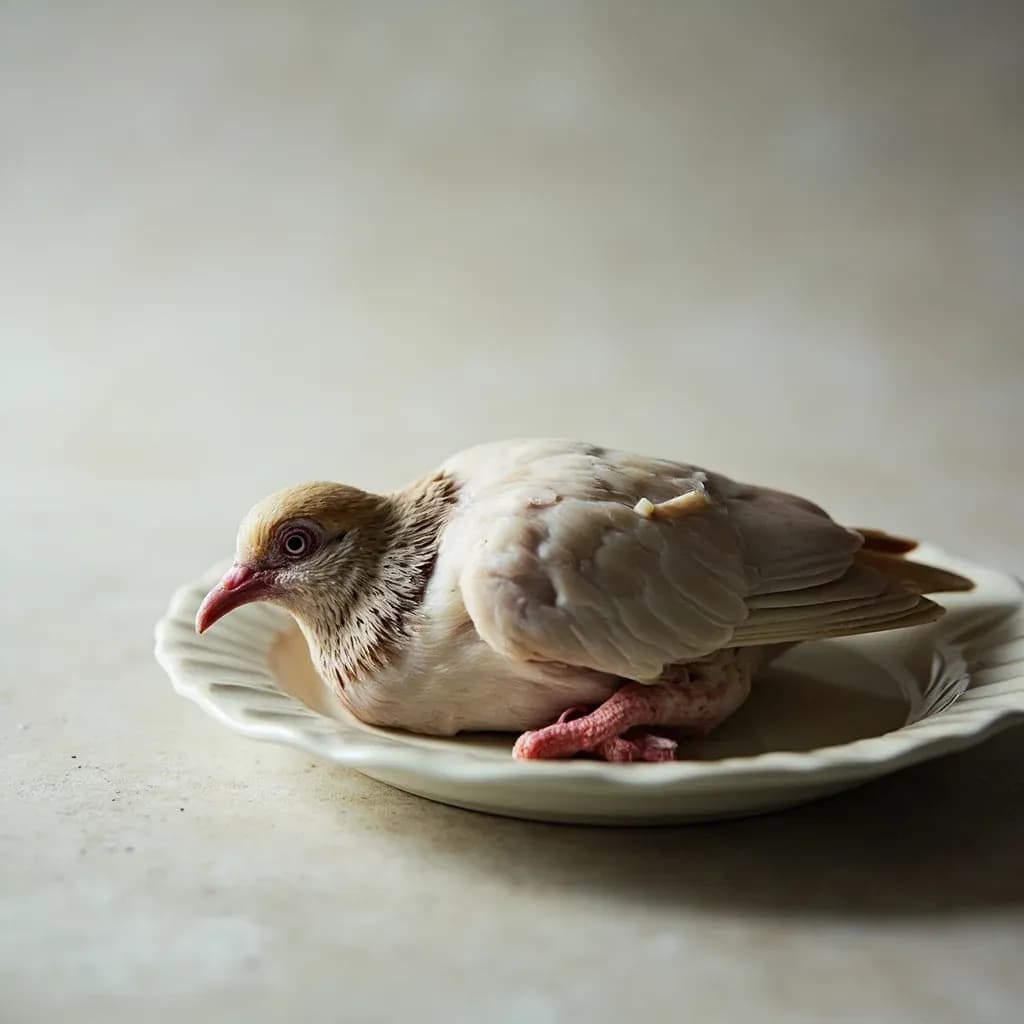
Squab is a young, never-flown domestic pigeon with dark, tender, richly flavored meat. It is roasted or pan-seared in French fine dining and braised or deep-fried to crisp the skin in Cantonese cuisine. Because it is lean, it is best cooked to a rosy medium to stay moist.
Squab pigeon is the meat of a young domestic pigeon (Columba livia), harvested at 4–6 weeks of age before the bird has ever flown. The term squab refers specifically to this immature bird; mature pigeon is a completely different proposition, requiring long, patient braising to tenderize what would otherwise be unpleasantly tough. The squab's short, sedentary life yields exceptionally tender breast meat—the prized portion—with a surprisingly generous fat cover that self-bastes during cooking. Its flavor sits firmly in the gamey spectrum: richer and more intensely savory than duck, with a subtle liver-like depth that makes squab unmistakable. In French cuisine, squab (pigeonneau) has been a celebrated delicacy since at least the 17th century, served rare-roasted with a bread-crumb crust. In Cantonese cooking, it appears lacquered and crisped, glazed with honey and Mandarin for a sweet-savory balance that has made roasted squab a banquet staple across generations. The bird rewards confident, quick cooking and punishes timidity—where many cooks overthink squab into oblivion, the best preparations treat it with the same respect you'd give a prime beef steak.
- Measured in
- piece
- Storage
- Fridge
Types & varieties
Most common commercial variety; clean flavor, consistent size, good fat cover
French heritage breed raised in Bresse region; prized for exceptional tenderness and flavor; regional AOC protection applies to Bresse poultry
Traditional Italian breed; slightly larger, robust gamey flavor
Smaller breed sometimes used; leaner, more intensely flavored
Not true squab—this is a mature bird, tougher, with a stronger game flavor; requires long braising, not quick roasting
Squab vs. Mature Pigeon
These are fundamentally different cooking propositions and confusing them leads to disappointment. True squab—the only bird appropriate for roasting or quick-cooking—comes from birds harvested young, typically 4–6 weeks old, weighing 8–14 ounces whole. The breast is tender enough to slice raw like carpaccio. Mature pigeon (often sold as 'wood pigeon' or simply 'pigeon' without the squab designation) is a working bird with tough, exercised muscles; it requires 2+ hours of braising to break down connective tissue. Ordering 'pigeon' at a restaurant or market without clarifying can easily mean the latter. For roasting, pan-searing, or grilling, insist on squab specifically.
- True squab: tender enough for rare cooking, 4–6 weeks old, 8–14 oz whole
- Mature pigeon: must be braised 2+ hours, larger bird, tough if quick-cooked
- When buying, ask 'Is this squab or mature pigeon?' if there's any ambiguity
The Breast: The Prize Portion
The squab breast is the culinary treasure of this bird. It represents roughly 40–50% of the usable meat and carries most of the fat, which melts during cooking to baste the meat from within. Because the bird has never flown, the breast muscles remain soft and fine-grained—closer in texture to fine veal than to any other poultry. This tenderness means the breast tolerates high heat and brief cooking; anything beyond medium-rare (130–140°F internal) begins to rob it of the silky, yielding texture that defines a well-cooked squab. The legs, by contrast, have more connective tissue and benefit from slightly longer cooking or braising, though they remain far more forgiving than mature pigeon legs.
- Breast: sear, roast rare, or grill at high heat—125–140°F internal maximum
- Legs: can handle medium (165°F); braising makes them exceptionally tender
- Always rest the bird 5–10 minutes after roasting—juices redistribute and carry-over cooking finishes the job
Common uses
Tips & pitfalls
- Select squab with bright, firm flesh and intact skin; avoid any sour or gamey odor evident before cooking
- Age matters: properly hung squab (1–2 days) develops flavor depth; commercially packed squab is often not aged and tastes milder—seek a game butcher or specialty purveyor
- Score the skin before roasting to allow fat to render and skin to crisp; do not pierce the breast muscle itself
- The breast cooks in minutes at high heat—use a hot pan (smoking) for a quick sear, or a 450°F oven for 12–15 minutes for whole birds
- Chinese-style roasted squab relies on a brief high-heat finish after braising or par-cooking; the skin should lacquer and crisp, not steam
- Freeze only fresh, high-quality squab; frozen-then-thawed squab loses textural quality noticeably, especially in the breast
- Common mistake: overcooking—squab dries out quickly past medium-rare and becomes chalky and tight
- Another common mistake: buying mature pigeon instead of true squab—mature birds need long braising (2+ hours) and are prohibitively tough if roasted quickly
- Braising yields extremely tender results with more forgiving timing than roasting; ideal for whole birds when you're uncertain about doneness
- Rest whole roasted squab 5–10 minutes before carving—juices redistribute and the meat finishes cooking carryover
Nutrition
Energy
594 kJ · per 100 g
Where the calories come from
Protein
17.5g
35% DV
Carbs
0g
0% DV
Fat
7.5g
10% DV
Fiber
0g
0% DV
Sodium
51mg
2% DV
Source · USDA FoodData Central · Squab, (pigeon), meat only, raw
View on FDC →In the shops
Matched grocery products
No matched grocery products for Squab Pigeon yet.
Good to know
- Type
- Young domestic pigeon (Columba livia), 4–6 weeks old, never flown
- Flavor
- Rich, dark, gamey with a subtle liver-like undertone; more intense than duck
- Texture
- Exceptionally tender breast meat; legs are firmer but juicy when properly cooked
- Color
- Dark red meat, similar to venison or dark duck breast
- Whole Weight
- 8–14 oz (225–400g); breast alone 3–5 oz (85–140g)
- Yield
- High—minimal waste; breast is 40–50% of usable meat
- Typical Doneness
- Breast served rare to medium-rare (130–140°F); legs can go to 165°F
- Availability
- Year-round from specialty butcher, game purveyors, or Asian markets; frozen widely available
- Storage
- Refrigerate whole 1–2 days; breasts 1–2 days; freeze up to 3 months; use promptly after thawing
- Shelf Life
- Highly perishable—age and handling significantly affect quality
Substitutes
- Quail — Similar size and cooking behavior; milder flavor, less gamey; plan on 2 quail per squab for most dishes
- Duck Breast — Comparable fat content and cooking method; richer flavor without the liver note; good direct substitute for French preparations
- Pheasant — Similar gamey character and dark meat color; slightly larger bird, requires 10–15 minutes longer cooking for breasts
- Cornish Hen — Approximate size and visual similarity; much milder poultry flavor, no gamey character—poor flavor substitute, though useful for presentation
Pairs with
Also called
乳鴿 · Young Pigeon · Pigeonneau
Appears in these dishes
Related
Egg
The kitchen's everything ingredient — bind, leaven, enrich, or fry
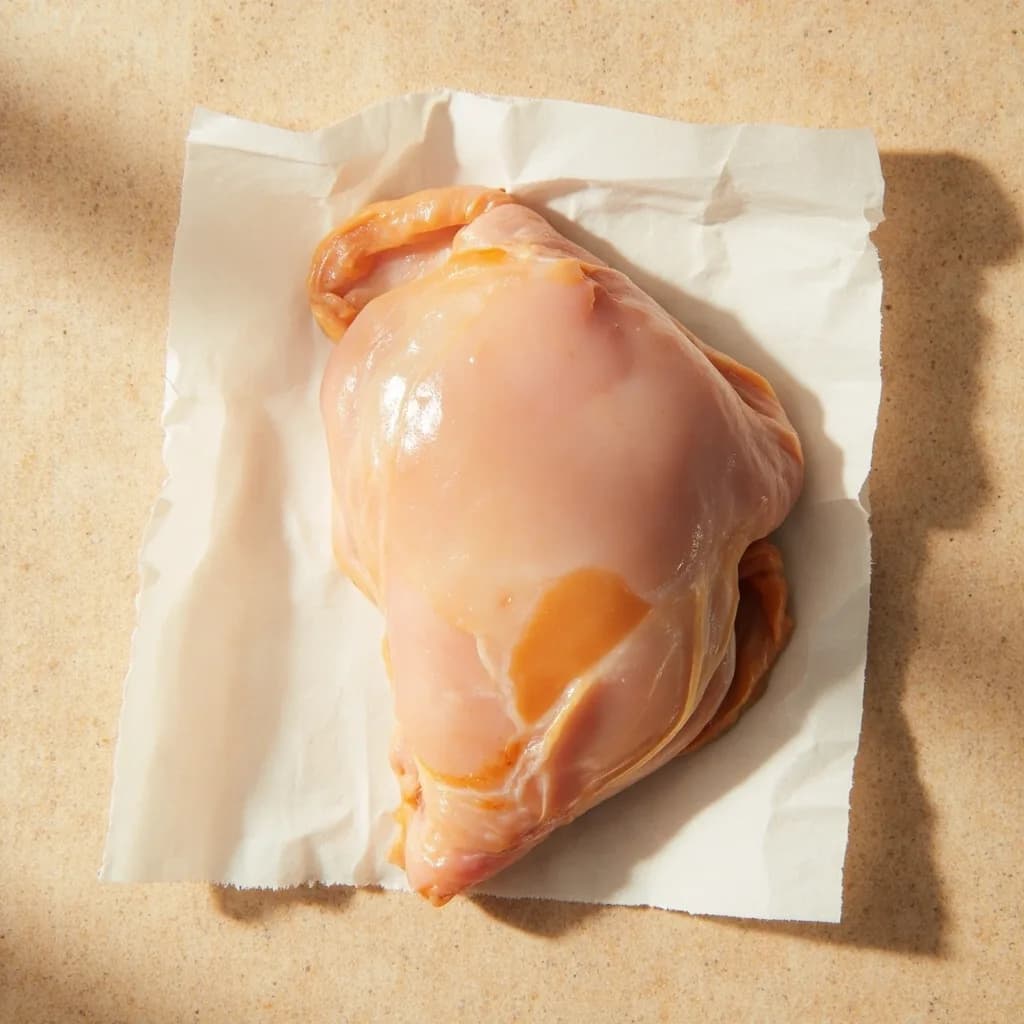
Chicken Breast
Lean, quick-cooking white meat for everyday dinners

Ground Beef
Versatile minced beef for burgers, ragù, tacos, and meatballs
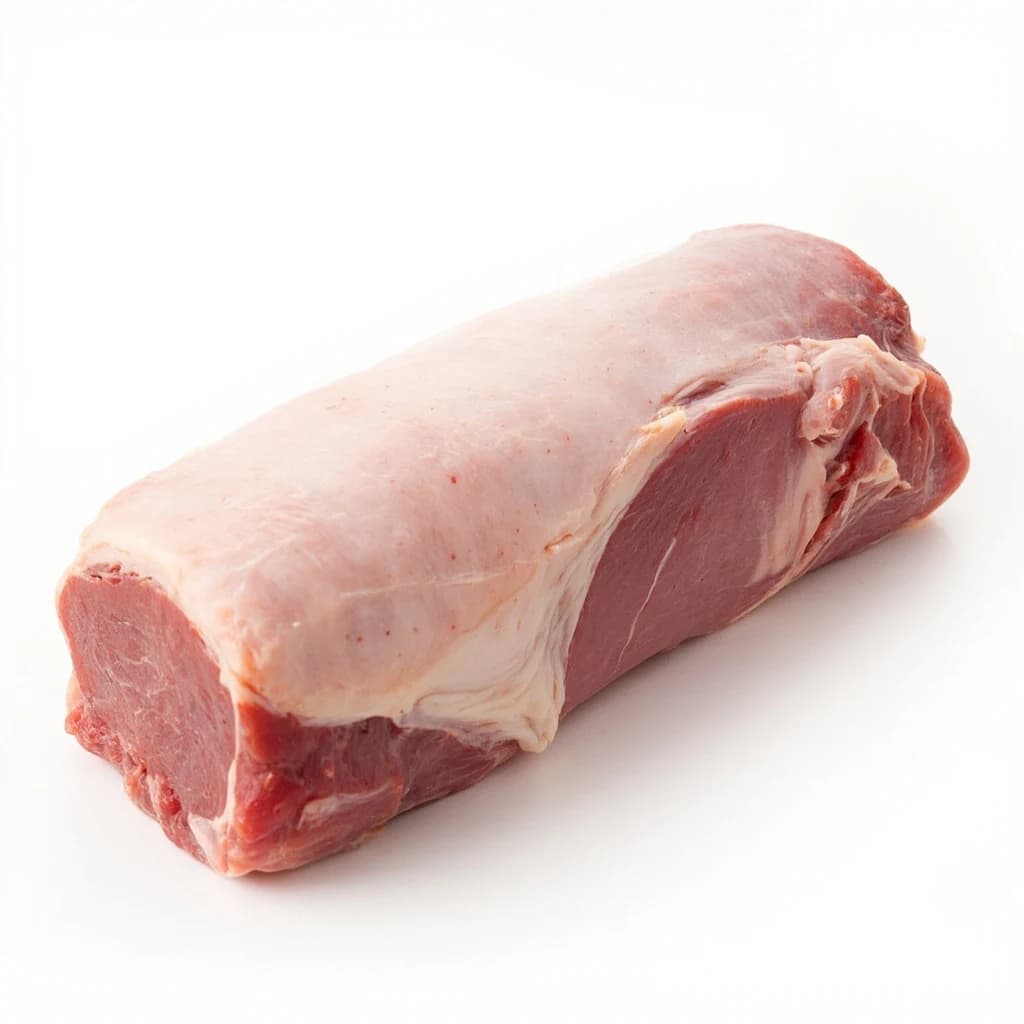
Pork Loin
Lean, tender roasting cut that stays juicy with care
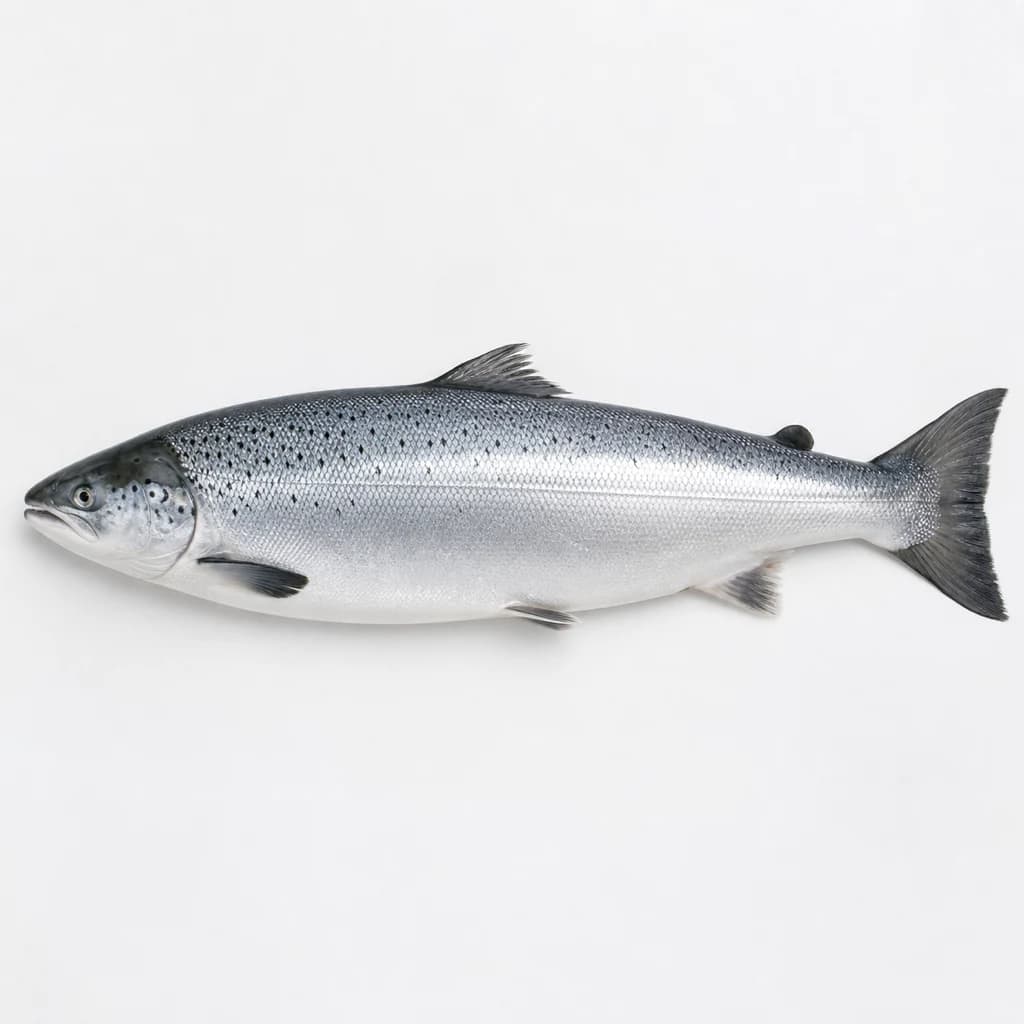
Salmon
Rich, rosy fish that roasts, grills, or cures beautifully

Egg White
Pure protein that whips to airy peaks for meringue and more
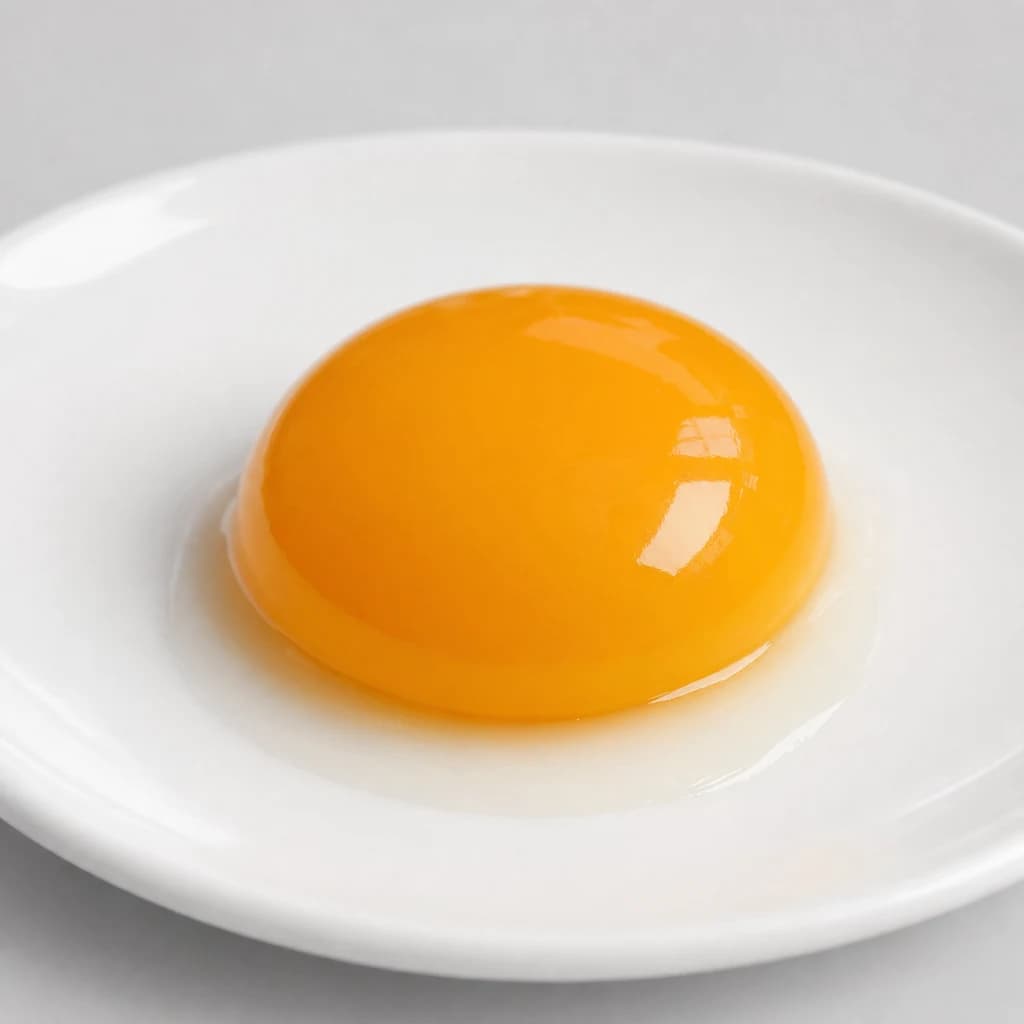
Egg Yolk
Rich, golden yolk for custards, mayonnaise, and pasta

Quail Egg
Tiny, speckled eggs for garnishing and elegant bites