Proteins
Goose (Gans)
Rich, fatty roasting bird traditional to European holiday feasts, prized for its dark meat and rendered fat.
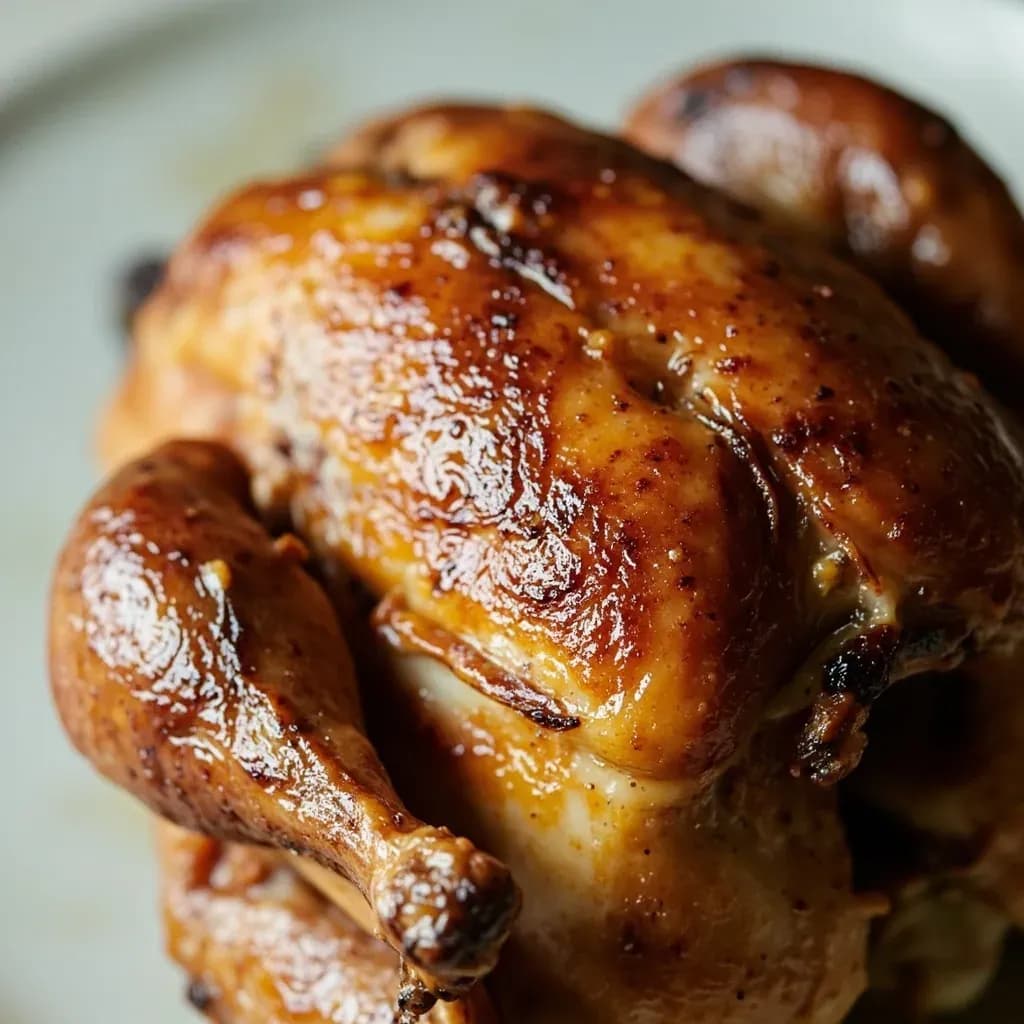
Goose is a large waterfowl with dark, full-flavored meat and a thick fat layer that renders to crisp the skin. It is a centerpiece of German, Central European and British festive roasts, often stuffed with apples and served with red cabbage. The rendered goose fat is itself a prized cooking fat for potatoes and confit.
The goose occupies a singular place among poultry—a bird prized not merely for its meat but for the extraordinary amount of rich, golden fat it renders during cooking. Domesticated from the wild greylag goose over 5,000 years ago in Europe and Asia, the domestic goose (Anser anser domesticus) was developed into distinct breeds across France (the massive Toulouse), Germany (the white Embden), and China (the distinctive knobbed variety). Unlike the lean turkey or the relatively modest duck, the goose carries approximately 35–40% of its body weight in fat, layered beneath the skin and surrounding the organs. This fat—the true treasure of the bird—renders during roasting into a fragrant, versatile cooking medium that serious cooks guard jealously. The meat itself is dark, firm, and possessed of a pronounced gamey depth that places it closer to wildfowl than to common barnyard poultry. Whole roasting geese typically range from 8 to 14 pounds, yielding about 50–55% meat by weight, with the breast as the premium cut and the legs ideal for the long, slow work of confit.
The goose's cultural significance in European cuisine runs deep, tied to Michaelmas (September 29) and, most enduringly, to Christmas. The bird was the traditional festive roast for centuries before turkey displaced it in many regions—a history evident in the persistent British phrase "Christmas goose" and the German "Gans zu Martin." This is not merely heritage for heritage's sake: the goose's behavior in the oven is fundamentally different from turkey. Its exceptional fat content means the bird essentially bastes itself, but the meat is lean and dries out readily if overcooked—the primary mistake to avoid. The rendered fat transforms during roasting, concentrating into a liquid gold that pools in the pan and can be strained and saved for months. A single 10-pound bird yields 1 to 2 cups of this fat—enough to transform a batch of potatoes into something transcendent, or to confit duck legs, or to fry eggs with a richness no butter can match.
Working with goose requires understanding its unique anatomy and behavior. The skin is tough and thick, requiring pricking or scoring to allow fat to escape; if left unpunctured, the skin will burst rather than render gracefully. The breast meat, while the most prized portion, sits atop a substantial fat layer and cooks faster than the thighs, reaching safe eating temperature (165°F/74°C) before the thigh muscles are done. The thighs, denser and closer to bone, require more time and should reach 165°F (74°C) at their deepest point before resting. Insert a probe thermometer into the thickest part of the thigh, away from bone, to monitor the bird's progress. The bird benefits from a long, slow roast at moderate temperature (325°F/160°C) to fully render the fat, with the first portion of cooking done breast-side down to protect the delicate breast meat while the back fat melts into the cavity. Resting the carved bird for 20–30 minutes is essential, during which the juices redistribute and the meat finishes cooking from retained heat. Done properly, a roast goose presents mahogany skin crackling with fat, meat that is deeply flavored and tender, and a pan full of rendered fat worth more than the meat itself.
- Measured in
- g
- Storage
- Fridge
Types & varieties
French breed; gray plumage; largest and fattest goose; prized for rich flavor and abundant fat.
German white goose; most common commercial variety in North America; very large, good meat-to-fat ratio; clean plucking leaves attractive carcass.
Distinct knob above beak; smaller than European breeds; leaner meat; excellent egg production; more vocal and territorial.
Descended from Chinese geese crossed with European breeds; tall, upright carriage; leaner than Toulouse; prized liver.
Includes Canada goose and white-fronted goose; much leaner than domestic; strongly gamey; requires different technique (shorter cooking, higher heat); legal hunting seasons apply.
British term for the boned breast half of a goose, stuffed and rolled; traditional high-end preparation.
The Rendered Fat
The fat is the defining characteristic of goose cookery. A properly roasted goose yields 1 to 2 cups of liquid gold from a 10-pound bird—this is not a byproduct but arguably the primary reason to cook goose at all. The fat renders to a clear, golden liquid that solidifies to a spreadable consistency in the refrigerator. Its smoke point makes it more versatile than butter for high-heat cooking, and its flavor is incomparably richer—savory, slightly sweet, with a depth that elevates everything it touches. The traditional application is roast potatoes: parboil starchy potatoes until floury, then fry in the fat until every surface is lacquered and golden. But the uses extend far beyond potatoes. Goose fat transforms roasted vegetables, enriches pasta dishes, creates the base for confit, and makes an extraordinary toast spread when salted like butter. Strain rendered fat through fine mesh, discarding solids, and store in sealed containers in the refrigerator for up to six months. The fat may crystallize slightly at cold temperatures—this is normal and does not affect performance.
- Save every drop of rendered fat—it solidifies in the fridge and keeps for 6 months.
- Goose fat and duck fat have different flavor profiles; do not assume they are interchangeable.
Preparing the Cavity and Removing the Wishbone
Before roasting, take a few minutes to remove the wishbone—this simple step makes carving far easier. Locate the wishbone just inside the neck cavity, where it forms a V-shape beneath the skin. Using a sharp paring knife, cut along both sides of the wishbone and pull it free. Some cooks also remove the oyster meat (a small, sweet piece of meat on the back near the tail) before cooking, as it can cause the skin to burst if left in place. For the cavity, add aromatics not for volume but for moisture and flavor: quartered apples, halved onions, a few bay leaves, perhaps a sprig of thyme. These vegetables baste the bird from within as they roast, releasing steam and their own moisture into the cavity, while their sweetness complements the gamey meat. Do not pack the cavity tightly—air must circulate. If using traditional stuffing in the cavity, ensure the bird and stuffing both reach 165°F (74°C) before serving.
- Remove the wishbone before roasting for easier carving later.
- Add quartered apples, onions, and bay leaves for moisture and aromatic flavor.
- Do not pack the cavity tightly; allow air circulation for proper heat distribution.
Common uses
Tips & pitfalls
- Prick the skin all over with a fork or score in a crosshatch pattern before roasting to allow fat to escape during rendering.
- Roast breast-side down for the first 45 minutes to protect the delicate breast from direct heat while the back fat renders into the cavity.
- Roast at 325°F (160°C) for 12–15 minutes per pound; a 10-lb goose takes approximately 2.5 to 3 hours.
- Insert probe thermometer into the thickest part of the thigh, not touching bone; target 165°F (74°C) for thighs. The breast cooks faster and reaches safe eating temperature first.
- Let the goose rest uncovered for 20–30 minutes before carving to allow juices to redistribute.
- Remove the wishbone before roasting—it makes carving the breast much simpler.
- Shield the breast with foil if it reaches temperature before the thighs are done.
Nutrition
Energy
556 kJ · per 100 g
Where the calories come from
Protein
16.4g
33% DV
Carbs
6.3g
2% DV
Fat
4.3g
5% DV
Fiber
0g
0% DV
Sodium
140mg
6% DV
Source · USDA FoodData Central · Goose, liver, raw
View on FDC →In the shops
Matched grocery products
No matched grocery products for Goose (Gans) yet.
Good to know
- Source
- Domestic waterfowl (Anser anser domesticus), descended from wild greylag goose; major breeds from France, Germany, and China.
- Flavor
- Rich, pronounced gamey darkness; more intensely flavored than duck; fat is fragrant and savory.
- Fat Content
- Highest of common poultry, approximately 35–40% of total weight; concentrated under skin and around giblets.
- Typical Weight
- Whole roasting geese 8–14 lbs (3.5–6.5 kg); breast portions 2–4 lbs.
- Yield
- Approximately 50–55% meat by weight; breast is premium cut; legs excel in confit.
- Storage
- Refrigerate whole birds up to 5 days; rendered fat keeps refrigerated 6 months; freeze meat up to 3 months.
- Season
- Peak availability late October through January; traditionally roasted for Christmas and Michaelmas (September 29).
- Difficulty
- Intermediate; requires attention to fat rendering and temperature management; the meat is lean and dries out if overcooked.
Substitutes
- Duck (whole or parts) — Most similar flavor and fat content; roast at same temperature; smaller size means shorter cooking time; duck fat is not identical to goose fat.
- Pork Belly — Best substitute for achieving crispy skin and rich fat; braise or roast until tender; use pork fat for potatoes in place of goose fat.
- Turkey — Workable but distant substitute; much leaner, so requires basting or added fat; cook at 325°F for 12–15 min/lb like goose.
Pairs with
Also called
Gans
Appears in these dishes
Related
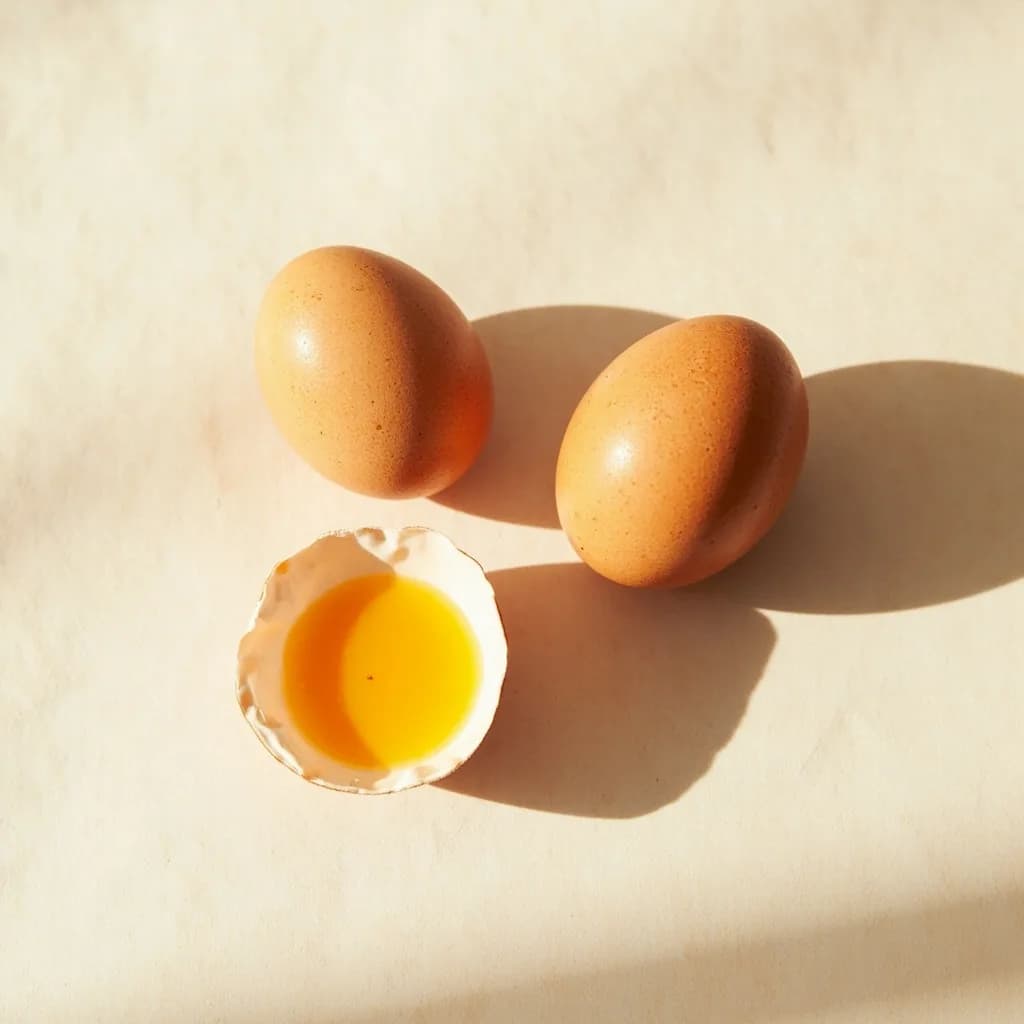
Egg
The kitchen's everything ingredient — bind, leaven, enrich, or fry
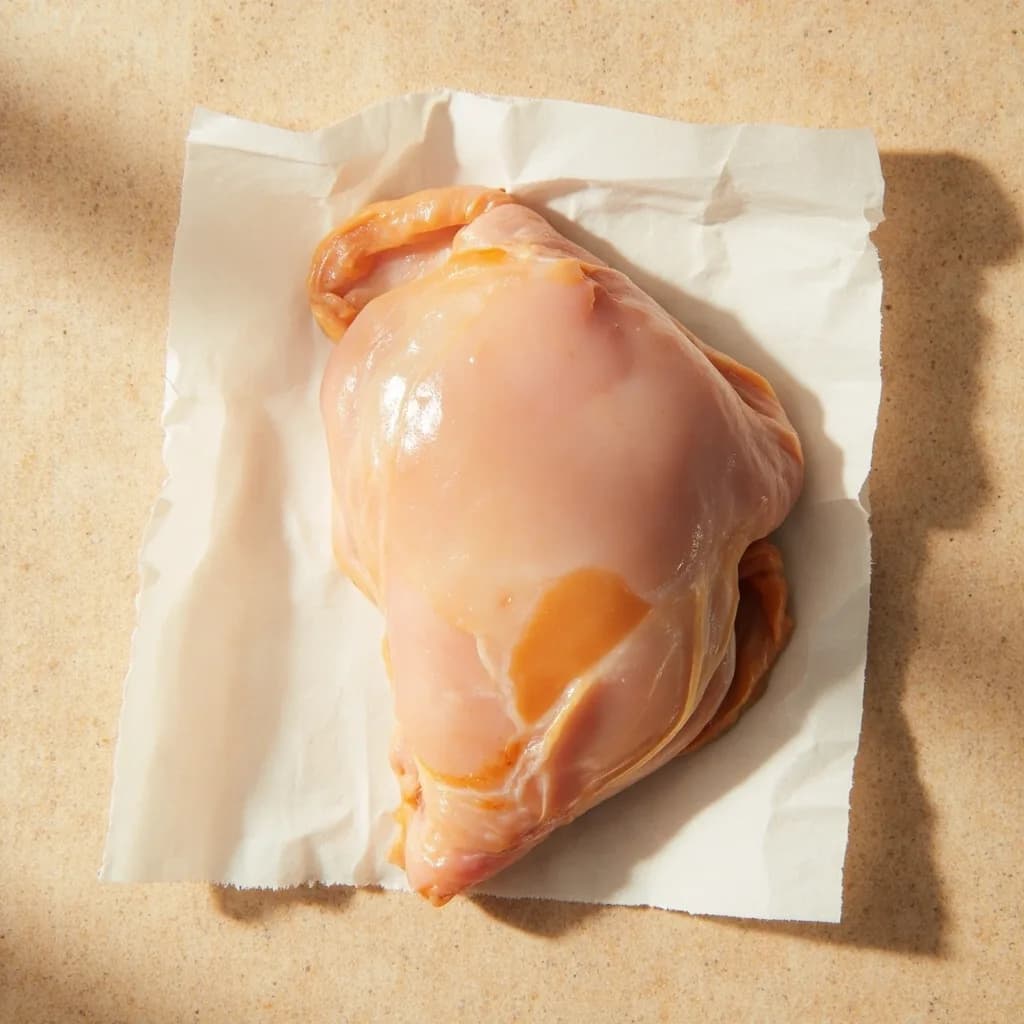
Chicken Breast
Lean, quick-cooking white meat for everyday dinners

Ground Beef
Versatile minced beef for burgers, ragù, tacos, and meatballs
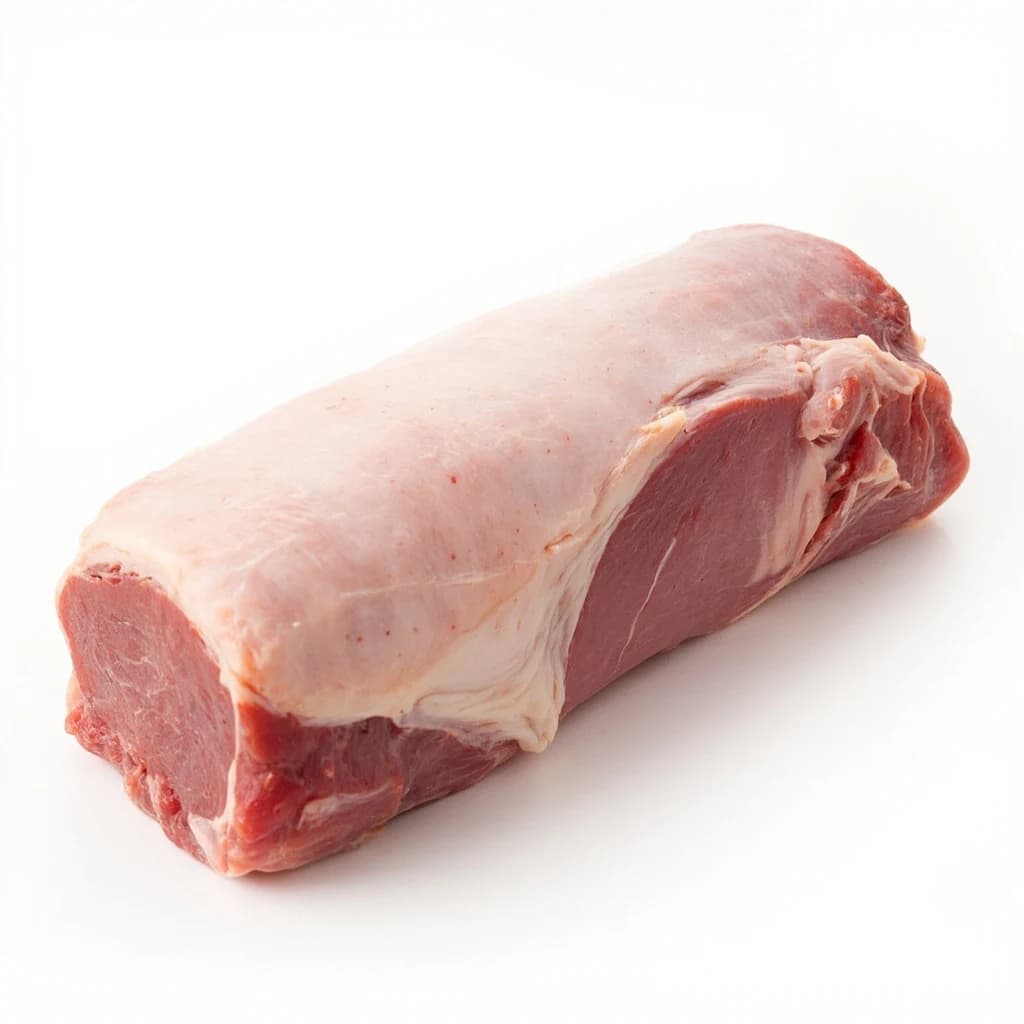
Pork Loin
Lean, tender roasting cut that stays juicy with care
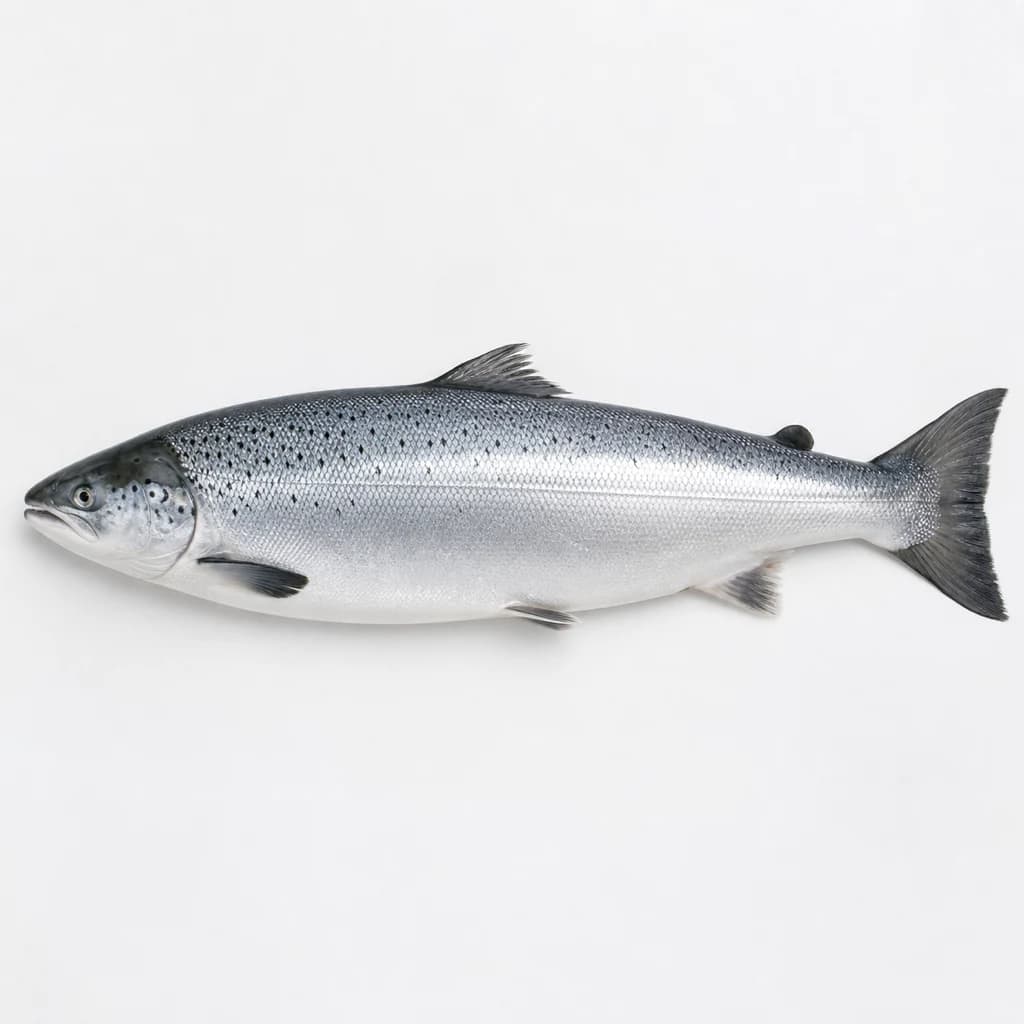
Salmon
Rich, rosy fish that roasts, grills, or cures beautifully

Egg White
Pure protein that whips to airy peaks for meringue and more
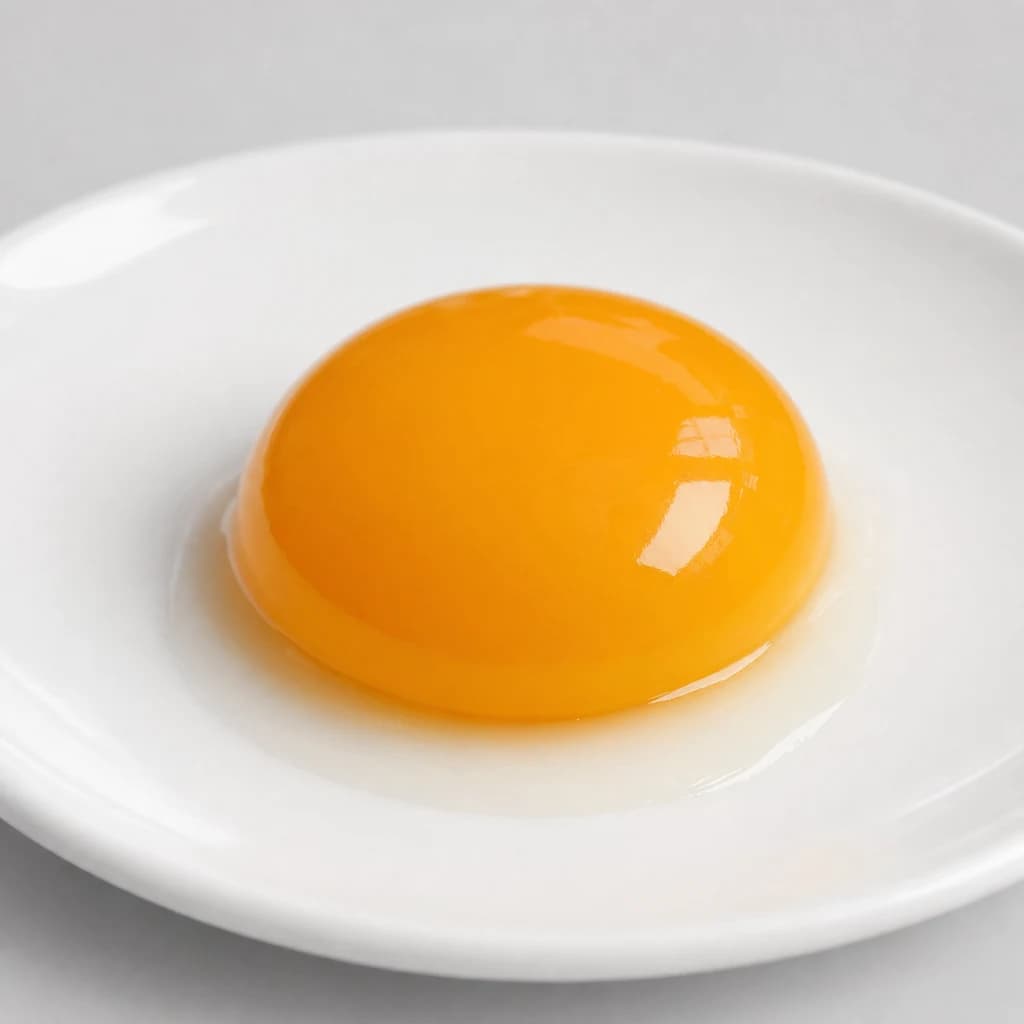
Egg Yolk
Rich, golden yolk for custards, mayonnaise, and pasta

Quail Egg
Tiny, speckled eggs for garnishing and elegant bites