Proteins
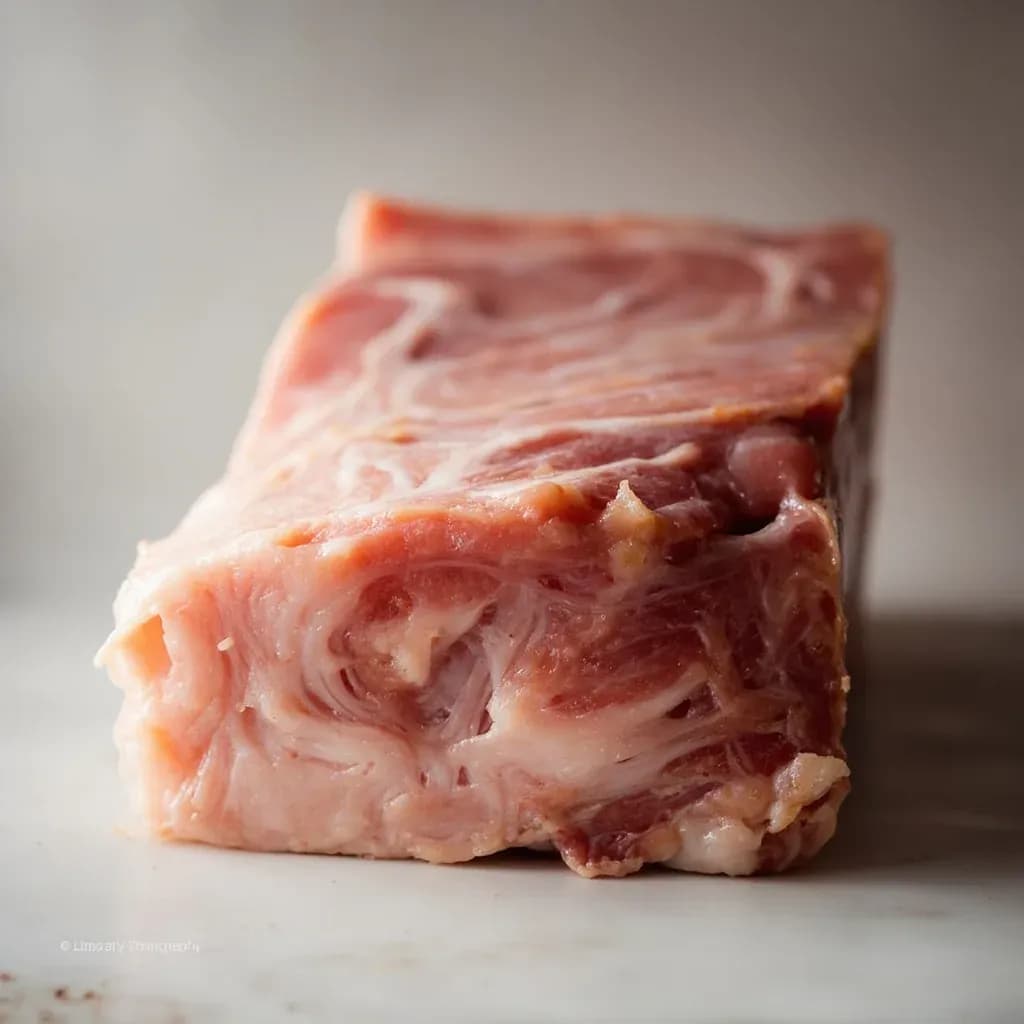
Braised Pork Belly (Rafute Cut)
Thick-skinned pork belly cut for Okinawan rafute — simmered in soy, sugar, and awamori.
This is skin-on pork belly cut into thick blocks for Okinawa's signature rafute, where it is slowly braised in soy sauce, brown sugar, ginger, and awamori liquor until silky. The layered fat and skin become gelatinous and the lean meat falls apart. The same belly cut works for any long-braised, glazed pork dish.
Rafute is the defining protein of traditional Okinawan set meals, a thick-cut pork belly braised until the collagen in the skin transforms into glossy, gelatinous richness. Unlike mainland Japan's buta no kakuni, which uses smaller cubes, rafute pieces are cut 3–4 cm thick — a thickness that requires extended, patient simmering to fully tenderize while keeping the exterior intact. The name derives from the Okinawan language; some etymologies trace it to the practice of folding the meat. Historically this was affordable protein for commoners of the Ryukyu Kingdom, transformed through low-and-slow cooking into something luxurious. The skin-on requirement is non-negotiable: it is the source of the dish's characteristic texture, a silky layer that forms only when collagen breaks down completely over sustained low heat. The result is a dish where each piece sits in a deep, lacquered sauce — sweet from kokuto (unrefined Okinawan black sugar), savory from soy, and perfumed by awamori — the fat rendered but not lost, incorporated into a sauce that coats everything it touches.
- Measured in
- g
- Storage
- Fridge
Types & varieties
Made with awamori and kokuto (unrefined Okinawan black sugar); the gold standard
Uses sake or shōchū diluted with water when awamori is unavailable
Adds sliced fresh ginger to the braise, common in home-style preparations
Uses both sugar and mirin for a balanced sweetness
Common uses
Tips & pitfalls
- The skin must be scored or pierced with a fork to allow fat to render and sauce to penetrate — without this, the surface stays tight and the braise cannot work properly
- Do not rush the braising; rapid boiling at any point toughens the meat irreparably, even if you lower the heat later
- Skim fat from the surface during cooking for a cleaner sauce, or leave it for richer flavor — both are valid choices depending on preference
- Rest the cooked meat in the sauce overnight in refrigeration for better flavor penetration; the fats emulsify into the liquid and the texture tightens for clean slicing
- Use a heavy-bottomed pot or donabe to prevent scorching during the long simmer — burning the bottom ruins the entire batch
- The sauce is done when it coats a spoon and glazes the back of a ladle thickly, not when it looks merely dark
- If the sauce reduces too quickly before the meat is tender, add water or dashi in small increments rather than diluting all at once
- When slicing for serving, cut the thick slab crosswise (across the short dimension) for clean, presentable pieces
Nutrition
Energy
2167 kJ · per 100 g
Where the calories come from
Protein
9.3g
19% DV
Carbs
0g
0% DV
Fat
53g
68% DV
Fiber
0g
0% DV
Sugars
0g
of which
Sodium
32mg
1% DV
Source · USDA FoodData Central · Pork, fresh, belly, raw
View on FDC →In the shops
Matched grocery products
 €2.20
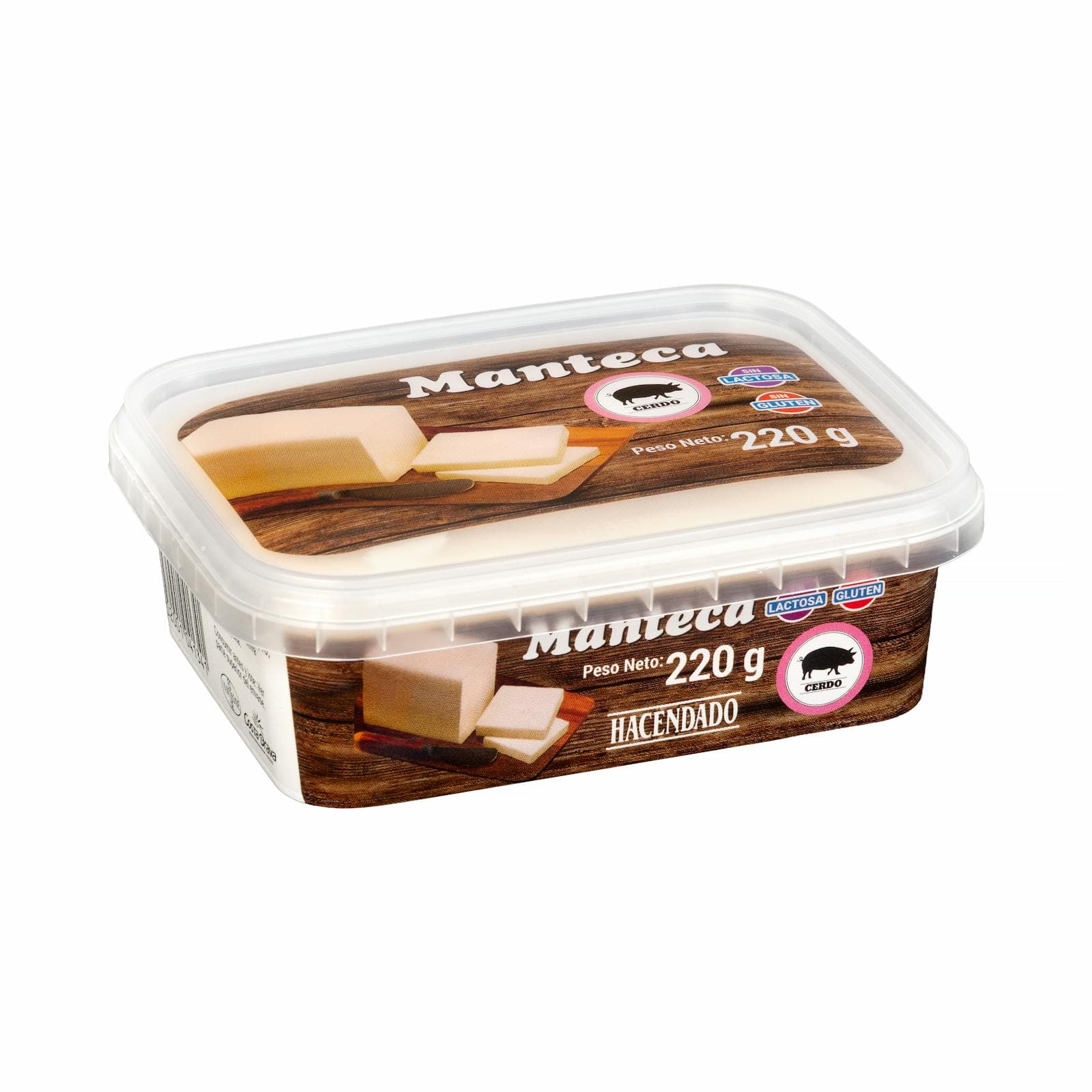
€2.20Pork Lard
Hacendado · 220 g · Mercadona
 €3.40
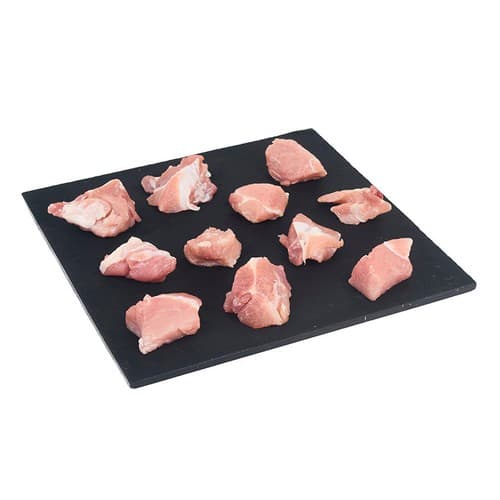
€3.40Pork Stew
BONPREU · ud · Bonpreu
 €3.45
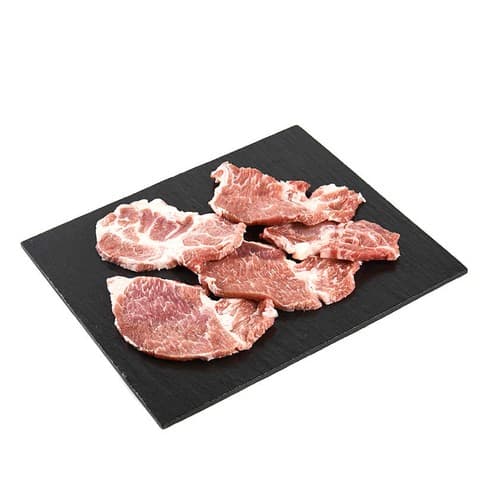
€3.45Lean Pork
BONPREU DE L'ERA · ud · Bonpreu
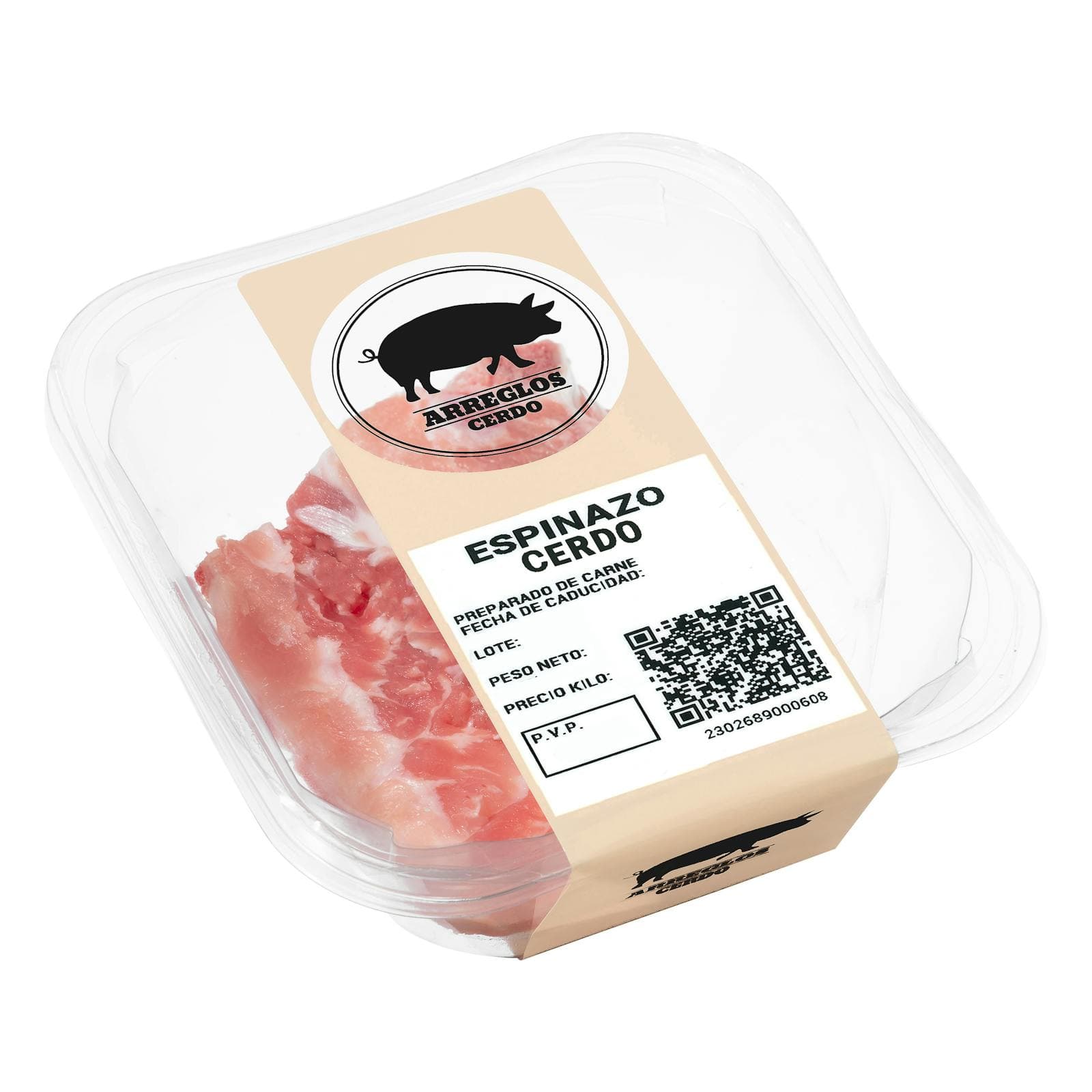 €2.10
€2.10Pork Spine
300 g · Mercadona
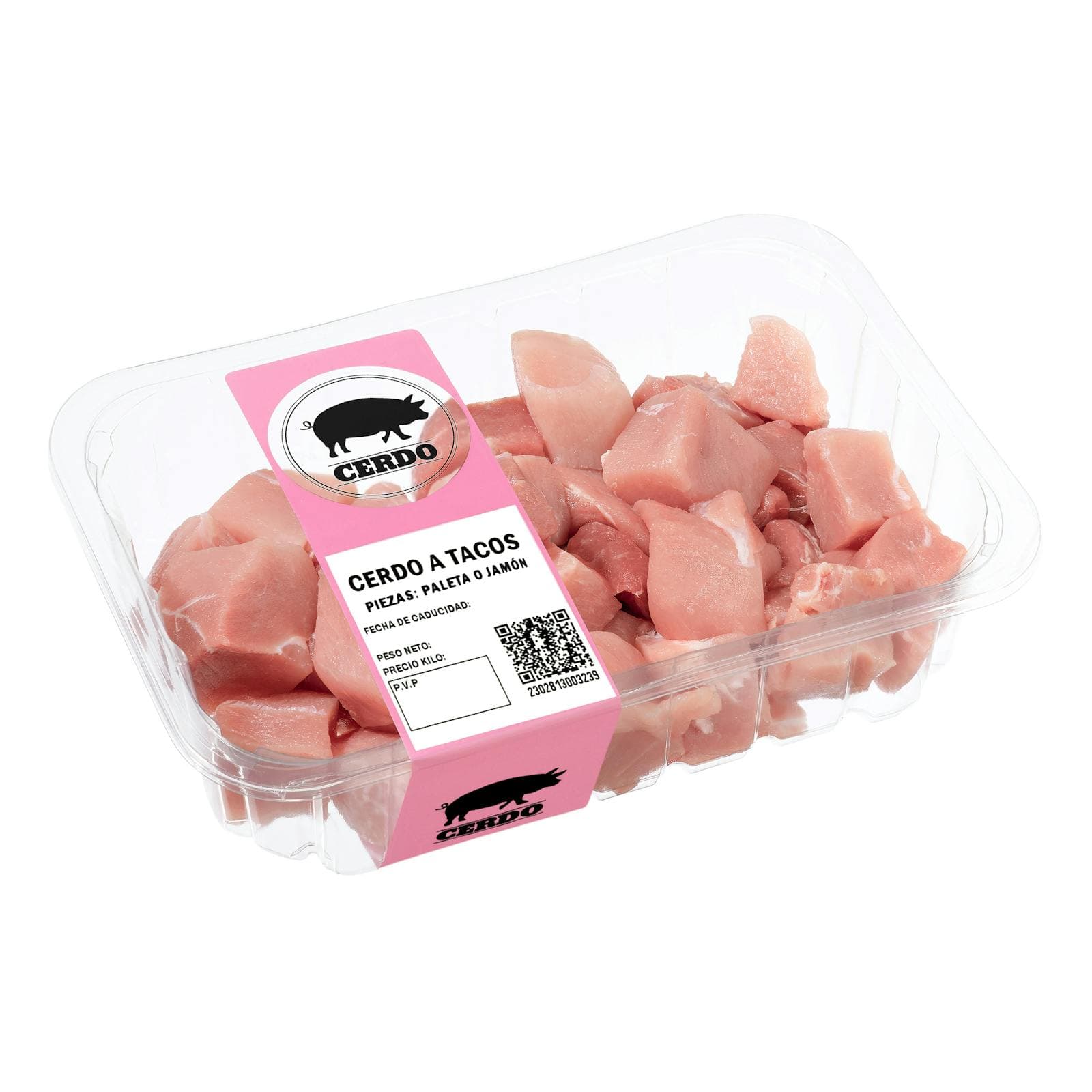 €3.22
€3.22Diced Pork
560 g · Mercadona
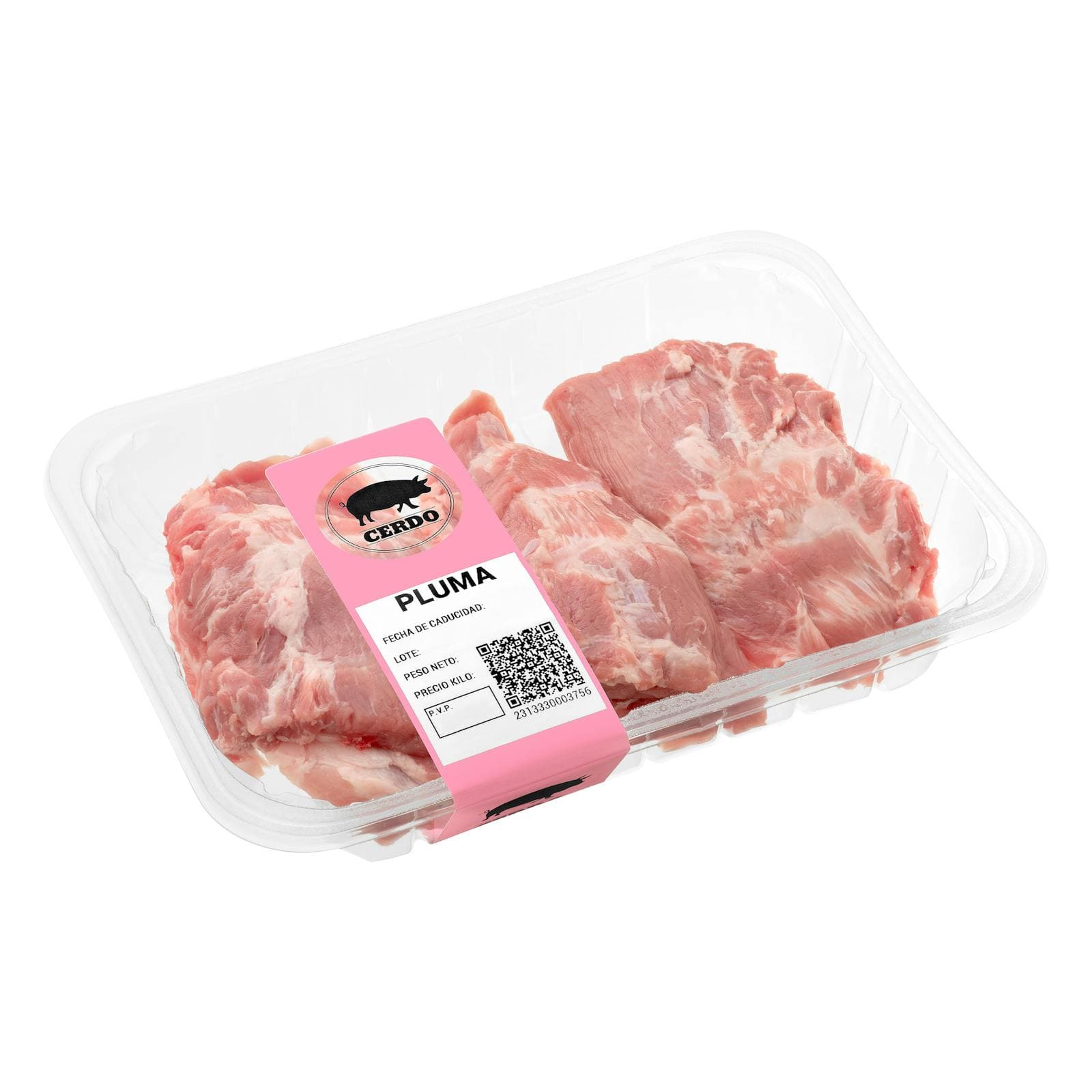 €3.75
€3.75Pork Pluma
300 g · Mercadona
Good to know
- Origin
- Okinawa, Japan; part of the traditional Okinawan set of dishes (juniten) consumed since the Ryukyu Kingdom era
- Cut
- Pork belly with skin on, cut into thick rectangular pieces approximately 3–4 cm (1.5–2 inches) thick
- Typical Weight
- Individual pieces usually 80–120 g each before cooking
- Braising Liquid
- Soy sauce, sugar (preferably Okinawan kokuto/black sugar), awamori or sake, often with ginger
- Braising Time
- 1.5–2.5 hours over low heat until collagen breaks down completely
- Flavor Profile
- Sweet-savory, glossy, rich; the skin becomes gelatinous; meat melts tender
- Storage
- Refrigerate up to 3 days; flavor improves overnight as fats emulsify into the sauce
- Yield
- Reduces by approximately 20–30% volume during braising
Substitutes
- Standard Pork Belly (skin-on) — Cut to the same thickness (3–4 cm); adjust braising time if pieces are smaller than 80–120 g
- Pork Belly for Buta no Kakuni — Similar cut but typically smaller cubes; works as a substitute but lacks the traditional rafute thickness and presentation
- Pork Shoulder — Too lean; will not achieve the same gelatinous skin quality or rich mouthfeel that defines rafute
- Spare Ribs (cross-cut) — Only acceptable if skin is left attached to each piece; not traditional but serviceable in a pinch
Pairs with
Also called
Pork Belly · Rafute Pork · Skin-On Pork Belly
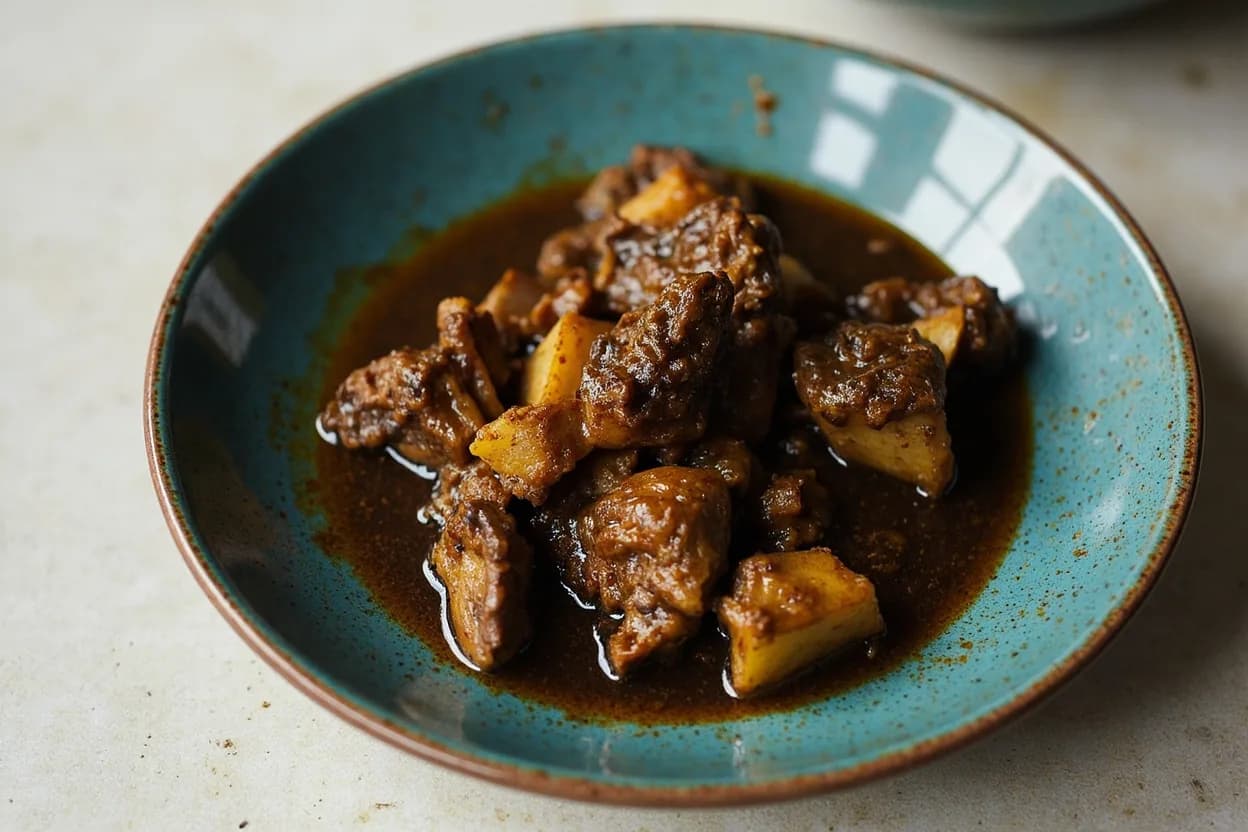
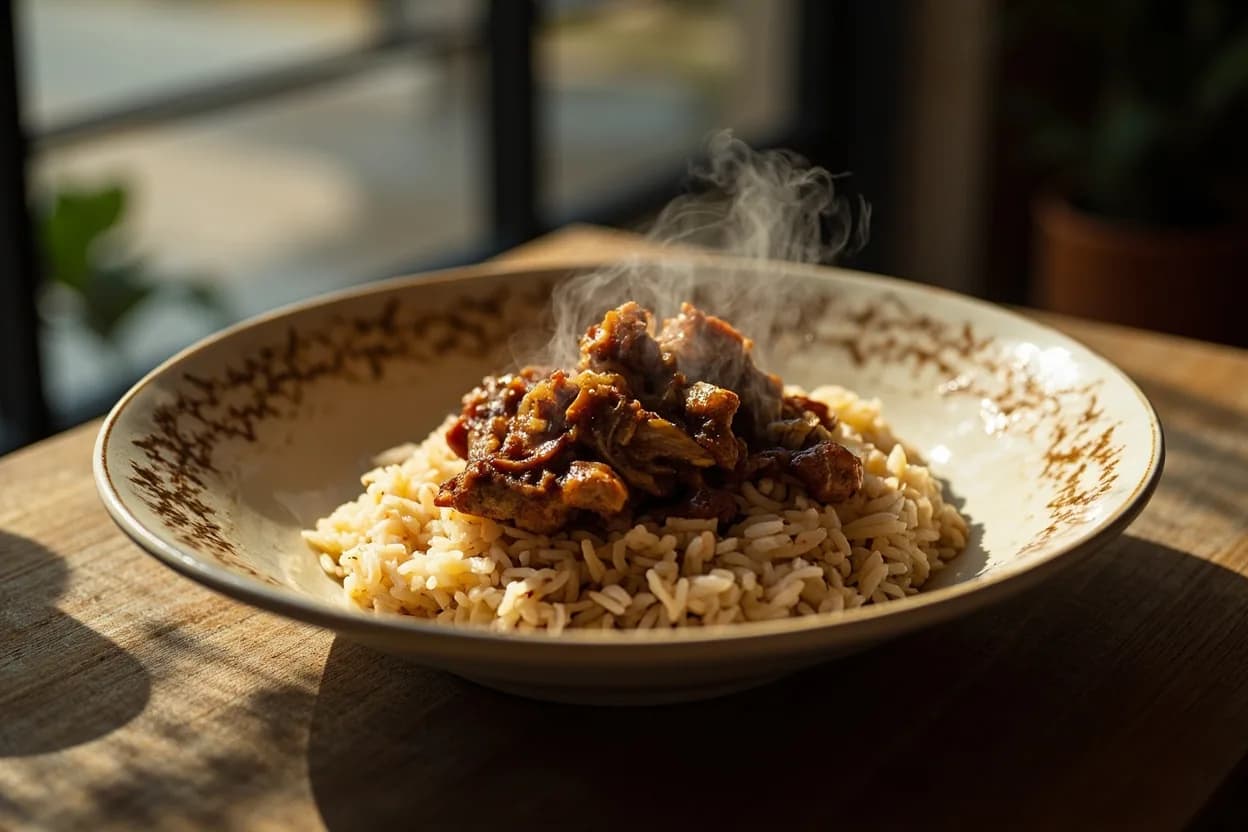
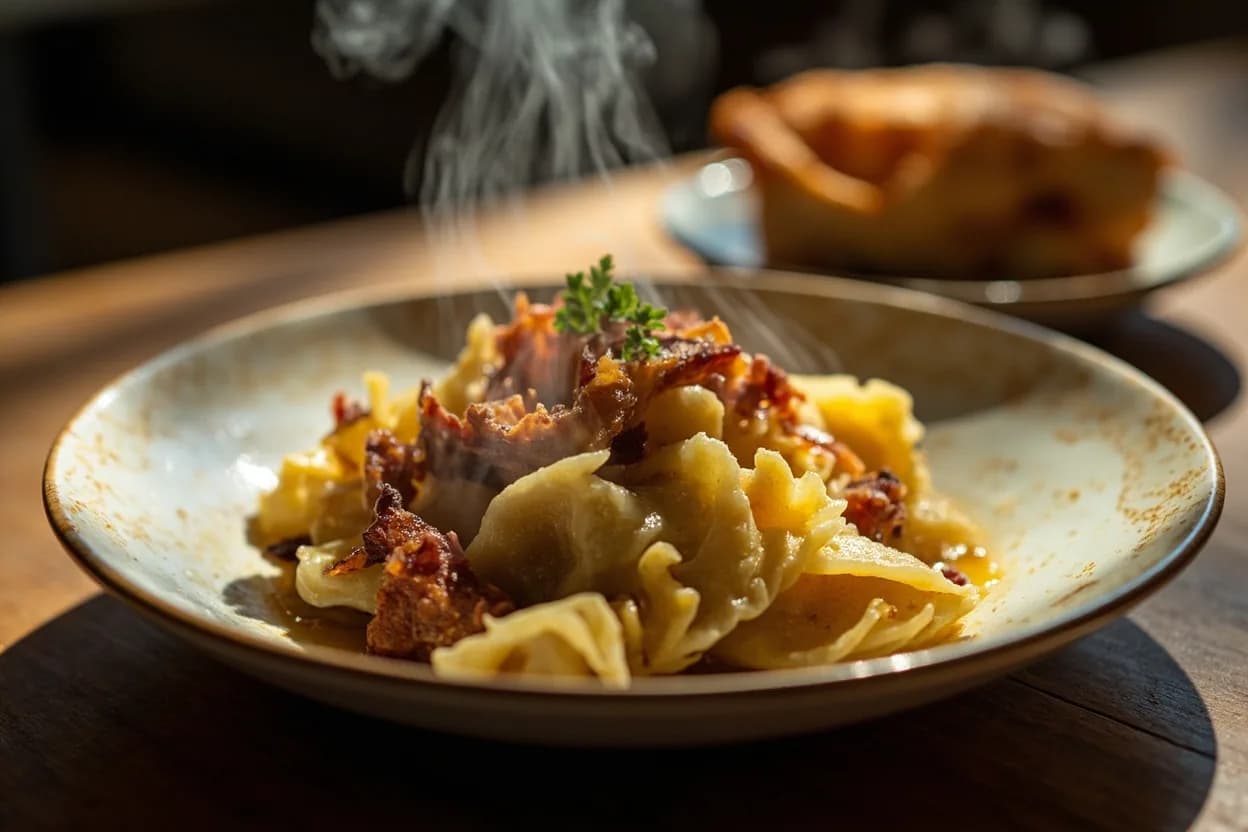
Appears in these dishes
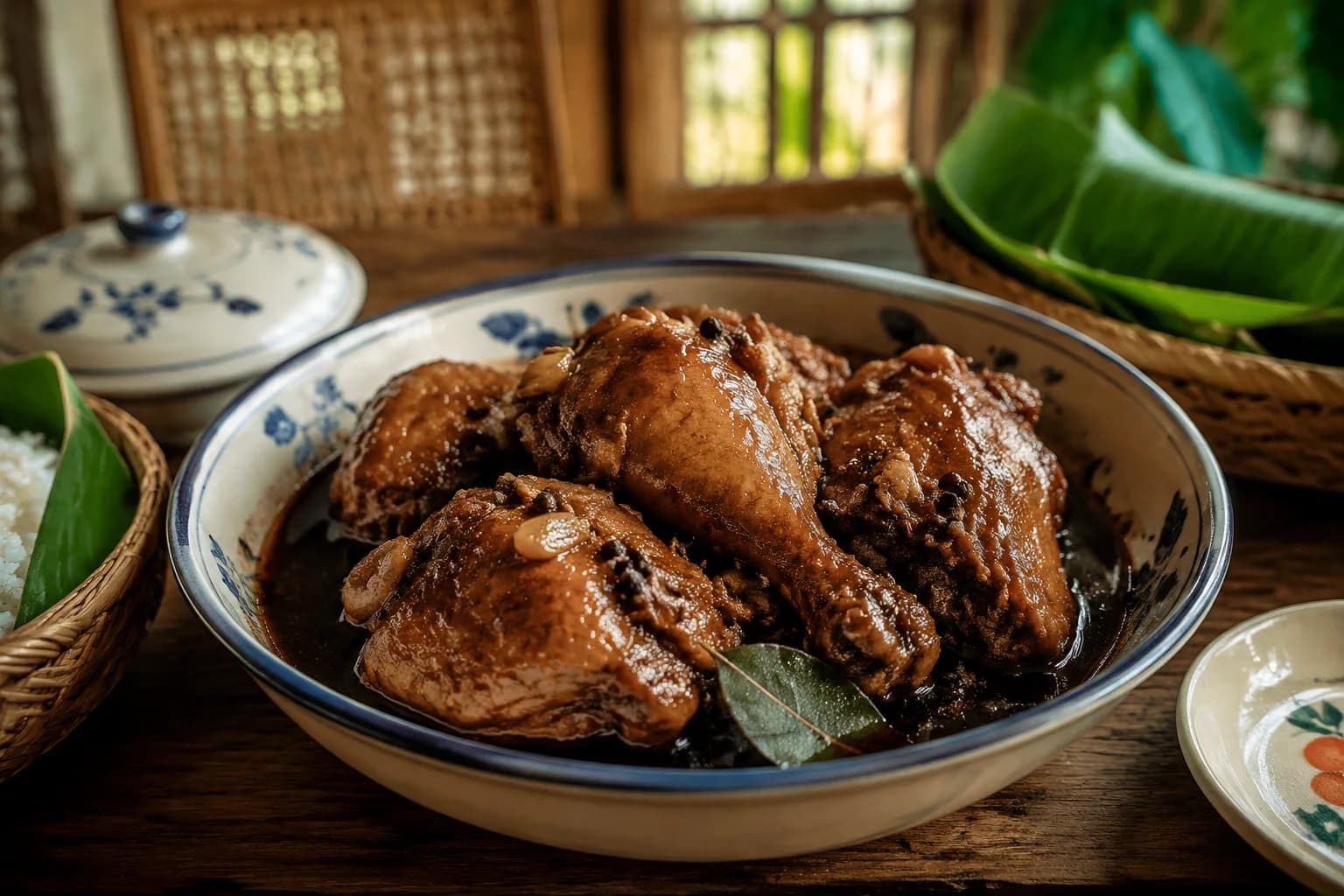
Related

Egg
The kitchen's everything ingredient — bind, leaven, enrich, or fry

Chicken Breast
Lean, quick-cooking white meat for everyday dinners

Ground Beef
Versatile minced beef for burgers, ragù, tacos, and meatballs

Pork Loin
Lean, tender roasting cut that stays juicy with care

Salmon
Rich, rosy fish that roasts, grills, or cures beautifully

Egg White
Pure protein that whips to airy peaks for meringue and more

Egg Yolk
Rich, golden yolk for custards, mayonnaise, and pasta

Quail Egg
Tiny, speckled eggs for garnishing and elegant bites