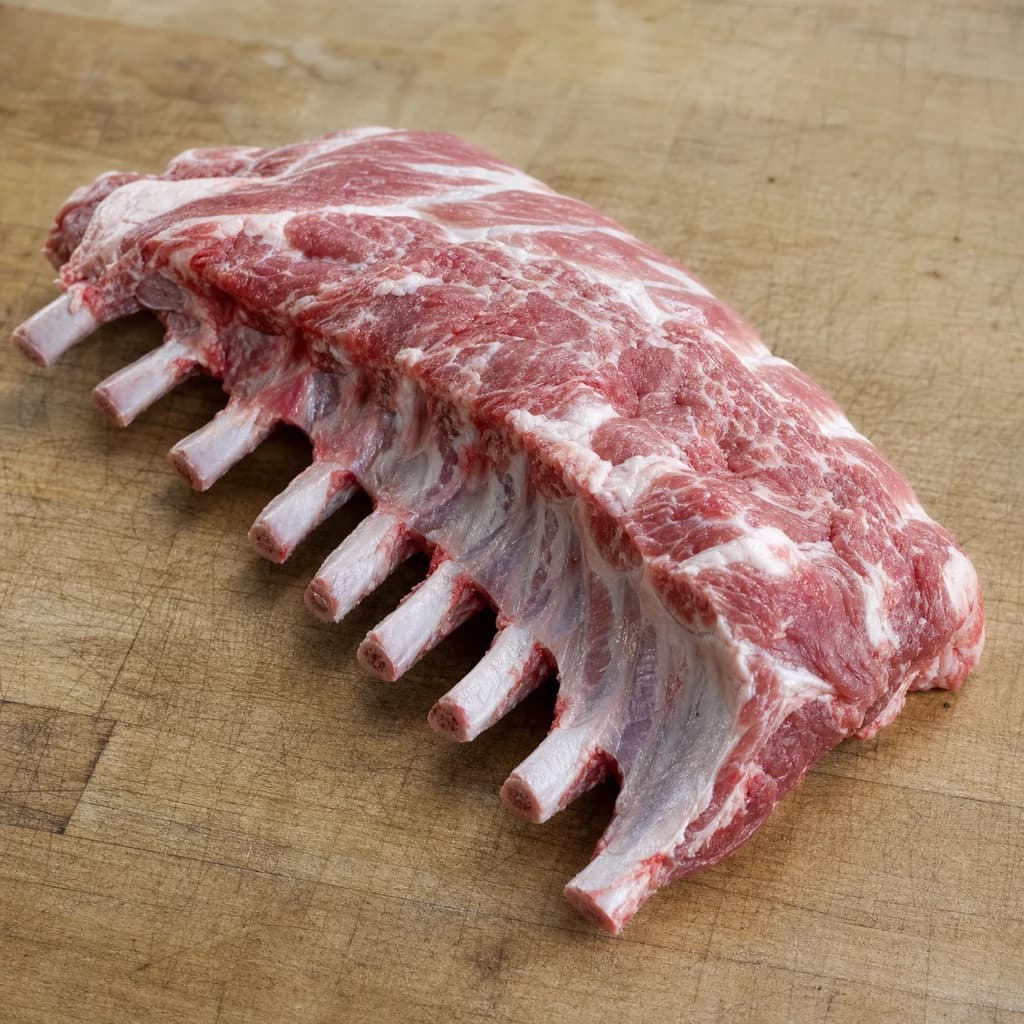
Natural form
A full rack of raw pork spare ribs showing marbling, connective tissue, and bone structure.
Shows the uncooked rack's distinctive shape, fat marbling, and bone arrangement so readers can identify spare ribs at the butcher.
Proteins
Pork Spare Ribs
Fatty, flavorful pork rib rack, slow-cooked, smoked, or braised until tender.
Pork spare ribs are cut from the lower belly side of the rib cage, meatier and fattier than baby back ribs. They are slow-smoked, roasted, braised, or steamed with black bean sauce across barbecue and Asian kitchens. The marbling and connective tissue break down with low, slow cooking into tender, juicy meat.
Pork spare ribs come from the lower rib cage section of the pork belly, below the loin and above the breastbone. Unlike the leaner baby back ribs cut from the loin, spare ribs are attached to the belly meat and carry a substantial layer of fat and connective tissue that runs between 30–40% fat by weight. This fat is not a flaw—it is what makes spare ribs forgiving to cook and what delivers their deep, rich pork flavor. The high collagen content transforms into gelatin during long, slow cooking, giving the finished ribs their silky, unctuous texture.
A full rack typically contains 11–13 bones and weighs 2–3 pounds raw, yielding about 50–60% that weight when properly cooked. The translucent silverskin (peritoneum) on the bone side must be removed before cooking; it stays rubbery when exposed to heat and prevents rubs, marinades, or sauces from penetrating the meat. When buying, select ribs with firm, pinkish-red meat and white fat, avoiding yellow fat, which signals an older or boar pig. Spare ribs are among the most versatile cuts in barbecue and braising, rewarding patience with results that loin cuts simply cannot match.
- Measured in
- g
- Storage
- Fridge
Types & varieties
Trimmed rectangular cut with sternum, skirt meat, and cartilage removed for uniform shape; most common in competitions and retail
Full, untrimmed rack including skirt flap and breast cartilage; fuller flavor from additional connective tissue and fat
Meaty portion cut from the breastbone end; often sold separately for high meat-to-bone ratio
Misleading name: actually cut from the blade end of the loin (shoulder), not the belly; meatier and leaner with larger bones
Fresh is raw and requires cooking; cured and smoked spans are pre-cooked and ready to heat
Spare ribs trimmed to a flat, even rack (sternum and skirt removed). Meatier than baby backs; ideal for low-and-slow smoking or braising until the meat pulls from the bone.
Common uses
Tips & pitfalls
- Remove the silverskin (membrane) on the bone side before cooking; it stays rubbery when cooked and prevents rub or sauce from penetrating
- Apply dry rub the night before and refrigerate uncovered; the surface dries out and the meat absorbs flavor better
- The 3-2-1 method (3 hours smoke, 2 hours wrapped in foil with liquid, 1 hour unwrapped with sauce) produces fall-off-the-bone ribs but can over-render the meat; check at 2–2.5 hours into the wrap phase
- Wrap ribs in butcher paper during the stall (around 160°F) to push through faster than foil, which steams and can make the meat mushy
- Rest ribs 10–15 minutes after cooking; cutting immediately causes significant juice loss
- For crisp bark, uncover ribs for the final 15–20 minutes of cooking
- Use a dedicated rib rack to fit multiple racks in a standard grill or oven
- Avoid opening the grill or oven door frequently during smoking; each opening drops temperature and extends cooking time
Nutrition
Energy
636 kJ · per 100 g
Where the calories come from
Protein
21.8g
44% DV
Carbs
0g
0% DV
Fat
6.5g
8% DV
Fiber
0g
0% DV
Sugars
0g
of which
Sodium
45mg
2% DV
Source · USDA FoodData Central · Pork, fresh, loin, center rib (chops or roasts), boneless, separable lean only, raw
View on FDC →In the shops
Matched grocery products
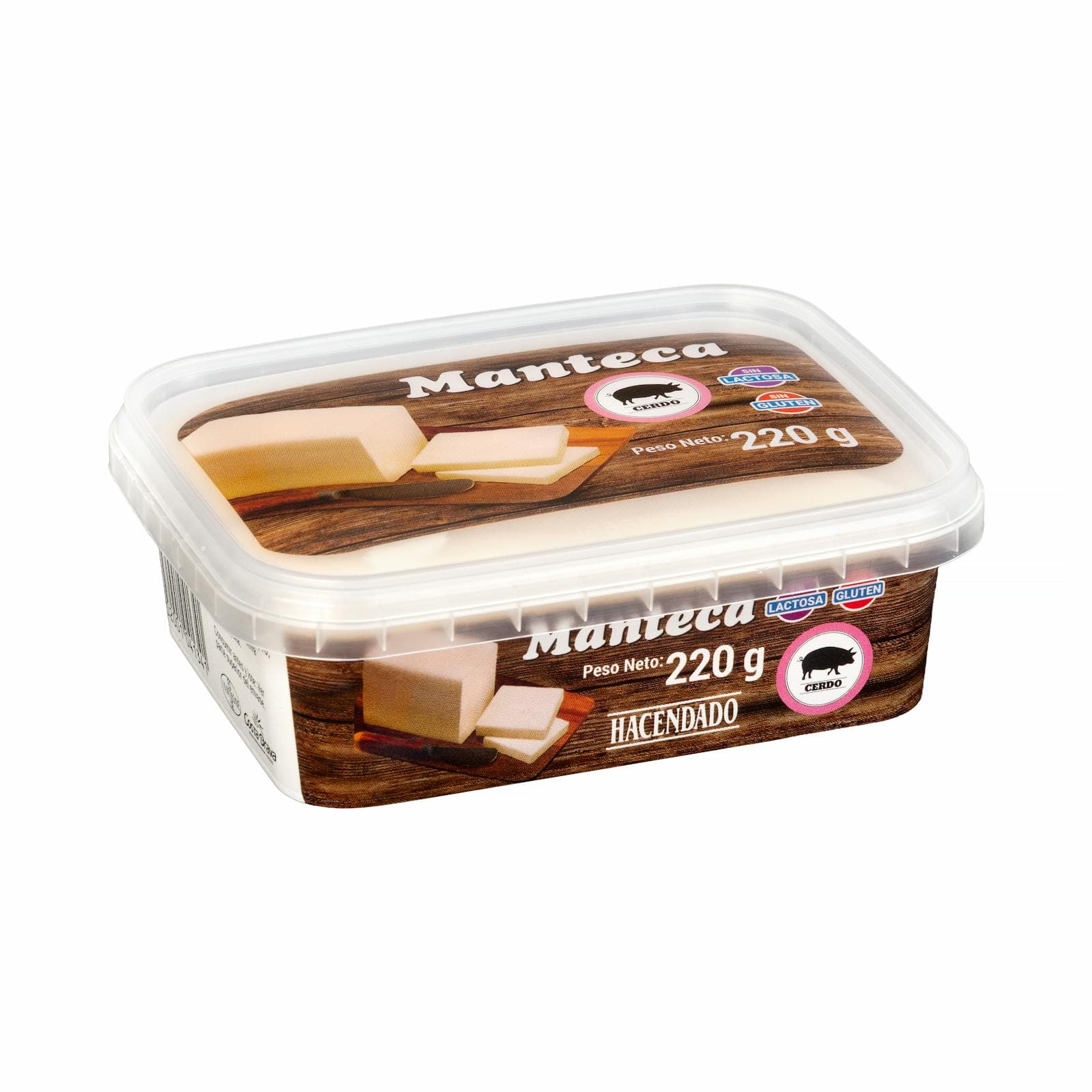 €2.20
€2.20Pork Lard
Hacendado · 220 g · Mercadona
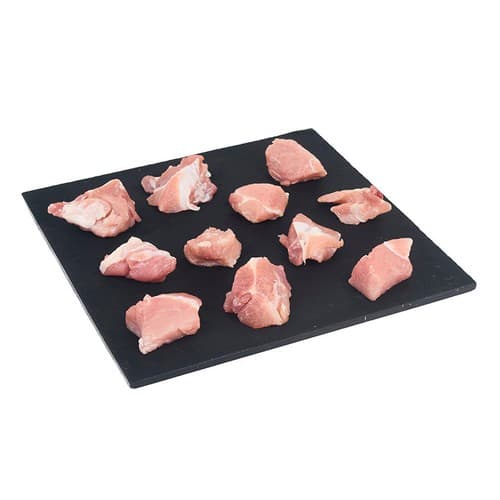 €3.40
€3.40Pork Stew
BONPREU · ud · Bonpreu
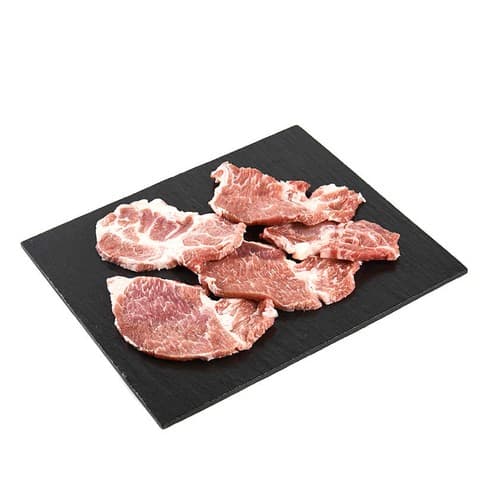 €3.45
€3.45Lean Pork
BONPREU DE L'ERA · ud · Bonpreu
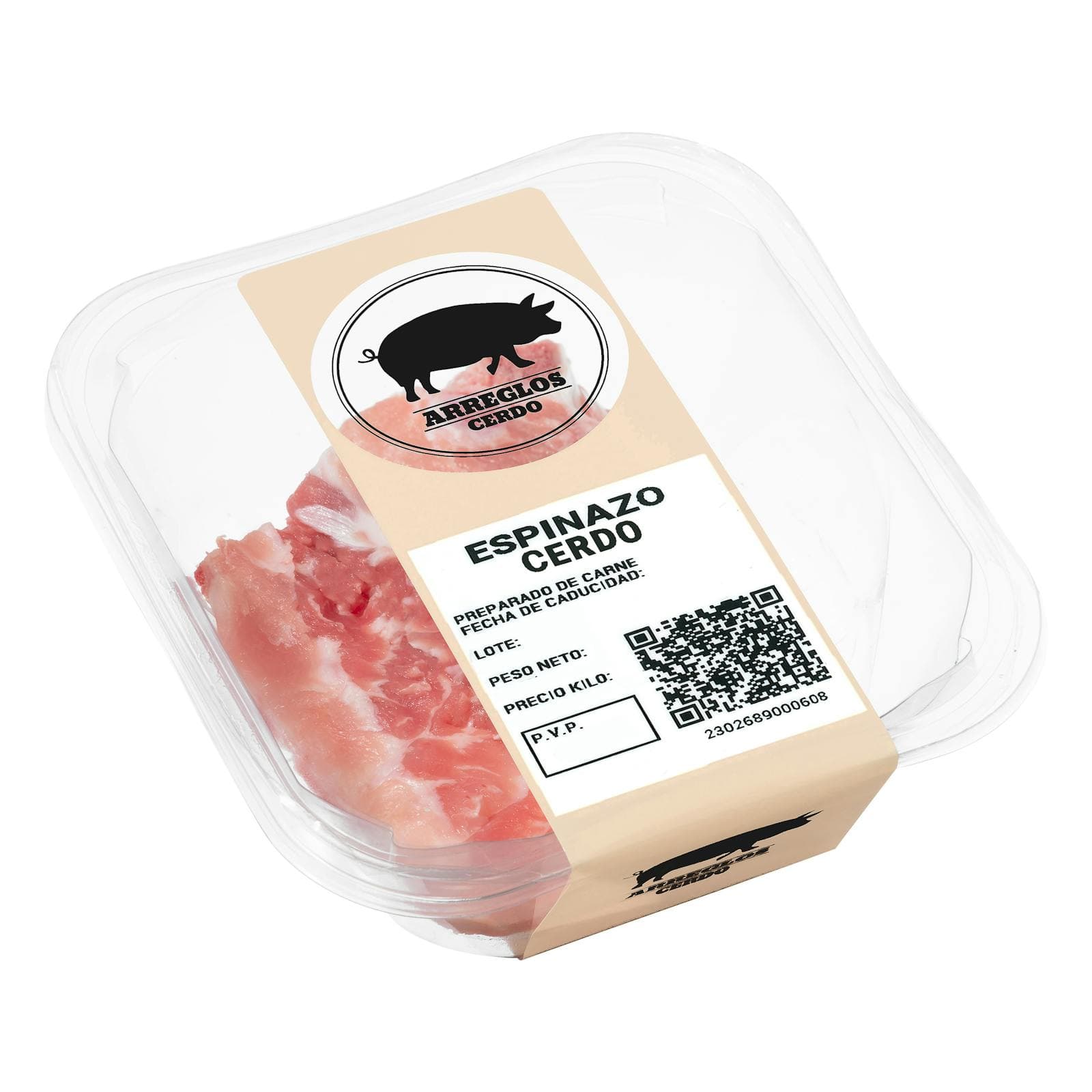 €2.10
€2.10Pork Spine
300 g · Mercadona
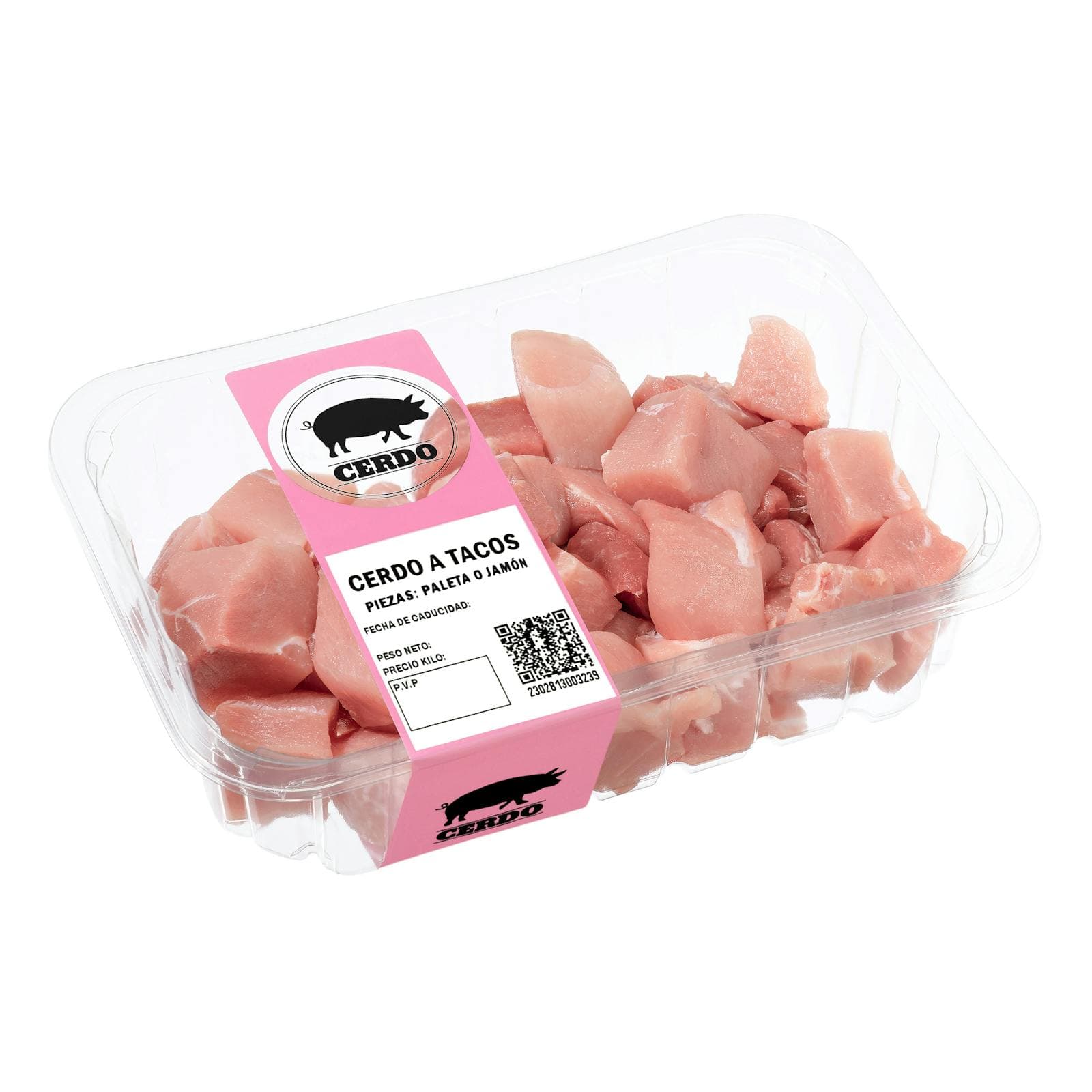 €3.22
€3.22Diced Pork
560 g · Mercadona
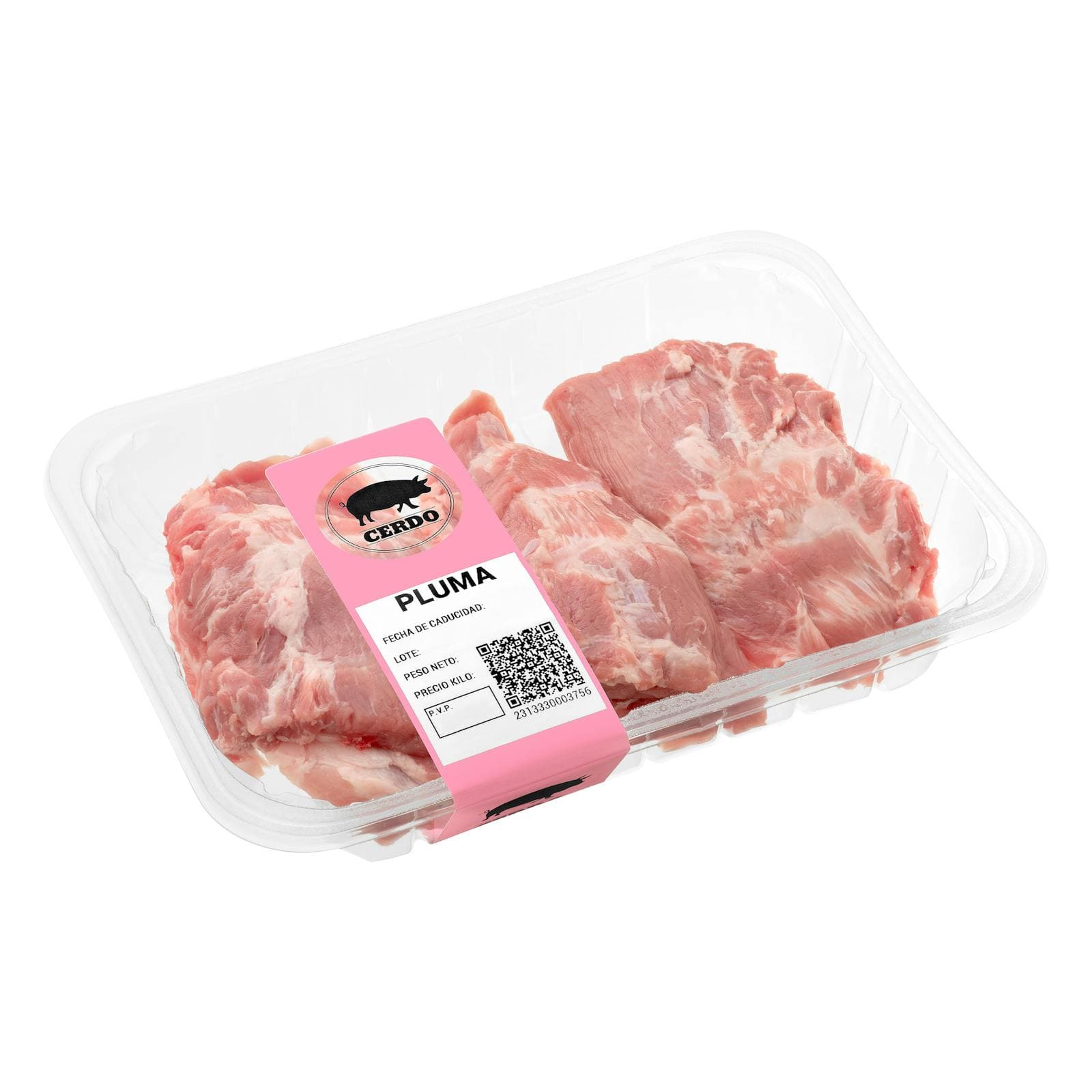 €3.75
€3.75Pork Pluma
300 g · Mercadona
Good to know
- Cut location
- Lower rib cage section of the pork belly, below the loin, above the breastbone
- Ribs per rack
- Typically 11–13 bones
- Fat content
- High; 30–40% fat by weight, higher than baby back ribs
- Collagen content
- High; converts to gelatin during long, low-temperature cooking
- Raw weight (full rack)
- 2–3 pounds (0.9–1.4 kg)
- Cooked yield
- Approximately 50–60% of raw weight after rendering and shrinkage
- Safe internal temp
- 145°F (63°C) minimum; ideal tenderness at 190–203°F (88–95°C)
- Refrigerator storage
- 32–40°F (0–4°C), 3–4 days
- Freezer storage
- 0°F (-18°C) or below, 4–6 months
- Best temperature (smoking/BBQ)
- 225–250°F (107–121°C)
- Typical cooking time
- 4–6 hours at 225°F for smoking; 2.5–3.5 hours at 300°F oven-braised
- Difficulty
- Beginner-friendly due to high fat content forgiving overcooking
Substitutes
- Baby back ribs — From the loin, higher on the pig; leaner with curved bones; cook 1–1.5 hours less; use 1.5 racks baby back per 1 rack spare ribs in recipes
- Pork belly — Same primal cut but boneless; excellent braised or roasted; lacks rib character but similar fat content and flavor
- Beef short ribs — From the brisket plate or chuck; much longer cook time required; different flavor profile but similar texture outcome
Pairs with
Also called
Pork Spareribs · Spare Ribs · Pork Rib
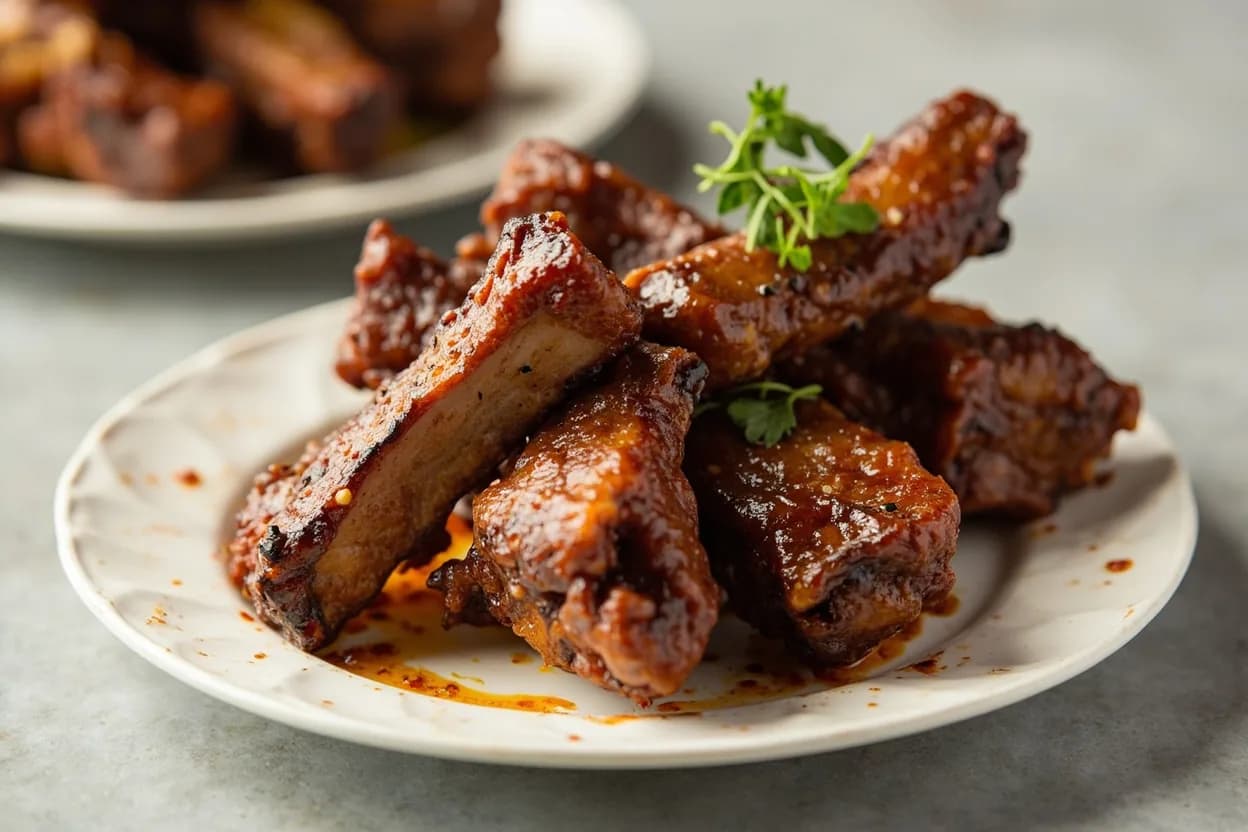
Appears in these dishes
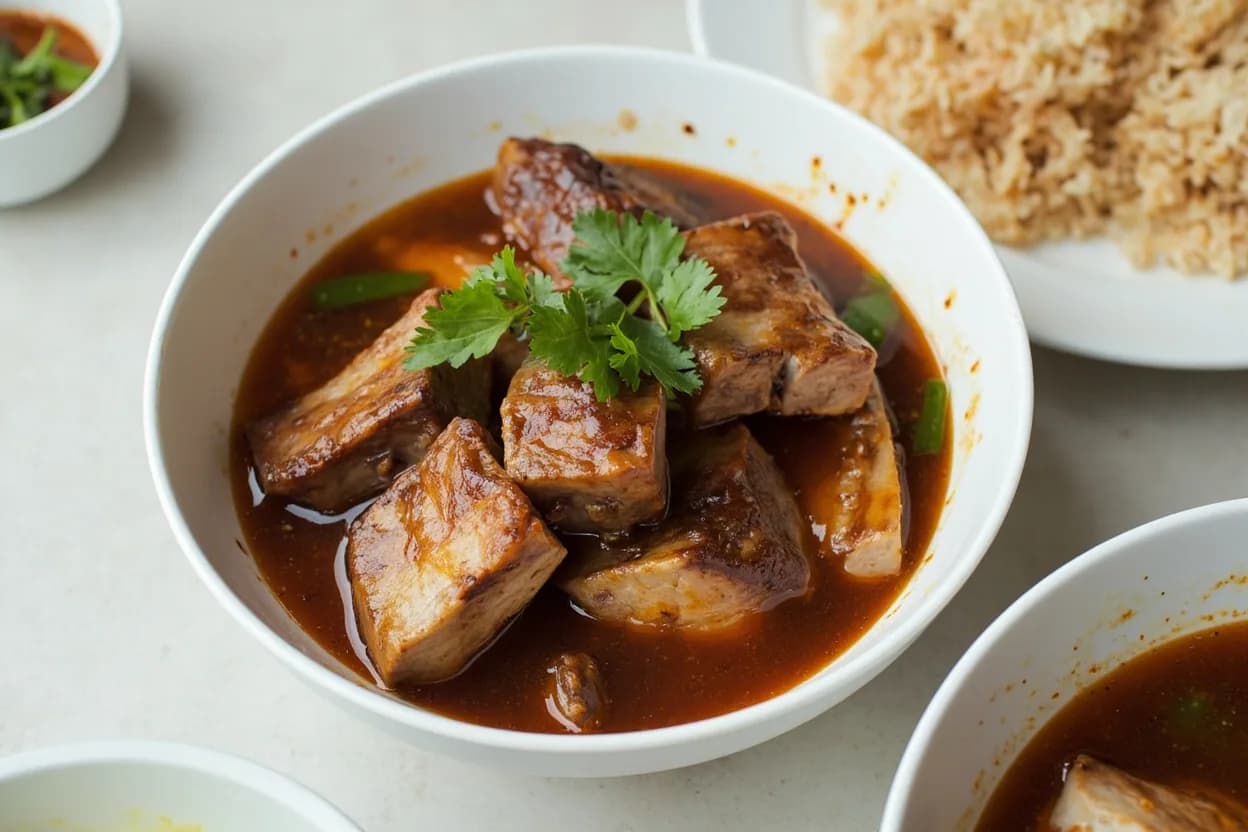
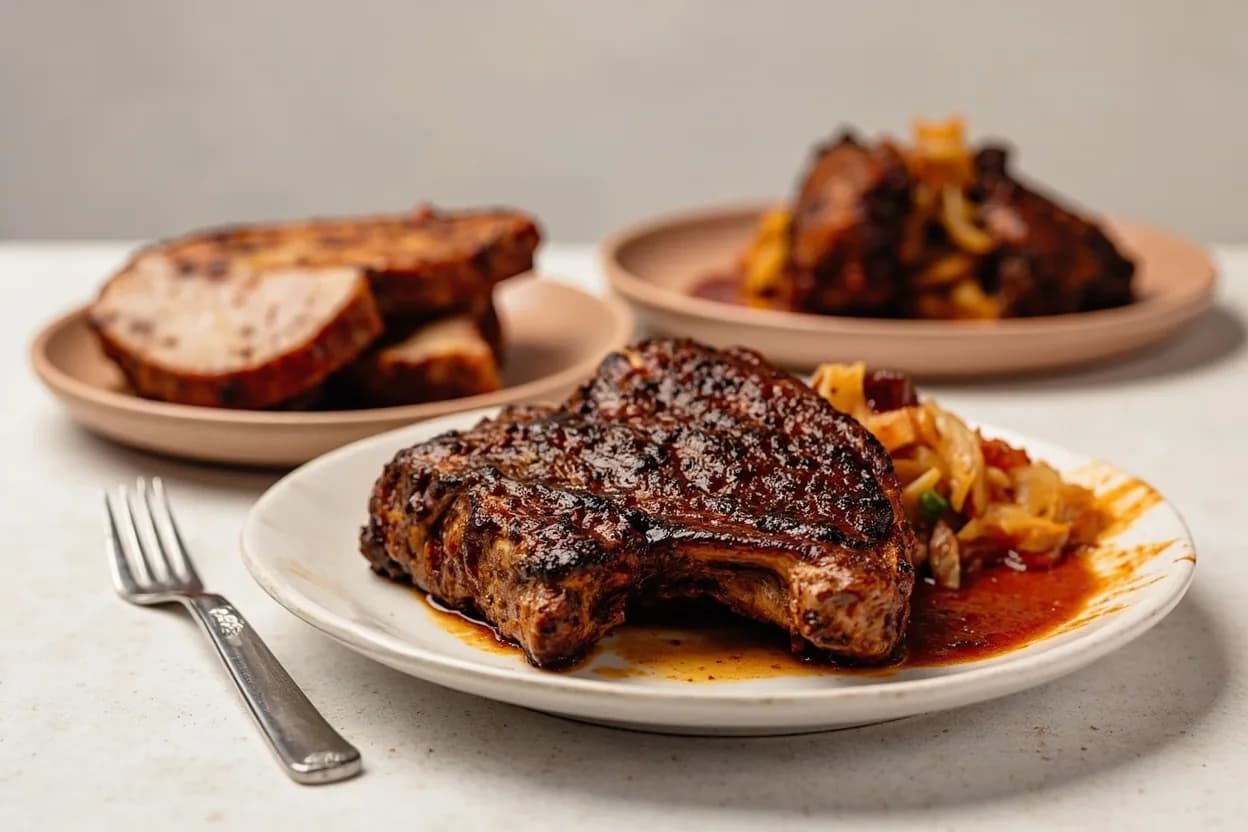
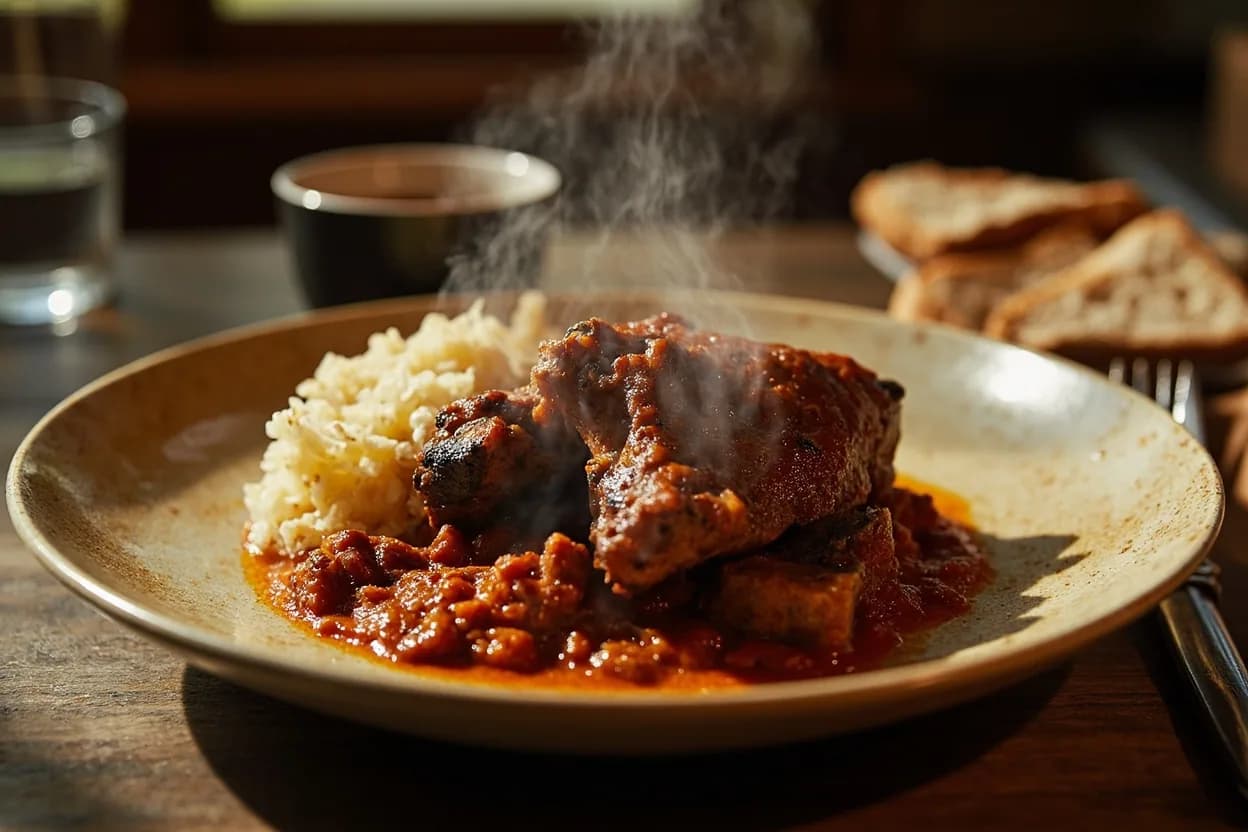
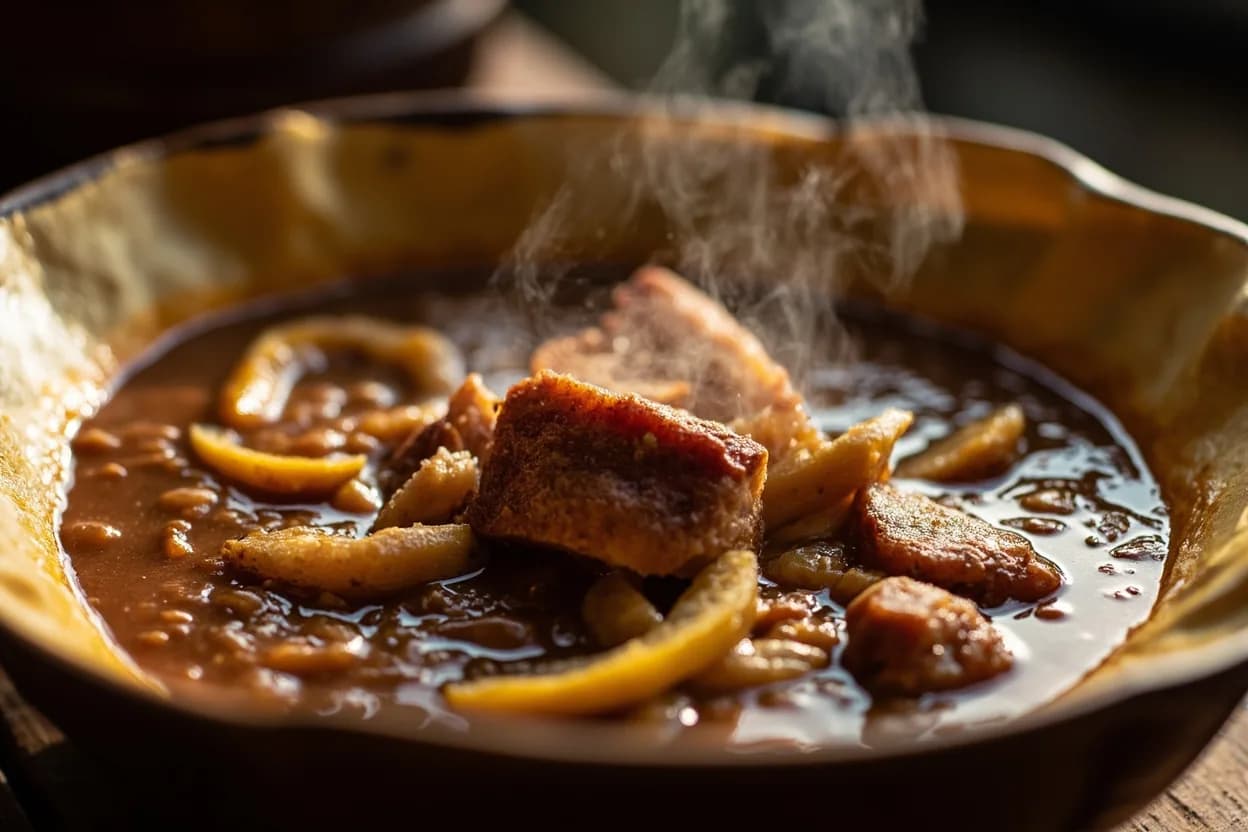
Related

Egg
The kitchen's everything ingredient — bind, leaven, enrich, or fry

Chicken Breast
Lean, quick-cooking white meat for everyday dinners

Ground Beef
Versatile minced beef for burgers, ragù, tacos, and meatballs

Pork Loin
Lean, tender roasting cut that stays juicy with care

Salmon
Rich, rosy fish that roasts, grills, or cures beautifully

Egg White
Pure protein that whips to airy peaks for meringue and more

Egg Yolk
Rich, golden yolk for custards, mayonnaise, and pasta

Quail Egg
Tiny, speckled eggs for garnishing and elegant bites