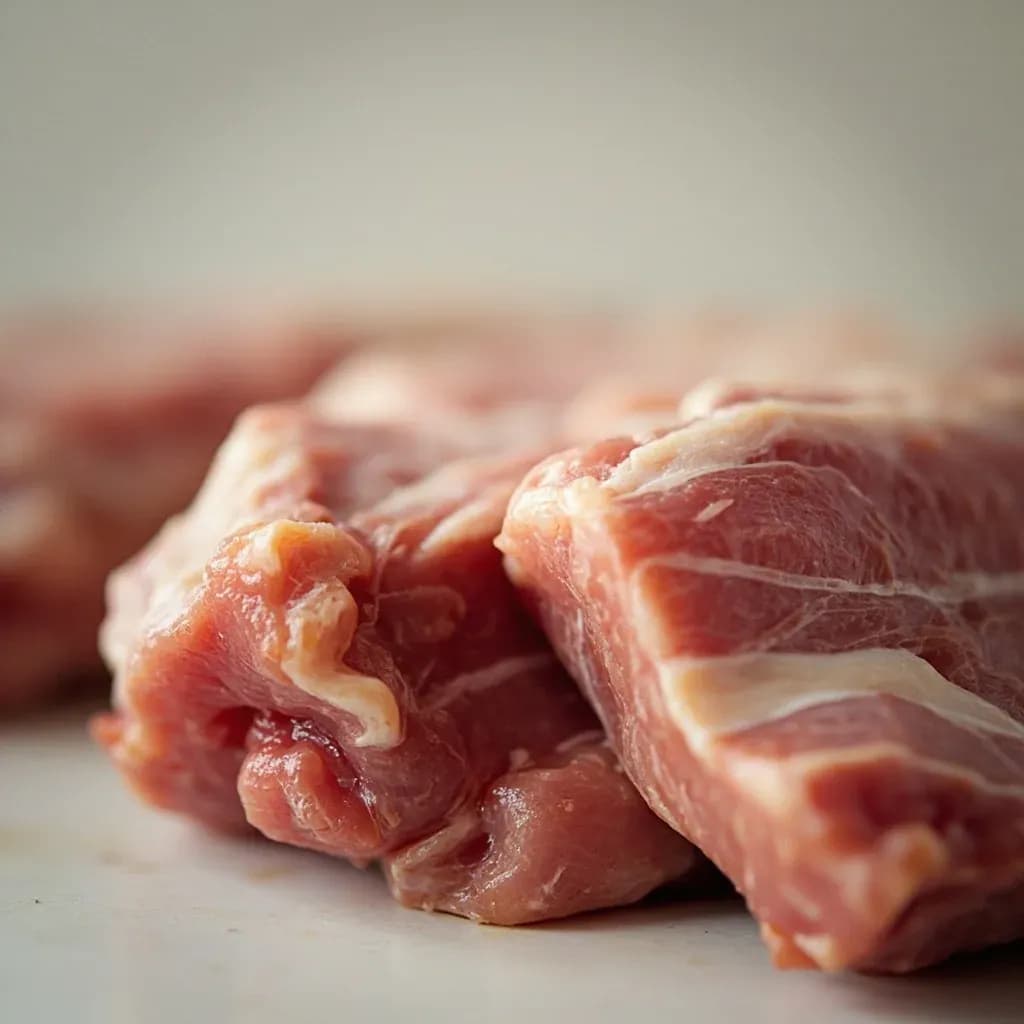
Proteins
Baby Back Ribs
Tender pork ribs from the top of the rib cage; slow-cooked and glazed with barbecue sauce.
Baby back ribs are short, curved pork ribs cut from where the ribs meet the spine, more tender and leaner than spare ribs. They are a barbecue favorite, slow-smoked, grilled, or oven-roasted until the meat pulls easily from the bone, then glazed with sticky barbecue sauce. Their smaller size and tender meat make them quicker to cook than other rib cuts.
Baby back ribs are the portion of pork ribs cut from the upper rib cage along the backbone, where the loin meets the spine. This location yields curved bones typically 3–6 inches long, with 11–13 ribs per rack, and a full rack weighs 1.5–2.5 pounds. The meat between the bones has a finer grain and more uniform thickness than spare ribs, with moderate intramuscular fat that makes these ribs more tender but still capable of holding up to long, slow cooking methods. The name "baby" refers to the shorter curved bones compared to the longer spare ribs—not the size of the animal—and these ribs should always show visible meat between each bone when properly butchered.
The critical factor with baby back ribs is the silver skin membrane on the bone-side: a thick, tough collagen sheet that must be removed before cooking. Left on, it becomes rubbery and prevents rubs, marinades, or sauces from penetrating the meat. The membrane also blocks render during cooking, leading to uneven texture. Most butcher shops and grocery stores sell ribs with this membrane intact, placing the prep work on the cook. This membrane removal is non-negotiable regardless of cooking method.
Achieving proper tenderness requires cooking to an internal temperature of 190–203°F—well above the USDA safe minimum of 145°F—because the collagen and connective tissue need this heat range to fully break down into gelatin. Cooking below this range, even if the pork reaches safe temperatures, produces chewy, resistant meat. This is why true barbecue and braised ribs require 3–6 hours of low, steady heat rather than quick cooking methods.
- Measured in
- g
- Storage
- Fridge
Types & varieties
Cut from the belly side (lower rib cage); broader, flatter rack with more fat and cartilage; require longer cooking (5–6 hours); not a true substitute in recipes expecting baby back tenderness
Trimmed spare ribs with sternum, cartilage, and flap removed; rectangular shape; still from lower rib cage, not interchangeable with baby back
Cut from the shoulder blade or loin end; actually not true ribs—contain shoulder blade meat or loin meat with rib section; can be boneless or have a single long bone; much larger portions, different fat-to-meat ratio
Selecting and Storing
When purchasing baby back ribs, examine the rack carefully. Look for uniform rib size with slightly raised meat between each bone—this indicates proper fat marbling that will keep the meat moist during long cooking. Avoid racks with exposed bone ends that are dried or discolored, as this signals age or improper storage. The meat should be pinkish-red, not gray or brown. Avoid excessive liquid in the package, which can indicate the ribs have been previously frozen and thawed. For best quality, use raw ribs within 1–2 days of purchase. If freezing, keep them in original packaging or double-wrap tightly in freezer paper and plastic wrap; frozen ribs maintain quality for 4–6 months.
- Look for raised meat between bones indicating proper marbling
- Avoid gray, brown, or dried-looking meat
- Check that bones are not exposed and dried at the ends
- Refrigerate and use within 1–2 days of purchase for best quality
- Freeze up to 4–6 months in original packaging
Removing the Silver Skin Membrane
The silver skin is a translucent, tough membrane on the bone-side of the rack that must come off before any cooking method. Slide a butter knife under the membrane near one of the bones to create a gap, then work your finger or a paper towel under the edge to get a firm grip. Pull slowly and steadily at an angle—pulling straight up often tears the membrane. If it tears, start again from the tear point. Once removed, pat the bone-side dry before applying rub or marinade.
- Use a butter knife to loosen membrane at bone edge
- Grip with paper towels for better traction
- Pull at an angle, not straight up
- If it tears, start fresh from the tear point
- Pat the rack dry after membrane removal
Common uses
Tips & pitfalls
- Remove the silver skin membrane from the bone-side before cooking—use a butter knife to loosen a corner, then grip with paper towels and pull off in one piece; this prevents chewy texture and allows rub or sauce to penetrate.
- Score the meaty side in a crosshatch pattern before applying rub to increase surface area for flavor penetration.
- Wrap ribs in butcher paper or double-wrapped foil during the stall (around 160°F) to push through the plateau phase faster; this technique (the Texas crutch) preserves bark better than foil alone.
- Bend the rack slightly with tongs at the thickest point near the center—if the meat cracks and pulls away from the bone, ribs are done; if it just flexes without any crack, cook longer.
- Rest finished ribs loosely tented with foil for 10–15 minutes—this allows juices to redistribute and prevents them from running out when cut.
- Avoid opening the grill or smoker lid frequently during cooking; each opening drops temperature 15–25°F and extends cooking time.
- For sauced ribs, apply sauce only in the final 10–15 minutes of cooking to prevent burning the sugars; sauce applied too early will scorch.
Nutrition
Energy
636 kJ · per 100 g
Where the calories come from
Protein
21.8g
44% DV
Carbs
0g
0% DV
Fat
6.5g
8% DV
Fiber
0g
0% DV
Sugars
0g
of which
Sodium
45mg
2% DV
Source · USDA FoodData Central · Pork, fresh, loin, center rib (chops or roasts), boneless, separable lean only, raw
View on FDC →In the shops
Matched grocery products
No matched grocery products for Baby Back Ribs yet.
Good to know
- Cut origin
- Upper rib cage, along the pork loin backbone; blade and center portions of the loin ribs
- Typical weight
- 1.5–2.5 lbs per full rack (market weight)
- Rack size
- 11–13 ribs per rack; bones are curved, 3–6 inches long
- Butcher names
- Pork loin back ribs; Canadian back ribs (in Canada)
- Fat content
- Moderate intramuscular fat; leaner than spare ribs but with more connective tissue than loin chops
- Yield
- Approximately 50% cooked weight loss from bone-in raw rack; plan 3/4–1 lb raw per person
- Shelf life
- Refrigerate raw 1–2 days; freeze up to 4–6 months in original packaging
- Doneness temp
- 190–203°F internal for proper collagen breakdown and tenderness; USDA safe minimum is 145°F but texture requires higher heat
- Typical cooking time
- 3–4 hours low-and-slow (225–250°F) or 5–6 hours at 200°F in oven; 2–3 hours braised
- Difficulty
- Moderate; main challenges are membrane removal and maintaining consistent low temperature
Substitutes
- Spare ribs — Require 1–2 hours longer cooking; more fat means they can handle higher heat without drying; adjust recipe accordingly; not ideal for recipes specifically calling for baby back tenderness
- St. Louis-style spare ribs — Same considerations as spare ribs; acceptable in slow-cook or braised preparations but texture will differ
- Pork tenderloin — Not a true rib substitute—different cut, no bone, cooks in 20–30 minutes; only use if adapting a recipe for boneless pork
Pairs with
Also called
Back Ribs · Pork Loin Ribs
Appears in these dishes
Related
Egg
The kitchen's everything ingredient — bind, leaven, enrich, or fry
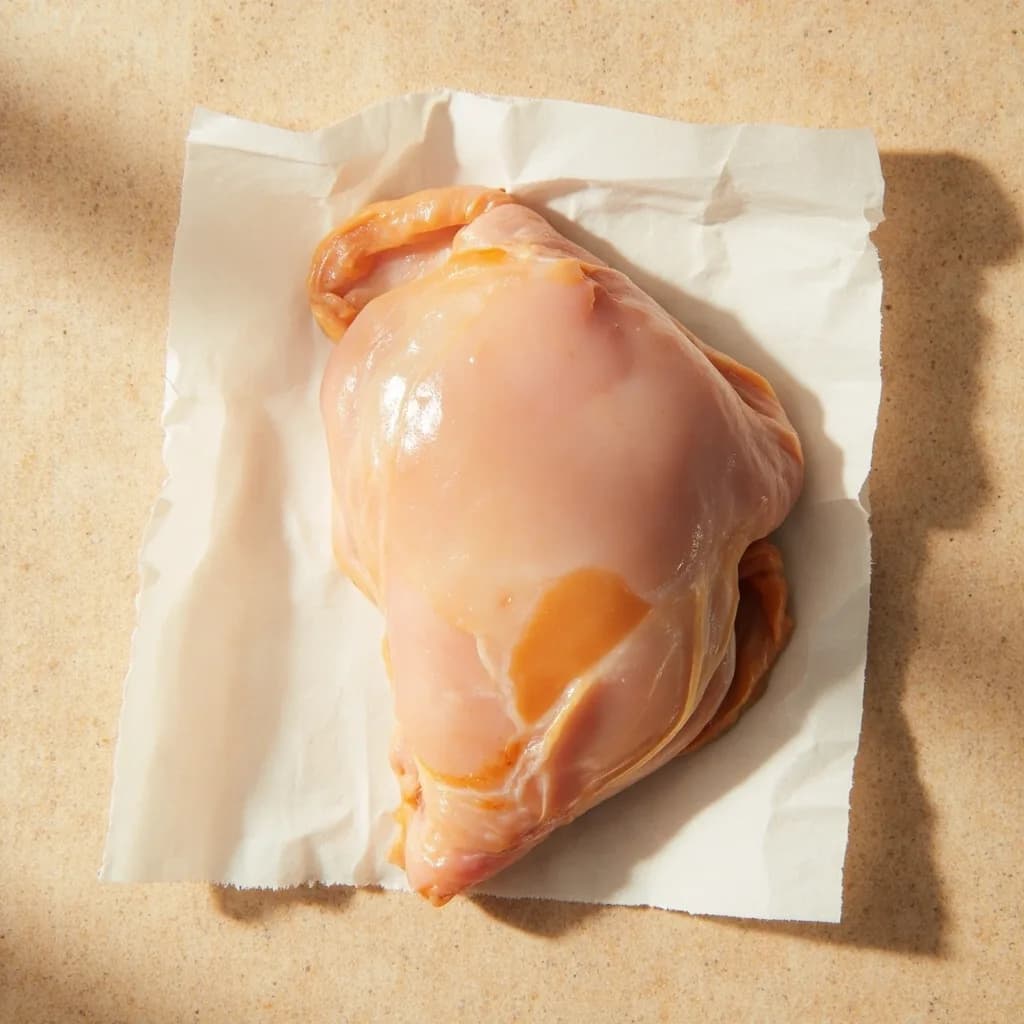
Chicken Breast
Lean, quick-cooking white meat for everyday dinners

Ground Beef
Versatile minced beef for burgers, ragù, tacos, and meatballs
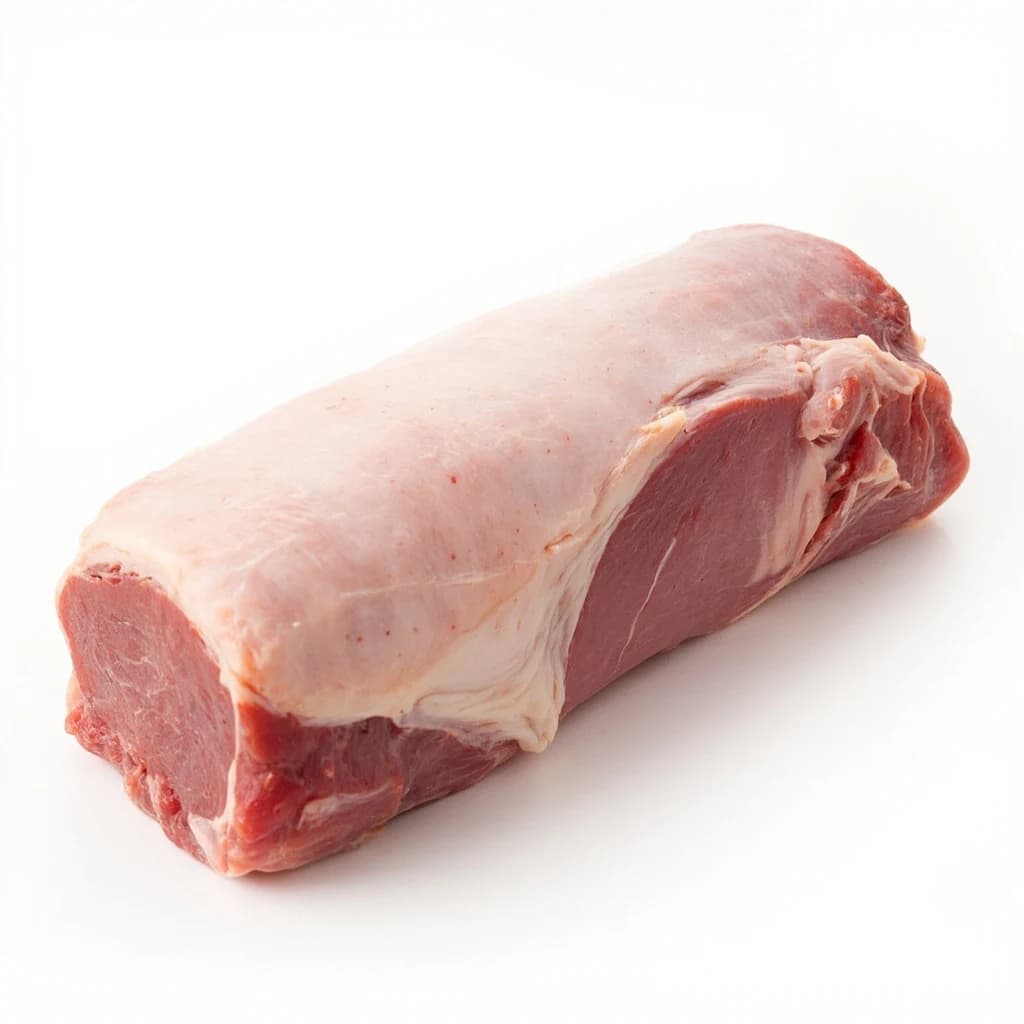
Pork Loin
Lean, tender roasting cut that stays juicy with care
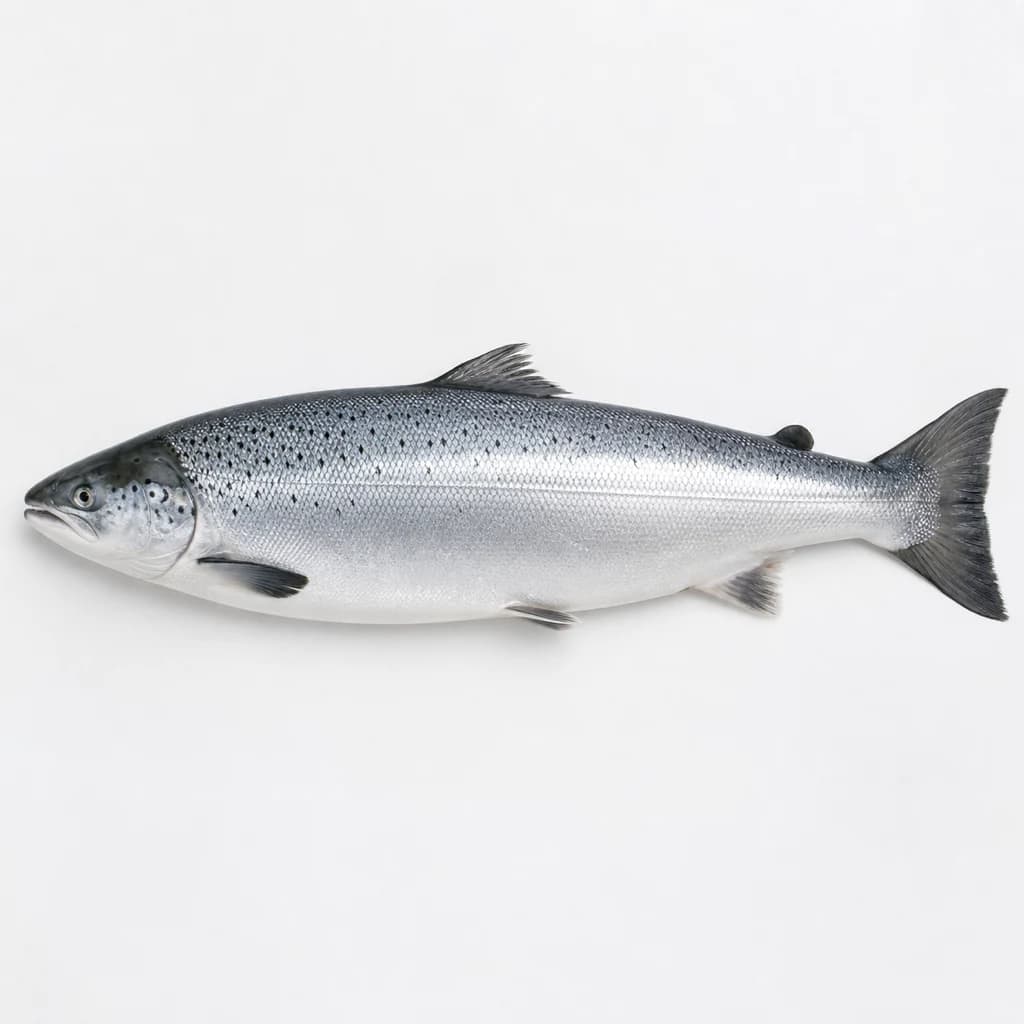
Salmon
Rich, rosy fish that roasts, grills, or cures beautifully

Egg White
Pure protein that whips to airy peaks for meringue and more
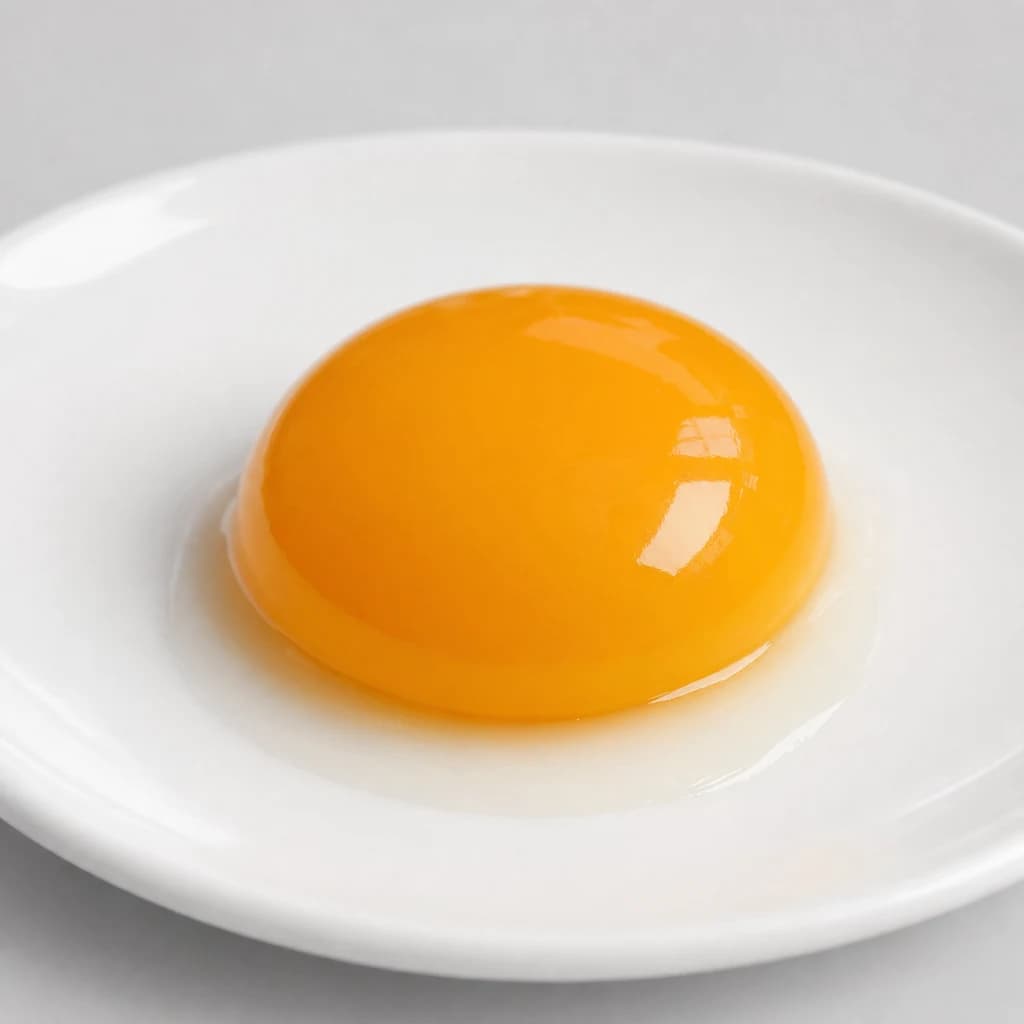
Egg Yolk
Rich, golden yolk for custards, mayonnaise, and pasta

Quail Egg
Tiny, speckled eggs for garnishing and elegant bites