Legumes & Beans
Baked Beans (Canned)
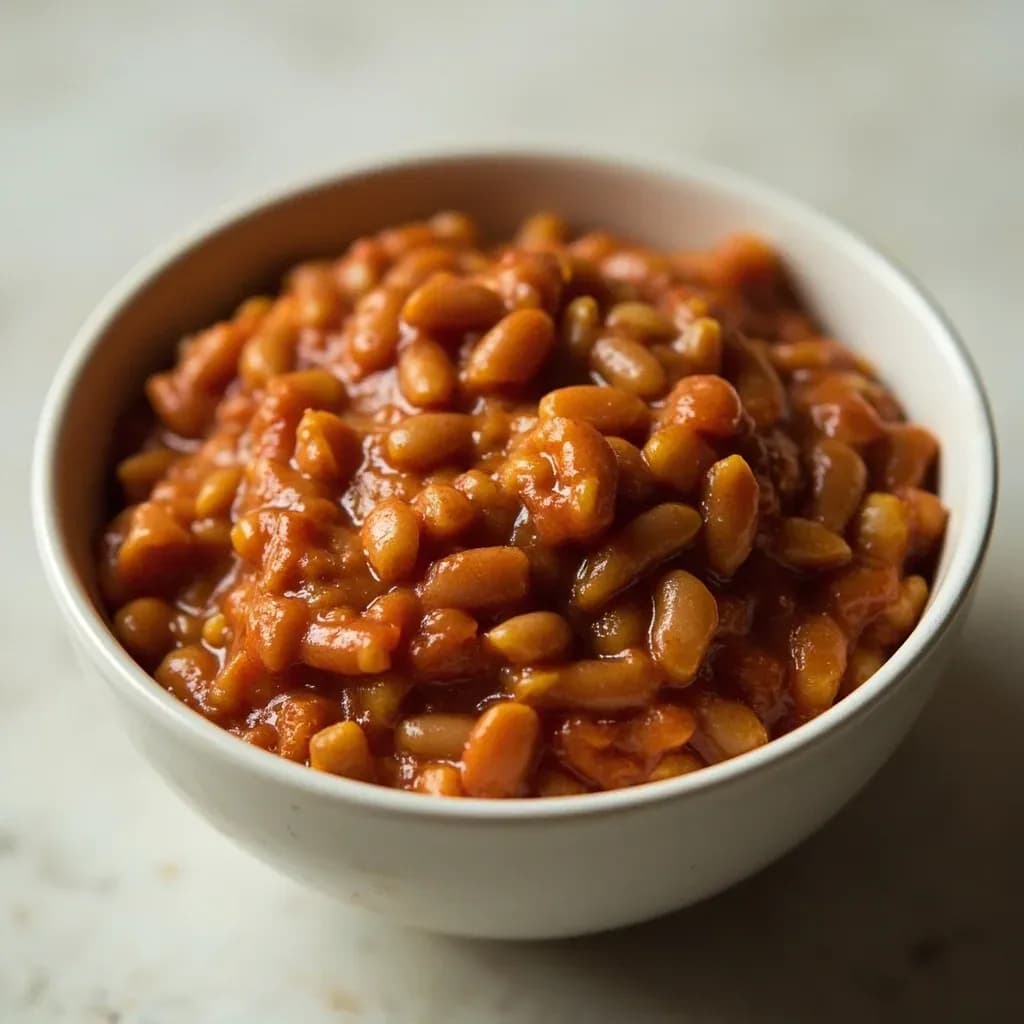
Canned navy beans in a sweet tomato sauce, a staple of breakfasts and quick meals.
Baked beans are haricot or navy beans cooked in a sweet, tangy tomato-based sauce and sold canned ready to heat. They are a fixture of the British full breakfast and American barbecue tables, eaten on toast, with sausages, or as a side. The sauce typically blends tomato, sugar, and spices for a savory-sweet finish.
Baked beans are canned navy beans (also called haricot beans) in a sweet-savory tomato-based sauce with molasses or brown sugar, often fortified with bacon or salt pork. The term "baked" is somewhat historical—modern canned versions are pressure-cooked rather than truly baked, though the slow-cooking method replicates the traditional long-simmering technique. This combination of pre-cooked beans sealed in sauce creates a product that is shelf-stable, quick to prepare, and uniquely balanced in flavor: tomato provides acidity, sweeteners provide depth and caramel notes, and pork fat provides richness and smoke.
- Measured in
- g
- Storage
- Pantry
Types & varieties
Classic tomato and molasses sauce; most widely available (Heinz, Bush's Original)
Same sweet tomato sauce without bacon or salt pork; popular for cookouts and plant-based diets
Molasses sauce with maple syrup; notably associated with Canadian production (Heinz Maple)
Original sauce with visible bacon pieces added; Bush's Best Bacon flavor
Sweet tomato sauce with honey replacing some molasses; milder sweetness
Sauce with dehydrated or grilled onion pieces mixed in
Tomato sauce with chilies or hot sauce added; Bush's Southern Pit style
Reduced sodium formulations, often with additional sugar to compensate
A Brief History
Baked beans trace their lineage to Indigenous bean preparation methods in the Americas, where beans were slow-cooked with fats and sweeteners. The dish became distinctively British by the 18th century, where long-simmering bean stews were a Saturday night tradition in working-class households. American colonists adopted and commercialized the product, with Boston emerging as a major production center—hence the nickname "Boston baked beans." The commercial canning process, developed in the late 19th and early 20th centuries, made the dish a pantry staple nationwide. Regional American preferences vary significantly: New England leans sweeter, the South often prefers savory or hot varieties.
Sauce Profile and Flavor Balance
The hallmark of baked beans is their sweet-savory duality. Tomato provides a subtle acidity that cuts through richness; molasses delivers not just sweetness but complex caramel and bitter notes; pork fat contributes smoke and unctuous mouthfeel. This trifecta of flavors means baked beans can anchor a meal or play a supporting role without dominating the plate. Understanding this balance helps when adjusting seasonings—adding acid brightens; adding sweetener deepens; adding fat enriches.
- Sweetness level varies by brand and variety—taste and adjust before serving
- The sauce thickens and concentrates as beans heat, so a splash of water or broth prevents drying
- Aging opened canned beans in the refrigerator overnight allows flavors to meld
Common uses
Tips & pitfalls
- Drain and rinse under cold water to reduce sodium by 25–40 percent before serving
- Heat in a stainless steel or cast-iron saucepan with a small knob of butter; this improves texture and prevents scorching
- Add a teaspoon of Dijon or whole-grain mustard to brighten the sauce flavor
- A splash of Worcestershire sauce deepens the savory quality of the sauce
- Stir in a tablespoon of molasses or dark brown sugar if you want a richer, more traditional flavor
- Do not boil vigorously after adding pork products, as this can make the sauce greasy
- For a fresher taste, empty canned beans into an oven-safe dish, top with bread crumbs and butter, and bake at 350°F for 20–25 minutes until bubbly
- A small amount of apple cider vinegar added off heat balances the sweetness and adds brightness
Nutrition
Energy
506 kJ · per 100 g
Where the calories come from
Protein
6.4g
13% DV
Carbs
16.9g
6% DV
Fat
3.5g
4% DV
Sodium
475mg
21% DV
Source · USDA FoodData Central · Beans, baked, canned, with beef
View on FDC →In the shops
Matched grocery products
No matched grocery products for Baked Beans (Canned) yet.
Good to know
- Primary Bean
- Navy bean (Phaseolus vulgaris, aka haricot bean)
- Typical Sauce
- Sweet tomato-based with molasses or brown sugar, often with salt pork or bacon
- Canning Method
- Pre-cooked beans sealed in sauce, pressure canned
- Typical Sodium
- 400–600 mg per half-cup serving; low-sodium versions available
- Protein
- Approximately 6–7 g per half-cup serving
- Fiber
- About 5 g per half-cup serving
- Shelf Life
- 2–5 years unopened; refrigerate used portion 3–4 days
Substitutes
- Pinto beans — Similar texture and mild flavor; cook with tomato sauce and molasses to approximate
- Cannellini beans — Slightly larger white bean; good substitute in savory dishes and chili
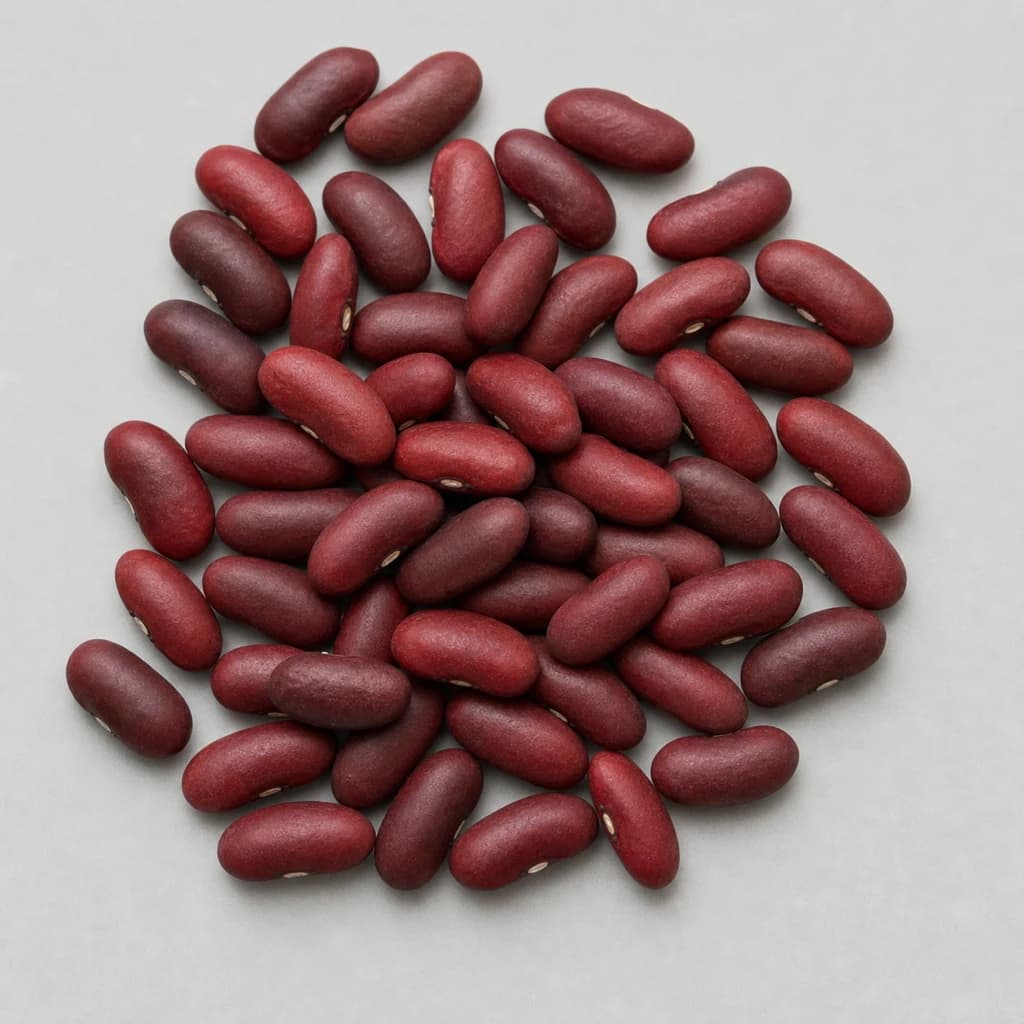
- Kidney beans — Acceptable in cassoulet-style dishes but noticeably different in sweetness and texture
- Homemade navy beans — Simmer dried navy beans 1–2 hours with tomato sauce, molasses, and salt pork; requires planning ahead
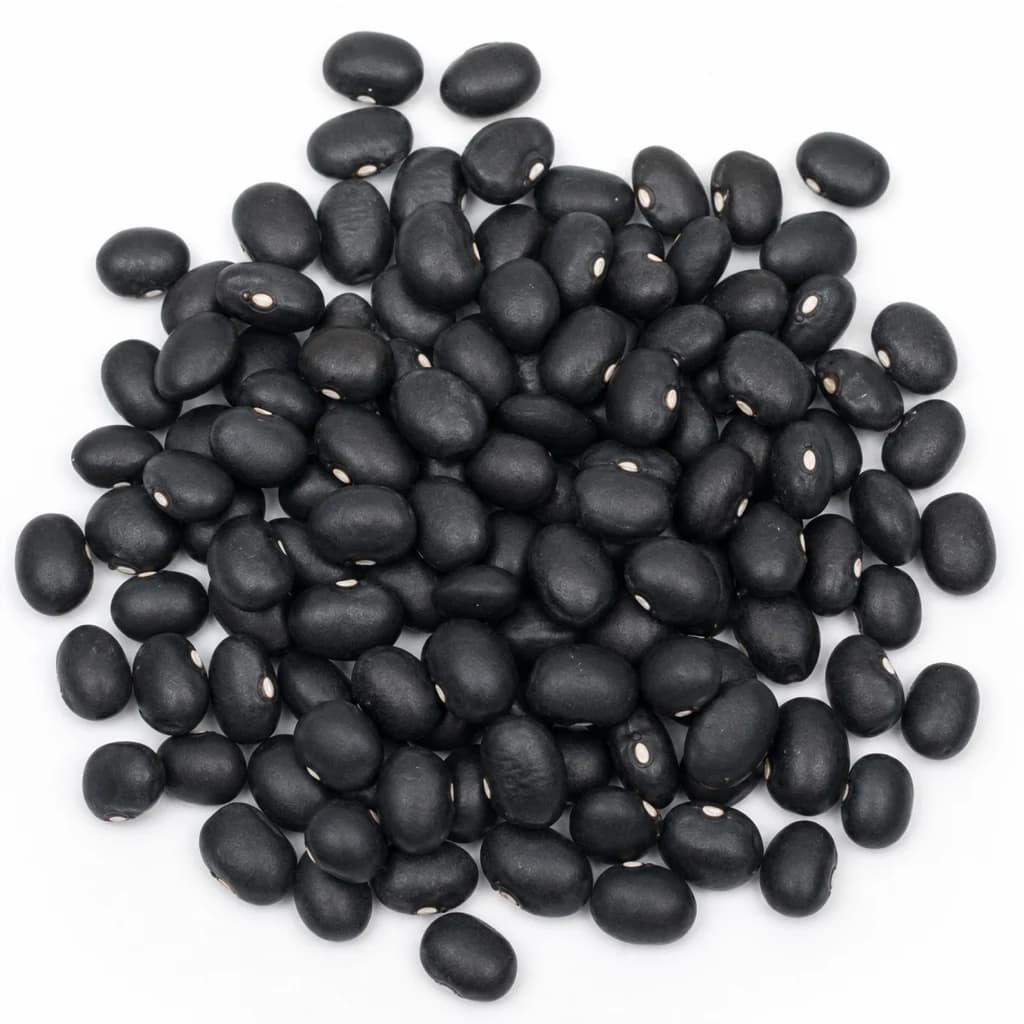
- Black beans — Not traditional but workable in Southwestern-style preparations
Pairs with
Also called
Tinned Baked Beans · Canned Baked Beans
Appears in these dishes
Related
Black Beans
Earthy, creamy beans for bowls, soups, and tacos
Kidney Beans
Hearty red beans that hold their shape in chili and stews
Chickpeas
Nutty, versatile beans for hummus, curries, and roasting
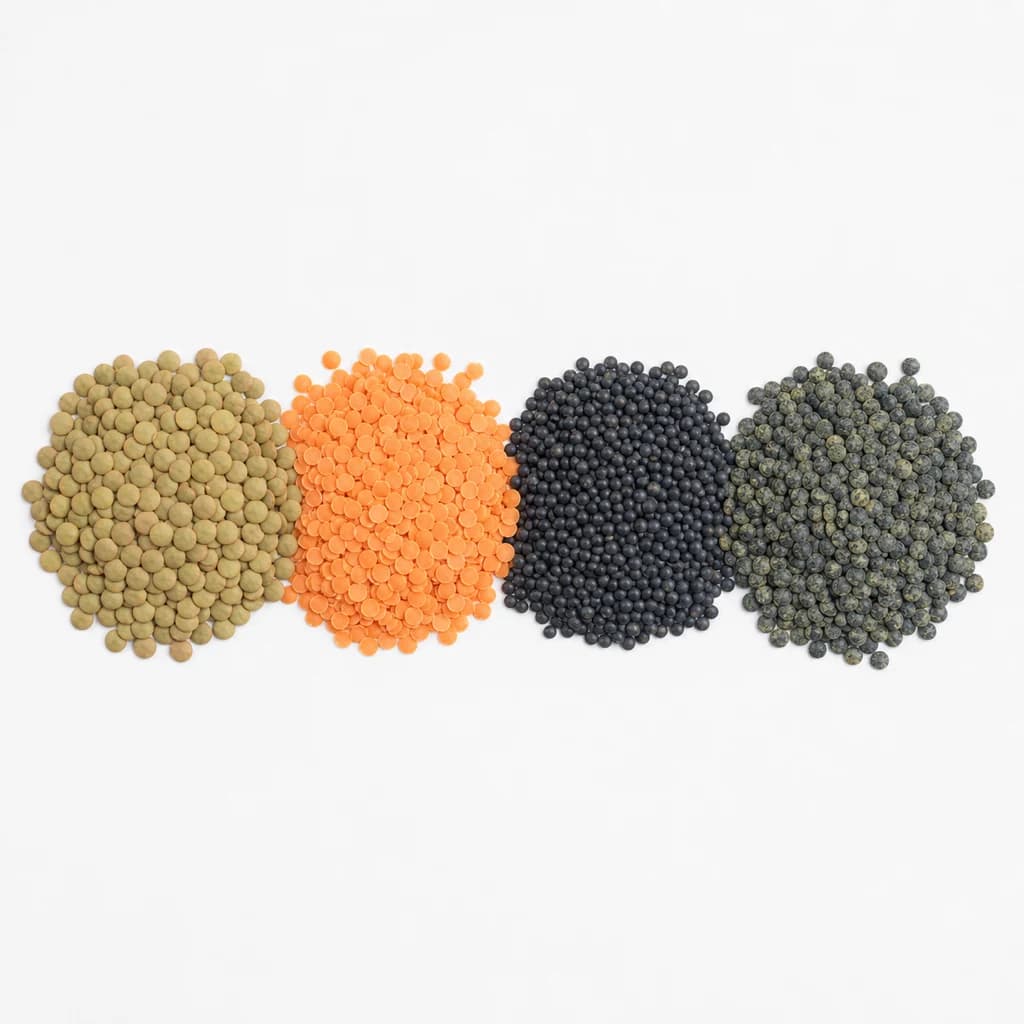
Lentils
Quick-cooking pulses for soups, dals, and hearty salads

White Beans
Creamy, mild beans for soups, stews, and silky purées
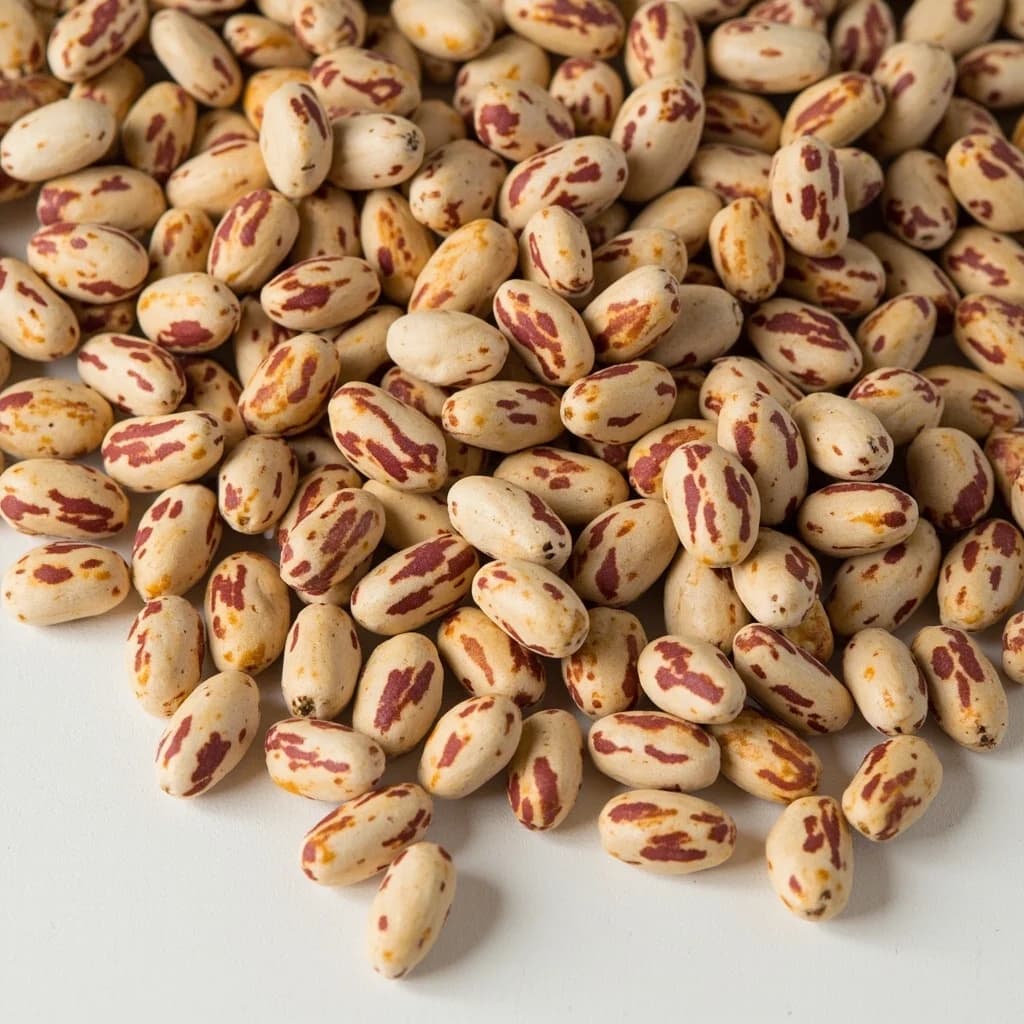
Pinto Beans
Creamy, speckled beans for refried beans and stews

Split Peas
Quick-cooking peas that melt into thick, comforting soups
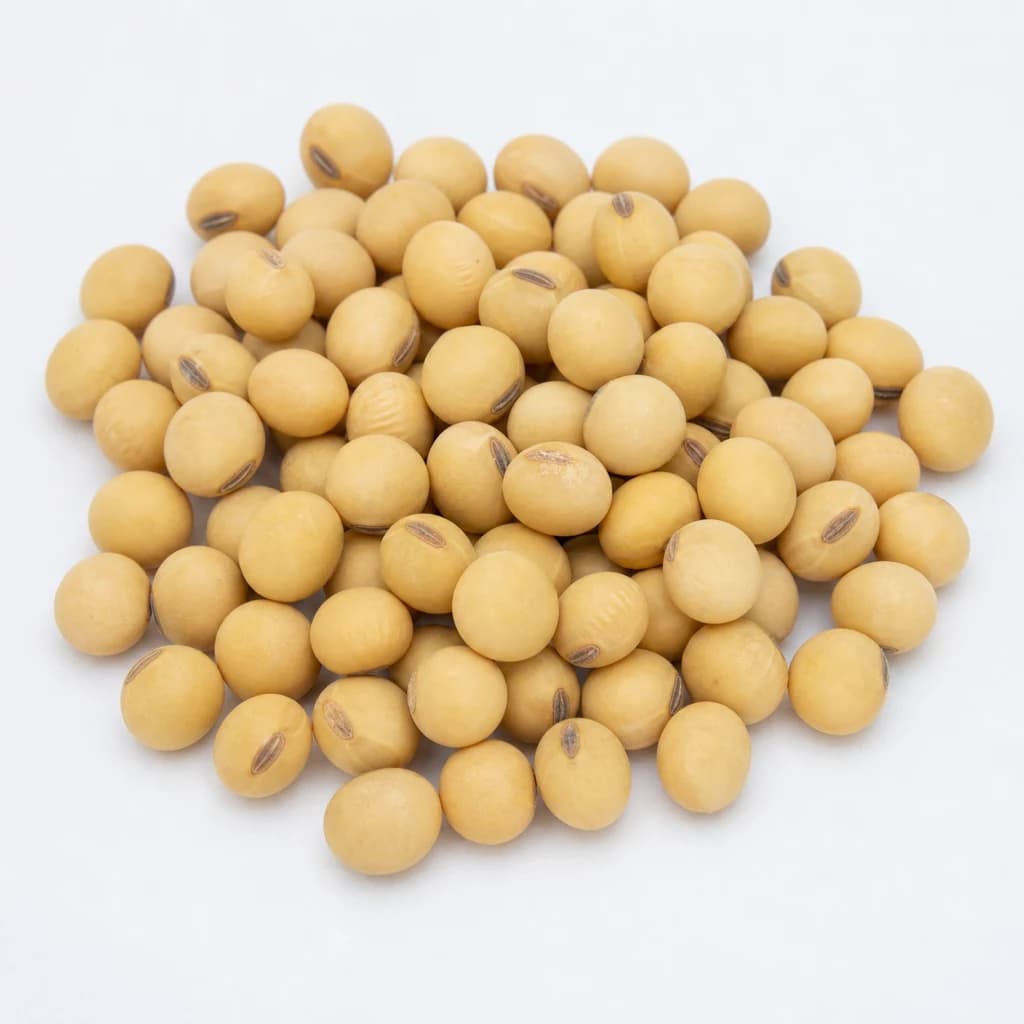
Soybeans
Protein-packed beans, the base for tofu and miso