Natural form
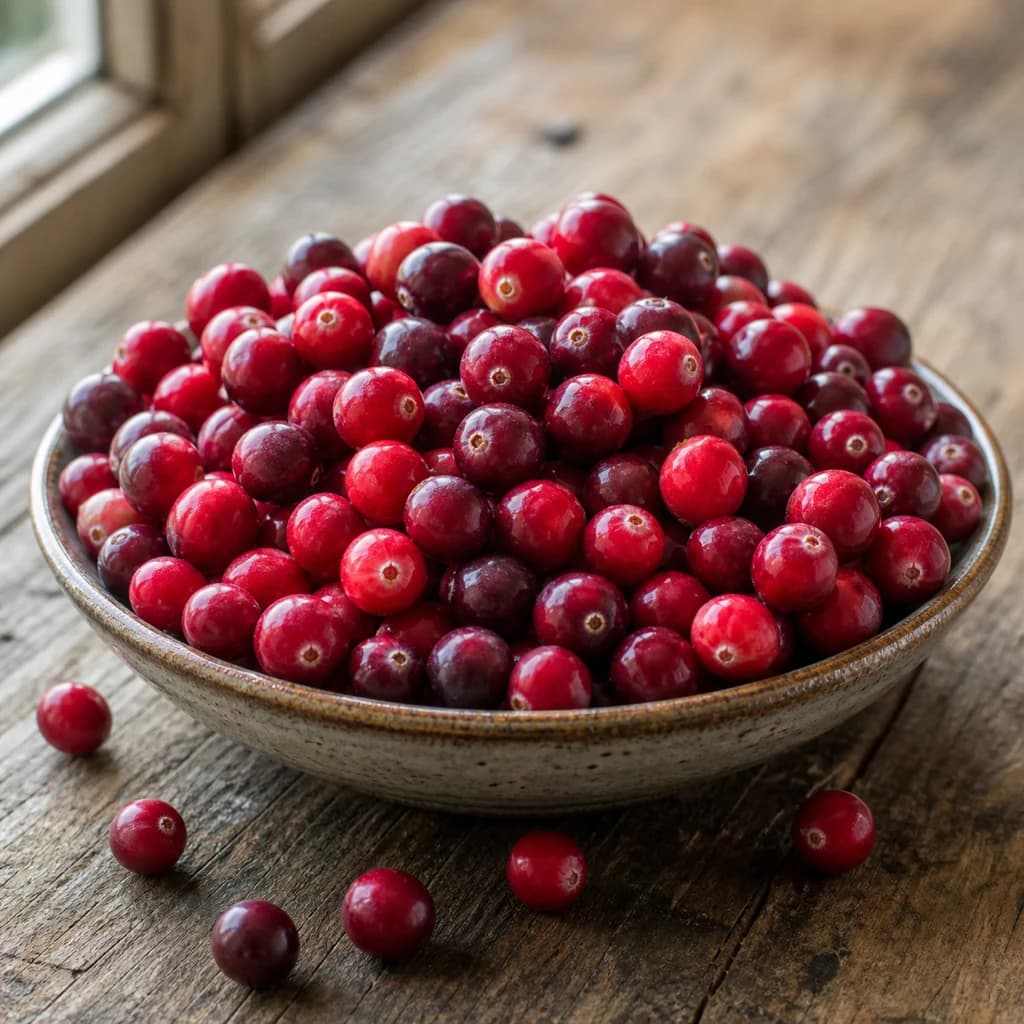
Fresh whole cranberries showing their firm, bright red skin and round shape.
Establishes the berry's unmistakable color, size, and surface texture as it appears at harvest or in stores.
Produce
Cranberry
Tart red berry cooked into sauce, sweetened dried, or juiced.
Cranberries are firm, bright red berries with a sharp, sour taste that softens with sugar. They are most famous as a cooked sauce or relish served with roast turkey, and are also sweetened and dried for baking and snacking. Their natural pectin and acidity make them ideal for jellies and preserves.
Cranberries are a distinctly American fruit—among only three cultivated fruits native to North America—grown on low-running vines in sandy bogs that are flooded at harvest. The berries are easily recognized by their brilliant red color, firm flesh, and the air pockets that make them float, a trait farmers have exploited since the early 1800s by flooding bogs and skimming the loosened berries from the water surface. Their flavor is extraordinary: extremely tart and acidic when raw, with a subtle herbal undertone that most people find puckering. Cook them with sugar, however, and the character transforms—tartness mellows into something bright and jammy, the herbal notes surface, and the result is deeply satisfying. The extreme acidity is not just a flavor trait; it gives cranberry preparations a natural keeping quality, thanks to the benzoic acid the berries contain. Fresh cranberry sauce will hold refrigerated for up to two weeks. Because raw cranberries are nearly inedible on their own, virtually every culinary application involves sweetening, and that balance between sharp tartness and sweet is the central skill when cooking with this fruit.
Cranberries appear most prominently in autumn and winter cooking, anchored by the Thanksgiving table, but their versatility extends well beyond holiday sauces. Their acidity makes them extraordinary with rich, fatty proteins—turkey, duck, pork, and ham—where the fruit's brightness cuts through the savory richness. Their high pectin content means sauces and preserves set readily with minimal intervention. The fresh season runs roughly September through December, with peak availability in October, but both frozen and dried cranberries are excellent stand-ins that give you year-round access. Frozen berries can be used directly from the freezer in most applications, and dried cranberries keep in the pantry for many months.
A word on freshness matters: cranberries are sold in 12-ounce bags, and a single bag yields roughly 2½ cups of whole berries or 2 cups when chopped. Pick through them before any use—soft, brown, or unripe (white or pink) berries should be discarded. The fresh berry season is short but predictable, and since they freeze and keep so well, stocking up when they appear at peak quality in October is a genuinely useful kitchen strategy.
- Measured in
- g
- Storage
- Fridge
Types & varieties
Dominant commercial variety; large, round berries with bright red color and firm flesh that holds up well in cooking
Widely planted commercial hybrid; large fruit, strong color, high yield; excellent all-purpose variety for sauce and baking
Large, oval berries; favored for fresh market and processing; notably good storage quality
Early-season cultivar; smaller berry with deep red color and intensely concentrated flavor
Smaller, darker, and more acidic than cultivated varieties; less commonly found in commercial channels but prized for intensity
Smaller European relative; even more intensely flavored; available fresh, frozen, or preserved in Scandinavian and specialty markets
Understanding Cranberry Acid
Cranberries rank among the most acidic commonly eaten fruits, with a pH between 2.3 and 2.5. This acidity is what makes them such effective partners for rich, fatty foods—turkey, duck, ham, and aged cheeses—where the berry's brightness acts as a palate cleanser. It also explains why they are virtually never eaten raw; the tartness is so extreme that sweetening is not optional but structurally necessary. The acid content is also why cranberry sauce sets so readily: the high acidity interacts with natural pectin in the berries to produce a gel without added pectin or lengthy cooking. When substituting another fruit for cranberries in a recipe, you may need to add lemon juice to approximate the acidity, and you should expect the flavor profile to shift accordingly.
- Extremely high natural acidity (pH 2.3–2.5) makes cranberries ideal for cutting through rich, fatty proteins
- The acid contributes to natural preservation—cranberry sauce keeps 1–2 weeks refrigerated
- High acidity combined with natural pectin means cranberry sauces set without added thickeners
Working with Dried Cranberries
Dried cranberries are widely available and incredibly convenient, but they behave differently from fresh or frozen berries in ways that matter in the kitchen. They are typically sweetened and sometimes oiled to prevent clumping. In baked goods, their low moisture content is an asset—they don't add wetness to batters. But in savory dishes or grain salads, their chewiness and concentrated sweetness can feel jarring unless you take a simple step: soak them briefly in warm water, fruit juice, or even a splash of vinegar for about 5 minutes before folding them in. This plumps the berries, tempers their intensity, and integrates them more harmoniously with other ingredients. Dried cranberries keep in a cool, dry pantry for 6–12 months; clumping is a sign of moisture exposure and signals declining quality.
- Soak dried cranberries 5 minutes in warm water or juice before using in savory dishes
- Reduce sweetener in recipes when using dried cranberries—they are already sweetened and more concentrated
- Check for clumping as a sign of moisture exposure and declining shelf life
- Do not add dried cranberries directly to heavy batters like cookie dough without soaking first—they can burn before the batter sets
Common uses
Tips & pitfalls
- Pick through fresh cranberries before using: discard any soft, brown, or unripe (white or pink) berries, then rinse quickly in a colander under cold water
- Do not overcook cranberry sauce: the berries burst quickly at a simmer, and prolonged cooking degrades flavor and turns the sauce bitter—8 to 12 minutes at a gentle simmer is sufficient
- Balance tartness with a 1:1 ratio of sugar to berries as your starting point; taste and adjust, remembering that sweetness perception changes as the sauce cools
- Add a pinch of salt to cranberry preparations to heighten fruit flavor and reduce the amount of sweetener needed
- Frozen cranberries can be added directly to batters and doughs without thawing, which prevents them from bleeding color into the surrounding mixture
- Toast walnuts or pecans before pairing with cranberries to provide textural contrast and temper the berry's intensity
- For a smoother sauce, pass cooked cranberries through a food mill or fine-mesh sieve to remove skins
- A small amount of butter (1–2 teaspoons) added to finished cranberry sauce rounds out harsh edges and gives the sauce a softer mouthfeel
- Reconstitute dried cranberries in warm water or fruit juice for 5 minutes before using in savory dishes—this plumps them and softens their chewiness
- Combine cranberries with citrus zest (orange, lemon, or grapefruit) to amplify brightness and complement the berry's natural acidity
Nutrition
Energy
192 kJ · per 100 g
Where the calories come from
Protein
0.5g
1% DV
Carbs
12g
4% DV
Fat
0.1g
0% DV
Fiber
3.6g
13% DV
Sugars
4.3g
of which
Sodium
2mg
0% DV
Source · USDA FoodData Central · Cranberries, raw
View on FDC →In the shops
Matched grocery products
No matched grocery products for Cranberry yet.
Good to know
- Scientific name
- Vaccinium macrocarpon
- Origin
- Native to northeastern North America; commercially grown primarily in Massachusetts, Wisconsin, New Jersey, and British Columbia
- Peak season
- October; fresh berries available September through December
- Flavor profile
- Intensely tart and acidic raw; sweetens considerably when cooked with sugar; subtle herbal notes emerge on heating
- pH
- 2.3–2.5 — highly acidic, which aids natural preservation and helps sauces set
- Yield
- 12-oz bag yields approximately 2½ cups whole berries or 2 cups chopped
- Refrigerator storage
- 2–3 months in original packaging or airtight container
- Freezer storage
- 6–12 months; freeze individually on a sheet pan first, then transfer to freezer bags
Substitutes
- Lingonberries — The closest flavor relative; smaller size and more intense flavor; excellent in sauces and preserves; increasingly available frozen or jarred in specialty stores
- Pomegranate seeds — Similar visual appeal and tartness; slightly milder acidity; work well in sauces, garnishes, and salads
- Fresh or frozen red currants — Strikingly similar tartness and visual similarity; smaller berries; excellent for sauces and jellies; may require longer cooking to achieve body
- Dried tart cherries — Comparable chewy texture for dried applications; milder tartness; reduce sweetener in the recipe when substituting in sweet dishes
- Raspberry jam with lemon juice — Rough flavor approximation for sauces; lacks fresh cranberry's herbal edge and acidity; adjust sugar and lemon to taste
Pairs with
Also called
Bog Cranberry
Appears in these dishes
Related
Tomato
Juicy, sun-sweet fruit for sauces, salads, and slow-cooked depth
Yellow Onion
The aromatic backbone of soups, sofritos, and braises
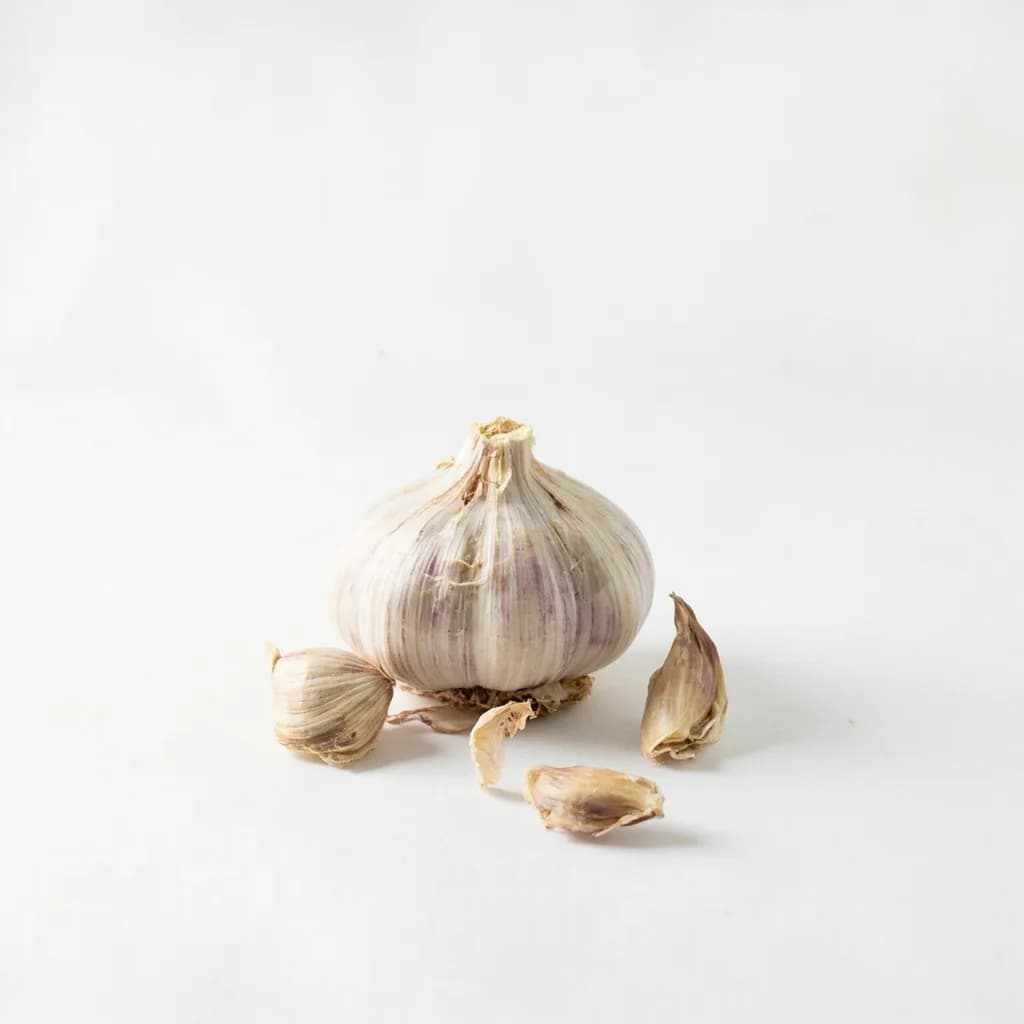
Garlic
Pungent cloves that perfume nearly every savory dish
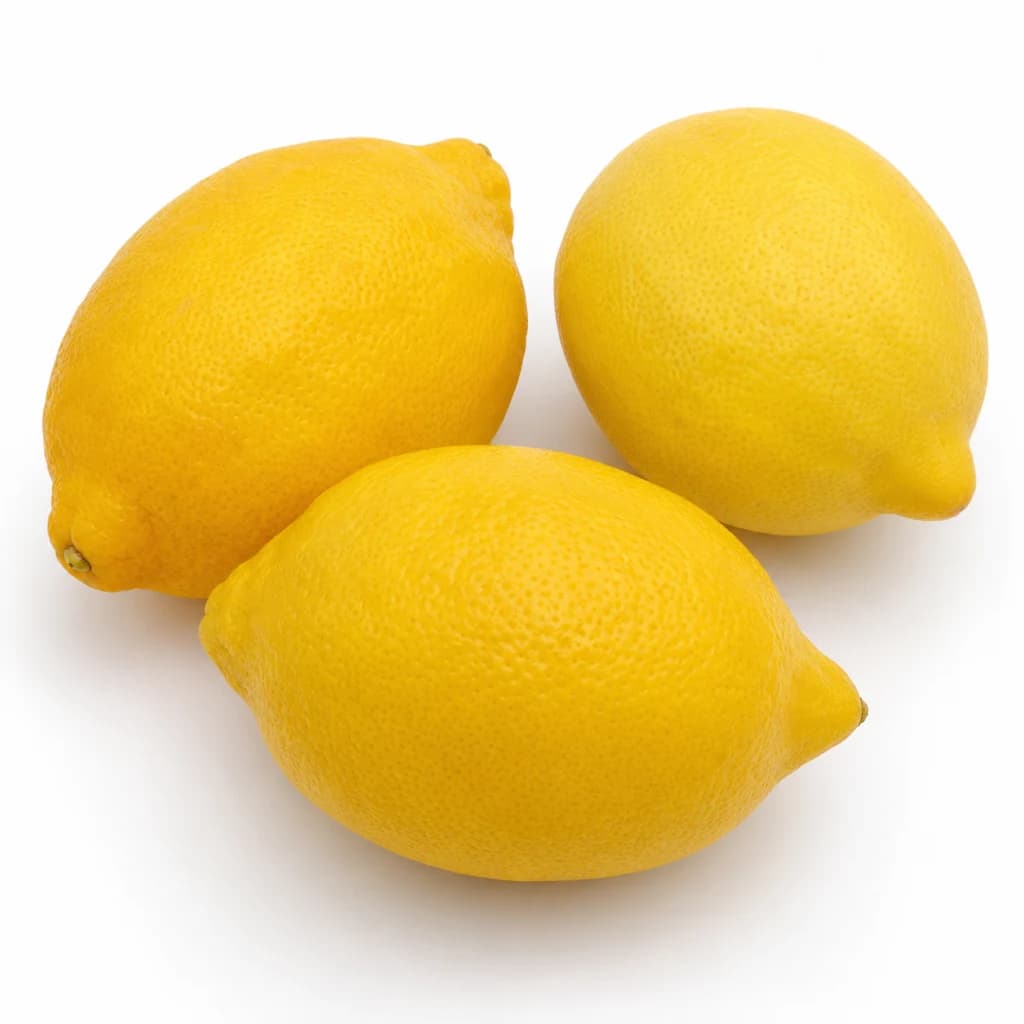
Lemon
Bright, acidic citrus that wakes up almost any dish
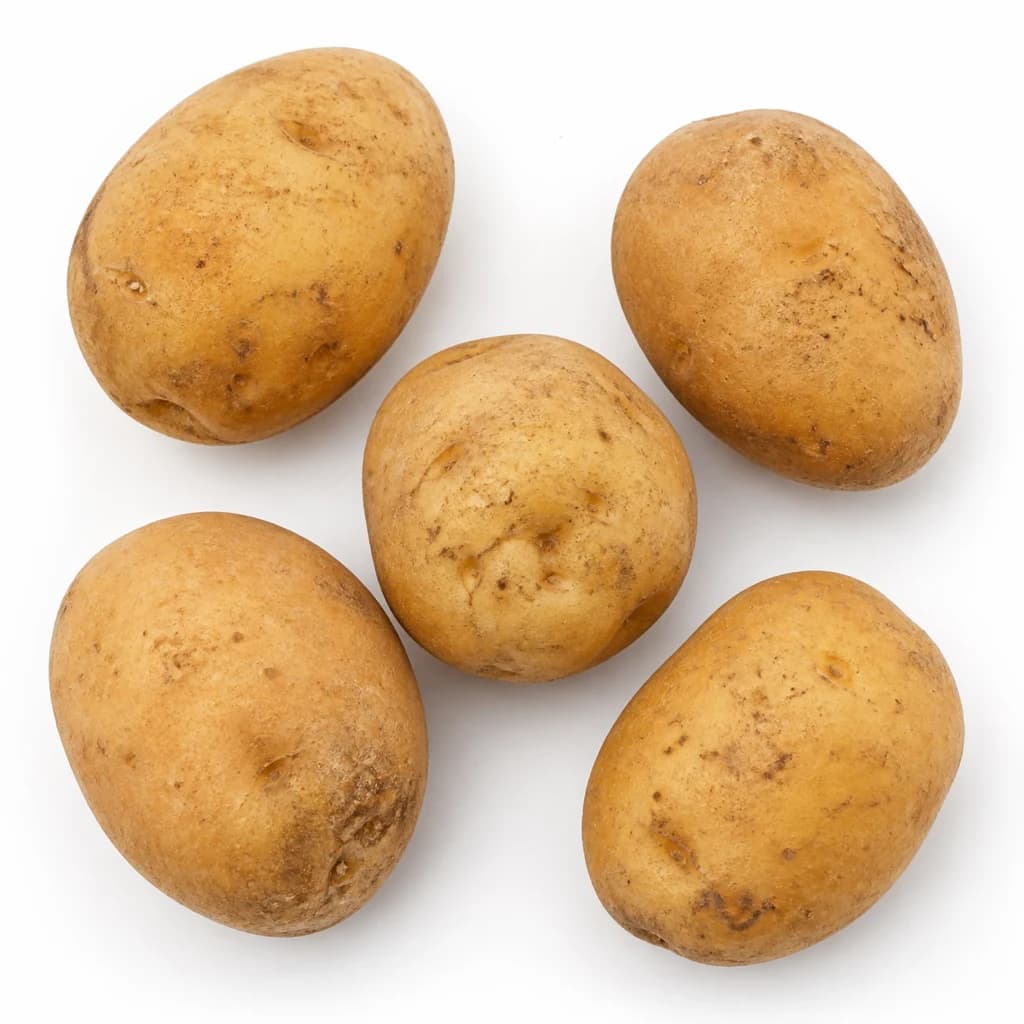
Potato
Humble, hearty staple — roast, mash, fry, or boil
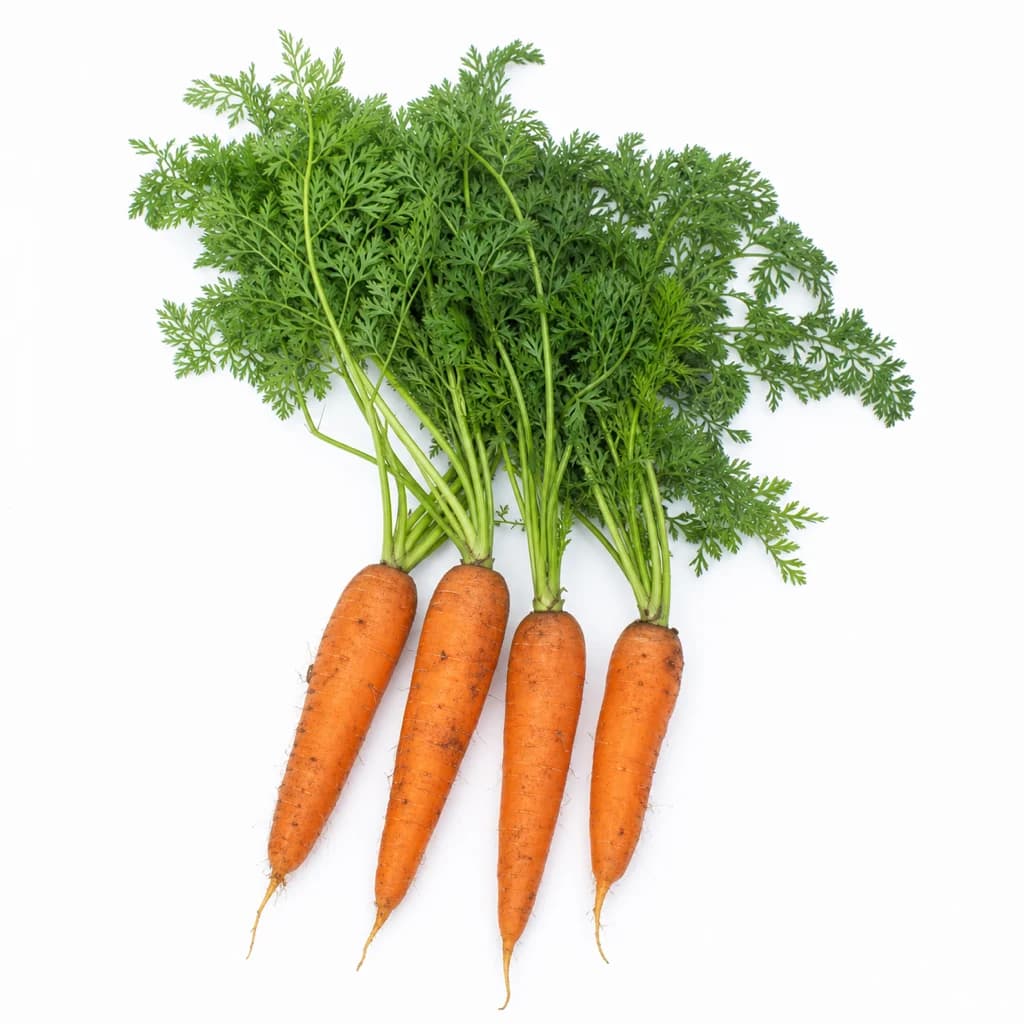
Carrot
Sweet, crunchy root — raw, roasted, or the base of a sofrito
Cucumber
Cool, crisp, and watery — for salads, pickles, and tzatziki

Lettuce
Crisp leaves for salads, wraps, and a fresh crunch