Natural form
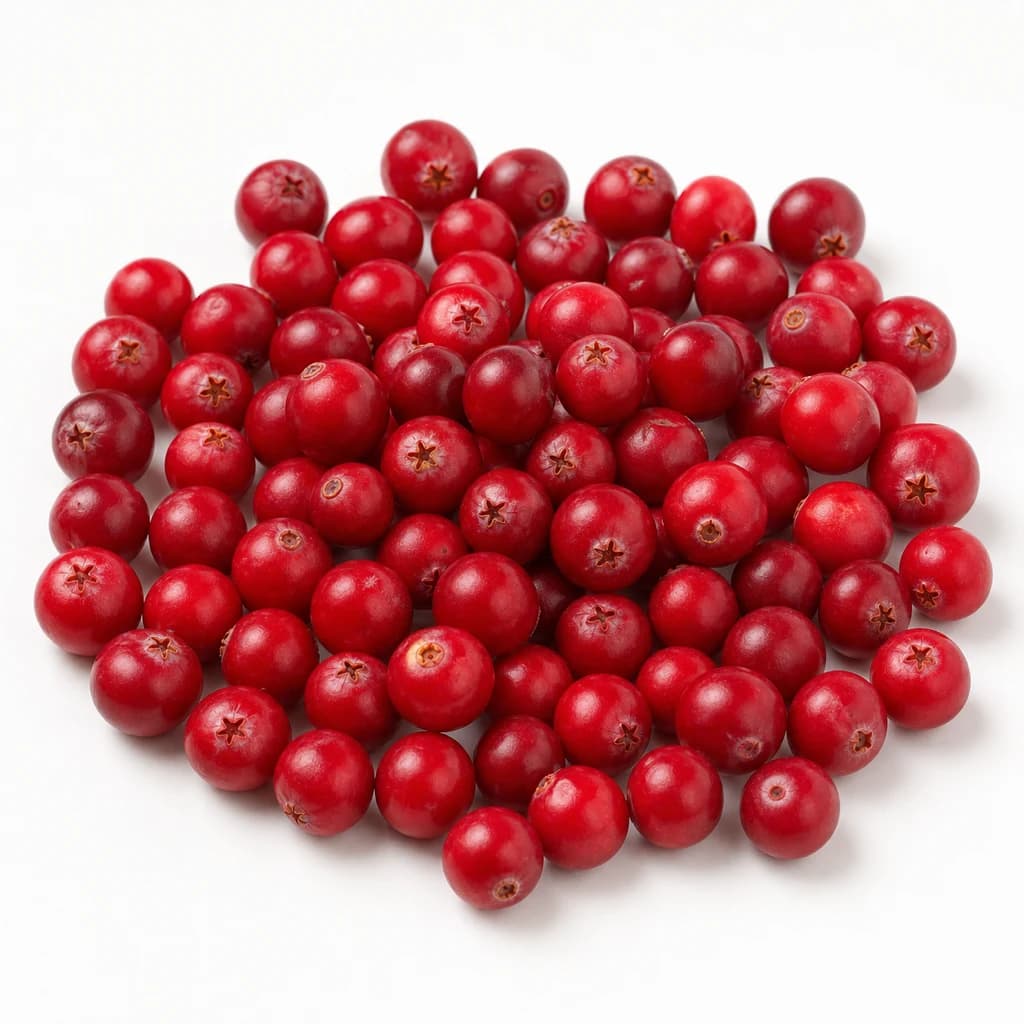
Whole fresh lingonberries showing their small size, bright red color, and smooth skin.
Establishes the berry's defining physical traits — tiny round form, vivid red hue, and the characteristic crown at the tip — so a reader can identify it at a glance.
Produce
Lingonberry
Tart red Nordic berry made into jam served with meatballs, game, and pancakes.
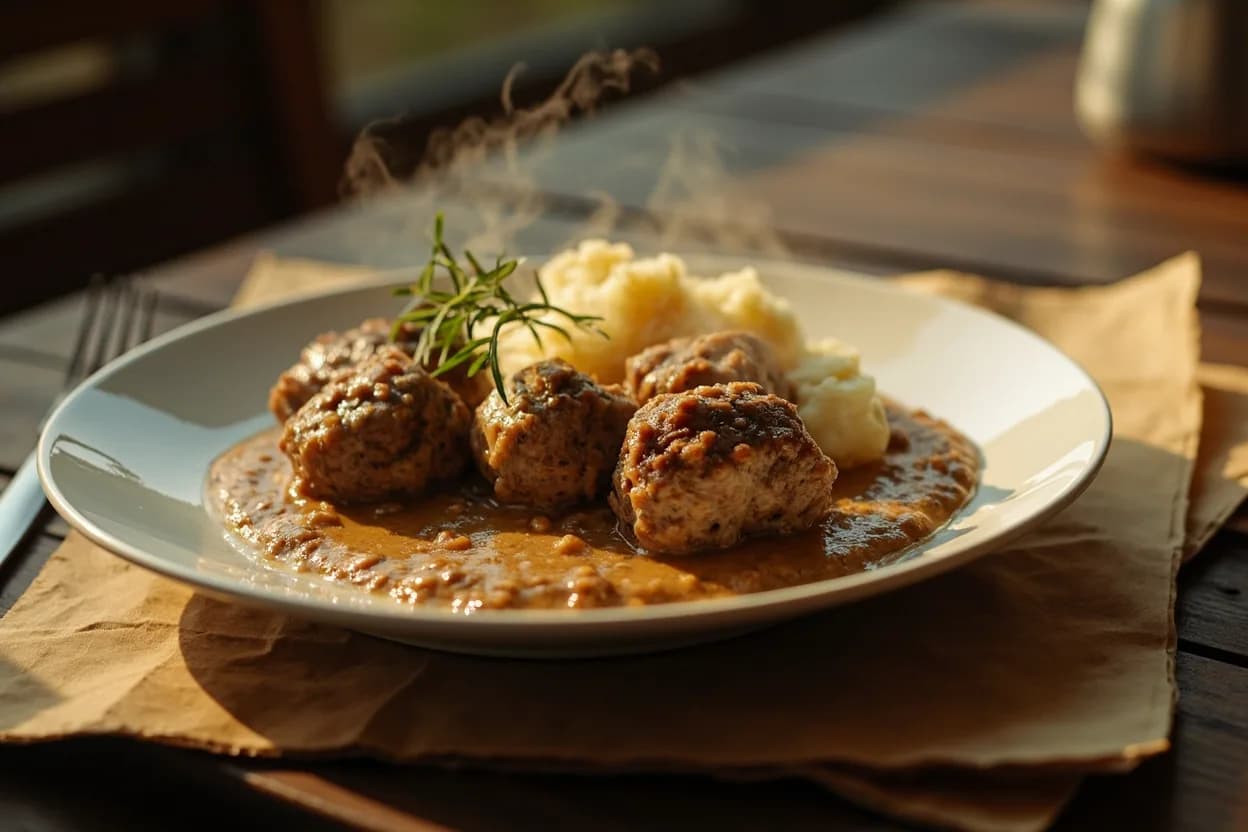
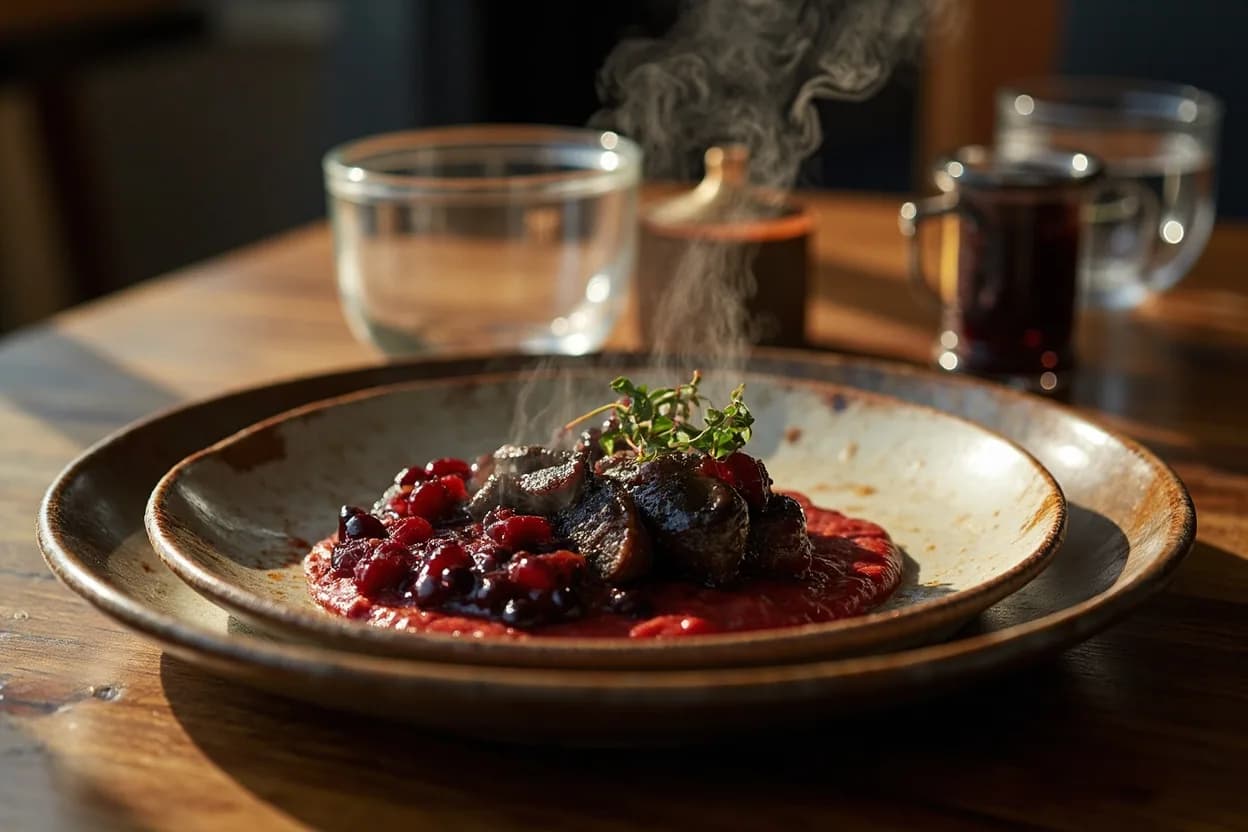
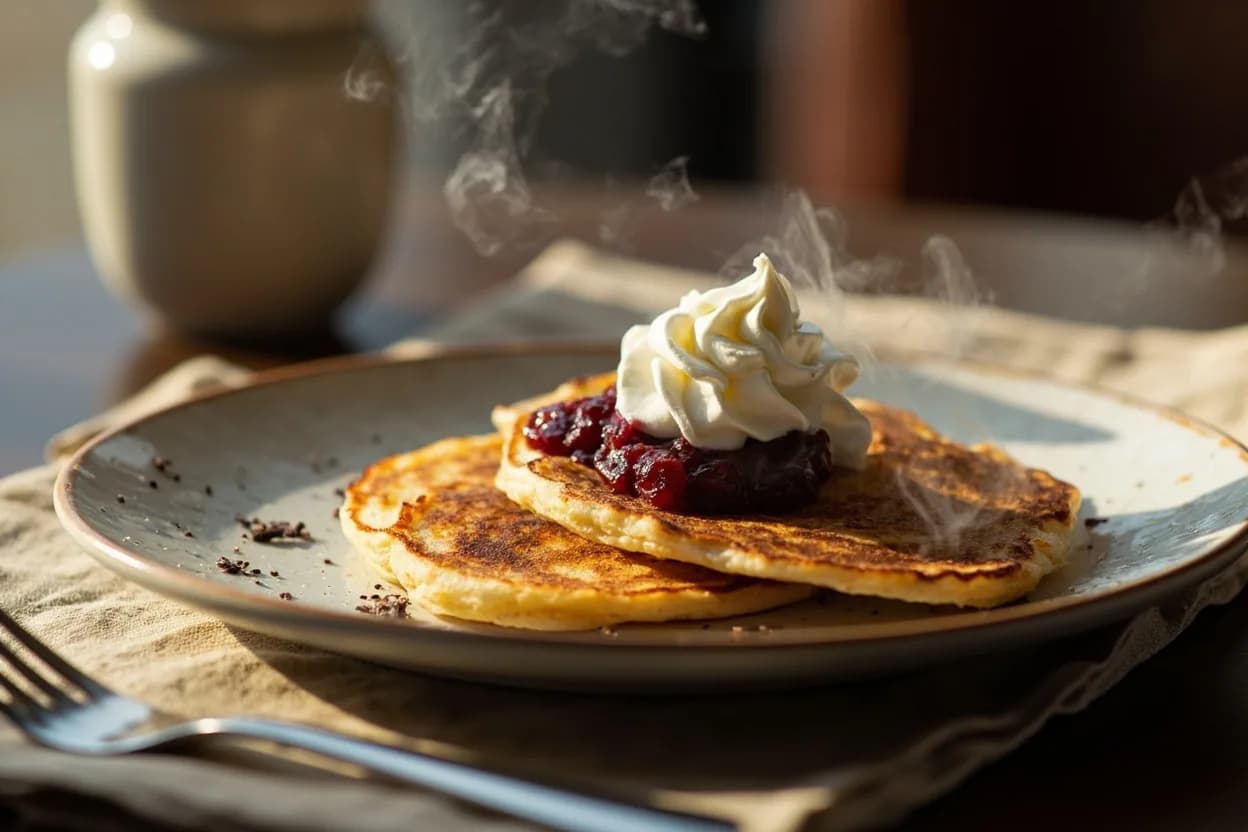
Lingonberries are small, tart red berries that grow wild across Scandinavia and Northern forests. They are most often cooked into a lightly sweetened preserve served alongside Swedish meatballs, game, and potato pancakes. Their bright acidity cuts through rich and savory dishes, and they keep well thanks to naturally occurring benzoic acid.
The lingonberry (Vaccinium vitis-idaea) is a small, tart red berry native to the boreal forests of Scandinavia, Northern Europe, Canada, and the northern United States. A close relative of the cranberry but smaller and more intensely flavored, it grows on low-growing evergreen shrubs in the forest understory. Its natural benzoic acid content gives the fruit an exceptionally long shelf life when preserved with sugar, which is the foundation of traditional Swedish lingonsylt. The berry's intensely tart, mildly bitter flavor mellows into jammy sweetness when cooked with sugar, making it a counterpoint to rich, fatty foods. For cooks outside Scandinavia, frozen whole berries and commercially prepared jams are widely available, making authentic preparations accessible year-round.
- Measured in
- g
- Storage
- Fridge
Types & varieties
Smaller berries with more intense flavor; harvested from boreal forest understory
German cultivar; slightly larger berries, high-yielding, commonly grown commercially
Widely cultivated commercial variety with reliable yields
Swedish cultivar bred for home gardens and small-scale cultivation
Polish cultivar; vigorous grower adapted to Central European conditions
Cultural Significance
In Scandinavia, lingonberry is far more than a condiment—it is a cultural icon. Sweden is the world's largest commercial producer, though Finland harvests equally significant quantities from the wild, where it ranks as the second-most-harvested berry after bilberry. The lingonberry's global reach is largely credited to IKEA, which introduced frozen lingonberry jam to international audiences through its food halls. Historically, the berry's natural benzoic acid allowed Scandinavian households to preserve it simply with sugar, providing a source of vitamin C through the long winters before refrigeration. Today, lingonberry jam remains a fixture on Nordic tables year-round, and fresh foraged berries in late summer and autumn are a seasonal treasure worth seeking out.
Common uses
Tips & pitfalls
- Select firm, bright-red berries; avoid any with mold, bruising, or excessive softness
- Raw lingonberries are sharply tart and astringent; they require sugar and heat to become palatable
- Foragers must confirm identification: lingonberry shrubs are low-growing evergreens with white-to-pink bell-shaped flowers and leaves darker on top, paler beneath—never harvest berries from plants with broad, heart-shaped leaves (potential lily-of-the-valley toxicity)
- Frozen berries work equally well for cooking as fresh—no need to thaw before making jam
- A simple jam ratio is 1:1 berry to sugar by weight; simmer 10–15 minutes until sugar dissolves and berries collapse
- Do not overcook jam; residual heat will continue to thicken the mixture as it cools
- Commercial lingonberry jams from IKEA and Nordic brands often contain apple or citrus pectin and are acceptable for quick preparations, though homemade has superior texture and flavor intensity
- The most common jam-making mistake is adding insufficient sugar—the acidity prevents proper gel formation without adequate sweetener
- A squeeze of lemon juice when making jam enhances both flavor and gel structure
Nutrition
Energy
192 kJ · per 100 g
Where the calories come from
Protein
0.5g
1% DV
Carbs
12g
4% DV
Fat
0.1g
0% DV
Fiber
3.6g
13% DV
Sugars
4.3g
of which
Sodium
2mg
0% DV
Source · USDA FoodData Central · Cranberries, raw
View on FDC →In the shops
Matched grocery products
No matched grocery products for Lingonberry yet.
Good to know
- Origin
- Boreal forests of Scandinavia, Northern Europe, Canada, and northern US
- Season
- Late summer to early autumn (August–September); berries harvested after first frost are sweeter
- Flavor
- Intensely tart, mildly bitter, with subtle natural sweetness when cooked
- Size
- Small, 6–10 mm diameter
- pH
- Highly acidic, approximately 2.5–3.0
- Fresh storage
- Refrigerate and use within 1–2 weeks
- Frozen storage
- Freezer-safe for 6–12 months without deterioration
- Typical preparation
- Simmered with equal-weight sugar into jam or sauce (10–15 minutes)
Substitutes
- Cranberry — Closest flavor and textural match; similar in acidity and color, though cranberries are larger. Use 1:1 in any recipe
- Red currant — Similar tartness and visual appeal; flavor profile differs but acceptable in jams and sauces. Reduce sugar slightly as red currants can be sweeter
Pairs with
Also called
Pohl · Cowberry · Mountain Cranberry
Appears in these dishes
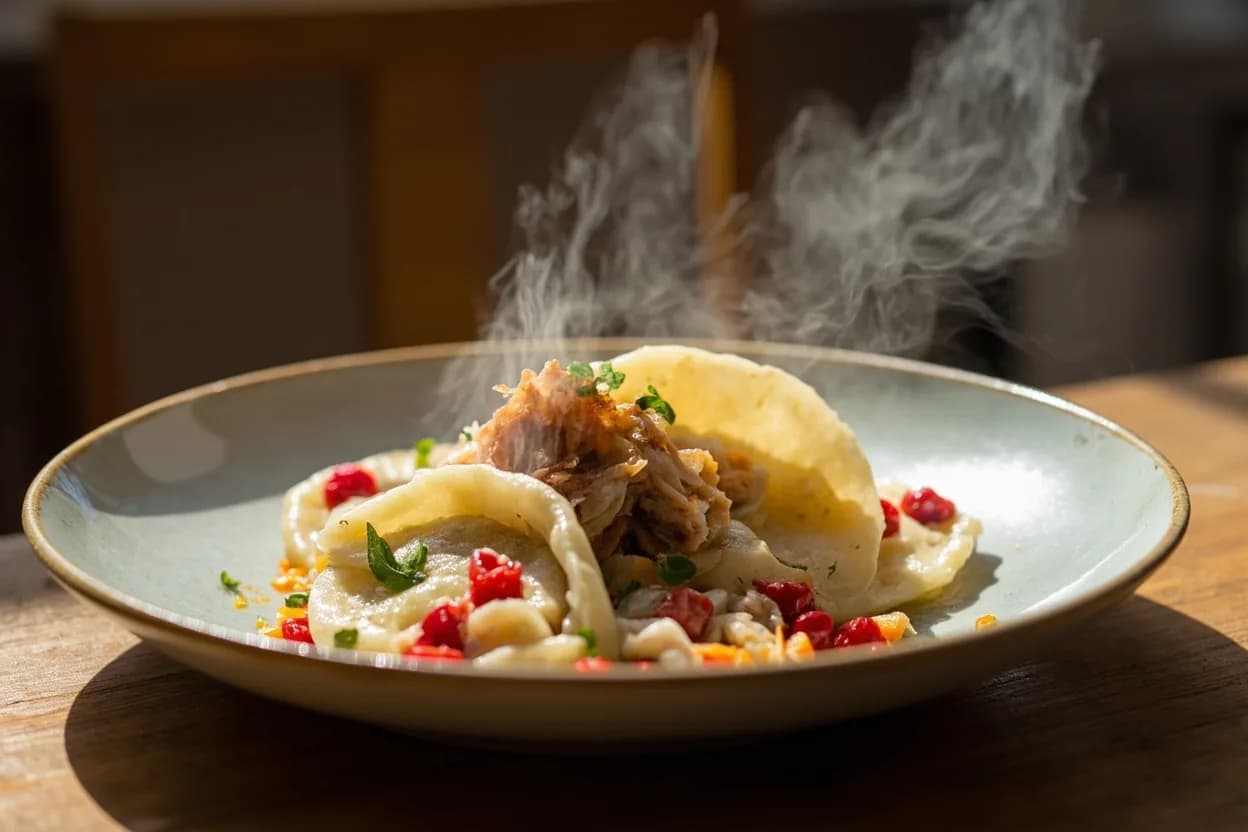
Related
Tomato
Juicy, sun-sweet fruit for sauces, salads, and slow-cooked depth
Yellow Onion
The aromatic backbone of soups, sofritos, and braises
Garlic
Pungent cloves that perfume nearly every savory dish
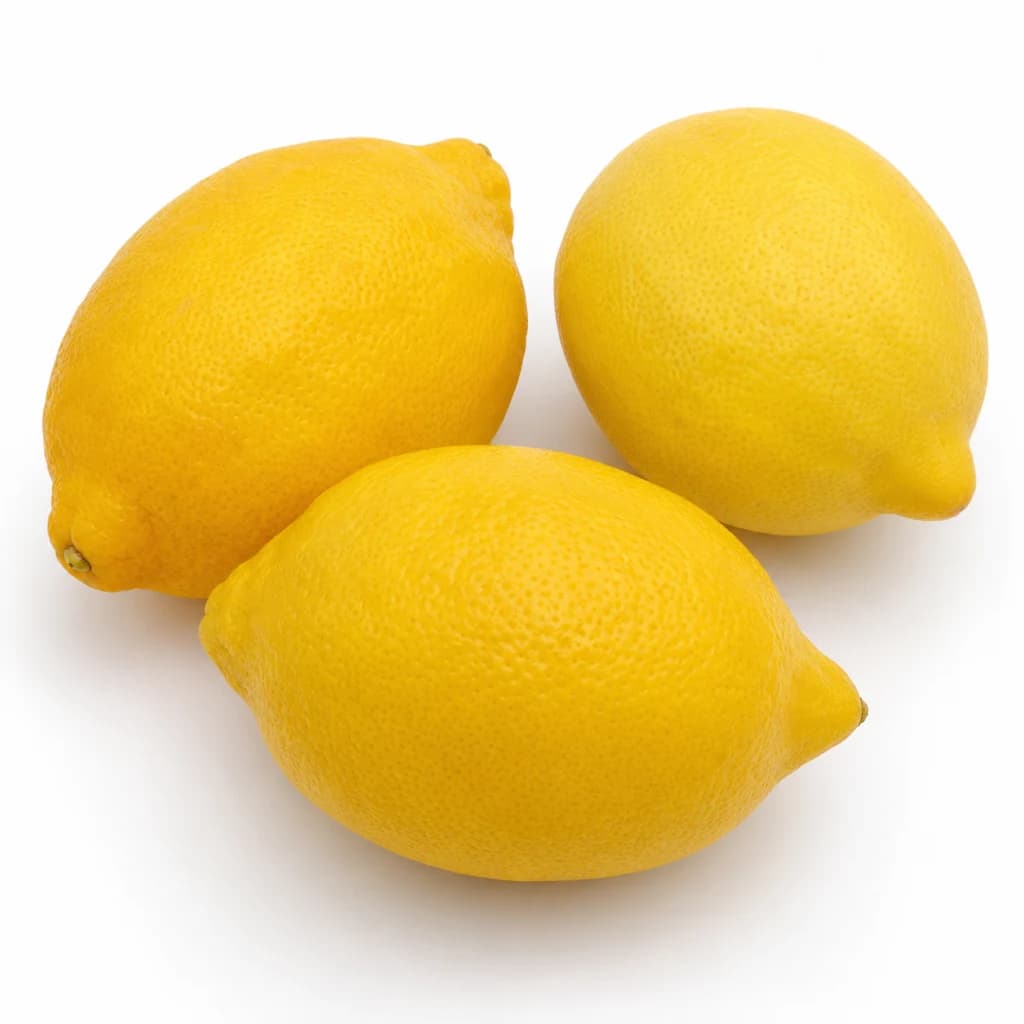
Lemon
Bright, acidic citrus that wakes up almost any dish
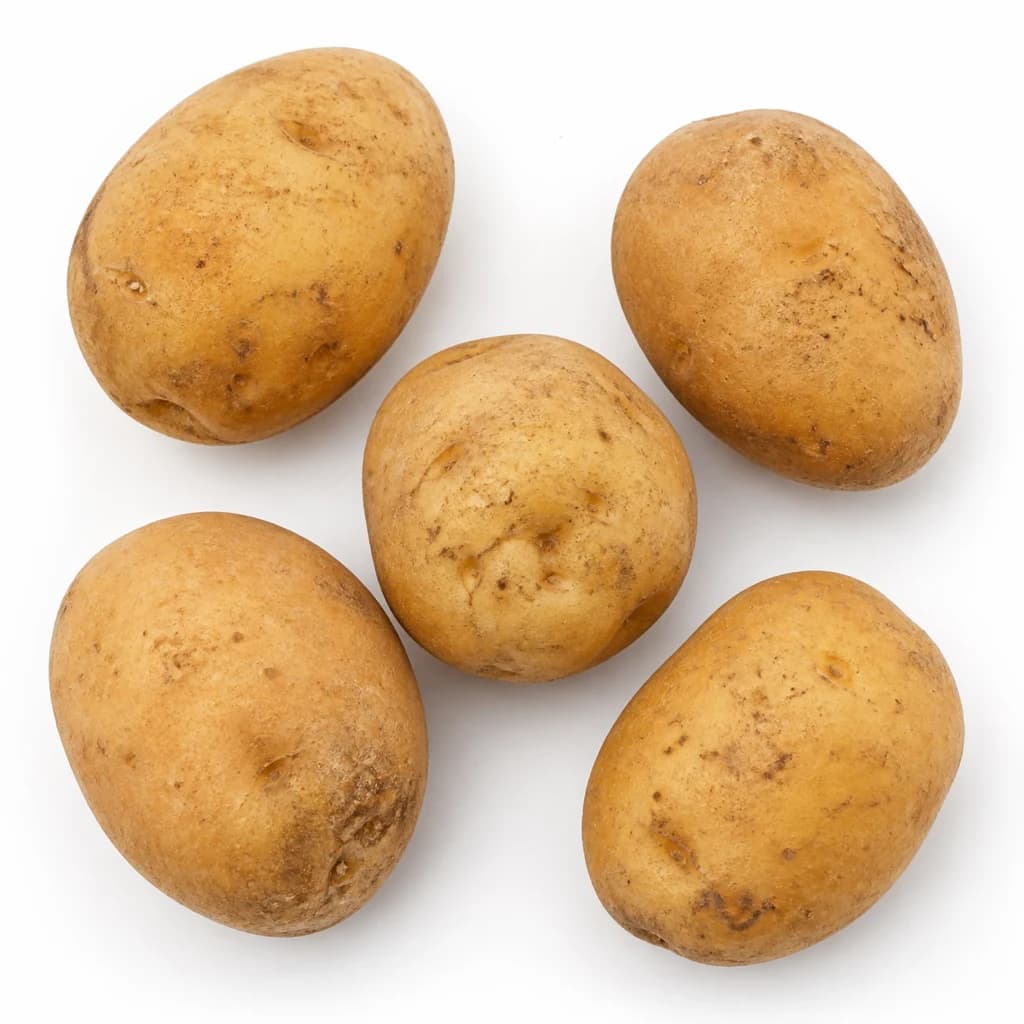
Potato
Humble, hearty staple — roast, mash, fry, or boil
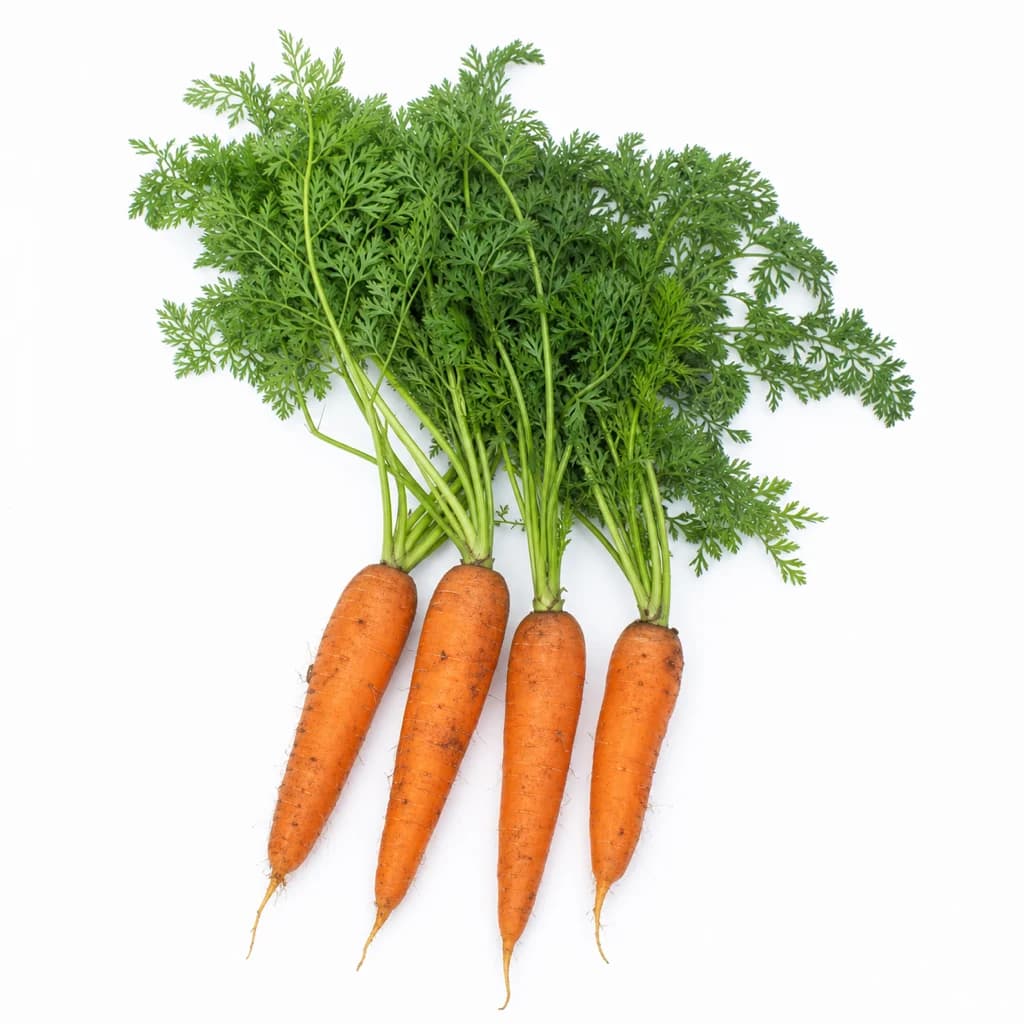
Carrot
Sweet, crunchy root — raw, roasted, or the base of a sofrito
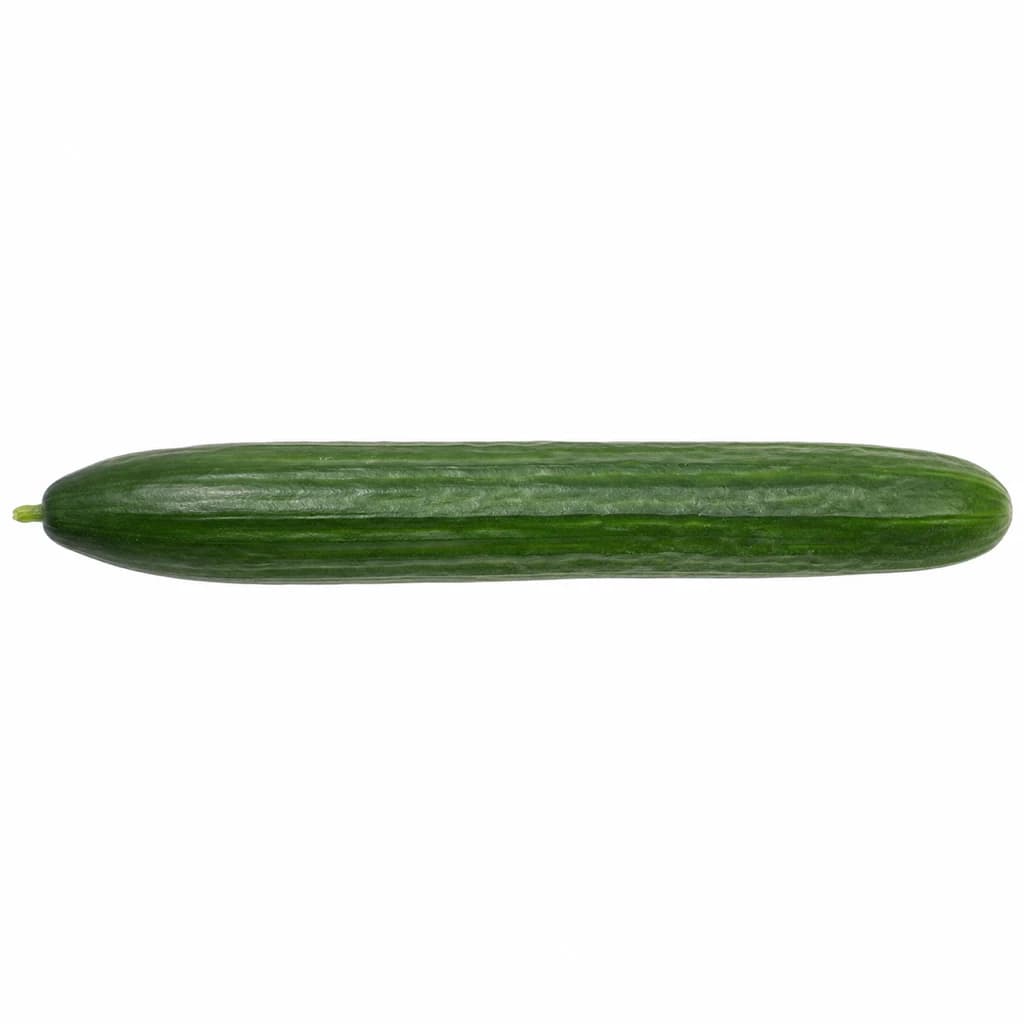
Cucumber
Cool, crisp, and watery — for salads, pickles, and tzatziki

Lettuce
Crisp leaves for salads, wraps, and a fresh crunch