
Natural form
Whole dried figs showing their wrinkled skin, flattened shape, and dusty bloom.
Shows the reader exactly what dried figs look like when purchased, including their characteristic form and texture.
Produce
Dried Fig
Chewy, intensely sweet dried fig, eaten as a snack or in baking and stews.
Dried figs are figs dehydrated until chewy and concentrated, with a deep honeyed sweetness and tiny crunchy seeds. They are eaten out of hand, added to cheese boards, baked into breads and cakes, or simmered into compotes and savory tagines and stuffings. Soaking softens them for cooking.
Dried figs are one of humanity's oldest preserved foods, with evidence of cultivation dating to 9000 BCE in the Jordan Valley—possibly the first domesticated fruit. The drying process concentrates natural sugars dramatically, yielding an intensely sweet, chewy product with about 250 calories per 100 grams and more dietary fiber than most dried fruits. The flesh becomes dense and pliable with tiny seeds throughout that add subtle texture. Commercial drying reduces moisture to 18–25%, extending shelf life to 6–12 months in the pantry or up to 2 years refrigerated in an airtight container. Natural sun-drying produces the darkest, most intensely flavored specimens, while shade-drying preserves color and nutrients. The Calimyrna variety uniquely contains remnants of the tiny fig wasp (Blastophaga psenes) that pollinates the flowers inside the closed fig—these are invisible when eaten and considered a protein bonus in many cultures. Dried figs absorb 1.5–2× their weight in liquid, making them excellent for reconstitution in braised dishes, smoothies, or compotes. Their high sugar content means they brown and caramelize readily when exposed to heat, developing complex, honeyed flavors in baked goods and savory preparations alike.
- Measured in
- g
- Storage
- Pantry
Types & varieties
Large, golden-yellow, nutty and mild; often contains wasp remnants (edible, protein-rich); most common in the US market
Small to medium, dark purple-black skin, reddish flesh, intensely sweet; originated from Spanish missions in California
Light tan to greenish skin, pink flesh; widely used in commercial fig bars and pastries; very sweet
Light tan skin, pale amber flesh, mild sweet flavor; holds shape well when cooked
Large, amber-gold, prized for their honeyed flavor; traditional source of export-grade dried figs
Small, dark, intensely concentrated sweetness; common in Middle Eastern and European markets
Dark, medium-sized, excellent for baking and snacking
Choosing Quality Dried Figs
The best dried figs feel slightly tacky and pliable when you squeeze them gently. Avoid specimens that are hard, sticky, or wet to the touch—these indicate improper storage, moisture reabsorption, or age. Natural sun-dried figs (typically darker) offer deeper, more complex flavor than sulfur-treated golden varieties, which can carry a subtle metallic note. Check for and remove the hard, woody stem ends before using, particularly when chopping or pureeing for baked goods.
- Pliable but not sticky indicates proper drying and storage
- Dark color suggests sun-drying and more intense flavor
- Always snip off stem ends before chopping or blending
- Pass on any with visible mold or a sour, fermented smell
Storing Dried Figs
Store dried figs in a cool, dry place away from strong-smelling foods—they absorb odors easily. For extended storage beyond 3 months, refrigerate in an airtight container to prevent the sugars from oxidizing and the texture from degrading. If figs arrive extremely stiff, wrap them in a damp paper towel and let rest for a few hours to restore moisture before using.
- Pantry: 6–12 months in a sealed container
- Refrigerator: up to 2 years in airtight container
- Keep away from onions, garlic, and strongly aromatic foods
- Stiff figs can be revived with a damp paper towel
Common uses
Tips & pitfalls
- Select figs that are pliable and slightly tacky but not wet, sticky, or hard—stickiness indicates improper storage or moisture reabsorption
- If figs feel stiff, they may be overly dried; wrap them in a damp paper towel for a few hours to restore moisture
- Always check for and remove the hard, woody stem ends before using in recipes, particularly when chopping or pureeing
- To prevent sticking when baking with chopped figs, toss pieces in a light coating of flour before folding into batter
- Natural sun-dried figs (dark color) are preferable to sulfur-treated golden figs unless color-specific appearance is needed—sulfur treatment preserves color but adds a subtle metallic note
- For savory dishes, briefly soak dried figs in warm water, broth, or wine for 20–30 minutes to soften and impart additional flavor to the liquid
- When making fig jam or compote, add a squeeze of lemon or a splash of vinegar to balance the natural sweetness
- Store dried figs away from strong-smelling foods, as they absorb odors easily
- Common mistake: over-chopping figs—keep pieces chunky (¼–½ inch) in baked goods for better texture and visual contrast
Nutrition
Energy
1042 kJ · per 100 g
Where the calories come from
Protein
3.3g
7% DV
Carbs
63.9g
23% DV
Fat
0.9g
1% DV
Fiber
9.8g
35% DV
Sugars
47.9g
of which
Sodium
10mg
0% DV
Source · USDA FoodData Central · Figs, dried, uncooked
View on FDC →In the shops
Matched grocery products
No matched grocery products for Dried Fig yet.
Good to know
- Scientific Name
- Ficus carica (Common Fig)
- Primary Producers
- Turkey, Iran, Greece, California (USA)
- Drying Method
- Sun-dried or shade-dried, reducing moisture to 18–25%
- Color Range
- Golden amber to dark purple/black depending on variety
- Shelf Life (pantry)
- 6–12 months in cool, dry conditions
- Shelf Life (refrigerated)
- Up to 2 years in airtight container
- Reconstitution Ratio
- Absorbs 1.5–2× weight in liquid
- Typical Texture
- Chewy and dense; flesh should be pliable without being sticky or wet
Substitutes
- Dried Dates — Similar chewy texture and intense sweetness; medjool dates are the closest substitute; use 1:1 ratio
- Dried Apricots — Comparable chewiness and tart-sweet flavor; look for unsulfured for more neutral flavor; 1:1 ratio
- Prunes (Dried Plums) — Similar moisture content and sweetness; darker color may affect appearance; 1:1 ratio
- Dried Cranberries — Less similar in texture but comparable sweetness; rehydrate in warm water first; different flavor profile
- Golden Raisins — Far less chewy and less sweet, but workable in baked goods; may need additional liquid in recipes
Pairs with
Also called
Dried Figs
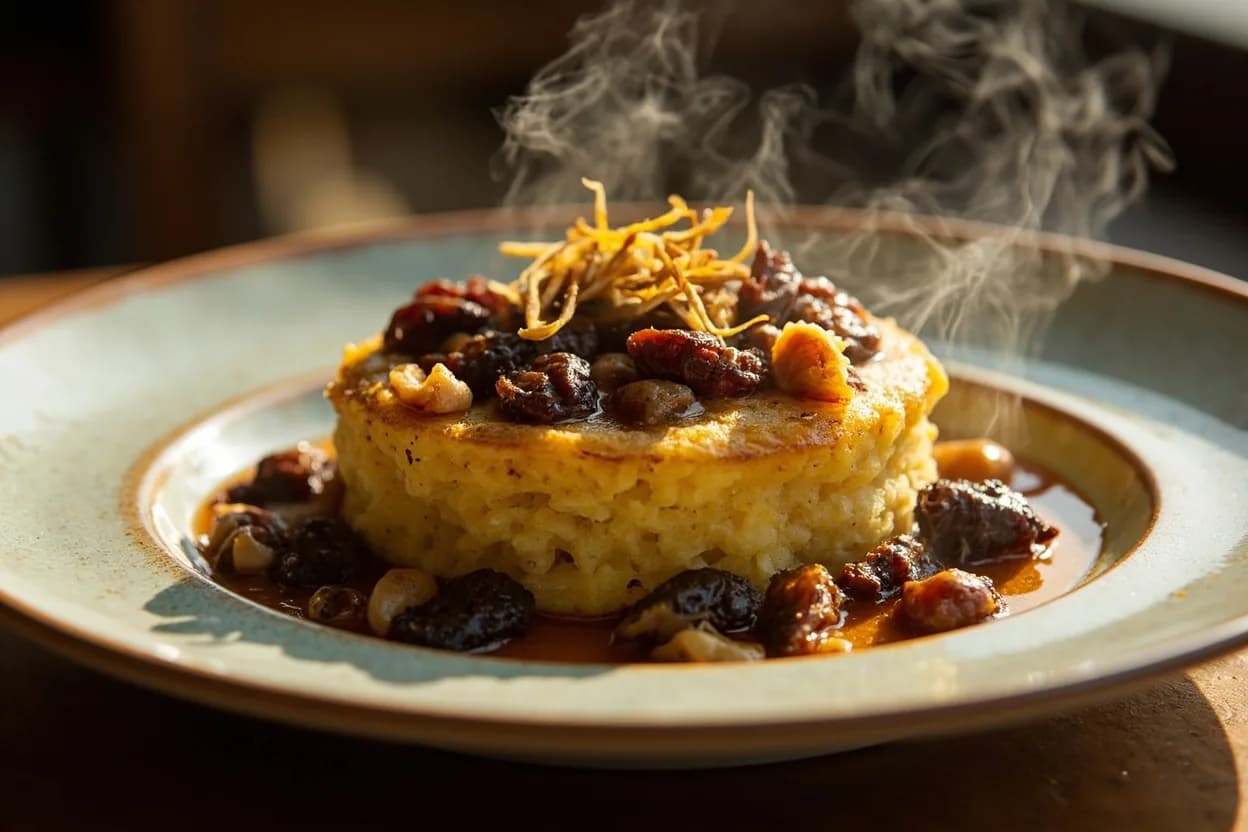
Appears in these dishes
Related
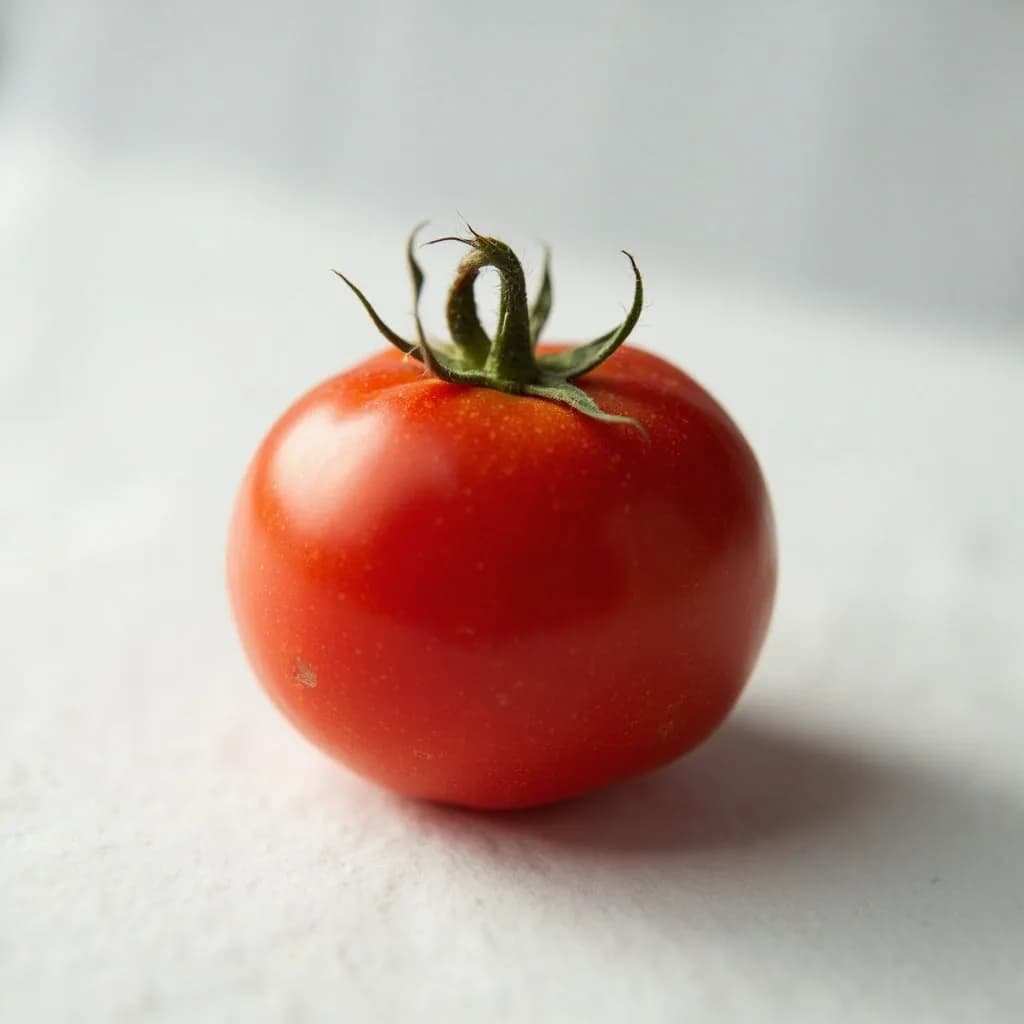
Tomato
Juicy, sun-sweet fruit for sauces, salads, and slow-cooked depth
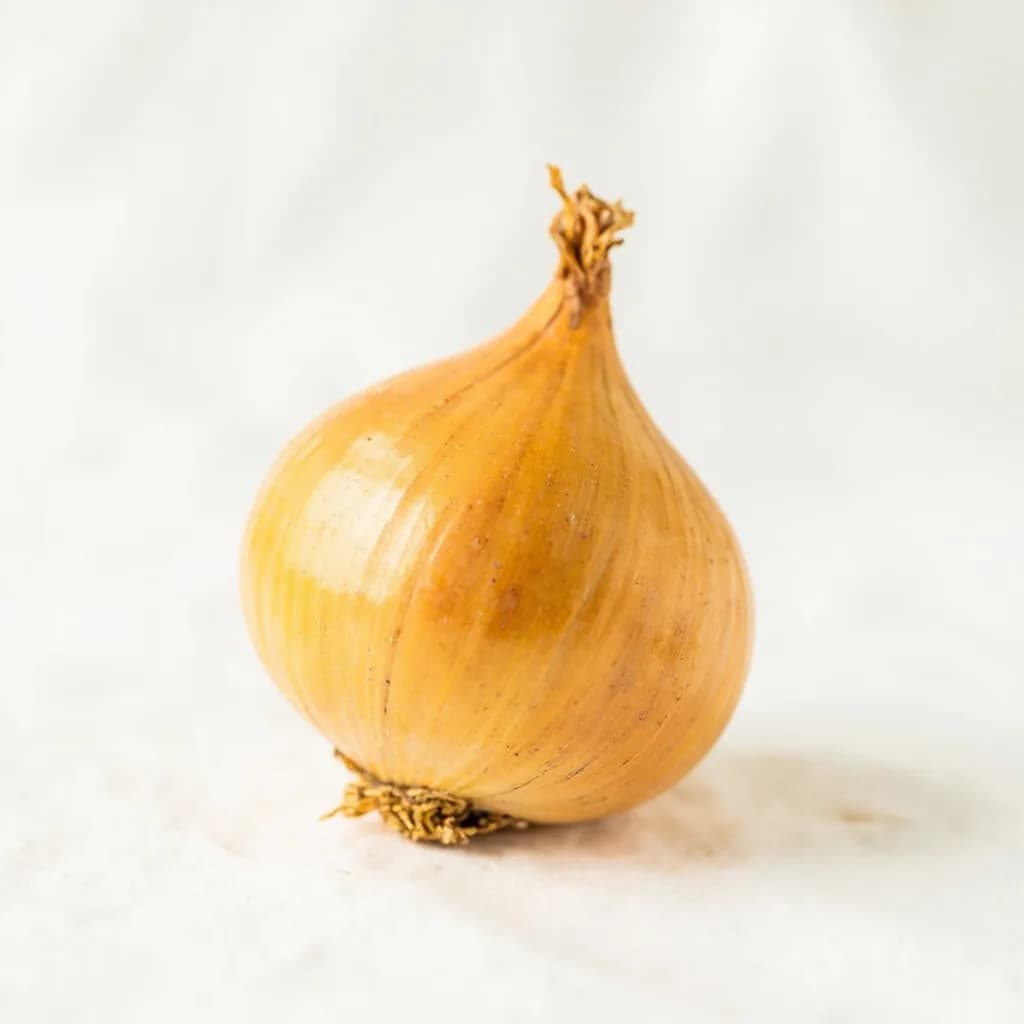
Yellow Onion
The aromatic backbone of soups, sofritos, and braises
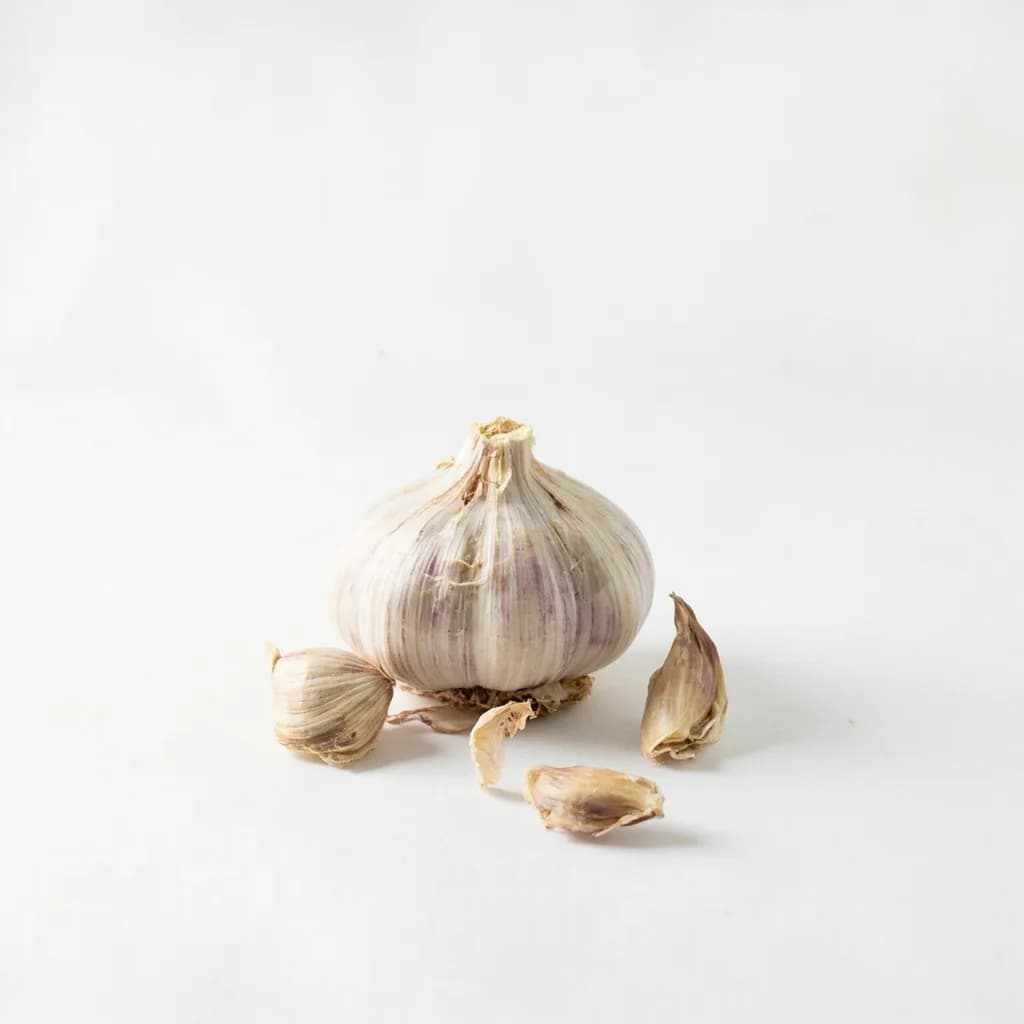
Garlic
Pungent cloves that perfume nearly every savory dish
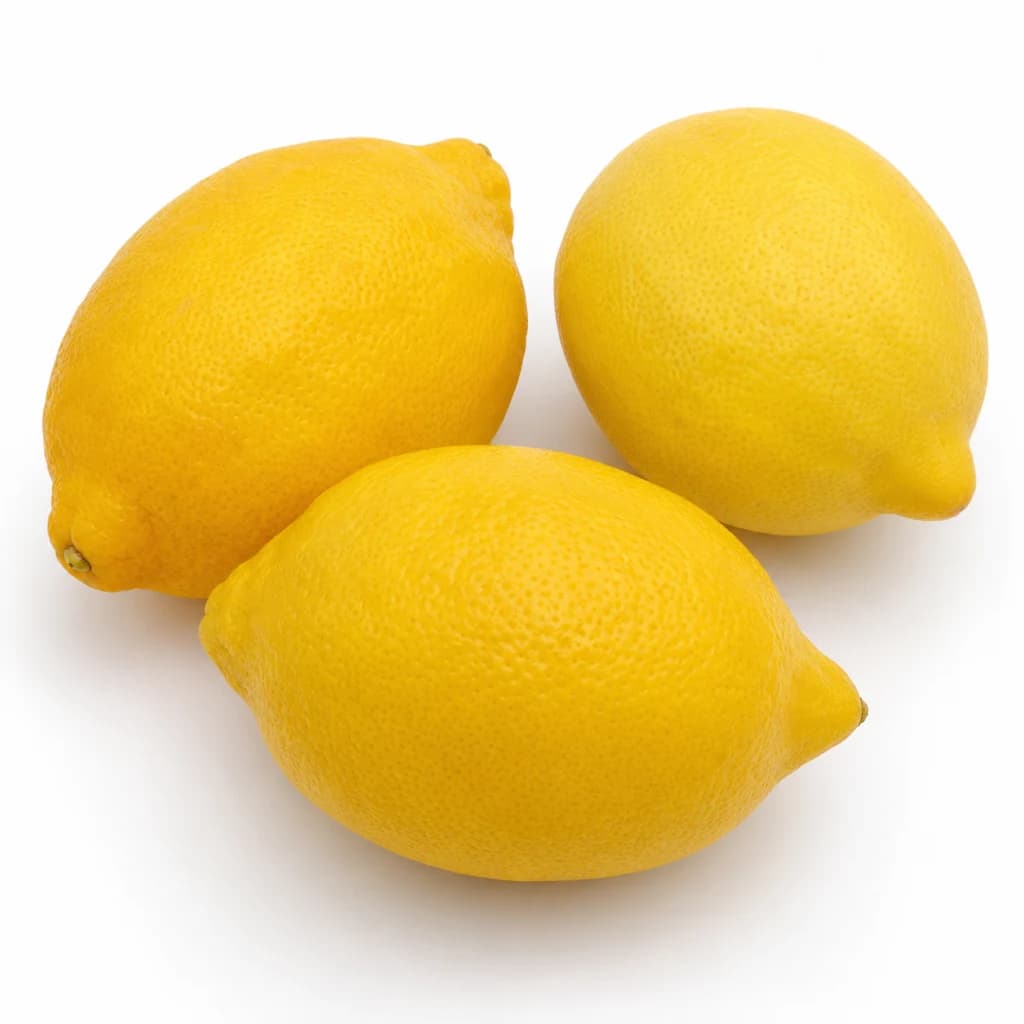
Lemon
Bright, acidic citrus that wakes up almost any dish
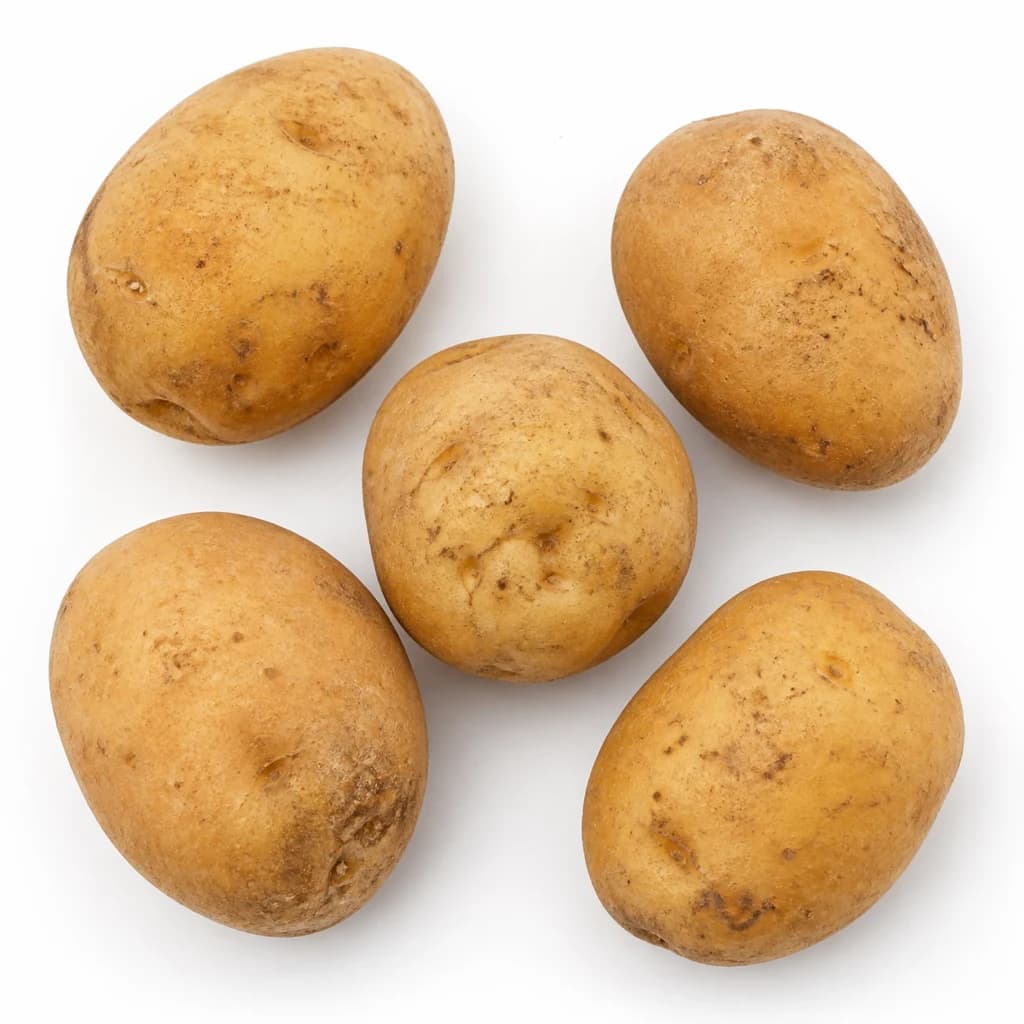
Potato
Humble, hearty staple — roast, mash, fry, or boil
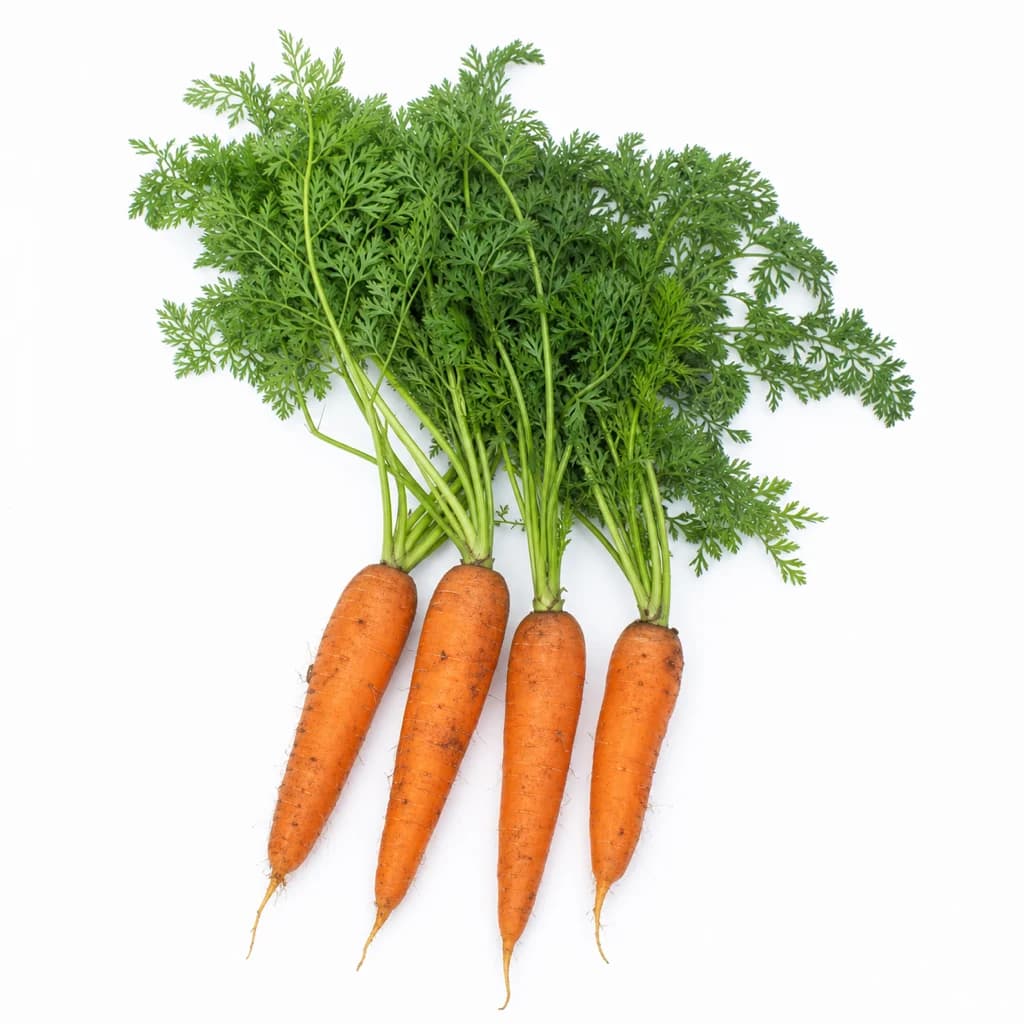
Carrot
Sweet, crunchy root — raw, roasted, or the base of a sofrito
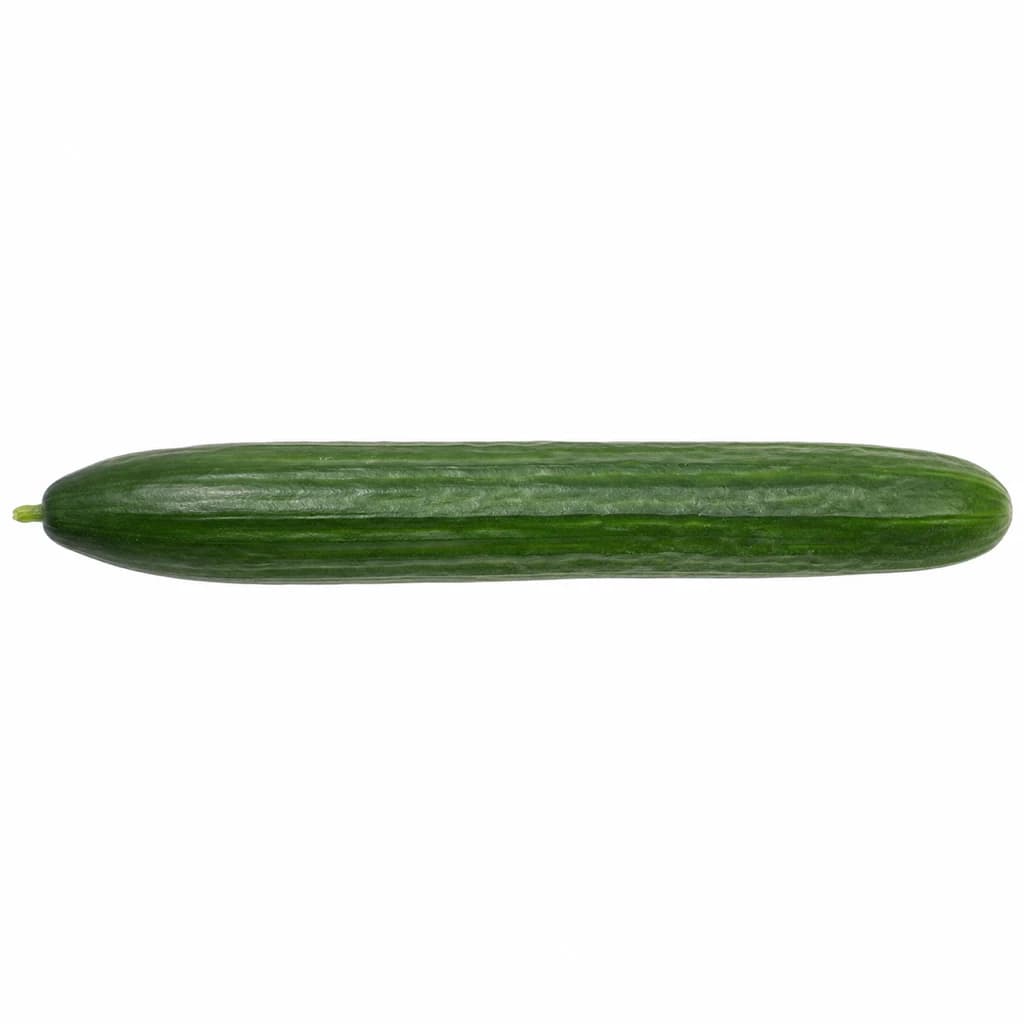
Cucumber
Cool, crisp, and watery — for salads, pickles, and tzatziki

Lettuce
Crisp leaves for salads, wraps, and a fresh crunch