Varieties
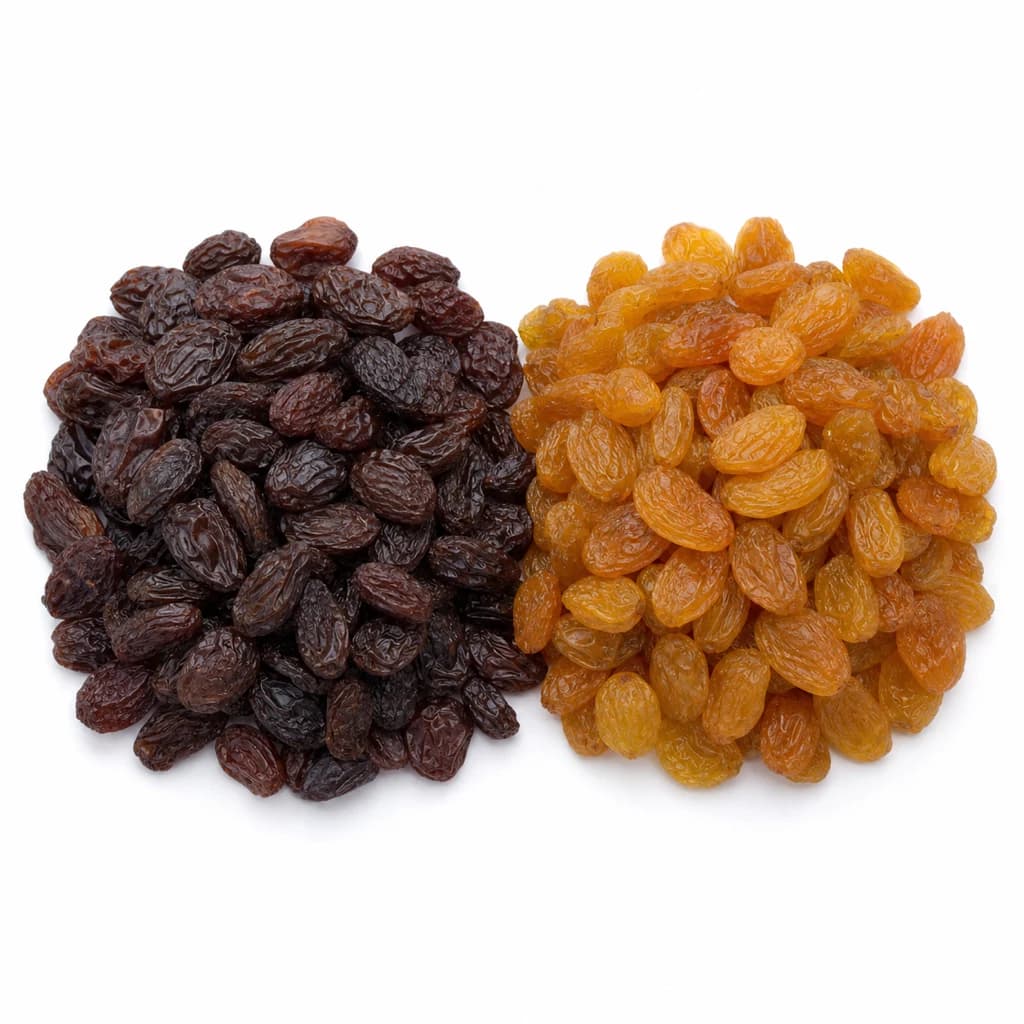
Dark raisins and pale sultanas side by side show how grape variety and drying method differ.
Showing both types together in one scene teaches the reader the two most common forms and their visual contrast.
Produce
Raisins / Sultanas
Dried grapes adding chewy sweetness to baking, pilafs, tagines and snacks.
Raisins and sultanas are dried grapes, ranging from dark and chewy to pale and tangy depending on the variety and drying method. They lend natural sweetness and texture to baked goods, rice pilafs, North African tagines, and snack mixes. Soaking plumps them before use in cooking.
Raisins are dried grapes from Vitis vinifera, a fruit that transforms dramatically through dehydration. Fresh grapes contain roughly 80% water; when dried, they lose most of that moisture, concentrating sugars and creating the chewy, wrinkled texture we recognize. This concentration means raisins pack intense sweetness into a small volume, making them one of the most efficient natural sweeteners available. The transformation from grape to raisin also develops complex caramel and fruit notes that fresh grapes lack.
The term 'raisin' is broad, encompassing several processing methods and grape varieties. Thompson Seedless grapes produce the dark, wrinkled raisins most common in North American markets. Sultanas—sometimes called golden raisins—come specifically from white Thompson Seedless grapes and receive sulfur dioxide treatment to preserve their pale color and mild, almost honeyed flavor. Currants, despite often being grouped with raisins, come from a different grape variety (Corinth) and are significantly smaller and more intensely sweet. Understanding these distinctions matters: a recipe calling for currants will not achieve the same result with standard raisins due to size and sweetness differences.
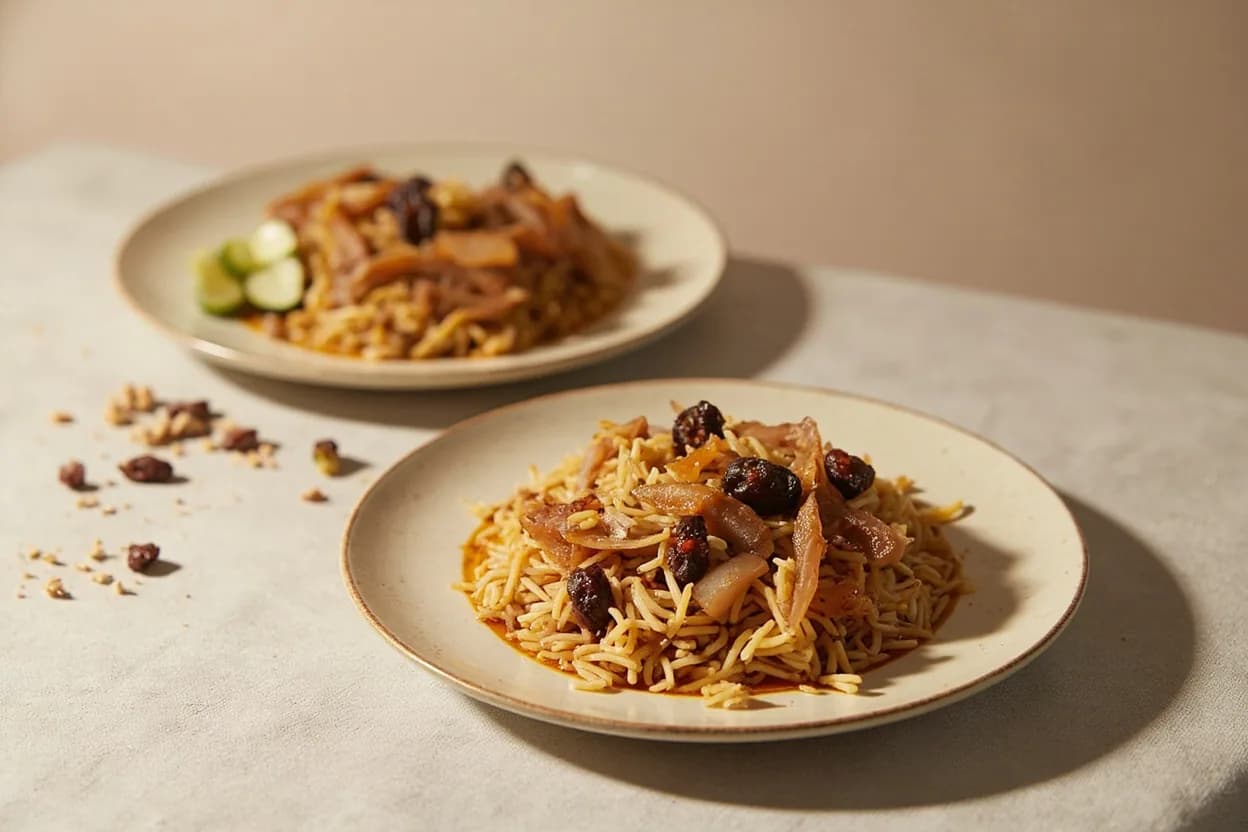
Raisins behave predictably in cooking: they rehydrate readily when soaked in liquid, they absorb flavors from their soaking medium, and they add sweetness and textural contrast to both sweet and savory dishes. Their high sugar content acts as a preservative, contributing to their excellent shelf stability. In baking, raisins provide pockets of sweetness and moisture; in savory dishes like tagines or pilafs, they offer balance against acidic and spiced elements. The key to working with raisins is understanding that they continue interacting with moisture throughout cooking—adding them early means they swell and often dissolve; adding them late preserves their distinct chewy character.
- Measured in
- g
- Storage
- Pantry
Types & varieties
Most common variety; small, dark, seedless; sweet, chewy texture with caramel undertones
Larger, plumper, contain seeds; distinctly floral Muscat flavor; common in Mediterranean cuisines
Made from white Thompson Seedless grapes; light golden color; sulfur dioxide-treated; sweeter, milder flavor than dark raisins
Dried Corinth grapes (Vitis vinifera); tiny (3–5mm), dark; intensely sweet; technically distinct from raisins
Sun-dried without oil or preservatives; darker color; may require soaking before use
Plumping Raisins: Why and How
Plumping (or rehydrating) raisins before baking makes a measurable difference in the final texture. Dry raisins pull moisture from batter, creating dry pockets and uneven distribution. Soaking restores some of that lost moisture and makes the raisins more cooperative ingredients.
- Soak in warm water for 15–30 minutes for plumper texture without flavor influence
- Use fruit juice (orange, apple, pineapple) to add complementary flavor notes
- Soak in brewed tea for subtle tannic complexity that pairs well with chocolate
- Use rum or brandy for holiday baking and fruitcakes—these spirits penetrate the skin more readily than water
- Drain well after soaking; reserve the liquid for adding to batter if desired
- Cold water works but requires longer soaking time; avoid boiling water which makes raisins burst and leathery
Sultanas vs. Raisins: When It Matters
In most applications, sultanas and dark raisins are interchangeable. However, several situations call for one specifically. Sultanas' golden color matters in white or light-colored batters, where dark raisins would create visual specks. Their milder flavor suits delicate pastries and breakfast breads. Dark Thompson Seedless raisins provide more pronounced sweetness and caramel notes that work better in hearty breads and strongly-spiced cakes. For true authenticity in Scottish currant buns or traditional English minced pies, use actual currants—not ordinary raisins substituted in equal measure.
Common uses
Tips & pitfalls
- Plump before baking: soak in warm water, fruit juice, rum, brandy, or tea for 15–30 minutes to achieve a plumper, more moist texture
- Toast for depth: spread on a baking sheet and toast at 175°C (350°F) for 5–8 minutes, stirring halfway, to intensify flavor and reduce moisture
- Watch sulfite sensitivity: check labels; some people experience reactions; organic or naturally-dried varieties are sulfite-free
- Toast in pilafs: lightly toasting raisins with aromatics adds caramelized sweetness to rice dishes
- Balance savory dishes: add near the end of long-cooking savory dishes to maintain some texture rather than dissolving completely
- Grind for pastes: processed into a sticky paste, raisins work as a natural sweetener and binding agent in energy balls and bars
- Don't store near strong odors: raisins absorb odors from other foods; keep sealed in cool, dark location
- Freeze for easy chopping: partially frozen raisins chop cleanly for even distribution in batter or dough
Nutrition
Energy
1238 kJ · per 100 g
Where the calories come from
Protein
2.5g
5% DV
Carbs
78.5g
29% DV
Fat
0.5g
1% DV
Fiber
6.8g
24% DV
Sodium
28mg
1% DV
Source · USDA FoodData Central · Raisins, seeded
View on FDC →In the shops
Matched grocery products
No matched grocery products for Raisins / Sultanas yet.
Good to know
- Source
- Dried grapes (Vitis vinifera)
- Primary Varieties
- Thompson Seedless (dark), Muscat, Sultana/Golden (sulfur-treated), Corinth (currants)
- Moisture Content
- 15–20% (grapes are ~80% water fresh)
- Natural Sugar
- Very high; sugars concentrate approximately 4× during drying
- Processing
- Sun-dried or mechanically dried; often coated with small amounts of oil to prevent clumping
- Sultana Treatment
- Sulfur dioxide gas treatment retains golden color and prevents oxidation
- Sulfites
- Commercial raisins and all sultanas contain sulfites; natural/sulfite-free versions available
- Shelf Life
- 6–12 months in cool, dry pantry; up to 1 year refrigerated in airtight container
Substitutes
- Dried Cranberries — Similar chewy texture; tangier flavor; works in baking and trail mixes
- Dried Cherries — Comparable size and texture; distinct tart-sweet flavor; suitable for baking and savory dishes
- Dried Apricots — Chewy texture; different flavor; cut into pieces; works in tagines and baking
- Dates (Chopped) — Darker, sweeter; moister texture; excellent in baking and savory dishes; Medjool preferred for similar plumper result
- Golden Raisins for Dark Raisins — Slight flavor difference (milder); color difference in finished dish; acceptable in most applications
Pairs with
Also called
Sultanas · Kishmish · Green Raisins · Keshmesh · Golden Raisins
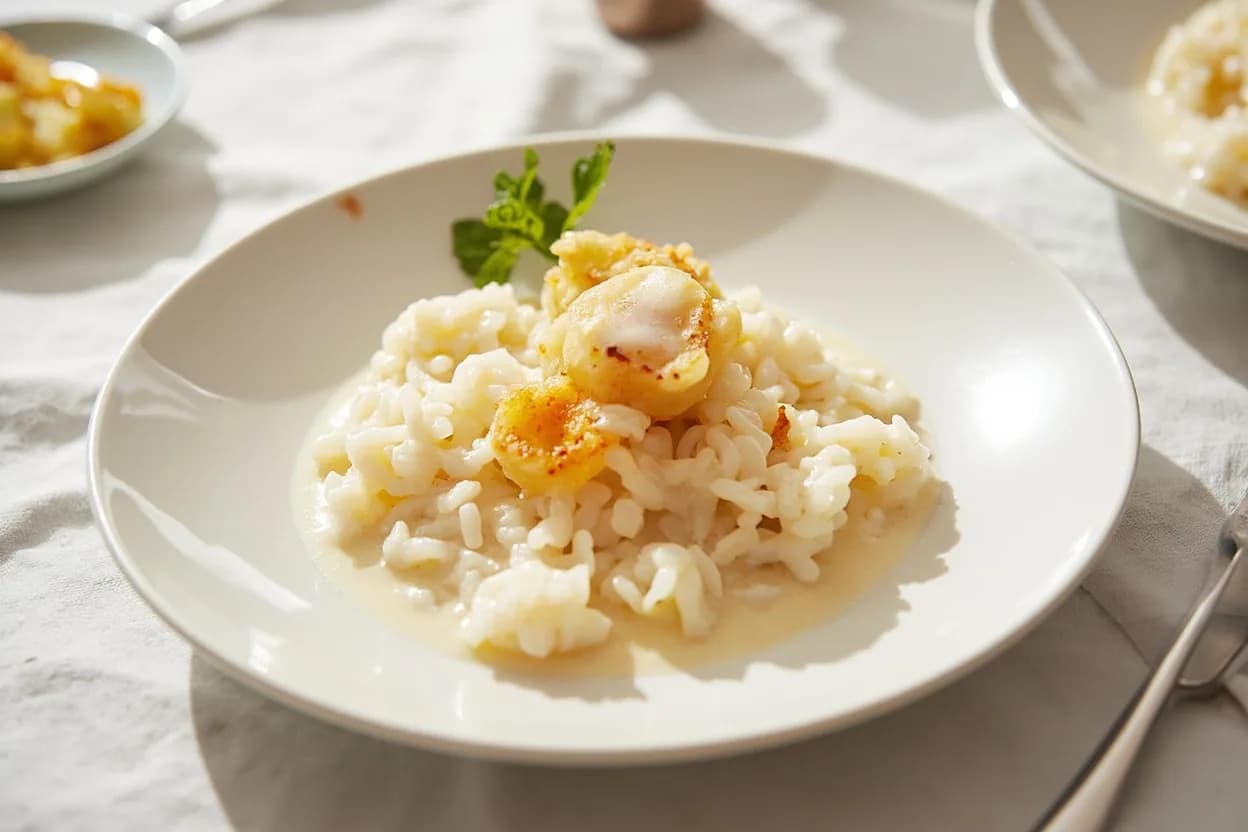
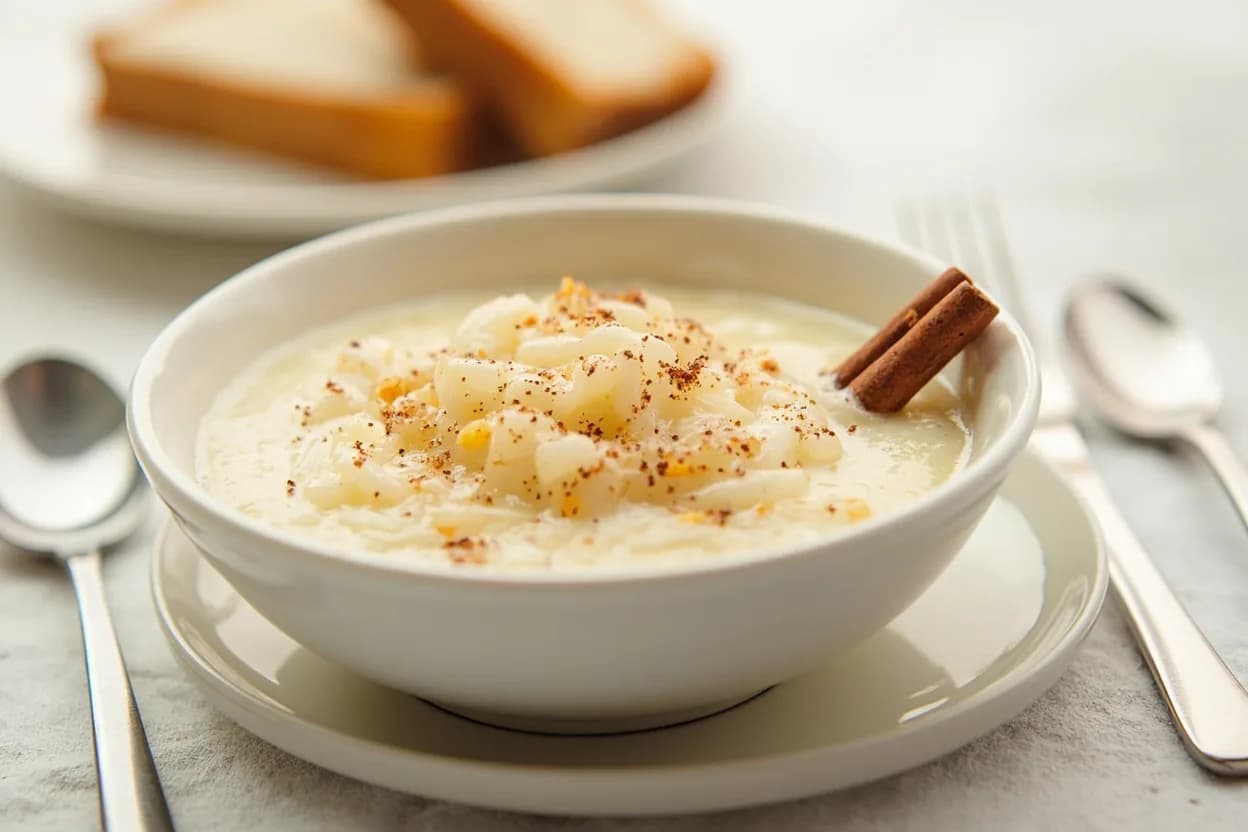
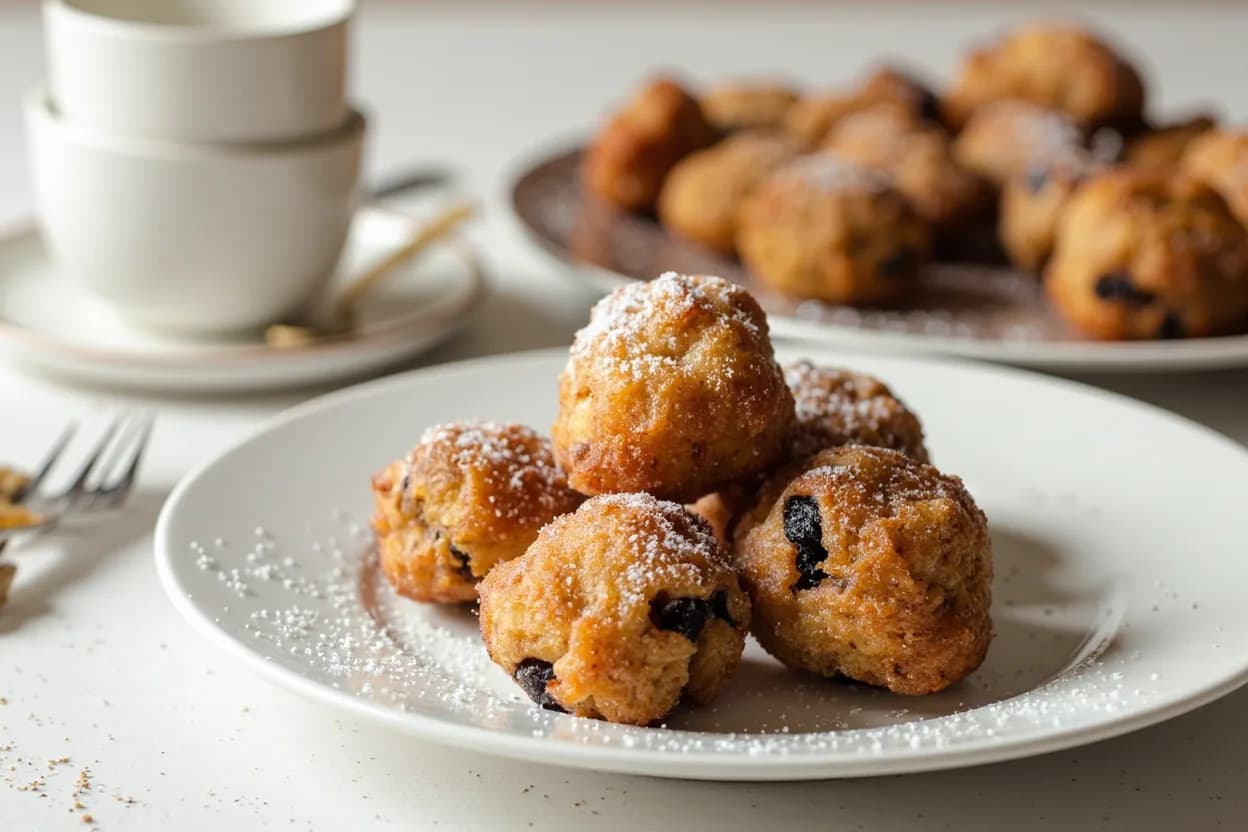
Appears in these dishes
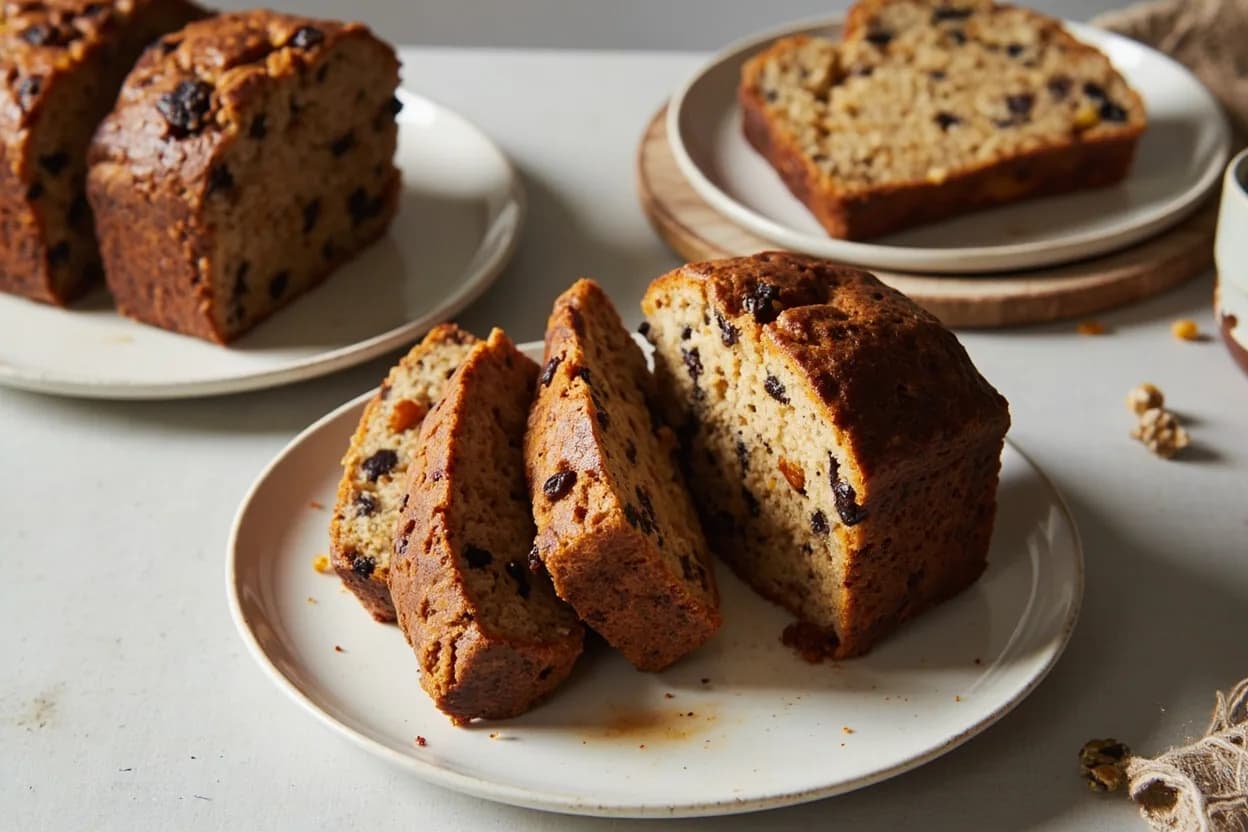
Related
Tomato
Juicy, sun-sweet fruit for sauces, salads, and slow-cooked depth
Yellow Onion
The aromatic backbone of soups, sofritos, and braises
Garlic
Pungent cloves that perfume nearly every savory dish
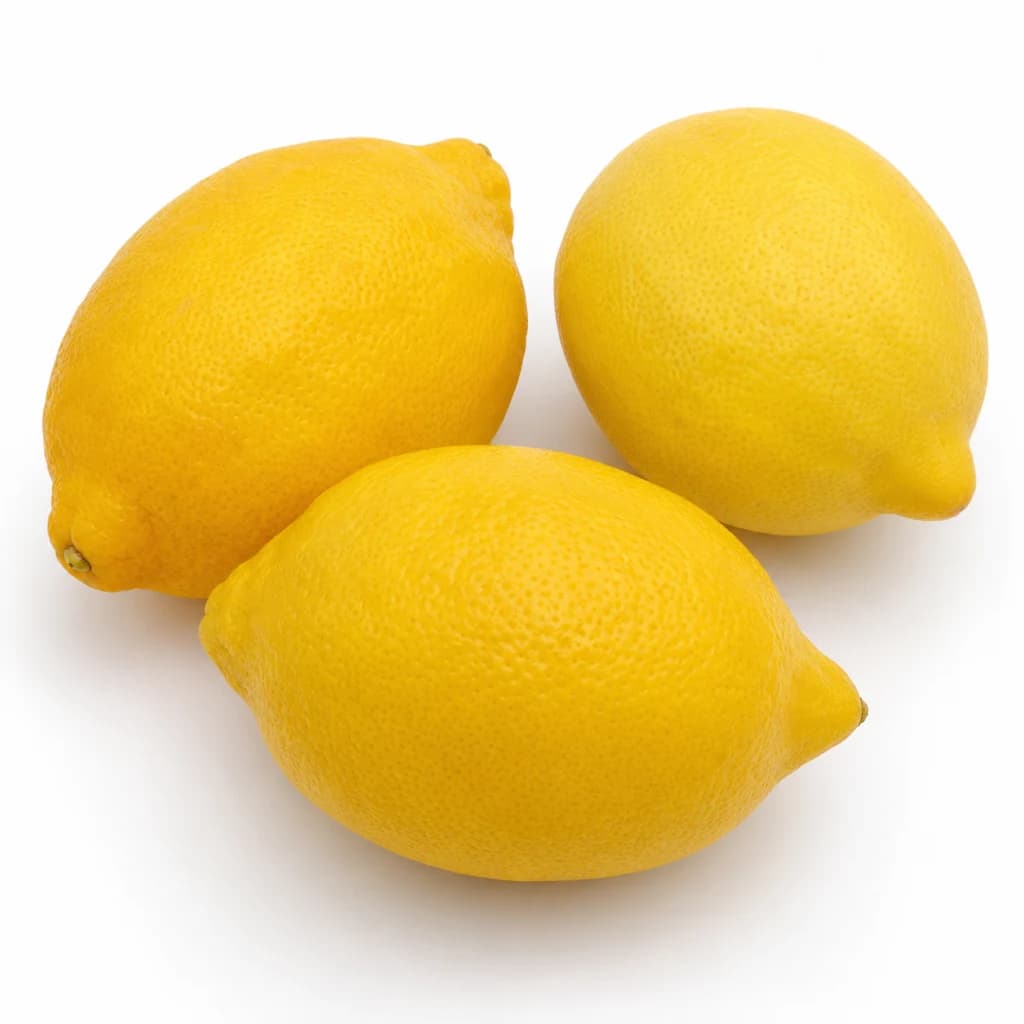
Lemon
Bright, acidic citrus that wakes up almost any dish
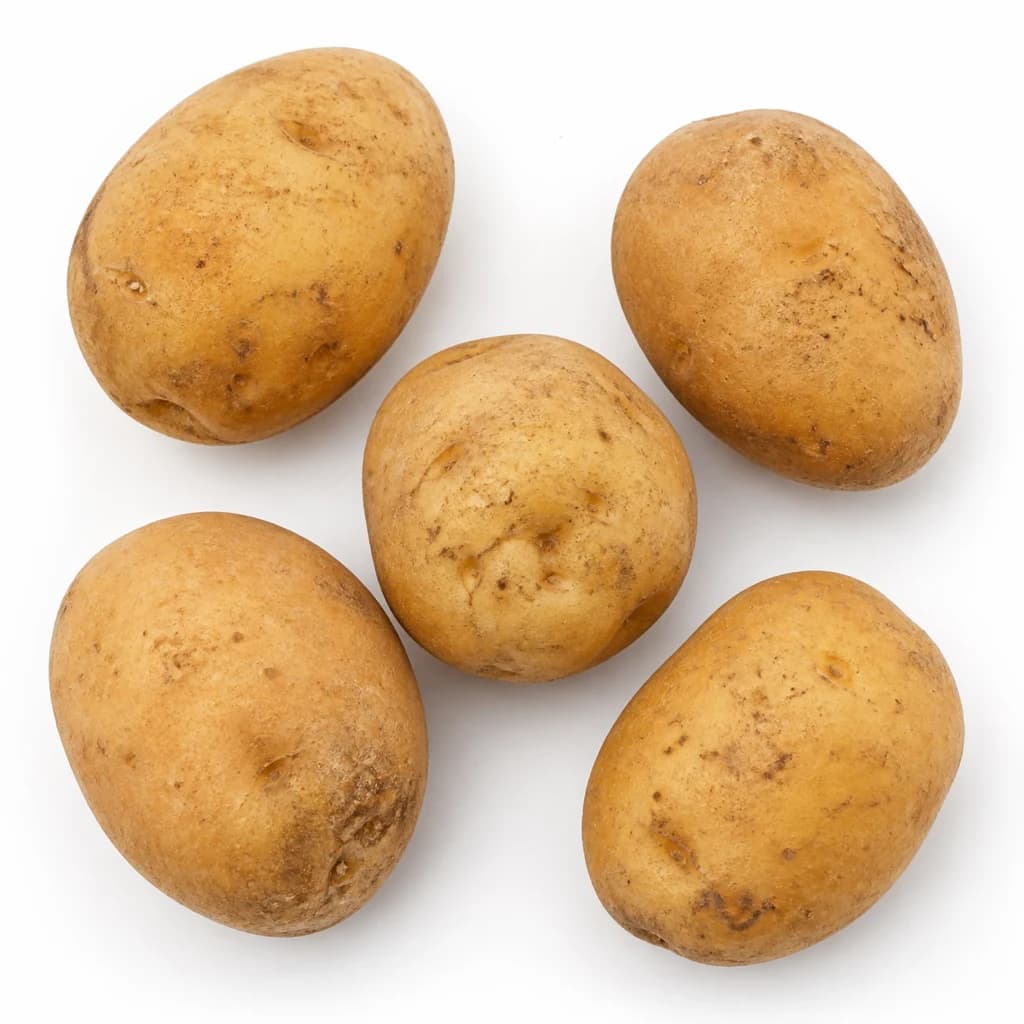
Potato
Humble, hearty staple — roast, mash, fry, or boil
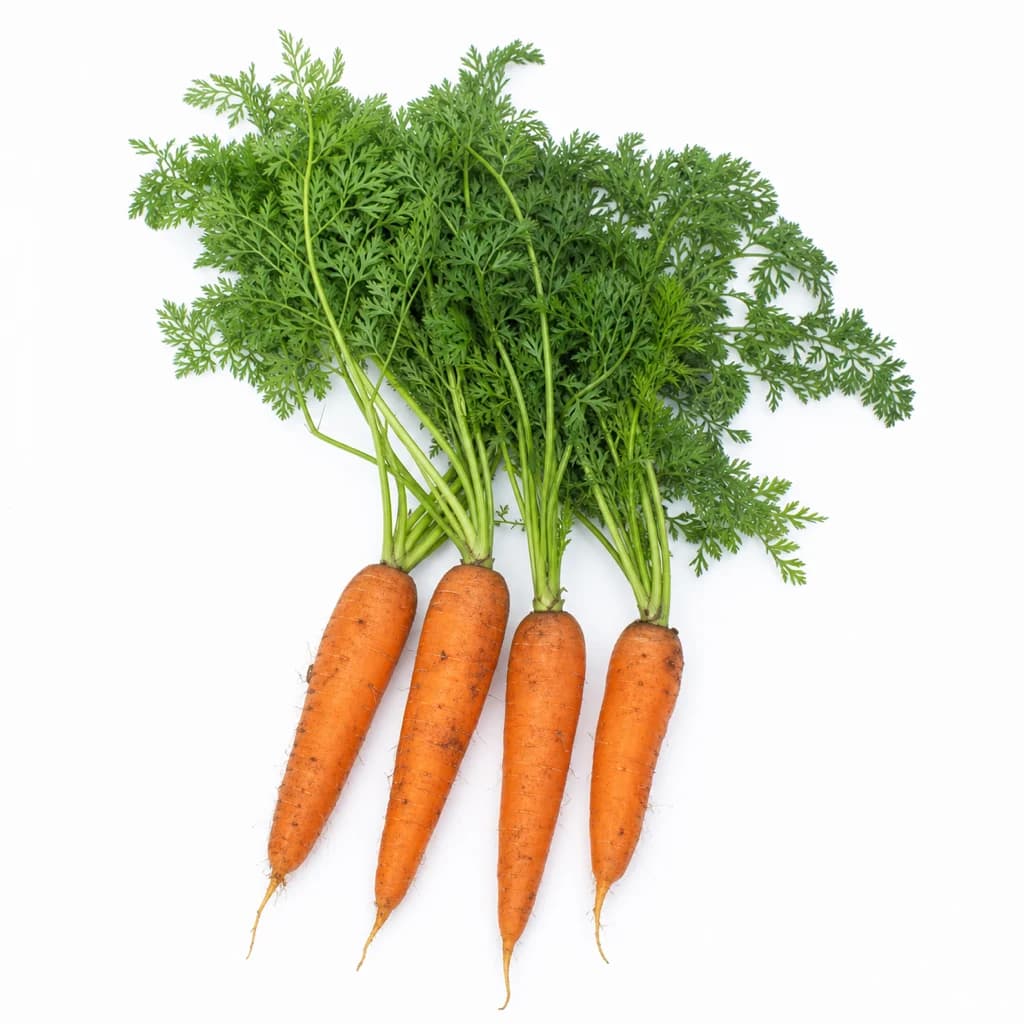
Carrot
Sweet, crunchy root — raw, roasted, or the base of a sofrito
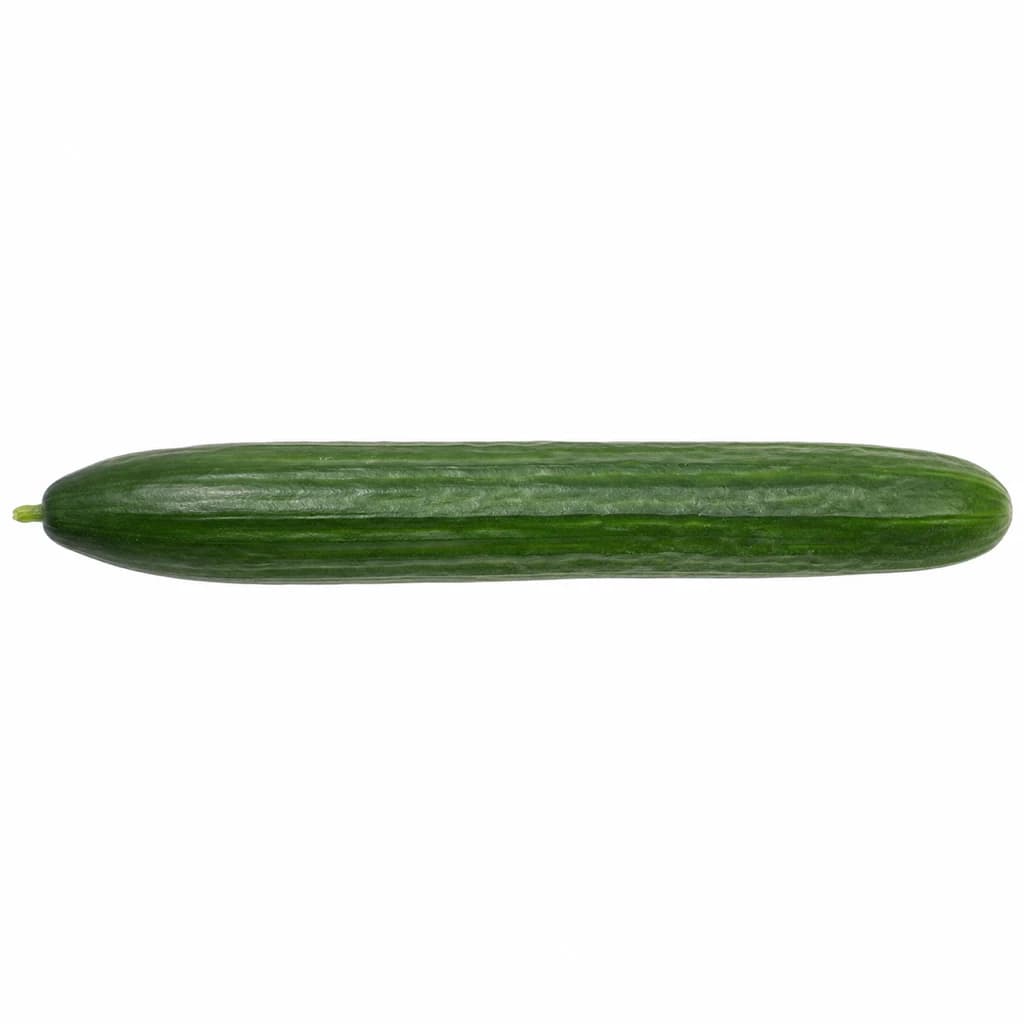
Cucumber
Cool, crisp, and watery — for salads, pickles, and tzatziki

Lettuce
Crisp leaves for salads, wraps, and a fresh crunch