Natural form
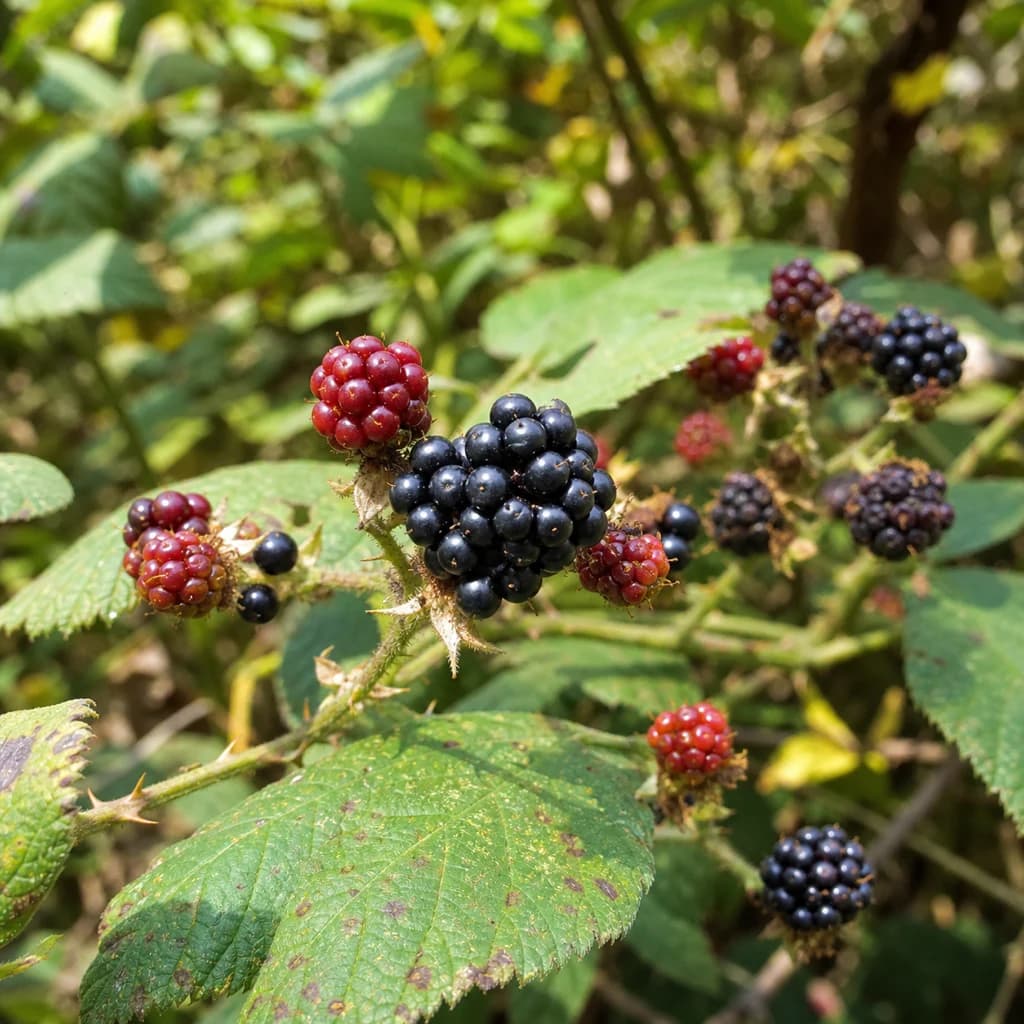
Ripe wild blackberries on a bramble branch, glossy black clusters amid thorny green canes.
Shows the berry in its foraged habitat, teaching readers where and how it grows before harvest.
Produce
Wild Blackberry
Foraged hedgerow blackberries, deep-purple and tart-sweet, baked into pies, jams, and crumbles.
Wild blackberries are the small, intensely flavored fruits of bramble bushes found in hedgerows and woodland edges. Deeper and more tart-sweet than cultivated berries, they are foraged in late summer and baked into pies and crumbles, simmered into jam, or eaten fresh. They stain readily and are at their best picked fully ripe and glossy black.
Wild blackberries are the undomesticated ancestors of the berries sold in supermarkets, belonging to the genus Rubus. Three principal species dominate temperate foraging: Rubus fruticosus in Europe, Rubus allegheniensis in Eastern North America, and Rubus ursinus along the Pacific coast. Unlike their cultivated descendants, wild blackberries grow on arching biennial canes studded with thorns, producing small, intensely flavored fruit that clusters in unmistakable bunches. The difference is not cosmetic—wild specimens contain 20–40% more anthocyanins than commercial varieties, yielding a deeper color, more aggressive tartness, and a more complex, floral aroma that cultivated types simply cannot match.
The behavior of wild blackberries in the kitchen reflects their wild genetics. Smaller seeds are more prominent than in cultivars, giving traditional preparations like hedgerow jam and country pie an authentic texture that purists consider essential rather than a flaw. The high natural acidity (pH 3.0–3.9) means wild berries set into jam with minimal added pectin—a practical advantage that also makes them excellent for safe water-bath canning. This acidity also makes them exceptional partners for rich, fatty, or gamey foods, cutting through heaviness with a clean, bright edge.
The season is ruthlessly short: six to eight weeks from late July through September, with peak flavor in August. This scarcity drives the traditional emphasis on preservation—freezing, jamming, bottling, and infusing—practices that were necessity before they were tradition. Foragers must be certain of identification: the leaves and green berries resemble deadly nightshade (Solanum dulcamara), which grows in similar hedgerow habitats. Deadly nightshade berries are solitary and the plant has distinctively different foliage; when in doubt, leave the berry behind. Anthocyanins are powerfully concentrated in wild blackberries, making them one of the most staining ingredients in the kitchen. The deep purple-black color with its characteristic matte bloom is visually stunning, but it will permanently discolor light fabrics, wooden cutting boards, and countertops if not addressed immediately with lemon juice or white vinegar.
- Measured in
- g
- Storage
- Fridge
Types & varieties
Thorny arching canes; the classic hedgerow berry of British and Western European tradition; intensely aromatic, smaller than cultivars, prized for jam and pies
Eastern North American species; large, sweet fruit on thorny canes; ranges from Canada to the Gulf states; excellent fresh eating when fully ripe
Western North American native; genetic parent of many modern cultivars; smaller, intensely flavored; thrives in coastal forests and disturbed areas
Aggressively invasive in Pacific Northwest and California; large, seedy fruit; technically edible but considered undesirable due to habitat displacement—best to avoid for environmental reasons
Foraging Safety and Identification
Wild blackberries grow abundantly in hedgerows, woodland edges, and disturbed areas, making them accessible foragers' targets—but safety requires vigilance. The berries themselves are unmistakable when ripe: deep purple-black, growing in clusters rather than singly, on canes that may arch gracefully or scramble aggressively over supporting vegetation. The critical danger lies in confusion with deadly nightshade (Solanum dulcamara), which shares similar habitats and whose leaves resemble blackberry foliage. Deadly nightshade berries are solitary (not clustered), rounder, and ripen to a dull black; the plant has pointed, angular leaves rather than the palmate, serrated leaves of Rubus. If you are uncertain, do not pick. Always harvest at least 30 feet from roadways to avoid vehicle exhaust contamination and potential herbicide residue. Avoid foraging near agricultural fields without confirming no recent pesticide application. Transport berries in a single layer in a rigid container with a cool pack on warm days—wild blackberries crush easily and spoil quickly when piled.
- Harvest only fully black berries that release easily from the vine with a gentle tug; a white or green tip indicates unripe fruit
- Avoid areas within 30 feet of roadsides, agricultural fields, or areas of unknown herbicide use
- Wear gloves for thorny canes; dress in dark clothing—the berries stain permanently
- Expect some insect activity; soaking berries in salted water for 15 minutes before rinsing will drive out fruit fly larvae
Preservation for Year-Round Use
The short six-to-eight-week season makes preservation essential rather than optional for anyone who wants to cook with wild blackberries beyond late summer. Freezing is the simplest and most effective method: spread clean, dry berries in a single layer on a sheet pan, freeze until solid, then transfer to airtight bags. Frozen wild blackberries keep for up to 12 months and can be baked, simmered, or pureed directly from frozen—no need to thaw. For jam, wild blackberries require significantly less added pectin than cultivated varieties because they contain naturally higher levels; over-pectining produces a stiff, rubbery set that masks the fruit's flavor. Water-bath canning is safe given the berries' naturally low pH, but always verify with a calibrated pH meter rather than relying on assumptions. Beyond freezing and jamming, wild blackberries make excellent vinegar infusions for salad dressings, shrubs, and marinades, and they transform readily into sorbet, fruit leather, or infused spirits.
- Freeze on a sheet pan first, then bag—prevents clumping and allows portioning
- For jam, add pectin sparingly; taste first and cook down longer if a firmer set is needed
- Water-bath canning is safe due to natural acidity, but verify pH below 4.6 with a meter
- Make fruit vinegar by steeping berries in neutral vinegar for 2–4 weeks in the refrigerator
Common uses
Tips & pitfalls
- Harvest only fully black, plump berries that release easily from the vine with a gentle tug; a white or green tip indicates unripe fruit
- Forage at least 30 feet from roadsides to avoid vehicle exhaust contamination and potential herbicide exposure
- Avoid areas near agricultural fields unless you are certain of no recent pesticide application
- Transport in a single layer in a rigid container to prevent crushing; pack with a cool pack if foraging on warm days
- Wash just before use, not upon return—excess moisture accelerates spoilage
- If berries taste bitter or astringent, they are not ripe; unlike cultivated types, wild blackberries do not ripen further after picking
- Expect some white worms (fruit fly larvae) in organic foraged fruit; soaking in salted water for 15 minutes before rinsing drives them out
- To extend the season, freeze berries on a sheet pan, then transfer to bags for up to 12 months; no need to thaw before baking
- For jam, wild blackberries require less added pectin than cultivated varieties due to naturally higher pectin content; over-pectining causes a stiff, rubbery set
- Wear dark clothing and use non-porous cutting surfaces—wild blackberries stain permanently and require lemon juice or white vinegar for removal
Nutrition
Energy
180 kJ · per 100 g
Where the calories come from
Protein
1.4g
3% DV
Carbs
9.6g
3% DV
Fat
0.5g
1% DV
Fiber
5.3g
19% DV
Sugars
4.9g
of which
Sodium
1mg
0% DV
Source · USDA FoodData Central · Blackberries, raw
View on FDC →In the shops
Matched grocery products
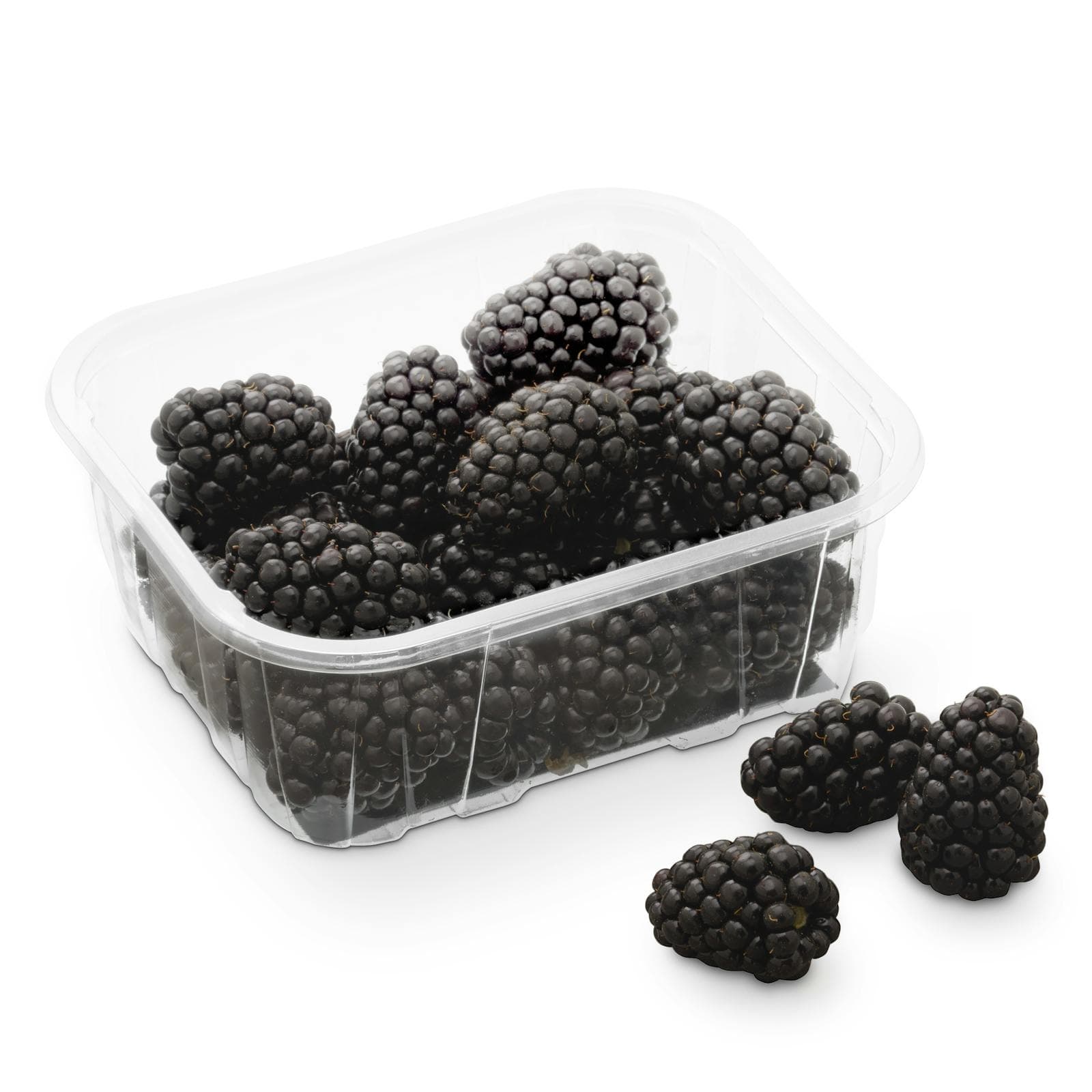 €2.70
€2.70Blackberries
150 g · Mercadona
 €2.19
€2.19LA COLLITA Blackberries in Terrine 125 g
LA COLLITA · kg · Bonpreu
Good to know
- Scientific Name
- Rubus fruticosus (Europe); R. allegheniensis (Eastern North America); R. ursinus (Pacific Northwest)
- Peak Season
- July–September; peak flavor in August
- Flavor Profile
- Tart-sweet with earthy, floral aromatics; more acidic and complex than cultivated varieties
- Perishability
- 1–2 days fresh in refrigerator; freezes well for up to 12 months
- pH
- 3.0–3.9 (highly acidic—important for safe canning and preservation)
- Anthocyanin Content
- 20–40% higher than commercial cultivars; exceptional antioxidant density
- Seed Character
- Prominent but smaller than cultivated types; integral to traditional preparations
- Yield
- Approximately 1 cup per 6-ounce container; foragers collect 1–2 pints per hour at good sites
Substitutes
- Boysenberry — Best substitute; similar intensity and seediness; slightly larger and less complex
- Cultivated Blackberry — Acceptable in most applications; will be larger, less tart, and less aromatic; reduce sugar slightly
- Raspberry — Closest in acidity and texture; milder flavor; works in preserves and desserts
- Blackcurrant — More intensely acidic; excellent in jams and savory applications; requires more sugar
- Mulberry — Similar size and seed content; slightly sweeter and less acidic; good for pies and preserves
Pairs with
Also called
Bramble · Wild Blackberry
Related
Tomato
Juicy, sun-sweet fruit for sauces, salads, and slow-cooked depth
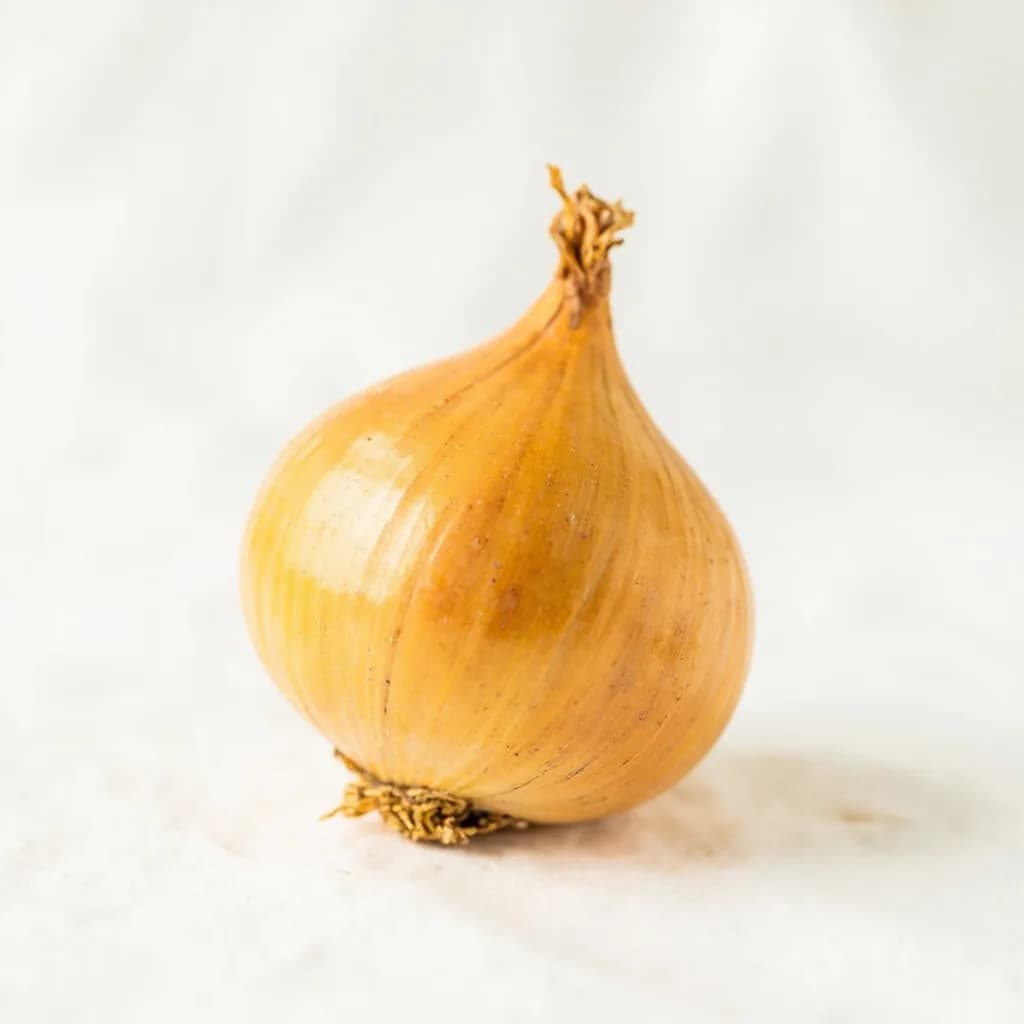
Yellow Onion
The aromatic backbone of soups, sofritos, and braises
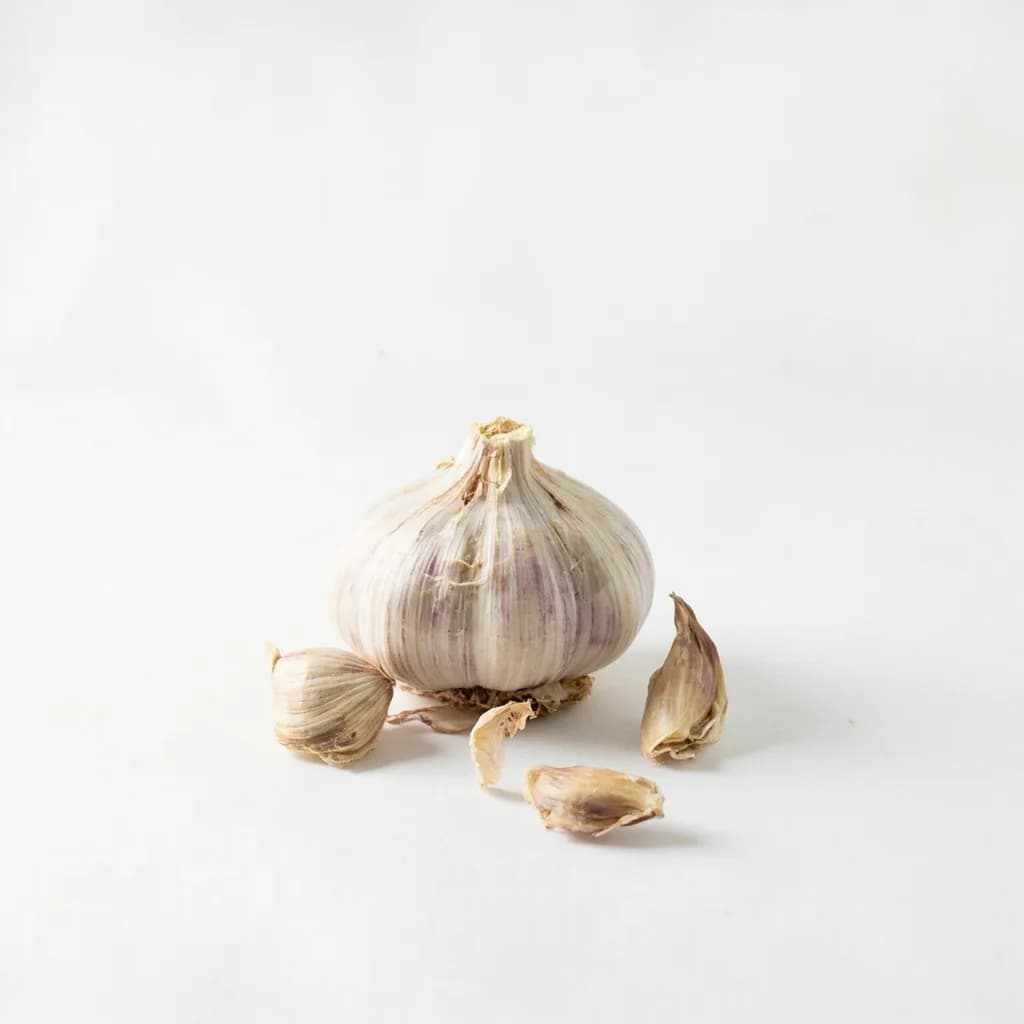
Garlic
Pungent cloves that perfume nearly every savory dish
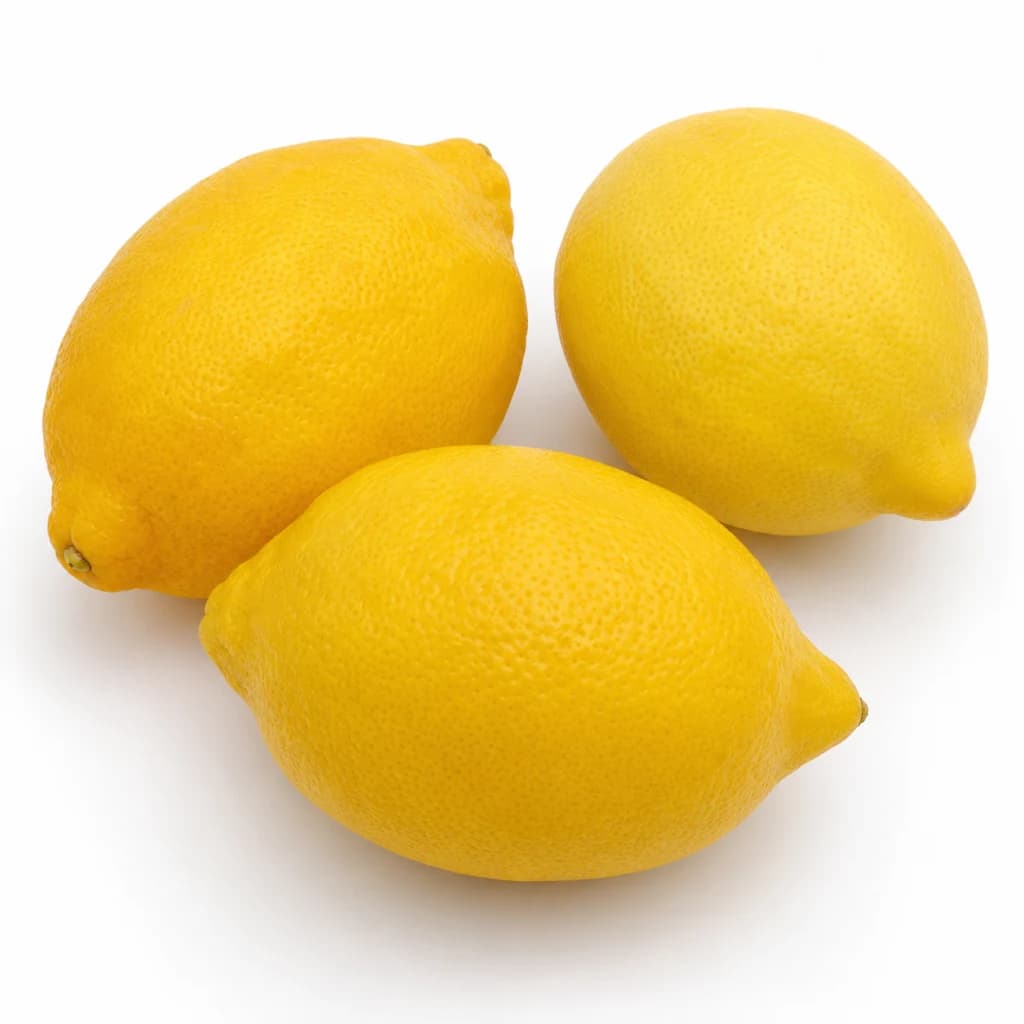
Lemon
Bright, acidic citrus that wakes up almost any dish
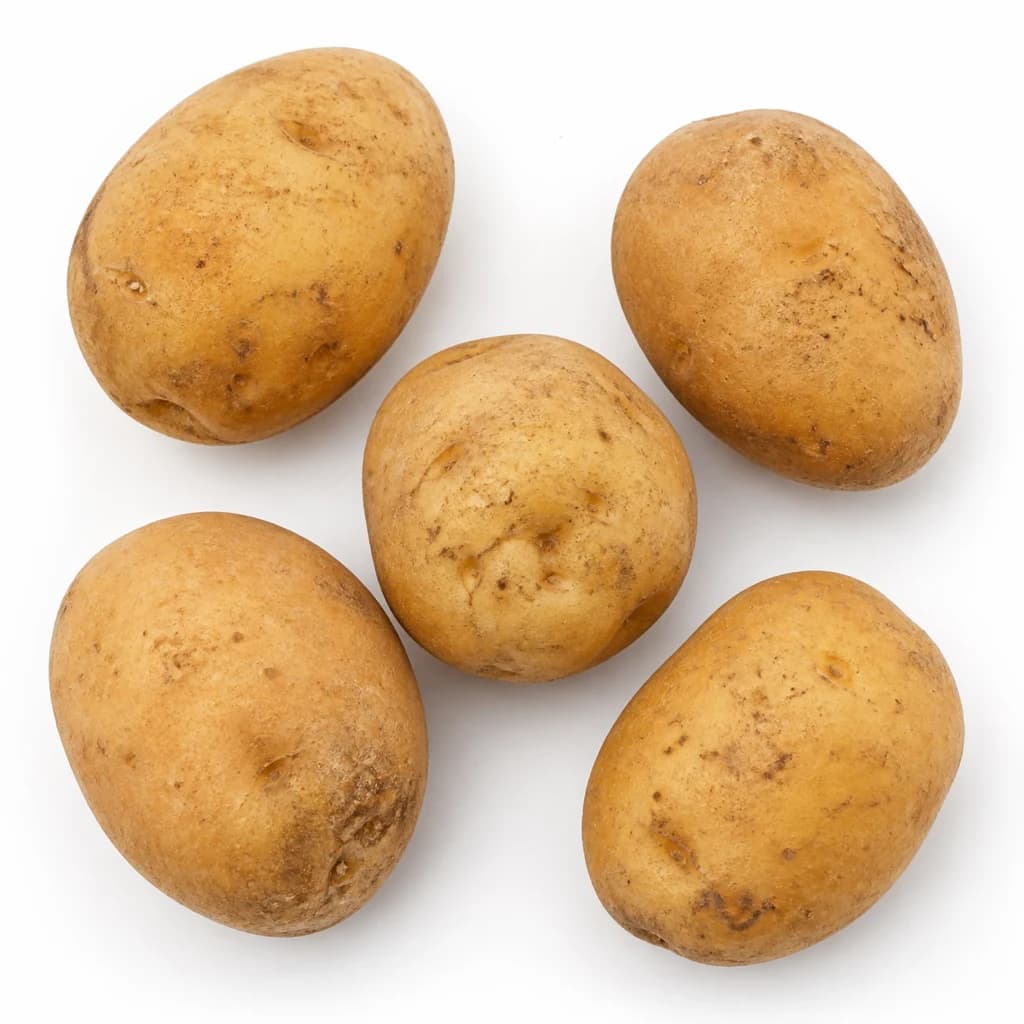
Potato
Humble, hearty staple — roast, mash, fry, or boil
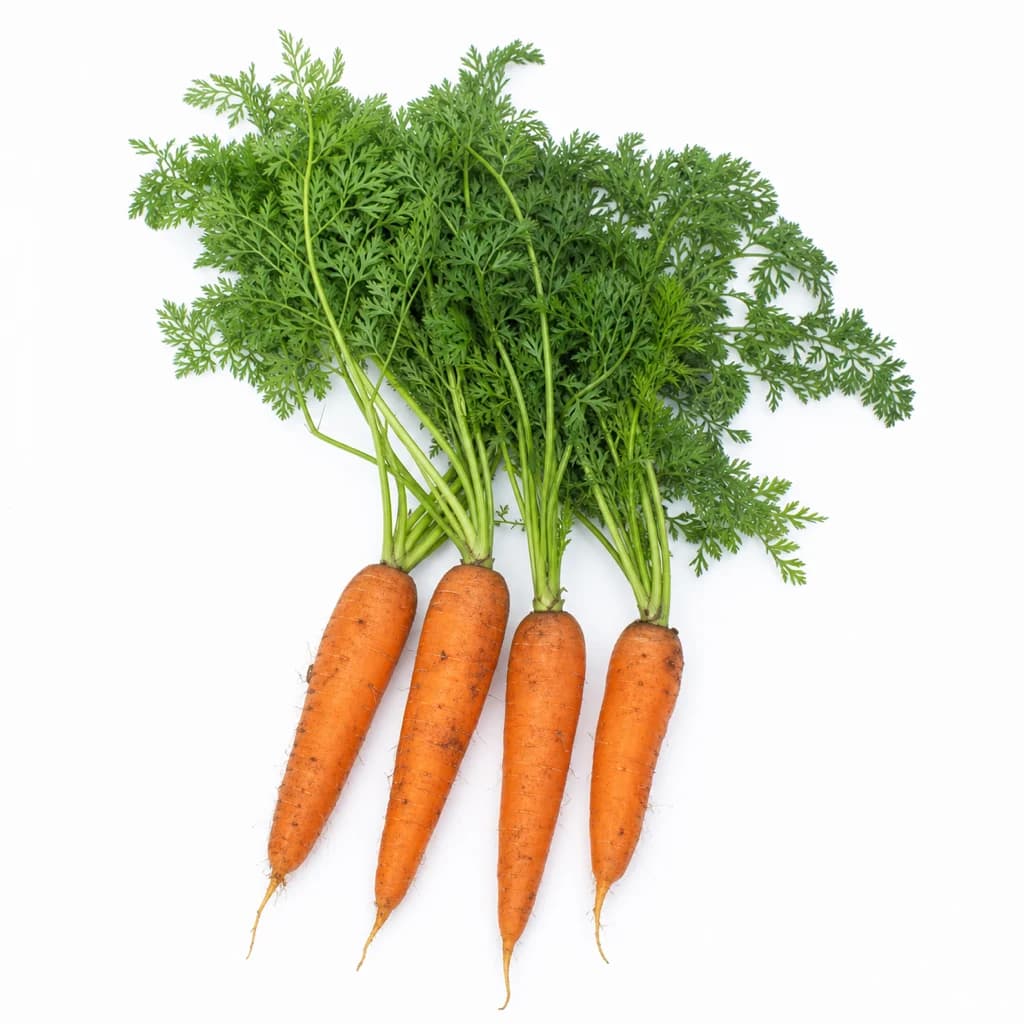
Carrot
Sweet, crunchy root — raw, roasted, or the base of a sofrito
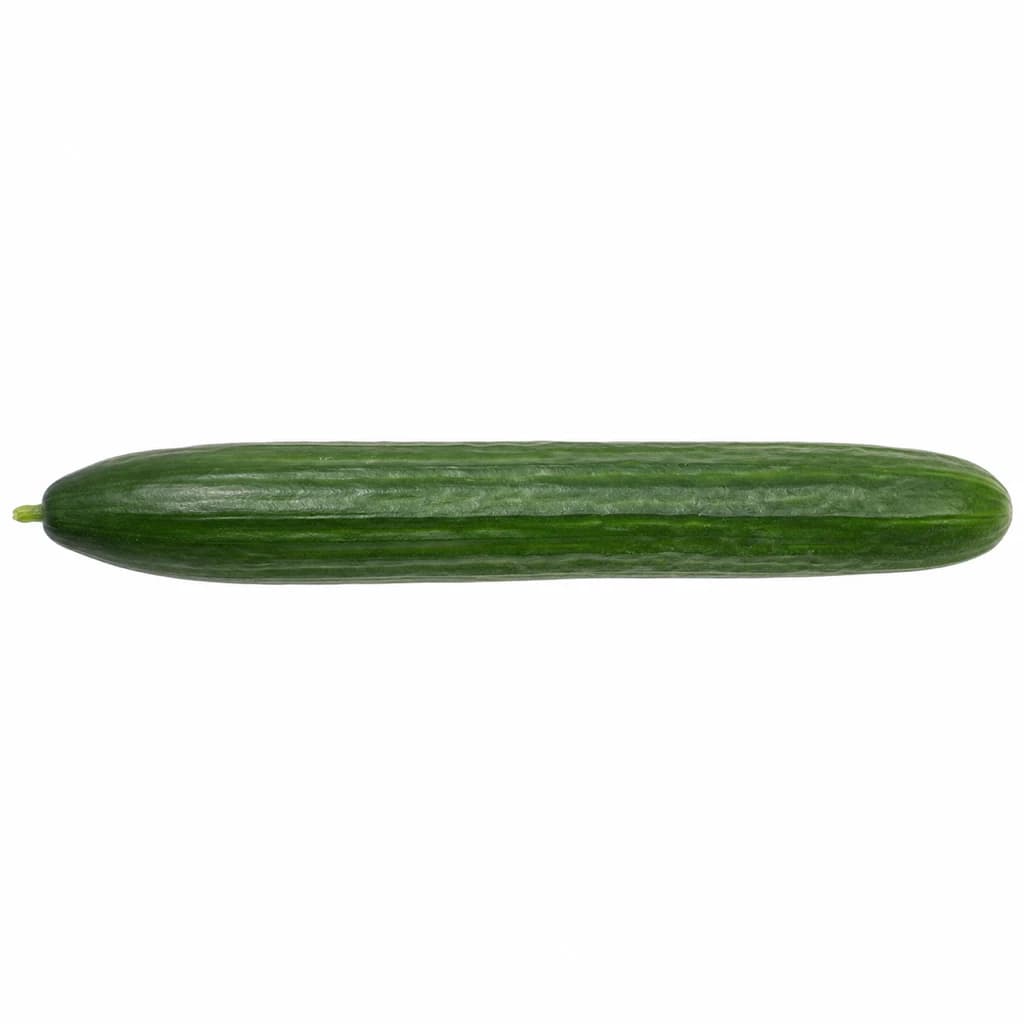
Cucumber
Cool, crisp, and watery — for salads, pickles, and tzatziki

Lettuce
Crisp leaves for salads, wraps, and a fresh crunch