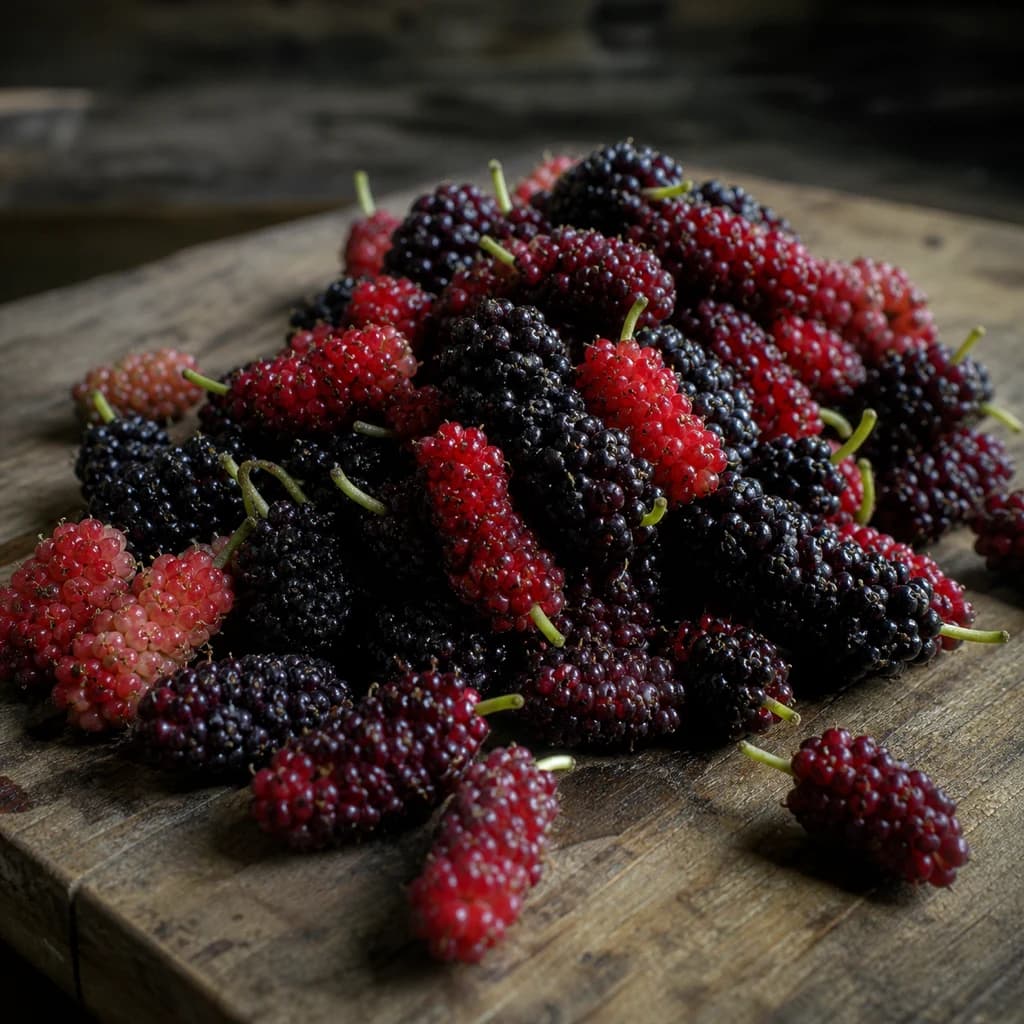
Natural form
Fresh mulberries straight from the tree, showing ripe deep-purple and red fruit.
Shows the elongated multi-lobed berry form, color gradient from red to near-black, and characteristic shape that defines the ingredient.
Produce
Mulberry
Sweet-tart elongated berry eaten fresh or dried, used in jams and desserts.
Mulberries are elongated, multi-lobed berries that grow on mulberry trees and ripen from white through red to deep purple-black. They have a sweet-tart, honeyed flavor and are eaten fresh, dried, or cooked into jams, pies, and syrups. The dark juice stains readily and the fruit is highly perishable.
Mulberries are the elongated, fleshy fruit of trees in the Morus genus, ranging from 1 to 3 centimeters long with a distinctly tubular shape rather than the round form of raspberries or blueberries. Three primary species dominate culinary use: Morus alba (white mulberry, native to China), Morus rubra (red mulberry, native to eastern North America), and Morus nigra (black mulberry, native to western Asia). The black mulberry is widely regarded as the finest for eating out of hand and for applications where berry intensity matters—it delivers a complex sweet-tart punch and deep wine-red to near-black color that stains irreversibly. White mulberries are far milder, often described as blandly sweet with very low acidity, and are more commonly dried or steeped into tea than eaten fresh. Red mulberries occupy the middle ground: juicier and more tart than white, decent for fresh eating but better suited to preserves and cooked preparations.
What distinguishes mulberries from other berries in the kitchen is their unusual protein content—dried mulberries have a notably different, slightly chewy texture compared to typical leathery dried fruit, and the fresh berries carry enough pectin that slightly underripe fruit can contribute to a good jam set without added pectin. The berries are also staggeringly perishable: once picked or purchased, they deteriorate within a day or two at room temperature, and bruising accelerates rot. This impermanence makes them a treasure of seasonal cooking—the window is narrow, the reward is high for those who move quickly.
Mulberries have a long culinary history across Asia, Europe, and North America, though they remain underused in mainstream Western kitchens compared to blackberries or raspberries. In the United States, the Pakistan mulberry—a long, juicy variety common in South Asian markets—is what most shoppers encounter as "fresh mulberry." True native black mulberries (Morus nigra) are rare in American commerce because the trees are slow-growing and less productive than the white mulberry, which was introduced globally as silkworm feed and has become naturalized in many regions. Knowing which species you have changes how you cook: the flavor gap between a white and a black mulberry is enormous, and substitutions made 1:1 without accounting for this will produce flat, dull results from white fruit or overwhelming tartness from black.
Mulberries stain with a permanence that demands respect. The deep purple-black juice penetrates fabric, skin, and wooden cutting boards almost instantly. This is not an exaggeration—it is one of the most staining kitchen ingredients you'll encounter, rivaling pomegranate and black beans. Gloves, an apron, and work surfaces lined with paper towels are not optional extras when working with dark mulberries in any quantity.
- Measured in
- g
- Storage
- Fridge
Types & varieties
Considered the finest for eating fresh and for intense culinary applications. Deep purple to near-black skin with wine-red flesh. Intensely sweet-tart with the most complex, developed flavor of all mulberry species. Rare in commercial trade outside its native European and Asian ranges.
Native to eastern North America. Dark red to purple berries, juicier and more tart than white mulberries. Versatile: good for fresh eating and excellent for jams, preserves, and sauces where tartness is welcome.
Native to China, now naturalized worldwide. Ranges from white to pink to pale lavender. Very mild, sweet, and low in acidity. Most often dried or used in herbal tea; less suited to raw eating or tart preparations.
Long, thick berries up to 10 cm, dark red to purple with very juicy flesh. The variety most commonly found in specialty and South Asian markets in the United States. Shorter season than other varieties.
Cold-hardy hybrid bred for northern climates. Produces from July through first frost—a long harvest window for home growers. Dark purple berries with good flavor; valuable for cooks in cold-weather regions who want a reliable fresh supply.
Buying and Storing Mulberries
Fresh mulberries are sold by weight in small containers at farmers' markets, specialty grocers, and South Asian markets. Look for berries that are fully colored—white mulberries should be creamy white or pale pink, not green-tinged—and firm without being hard. Avoid containers with juice pooling at the bottom, which signals crushed, overripe, or old fruit. Smell is a reliable indicator: ripe mulberries have a faint, pleasant berry fragrance; fermented or sour odors mean the fruit is past its best.
Because mulberries deteriorate within hours of harvest or purchase, plan to use them the same day or the next at the latest. Do not wash until just before use—excess moisture accelerates spoilage. For storage beyond two days, spread clean, dry berries in a single layer on a rimmed baking sheet, freeze until solid, then transfer to airtight freezer bags or containers. Frozen mulberries keep well for up to six months and are excellent for smoothies, jam-making, and baking directly from frozen. Thaw only what you need, and drain excess liquid before using in recipes where liquid would thin the result.
If you encounter roadside mulberry trees, exercise caution: mulberry trees readily absorb exhaust pollutants from nearby traffic, concentrating heavy metals and other contaminants in the fruit. Seek berries from organic sources, rural properties, or your own trees for the cleanest product.
- Buy deeply colored, firm berries with no pooling juice
- Smell for a faint, clean berry fragrance—avoid sour or fermented odors
- Do not wash until just before eating or cooking
- Freeze surplus immediately on a sheet pan, then transfer to airtight containers
- Avoid roadside sources due to pollutant absorption
The Flavor and Texture Difference Between Species
This distinction is not academic—it is the most practical thing to understand before cooking with mulberries. Black mulberries deliver the kind of flavor that stands up in a jam with minimal sugar, provides visible color in a sauce, and rewards eating out of hand with real complexity. White mulberries taste like a sweetened cereal—pleasant and mild but lacking the acid backbone that makes berry cookery interesting. If a recipe calls for 'mulberries' without specifying, and you have white mulberries, expect to compensate with lemon juice and possibly a more intensely flavored berry added to the mix.
Red mulberries are the workhorse of North American mulberry cooking. They have enough acidity to work in preserves without aggressive sweetening, enough juice to make a decent syrup, and enough pigment to create a visually appealing result. They are the species most likely to appear in a home canner's hands from a backyard tree.
Dried mulberries behave differently from any other dried fruit. The protein content in mulberries gives them a slight chew and resilience that dried figs or raisins lack. They rehydrate slowly but completely, absorbing liquid and plumping up in about 30 minutes of warm soaking. This makes them useful in granola, trail mix, baked goods, and as a natural sweetener addition to smoothies.
- Black mulberries: intense sweet-tart flavor, deep color, best for fresh eating and bold preparations
- White mulberries: mild and sweet, better dried or in tea; needs help for most cooked applications
- Red mulberries: versatile workhorse with good acidity, suitable for preserves, sauces, and fresh use
- Dried mulberries have a chewier texture than other dried fruit due to higher protein content
Mulberries in Preserves and Fermented Preparations
Mulberries are well-suited to preserving, but the variety choice matters as much as technique. For jam, slightly underripe berries provide higher pectin and a better set with less added pectin powder, though you will sacrifice some of the complex flavor that fully ripe fruit carries. Balance this by combining underripe and ripe berries, or by adding lemon juice, which both brightens flavor and assists gel formation. A standard mulberry jam using fully ripe black or red mulberries needs about equal weight in sugar (by volume, roughly 1:1 with the cooked fruit) and a squeeze of lemon to bring the flavor into focus.
Mulberry juice and cordial are straightforward and yield intensely flavored results. Crush clean berries with sugar and lemon, let the mixture steep for 24 to 48 hours in the refrigerator, then strain through a fine-mesh sieve or cheesecloth. The strained liquid is a deep magenta syrup that keeps for weeks refrigerated and can be diluted with water, spiked with spirits, or used to flavor soda water. For a cooked juice (useful as a base for preserves or sauces), simmer crushed berries for 10 to 15 minutes, strain, and proceed with your recipe.
Mulberries also take to fermentation well. Mulberry wine and brandy have traditions in Europe, and a simple mulberry liqueur can be made by infusing fresh berries in vodka or neutral grain spirit with sugar for four to six weeks, straining after the color has fully extracted.
- For firmer jam: pick slightly underripe berries or add commercial pectin; fully ripe berries yield a softer preserve
- Always add lemon juice—mulberries can taste flat and one-dimensional without acid to sharpen them
- Mulberry cordial: crush with sugar and lemon, steep 24–48 hours refrigerated, strain; keeps weeks in the fridge
- For cooked juice: simmer crushed berries 10–15 minutes, strain through fine mesh, use as a preserve base or syrup
- Mulberry liqueur: infuse fresh berries in neutral spirit with sugar for 4–6 weeks, strain and bottle
Common uses
Tips & pitfalls
- Pick or buy fully ripe: mulberries do not ripen meaningfully after harvest, and underripe fruit will taste flat and insipid in any application.
- Handle with care: mulberries bruise easily, and each bruised berry is a point of rapid spoilage. Use shallow containers, minimize movement, and work gently when folding into batters or folding into salads.
- Freeze on a sheet pan first: spread clean, dry berries in a single layer on a rimmed baking sheet, freeze solid, then transfer to airtight freezer bags. This prevents clumping and extends shelf life to six months. Use frozen berries directly in jam, smoothies, and baking.
- Wear gloves and an apron with dark mulberries: the stain is genuinely permanent on porous surfaces. Work on paper-towel-lined counters, and rinse skin immediately with cool water and dish soap—the stain fades over hours rather than minutes.
- Add citric acid or lemon juice when making juice, wine, or syrup: without it, mulberries taste dull and one-dimensional. A squeeze of lemon or a quarter teaspoon of citric acid per pint of finished juice transforms the result.
- Seek clean sources: avoid roadside mulberries exposed to vehicle exhaust. Look for organic or rural sources, or grow your own if you have the space. The trees are hardy and productive once established.
- White mulberries are less perishable than dark varieties and tolerate refrigeration slightly better, but still use them within two to three days of purchase.
- When substituting frozen berries for fresh in baked goods, thaw and drain the excess liquid before folding into batter or dough, or the additional moisture will throw off ratios in cakes, muffins, and bread.
Nutrition
Energy
180 kJ · per 100 g
Where the calories come from
Protein
1.4g
3% DV
Carbs
9.8g
4% DV
Fat
0.4g
1% DV
Fiber
1.7g
6% DV
Sugars
8.1g
of which
Sodium
10mg
0% DV
Source · USDA FoodData Central · Mulberries, raw
View on FDC →In the shops
Matched grocery products
No matched grocery products for Mulberry yet.
Good to know
- Species
- Morus alba (white), Morus rubra (red), Morus nigra (black)
- Origin
- White: China and East Asia; Red: Eastern North America; Black: Western Asia
- Peak Season
- June to August in the Northern Hemisphere
- Size and Shape
- 1–3 cm long, elongated and tubular (not round)
- Color Range
- White or cream, pink, red, purple, to near-black depending on variety
- Flavor Profile
- White: mild and sweet with low acidity. Red: juicier, noticeably tart. Black: intensely sweet-tart, most complex; black varieties have the strongest culinary impact
- Shelf Life
- 1–2 days fresh at room temperature; refrigerate and use within 2 days; freeze immediately for up to 6 months
- Staining
- Extremely staining—juice is nearly permanent on fabric, skin, and porous wood surfaces
- Key Nutrients
- High in iron, vitamin C, vitamin K, fiber, and anthocyanins (especially in dark varieties)
- Tree Biology
- Dioecious—separate male and female trees; only female trees bear fruit
Substitutes
- Blackberries — Closest flavor and texture match among common berries. Slightly more tart; use 1:1 in most applications, and add a pinch less sugar in jam or preserve recipes.
- Raspberries — Lighter, more delicate flavor and softer texture. Work well in desserts and baking but lack the color intensity for deeply pigmented jams or syrups.
- Frozen mixed berries — A practical backup when fresh mulberries are unavailable. Thaw completely and drain excess liquid before using in baked goods or preserves to avoid thinning the result.
- Dried mulberries — Rehydrate in warm water or fruit juice for 30 minutes before using in applications requiring fresh texture. Appropriate for granola, trail mix, baking, and as a textural element.
Pairs with
Also called
Mulberries
Related
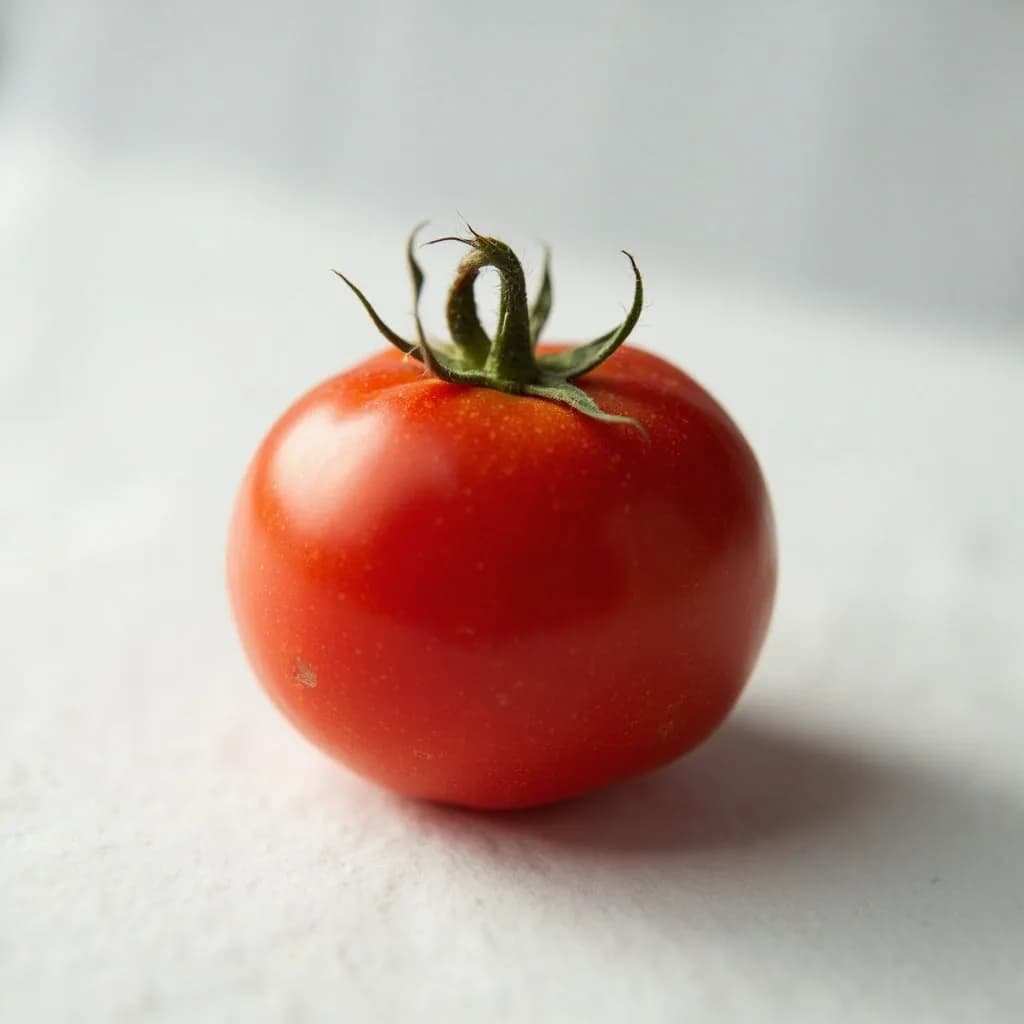
Tomato
Juicy, sun-sweet fruit for sauces, salads, and slow-cooked depth
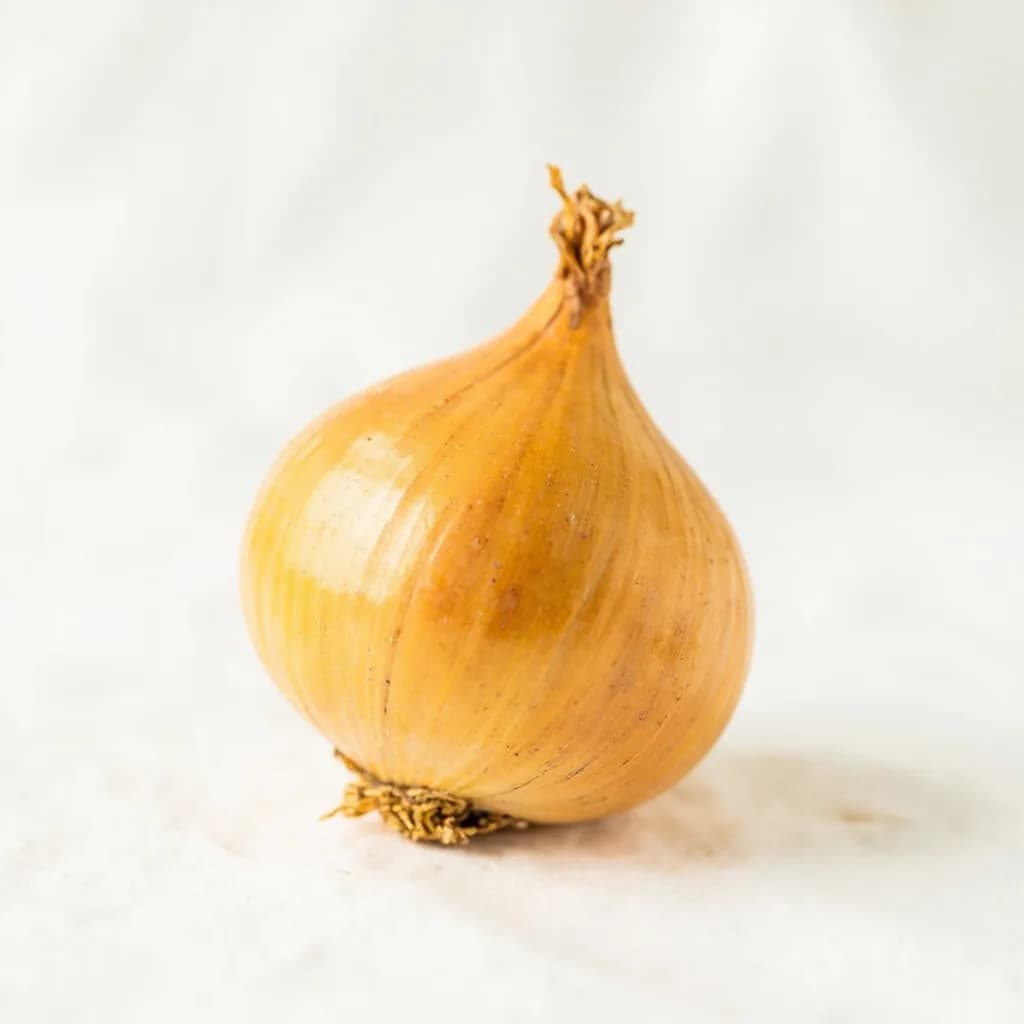
Yellow Onion
The aromatic backbone of soups, sofritos, and braises
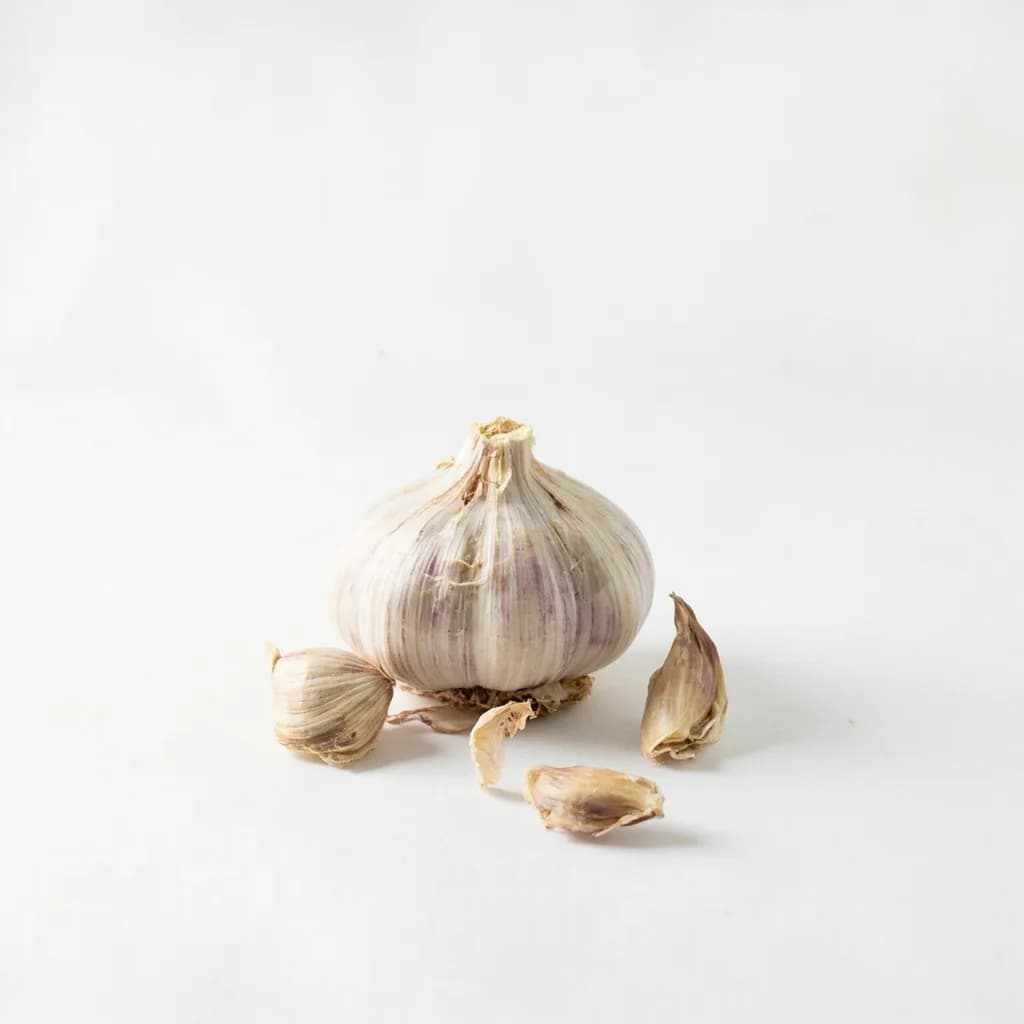
Garlic
Pungent cloves that perfume nearly every savory dish
Lemon
Bright, acidic citrus that wakes up almost any dish
Potato
Humble, hearty staple — roast, mash, fry, or boil
Carrot
Sweet, crunchy root — raw, roasted, or the base of a sofrito
Cucumber
Cool, crisp, and watery — for salads, pickles, and tzatziki

Lettuce
Crisp leaves for salads, wraps, and a fresh crunch