Grains & Rice
Flaked Oats
Steamed, rolled oat flakes for porridge, baking, and as a brewing adjunct.
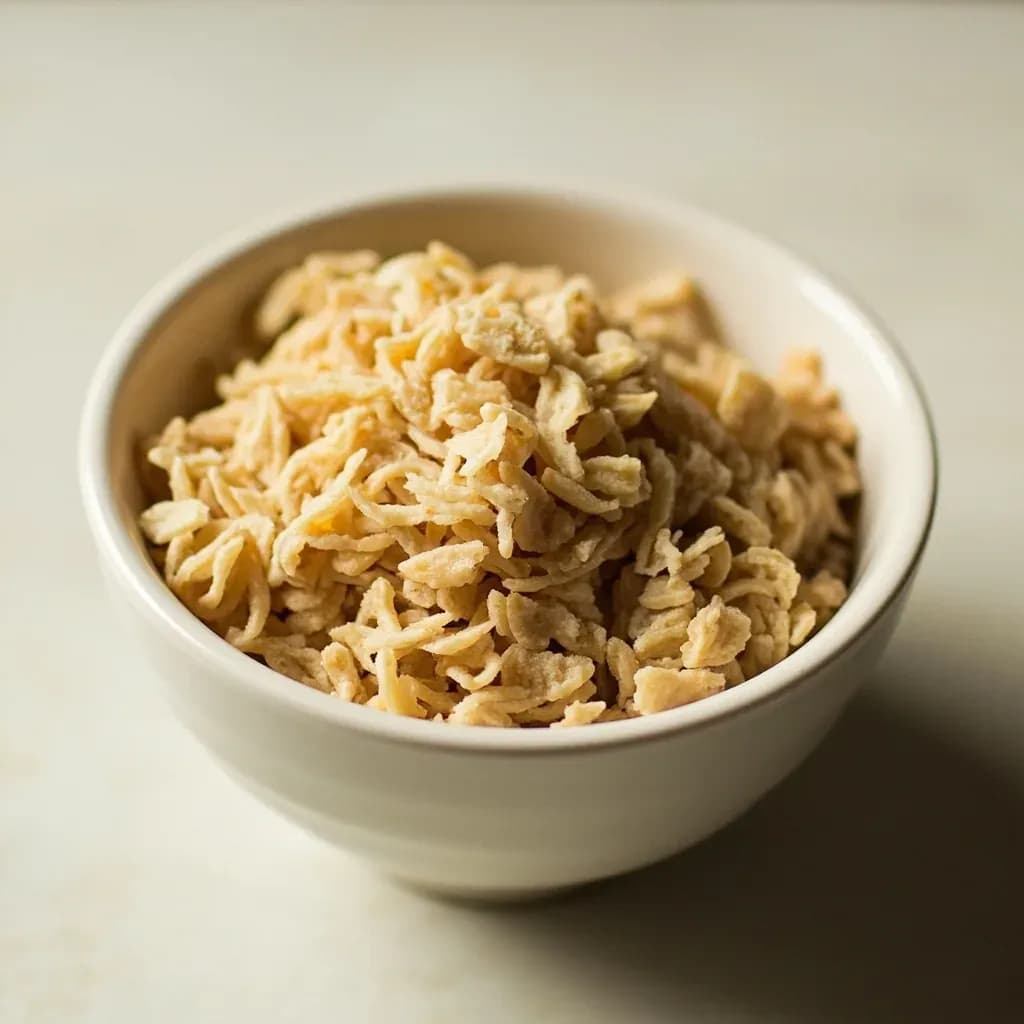
Flaked oats are oat groats that have been steamed and rolled into flat flakes, the same as rolled oats. They cook quickly into porridge and are used in granola, cookies, and breads. Brewers also add them to beers like oatmeal stouts for silky body.
Flaked oats are whole grain oat groats that have been steam-conditioned and then pressed flat between steel rollers, producing the familiar thin, irregular flakes sold in every grocery aisle. This processing step—distinct from steel-cut or stone-grinding—gelatinizes the oat starches partially, which is why flaked oats cook in minutes rather than the 20–30 minutes required for intact groats. The result is a remarkably versatile ingredient that ranges from porridge staple to baking workhorse to brewing adjunct, offering a mild, slightly sweet, nutty flavor and a texture that ranges from toothsome to tender depending on thickness and cooking method.
The rolling process itself determines behavior: thick-cut old-fashioned oats hold their shape and give chewy, textured porridge, while thin-rolled oats collapse more readily into softer preparations. Pre-cooked and re-dried quick oats sacrifice structural integrity for speed. What all flaked oats share is excellent water absorption—roughly twice their weight in liquid for standard porridge—and the ability to bind fat and sugar into coherent mixtures, which explains their starring role in granola bars, energy balls, and cookie doughs. Oats also carry a natural moisture-retaining quality that keeps baked goods softer longer, a property bakers rely on deliberately.
Nutritionally, flaked oats deliver roughly 17g protein per 100g dry weight with substantial fiber (10g), making them one of the more protein-dense grains available. The fat content (7g per 100g) is largely unsaturated and prone to rancidity if stored improperly. Note carefully: while oats are naturally gluten-free, cross-contamination during harvest, transport, and milling is nearly universal. Anyone requiring gluten-free oats must seek specifically certified products.
- Measured in
- g
- Storage
- Pantry
Allergens
Types & varieties
Standard thick flake; 5–7 min cook time; best for chewy porridge and granola clusters with real structure
Rolled thinner; 3–5 min cook time; softer texture; common in commercial granola and baking where a less prominent oat presence is desired
Same product, grown without synthetic pesticides or fertilizers; identical culinary behavior to conventional
Not technically flaked—stone-ground whole groats into irregular meal; different texture and water absorption; produces porridge rather than whole flakes
Pre-cooked and re-dried into very thin flakes; 1–2 min cook time; softer texture, less structural role in baking
Flaked Oats vs. Other Oat Forms
Oats appear in several preparations that behave quite differently. Steel-cut oats (also called Irish or Scottish oats in this context) are whole groats cut into two or three pieces; they retain their structure entirely and require 20–30 minutes to cook, producing a chewy, porridge-like texture. Scottish-style oats are stone-ground, producing a meal that cooks to a creamy porridge rather than holding distinct flakes. Instant oat flakes are pre-cooked and re-dried—fastest to hydrate but with compromised flavor and texture. Flaked oats sit between these extremes: processed enough to cook quickly, intact enough to hold shape and provide texture in baking and granola.
- Flaked oats: 5–10 min cook, holds shape, versatile
- Steel-cut: 20–30 min cook, chewy whole pieces, not a direct substitute in baking
- Scottish oats: stone-ground meal, creamy porridge only
- Instant oats: pre-cooked, fastest hydration, least flavor
Oats in Beer Brewing
Flaked oats are a legitimate brewing adjunct, typically used at 5–15% of the total grain bill. They contribute fermentable extract, add significant body and mouthfeel, and improve head retention and foam stability—desirable qualities in styles like oatmeal stouts. The critical technical requirement: oats must be included in the mash and held at 60–67°C for proper enzymatic starch conversion. Unmashed oats risk leaving unconverted starch that ferments unpredictably. Brewers must also guard against stuck sparges (poor runoff) when using large quantities, as oats contain more gum and beta-glucan than barley.
- Use 5–15% of grain bill for body and foam improvement
- Include in mash at 60–67°C for starch conversion
- Beware stuck sparges with large quantities
Common uses
Tips & pitfalls
- Toast dry flakes in a dry skillet over medium heat for 2–3 minutes before cooking for noticeably deeper, nuttier flavor—stir constantly and watch carefully, as oats burn quickly once they begin to color.
- For firm granola clusters that hold together, use 1/3 less fat than most recipes call for and press the mixture firmly into the pan before baking; pull from oven when still slightly underdone and let cool completely to set properly.
- In baking, substitute up to 30% of flour weight with rolled oats for added chew and nutrition without compromising structure—this works especially well in bar cookies and fruit crumbles, less so in tender cakes.
- Avoid overcooking porridge: remove from the heat and cover for 2 minutes to let residual carryover finish the job; oats thicken further on standing anyway.
- Store opened oats with a desiccant packet or transfer to an airtight container; oats absorb ambient moisture readily and the resulting stale, rancid flavor is irreversible.
- For overnight soaked oats, use equal parts oats and liquid (by volume) and refrigerate 4–12 hours; shorter soaks produce chewier texture, longer soaks produce softer, more homogeneous results.
- When using oats as a binder in veggie burgers or meatless patties, pulse briefly in a food processor rather than using whole flakes—roughly chopped oats distribute more evenly and bind more effectively.
- Do not confuse thin rolled oats with instant oat flakes in baking; instant flakes are pre-cooked and will behave differently, often becoming mushy rather than providing texture.
Nutrition
Energy
1029 kJ · per 100 g
Where the calories come from
Protein
17.3g
35% DV
Carbs
66.2g
24% DV
Fat
7g
9% DV
Fiber
15.4g
55% DV
Sugars
1.5g
of which
Sodium
4mg
0% DV
Source · USDA FoodData Central · approx. Oat bran, raw
View on FDC →In the shops
Matched grocery products
No matched grocery products for Flaked Oats yet.
Good to know
- Source
- Hulled oat groats (Avena sativa)
- Processing
- Steam-conditioned, then rolled flat between steel rollers at 60–80°C
- Typical flake thickness
- 0.5–1.0 mm; width 10–15 mm (irregular)
- Shelf life
- 12 months sealed in cool, dry pantry; 6 months after opening
- Gluten status
- Naturally gluten-free but almost always cross-contaminated unless certified GF
- Cooking time
- 5–10 minutes stovetop; 1–3 minutes for quick-soak method
- Porridge ratio
- 2:1 liquid to oat ratio (adjustable for thicker or thinner results)
- Per 100g dry
- 389 kcal; 67g carbohydrate (10g fiber); 17g protein; 7g fat
Substitutes
- Thin rolled oats or quick oats — Cook faster and produce softer texture; acceptable in baking and overnight oats, not ideal for thick chewy porridge or when whole-flake appearance matters
- Steel-cut oats — Intact groats cut into pieces; 20–30 min cook time, much chewier texture; not a direct substitute in baking or quick preparations
- Barley flakes — Rolled using similar process with mild sweet-malty flavor; substitute 1:1 for porridge and granola; contains gluten, so not appropriate for gluten-free needs
- Spelt flakes — Good wheat-free alternative with slightly sweeter, lighter flavor; comparable cooking behavior and similar water absorption to oat flakes
Pairs with
Also called
Rolled Oats · Porridge Oats
Appears in these dishes
Related

White Rice
Fluffy long-grain rice — the neutral base for almost any meal

White Bread
Soft sandwich loaf for toast, sandwiches, and crumbs
Brown Rice
Nutty, whole-grain rice with chew and extra fiber

Basmati Rice
Fragrant, long-grain rice that cooks up light and separate
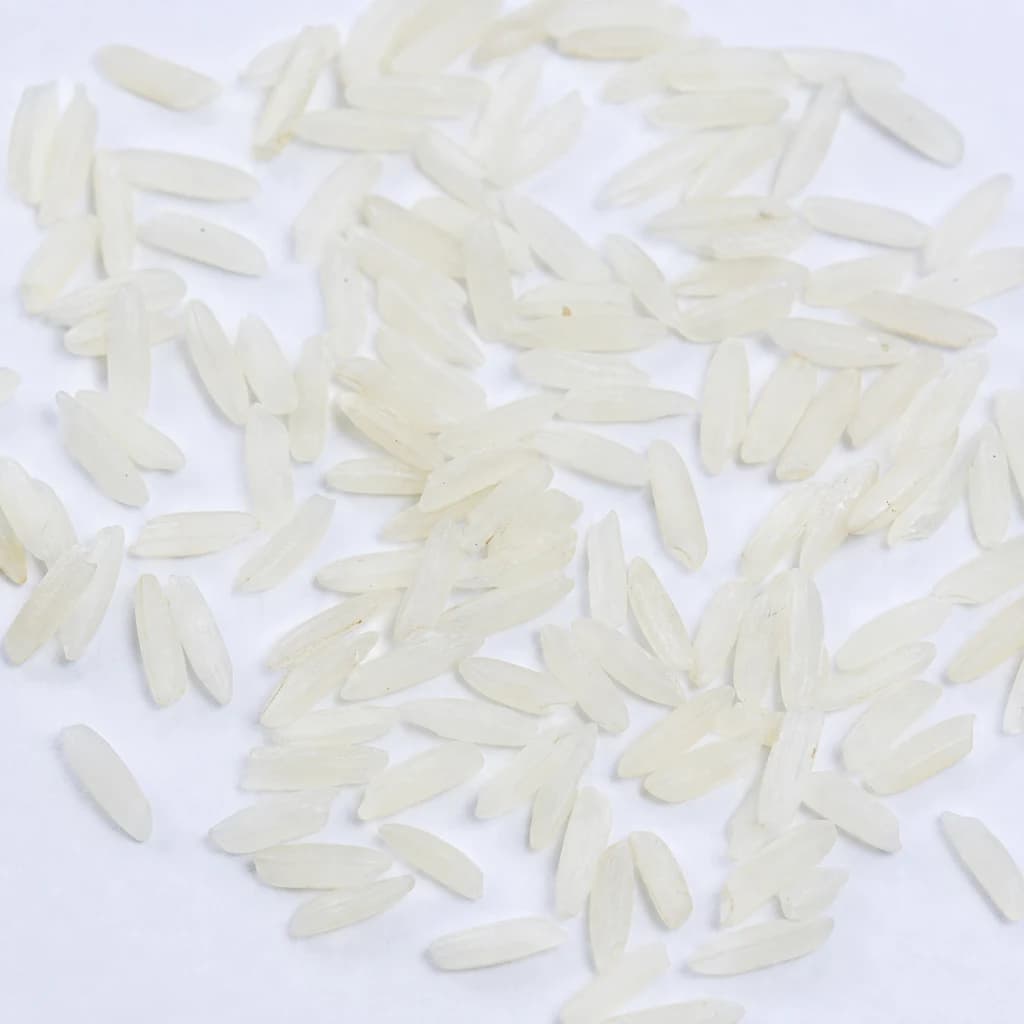
Jasmine Rice
Soft, floral-scented rice that's the pillar of Thai meals
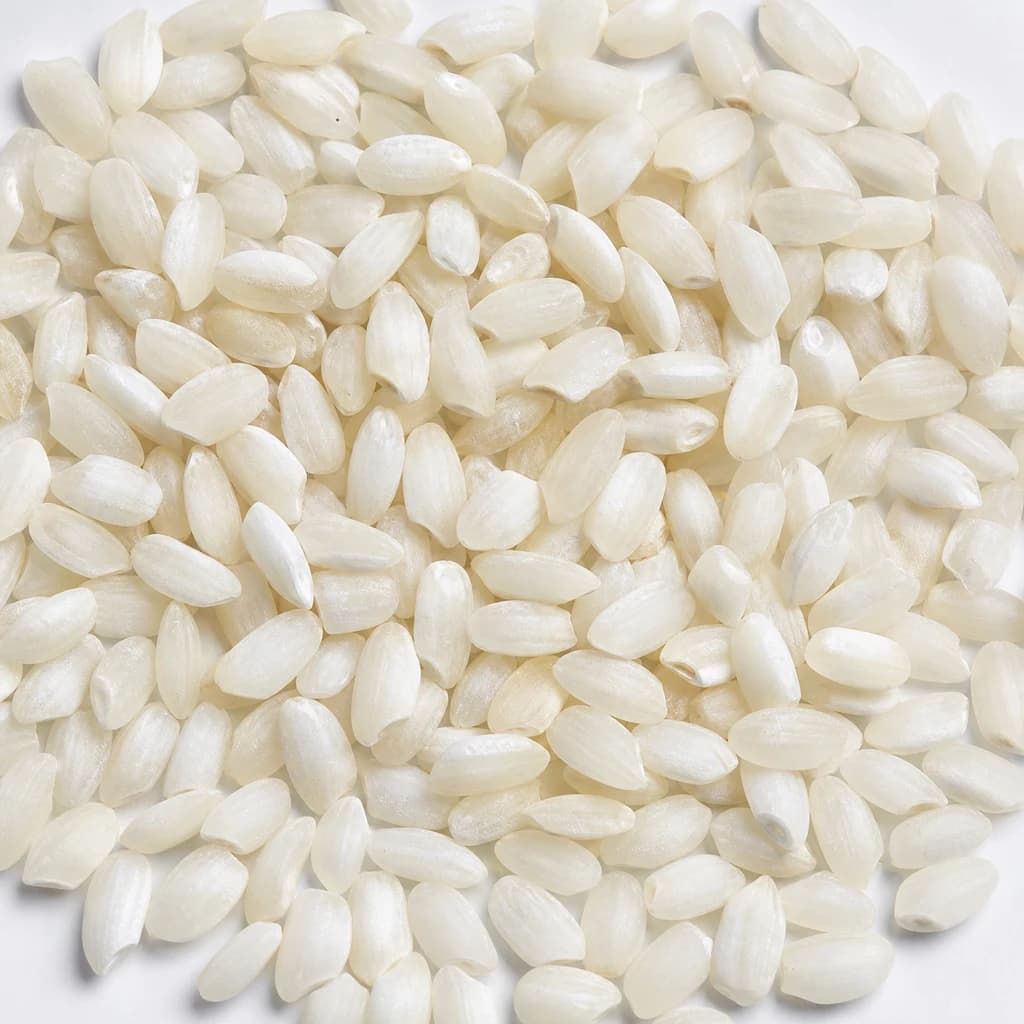
Arborio Rice
Plump, starchy rice that makes risotto creamy
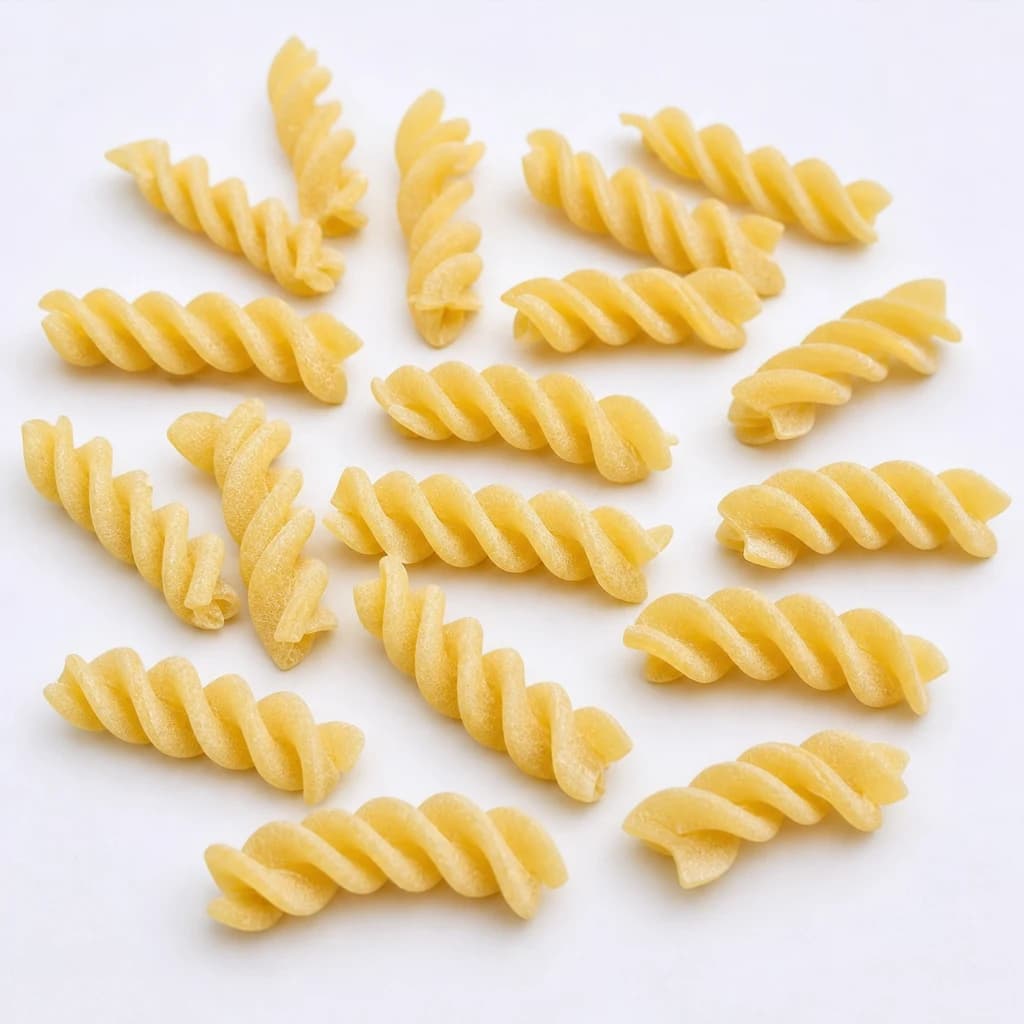
Fusilli
Spiraled pasta that twirls up sauce and dresses cold salads
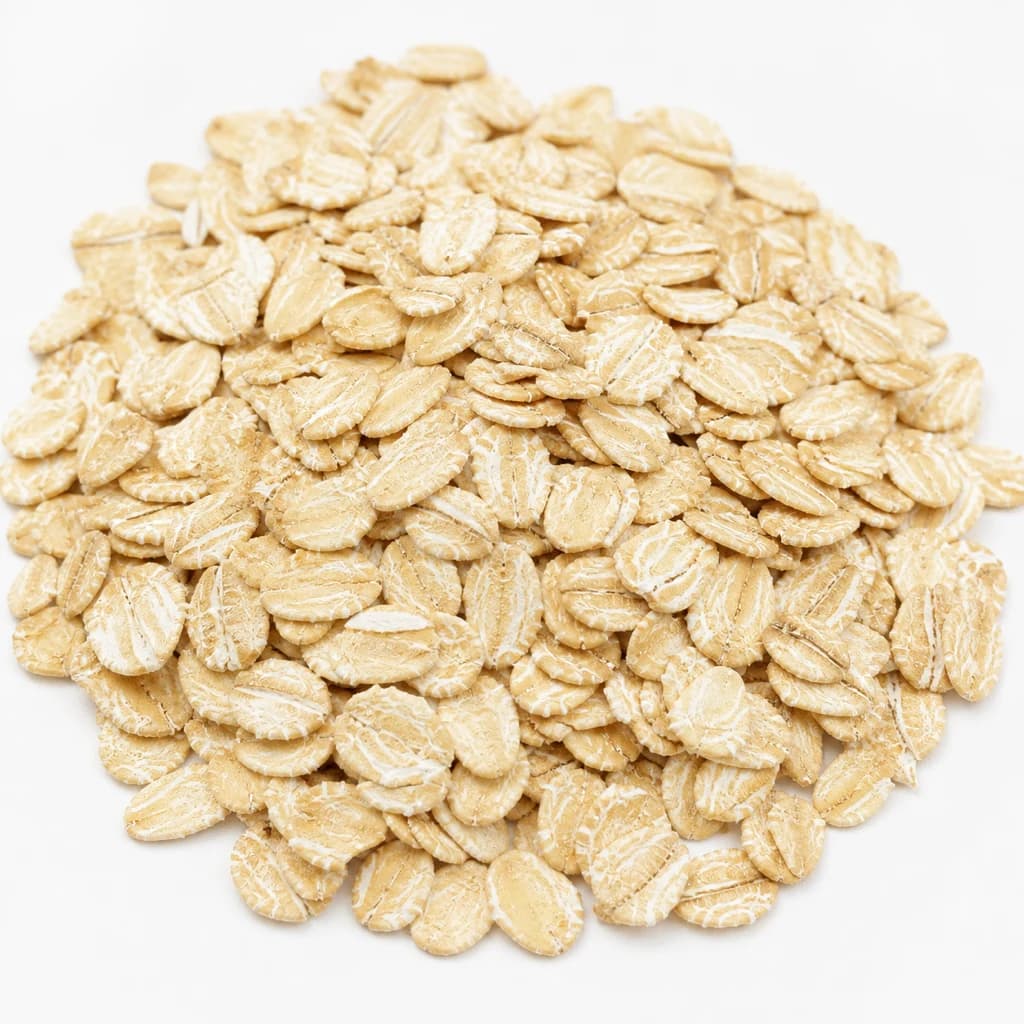
Rolled Oats
Hearty flakes for porridge, granola, and chewy cookies