Grains & Rice
Millet
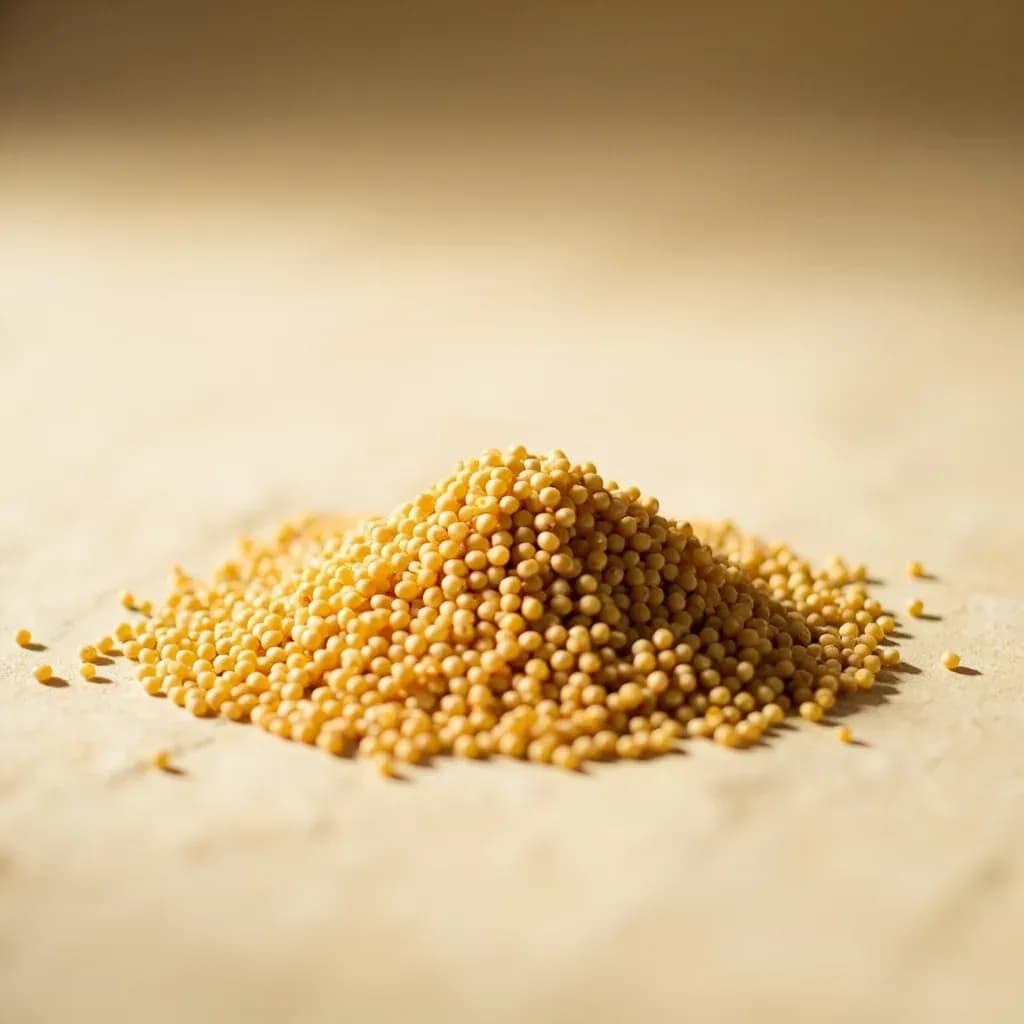
Tiny gluten-free cereal grain cooked into porridge, flatbreads, and steamed sides.
Millet is a group of small-seeded cereal grasses, with pearl millet the most common, grown widely across Africa and South Asia for its drought tolerance. The grain is steamed like rice, cooked into porridge, or ground into flour for flatbreads like bajra roti. It is naturally gluten-free with a mild, slightly nutty flavor.
Millet is a collective term for several small-seeded grasses cultivated as cereal grains for thousands of years, originating in northern China before spreading across Africa and South Asia. Unlike wheat, rice, or corn, millet has remained largely outside industrial food systems, preserved instead in traditional farming communities—particularly in West Africa, India, and China where it remains a dietary cornerstone. The grain is entirely gluten-free, making it essential for celiac kitchens, and its mild, slightly sweet and nutty flavor takes on bold seasonings readily. Millets are among the most protein-dense grains, outpacing both rice and wheat, and they deliver meaningful iron, magnesium, and manganese—minerals often depleted in refined carbohydrates.
In the kitchen, millet behaves like a smaller, softer cousin of quinoa or couscous. Whole grain millet simmers in 20–30 minutes and triples in volume, yielding tender grains with a slight bite. Cooked dry, it fluffs apart; cooked with more liquid, it becomes creamy. The grain grinds into flour for flatbreads and batters, and when heated rapidly, it pops into a crunchy, mildly nutty snack. Because millets retain more unsaturated fat than rice or wheat, they rancidify faster—refrigerate after opening and use cooked millet within five days. The grain's great virtue is its adaptability: it substitutes for polenta, bulks up veggie burgers, fills porridges, and anchors salads.
- Measured in
- g
- Storage
- Pantry
Types & varieties
Most common commercial variety in the US; white to pale yellow; neutral flavor; also called common or hog millet.
Second-most cultivated worldwide; small, pale yellow-orange; traditional in Chinese and Indian cuisine.
Largest millet seed; grayish-white; widely used in West Africa for tuwo and in India for bajra roti; highest iron content of all millets.
Also called ragi; reddish-brown; exceptionally high in calcium; ground into flour for Indian fermented batters and porridges.
Smallest of the common millets; popular in South India; cooks quickly.
White and very quick-cooking; used in India for idli and upma; mild flavor.
Popular in the southeastern US; earthy flavor; increasingly found in US health-food markets.
Why Millet Belongs in Your Pantry
Millet occupies a unique niche among gluten-free grains: unlike rice, which is naturally starchy and bland, millet brings a subtle nuttiness that survives cooking. Unlike pseudo-cereals like quinoa, its saponin coating is mild and rinsing is still recommended to remove dust and any residual bitterness. Unlike corn, it does not overwhelm delicate preparations. This neutrality, paradoxically, is what makes millet valuable—it accepts bold flavors without resistance, whether you are building a South Indian tempering of curry leaves and mustard seed or a Mediterranean bowl with tahini and feta. Its quick cooking time (20–30 minutes versus 40–50 for brown rice) and forgiving texture make it practical for weeknight meals, while its ancient heritage and nutrient density satisfy the growing appetite for whole, unprocessed foods.
- Higher protein than rice or wheat: ~11 g per 100 g raw grain
- Rich in magnesium, iron, and manganese—minerals often lacking in refined grains
- Naturally gluten-free and suitable for celiac kitchens
- Versatile: porridge, pilaf, flatbread, fritter binder, and popped snack
- Fast-cooking: 20–30 minutes for whole grain, less with soaking
Buying and Storing Millet
In the United States, proso millet is the most accessible variety—find it in bulk bins at natural food stores or in packaged form alongside rice and quinoa. Foxtail and browntop millet appear in specialty and health-food markets. Pearl, finger, barnyard, and little millet are essential in Indian and African grocery stores, often sold whole, cracked, or ground into flour.
Because millets retain more unsaturated fat than rice or wheat, they rancidify faster, especially in warm conditions. Buy in small quantities (enough for 1–3 months), transfer to an airtight container, and store in the refrigerator or freezer after opening. Whole grain millet keeps 6–12 months in a cool, dry pantry, but only 1–2 months once opened in warm storage. Cooked millet keeps 5 days refrigerated or 1 month frozen; portion it into freezer-safe containers for quick meal prep.
- Buy small quantities due to fat content and faster spoilage
- Refrigerate or freeze after opening
- Store cooked millet promptly; it spoils faster than rice
Common uses
Tips & pitfalls
- Rinse thoroughly before cooking: millets are often coated in dust and bitter saponins that can make cooked grain taste soapy or gritty.
- Toast dry grains in a dry skillet for 2–3 minutes before adding liquid to deepen flavor and reduce moisture absorption during cooking.
- Add a pinch of salt or a splash of acid (lemon juice) at the end; millet can taste flat without brightness.
- For the fluffiest texture, use less water (2.5:1) and let the pot rest covered off-heat for 5–10 minutes after cooking, then fluff with a fork.
- For creamy porridge, use 4:1 water and stir more frequently; the starches release readily.
- Millet cooked to dryness and cooled develops a firmer texture ideal for salads; fluff it while warm to separate grains.
- Mix millet flour with other gluten-free flours in a 30–50% ratio; 100% millet dough lacks sufficient structure for most baking.
- Soak cracked or whole millet for 4–8 hours to reduce phytic acid and shorten cooking time to 15 minutes.
- Do not use millet as a 1:1 rice substitute in pilafs that expect long-grain rice texture; it is smaller and softer.
Nutrition
Energy
1582 kJ · per 100 g
Where the calories come from
Protein
11g
22% DV
Carbs
72.9g
26% DV
Fat
4.2g
5% DV
Fiber
8.5g
30% DV
Sodium
5mg
0% DV
Source · USDA FoodData Central · Millet, raw
View on FDC →In the shops
Matched grocery products
No matched grocery products for Millet yet.
Good to know
- Type
- Gluten-free whole grain (grass family)
- Origin
- Northern China, cultivated for at least 10,000 years; widespread in Africa and South Asia
- Common forms
- Whole grain (dehulled), flour, popped
- Protein content
- ~11 g per 100 g raw (higher than rice or wheat flour)
- Key minerals
- Magnesium, phosphorus, manganese, iron
- Cooking time
- 20–30 minutes simmered (whole grain)
- Water ratio
- 2.5:1 for fluffy grain; 4:1 for porridge
- Yield
- Roughly triples in volume when cooked
- Storage (uncooked)
- Airtight container in cool, dry place; 6–12 months shelf life; refrigerate after opening
- Anti-nutrient
- Contains phytic acid; soaking 4+ hours reduces it
Substitutes
- Quinoa — Closest in neutral flavor and quick cooking; similarly fluffy when prepared with correct water ratio; also gluten-free.
- Amaranth — Comparable protein and minerals; smaller seed size; slightly earthier; good for porridge.
- Buckwheat (groats) — Similar nutty flavor and quick cooking; use 2:1 water ratio; distinct earthier taste.
- Sorghum — Neutral flavor; holds shape better than millet in pilafs; longer cooking (30–40 min); excellent gluten-free option.
- Rice (brown or white) — Similar neutral flavor and side-dish role; not gluten-free but most accessible substitute; different texture.
Pairs with
Also called
Pearl Millet · Bajra
Appears in these dishes
Related

White Rice
Fluffy long-grain rice — the neutral base for almost any meal

White Bread
Soft sandwich loaf for toast, sandwiches, and crumbs
Brown Rice
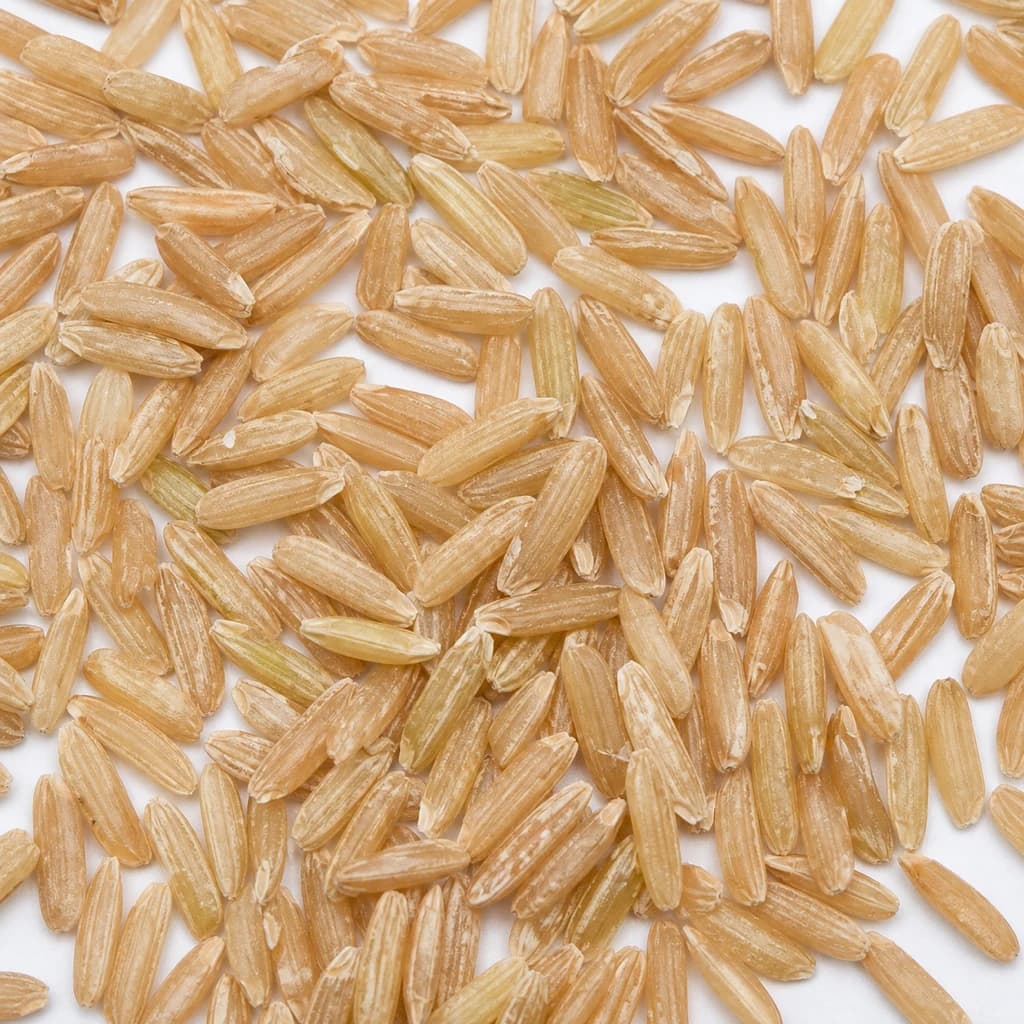
Nutty, whole-grain rice with chew and extra fiber

Basmati Rice
Fragrant, long-grain rice that cooks up light and separate
Jasmine Rice
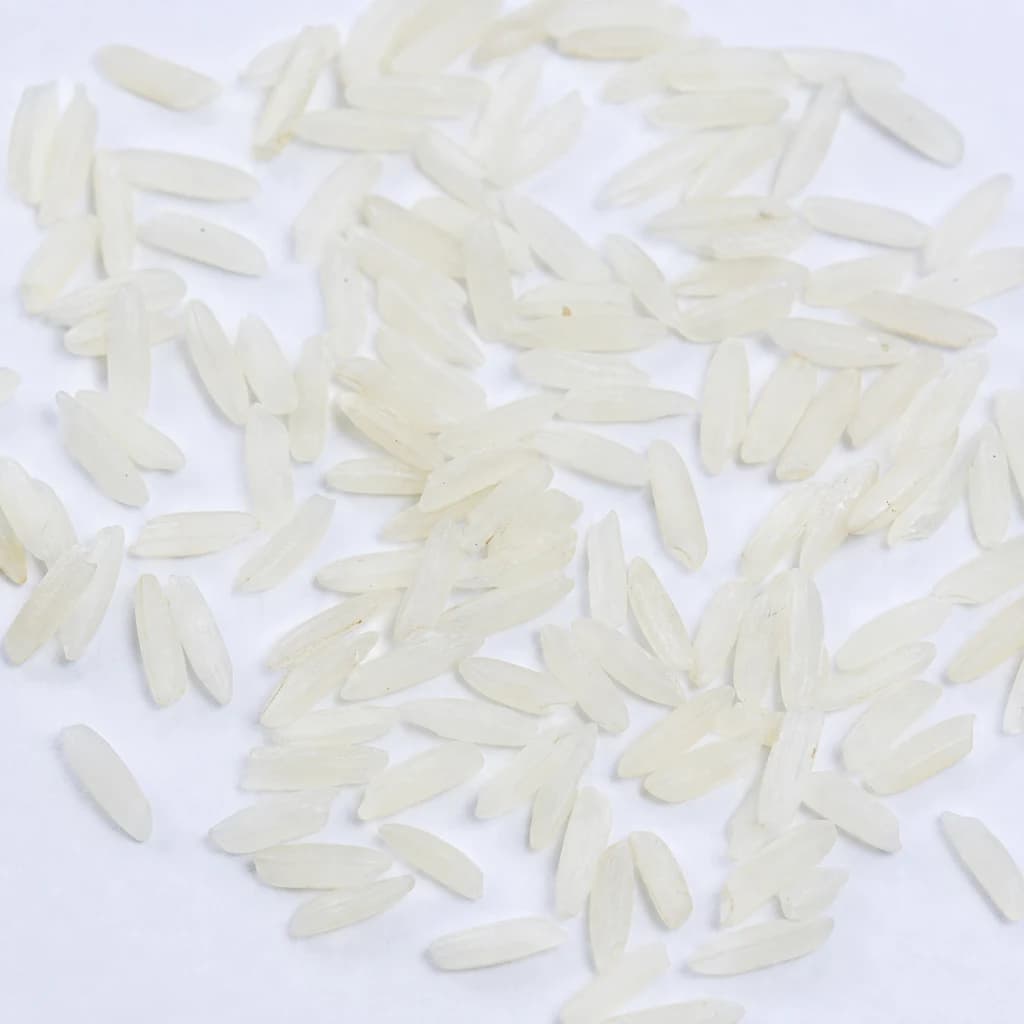
Soft, floral-scented rice that's the pillar of Thai meals
Arborio Rice
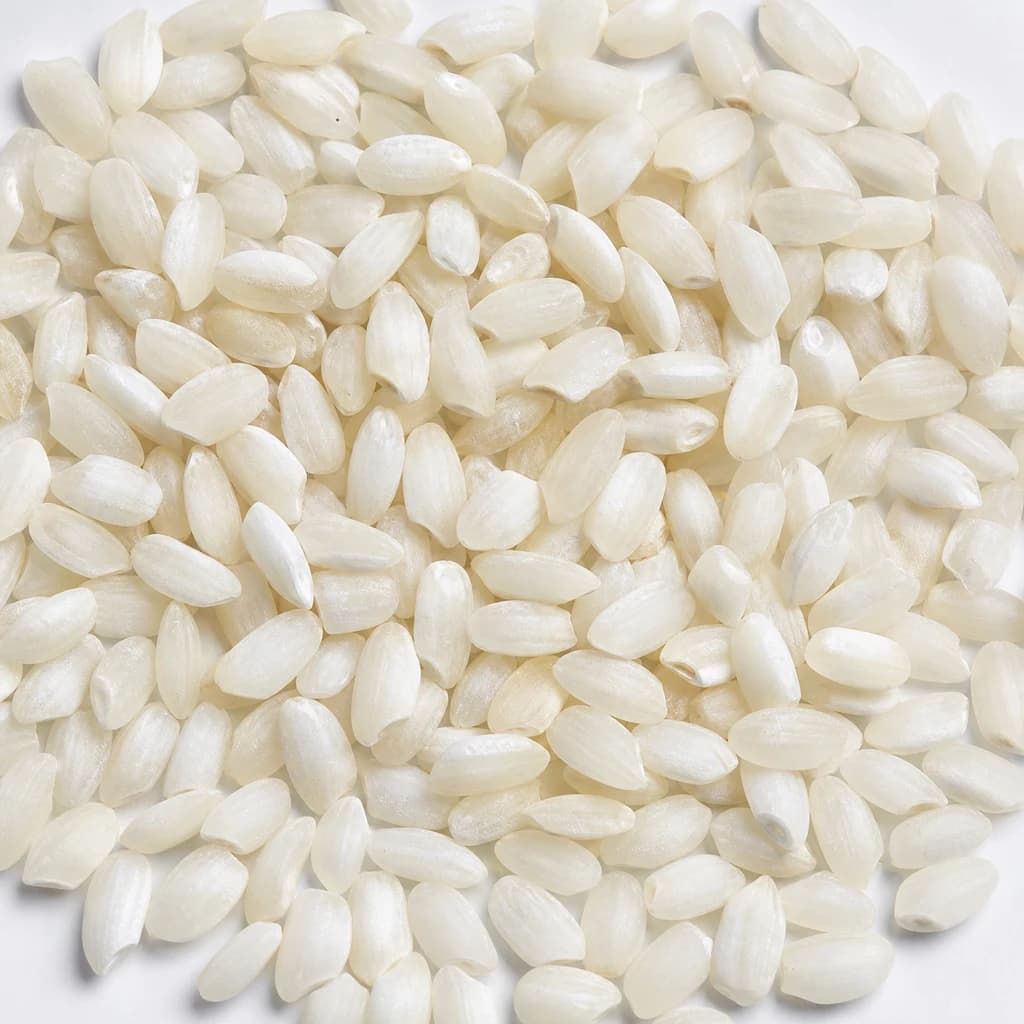
Plump, starchy rice that makes risotto creamy
Fusilli
Spiraled pasta that twirls up sauce and dresses cold salads
Rolled Oats
Hearty flakes for porridge, granola, and chewy cookies