Grains & Rice
Finger Millet
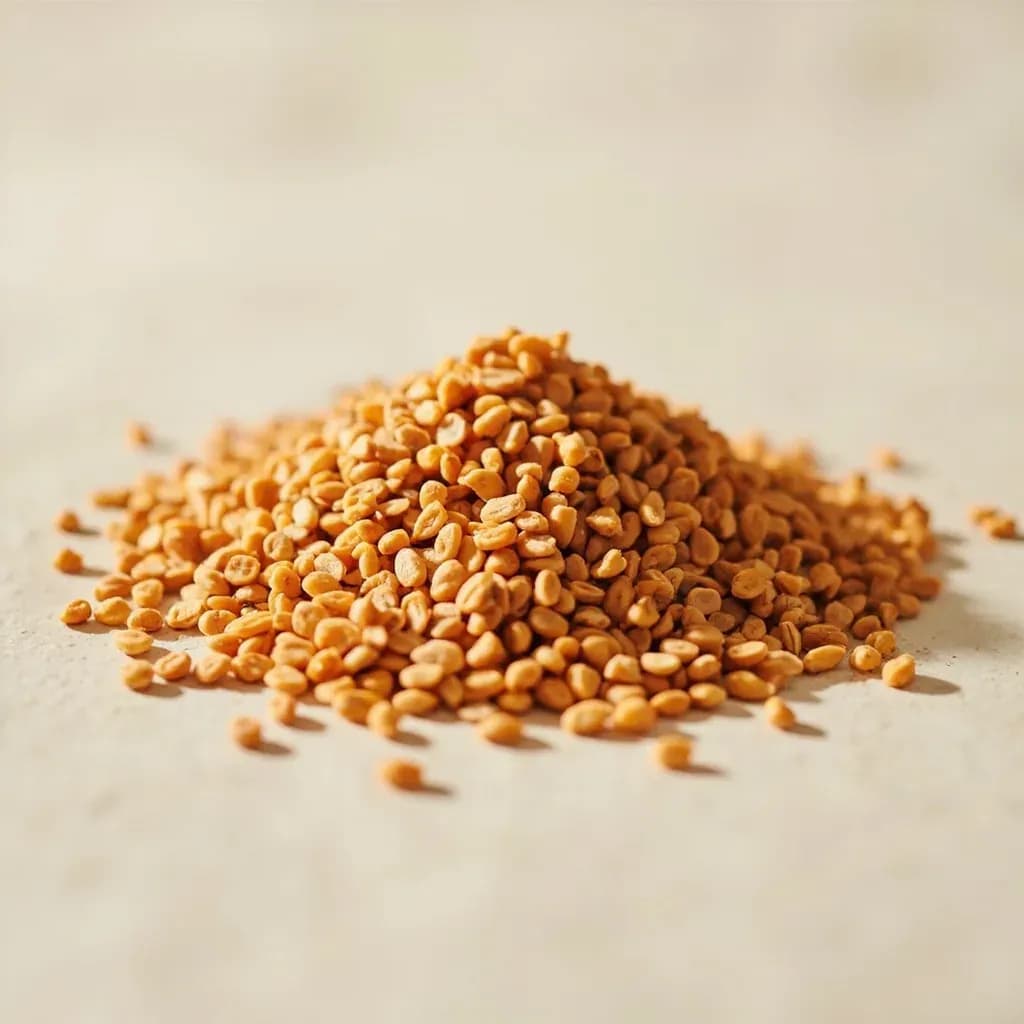
Tiny reddish-brown gluten-free grain milled into flour for porridges and flatbreads across Africa and South Asia.
Finger millet is a small, hardy cereal grain with a reddish-brown husk, grown widely in Africa and South Asia. It is most often ground into flour for porridges, dosas, rotis and fermented batters, prized for being gluten-free and rich in calcium and iron. Its mild, slightly nutty and earthy flavor suits both sweet and savory preparations.
Finger millet (Eleusine coracana) is one of humanity's oldest cultivated grains, domesticated in East Africa around 5000 BCE and carried eastward to South Asia by roughly 1800 BCE. Its distinctive seed heads, which curve backward like tapering fingers, give the plant its common English name. The grain is remarkably hard-shelled—among the most durable of all staple cereals—which accounts for its legendary storage stability: whole finger millet keeps 10 years or more in dry conditions, making it a reliable reserve crop in climates where famine is a recurring threat. Millet is almost always ground into flour for kitchen use, though it can also be malted, sprouted, or popped.
What sets finger millet apart from most other grains is its extraordinary calcium content—roughly 350 mg per 100 g, many times higher than wheat or rice—and its balanced amino acid profile, notably the sulfur-containing methionine and lysine, which are deficient in most other cereals. It is also completely gluten-free, with a low glycemic index that makes it valuable for diabetic-friendly cooking. The flour has a mildly nutty, earthy flavor, with a faint bitterness that is traditional in raw preparations but can be tempered by toasting. In Africa it underpins porridges and fermented beverages; in India it is ragi, a staple of South Indian cuisine from Karnataka and Andhra Pradesh outward. The hard seed coat that makes the grain so shelf-stable is also the reason it almost always requires milling or prolonged cooking to become palatable.
- Measured in
- g
- Storage
- Pantry
Types & varieties
Most common variety worldwide; strong earthy flavor, deep reddish-brown color, and notably high antioxidant content.
Milder and slightly sweeter than red; popular in South Indian cooking and the preferred base for East African traditional brewing.
India (Kaveri, GPU-67), Kenya (Gulu, Katumani), and Nepal each carry named local varieties sharing core finger millet characteristics but adapted to regional growing conditions.
Why Fermentation Matters
Traditional preparations across Africa and South Asia almost universally ferment finger millet—ogi, bushera, fermented ragi batters, and busaa are all products of controlled microbial activity. Fermentation does more than develop flavor: it breaks down phytic acid, a compound in the raw grain that binds minerals like calcium and iron, making them far more bioavailable. In practical terms, a fermented ragi porridge delivers significantly more usable calcium than an unfermented one. When adapting traditional recipes, preserve the fermentation step rather than skip it; a simple overnight soak with a spoonful of previously fermented batter or a pinch of salt will jump-start the process.
- Phytic acid in raw millet inhibits absorption of calcium, iron, and zinc
- Traditional fermentation reduces phytic acid significantly in 24–48 hours
- A spoonful of active fermented batter from a previous batch is the most reliable starter
- Fermented batters also produce a pleasant tang that balances the grain's earthiness
Milling and Storing Finger Millet
The exceptionally hard seed coat that gives finger millet its remarkable shelf life is also the cook's principal obstacle. Home milling in a stone mill, impact mill, or high-powered blender produces flour fine enough for porridges and flatbreads. Coarser grinds work for porridges but will feel gritty in thin batters. Store flour in airtight containers in a cool, dark place; unlike whole grains, milled flour oxidizes and loses freshness within months. Toasting whole grains briefly in a dry pan before milling deepens the final flour's flavor and helps drive off the raw, slightly bitter note characteristic of raw finger millet flour.
- Toast whole grains 3–5 minutes in a dry pan over medium heat before milling for better flavor
- Fineness of grind matters: fine flour for porridges, slightly coarser for rotis
- Whole grains keep 10+ years; flour 6–12 months maximum in airtight storage
- Airtight glass jars or vacuum-sealed bags are essential for flour
Common uses
Tips & pitfalls
- Toast whole grains in a dry pan over medium heat for 3–5 minutes before milling to deepen flavor and tame raw bitterness.
- Always store flour in airtight containers in a cool, dark place; flour oxidizes and goes stale far faster than whole grains.
- For smooth, lump-free porridges, whisk the flour into cold water first, then bring the mixture to a boil—this is the single most important technique for ragi porridge.
- When substituting finger millet flour for wheat flour in leavened breads, use no more than 25–30%; it has no gluten and produces dense, crumbly results without structural support.
- Soak grains overnight before cooking to halve the cooking time and improve digestibility—the hard seed coat softens significantly.
- Malt finger millet by allowing it to partially germinate, then drying in shade; this activates natural amylase enzymes and creates a pleasantly sweet, easily digestible malt.
- Common mistake: adding flour directly to boiling liquid causes clumping that is nearly impossible to remedy—always whisk flour into cold liquid first.
- Common mistake: expecting wheat-like texture or rise in baked goods—finger millet produces dense, crumbly results without gluten; treat it as a completely different ingredient.
Nutrition
Energy
1582 kJ · per 100 g
Where the calories come from
Protein
11g
22% DV
Carbs
72.9g
26% DV
Fat
4.2g
5% DV
Fiber
8.5g
30% DV
Sodium
5mg
0% DV
Source · USDA FoodData Central · Millet, raw
View on FDC →In the shops
Matched grocery products
No matched grocery products for Finger Millet yet.
Good to know
- Scientific name
- Eleusine coracana
- Origin
- East Africa, domesticated c. 5000 BCE; reached South Asia by 1800 BCE
- Primary regions
- India (ragi), Kenya, Uganda, Tanzania, Ethiopia, Nepal
- Color
- Reddish-brown to white/pearl, depending on variety
- Flavor
- Mildly nutty, earthy; raw flour can taste slightly bitter
- Gluten
- Naturally gluten-free
- Key nutrients
- High calcium (~350 mg/100 g), iron, dietary fiber, methionine, lysine
- Shelf life
- 6–12 months for flour, 10+ years for whole grain in cool, dry, airtight storage
- Preparation note
- Hard seed coat requires milling or overnight soaking plus prolonged cooking to soften
Substitutes
- Proso Millet — Milder, less earthy flavor; acceptable in porridges but lower in calcium and slightly different texture.
- Amaranth Flour — Similar gluten-free grain flour; stronger, more assertively flavored; works in porridges and flatbreads.
- Sorghum Flour — Comparable gluten-free grain with neutral flavor; better choice than millet for flatbreads, less ideal for porridges.
- Buckwheat Flour — Similar earthy, robust character; works as a thickener; distinctly different flavor, no gluten.
- Rice Flour — Milder and more neutral; acceptable for thickening but lacks finger millet’s nutritional density.
Pairs with
Also called
Ragi · Kurakkan · Kodo
Appears in these dishes
Related

White Rice
Fluffy long-grain rice — the neutral base for almost any meal

White Bread
Soft sandwich loaf for toast, sandwiches, and crumbs
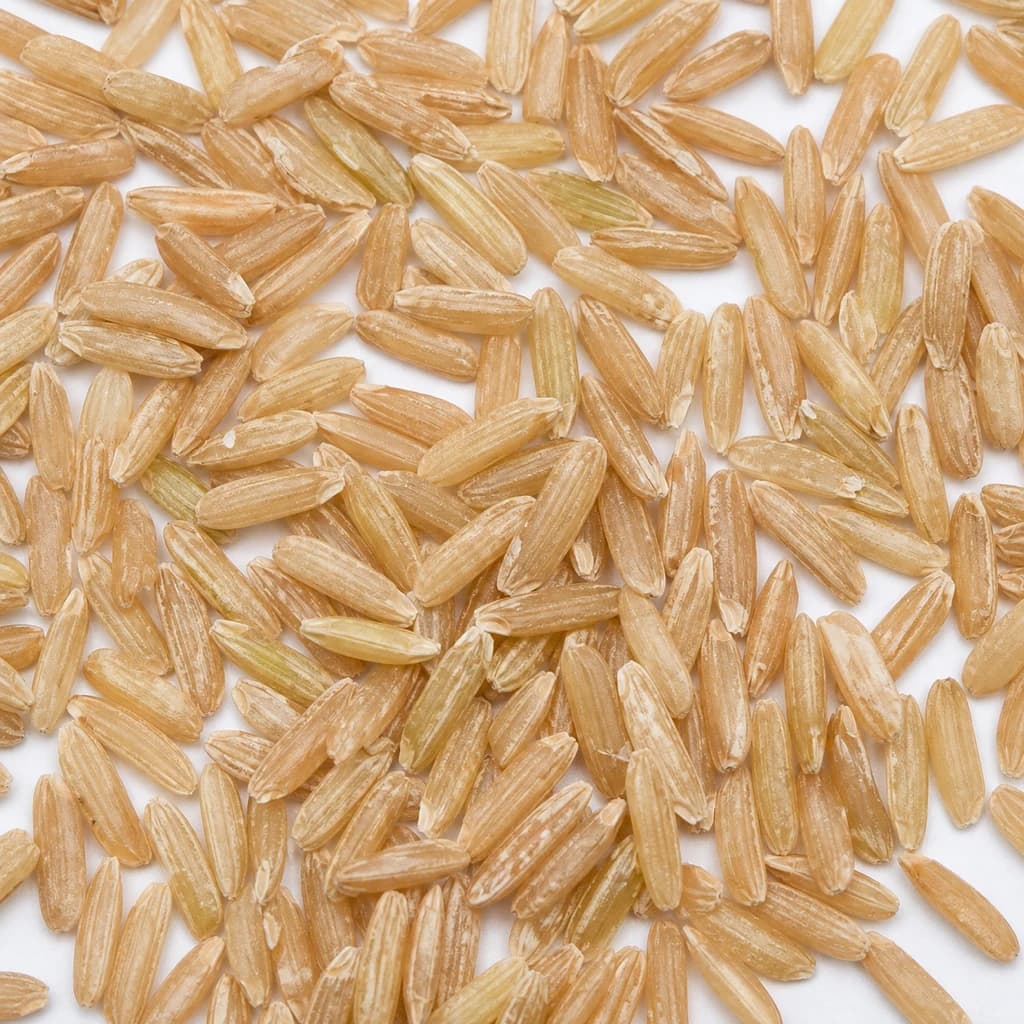
Brown Rice
Nutty, whole-grain rice with chew and extra fiber

Basmati Rice
Fragrant, long-grain rice that cooks up light and separate
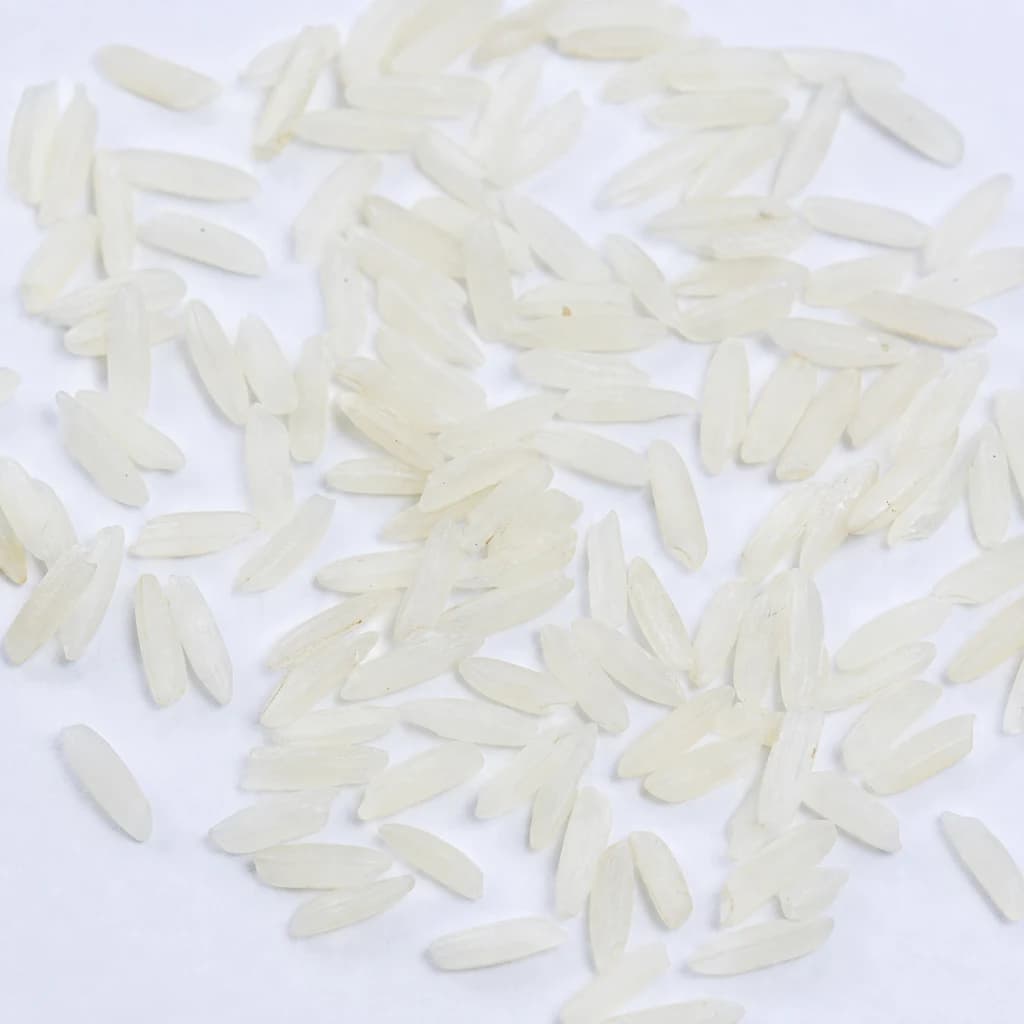
Jasmine Rice
Soft, floral-scented rice that's the pillar of Thai meals
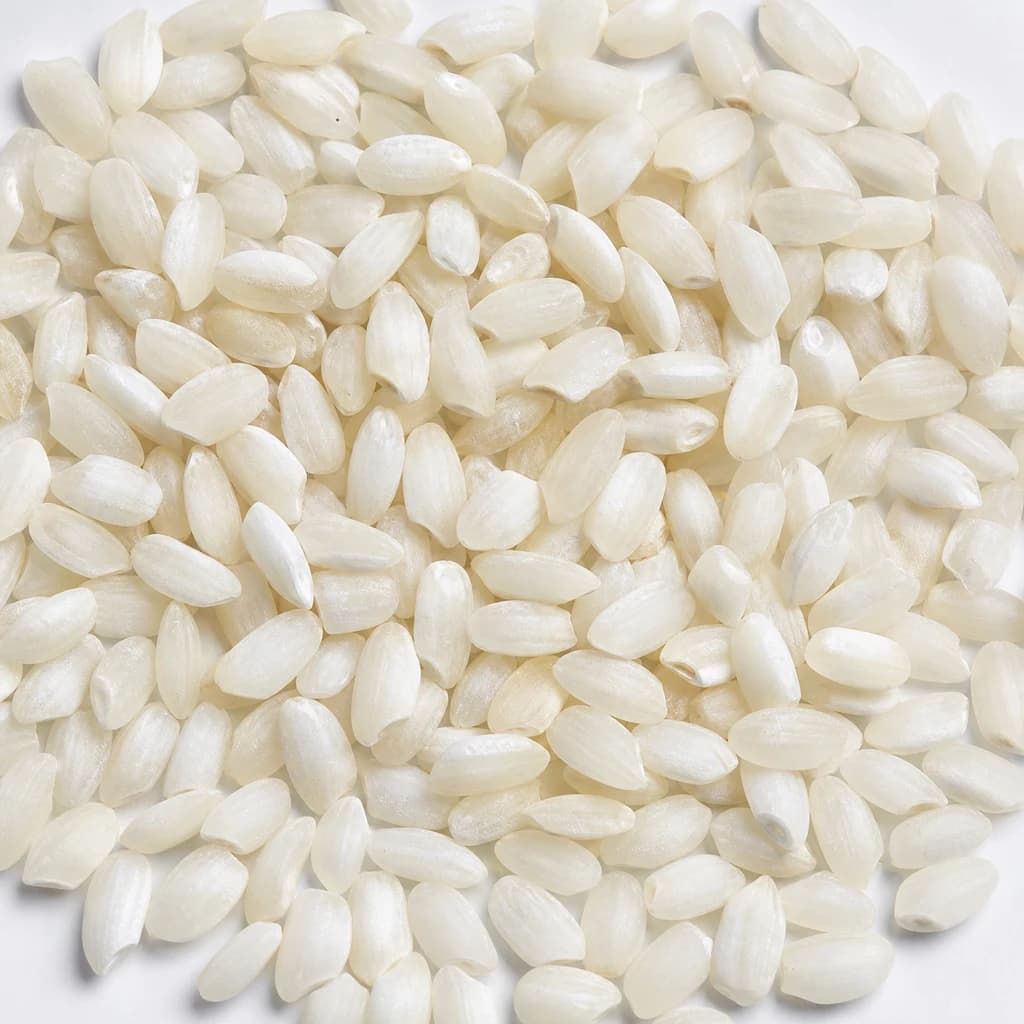
Arborio Rice
Plump, starchy rice that makes risotto creamy
Fusilli
Spiraled pasta that twirls up sauce and dresses cold salads
Rolled Oats
Hearty flakes for porridge, granola, and chewy cookies