Baking
Sorghum Flour
Mild gluten-free flour from ground sorghum for flatbreads and porridges.
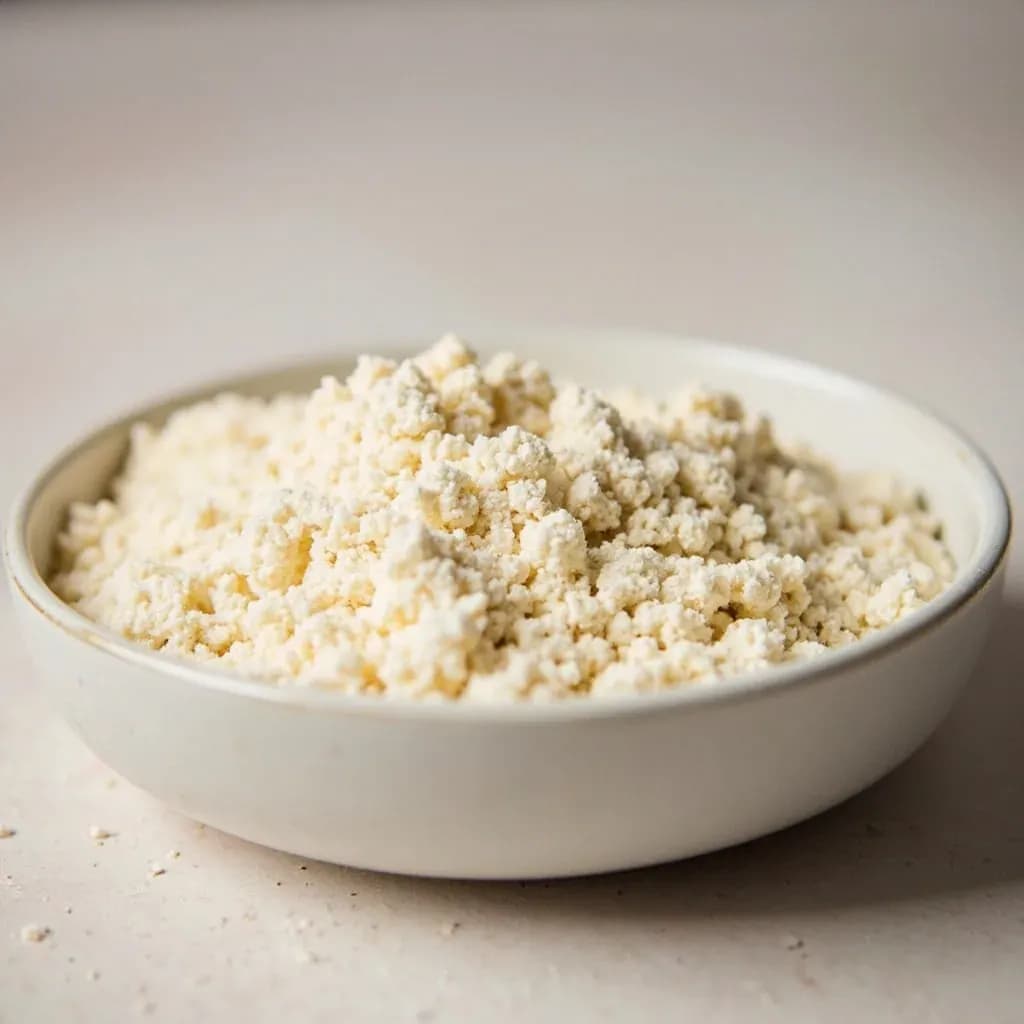
Sorghum flour is milled from sorghum grain into a soft, gluten-free powder with a mild, slightly sweet flavor. It is used widely in India for jowar roti and across Africa for breads and porridges, and is popular in gluten-free baking blends. Its neutral taste makes it a versatile base when combined with binders.
Sorghum flour is ground from the whole grain of Sorghum bicolor, one of the world's most resilient cereal crops, domesticated in sub-Saharan Africa 5,000–8,000 years ago. The flour ranges from white and tan to red, brown, and black depending on the variety, with white sorghum being the most common and mildest for baking. Its flavor is subtly sweet and neutral, making it far more versatile than stronger-tasting gluten-free alternatives like buckwheat or teff, though it cannot replicate wheat flour's structural role without support from other ingredients.
The flour behaves quite differently from wheat in baked goods. Its higher oil content means it rancidifies faster than other gluten-free flours and requires airtight storage. Sorghum also absorbs more liquid than wheat, typically demanding a 10–15% increase in moisture when adapting recipes. Most importantly, sorghum lacks gluten entirely, so it produces dense, crumbly results in leavened baked goods when used alone. This is not a flaw—it is simply a different material. In flatbreads, porridges, and fried coatings where structure matters less than flavor and texture, sorghum flour often performs at high percentages or alone. In yeast breads and cakes, it works best blended with starches and binding agents.
Sorghum's mildness makes it an exceptionally adaptable ingredient across cuisines. It forms the base of traditional Indian flatbreads like roti and bhakri, African porridges, and Ethiopian injera. In contemporary gluten-free baking, it anchors reliable flour blends because it contributes substance without overwhelming other flavors, allowing sweeteners, fats, and spices to come through clearly.
- Measured in
- g
- Storage
- Pantry
Types & varieties
Most common; mildest flavor, light color, preferred for general baking and flatbreads
Slightly darker, faint earthy or bitter notes; often used in gluten-free flour blends for color and nutrition
Made from entire kernel including bran; higher fiber and nutrients, coarser texture
Higher amylopectin starch; produces more cohesive, less crumbly baked goods
Not a flour, but a whole-grain snack; ground popped sorghum can be used like flour
Building a Reliable Gluten-Free Blend
Sorghum rarely performs well alone in leavened baked goods, but a well-designed blend compensates for its structural limitations. The most reliable starting point combines sorghum flour, rice flour, and tapioca starch in roughly equal proportions. Tapioca starch softens texture and adds gentle chew; rice flour lightens the density. Add ½ teaspoon of xanthan gum per cup of total flour to restore the elasticity that gluten would normally provide in yeasted breads. For cakier results, increase the tapioca starch slightly; for firmer textures like cookies, boost the sorghum proportion. This blend foundation gives you a versatile base that responds predictably to fats, liquids, and leavening agents.
- 40% sorghum flour, 30% rice flour, 30% tapioca starch makes a dependable all-purpose gluten-free blend
- Add ½ teaspoon xanthan gum per cup of blend for yeast breads
- Adjust starch ratios based on the desired final texture
Why Sorghum Works Better in Flatbreads Than in Yeast Breads
Flatbreads like roti, chapati, bhakri, and injera do not require the same structural rise or open crumb as yeasted sandwich breads. Sorghum's density becomes an asset here, contributing substance and a satisfying bite without needing elaborate blending. In Indian bhakri, sorghum flour is often used at 100% with just water and salt. For Ethiopian injera, the flour ferments with teff, developing the characteristic tangy flavor and spongy texture. This is why sorghum percentages in recipes vary so dramatically by application: flatbread recipes can tolerate high sorghum content, while leavened bread recipes generally cap substitution at 25–50% of total wheat flour weight.
- Flatbreads: sorghum can be used at high percentages or alone
- Yeasted breads: limit sorghum to 25–50% of total flour weight
- Fermented flatbreads like injera develop differently due to the sourdough process
Common uses
Tips & pitfalls
- Always blend sorghum flour with starches (tapioca, potato) or other flours for best texture in baked goods; it produces dense, crumbly results when used alone in leavened recipes
- Add ½ teaspoon xanthan gum per cup of sorghum flour when making yeast breads to improve elasticity and structure
- Increase liquid by 10–15% compared to wheat flour recipes; sorghum absorbs more water
- Sift the flour before using to remove any coarse particles for smoother batters
- For lighter baked goods, combine with rice flour and tapioca starch in roughly equal proportions
- Toast sorghum flour briefly in a dry pan to deepen its mild flavor before using in certain applications
- Store in airtight containers; sorghum's higher oil content makes it prone to rancidity faster than other gluten-free flours
- When substituting for wheat flour, replace no more than 25–50% of the total weight in yeasted breads
Nutrition
Energy
1502 kJ · per 100 g
Where the calories come from
Protein
8.4g
17% DV
Carbs
76.6g
28% DV
Fat
3.3g
4% DV
Fiber
6.6g
24% DV
Sugars
1.9g
of which
Sodium
3mg
0% DV
Source · USDA FoodData Central · Sorghum flour, whole-grain
View on FDC →In the shops
Matched grocery products
No matched grocery products for Sorghum Flour yet.
Good to know
- Scientific name
- Sorghum bicolor
- Origin
- Sub-Saharan Africa, domesticated 5,000–8,000 years ago
- Leading producers
- United States, India, Nigeria, Mexico
- Color
- White/tan (most common for flour); also red, brown, and black varieties
- Flavor
- Mild, slightly sweet, neutral; less distinctive than rice or corn flour
- Gluten status
- Naturally gluten-free (confirm no cross-contamination for celiac safety)
- Protein content
- Approximately 6–12% (varies by variety)
- Starch type
- Primarily waxy (high amylopectin) or non-waxy (high amylose)
- Typical ratio in blends
- 20–50% of total flour weight in gluten-free baking
- Best storage
- Airtight container in cool, dark place; up to 6 months at room temperature, 12 months refrigerated or frozen
Substitutes
- Rice flour (white or brown) — Closest texture match; use in equal weight; slightly grittier, more distinctive flavor
- Millet flour — Similar mild flavor; finer texture; best in blends with starch for baked goods
- Corn flour (fine grind) — Slightly sweeter, more corn flavor; good for savory applications; not ideal for sweet baked goods
- Teff flour — Nuttier, more assertive flavor; smaller particle size; use in smaller proportions as a partial substitute only
Pairs with
Also called
Jowar Flour
Appears in these dishes
Related

All-Purpose Flour
The do-anything flour for bread, cakes, sauces, and dredging

Bread Flour
High-protein flour for chewy, well-risen breads
Whole Wheat Flour
Nutty, whole-grain flour for hearty breads and bakes
Cake Flour
Fine, low-protein flour for tender, delicate cakes
Almond Flour
Nutty, gluten-free flour for macarons and tender bakes

Baking Powder
All-in-one leavener for fluffy cakes, pancakes, and biscuits

Baking Soda
Pure leavener that needs acid to lift — and tenderize
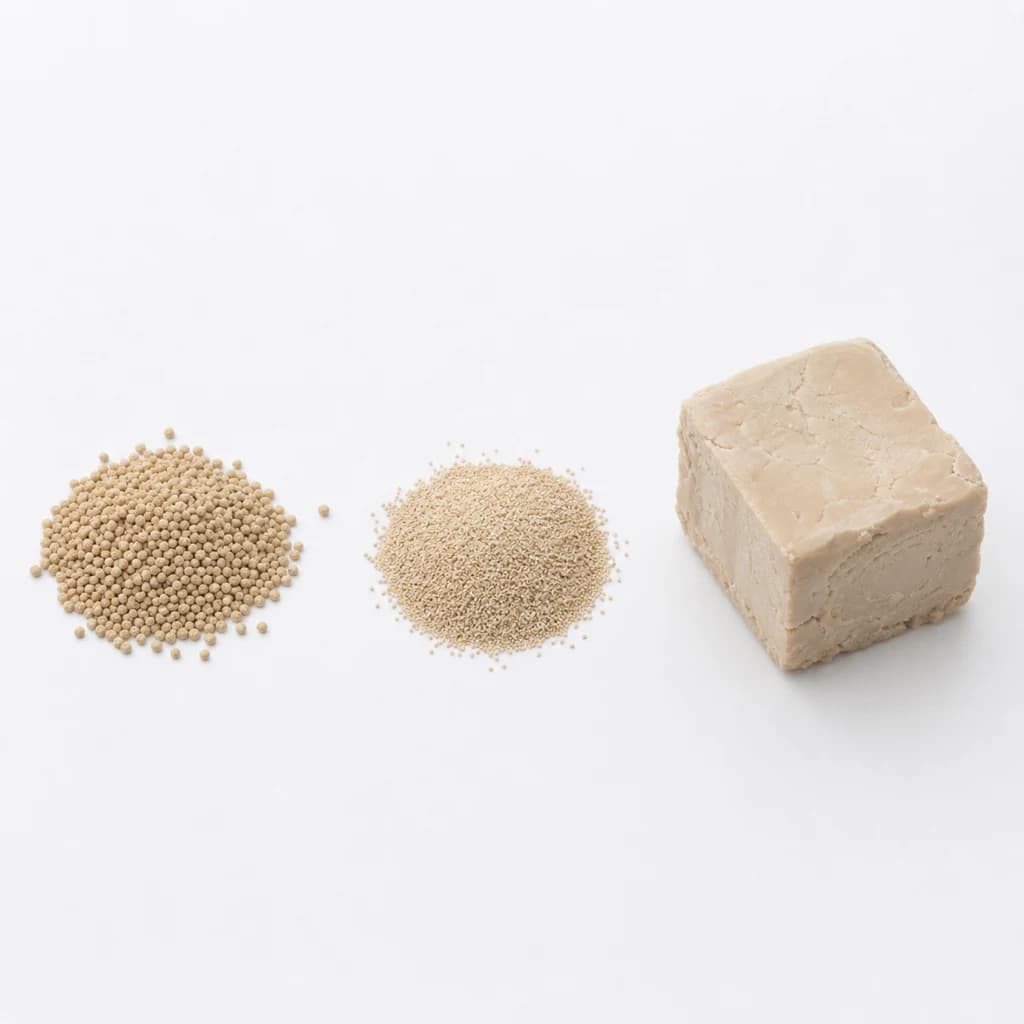
Yeast
Living leaven that makes bread rise and dough come alive