Baking
Millet Flour
Gluten-free flour from ground millet used for flatbreads and porridges.
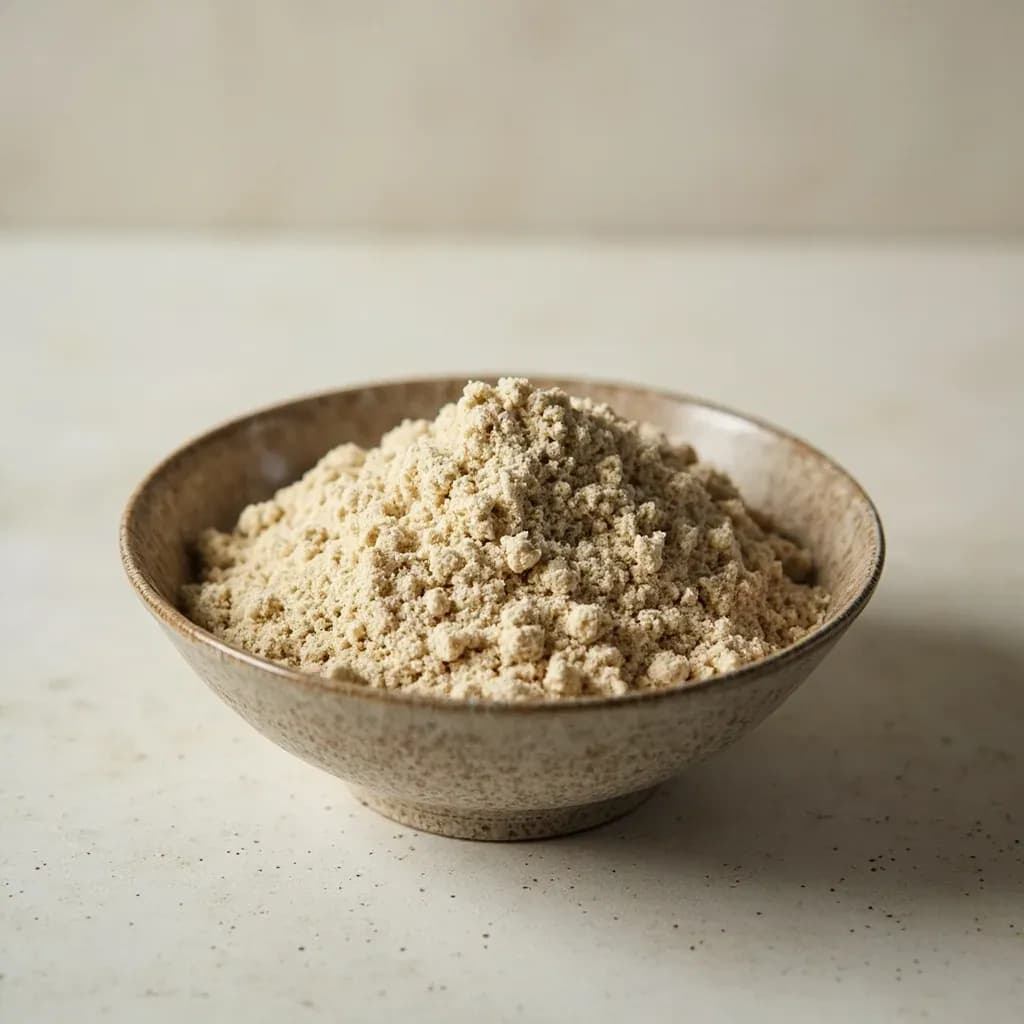
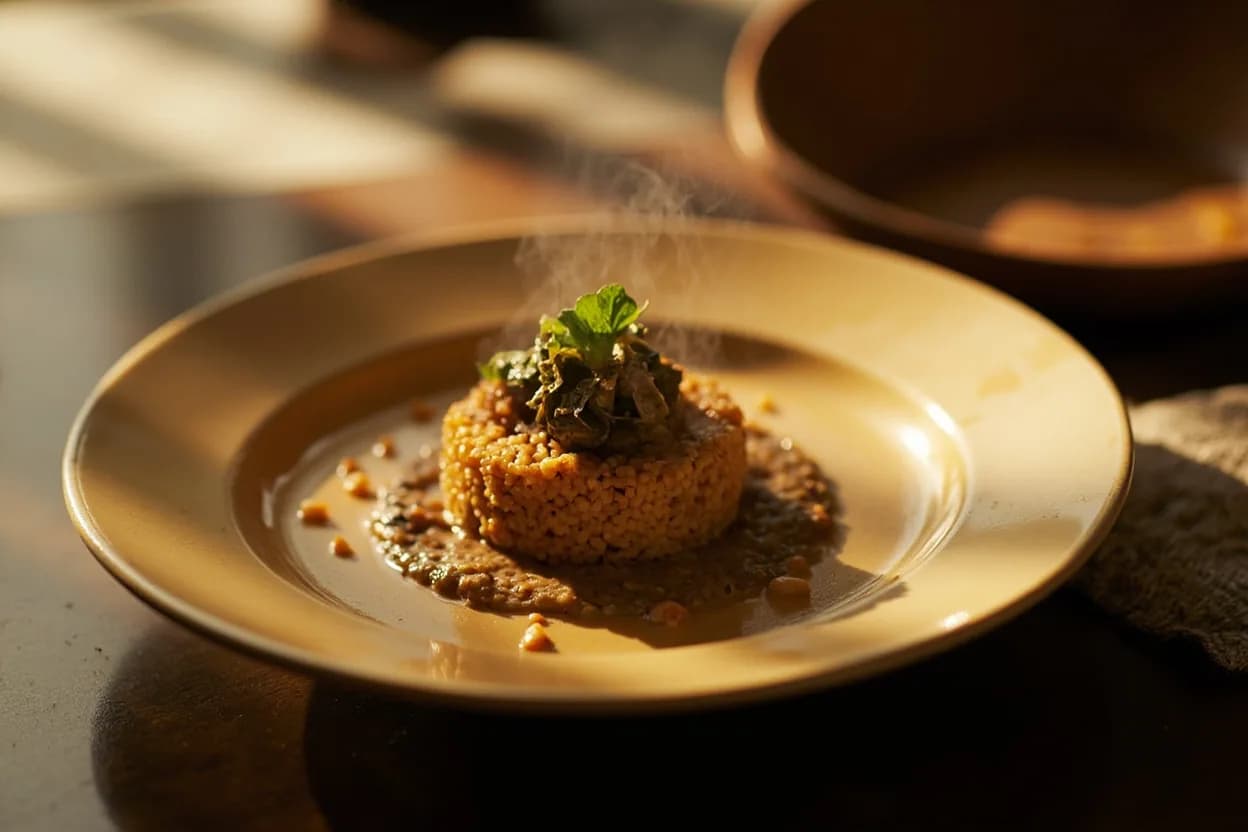
Millet flour is milled from pearl or finger millet into a fine, slightly sweet, gluten-free powder. It is used across India and Africa for flatbreads like bajra roti, porridges, and the Namibian staple mahangu. Because it lacks gluten, it is often hydrated with hot water or blended with other flours for cohesion.
Millet flour is ground from the seeds of annual grasses in the Poaceae family, one of the most ancient cultivated grains—domesticated roughly 7,000 years ago in northeastern China before spreading through Asia, Africa, and Europe. While lesser-known in Western baking than wheat or rice flour, it holds a significant place in gluten-free formulations due to its neutral-to-mildly sweet flavor, respectable protein content (10–12%), and natural absence of gluten. Its high oil content means it spoils quickly—always refrigerate or freeze it—and its density means it is rarely used alone above 30–50% in baking blends, where it performs best when paired with lighter starches and binding agents. Ragi (finger millet) stands apart as a flavor ingredient in its own right, particularly in South Indian cuisine where it is used for health-focused porridges and steamed preparations.
- Measured in
- g
- Storage
- Pantry
Types & varieties
Most widely available commercially; neutral flavor; best for general baking
Rich in calcium; reddish-brown color; stronger, slightly bitter flavor; essential in South Indian cuisine
Golden-yellow; sweet, mild flavor; popular in Chinese and Indian traditional cooking
Grayish-white; heartier, more robust flavor; traditional in West Africa and India
White; mild flavor; quick cooking; used in Indian fasting foods
Common uses
Tips & pitfalls
- Never use millet flour as the sole flour in baking—it produces dense, dry, crumbly results; always blend it with lighter starches like tapioca or cassava.
- Store millet flour in the refrigerator or freezer immediately after opening; its high lipid content causes it to turn rancid within weeks at room temperature.
- Add a binding agent (xanthan gum at ¼ tsp per cup of flour or 1 tbsp psyllium husk) when using millet in bread formulations; it lacks gluten's structural elasticity.
- Avoid expecting the same rise and tender crumb as wheat baked goods—millet flour produces a denser, more crumbly texture even in well-formulated blends.
- Commercial gluten-free blends typically use proso millet; if substituting a different variety like ragi, adjust for its stronger flavor and reddish color.
- Toast the flour briefly in a dry pan before cooking to deepen flavor and reduce any raw grain taste—this is standard practice in South Asian porridges.
- Check that millet flour is made from pre-sterilized grain; raw millet may carry microbial contamination concerns.
- Add extra fat (oil, butter, coconut milk) to compensate for millet's drying quality—recipes often need 10–20% more moisture than wheat-based counterparts.
Nutrition
Energy
1598 kJ · per 100 g
Where the calories come from
Protein
10.8g
22% DV
Carbs
75.1g
27% DV
Fat
4.3g
5% DV
Fiber
3.5g
13% DV
Sugars
1.7g
of which
Sodium
4mg
0% DV
Source · USDA FoodData Central · Millet flour
View on FDC →In the shops
Matched grocery products
No matched grocery products for Millet Flour yet.
Good to know
- Source
- Ground millet seeds from Poaceae grass species
- Origin
- Domesticated ~7,000 years ago in Northeast China; spread through Asia, Africa, and Europe
- Primary Varieties
- Proso, foxtail, pearl, finger (ragi), barnyard, little
- Color
- Pale yellow to cream; finger millet (ragi) is reddish-brown
- Flavor
- Mild, slightly sweet and nutty; less pronounced than buckwheat
- Gluten
- Naturally gluten-free
- Storage
- Refrigerate or freeze; high oil content causes rapid rancidity (2–3 months at room temp, 6 months refrigerated)
- Protein
- ~10–12% (higher than rice flour, lower than wheat)
- Typical Use Level
- Rarely used alone above 30–50% in baking blends due to density
Substitutes
- Sorghum Flour — Closest texture and neutral flavor; best 1:1 substitute in baking blends
- Buckwheat Flour — Stronger flavor; use at 50% ratio for milder results
- Brown Rice Flour — Similar density; may require additional binder (xanthan gum); 1:1 works
- Quinoa Flour — Slightly bitter; excellent protein boost; use at 25–50% in blends
- Amaranth Flour — Stronger flavor and denser texture; best used in small amounts for nutrition
Pairs with
Also called
Pearl Millet Flour · Mahangu
Appears in these dishes
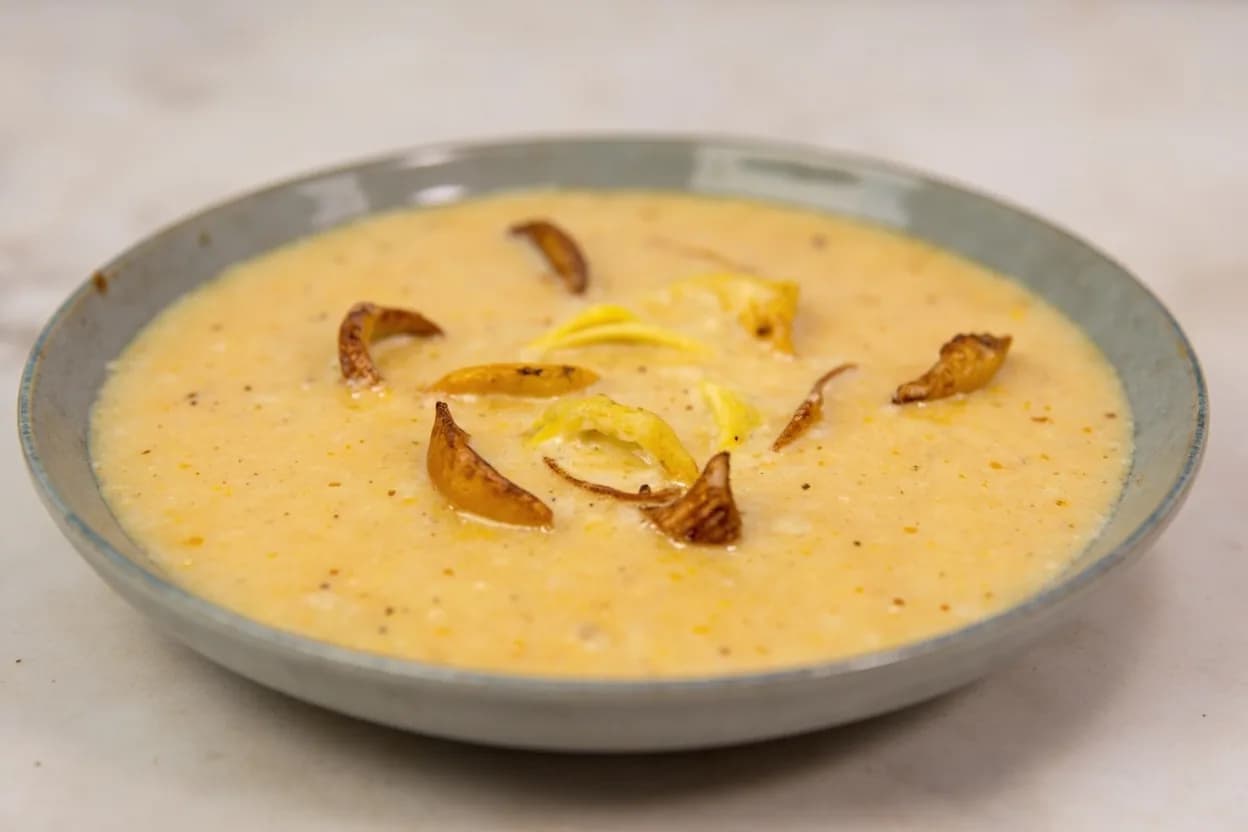
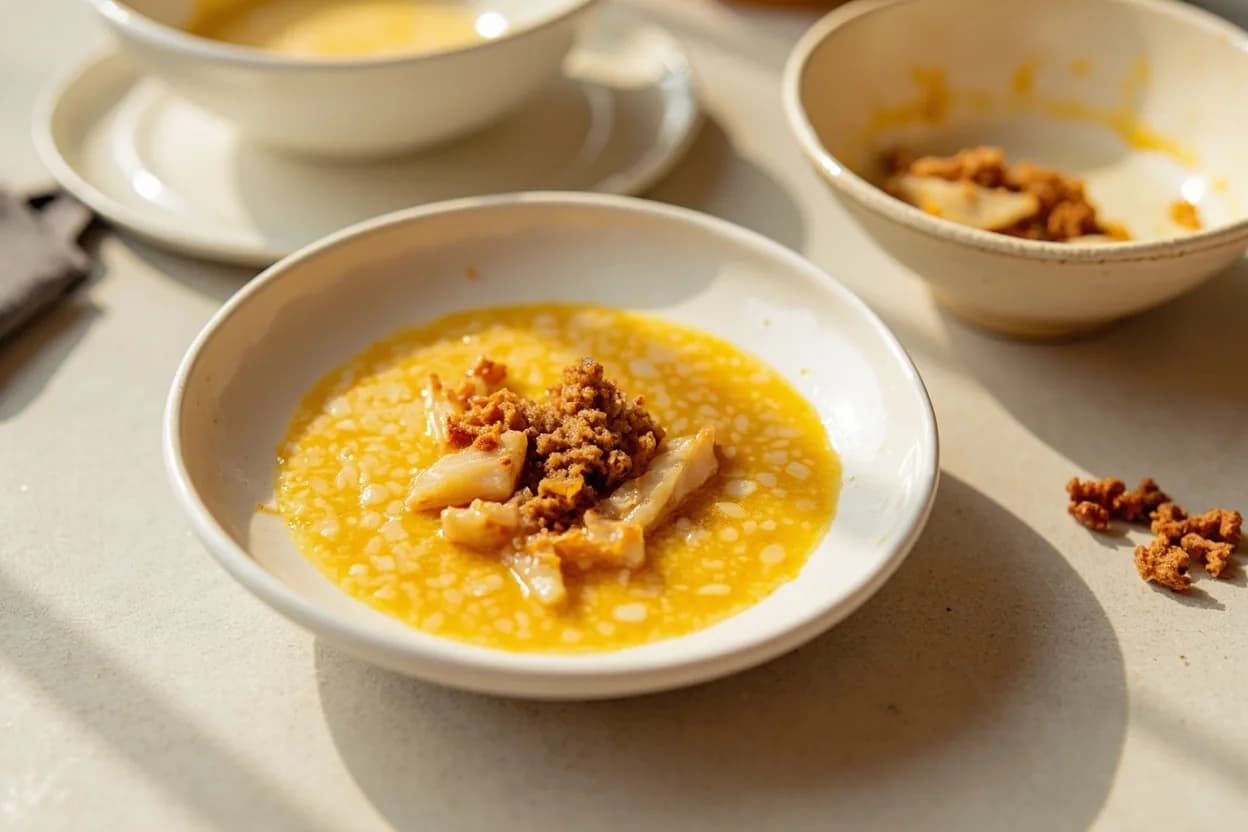
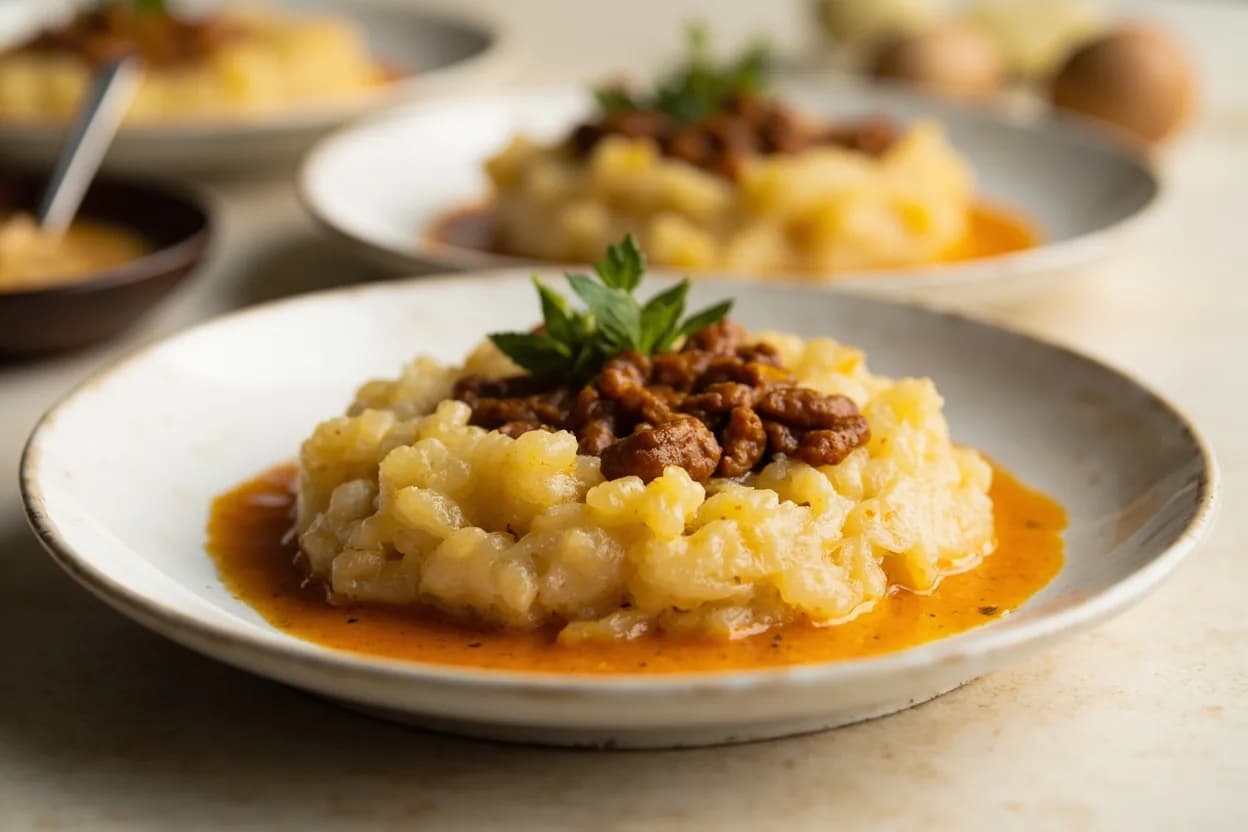
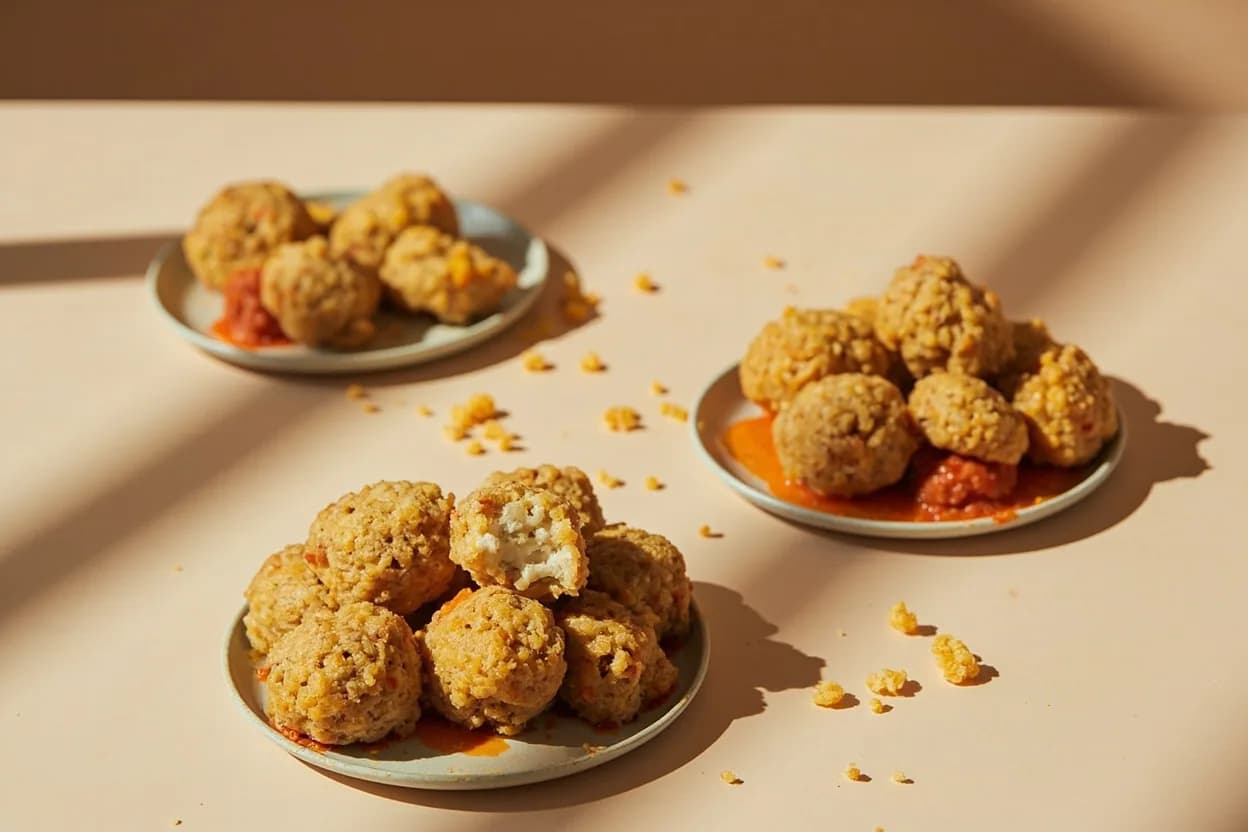
Related

All-Purpose Flour
The do-anything flour for bread, cakes, sauces, and dredging

Bread Flour
High-protein flour for chewy, well-risen breads
Whole Wheat Flour
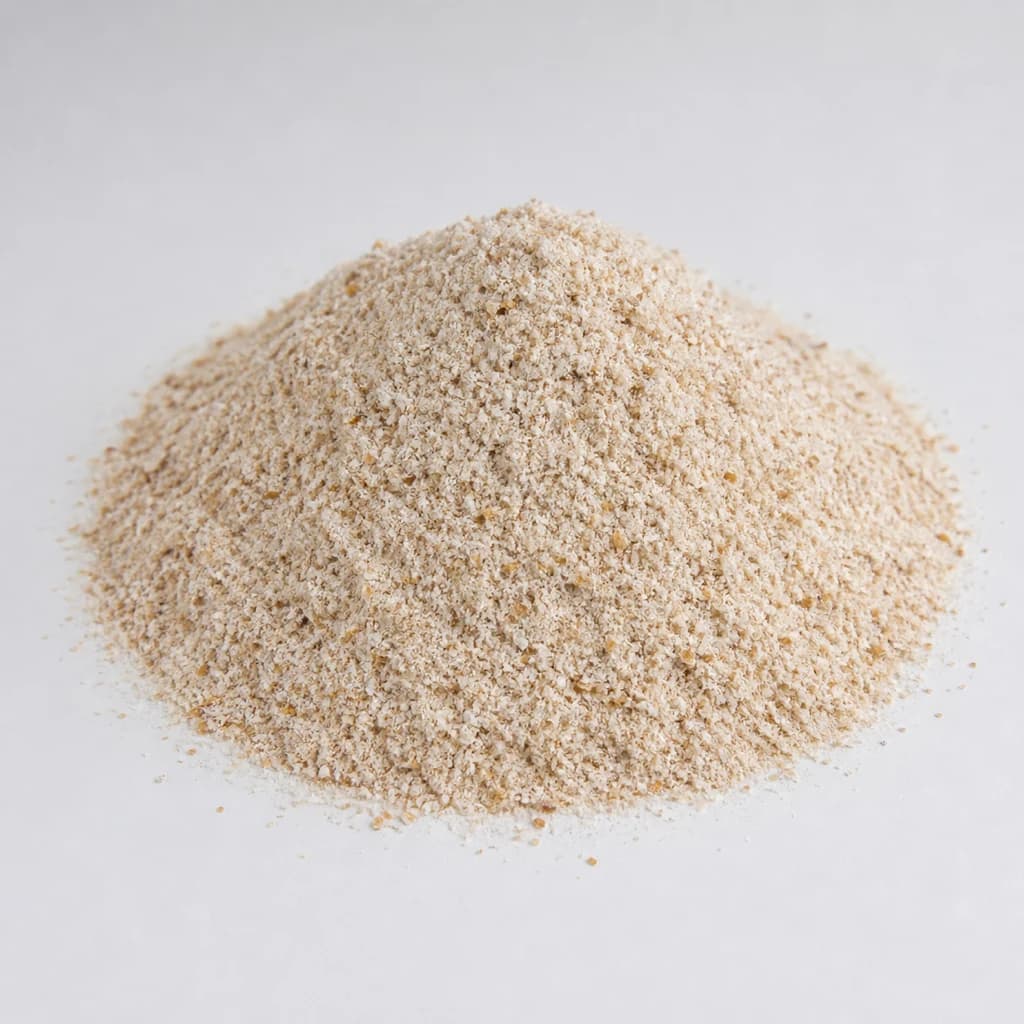
Nutty, whole-grain flour for hearty breads and bakes
Cake Flour
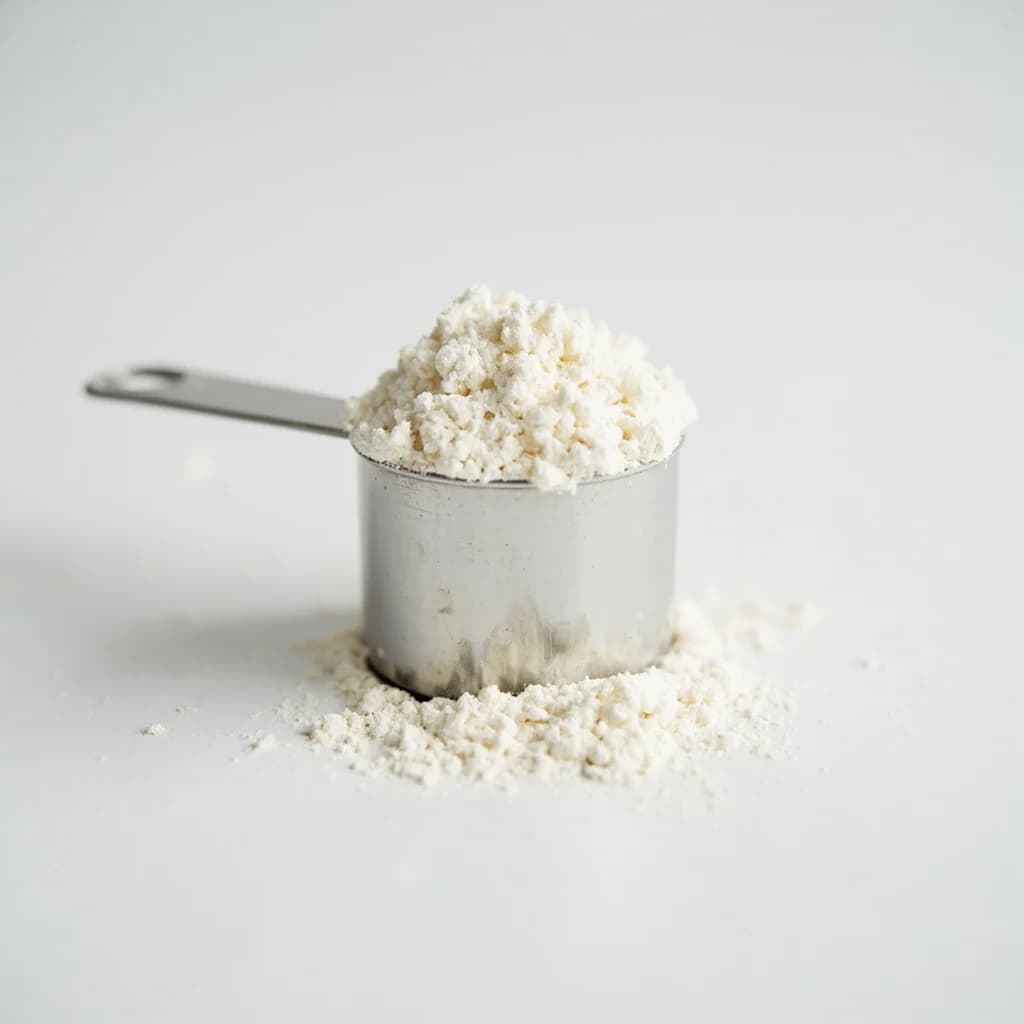
Fine, low-protein flour for tender, delicate cakes
Almond Flour
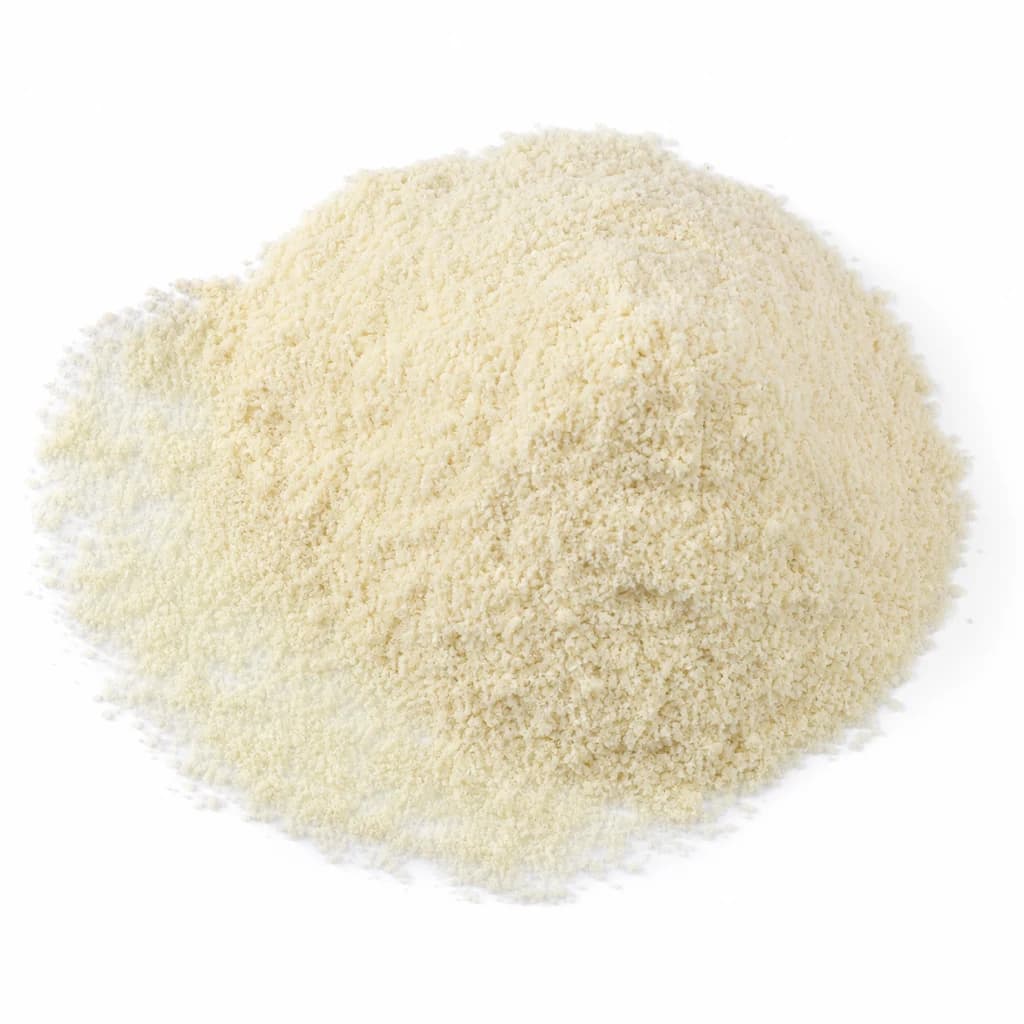
Nutty, gluten-free flour for macarons and tender bakes

Baking Powder
All-in-one leavener for fluffy cakes, pancakes, and biscuits

Baking Soda
Pure leavener that needs acid to lift — and tenderize
Yeast
Living leaven that makes bread rise and dough come alive