Baking
Teff Flour
Gluten-free flour from tiny Ethiopian teff grain, the base of injera.
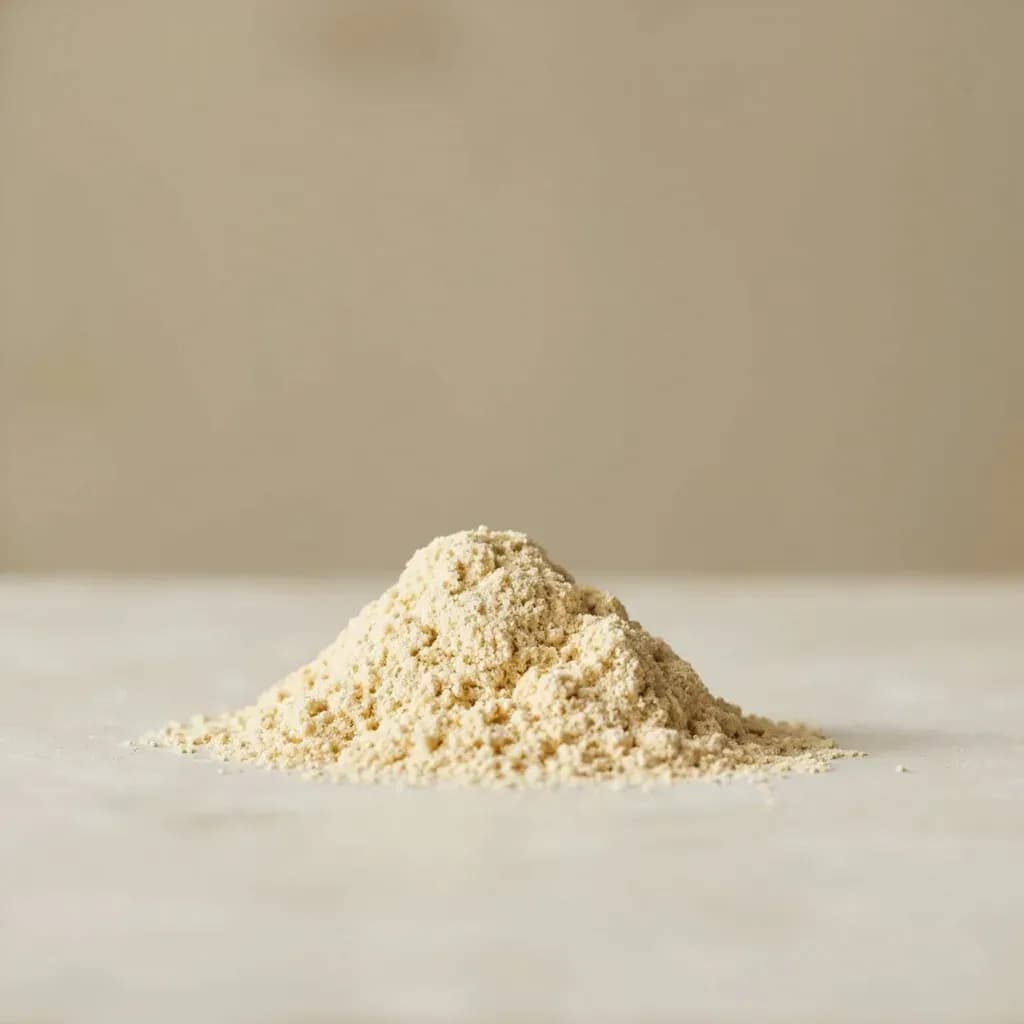
Teff flour is milled from teff, an ancient tiny grain native to Ethiopia and Eritrea. Naturally gluten-free and rich in iron and fiber, it is fermented into a batter to make injera, the spongy sourdough flatbread. It has a mild, malty, slightly molasses-like flavor and is also used in porridges and gluten-free baking.
Teff flour is ground from Eragrostis tef, an ancient grain domesticated in the Ethiopian and Eritrean highlands over 5,000 years ago. The grain is extraordinarily small — roughly 1mm in diameter, about one-hundredth the size of a wheat kernel — which means it is always milled whole, preserving the germ and bran in every particle. This explains teff's exceptional nutritional density: the flour packs roughly 13% protein, unusually high iron among cereals, and generous fiber from the intact bran layer. Teff's whole-grain nature also means it behaves differently from refined flours in the kitchen, absorbing liquid eagerly and contributing dense, earthy results when used alone.
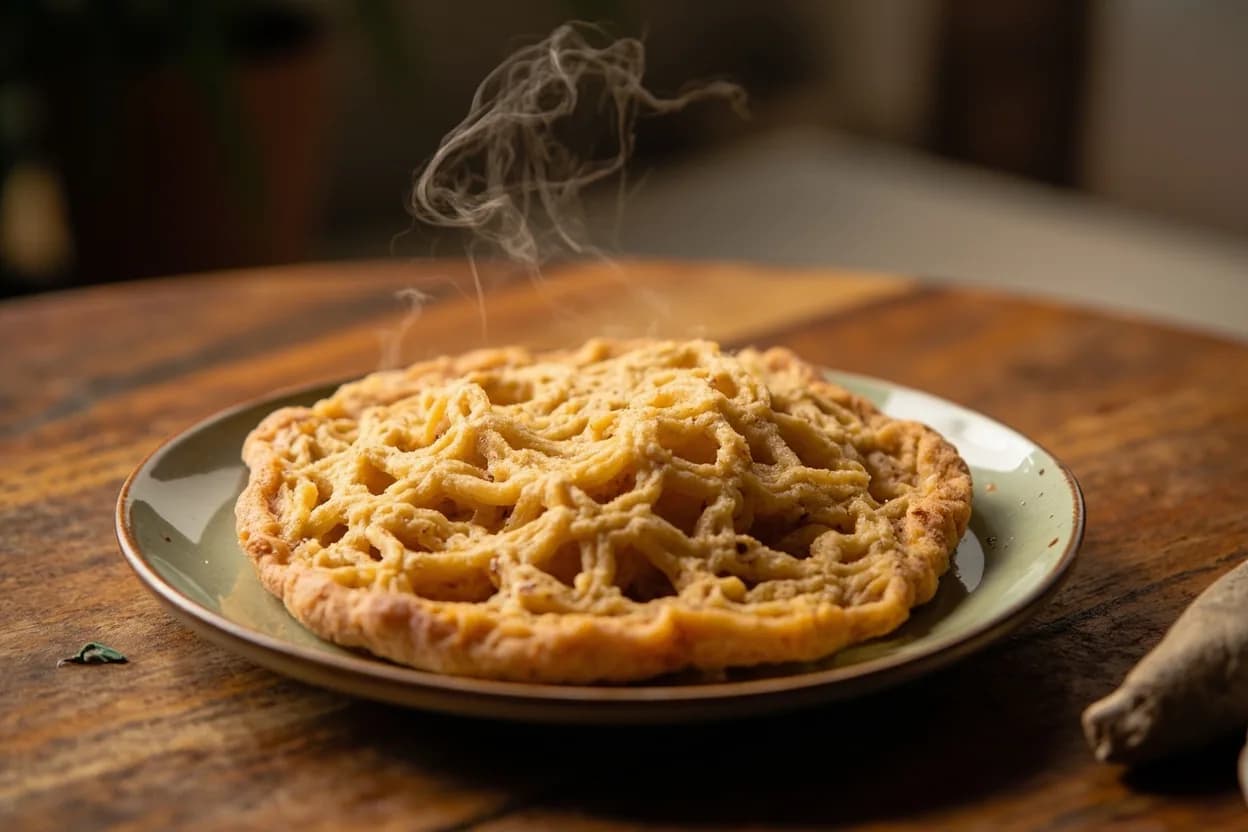
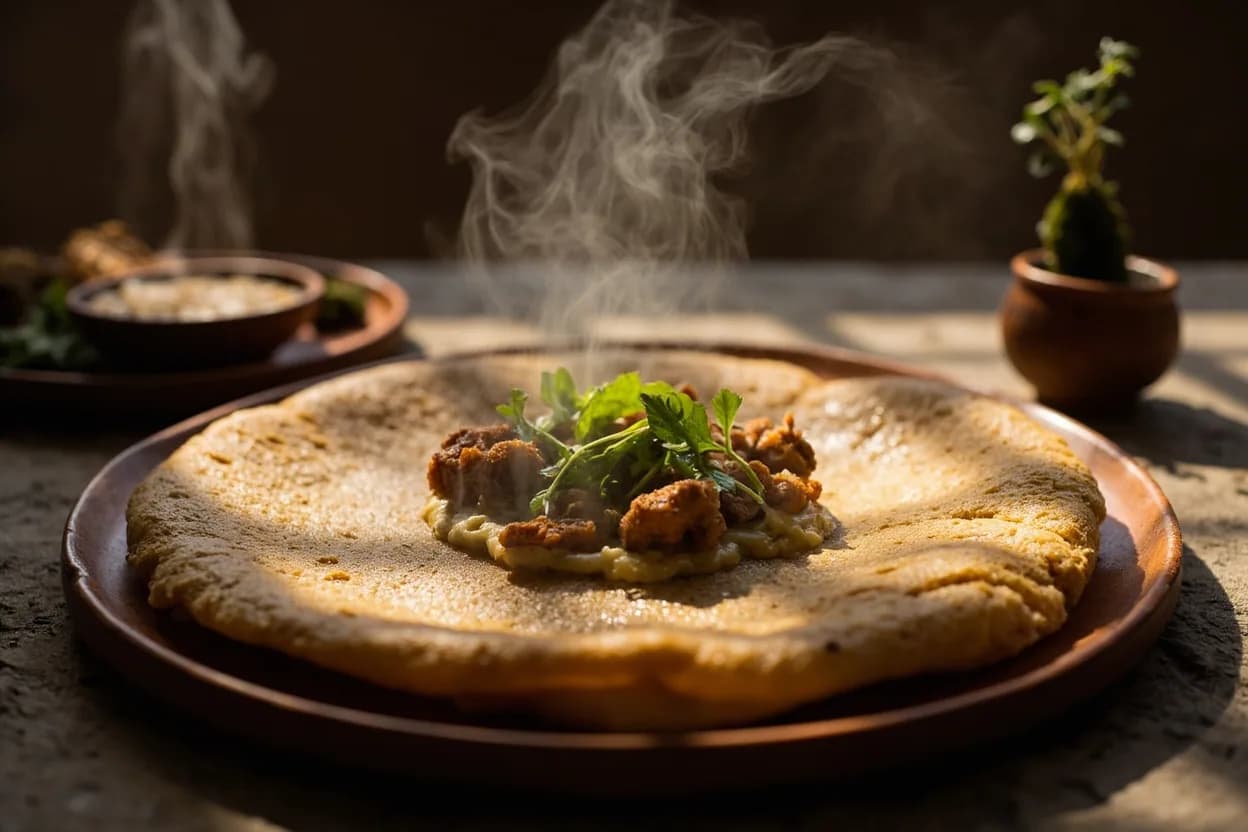
The flavor is the flour's defining characteristic: nutty and earthy with a subtle molasses-like depth, more pronounced in the brown variety. This complexity makes teff instantly recognizable in dishes but also means it dominates a recipe when used in quantity. In Ethiopian cuisine, teff is not merely an ingredient — it is the foundation of cultural identity, so essential that historical courts once accepted it as tax payment. Injera, the sourdough flatbread that anchors every Ethiopian meal, showcases teff at its most characteristic: fermented to develop sour tang, then cooked on a single side to create its signature spongy, blistered surface. Outside Ethiopia, teff has found a devoted following in the gluten-free community, valued for its nutrition and distinctive flavor, though success requires understanding its limitations and adjusting techniques accordingly.
- Measured in
- g
- Storage
- Pantry
Types & varieties
Most widely available. Full, nutty-earthy flavor. Deep brown color.
Less common, more expensive. Milder, slightly sweeter. Traditional in some Ethiopian regions. Lighter color.
Blend of varieties; balances flavor and cost. Common in commercial products.
Making Injera with Teff Flour
Injera is a sourdough flatbread requiring fermentation before cooking. The process transforms teff's subtle sweetness into the bread's characteristic sour tang while developing the carbon dioxide bubbles that create its spongy, porous surface. Authentic injera uses only teff flour and wild yeast captured from the environment — commercial yeast produces a bread that looks similar but lacks the complex sourness and proper rise.
- Mix teff flour with water to form a thin batter (roughly 1:3 to 1:4 flour to water by volume) and ferment at room temperature for 24–72 hours until visibly bubbly and sour
- Pour a small amount of batter onto a very hot, lightly oiled skillet or Dutch oven and cover tightly
- Cook undisturbed on high heat (350–400°F/175–200°C) for 2–3 minutes until bubbles form across the surface and edges begin to look dry; do not flip
- The covered cooking environment traps steam, which is essential for the bread's characteristic rise and blistered surface
- Transfer to a plate and repeat with remaining batter; serve warm, stacking injera to keep it soft
Gluten-Free Baking with Teff
Teff brings exceptional flavor and nutrition to gluten-free baking, but its lack of gluten means it cannot provide structure alone. Successful gluten-free baking with teff requires thoughtful blending with other flours and starches to achieve acceptable texture. The key is treating teff as a flavor and nutrition contributor rather than the structural base.
- Replace no more than 25–30% of total flour weight with teff in standard gluten-free recipes
- Add a starch (tapioca or potato starch at 25–30% of total flour) to lighten texture
- Include a binder (1/2 tsp xanthan gum or 1 tbsp psyllium husk per cup of flour blend) for structure
- Increase liquid by 10–20% compared to wheat recipes to account for teff's high absorption
- Toast teff flour briefly in a dry pan to deepen its nutty flavor before incorporating into recipes
Common uses
Tips & pitfalls
- Teff absorbs liquid enthusiastically — expect to add 10–20% more liquid in batters and doughs compared to wheat recipes
- Do not use teff as the sole flour in baked goods — it lacks gluten's structural elasticity and produces dense results alone; blend with sorghum, rice flour, or tapioca starch
- For baked goods, combine with a starch (tapioca or potato starch) and a binder (xanthan gum or psyllium husk) for best texture
- For injera, fermentation is essential — wild-yeast fermentation develops the characteristic sour tang and spongy surface; instant yeast produces an inferior result
- Cook injera on high heat (350–400°F/175–200°C) in a covered skillet or Dutch oven; steam is critical to develop the rise and blisters
- Do not flip injera — unlike other breads, it cooks on one side only
- Store teff flour in the freezer if you won't use it within a month; the fat content causes rancidity faster than most flours
- Look for stone-milled teff flour when possible — heat from roller milling degrades flavor and nutrients
- Toasting teff flour briefly in a dry pan deepens its nutty flavor before using in porridge or baking
- When substituting teff for wheat flour, replace no more than 25–30% of the total flour weight to avoid excessive denseness
Nutrition
Nutrition
No USDA FoodData Central match for Teff Flour yet. We surface a per-100 g profile once a generic whole-food entry is matched and verified.
In the shops
Matched grocery products
No matched grocery products for Teff Flour yet.
Good to know
- Origin
- Ethiopia and Eritrea; cultivated over 5,000 years
- Grain Size
- ~1mm diameter; one of the world's smallest cereal grains
- Color
- Brown (most common); ivory/white (rare, milder)
- Flavor
- Nutty, earthy, slightly molasses-like; brown teff is more robust
- Gluten
- Naturally gluten-free; certified GF recommended for celiac cooking
- Protein
- ~13%; higher than most grains
- Iron Content
- Exceptionally high among grains
- Fiber
- High; both soluble and insoluble
- Shelf Life
- 2–3 months pantry; up to 12 months frozen
Substitutes
- Buckwheat Flour — Similar earthy-nutty flavor and gluten-free. Can substitute 1:1 but expect a softer, more tender texture. Distinctly flavored but compatible.
- Sorghum Flour — Mild, sweet flavor. Good structural substitute in gluten-free blends. Use with starch; doesn't provide teff's distinctive flavor.
- Millet Flour — Neutral, slightly sweet. Works as a structural base in gluten-free baking. Lacks teff's depth of flavor but compatible.
- Amaranth Flour — Nutty, earthy; similar gluten-free profile. Very strong flavor — use sparingly. High protein but can make baked goods gummy in large amounts.
- Quinoa Flour — Earthy, slightly bitter. Nutrient-dense gluten-free option. Best combined with milder flours; strong flavor differs from teff.
Pairs with
Also called
Taff · Tef Flour
Appears in these dishes
Related

All-Purpose Flour
The do-anything flour for bread, cakes, sauces, and dredging

Bread Flour
High-protein flour for chewy, well-risen breads
Whole Wheat Flour
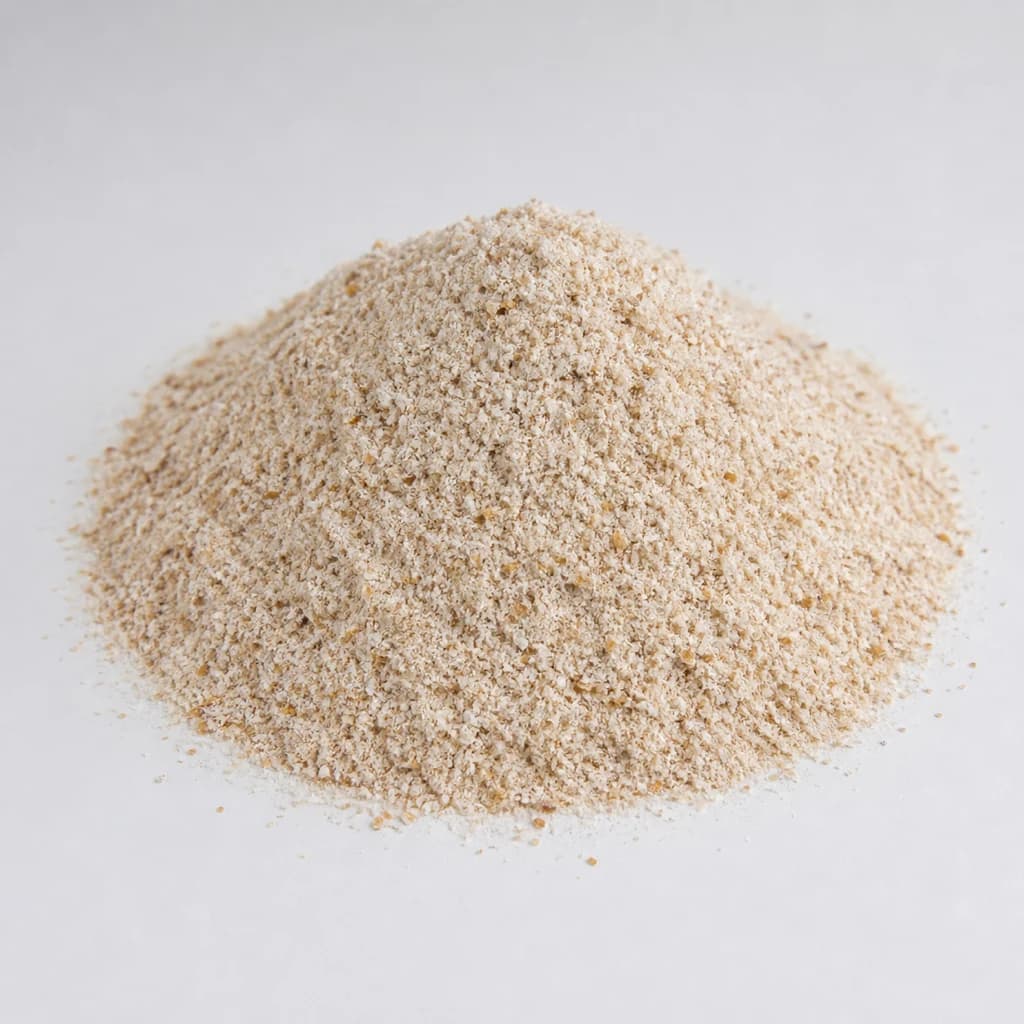
Nutty, whole-grain flour for hearty breads and bakes
Cake Flour
Fine, low-protein flour for tender, delicate cakes
Almond Flour
Nutty, gluten-free flour for macarons and tender bakes

Baking Powder
All-in-one leavener for fluffy cakes, pancakes, and biscuits

Baking Soda
Pure leavener that needs acid to lift — and tenderize
Yeast
Living leaven that makes bread rise and dough come alive