Grains & Rice
Sorghum
Hardy gluten-free cereal grain cooked as porridge, flatbread flour, or fermented for beer.
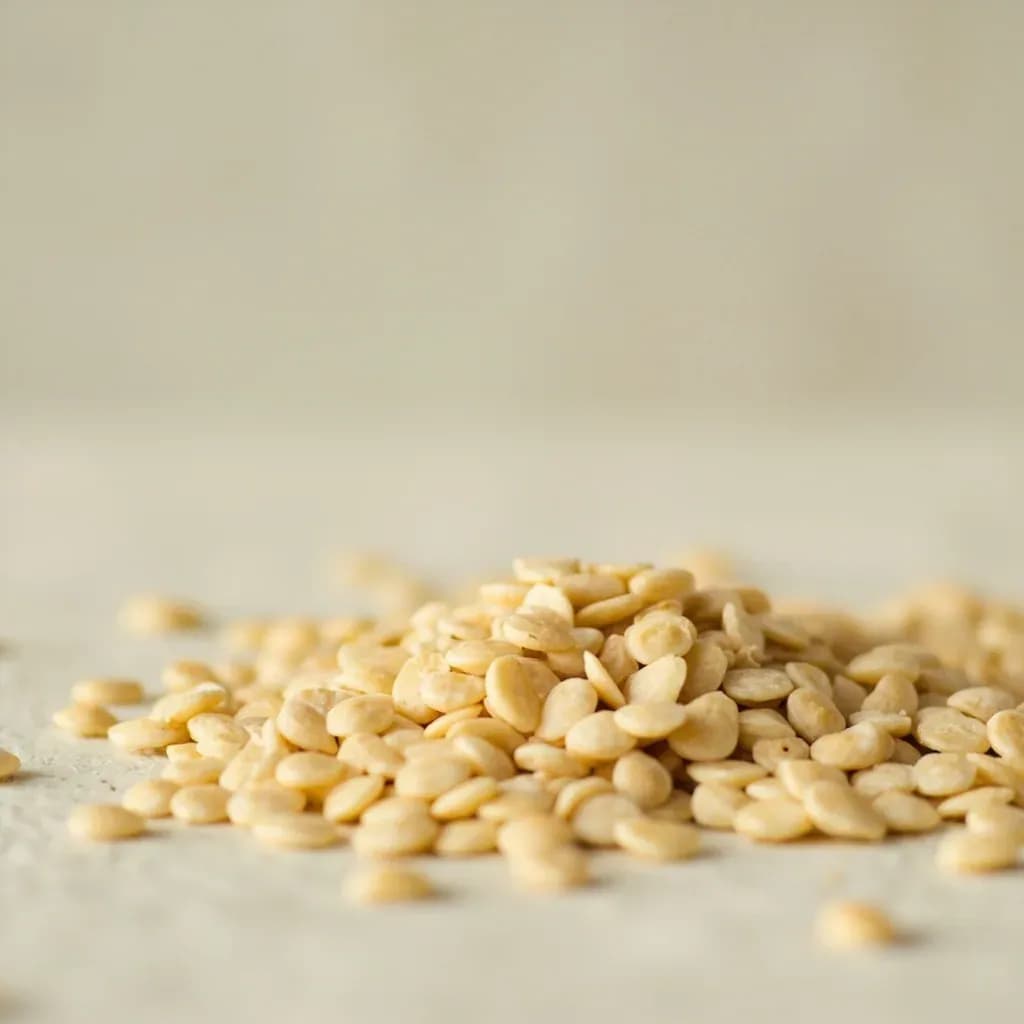
Sorghum is a drought-tolerant cereal grain widely grown in Africa and India, eaten as a whole grain, ground into flour for flatbreads like jowar roti, or cooked into porridge. The malted grain is also fermented to brew traditional beers. It is naturally gluten-free with a mild, earthy flavor and chewy texture.
Sorghum is a hardy, drought-resistant cereal grain from the grass family (Poaceae), domesticated in Ethiopia roughly 8,000 years ago and now grown globally with the USA, India, Mexico, and Nigeria as leading producers. The grain measures 2–4 mm in diameter and consists of three parts: the starchy endosperm, the nutrient-dense germ, and the fiber-rich pericarp (outer bran layer), which may be white, red, brown, or black depending on variety. In African cuisines, sorghum is foundational—ground into flour for flatbreads, cooked into porridges, or malted and fermented for traditional beers like pito and burukuto. In the American South and Midwest, it appears in grits-style dishes and increasingly in gluten-free baking. Its flavor is mild, slightly sweet, and nutty—less distinctive than millet or quinoa—which makes it exceptionally adaptable to both savory and sweet preparations. Sorghum is the fifth most important cereal crop worldwide, yet most American production goes to animal feed; food-grade white sorghum for human consumption is increasingly available in health-food stores and well-stocked supermarkets. As a naturally gluten-free grain, it avoids the allergen concerns of wheat, barley, and rye, though always verify that packaged sorghum flour carries a gluten-free label if cross-contact is a concern.
- Measured in
- g
- Storage
- Pantry
Types & varieties
Mildest, sweetest flavor; preferred for food use in the US. Cream-colored pericarp. Used for porridge, grits, and flour in gluten-free baking.
Tan to reddish-brown bran layer; stronger, slightly bitter flavor. Traditional variety in West Africa. Used for porridges and tortillas.
Deep purple-black color from anthocyanin antioxidants. Most intense, slightly astringent flavor. Used in traditional applications and specialty baked goods.
Tan to medium brown pericarp; flavor profile between white and red. Common in India and East Africa.
Whole grain with pericarp mechanically removed. Cooks faster (30–40 minutes); used like barley in grain salads and side dishes.
Sorghum bicolor var. saccharatum; tall stalks contain sugary juice pressed for sorghum molasses/syrup. Not a food grain—this is a different product entirely.
Whole Grain vs. Flour
Whole-grain sorghum retains the bran, germ, and endosperm, offering the most fiber and nutrition. Flour milled from whole grain is light beige and works best in flatbreads or blended gluten-free baking formulations. Refined sorghum (where some or all bran is removed) cooks more quickly but loses antioxidant content concentrated in the pericarp and germ. For porridges and grain bowls, whole grain is the standard choice; for baking, a blend of whole-grain sorghum flour with starchier flours like tapioca or rice flour produces the best texture.
- Whole grain: porridge, grain bowls, pilafs, salads
- Sorghum flour: injera and flatbreads, gluten-free baking blends
- Pearled sorghum: faster cooking, used like barley
Cooking Whole Sorghum
Treat sorghum like a durable dry grain—think farro or wheat berries—not like rice. The most reliable method for tender, non-sticky results is the pasta method: cook in a large pot of generously salted boiling water (like you would pasta), stirring occasionally, until grains are tender with a slight chew, then drain and rinse. This prevents the sticking and uneven cooking that plague small-batch absorption methods. The grain takes 45–60 minutes to reach fully tender; pre-soaking 4–8 hours cuts that to 30–45 minutes.
- Pasta method (excess water, then drain) yields best texture
- Toast dry grains in a heavy pan before adding liquid for deeper flavor
- Add a pinch of oil to the cooking water to suppress foaming
- Season the cooking water—the grain absorbs flavor as it cooks
Common uses
Tips & pitfalls
- Soak whole grains 4–8 hours before cooking to cut active cooking time by ~15 minutes and improve final texture.
- Rinse sorghum thoroughly in cold water before cooking to remove field dust and debris.
- Toast grains in a dry heavy-bottomed pan over medium heat for 2–3 minutes before adding liquid for a noticeably nuttier flavor.
- Cook in a large volume of salted water like pasta, then drain—this is the most reliable way to avoid sticky, unevenly cooked grain.
- For flour, use a heavy-duty blender, impact mill, or stone mill; sorghum is harder than wheat and will damage blade-style food processors.
- Sorghum flour contains no gluten; for leavened baking (bread, muffins), blend it with gluten-free starches (tapioca, potato starch) and add xanthan gum as a binder.
- Substitute sorghum flour for up to 25–30% of wheat flour in traditional recipes without major structural adjustments to the dough.
- Pop sorghum like popcorn: heat a small amount of oil in a heavy covered pot over high heat, add a layer of dry grain, shake continuously, and listen for popping—done in 3–5 minutes.
- Store whole grain in airtight containers away from strong odors; sorghum absorbs neighboring flavors readily.
- Common mistake: undercooking—sorghum should be genuinely tender, with no hard center, before draining; taste test a grain before declaring it done.
Nutrition
Energy
1377 kJ · per 100 g
Where the calories come from
Protein
10.6g
21% DV
Carbs
72.1g
26% DV
Fat
3.5g
4% DV
Fiber
6.7g
24% DV
Sugars
2.5g
of which
Sodium
2mg
0% DV
Source · USDA FoodData Central · Sorghum grain
View on FDC →In the shops
Matched grocery products
No matched grocery products for Sorghum yet.
Good to know
- Origin
- Sub-Saharan Africa; domesticated in Ethiopia ~8,000 years ago
- Scientific Name
- Sorghum bicolor
- Gluten-Free
- Yes (verify no cross-contamination in packaged products)
- Grain Color
- White, red, brown, or black depending on variety
- Cooking Time
- 45–60 min whole grain; 30–40 min pearled; 30–45 min if pre-soaked (4–8 hours)
- Yield
- ~2.5 cups cooked per 1 cup dry grain
- Water Ratio
- 3–4 cups water per 1 cup whole grain
- Shelf Life
- 6–12 months whole grain; 3–6 months flour (refrigerate flour to extend)
Substitutes
- Millet — Comparable cooking time and neutral flavor; use 1:1 ratio for porridge or grain bowl applications.
- Quinoa — Gluten-free with similar cooking time; flavor is more pronounced. Rinse before cooking.
- Buckwheat Groats — Similar nutty flavor and gluten-free; cooks in 20–30 minutes. Works well in porridge or grain salads.
- Corn Grits or Polenta — Closest texture and culinary use for porridge and grits applications. Not gluten-free if cross-contamination is a concern.
- Amaranth — Smaller grain, cooks faster (~20 minutes); more pronounced earthiness. Best for porridge.
- Farro or Wheat Berries — If gluten is not a concern; similar chewy texture for grain bowl applications.
- White Rice — Longer cooking than whole sorghum; acceptable in savory preparations where texture difference is acceptable.
Pairs with
Also called
Jugara · Sorghum Grain · Sorghum Malt · Jowar
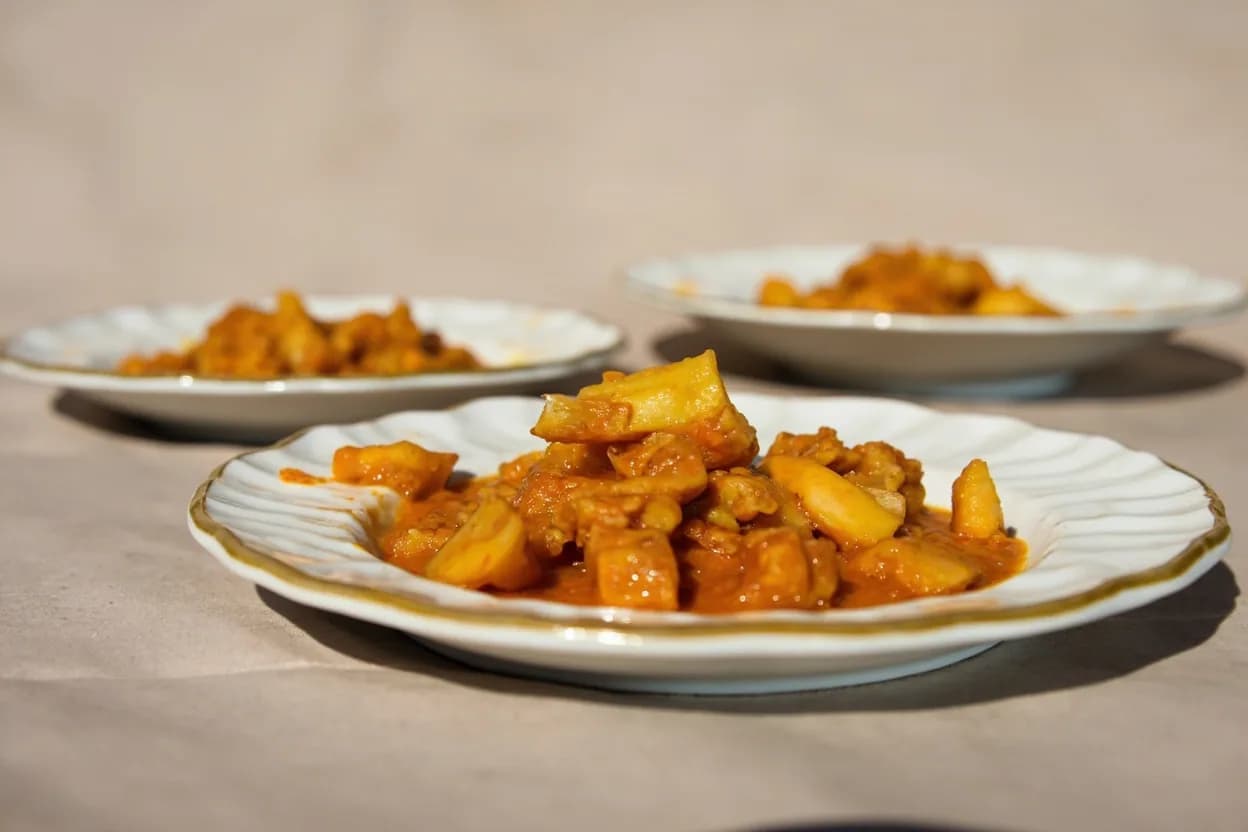
Appears in these dishes
Related

White Rice
Fluffy long-grain rice — the neutral base for almost any meal

White Bread
Soft sandwich loaf for toast, sandwiches, and crumbs
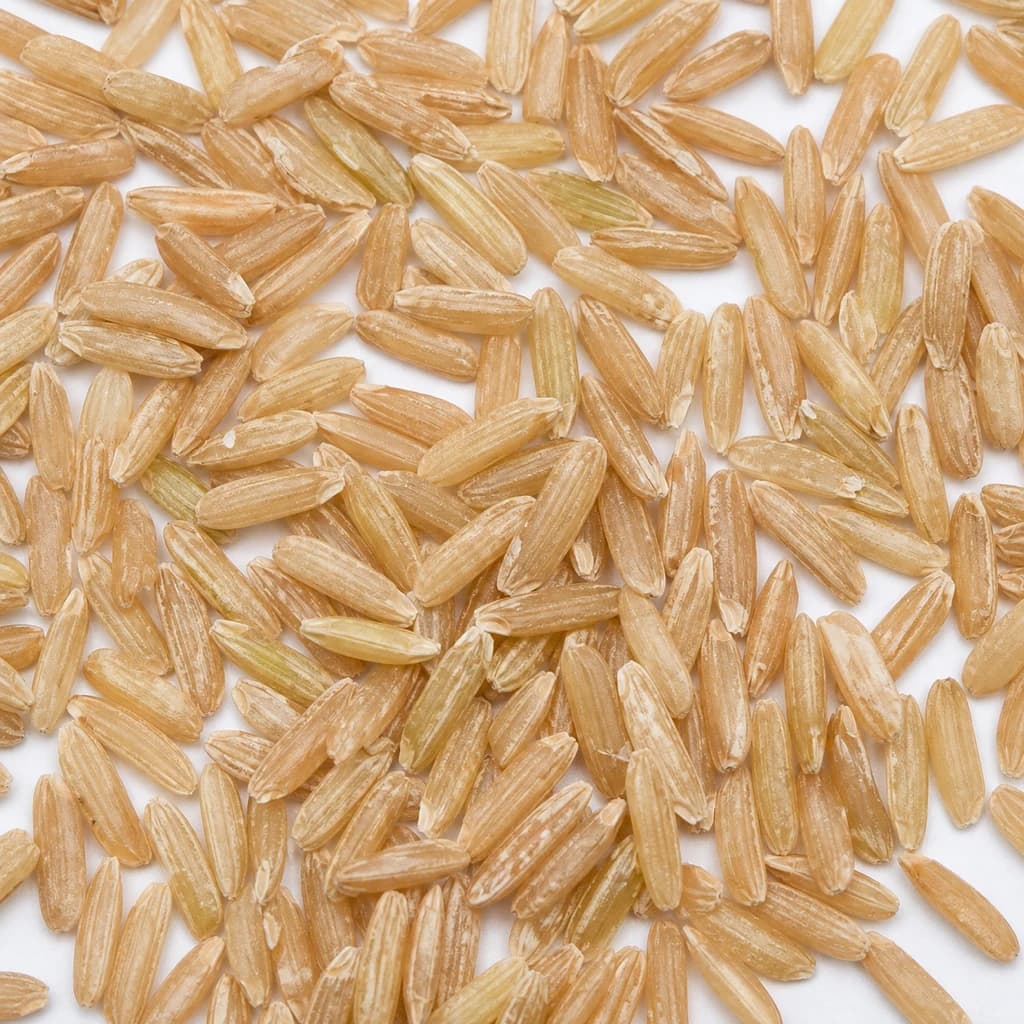
Brown Rice
Nutty, whole-grain rice with chew and extra fiber

Basmati Rice
Fragrant, long-grain rice that cooks up light and separate
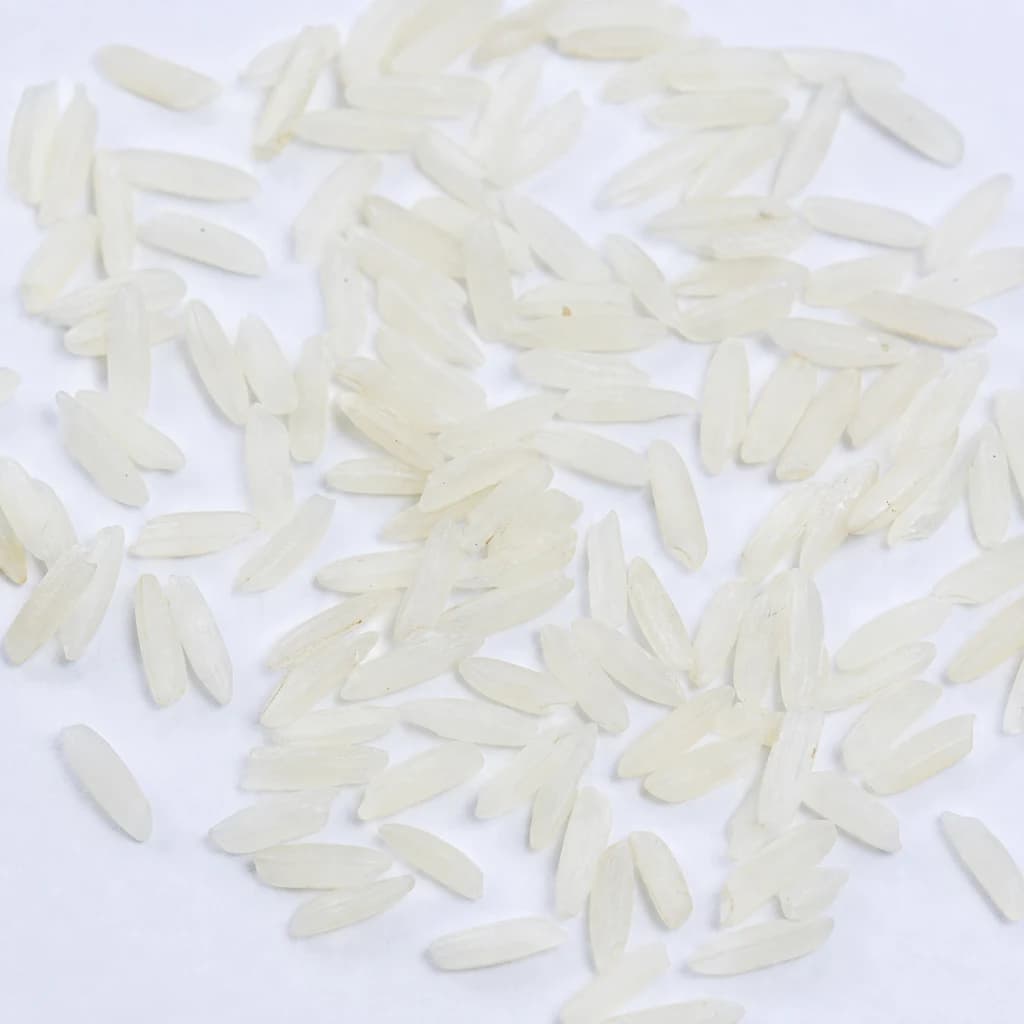
Jasmine Rice
Soft, floral-scented rice that's the pillar of Thai meals
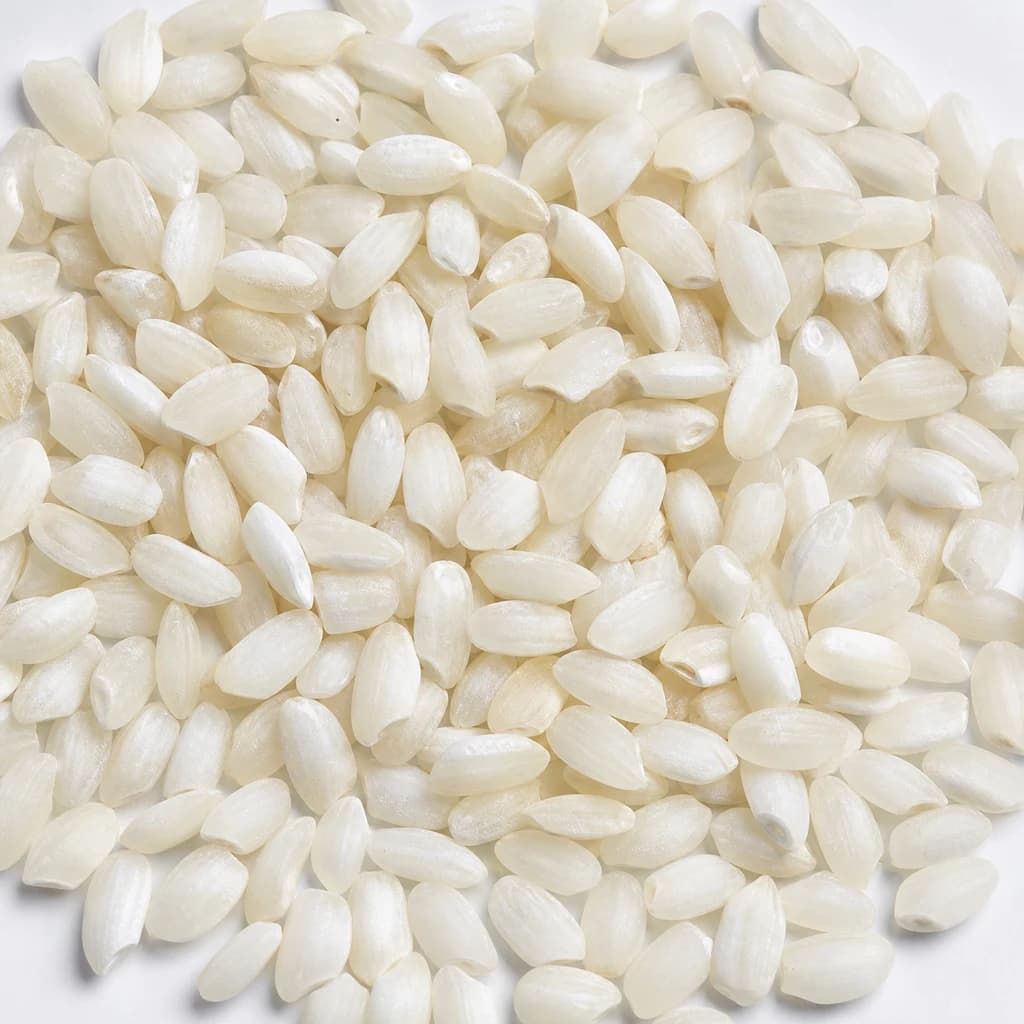
Arborio Rice
Plump, starchy rice that makes risotto creamy
Fusilli
Spiraled pasta that twirls up sauce and dresses cold salads
Rolled Oats
Hearty flakes for porridge, granola, and chewy cookies