Grains & Rice
Amaranth
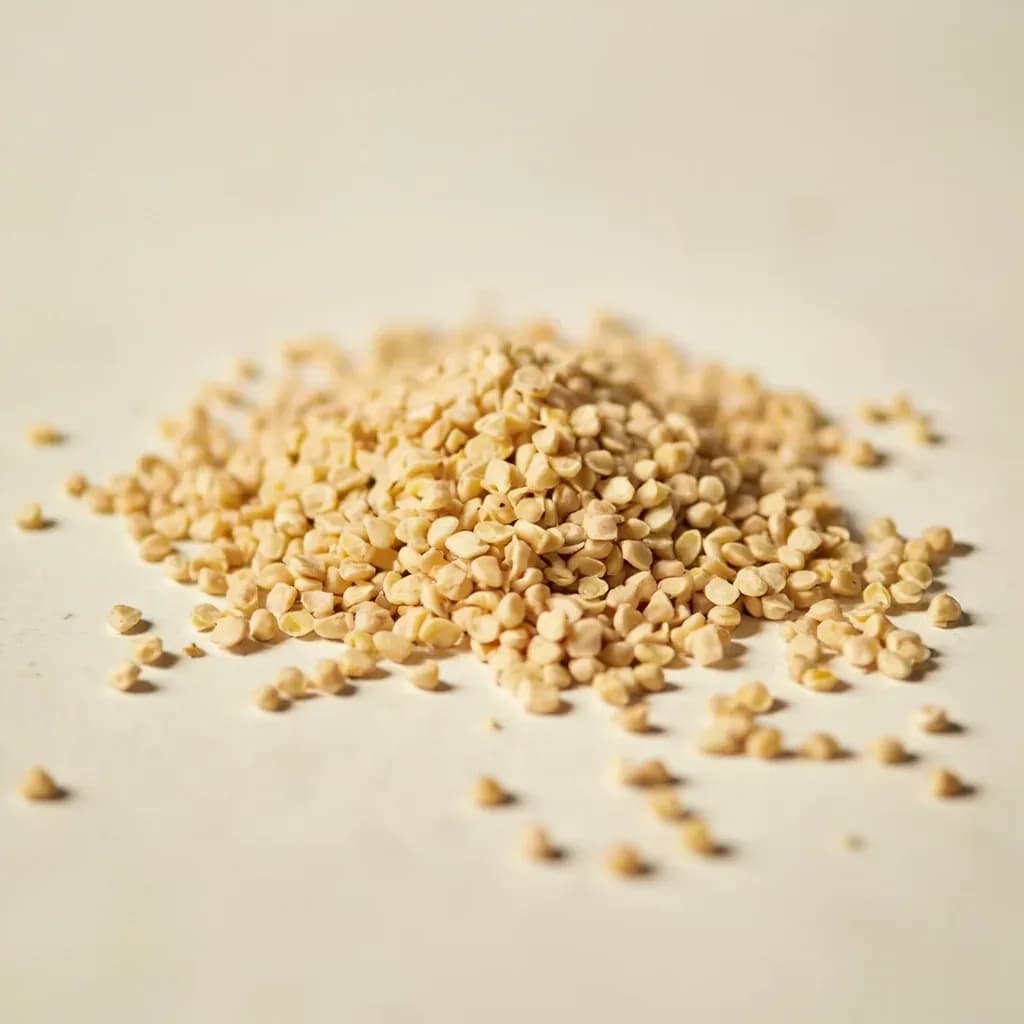
Tiny gluten-free pseudo-grain popped or cooked into porridge.
Amaranth is the tiny seed of an ancient leafy plant, used as a gluten-free pseudo-cereal high in protein. It is popped into crisp puffs for Mexican alegría and Indian rajgira sweets, or simmered into porridge and added to baked goods. Its earthy, peppery flavor and sticky texture set it apart from true grains.
Amaranth is a tiny, nutrient-dense pseudo-cereal that has sustained peoples across the Americas for over eight thousand years. Unlike true grains, amaranth comes from a broadleaf plant (Amaranthus), making it technically a seed rather than a grain—which is why it earns the classification pseudo-cereal. The plant produces thousands of tiny, round seeds in hues ranging from cream and gold to deep burgundy and black, each one packing remarkable nutritional density. Ancient civilizations from the Aztecs to the Incas relied on amaranth as a dietary staple, using it in everything from ceremonial cakes to everyday porridges, until Spanish colonizers attempted to suppress its cultivation alongside other native foods. The grain nearly vanished from global kitchens for centuries before experiencing a modern revival as a gluten-free nutrition powerhouse.
What sets amaranth apart is its exceptional protein content—13 to 14 percent by weight, with the rare advantage of being a complete protein containing lysine, an amino acid largely absent from other grains. This makes it especially valuable for plant-based diets. The seeds have a distinctive earthy, nutty flavor with a slight peppery edge that is more assertive than quinoa, adding real personality to dishes rather than just serving as a blank canvas. When cooked, amaranth releases abundant starch and triples in volume, transforming from tiny beads into a creamy porridge or a slightly chewy, risotto-like consistency depending on the liquid ratio. The entire amaranth plant is edible: the greens cook like spinach and pack even more iron and calcium, while the seeds can be popped, flaked, ground into flour, or sprouted for different culinary applications.
- Measured in
- g
- Storage
- Pantry
Types & varieties
Primary grain variety; tall plant with upright, colorful plumes; most common for commercial grain production
Widely cultivated grain amaranth; also called red amaranth; good for both seed and greens
Grown primarily for leaves; used as a spinach substitute; also called Chinese amaranth or hinn choy
Pale cream to gold colored grain; mild flavor; popular commercial variety
Deep burgundy-red leaves and grain; used in Hopi cooking; prized for natural dye and visual appeal
Ornamental amaranth with dramatic cascading red tassels; seeds and young leaves are edible
Toasting and Popping Amaranth
Toasting dry amaranth grains before cooking deepens their flavor and eliminates any residual bitterness. Heat a dry heavy-bottomed skillet over medium heat, add the grains in a single layer, and stir frequently for 3 to 5 minutes until fragrant and you hear a faint pop. For popped amaranth—a delightfully light, popcorn-like treat—use a smaller heavy-bottomed pot with a tight-fitting lid. Add just 2 to 3 tablespoons of grain at a time to the dry pot, cover immediately, and shake continuously over medium heat. The grains pop within seconds, so stay alert. Transfer popped amaranth to a baking sheet immediately to cool in a single layer; this prevents clumping and ensures maximum crispness.
- Work in very small batches when popping to prevent burning
- Listen for the popping sounds to know when it's done
- Cool completely before storing to maintain crunch
Cooking Whole Amaranth
Rinse amaranth thoroughly under cold water in a fine-mesh strainer before cooking to remove any debris and residual saponins. For a creamy porridge, use a 3-to-1 ratio of liquid to grain; for a denser, more textured result closer to risotto, use 2-to-1. Bring the liquid to a boil, add the rinsed grain, reduce heat to low, and simmer covered for 20 to 30 minutes, stirring every few minutes. Amaranth releases significant starch as it cooks and can stick stubbornly to the bottom of the pot if left unattended. The grain is done when it has absorbed the liquid and developed a thick, creamy consistency.
- Stir frequently to prevent sticking
- Use a non-reactive pot (stainless steel or enamel)
- Season the cooking liquid with salt for better flavor absorption
Common uses
Tips & pitfalls
- Toast dry grains in a dry skillet over medium heat 3–5 minutes before cooking to deepen flavor and reduce any residual bitterness
- Always rinse amaranth under cold water in a fine-mesh strainer before cooking to remove debris and saponins
- Use a 3:1 liquid-to-grain ratio for creamy porridge; use 2:1 for a denser, risotto-like consistency
- Stir frequently while cooking—amaranth releases starch readily and will stick to the bottom of the pot if left unattended
- Pop amaranth in a dry covered heavy-bottomed pan with just 2–3 tablespoons of grain at a time; work in small batches, keep pot covered, and shake vigorously the entire time to prevent burning
- A little goes a long way in grain blends—mix 1 part amaranth with 3 parts milder grains like rice or quinoa to balance its assertiveness
- When using as a thickener, dissolve a tablespoon of flour in cold water first, then add to hot liquid to prevent clumping
- Store amaranth flour in the freezer to prevent rancidity—amaranth's high oil content causes it to spoil faster than whole grain
- For crispier popped amaranth, spread on a baking sheet immediately after popping and let cool in a single layer
- Add popped amaranth to batters just before baking to maintain crunch; it will soften if stirred into wet batters too early
Nutrition
Energy
96 kJ · per 100 g
Where the calories come from
Protein
2.5g
5% DV
Carbs
4g
1% DV
Fat
0.3g
0% DV
Sodium
20mg
1% DV
Source · USDA FoodData Central · Amaranth leaves, raw
View on FDC →In the shops
Matched grocery products
No matched grocery products for Amaranth yet.
Good to know
- Type
- Pseudo-cereal (seed of a broadleaf plant, not a true grain)
- Origin
- Mesoamerica; cultivated for over 8,000 years by Aztec and Inca civilizations
- Flavor
- Earthy, nutty, slightly peppery—more assertive than quinoa
- Protein content
- 13–14% by weight; complete protein with lysine (rare in grains)
- Gluten
- Naturally gluten-free
- Cooking time
- 20–30 minutes for whole grain; leaves cook in 2–4 minutes like spinach
- Yield
- Triples in volume when cooked; releases starch readily
- Storage (uncooked)
- Airtight container in cool, dark place up to 6 months; refrigerate for longer shelf life
- Storage (cooked)
- Refrigerate up to 5 days; freezes well for up to 3 months
Substitutes
- Quinoa — Similar cooking time and method; milder flavor; use 1:1 ratio
- Millet — Comparable texture and neutral flavor; cook with slightly more liquid (4:1)
- Buckwheat groats — Similar earthiness and cooking time; naturally gluten-free
- Sorghum — Harder texture but works well in grain blends; requires longer cooking (45–60 min)
- Wheat berries (if gluten-free not required) — Longer cooking time (60–90 min); nuttier chew; use 4:1 liquid ratio
Pairs with
Also called
Rajgira · Amaranth Seed
Related

White Rice
Fluffy long-grain rice — the neutral base for almost any meal

White Bread
Soft sandwich loaf for toast, sandwiches, and crumbs
Brown Rice
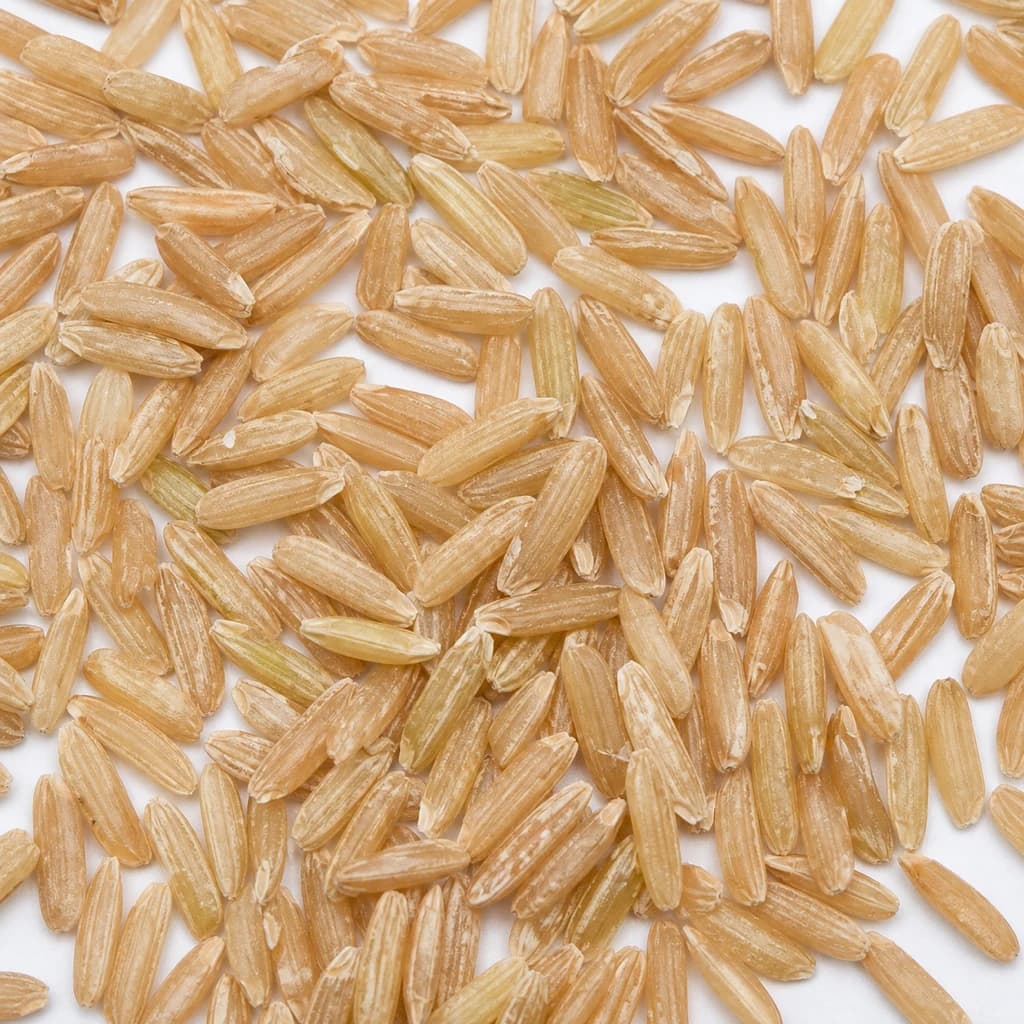
Nutty, whole-grain rice with chew and extra fiber

Basmati Rice
Fragrant, long-grain rice that cooks up light and separate
Jasmine Rice
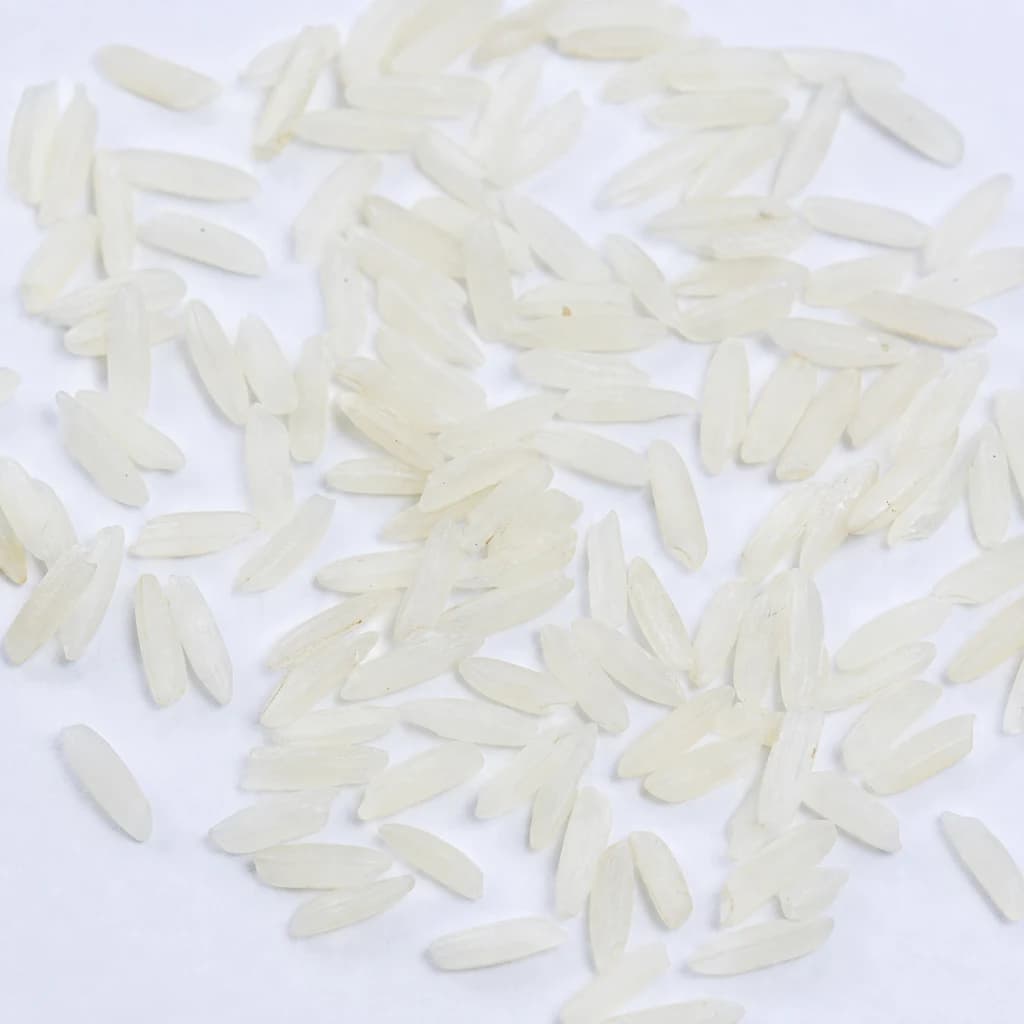
Soft, floral-scented rice that's the pillar of Thai meals
Arborio Rice
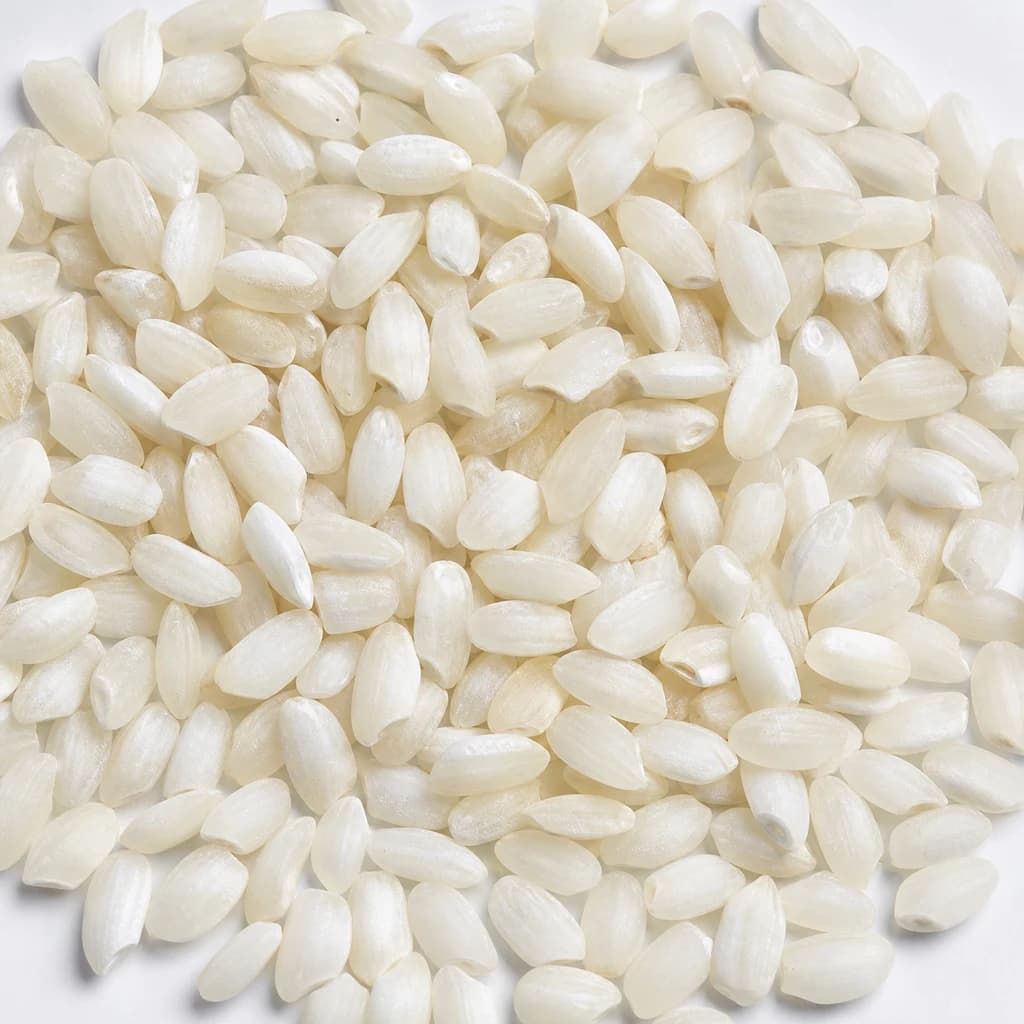
Plump, starchy rice that makes risotto creamy
Fusilli
Spiraled pasta that twirls up sauce and dresses cold salads
Rolled Oats
Hearty flakes for porridge, granola, and chewy cookies