Natural form
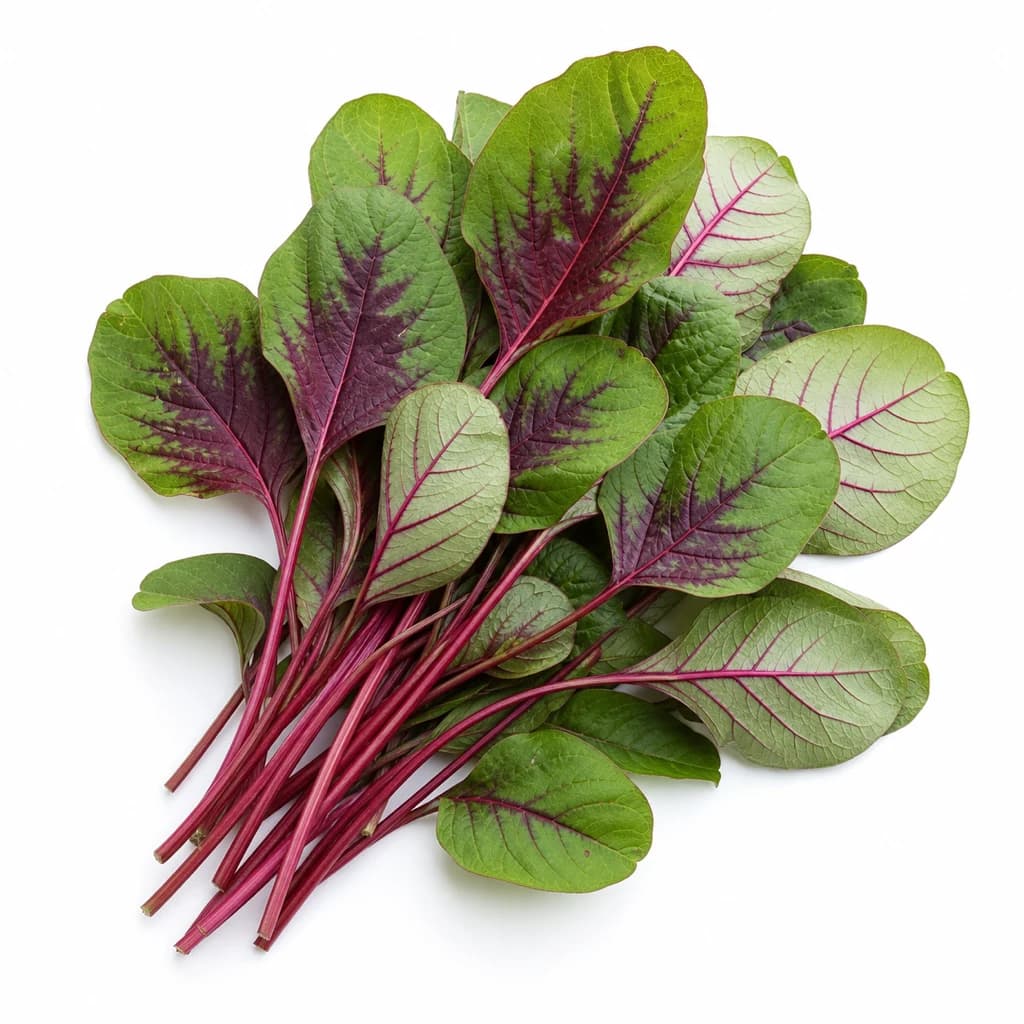
Fresh amaranth greens showing characteristic broad leaves with red-purple pigment along veins and stems.
Shows the reader exactly what to look for when identifying raw amaranth greens at a market or in a garden.
Produce
Amaranth Greens
Soft leafy green, often red-tinged, simmered or stir-fried as a staple vegetable worldwide.
Amaranth greens are the tender leaves of the amaranth plant, sometimes flushed with deep red or purple pigment that bleeds into the cooking liquid. They are stir-fried, simmered into stews, or boiled as a side dish across Africa, the Caribbean, India, and East Asia. Mild and slightly earthy, they cook down like spinach and are rich in iron and vitamins.
Amaranth greens are among the most resilient and nutritious leafy vegetables in the world. Part of the Amaranthus genus—same family as the grain amaranth, though cultivated as a distinct crop—these greens thrive where spinach and lettuce fail: in summer heat. The plant produces tender, often red-veined leaves that range from bright green to deep burgundy depending on variety. Unlike many leafy greens that turn bitter or bolt in high heat, amaranth keeps producing clean, usable leaves through the dog days of summer, making it invaluable for warm-climate cooks and frustrated temperate-garden growers alike.
The flavor sits somewhere between spinach and beet greens—an earthy, faintly nutty taste with a whisper of beet-like sweetness. Texturally, raw leaves are tender and delicate, but they hold up better than spinach under heat, developing a pleasant silkiness rather than collapsing into mush. A distinctive characteristic: the red pigment betanin (the same compound that colors beets) leaches into cooking water, turning it pinkish-red. This is normal and harmless—it's simply a sign the greens are ready. Amaranth greens contain oxalates but lack the cyanide-forming compounds found in some other greens, making them broadly safe and freely eaten across cultures, from West African stews to Caribbean callaloo to Sichuan stir-fries. The cooked yield is substantial—about two-thirds of raw volume remains—meaning 1½ pounds of raw greens yields roughly a pound of cooked.
- Measured in
- g
- Storage
- Fridge
Types & varieties
Most common culinary variety; burgundy to purple stems and veins with green leaf blade; dramatic appearance raw, color softens when cooked
Lighter green leaves, more subtle flavor; called 'Chinese spinach' or 'slender amaranth' in markets
Larger, coarser-leafed varieties grown in South Asia and West Africa; more heat-tolerant, often need longer cooking
Ornamental variety with deep crimson leaves; fully edible though noticeably tougher than dedicated culinary varieties
Understanding the plant
Amaranth greens come from the same species (Amaranthus) as the ancient grain amaranth, but different varieties are bred for different purposes. Amaranthus tricolor, A. viridis, and related species are grown specifically for their leaves. The same plant species that produce A. caudatus (love-lies-bleeding) and A. cruentus (grain amaranth) also yield edible immature leaves—so if you grow ornamental amaranths, the young leaves are fair game, though they may be tougher than dedicated varieties. The plant grows quickly in warm soil, producing leaves continuously if harvested regularly or kept from flowering. Once the plant bolts and sends up a flower stalk, leaves become bitter and fibrous, signaling the end of the harvest window.
- Harvest leaves regularly to encourage continued production
- Young leaves are most tender; mature leaves develop coarser texture
- Amaranth is one of the few greens that does NOT contain significant cyanide compounds
The betanin in cooking water
The reddish pigment that bleeds into cooking water is betanin, the same antioxidant that colors red beets and chard. It is harmless and edible—the water is perfectly usable as a vegetable stock. In traditional preparations, this pinkish-red cooking liquid is often incorporated back into the dish, particularly in Caribbean and West African cooking. If you want to preserve the green color of the leaves without the pink tint, add a small splash of vinegar or lemon juice to the cooking water, which brightens the chlorophyll and keeps the greens a vivid green.
- Pink cooking water is normal, not a sign of overcooking
- Save the cooking liquid as a nutritious base for soups or grain dishes
- Add acid to preserve green color if appearance matters for the dish
Common uses
Tips & pitfalls
- Harvest or buy before flowers form; leaves become bitter and tough once the plant bolts
- Cook stems separately from leaves if using large, mature greens—stems take 3–4 minutes longer than leaves
- Do not overcook; 2–4 minutes of active simmering is sufficient for most dishes
- Add a splash of acid (vinegar or citrus) early in cooking to brighten color and retain vivid green
- Salt early to draw out moisture and season evenly; this is standard practice for all leafy greens
- Wash thoroughly in multiple changes of water; sand and grit lodge in the crinkled leaves and are easy to miss
- For a simple side dish, wilt with minced garlic in olive oil over medium heat until just wilted; season and serve immediately
- Treat amaranth differently than spinach when sautéing—its leaves are more durable and benefit from slightly longer, gentler cooking rather than a quick high-heat toss
Nutrition
Energy
96 kJ · per 100 g
Where the calories come from
Protein
2.5g
5% DV
Carbs
4g
1% DV
Fat
0.3g
0% DV
Sodium
20mg
1% DV
Source · USDA FoodData Central · approx. Amaranth leaves, raw
View on FDC →In the shops
Matched grocery products
No matched grocery products for Amaranth Greens yet.
Good to know
- Botanical family
- Amaranthaceae (Amaranthus genus)
- Origin
- Central and South America; now cultivated globally in tropical and temperate zones
- Season
- Warm-weather crop; summer through early autumn in temperate climates; year-round in tropical regions
- Flavor
- Earthy, slightly nutty, faintly beet-like; less acidic than spinach
- Texture
- Tender raw; develops a slight silkiness when cooked, similar to spinach but more durable
- Primary nutrients
- Exceptional vitamin A (as beta-carotene), vitamin K, folate; good iron, calcium, magnesium, and protein for a leafy green
- Storage
- Refrigerate unwashed in a plastic bag; use within 3–4 days for best quality
- Yield
- Approximately 60–70% cooked yield from raw; leaves shrink considerably
- Substitution ratio
- 1 cup cooked amaranth ≈ 1 cup cooked spinach or Swiss chard
Substitutes
- Spinach — Most direct substitute; cook 1–2 minutes less than amaranth as it wilts faster
- Swiss chard — Similar cooking time and behavior; cook stems separately as you would with amaranth
- Young beet greens — Comparable earthy flavor and tender texture; swap 1:1
- New Zealand spinach (Warrigal greens) — Similar slight earthiness and thickening property; cook identically
- Watercress — Use raw or barely wilted only; much more delicate; not a close textural match
Pairs with
Also called
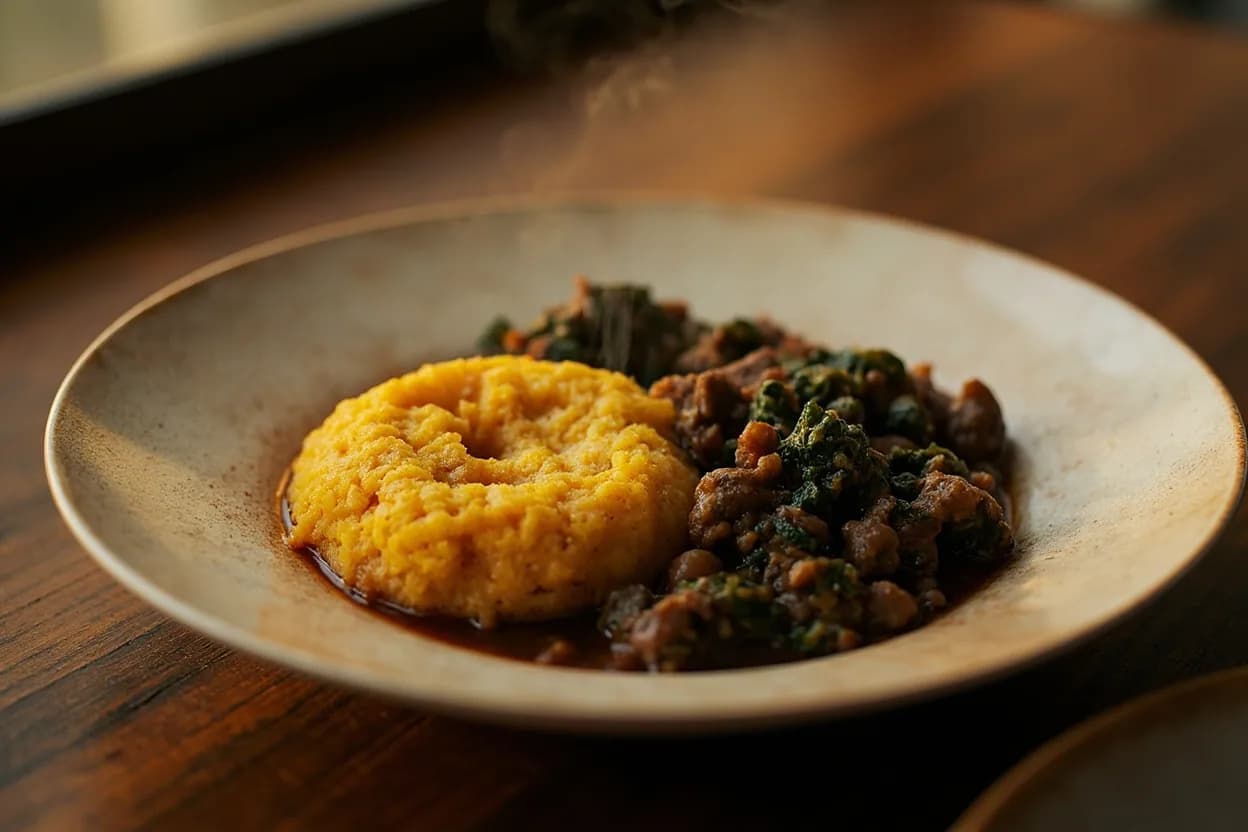
Imbwija · Red Amaranth · Lal Shak · Terere · Lalo · Epinay · Dodo · Callaloo
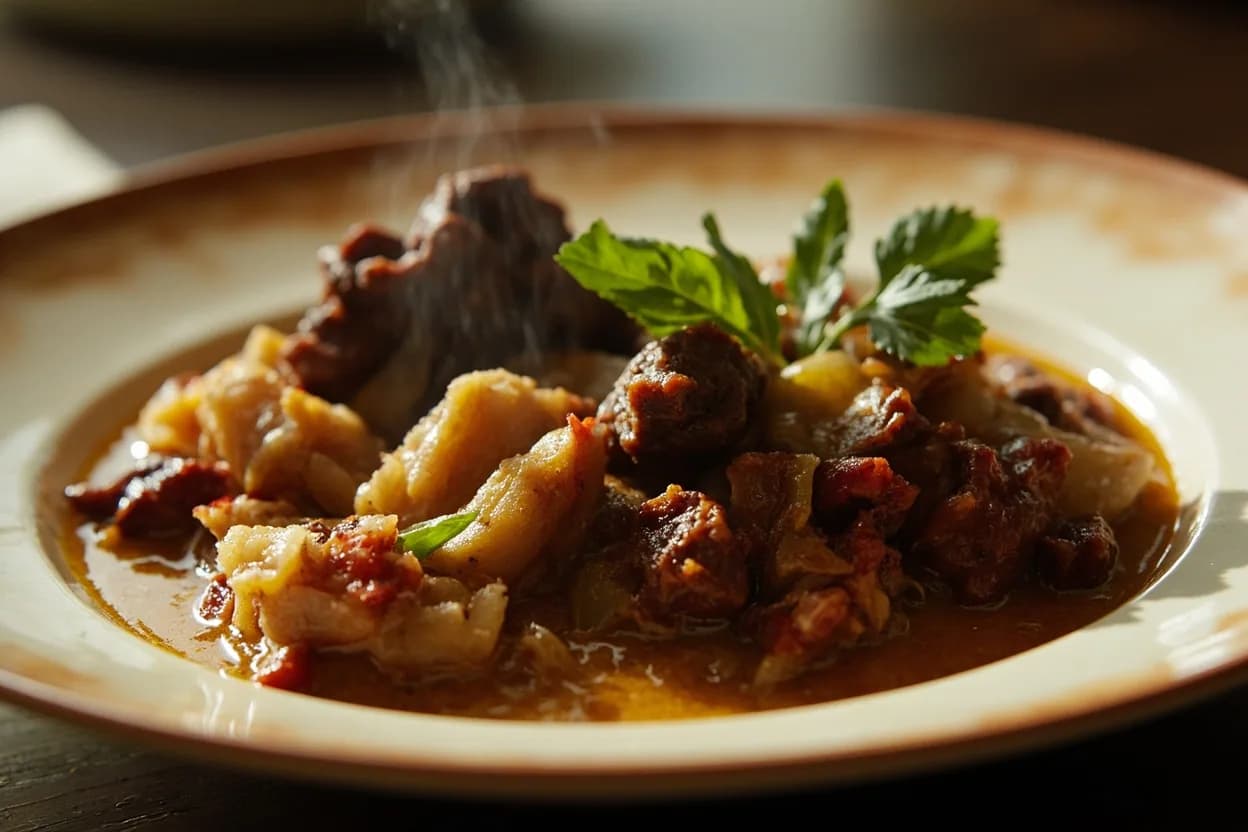
Appears in these dishes
Related
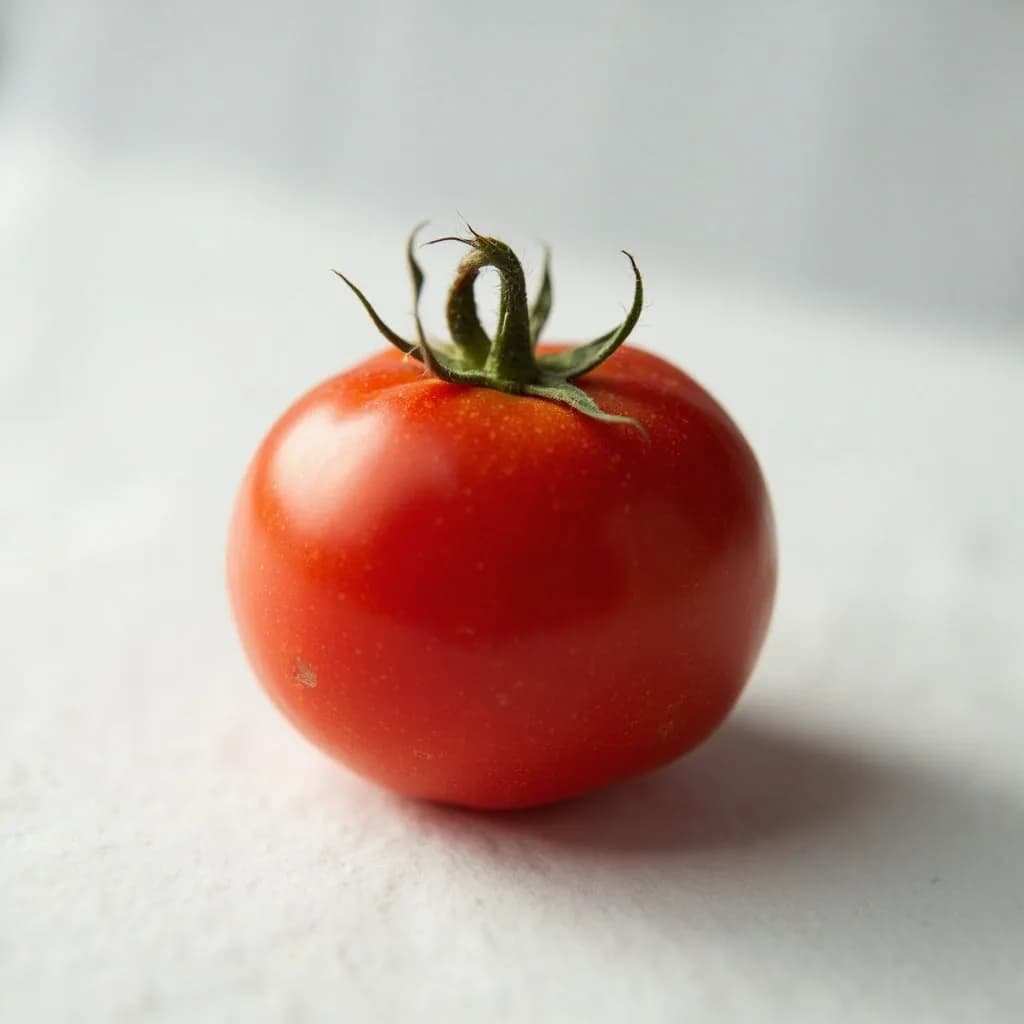
Tomato
Juicy, sun-sweet fruit for sauces, salads, and slow-cooked depth
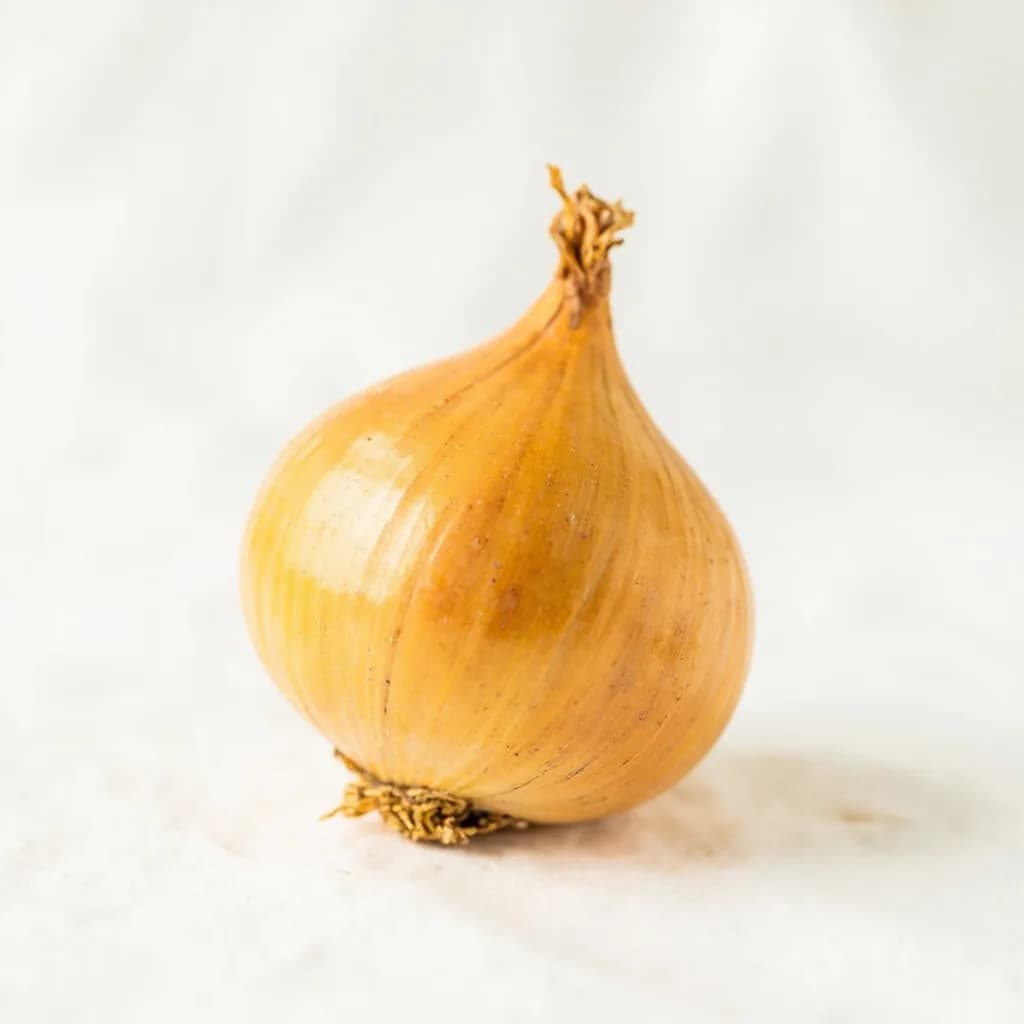
Yellow Onion
The aromatic backbone of soups, sofritos, and braises
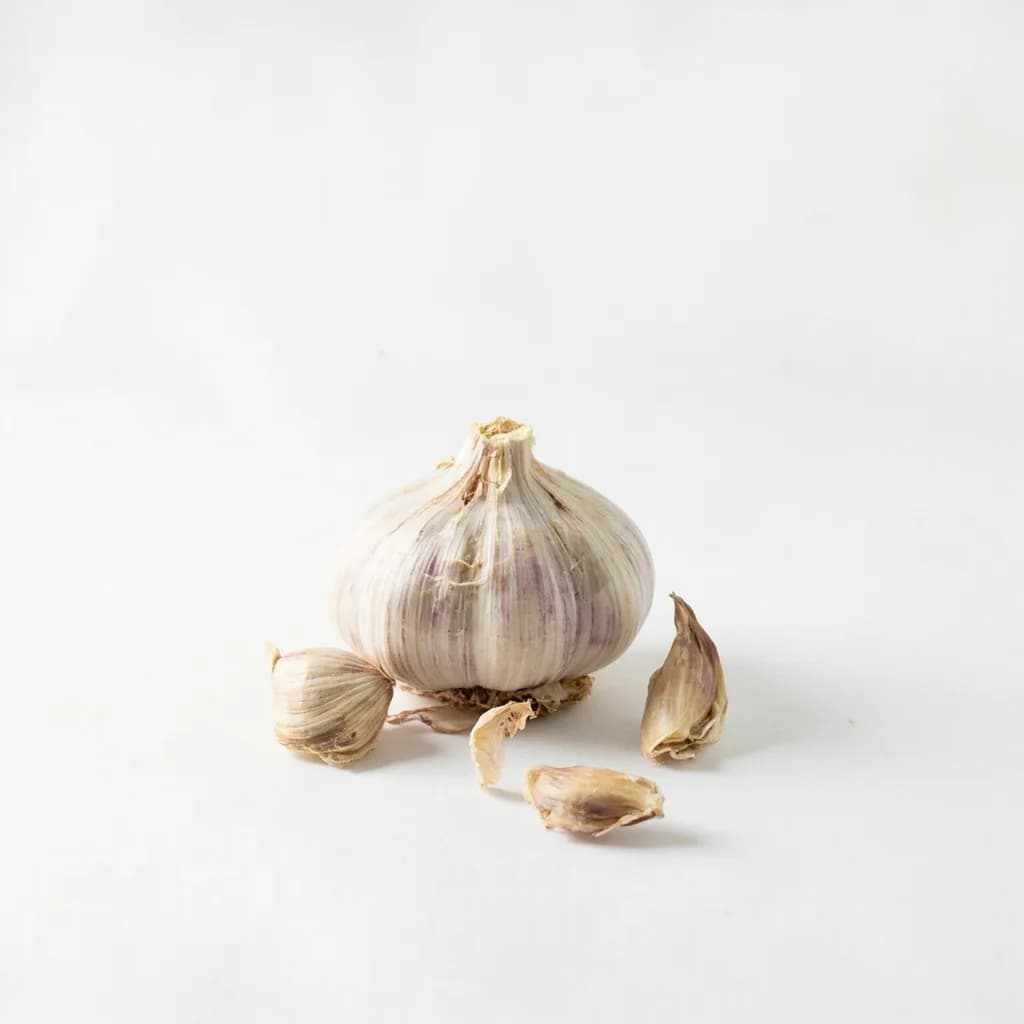
Garlic
Pungent cloves that perfume nearly every savory dish
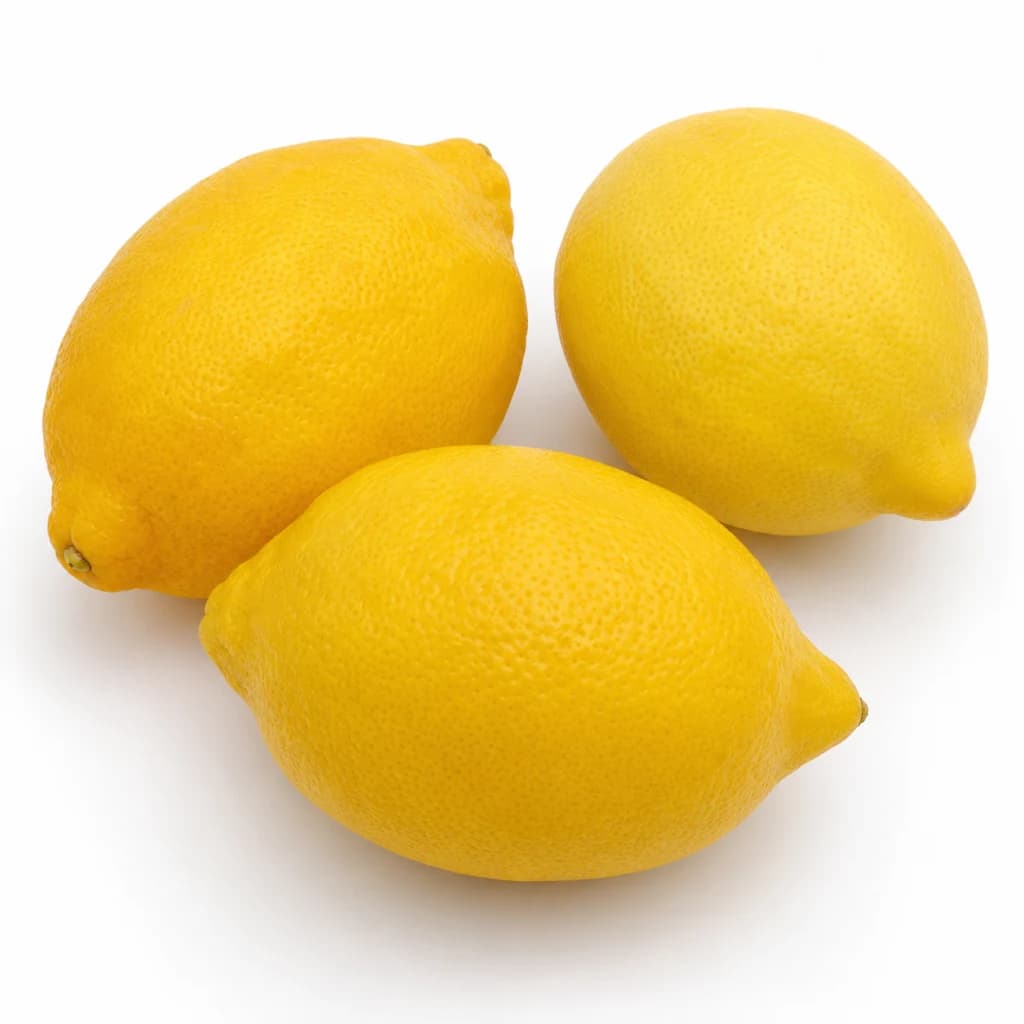
Lemon
Bright, acidic citrus that wakes up almost any dish
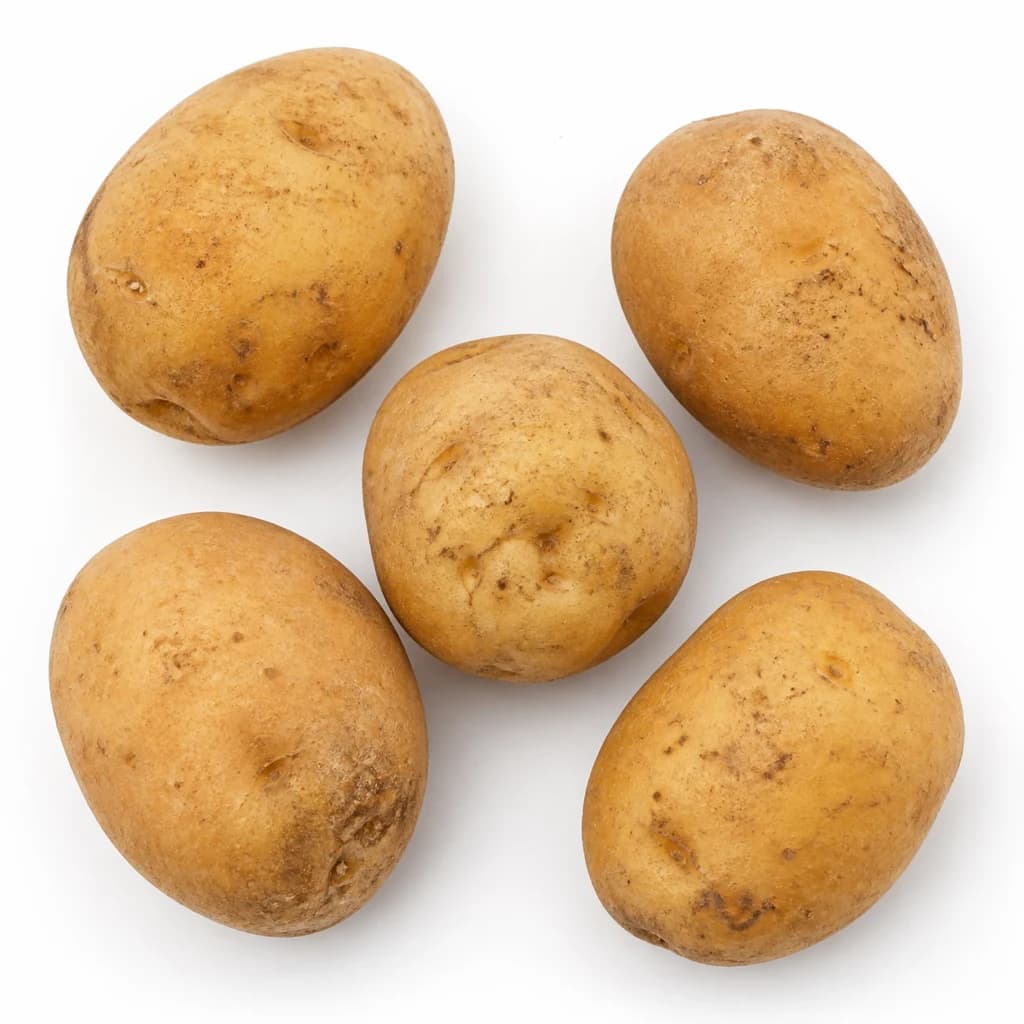
Potato
Humble, hearty staple — roast, mash, fry, or boil
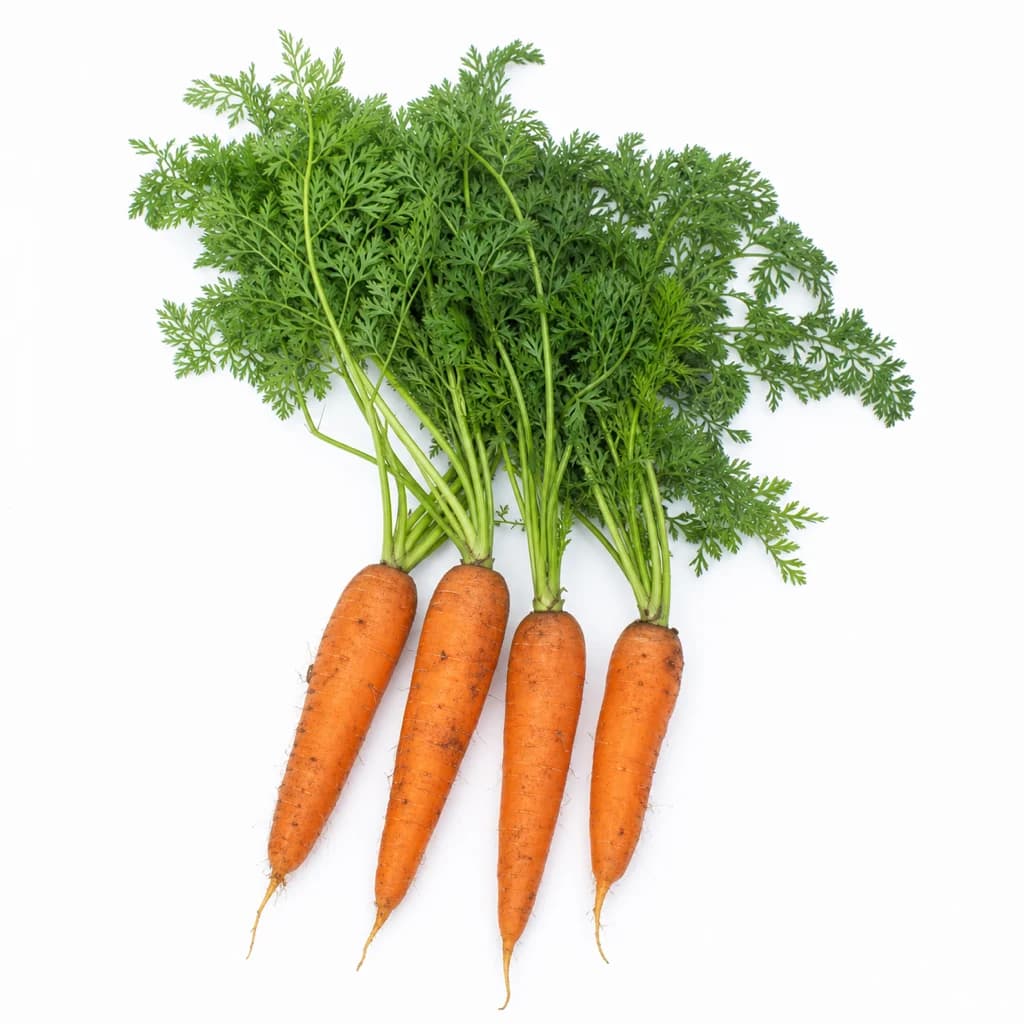
Carrot
Sweet, crunchy root — raw, roasted, or the base of a sofrito
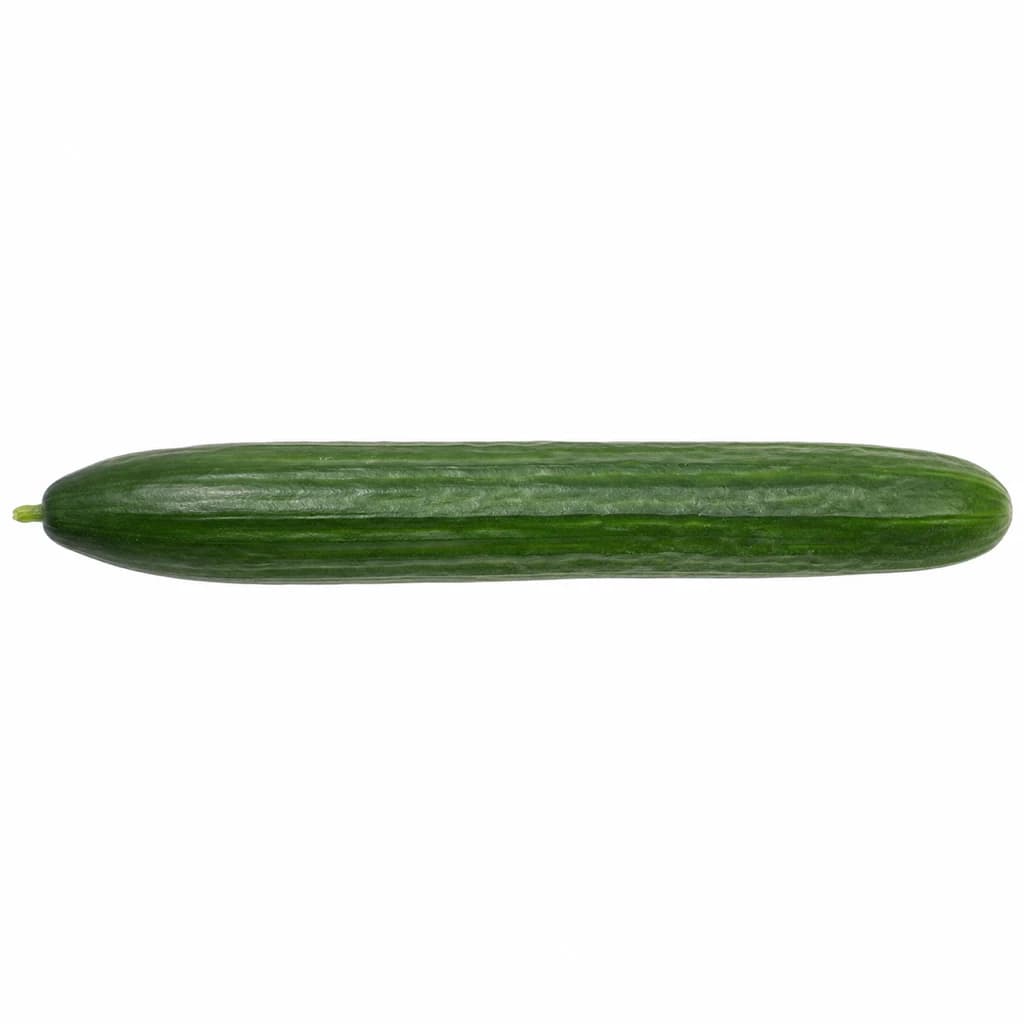
Cucumber
Cool, crisp, and watery — for salads, pickles, and tzatziki

Lettuce
Crisp leaves for salads, wraps, and a fresh crunch