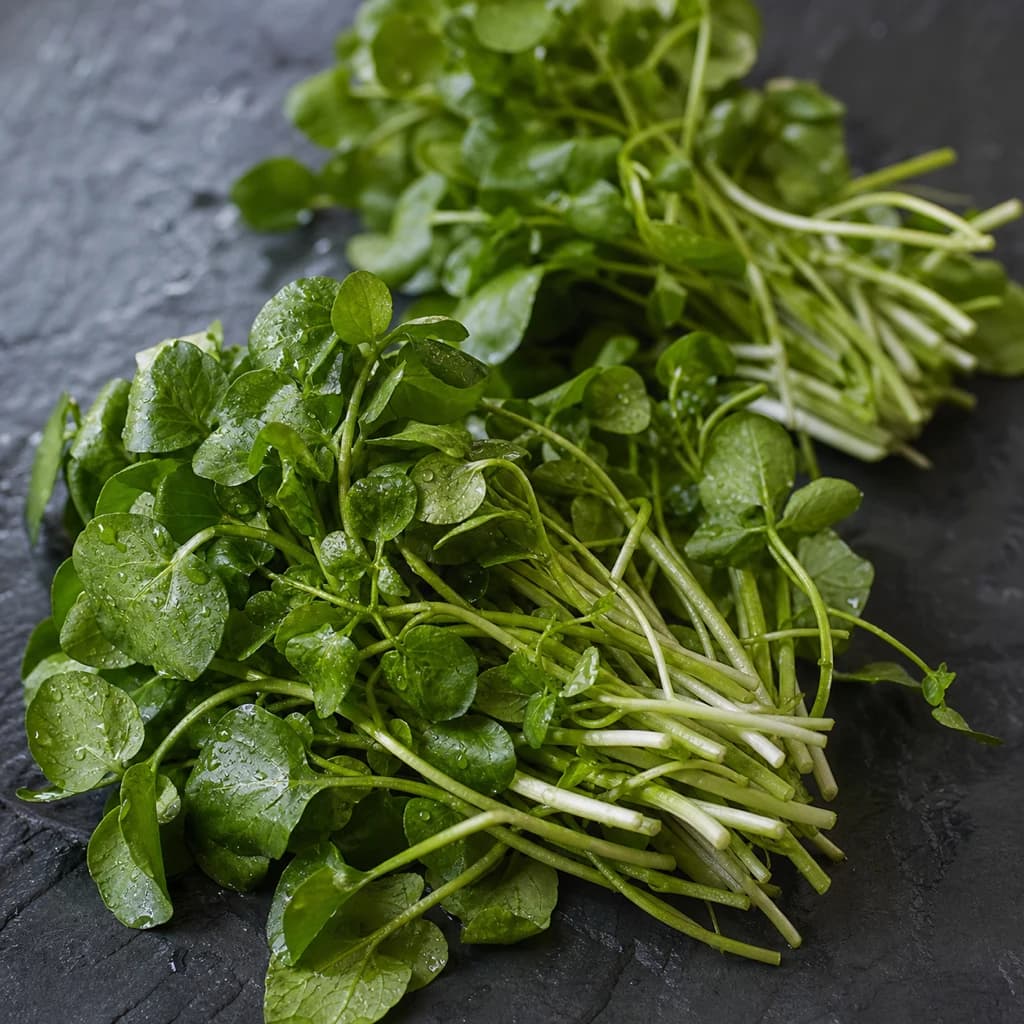
Natural form
Fresh watercress bunches with small round leaves and pale stems, just harvested.
Shows the whole plant as it arrives at market — leaf shape, stem color, and overall form readers will encounter.
Produce
Watercress
Peppery aquatic leafy green eaten raw in salads and sandwiches or wilted into soups and stir-fries.
Watercress is a fast-growing aquatic green with small round leaves and a bright, peppery, mustardy bite. It is eaten raw in salads and sandwiches, blended into the classic watercress soup, and in Chinese cooking (sai yeung choi) simmered into soups or quickly stir-fried. Highly nutritious and best used fresh, it wilts fast and is sold in bunches kept cool and moist.
Watercress is a perennial aquatic or semi-aquatic green from the Brassicaceae family, distinguished by its hollow, branching stems and rounded dark-green leaves that carry a sharp, peppery bite. Unlike most leafy greens, it thrives in clean, slow-moving alkaline water, which imparts its characteristic mineral, almost metallic edge—a flavor that intensifies as the leaves mature. This ancient vegetable has been cultivated since at least the Roman era and was prized by Hippocrates as a medicinal herb; today it is grown commercially in controlled water systems in the UK and elsewhere, making it available year-round despite its spring and autumn peak. Its versatility is remarkable: raw, it delivers a fresh, pungent crunch that cuts through rich foods; briefly cooked, it wilts into soups and stir-fries while retaining bright color and nutritional density.
Watercress is nutritionally exceptional among common vegetables. A single serving delivers more vitamin K than most people need in a day, along with substantial vitamin C, vitamin A, calcium, and manganese. Its glucosinolates and antioxidants contribute to its reputation as a health-promoting food, though these compounds are heat-sensitive, which is why raw applications preserve the most benefit. The entire plant is edible—stems included—with only the thickest lower portions potentially fibrous.
Texture and freshness are paramount with watercress. The hollow stems should snap crisply when fresh; bendable or rubbery stems indicate age. Because it deteriorates rapidly once cut, buy it as close to use as possible and store it properly. Its high water content and delicate structure make it unsuitable for prolonged cooking, which collapses its peppery character and dulls its vibrant color. When working with watercress, think of it as a finishing herb: a last-minute addition that brings brightness and bite where other greens might contribute bulk alone.
- Measured in
- g
- Storage
- Fridge
Types & varieties
The standard commercial variety; dark green rounded leaves on hollow stems
Land-grown cress with a similar peppery bite; slightly coarser texture; also called 'American cress' or 'bank cress'
Hardier species harvested in cooler months; more bitter than common watercress
May refer to related Nasturtium species or Cardamine lyrata; verify identity before use
Foraging and safety
Wild watercress should never be harvested without expert identification and certainty about water quality. Because it grows in natural water, it can harbor parasites, bacteria including E. coli, and contamination from agricultural runoff or wildlife. Commercial watercress is grown in controlled systems tested for safety. The US FDA advises thorough washing for all watercress, even pre-washed commercial bunches. If you encounter watercress growing wild in slow-moving streams, admire it—but buy from a trusted source instead.
The British watercress tradition
In the United Kingdom, watercress evolved from a Tudor-era staple into a celebrated commercial crop by the 19th century. Purpose-built 'cress beds' fed by chalk springs in Hampshire and Dorset produced year-round harvests, giving rise to the colloquial phrase 'cress bed' meaning an abundant source. Traditional preparations include watercress soup (a velvety puree bound with potato), watercress butter on grilled steak, and simply dressed watercress as a side to roast chicken. This heritage informs much of the herb's culinary identity in Anglophone cooking.
Common uses
Tips & pitfalls
- Always wash thoroughly and triple-rinse, even pre-washed bunches—submerge in cold water, lift out, repeat three times to dislodge any sediment or contaminants lurking in the hollow stems
- Buy watercress the day you intend to use it; it loses pepperiness and wilts within 24–48 hours at room temperature
- Pat completely dry before tossing in salads—wet cress dilutes dressings and causes sogginess
- Add raw cress to sandwiches just before serving, not ahead of time, to prevent sogginess and texture loss
- When wilting, add only in the last 30–60 seconds of cooking to preserve bright color, nutrients, and that characteristic bite
- The hollow stems are edible and contribute texture; use young, tender stems only; discard thicker lower stems if they feel fibrous
- To test freshness, snap a stem—it should break crisply; bendable, rubbery stems indicate age
- Do not substitute raw cress for cooked in recipes calling for wilted cress—the flavor and texture profile differs substantially
- If substituting raw cress in a cooked application, blanch briefly (15 seconds) first to mellow the pungency
- Pair with rich, fatty foods—cream, bacon fat, aged cheese—where its peppery bite provides welcome counterpoint
Nutrition
Energy
46 kJ · per 100 g
Where the calories come from
Protein
2.3g
5% DV
Carbs
1.3g
0% DV
Fat
0.1g
0% DV
Fiber
0.5g
2% DV
Sugars
0.2g
of which
Sodium
41mg
2% DV
Source · USDA FoodData Central · Watercress, raw
View on FDC →In the shops
Matched grocery products
No matched grocery products for Watercress yet.
Good to know
- Family
- Brassicaceae (mustard family)
- Scientific name
- Nasturtium officinale (syn. Rorippa nasturtium-aquaticum)
- Origin
- Europe and western Asia; naturalized worldwide in temperate regions
- Growing conditions
- Aquatic or semi-aquatic; thrives in slow-moving, clean, alkaline water
- Peak season
- Spring (especially) and autumn; available year-round with modern cultivation
- Flavor profile
- Peppery, slightly pungent, clean, mineral; intensifies as leaves age
- Primary nutrients
- Exceptionally high in vitamin K; also rich in vitamins C, A, calcium, manganese, and antioxidants
- Storage
- Refrigerate in a sealed bag with a slightly damp paper towel; use within 4–5 days for best quality
- Yield
- Virtually 100% edible; only the thickest lower stems may be discarded
- Shelf life
- Deteriorates quickly once wilted; never revive limp cress—buy fresh instead
Substitutes
- Arugula (rucola) — Most direct substitute; similar peppery bite but lacks watercress's mineral, almost metallic edge; use equal amount
- Garden cress (Lepidium sativum) — Sharper, spicier flavor; works in salads and as garnish; use sparingly as it is more intense
- Baby mustard greens — Peppery and slightly bitter; good for wilting applications; reduce cooking time similarly to watercress
- Radish microgreens — Intensely peppery; excellent for garnish; use three times the volume called for with whole cress
- Baby spinach — Not peppery—use only when the bite is not essential; excellent textural substitute for wilting into soups
Pairs with
Also called
西洋菜 · Chinese Watercress · Sai Yeung Choi · Nasturtium Officinale
Appears in these dishes

Related
Tomato
Juicy, sun-sweet fruit for sauces, salads, and slow-cooked depth
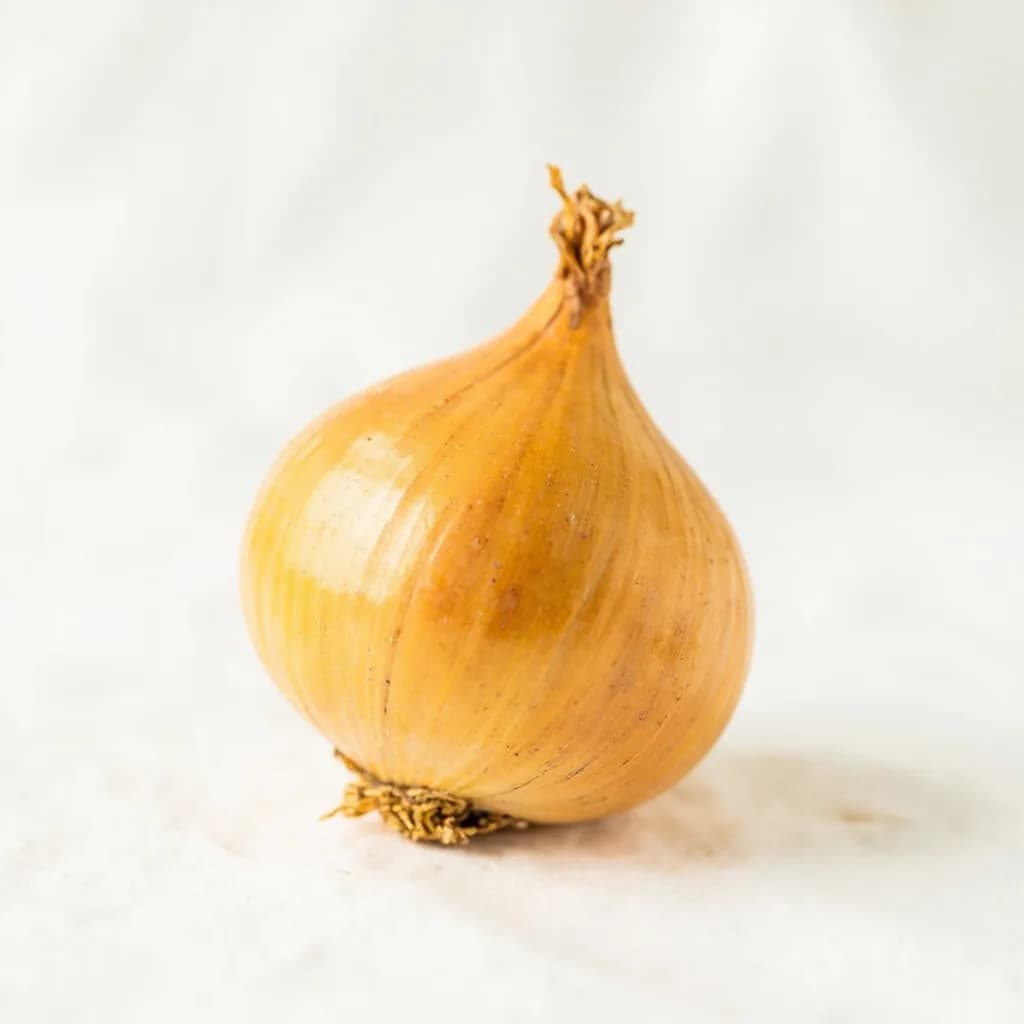
Yellow Onion
The aromatic backbone of soups, sofritos, and braises
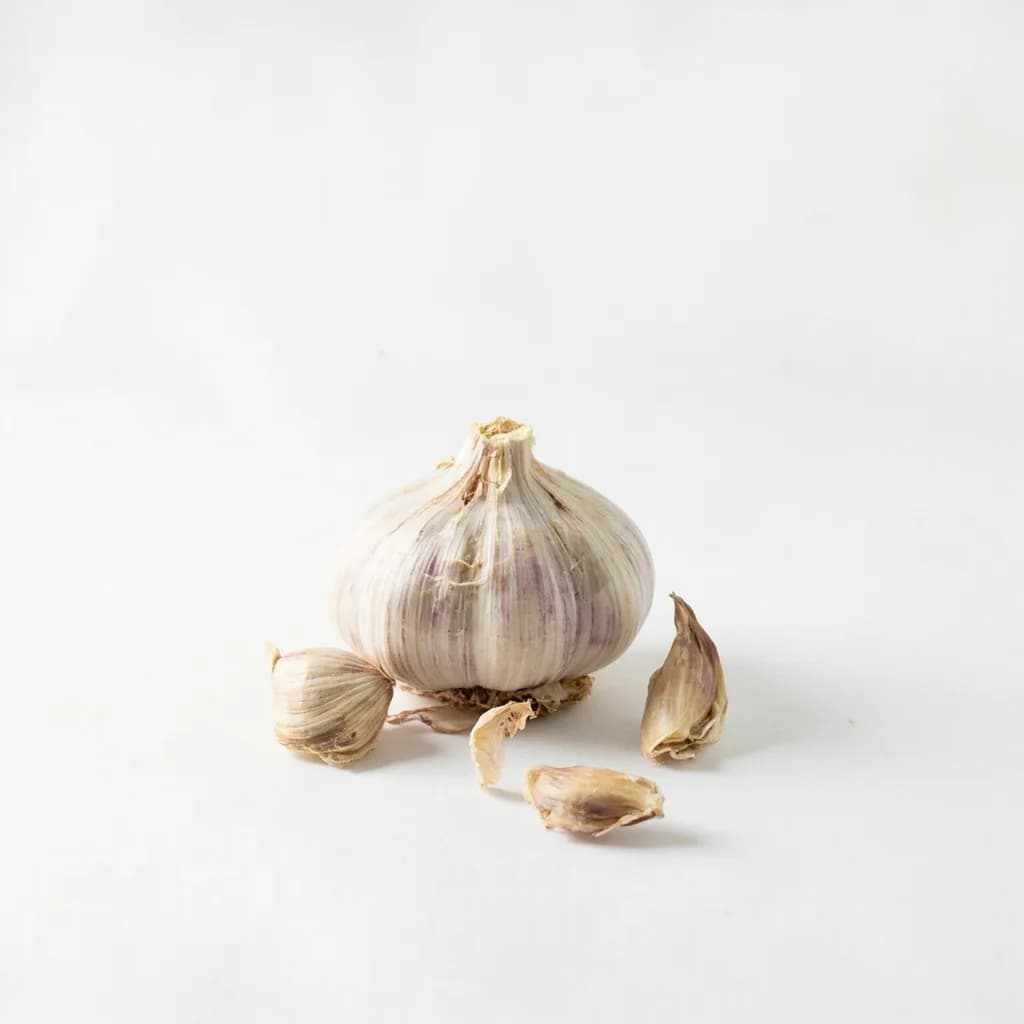
Garlic
Pungent cloves that perfume nearly every savory dish
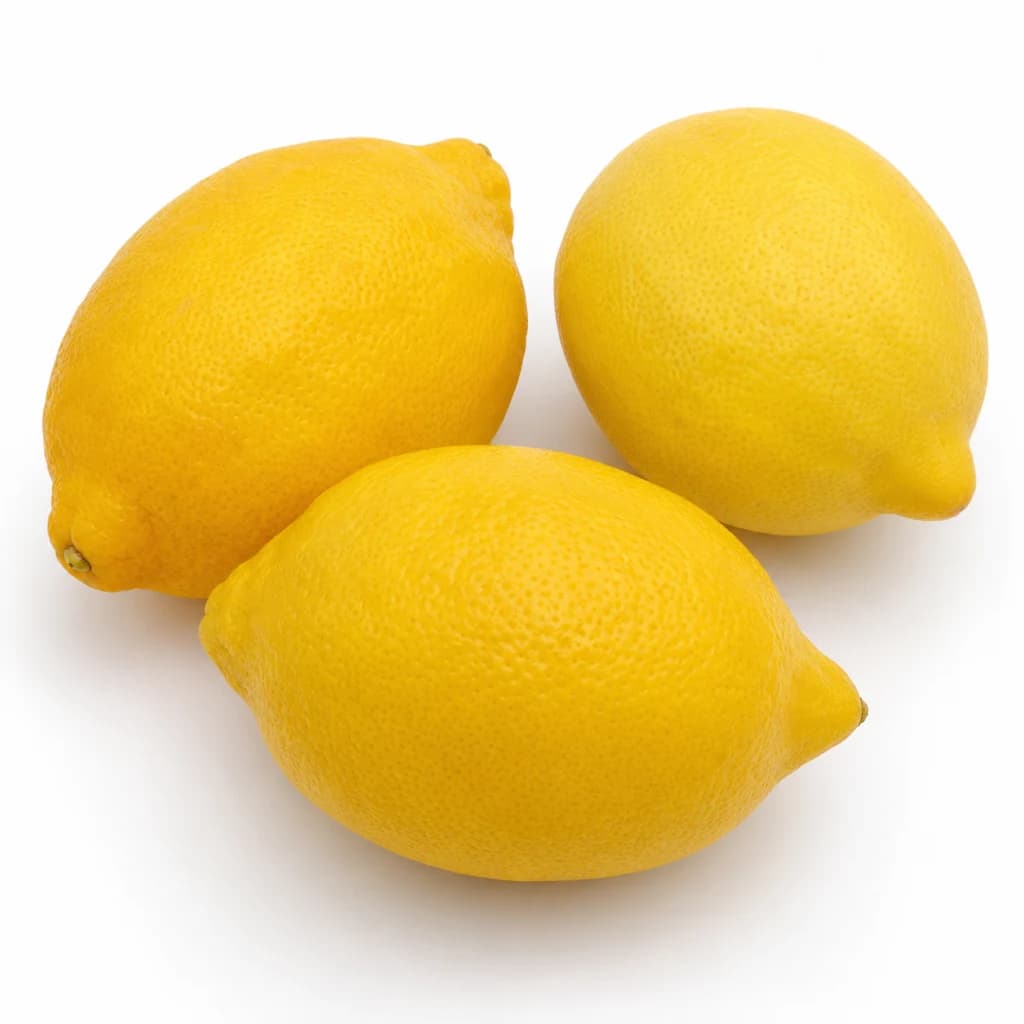
Lemon
Bright, acidic citrus that wakes up almost any dish
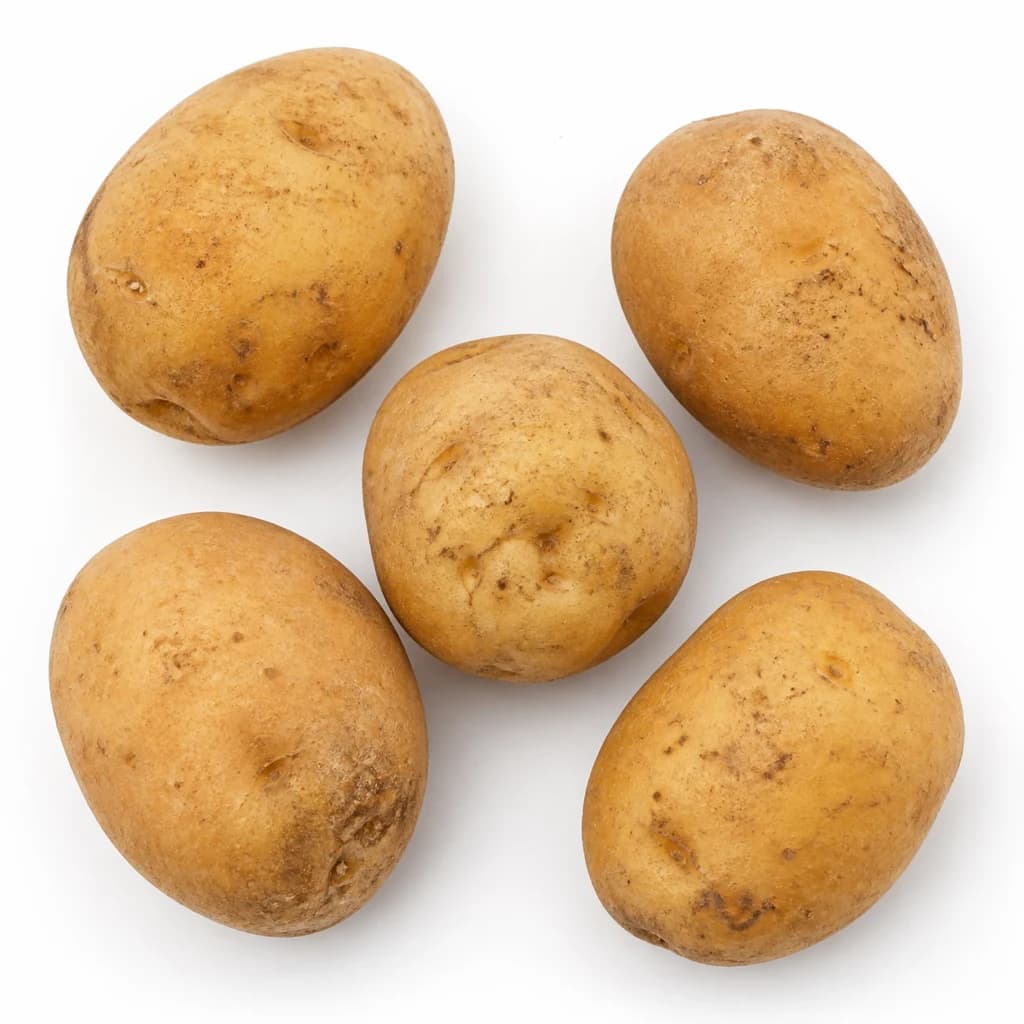
Potato
Humble, hearty staple — roast, mash, fry, or boil
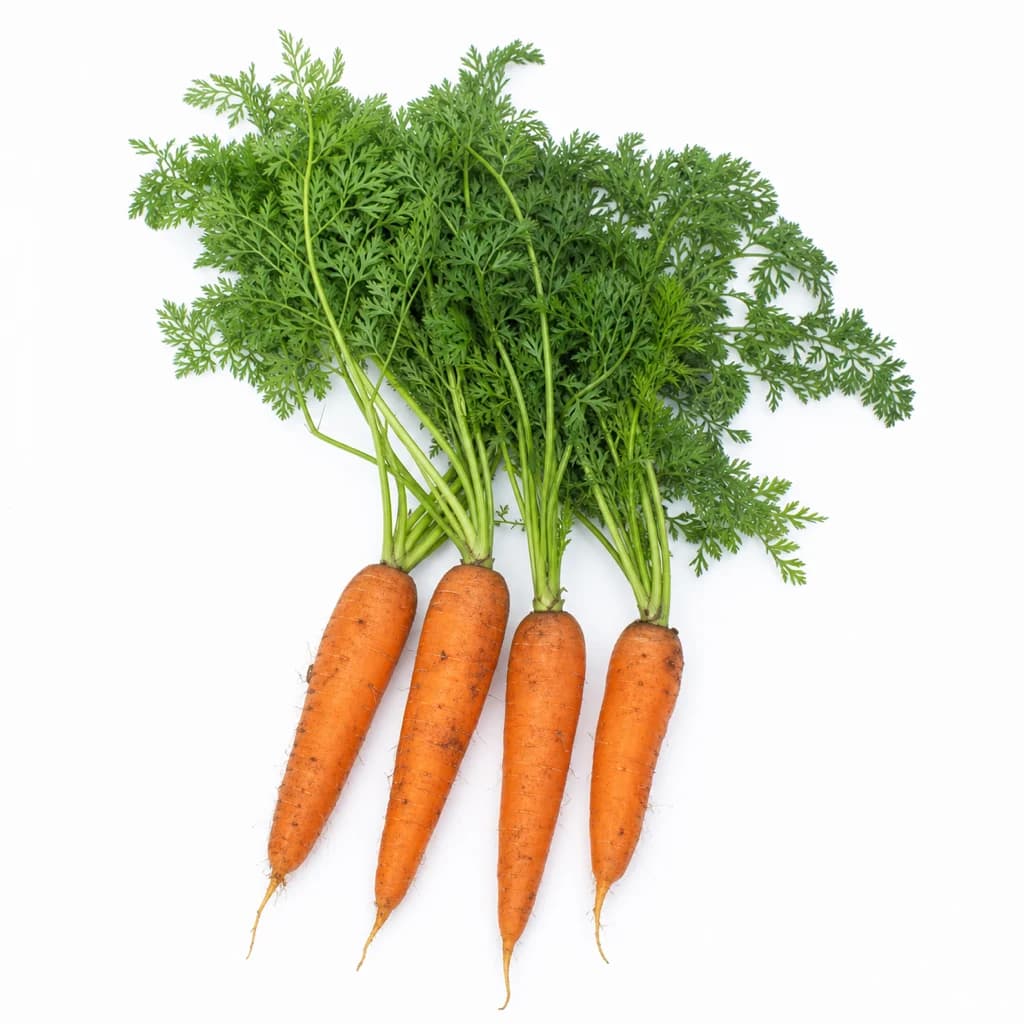
Carrot
Sweet, crunchy root — raw, roasted, or the base of a sofrito
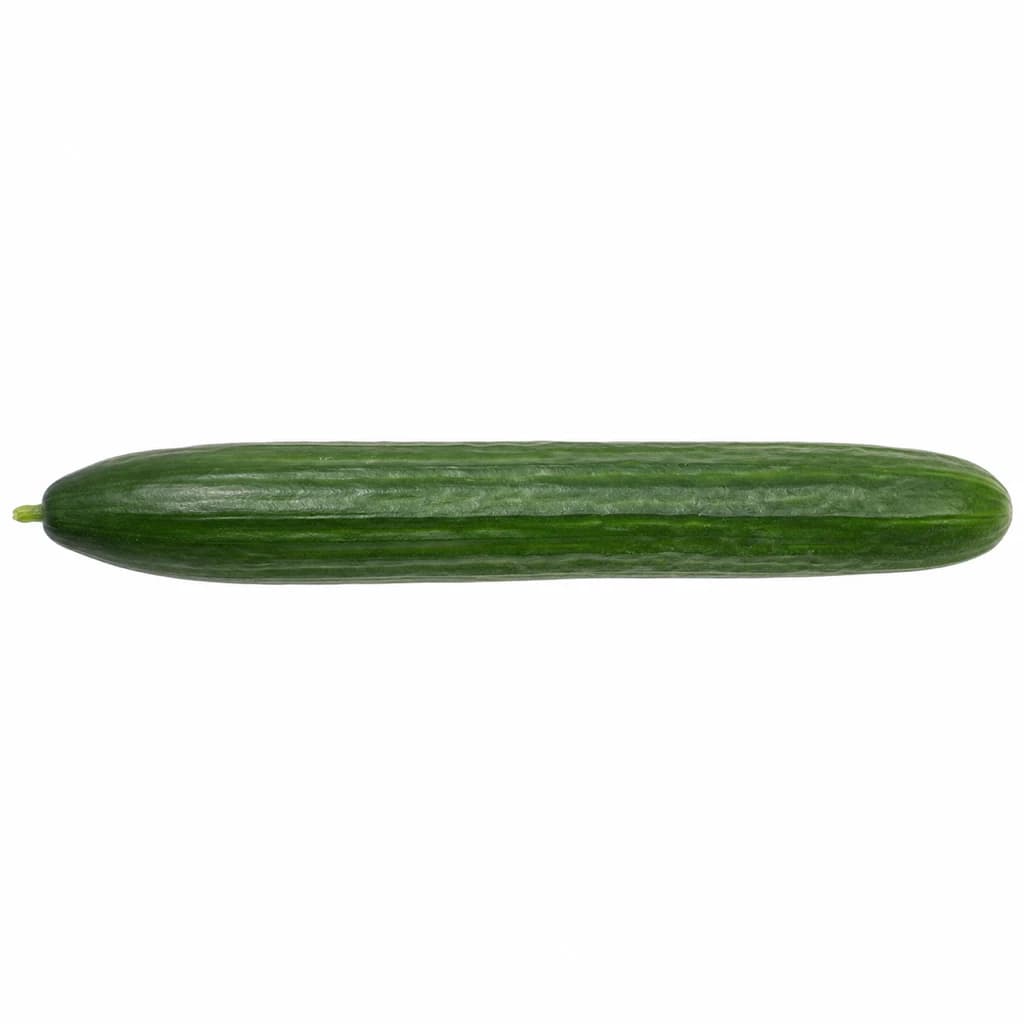
Cucumber
Cool, crisp, and watery — for salads, pickles, and tzatziki

Lettuce
Crisp leaves for salads, wraps, and a fresh crunch