Heat & Fire
Currying
Building a spiced sauce by slow-frying a masala base, then simmering ingredients in it.
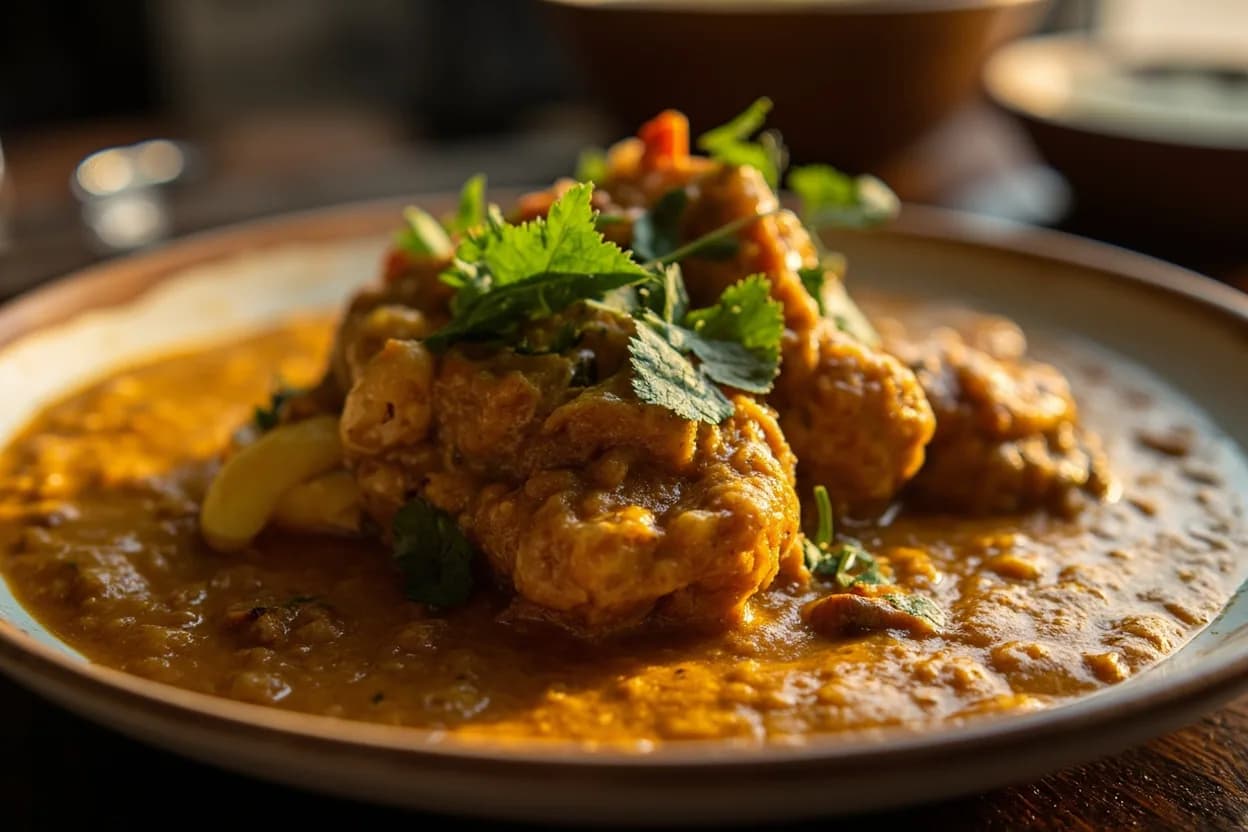
Currying cooks aromatics and ground spices into a flavorful masala base, often by the slow bhuna fry that browns and concentrates the spices, then simmers meat or vegetables in that sauce. It spans thin jhol curries to rich salan, varying by region and spice blend. The patient frying of the base, until oil separates out, is what gives a curry its depth.
Currying is a South Asian cooking technique built on a single decisive move: blooming a blend of whole and ground spices in hot fat, slow-frying the resulting paste with aromatics until the fat visibly separates, then simmering the main ingredient in that concentrated base. The word covers an enormous family of dishes — from dry, intensely spiced meat preparations of the north to coconut-milk gravies of Kerala, vinegar-sharp vindaloos of Goa, and slow-sealed dum preparations — but the underlying method is consistent. It is not, despite the marketing of spice jars, the same thing as sprinkling curry powder over a sauce.
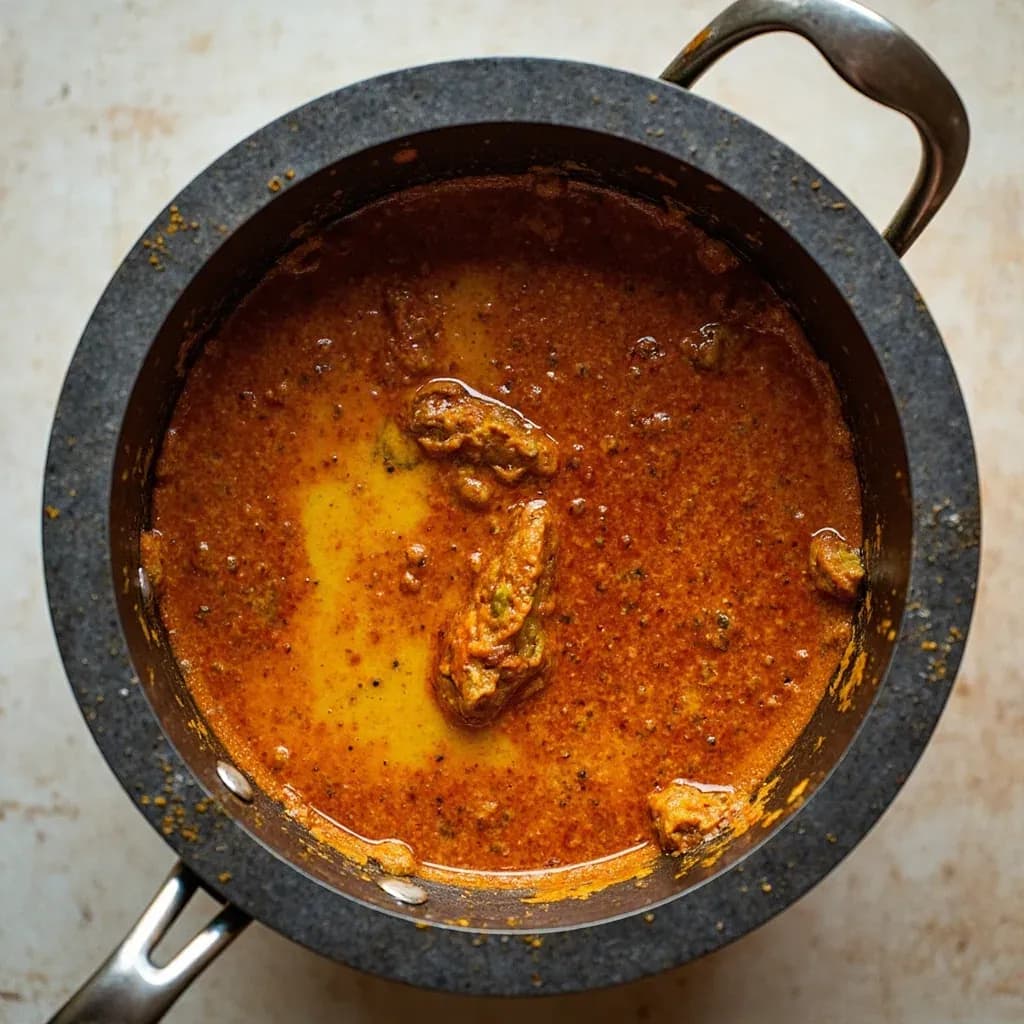
The technique works because many of the molecules that give spices their flavor — curcumin in turmeric, capsaicin in chilies, eugenol in cloves, the volatile oils in cumin and coriander — are fat-soluble, and because a slow, dry fry drives off water and concentrates flavor through the browning of onion, garlic, ginger, and tomato. The visual cue that tells you the masala is ready is the moment the oil or ghee breaks clear of the paste and pools at the edges of the pan. That signal marks the threshold between raw and cooked; everything you add afterward inherits that depth.
What makes currying forgiving is also what makes it rewarding: the steps are simple, but each stage compounds. A cook who learns to read the oil separation, to layer whole spices first and ground spices second, and to finish with acid and fresh aromatics off the heat can build a remarkable range of dishes from a single pantry of whole and ground spices, fat, onion, garlic, ginger, and tomato. The rest is variation.
- Difficulty
- Medium
Types & varieties
Dry-fry technique where spices and aromatics are cooked down with little or no added liquid until oil separates; the backbone of most North Indian restaurant-style curries.
Mild, rich curry built on yogurt, cream, and ground nuts (cashew or almond), with fragrant whole spices and a gentle finish of garam masala and kewra or saffron.
Kashmiri style with a deep red color from Kashmiri chili and ratanjot or paprika, flavored with fennel, dry ginger, and asafoetida; traditionally yogurt-based, no onion or tomato in the classic form.
Goan Catholic-origin curry using vinegar, garlic, and dried red chilies; sharp, hot, and pungent. Often made with palm vinegar or toddy.
British-Indian curry-house style, tomato-based with a heavy dose of chili powder and a relatively thin sauce.
Grilled-marinated meat in a creamy tomato-cashew sauce; widely considered to have originated in British curry houses, with Glasgow and Birmingham both claimed.
Stir-fried protein with peppers, onion, and green chilies, then finished in a thin tomato-based sauce; developed during the British Raj to use up leftovers.
Parsi curry combining meat with lentils (toor and masoor) and a sweet-sour profile from tamarind and jaggery or pineapple.
Built with onion used in two stages: a paste at the base, plus larger chunks added later; attributed to Mughal kitchens.
Protein (often chicken or paneer) cooked in a puréed green base of spinach, mustard greens, or fenugreek; Punjabi in origin.
Slow-sealed cooking, often in a dough-sealed pot, for dishes like dum aloo, layered biryani gravies, and galouti kebab sauces.
Distinct tradition using wet curry pastes (green, red, massaman, panang) pounded fresh and cooked in coconut milk; shares the name 'curry' with the Indian technique but follows a different method.
Roux-thickened, mild, slightly sweet sauce developed in the Meiji era from British colonial influence; grouped with curries in everyday use rather than a true bhuna-style preparation.
How to do it
- 1
Mise en place
Measure and prep every ingredient before the heat goes on: toast whole spices and grind if using fresh, mince onion, garlic, and ginger, peel and chop tomato or open canned, cube the main protein or vegetable. Currying moves quickly once the masala hits the pan, and there is no time to peel ginger mid-stir.
- 2
Heat the fat and temper whole spices
Heat 3 to 4 tablespoons of ghee or oil in a heavy pan over medium heat. Add whole spices (cumin, mustard, cardamom, cinnamon, cloves, bay) and let them sizzle for 30 to 60 seconds, until fragrant. The fat should be hot enough to crackle the seeds but not so hot that the spices blacken.
- 3
Sauté the aromatics
Add chopped onion and cook, stirring, until it softens and turns golden, 8 to 12 minutes. Add ginger and garlic paste and cook another 1 to 2 minutes until the raw smell disappears. In southern and coastal styles, curry leaves and green chilies go in here.
- 4
Build the masala
Lower the heat. Add ground spices (turmeric, coriander, cumin, Kashmiri chili, black pepper) and, if using, a tomato purée or paste. Stir to combine and cook, stirring frequently, until the mixture darkens, thickens, and fat visibly separates from the paste. This bhuna stage takes 8 to 15 minutes and is the heart of the technique.
- 5
Add the main ingredient
Add the protein or vegetable and stir to coat thoroughly. For meat, sear until lightly browned on all sides, 3 to 5 minutes. For vegetables or paneer, just coat and warm through so the spiced fat clings to every surface.
- 6
Add liquid and simmer
Pour in water, stock, coconut milk, or tempered yogurt in increments, scraping up any browned bits from the pan. Bring to a simmer, then reduce heat and cook covered or uncovered as the dish demands. Meat curries need 45 minutes to 2 or more hours; vegetables and legumes, 15 to 40 minutes; fish and shellfish, just a few minutes added at the end.
- 7
Adjust and finish
Taste for salt, heat, and balance. If the sauce is too thin, simmer uncovered to reduce; if too thick, add a splash of water. Off the heat, stir in garam masala, kasuri methi (dried fenugreek leaves crushed between your palms), a squeeze of lime, and chopped cilantro or curry leaves.
- 8
Rest before serving
Let the curry sit, covered, for 10 to 15 minutes off the heat. Most curries improve during this rest as the spices round out and the sauce thickens slightly. Serve with rice, flatbread (naan, roti, paratha), or as part of a thali.
The bhuna stage: reading the masala
Every curry, from a quick weeknight chicken dish to a slow-braised lamb shank, passes through the same critical stage: the slow, dry fry of the masala. After the aromatics have softened and the ground spices have been stirred in, the mixture will look wet and pasty. As you continue to cook and stir, water from the onion, tomato, and spices evaporates, the paste darkens by several shades, and at some point a thin, glossy layer of fat breaks free and pools at the edges of the pan. That is the signal. It is sometimes called bhuna, bhuno (Bengali), kashmash hona (Urdu), or simply 'oil separation.' What it tells you is that the water-soluble harshness in the raw spices has cooked off, the fat-soluble compounds have been extracted into the ghee or oil, and the base is ready to receive the main ingredient.
Skipping or short-changing this stage is the single most common reason a homemade curry tastes raw, dusty, or one-dimensional. No amount of extra simmering afterward will fix an undercooked masala, because the chemical transformations happen in fat at temperature, not in water. Plan on 8 to 15 minutes of patient stirring for a typical onion-tomato masala, longer for large batches or for drier preparations. If the masala begins to catch on the pan before it has separated, lower the heat and add a small splash of water to keep it moving; the goal is gentle browning, not scorching.
Regional ranges: how the technique changes by geography
Although the underlying method is shared, the fat, the liquid, and the finishing aromatics shift dramatically across regions, and a curry that feels familiar in one kitchen can taste entirely foreign in another.
- Southern India and Sri Lanka: coconut oil or ghee, fresh curry leaves, mustard seeds, and coconut milk as the primary liquid. Tamarind and dried red chilies provide sourness and heat. Tomato is uncommon.
- North India and Mughlai traditions: ghee, dairy (yogurt, cream), and ground nuts thicken and enrich the sauce. Garam masala is added near the end, not at the start. Tomato and onion form the everyday base.
- Goa and the western coast: vinegar, coconut, and dried red chilies dominate. Vindaloo and xacuti belong here. Tamarind appears in fish and shellfish curries.
- Bengal and the east: mustard oil, panch phoron (a five-spice mix), and a thinner, often yogurt-based gravy. Fish is more common than meat.
- Parsi and Gujarati styles: sweet-sour profiles built on tamarind and jaggery or sugar, with lentil-thickened sauces in dhansak and other classic dishes.
Common uses
Tips & pitfalls
- Toast whole spices dry in a pan over low heat for 1 to 2 minutes before grinding; this unlocks aromatic oils that bloomed-in-oil alone cannot reach.
- Always bloom ground spices in fat, never in a dry pan or directly into liquid; the fat carries fat-soluble compounds like curcumin and capsaicin that water leaves behind.
- Wait for the visible oil-separation sign at the bhuna stage before adding the main ingredient; an undercooked masala tastes raw and chalky no matter how long the simmer lasts afterward.
- Add ground spices only after the onion has softened and is starting to take on color; adding them to pale, wet onion will steam rather than fry them.
- Temper yogurt before adding it to a hot masala: whisk with a few tablespoons of the hot sauce first, then return the mixture to the pan, to prevent curdling.
- Layer spices by cooking time: whole spices first, ground spices next, garam masala or kasuri methi at the very end to preserve their volatile aromatics.
- Finish with acid (lime, amchoor, tamarind) and fresh herbs off the heat; acid added too early dulls the bright top notes.
- Common mistake: drowning the masala with liquid before it has properly cooked down. Add water or stock in small additions, only after the fat has separated; a thin sauce early in cooking will steam the spices instead of frying them.
Good to know
- Origin
- Indian subcontinent; the technique of slow-frying a spice base and simmering ingredients in it is foundational across India, Pakistan, Bangladesh, Sri Lanka, and Nepal, with regional variations.
- Also known as
- Masala cooking; bhuna when emphasizing the slow-fry stage. Distinct from 'curry powder,' which is a pre-ground British colonial blend, not the foundation of the technique.
- Core principle
- Blooming fat-soluble flavor compounds in hot fat, slow-cooking the resulting masala until the fat separates, then simmering the main ingredient in liquid.
- Key indicator of doneness
- Oil or ghee visibly separates from the masala (called 'bhuno' in Bengali, 'kashmash hona' in Urdu), signaling that water content has cooked off and spices are fully developed.
- Fat of choice
- Ghee, mustard oil, coconut oil, or neutral vegetable oil, depending on regional tradition.
- Time range
- 30 minutes for a quick weeknight version to 3 or more hours for slow-braised meat or dum-style preparations.
- Equipment
- Heavy-bottomed pan, kadhai, or Dutch oven; mortar and pestle or spice grinder for fresh blends; pressure cooker is a common shortcut.
- Regional bias
- Southern Indian and Sri Lankan styles use coconut milk and curry leaves; northern and Mughlai styles favor dairy, nuts, and garam masala; Goan and coastal styles lean on vinegar and tamarind.
Also called
Curry · Bhuna · Bhunnai · Salan
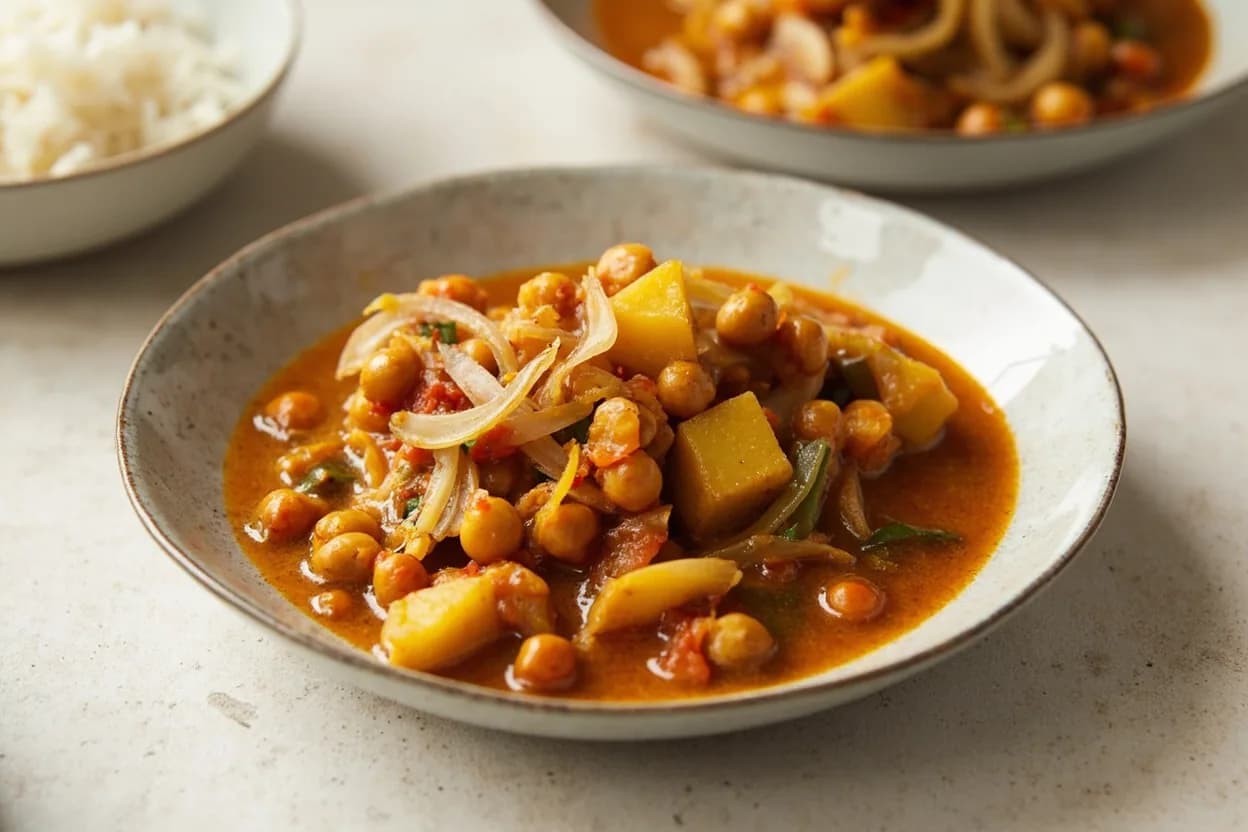
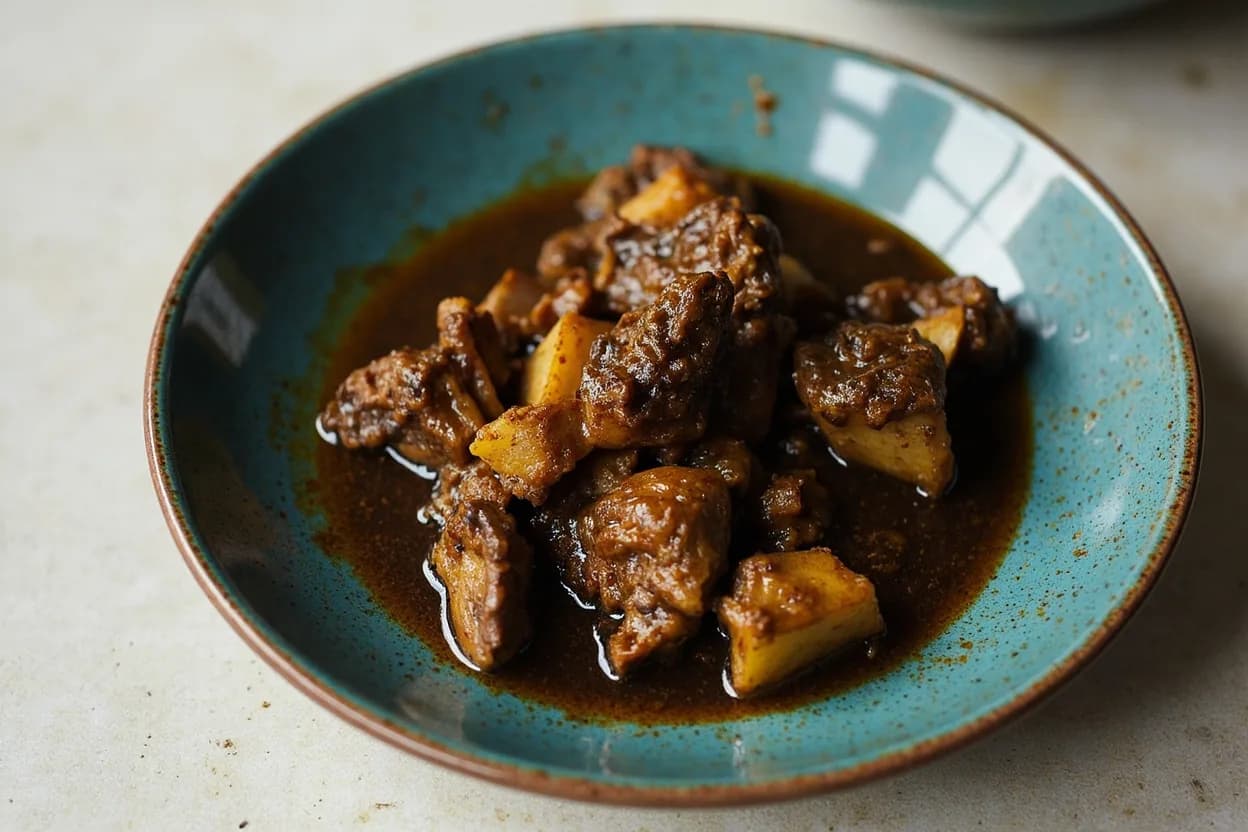
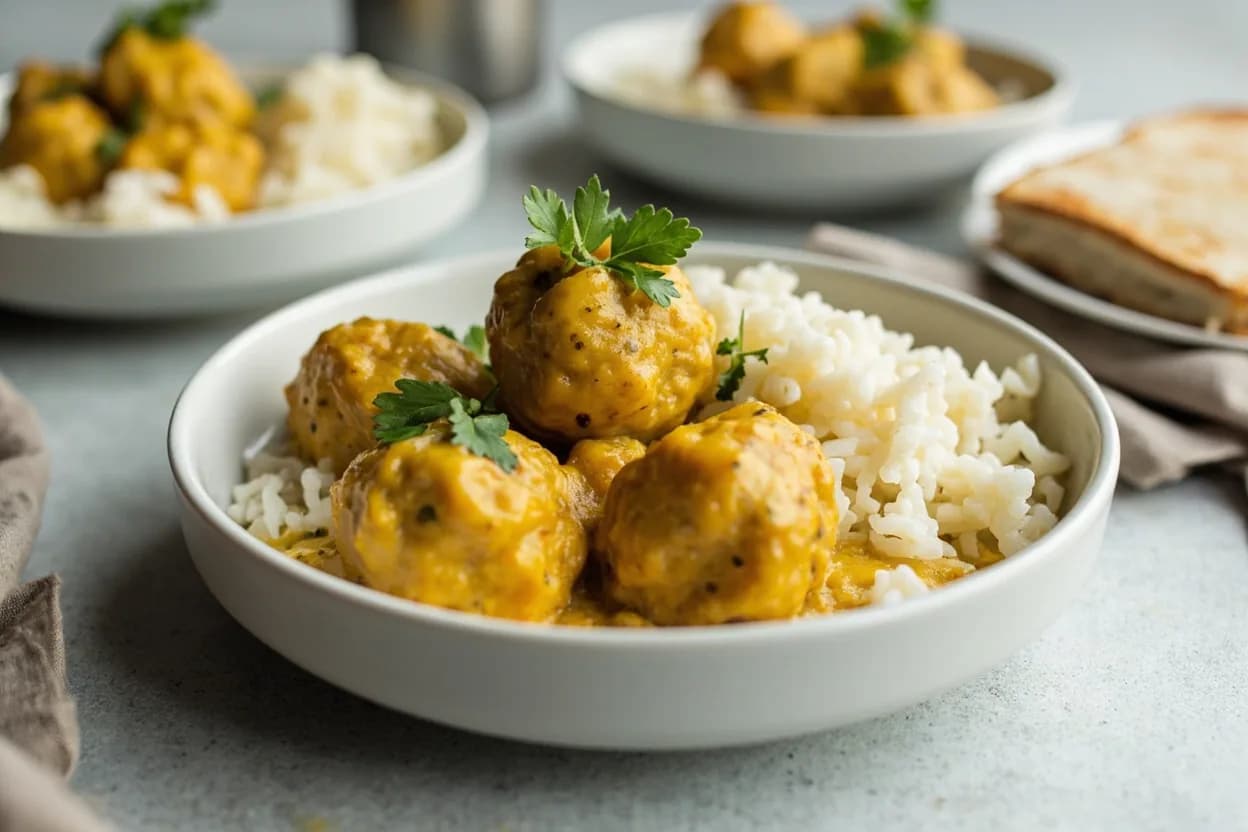
Dishes that rely on it
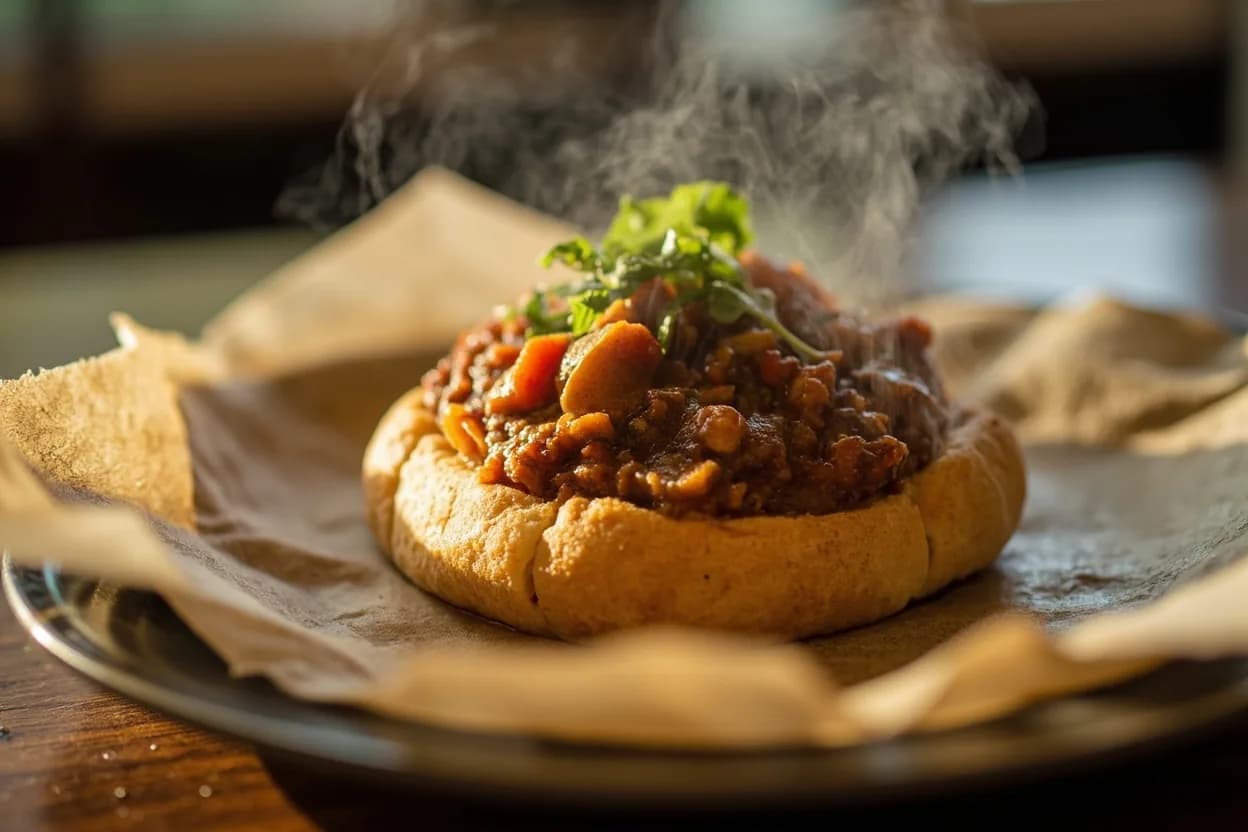
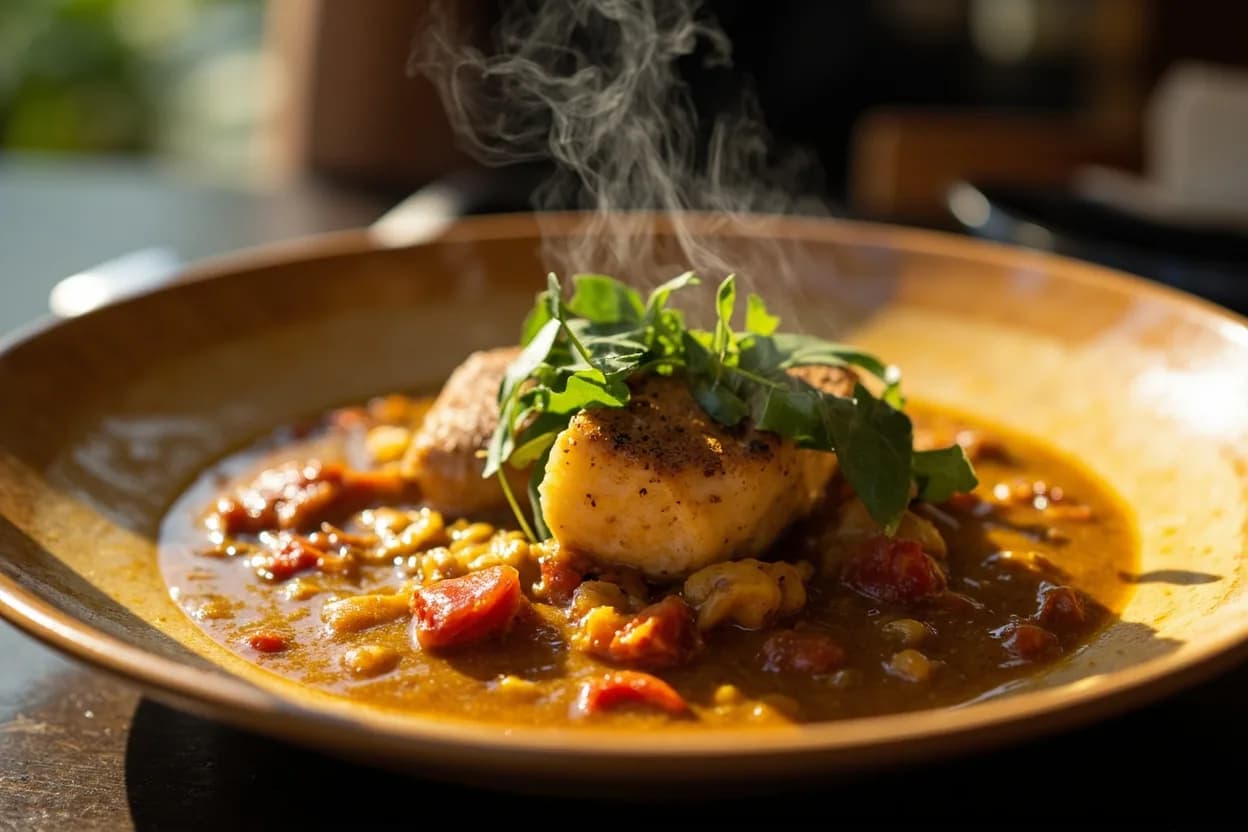
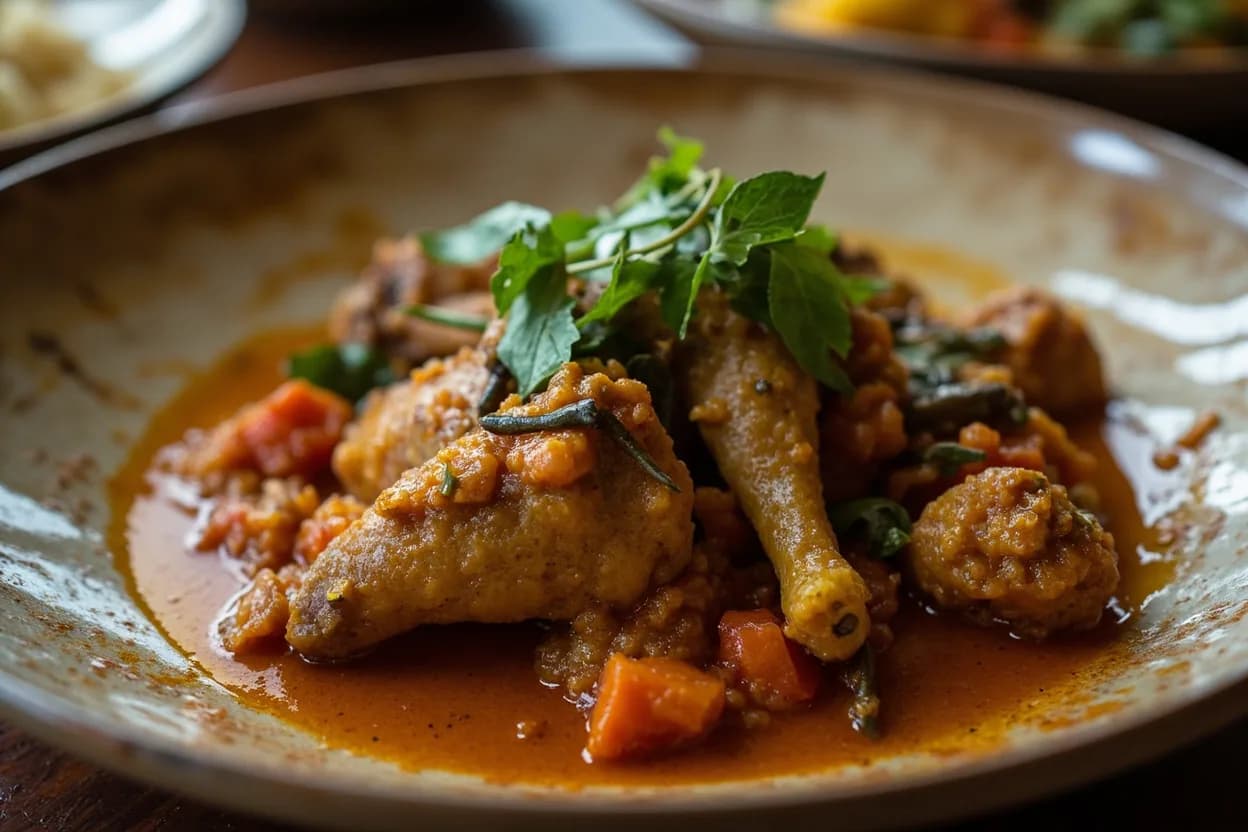
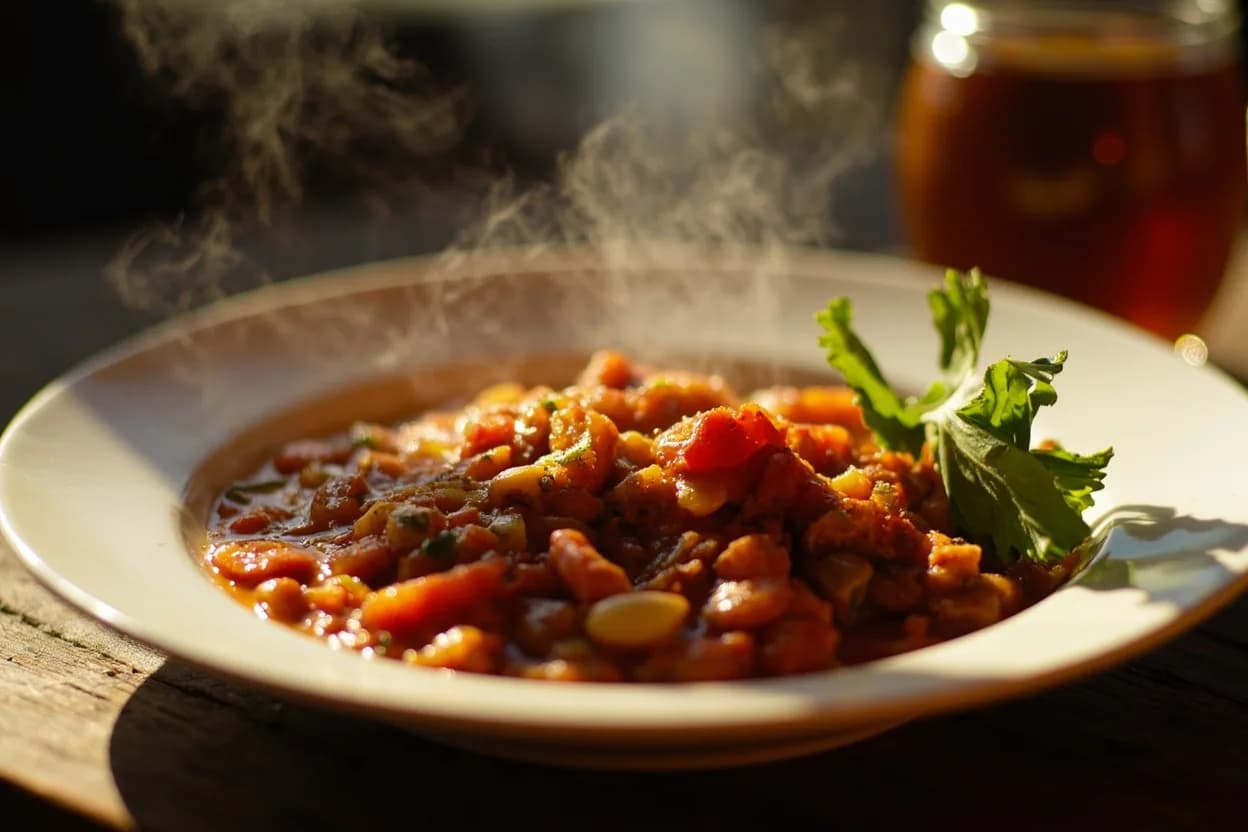
Related

Sear
Blast the surface hot for a deep-browned, savory crust

Sauté
Cook quickly in a little fat over lively heat, tossing as you go

Stir-Fry
Toss bite-sized pieces over roaring heat for fast, smoky cooking

Pan-Fry
Crisp food in a shallow layer of hot fat, turning once or twice

Deep-Fry
Submerge in hot oil for an all-over crackling crust

Roast
Cook uncovered in dry oven heat for browned edges and tender centers

Bake
Cook with steady, surrounding oven heat — the soul of bread and pastry

Broil
Hit food from directly above with fierce overhead heat