Prep & Assembly
Grinding
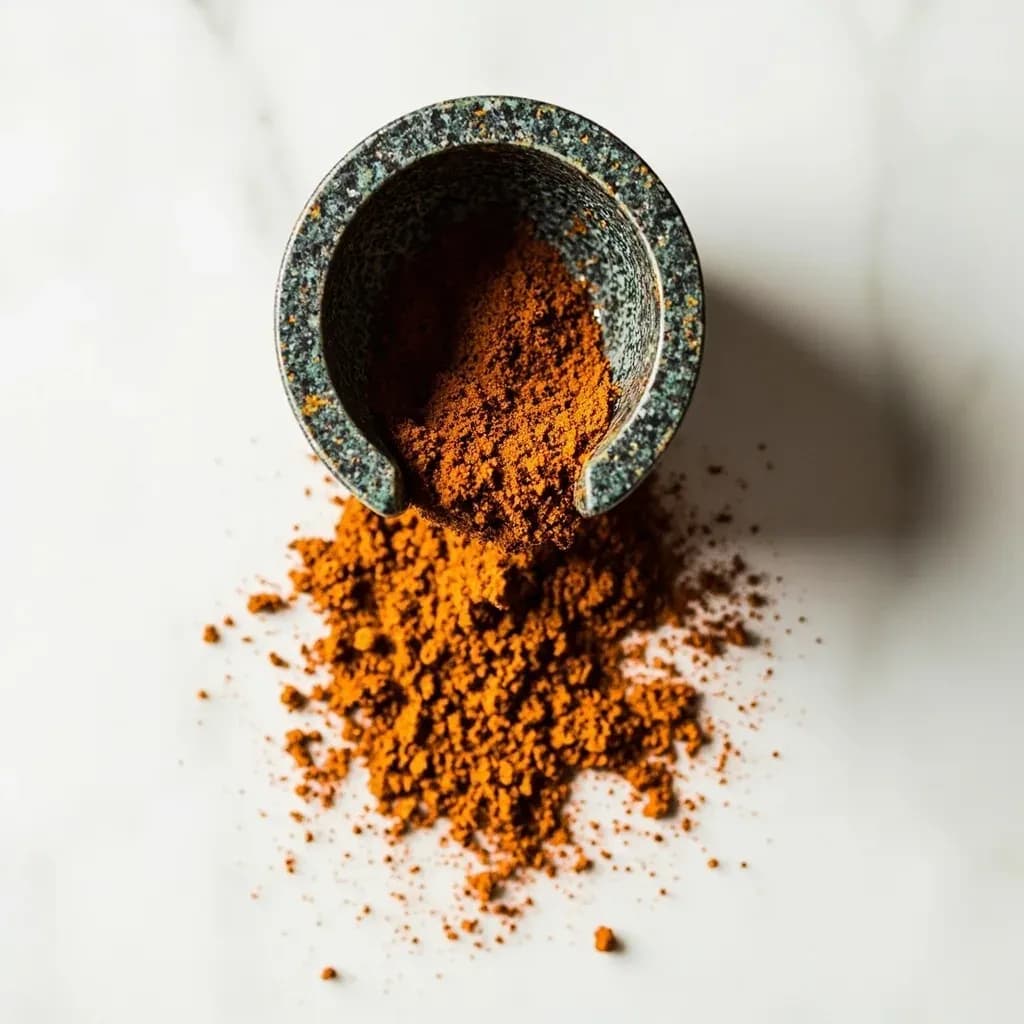
Reducing spices, grains, or pastes to powder or paste using a mill, stone, or molcajete.
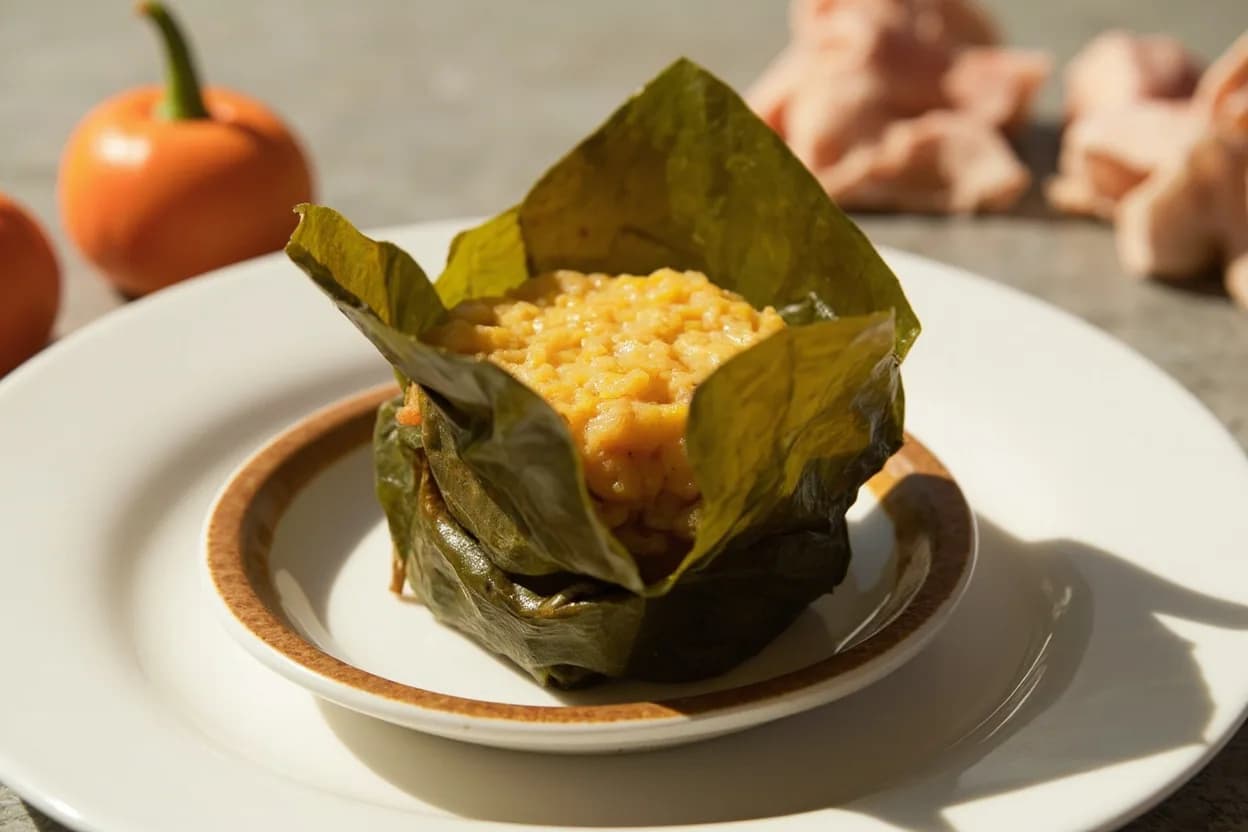
Grinding breaks down spices, seeds, grains, or soaked ingredients into fine powder or wet paste using a stone, molcajete, mill, or grinder. Freshly ground spices are far more aromatic than pre-ground, and wet-stone grinding produces the silky pastes behind dishes like dosa batter, recados, and posto bata. Toasting whole spices before grinding deepens their flavor.
Grinding is the bridge between a whole ingredient and a fully integrated one. The fracture surfaces it creates expose cell contents, release volatile oils, and dramatically increase the surface area available for flavor extraction during cooking. Most of what we taste from a spice, a coffee bean, or a peppercorn lives just beneath the skin; reducing it to powder, paste, or meal multiplies that contact many times over, which is why a pinch of freshly ground cumin carries more aroma than a teaspoon of the same spice bought pre-ground.
The kitchen splits grinding between three working principles. A mortar and pestle shears and crushes with repeated downward pressure, leaving rough, irregular particles that release flavor slowly — an asset in long-cooked dishes and wet pastes. A blade grinder smashes material with a spinning propeller, producing fine but uniform particles and meaningful heat. A burr mill slices material between two textured surfaces, yielding the most consistent particle size of all, which is why coffee specialists and millers rely on it. Each tool shapes both the result on the plate and the chemistry inside the bowl.
Historically, every culture developed its own version: the Mesoamerican metate y mano for nixtamalized corn, the Indian sil-batta and larger chakki for legumes and grain, the Japanese suribachi for sesame, the Mediterranean marble pestle for pistou and pesto. The technique's enduring role rests on a single principle — flavor lives mostly on the surface, and grinding makes more surface.
- Difficulty
- Easy
Types & varieties
Reducing brittle, low-moisture materials — whole spices, dried chiles, grains, nuts, dried breadcrumbs — to powder or meal.
Combining solids with liquid (water, oil, vinegar) to form pastes such as curry paste, pesto, tahini, chili-garlic paste, and Mexican masa.
Breaking material into 1–3 mm fragments, used for cracked black pepper, coarse polenta, and dukkah-style spice blends.
Pulverizing to a true powder (≤0.2 mm), used for powdered sugar, ground cumin, cocoa, and five-spice powder.
Short bursts in an electric grinder that limit heat buildup and keep oil-rich ingredients (nuts, seeds) from clumping into a butter.
Extended, low-shear wet grinding lasting 24–72 hours that refines chocolate by coating each particle in cocoa butter, producing a smooth, glossy finish.
Shearing material between two abrasive surfaces — conical or flat burrs, millstones, or steel rollers — to a controlled, uniform size (wheat to flour, coffee to a target grind).
Crushing breaks the material with a single heavy blow (flat of a cleaver, slotted mallet); grinding continues the reduction with repeated friction and pressure.
How to do it
- 1
Match the tool to the task
Choose a heavy stone or wooden mortar and pestle for pastes, small-spice batches, and heat-sensitive aromatics; a burr mill for repeatable, uniform particle sizes (coffee, pepper); a blade grinder for quick, coarse-to-fine spice work; and a wet stone grinder or metate for masa and chocolate.
- 2
Prepare the material
Toast whole spices dry over medium heat just until fragrant, then cool 2–3 minutes. Pre-chop large items (dried chiles, cinnamon quills, nutmeg) into 1–2 cm pieces so they break down evenly.
- 3
Load in small batches
Fill the mortar or grinder bowl no more than one-third full. Crowding leaves coarse pockets and strains the motor of an electric grinder.
- 4
Grind with the right motion
In a mortar, press the pestle down while rotating, working from coarse to fine. For pastes, add liquid gradually (oil, water, lemon juice) once a coarse slurry forms. In a blade grinder, pulse in 1–3 second bursts, shaking the bowl between pulses to redistribute the load.
- 5
Monitor texture and heat
Stop and check every 5–10 seconds in a blade grinder, every 30 seconds in a mortar. Long electric runs warm the bowl and dull aromatics; let it cool or shift to a coarser target to recover flavor.
- 6
Sieve and re-grind
For uniform powders, pass the grind through a fine mesh sieve and return the retained coarser particles to the mortar or grinder for a second pass.
- 7
Use immediately or store properly
Grind as close to cooking as possible for maximum aroma. If you must hold ground spices, keep them in an airtight, opaque container in a cool cupboard; whole spices stored beside them will last several times longer.
Choosing the right surface
Mortar surface matters more than most cooks realize. Rough, unpolished volcanic stone — a molcajete or coarse granite — grips and shreds material, making it the right choice for fibrous aromatics, dried chiles, and tough seeds. Smooth marble or glass crushes cleanly but slips more, suiting soft herbs, garlic, and small oily seeds that would simply smear against a rougher wall. Wooden mortars fall between the two, gentler on delicate herbs than stone and warmer in the hand. The same logic extends to electric tools: a burr set is the only way to reach espresso fineness or a uniform bread-flour particle size; a blade grinder is faster and cheaper but trades control for speed.
Regional tools worth knowing
Traditional grinding implements encode a region's ingredients and patience. A few of the most useful to recognize:
- Metate y mano: a sloped volcanic-stone slab and cylindrical roller used across Mesoamerica to grind nixtamalized corn into masa for tortillas and tamales.
- Sil-batta: a small flat Indian stone and cylindrical rolling pin, ideal for small batches of spice blends and chutneys.
- Chakki: a large stone mill turned by hand or animal power, used in South Asia for grain and legume flours.
- Suribachi and surikogi: a Japanese ridged ceramic bowl and wooden pestle, designed specifically to release oil from toasted sesame seeds.
- Molcajete y tejolote: a Mexican volcanic-stone mortar and pestle, rougher and more aggressive than most Mediterranean mortars.
Common uses
Tips & pitfalls
- Toast whole spices in a dry pan over medium heat until fragrant (1–3 minutes) and cool them before grinding — heat and browning amplify the volatile oils released by grinding.
- Work in small batches. Overfilling a mortar or grinder prevents the contents from reaching the working surface and yields uneven texture.
- For an electric blade grinder, use 1–3 second pulses rather than continuous running to keep the bowl cool and preserve aromatics.
- Add a teaspoon of coarse salt, sugar, or dry rice to the mortar when pulverizing small, oily seeds (cumin, fennel, mustard) — the abrasive 'driver' keeps them moving and prevents clumping.
- Sieve ground spices through a fine mesh and re-grind the coarser fraction to achieve a uniform powder for rubs and curry powders.
- Keep a dedicated grinder for coffee and another for spices; even trace coffee oils taint cumin and chili, and vice versa.
- For nuts you want to remain a meal rather than butter, chill them 15 minutes in the freezer, then pulse — cold fat releases more slowly.
- A mortar and pestle is gentler than an electric grinder; reach for it when making small quantities of wet paste or when the dish depends on bright, fresh aromatics such as Thai curry paste or basil pesto.
Good to know
- Etymology
- From Old English grindan; the related 'mortar' comes from Latin mortarium, a vessel for pounding.
- Earliest evidence
- Basalt mortars and pestles dated to roughly 35,000 years ago have been recovered at Ain Mallaha in Israel — the oldest known grinding implements, likely used for wild grains and ochre pigments.
- Common materials
- Granite, basalt, marble, hardwood, brass, ceramic, and stainless steel — each offering a different balance of weight, friction, and porosity.
- Friction heat
- Blade-type electric grinders can push small spice loads past 90°C (194°F) in extended runs, volatilizing the most delicate aromatic compounds.
- Shelf-life impact
- Whole spices typically retain potency for 2–4 years; once ground, most lose volatile oils within 3–6 months even in airtight storage.
- Particle-size range
- From cracked pepper (~1–2 mm) and coarse meal down to ultra-fine powders passing a 200-mesh sieve (≤75 μm).
- Wet vs. dry
- Dry grinding reduces brittle, low-moisture materials; wet grinding combines solids with liquid to form pastes such as curry paste, pesto, tahini, and masa.
Also called
Spice Grinding · Molcajete Grinding · Stone Grinding · Wet Grinding
Dishes that rely on it
Related

Whisk
Beat ingredients smooth and aerated with a looping wire motion

Sift
Pass dry ingredients through mesh to aerate and remove lumps

Strain
Pour through mesh to separate solids from liquid for a smooth result

Filter
Pass liquid through fine material to clarify out the smallest particles

Rice
Press cooked potatoes through small holes for fluffy, lump-free texture

Mash
Crush soft cooked food into a rustic, creamy purée

Grind
Crush food into a coarse to fine texture, from spices to meat

Grate
Shred food into fine bits against a sharp-toothed surface