
Water & Steam
Dum Cooking
Seal a pot and cook in its own trapped steam for fragrant, tender layers
Dum cooking seals a heavy pot — traditionally with a dough rim — and cooks the contents in their own captured steam over low heat. It's how biryani layers stay distinct yet perfumed throughout. Keep the seal intact and the heat gentle so the trapped aroma cooks everything evenly.
Dum cooking (Persian dum pukht, roughly "slow-cooked in its own trapped steam" — dam meaning breath or held vapor, pukht meaning cooked) seals a heavy pot — traditionally with a rim of dough — and cooks the contents in their own trapped steam and aroma over very low heat, often with coals placed on the lid for even top-down warmth. Refined in the royal kitchens of Awadh (Lucknow) in the 18th century, drawing on older Persian and Mughal slow-cooking traditions, it's the technique behind the most fragrant biryanis, where layers of rice and meat steam together yet stay distinct, each grain perfumed by the spices and the meat's own juices. The principle is conservation: nothing escapes the sealed pot, so every volatile aroma that would otherwise drift off the stove stays inside and infuses the food.
- Difficulty
- Advanced
Types & varieties
Meat is cooked first, then layered with par-cooked rice and finished under dum.
Raw marinated meat and par-cooked rice sealed together to cook entirely in the dum (classic Hyderabadi).
Whole dishes — meats, vegetables — slow-cooked sealed, beyond just biryani.
How to do it
- 1
Prepare the components
Cook the masala-rich meat (or marinate it raw for kacchi), and par-boil the rice to about 70% so it finishes under dum.
- 2
Layer with care
Layer meat and rice in the heavy pot, scattering fried onions, saffron milk, ghee, and herbs between the layers.
- 3
Seal the pot
Press a rope of dough around the rim and clamp the lid, or use a tight lid weighted down, so no steam can escape.
- 4
Apply gentle heat
Cook over very low heat (a tawa under the pot prevents scorching); traditionally hot coals sit on the lid for top heat.
- 5
Rest sealed
Cook 20–45 minutes, then let it rest still sealed for 5–10 minutes so the steam settles and the layers set.
- 6
Break the seal and fold
Crack the dough seal at the table for the aroma, then gently fold the layers together to serve.
The science of the sealed pot
A dough seal turns an ordinary pot into a low-pressure steam oven. Moisture from the rice and meat evaporates, has nowhere to go, and recirculates as steam that cooks the food evenly from all sides — while the volatile aromatic compounds from saffron, spices, ghee, and herbs, which would normally escape into the kitchen air, are held captive and driven back into every grain and piece. The very low heat and (traditionally) coals on the lid create gentle, all-around warmth so nothing on the bottom scorches before the top is done. The result is food that's simultaneously moist, evenly cooked, and intensely perfumed — qualities an open pot can't achieve because its aromas and steam constantly bleed away.
Common uses
Tips & pitfalls
- Par-cook the rice to about 70% so it finishes perfectly without turning to mush under dum.
- Set the pot on a flat griddle (tawa) over the flame to diffuse the heat and prevent scorching.
- Don't break the seal early — the magic is in keeping every wisp of steam inside.
- Let it rest sealed off the heat before opening so the layers settle and stay distinct.
Good to know
- Heat level
- Very low and slow; gentle bottom heat, sometimes coals on top
- Best for
- Biryani, slow-cooked meats, fragrant rice dishes
- Equipment
- Heavy lidded pot (handi); dough seal or tight lid + weight
- Fat needed
- Ghee or oil within the layers
- Time
- 20–45 minutes of sealed dum
Also called
dum pukht · dum
Dishes that rely on it
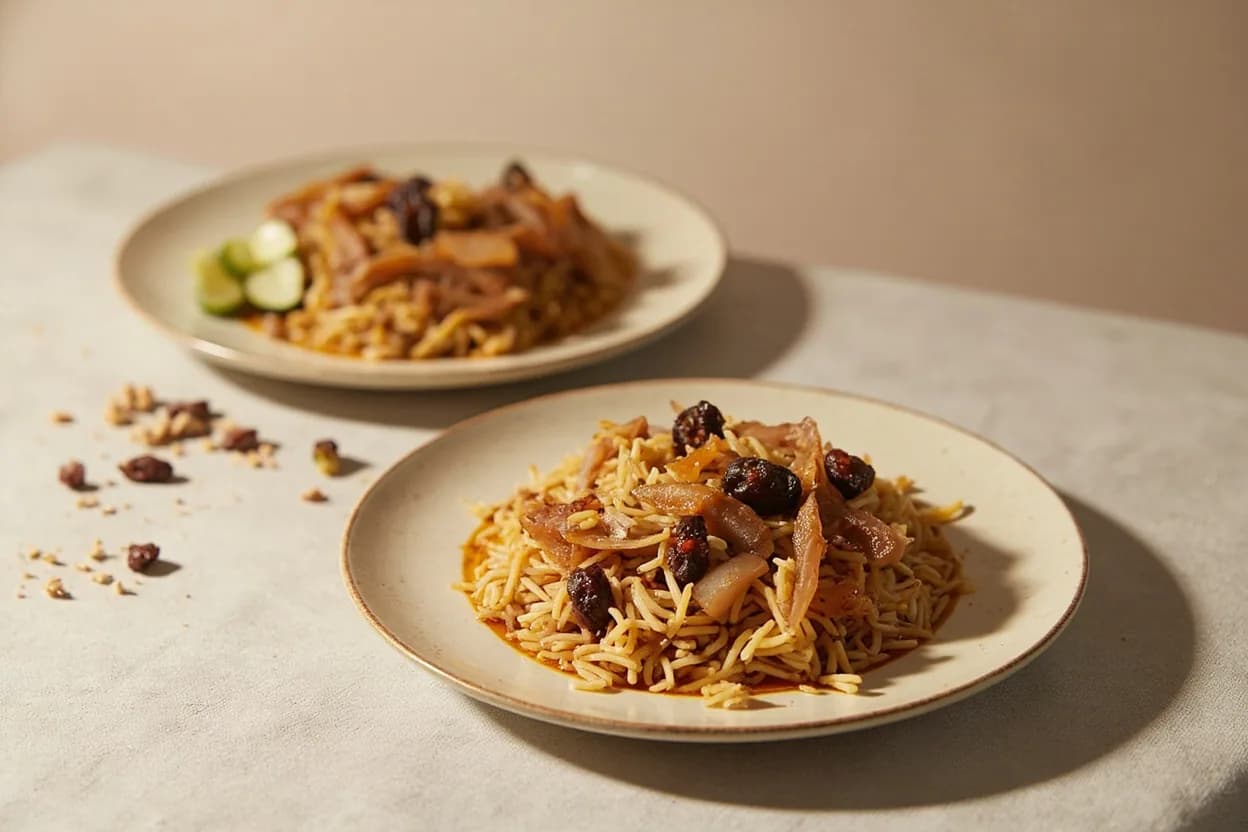
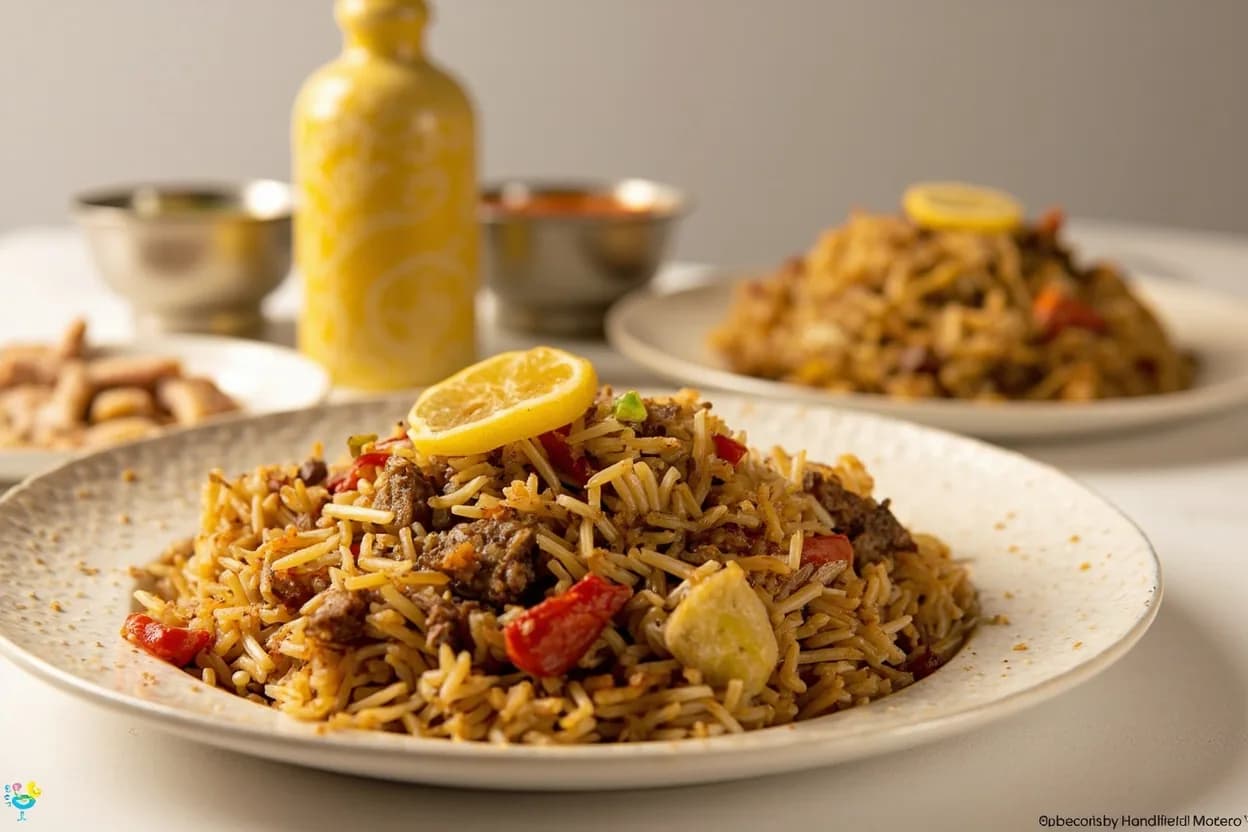
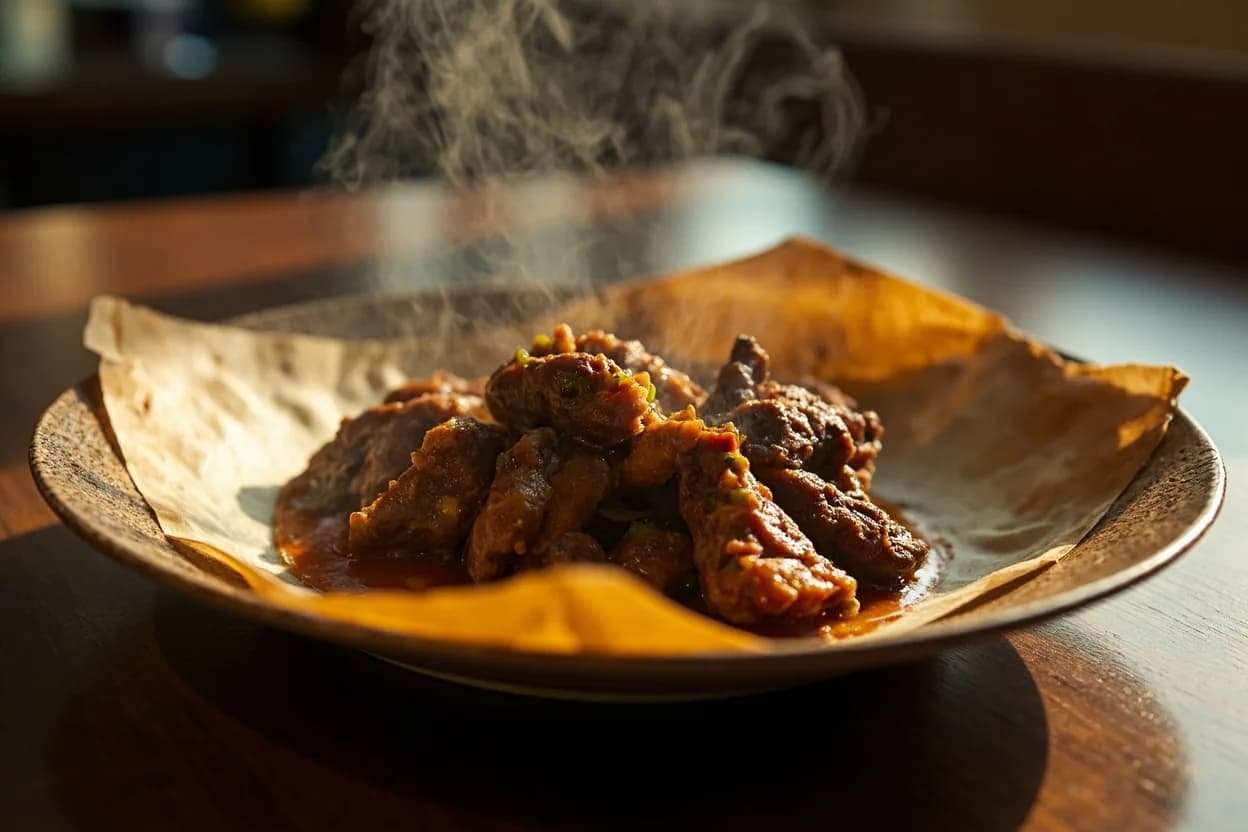
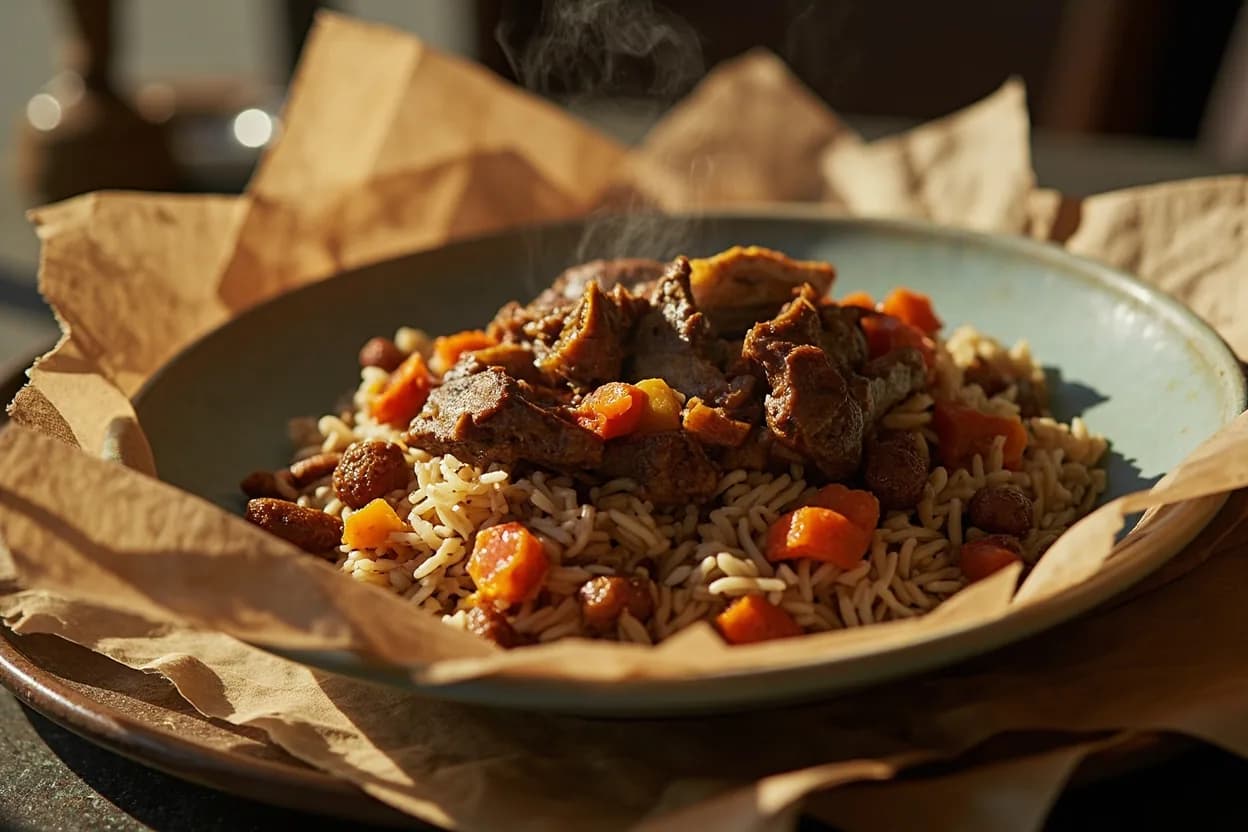
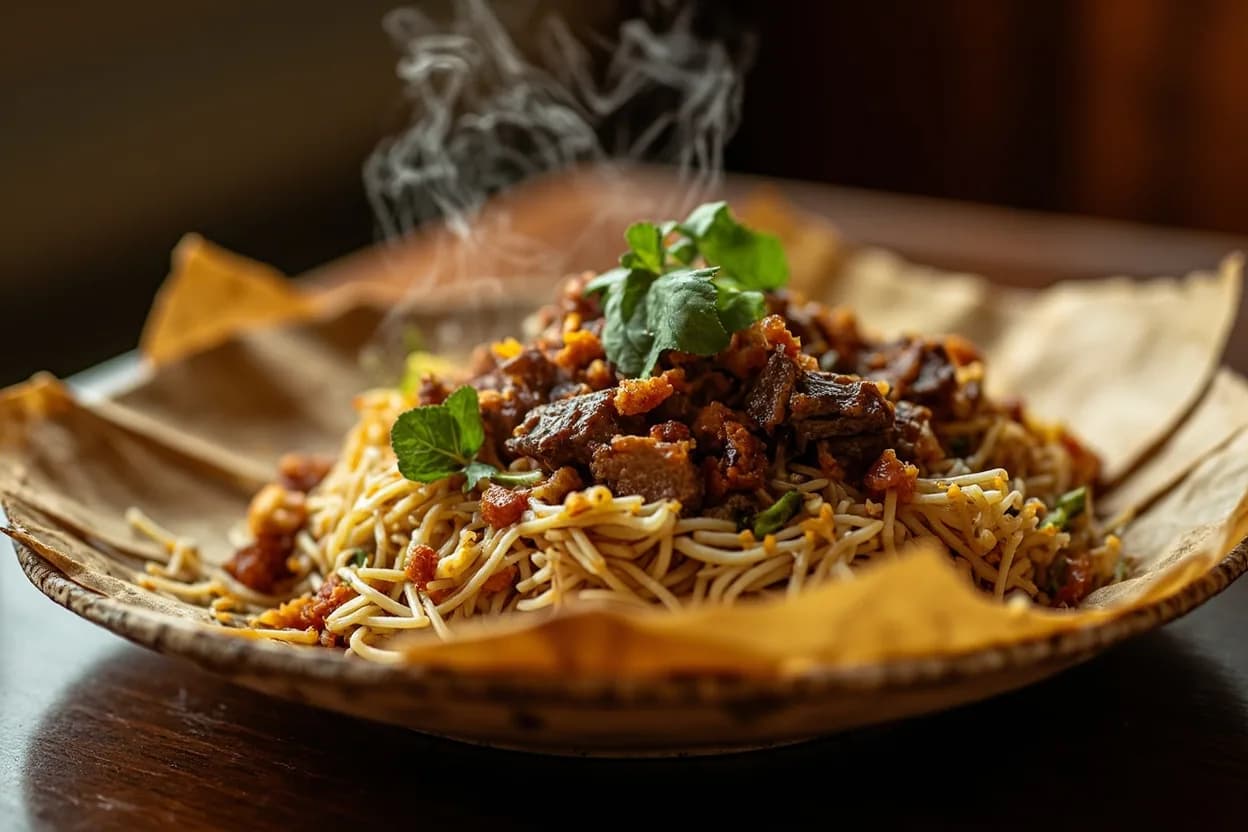
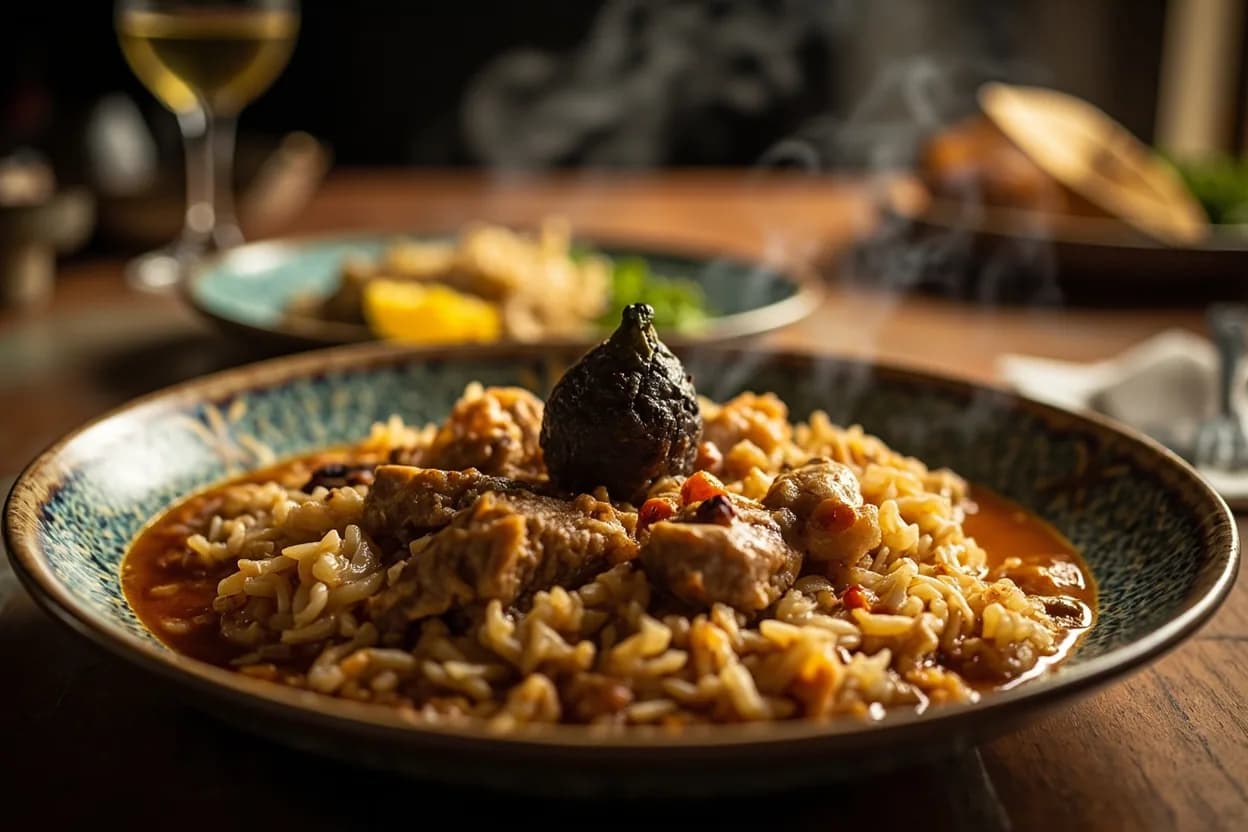

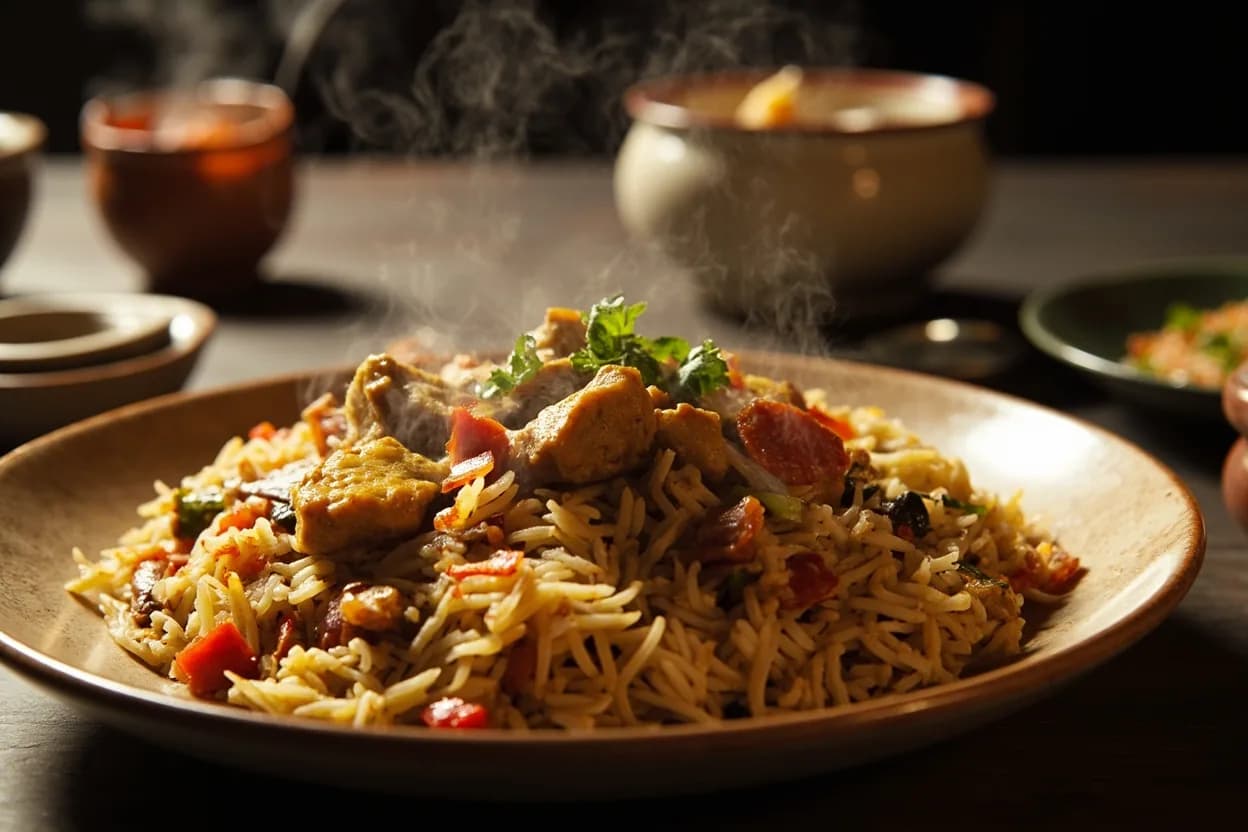
Related

Boil
Cook in vigorously bubbling liquid at full rolling heat

Simmer
Hold liquid at a gentle shimmer for tender, unhurried cooking

Poach
Cook gently in barely-trembling liquid for silky, tender results

Steam
Cook in rising vapor to keep color, nutrients, and shape intact

Blanch
Plunge briefly in boiling water, then shock cold to lock color

Braise
Sear, then cook slow in a little liquid until fall-apart tender

Stew
Simmer bite-sized pieces fully submerged into a rich, unified pot

Sous-Vide
Seal and cook in precise warm water for edge-to-edge doneness