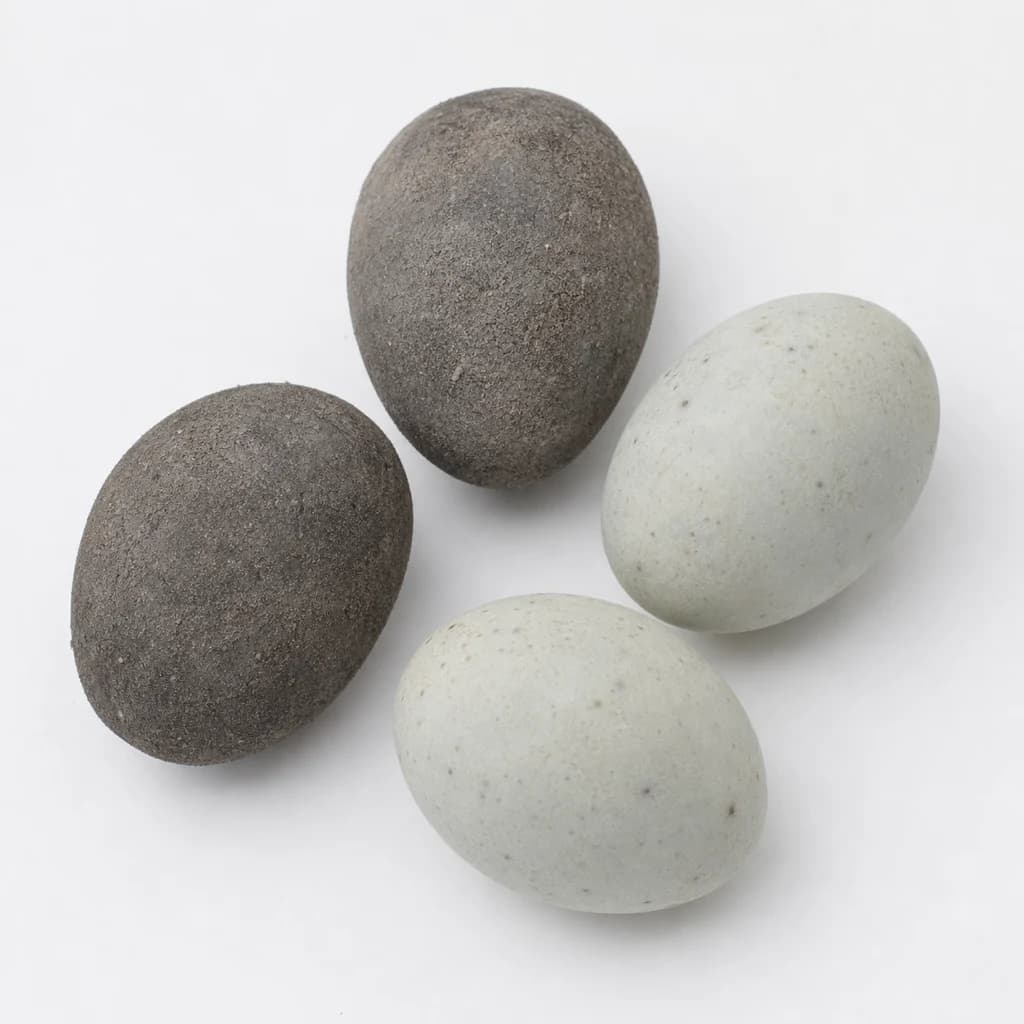
Natural form
Whole raw salted duck eggs showing the clay-coated or clean shell exterior before cooking.
Shows how the ingredient looks at purchase — identifying the characteristic matte grey-clay coating or pale blue-green shell.
Proteins
Salted Duck Egg
Brine-cured duck egg with a firm, savory yolk — eaten with rice, baked into pastries, or used in fillings.
Salted duck eggs are duck eggs cured in brine or salted clay until the yolk becomes firm, rich, and intensely savory while the white turns salty. The bright orange yolks are prized in Chinese and Southeast Asian cooking, eaten with rice and congee, folded into stir-fries, or baked into mooncakes and pastries. The cooked yolk has a grainy, almost custardy richness.
Salted duck eggs are whole duck eggs cured in saturated salt brine or a salt-clay paste for two to six weeks. The curing process drives moisture out of the albumen and infuses the yolk with salt and fat, transforming the egg into a deeply savory, shelf-stable ingredient prized throughout Chinese and Southeast Asian cuisines. The yolk becomes the centerpiece: firm, waxy, and a vivid orange-red that runs the spectrum from pale amber to brick-red depending on the duck's diet. The albumen firms to a texture that is firm, slightly translucent, and mildly salty—useful in its own right, appearing in soups, congee, and fillings. What makes salted duck eggs indispensable is their concentrated umami punch and the way the yolk's rich, almost custardy interior melts into hot rice or congee, delivering salt, fat, and savoriness in a single ingredient. Unlike century eggs, which are cured in an alkaline clay mixture that turns the yolk jelly-like and the albumen translucent gray, salted duck eggs retain their structure and familiar egg character while gaining pronounced salinity and a dense, creamy yolk.
- Measured in
- piece
- Storage
- Fridge
Allergens
Types & varieties
Eggs soaked in saturated salt solution; consistent salt distribution throughout and a faster cure
Eggs rolled in a paste of clay, salt, and sometimes rice straw ash; a traditional rural method yielding slightly uneven seasoning
Tends toward heavier salting; eggs often larger and flatter
Lighter cure; yolk remains more moist and creamy
The Yolk: The Prized Element
In any salted duck egg, the yolk is what cooks reach for. A fully cured yolk is dense and waxy when raw, but when heated it sets into a thick, almost paste-like consistency with a rich, concentrated flavor that borders on buttery. The yolk color is a direct indicator of quality: deep orange to brick-red yolks come from ducks eating crustaceans and algae, delivering intense carotenoid pigments and a robust, complex flavor. Pale yellow yolks signal lower-quality feed and produce a bland, chalky result that chefs avoid. The albumen, by contrast, is a secondary player—useful for its firm texture and saltiness, but rarely the star. When a recipe calls for salted egg, it almost always means the yolk.
- Bright red yolks from ducks fed crustaceans indicate superior quality and flavor
- Pale, chalky yolks with a sulfuric smell mark inferior eggs to avoid
- The albumen firms differently than fresh egg white—it becomes slightly translucent and almost rubbery
Home Curing
Making salted duck eggs at home is straightforward but requires patience and the right salt-to-water ratio. The goal is a saturated brine: add salt to water while stirring until no more dissolves and a layer of undissolved salt sits at the bottom of the container. Submerge clean, uncracked duck eggs completely and store in the refrigerator for 3–4 weeks. Commercial curing times vary by method and salt concentration, so test a sample before using the batch. Homemade eggs will be milder than many commercial versions, which often cure aggressively for longer shelf life.
- Use a saturated brine—enough salt that some sits undissolved at the bottom
- Keep eggs fully submerged; any exposed surface will spoil
- Test with a float: cured eggs sink or lie flat; under-cured eggs tilt upward
- Refrigerate throughout the curing process to prevent bacterial growth
Common uses
Tips & pitfalls
- Test doneness by floating: fully cured eggs sink or rest flat; under-cured eggs tilt upward
- When boiling, start in cold water, bring to a boil, then cook exactly 10–12 minutes for a set but still-creamy yolk; overcooking dries the yolk and turns it chalky and gray-green
- For a truly creamy yolk center, steam rather than boil—steam for 12–15 minutes, then rest 5 minutes in the pot off heat
- Peel under cool running water immediately after cooking; the membrane releases more easily
- To reduce saltiness dramatically, simmer the peeled egg in water or broth for 5 minutes—this leaches excess salt while keeping the yolk intact
- Taste the albumen before using: commercial brands vary widely in salt level—some are barely savory, others are almost inedible as-is
- Do not confuse with century egg (皮蛋): that product uses alkaline curing and has a jelly-like texture and grey color
- The bright orange-red yolk is a natural pigment from the duck's diet; do not expect vivid color in pale yolks—they indicate lower-quality feed during laying
Nutrition
Energy
577 kJ · per 100 g
Where the calories come from
Protein
11g
22% DV
Carbs
0.8g
0% DV
Fat
10.1g
13% DV
Fiber
0g
0% DV
Sugars
0.1g
of which
Sodium
3663mg
159% DV
Source · USDA FoodData Central · Egg, whole, raw, frozen, salted, pasteurized
View on FDC →In the shops
Matched grocery products
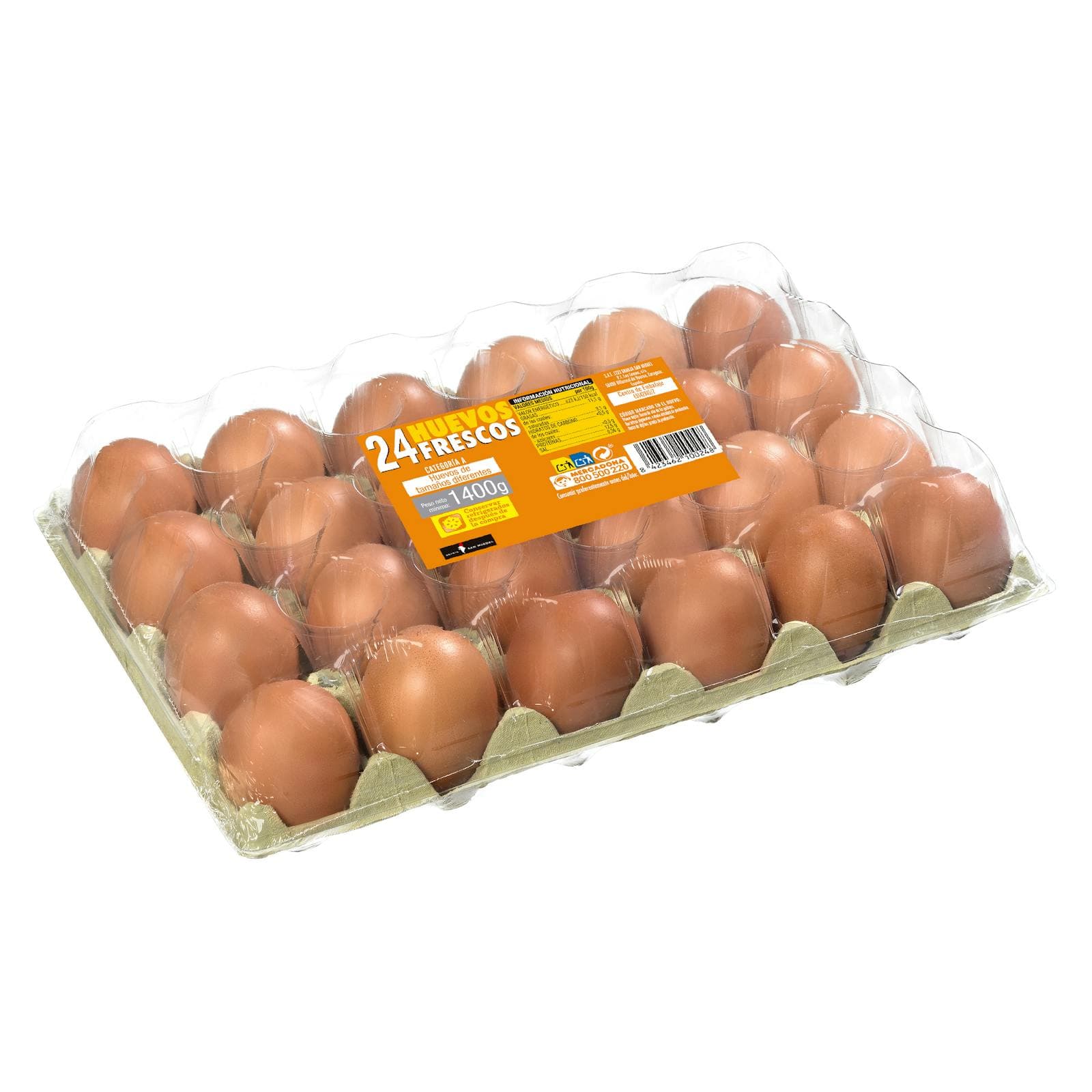 €5.60
€5.60Eggs
24 dz · Mercadona
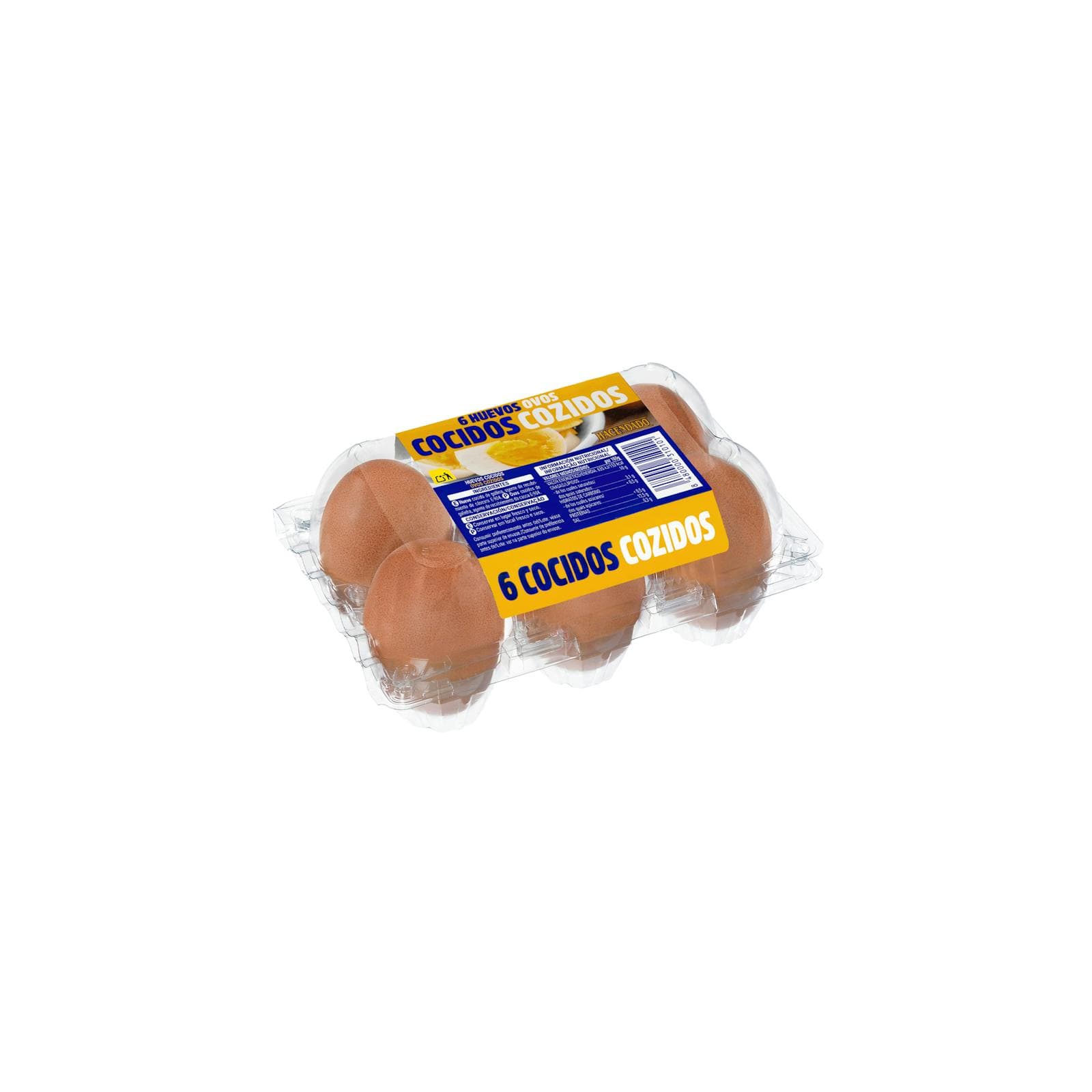 €2.20
€2.20Cooked Eggs
6 dc · Mercadona
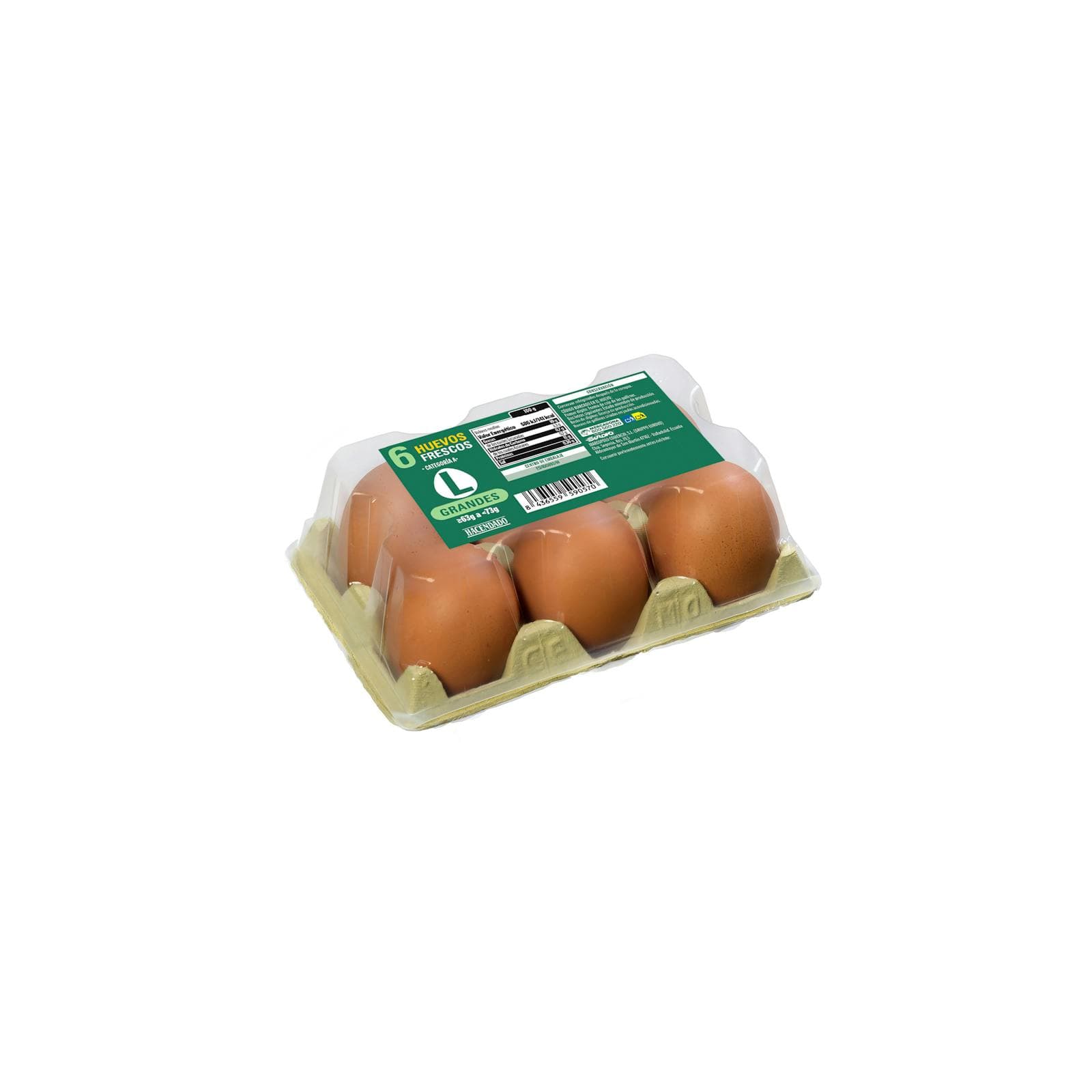 €1.80
€1.80Large Eggs
6 dc · Mercadona
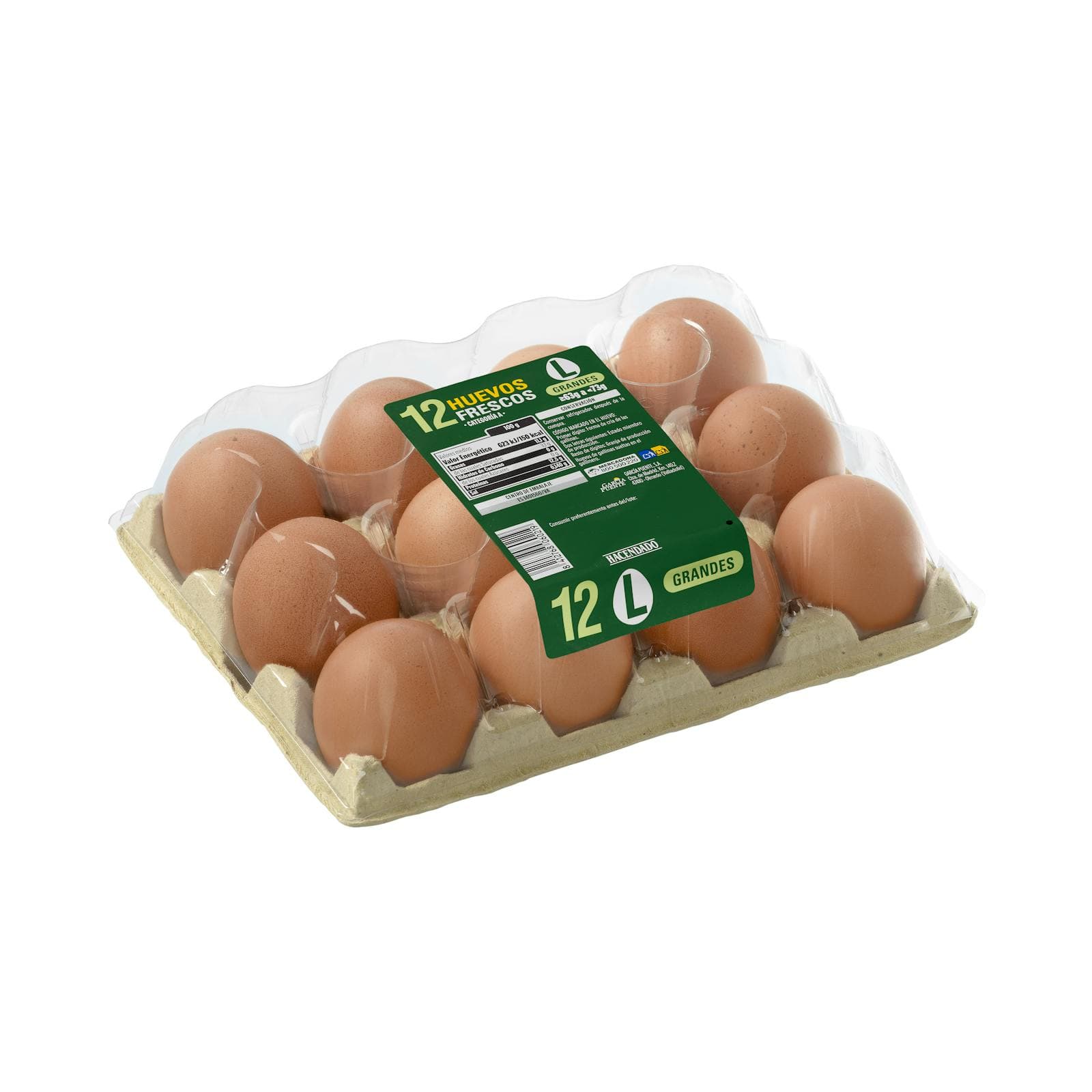 €3.20
€3.20Large Eggs
12 dc · Mercadona
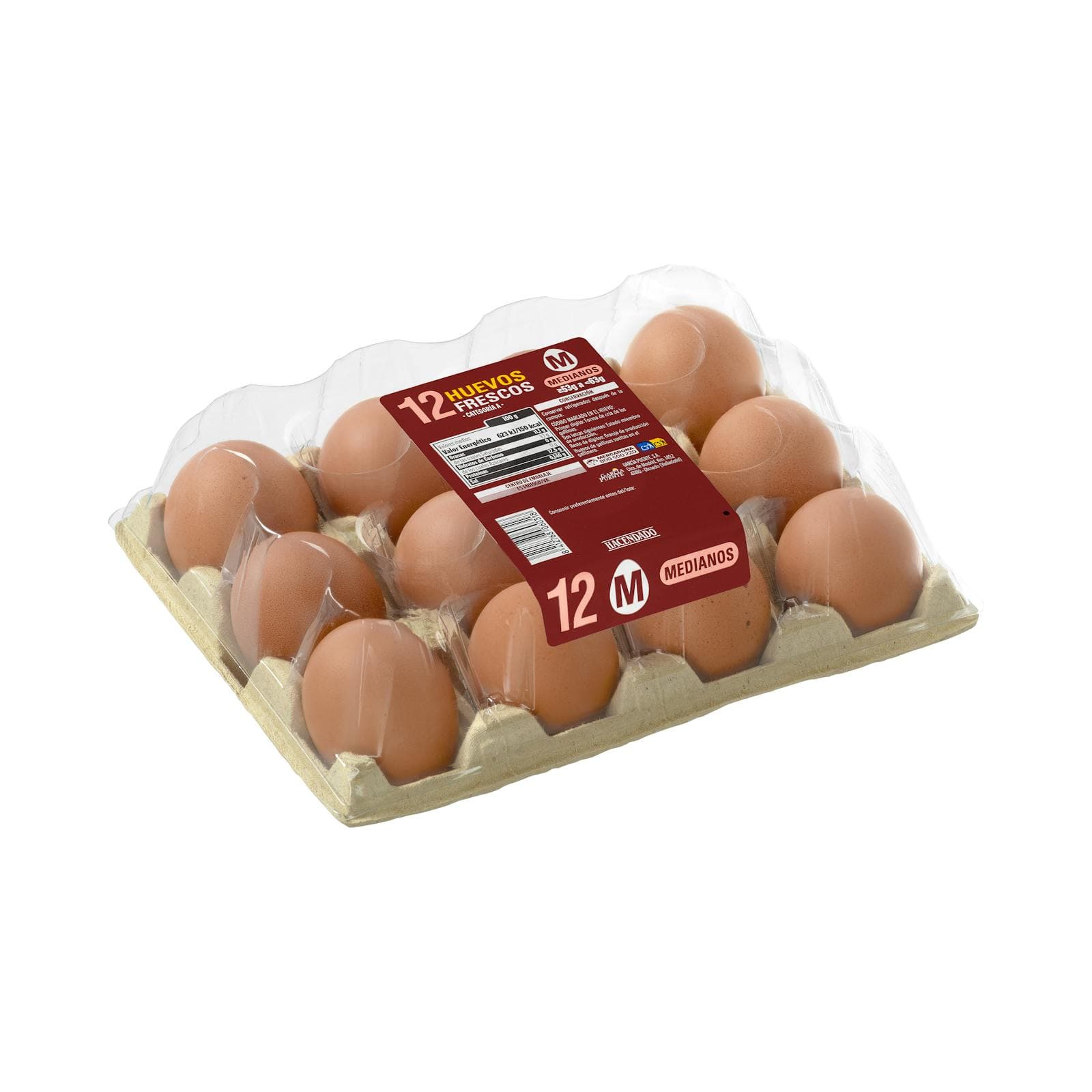 €3.00
€3.00Medium M Eggs
12 dc · Mercadona
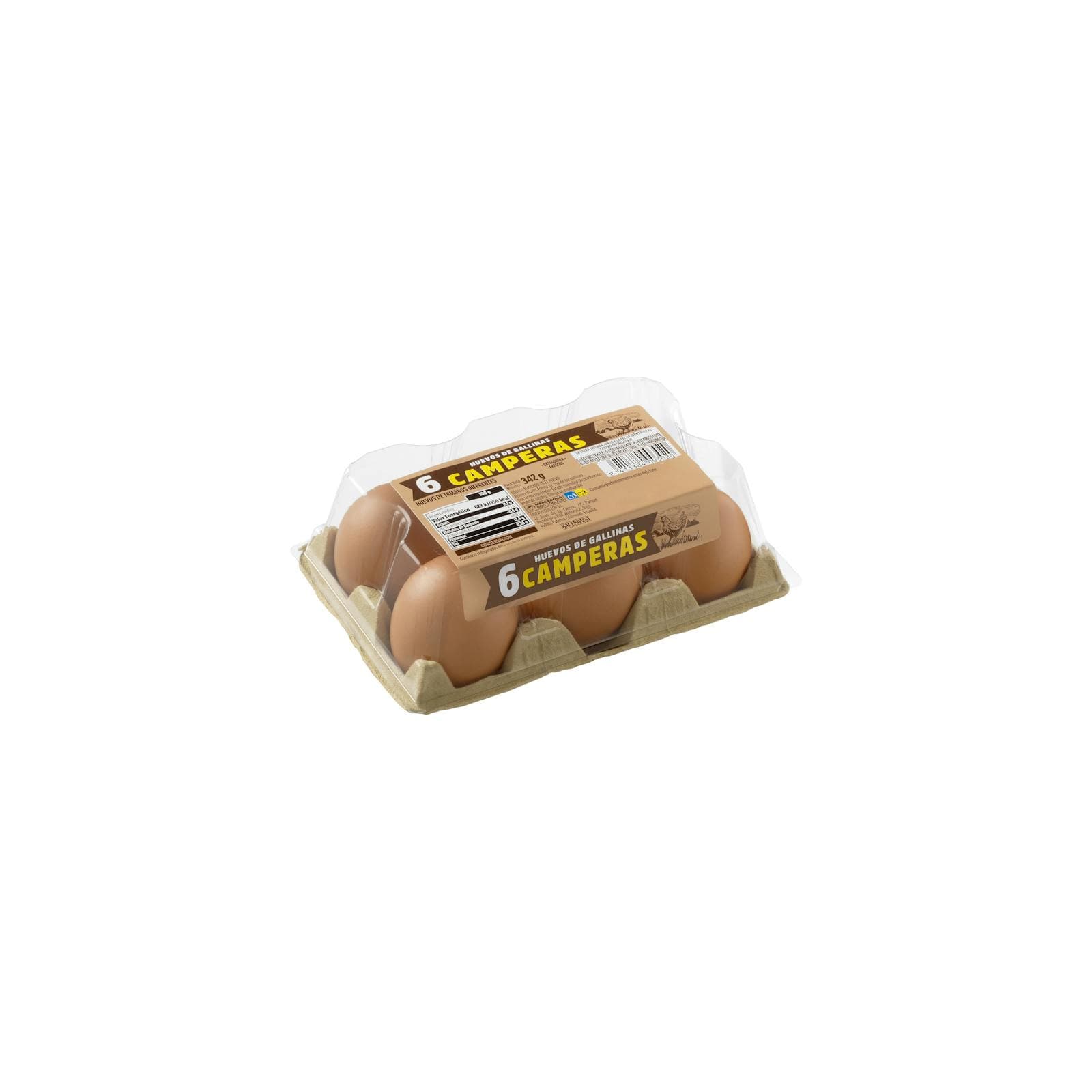 €2.10
€2.10Free-Range Eggs
6 dc · Mercadona
Good to know
- Type
- Preserved/cured duck egg (brined)
- Origin
- China, documented since the Ming Dynasty (1368–1644)
- Curing Medium
- Saturated salt brine or salt-clay paste
- Curing Time
- 2–4 weeks for brined; 3–6 weeks for clay-coated
- Salt Content
- 6–8% by weight of finished egg
- Shelf Life
- 2–4 months refrigerated; up to 1 year if kept in brine
- Per Egg (≈90g)
- 180–190 calories; 12–13g protein
- Yolk Color
- Deep orange to reddish-orange, firm and waxy when cooked
Substitutes
- Salted chicken egg — Smaller and milder; use 1.5 chicken eggs per duck egg substitution
- Salt-cured quail egg — Much smaller; useful for garnish or single-serving applications
Pairs with
Also called
Salted Duck Egg (咸鸭蛋) · Salted Egg (Telur Masin) · Telur Masin
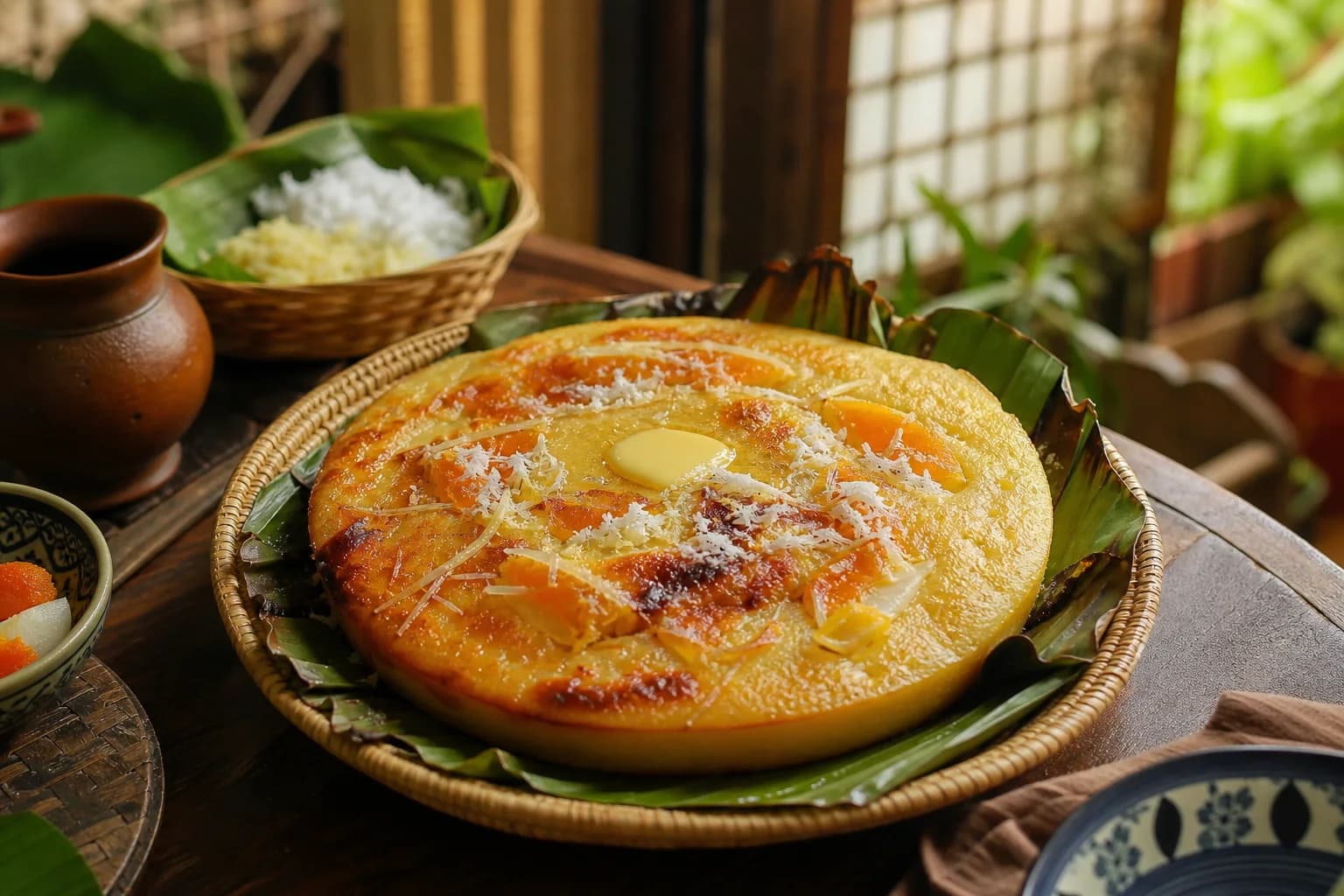
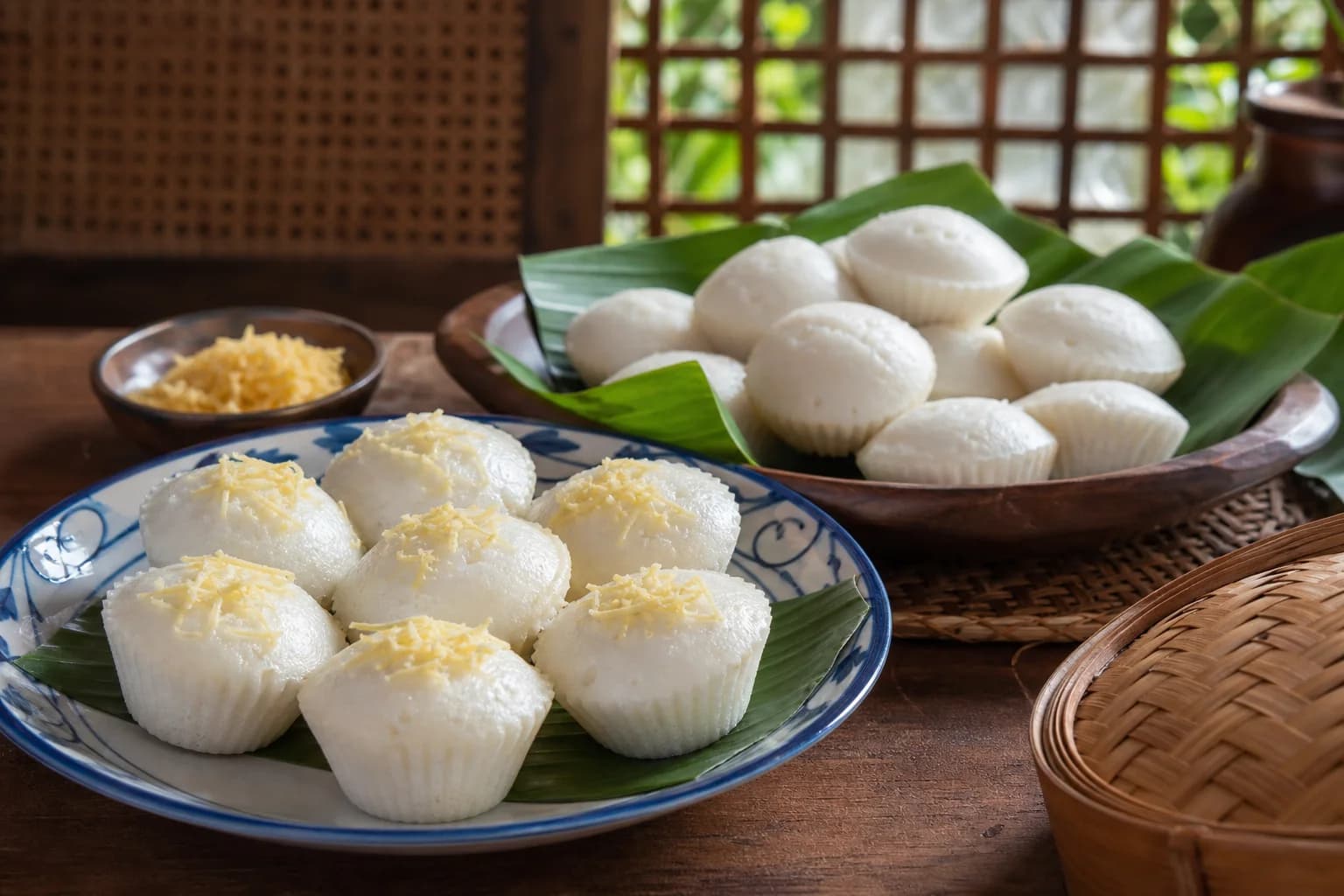
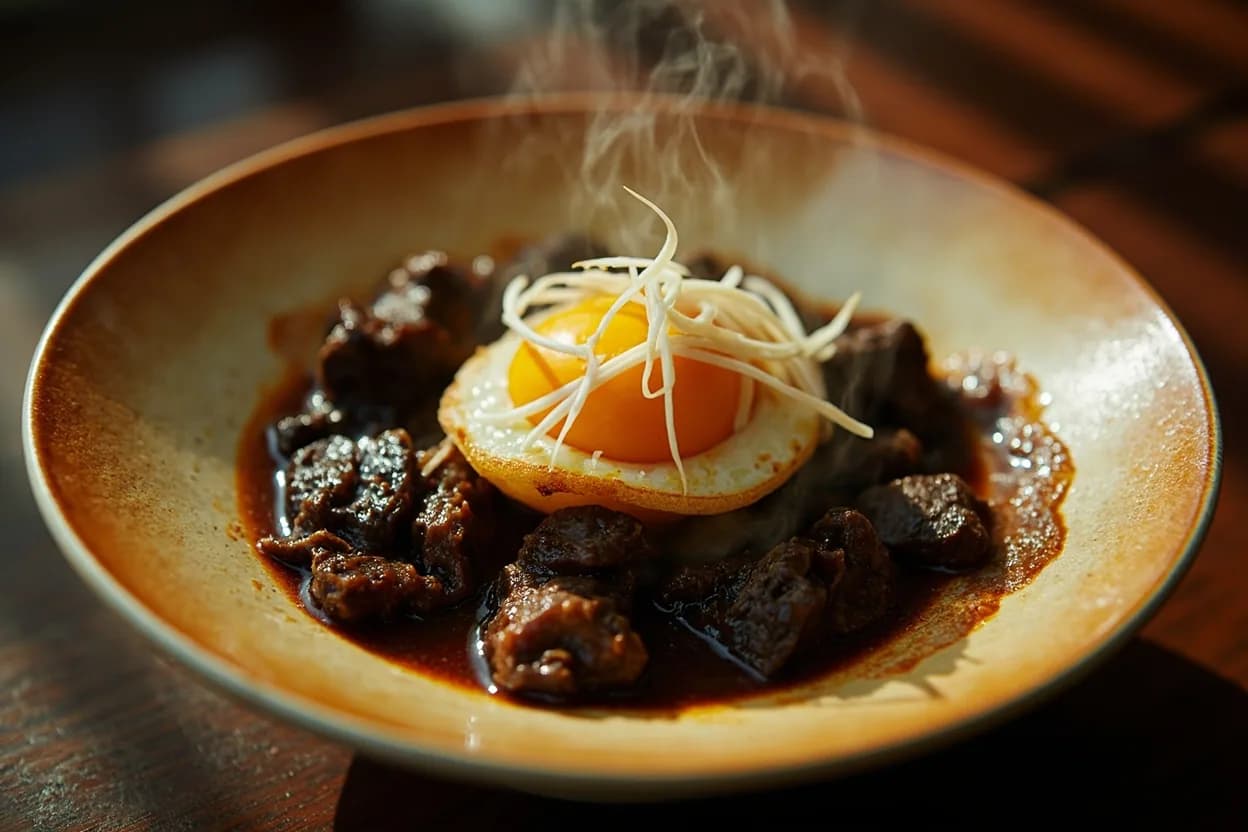
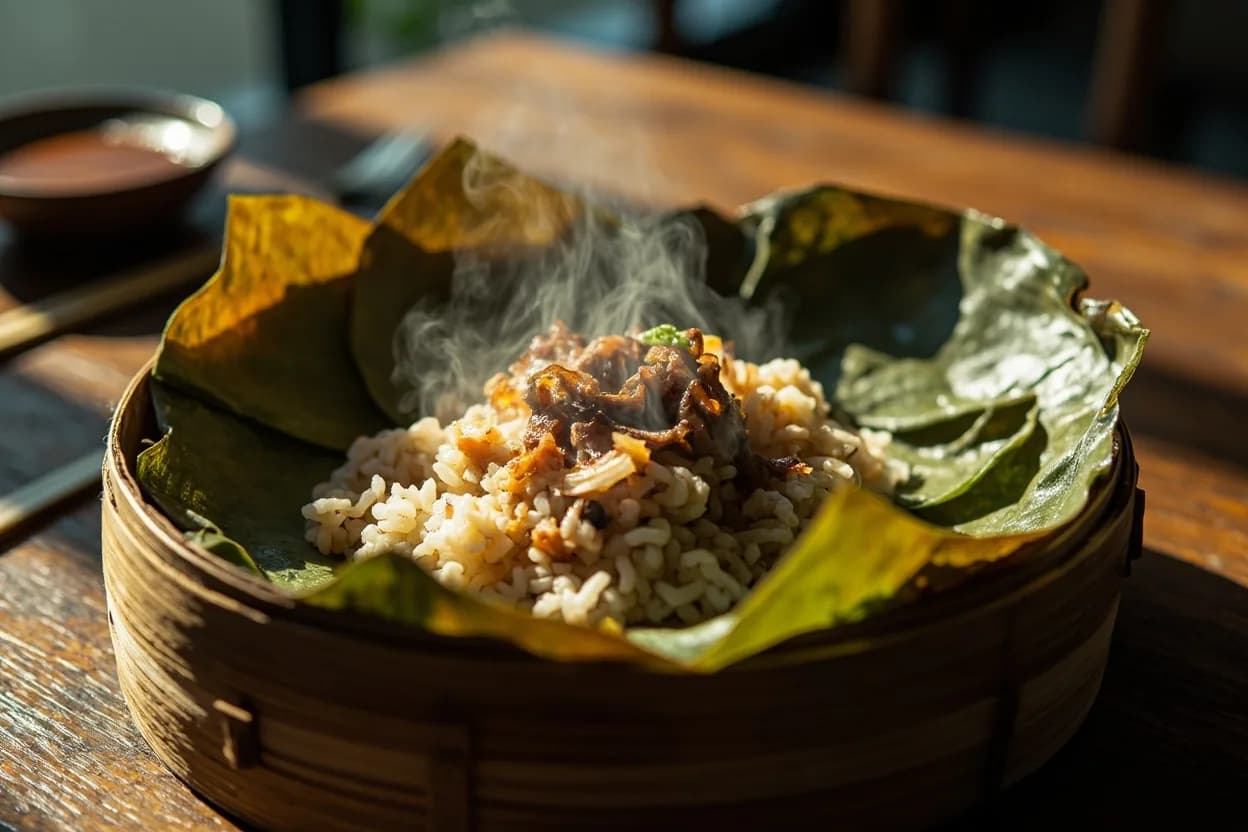
Appears in these dishes
Related
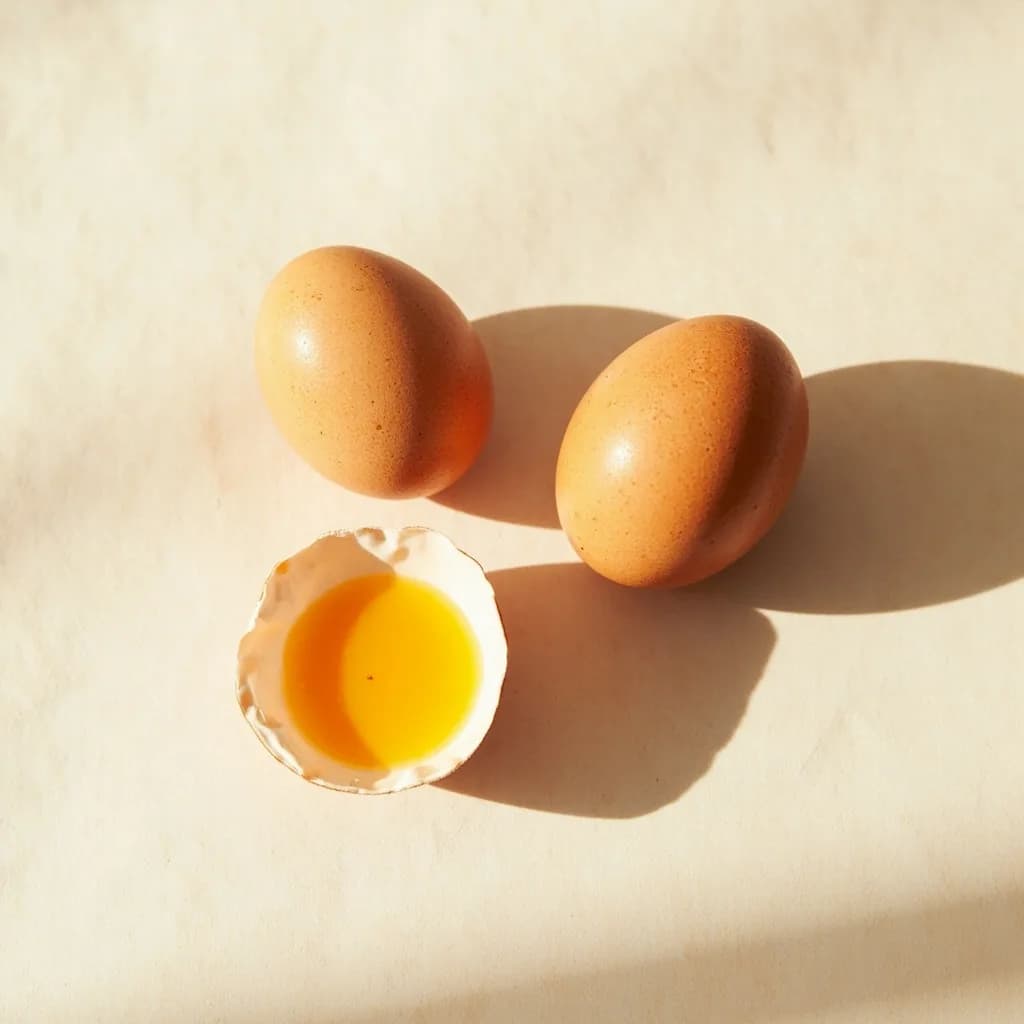
Egg
The kitchen's everything ingredient — bind, leaven, enrich, or fry
Chicken Breast
Lean, quick-cooking white meat for everyday dinners

Ground Beef
Versatile minced beef for burgers, ragù, tacos, and meatballs
Pork Loin
Lean, tender roasting cut that stays juicy with care
Salmon
Rich, rosy fish that roasts, grills, or cures beautifully

Egg White
Pure protein that whips to airy peaks for meringue and more
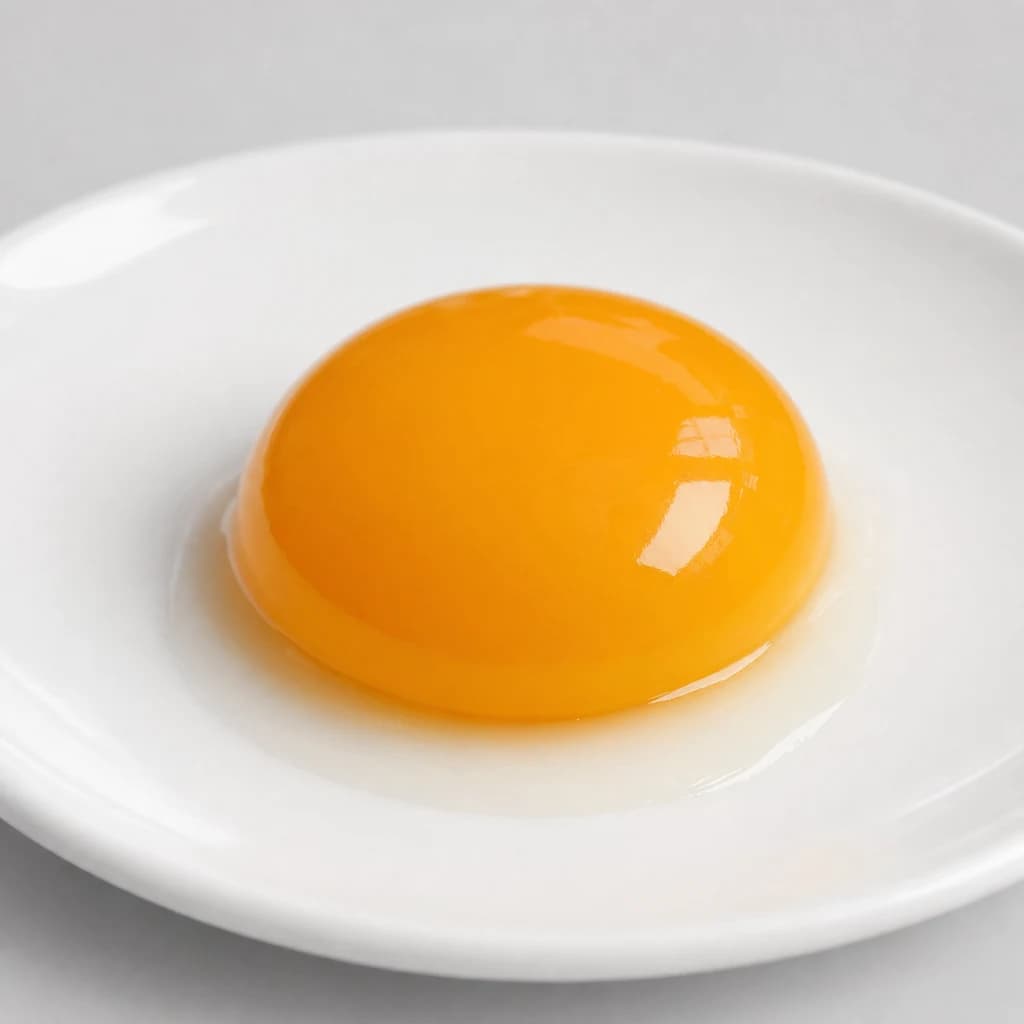
Egg Yolk
Rich, golden yolk for custards, mayonnaise, and pasta

Quail Egg
Tiny, speckled eggs for garnishing and elegant bites