Dairy & Eggs
Century Egg
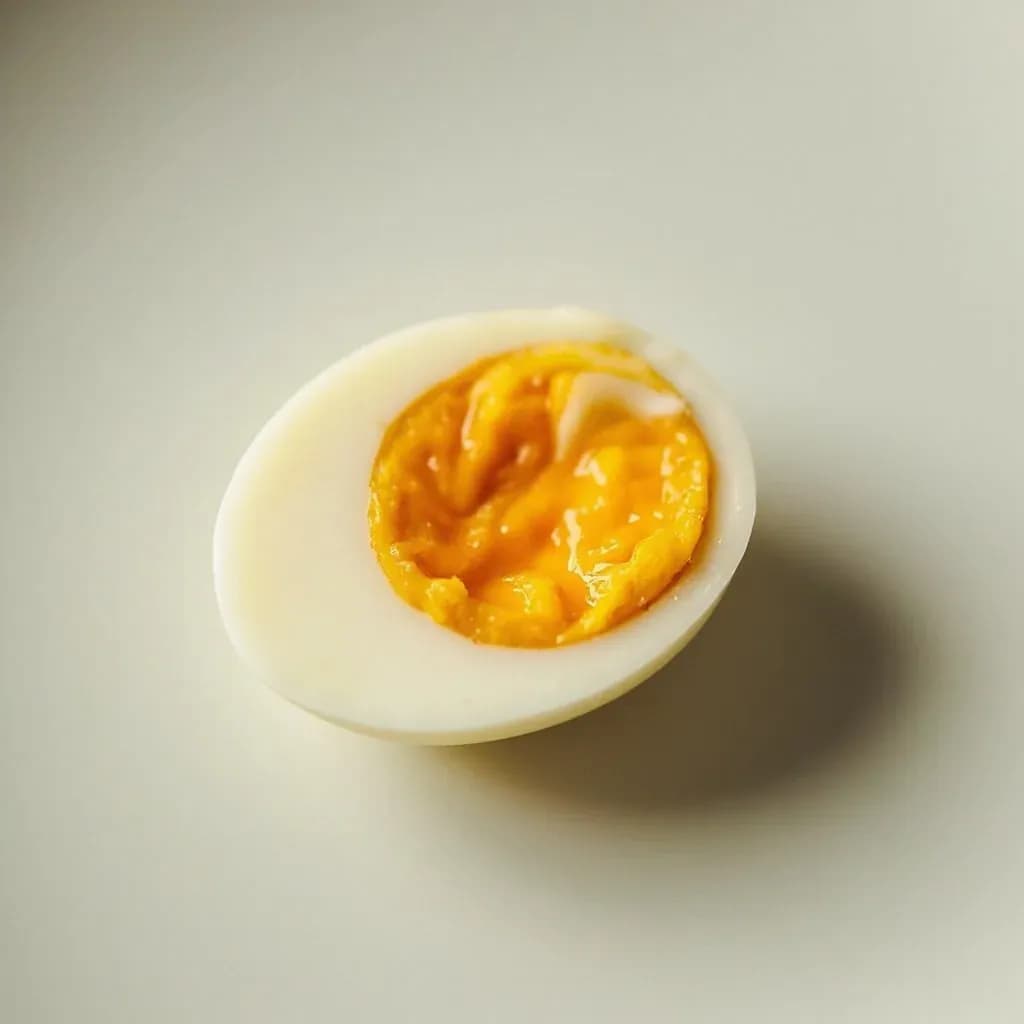
Preserved duck or chicken egg with translucent dark jelly white and creamy dark yolk, served in congee and salads.
Century egg (pidan) is a Chinese preserved egg cured for weeks in an alkaline mixture of clay, ash, salt, and lime. The process turns the white into a translucent amber-to-black jelly and the yolk into a creamy, dark green-grey center with a rich, savory, faintly sulfurous flavor. It is eaten sliced over congee, with pickled ginger, or in cold tofu dishes.
Century Egg is a preserved egg achieved through alkaline curing—a process that fundamentally transforms the chemistry and texture of duck, chicken, or quail eggs. The eggs are packed in a mixture of quicklime, sodium carbonate, and salt (or sometimes tea ash and rice hulls), where the high-alkaline environment (pH 9–12) denatures proteins and triggers sulfur-iron reactions within the yolk. The result is a striking visual transformation: the albumin becomes a translucent, jelly-like dark substance, while the yolk develops a creamy, dark green-gray center with a custard-like consistency. Far from spoiled, this is controlled enzymatic modification at work. The flavor profile is distinctive—umami-rich, faintly nutty, and earthy with subtle sulfidic notes that become milder when properly prepared. Century eggs have been produced in China since the Ming Dynasty (16th century), originating in Hunan province, and remain a cornerstone of dim sum, congee bowls, and cold appetizers across East and Southeast Asia. The pine-needle-like crystalline patterns sometimes visible on the shell interior are precipitated magnesium ammonium phosphate (struvite)—a reliable indicator of proper, gradual curing and quality.
- Measured in
- piece
- Storage
- Pantry
Allergens
Types & varieties
Premium grade; named for distinctive pine-needle-like magnesium ammonium phosphate crystals on the shell surface
Traditional and most common; larger, richer flavor from higher fat content
Smaller, milder; less traditional but more accessible
Miniature specialty; often served whole as garnish
Modern industrial method; eggs soaked in saline-alkaline solution rather than coated
Coated in a paste of quicklime, ash, and salt; longer aging, more complex flavor
The Chemistry of Transformation
The dramatic visual change in century eggs is pure chemistry. Alkaline curing raises the egg's pH from around 7 to 9–12, causing calcium hydroxide and sodium carbonate to penetrate the shell and alter the protein structure. Albumin proteins denature and reorganize into a translucent gel that lets light pass through, creating the characteristic 'jelly white' appearance. Within the yolk, sulfur compounds from degraded proteins combine with iron (present in egg whites) to form iron sulfide, producing the dark green-gray coloration. This is the same reaction that creates greenish-gray rings around hard-boiled egg yolks. The process also generates ammonia compounds, which contribute to the distinctive aroma. These chemical changes are intentional and safe—properly cured century eggs are not spoiled, merely profoundly transformed.
- Look for fern-like crystalline patterns on shell interior—this struvite indicates proper curing
- The dark yolk color comes from iron-sulfur reactions, not spoilage
- Higher pH extends shelf life by inhibiting microbial growth
Selecting Quality Century Eggs
Choose heavy eggs with clean, uncracked shells. When held up to light, quality eggs should show a clear demarcation between the translucent albumin and the darker yolk center. The pine-needle crystalline patterns (struvite) on premium grades like Songhua Dan indicate slow, controlled curing rather than rapid industrial processing. Avoid any eggs with bulging ends, off odors, or shell cracks—while the alkaline curing inhibits most pathogens, compromised shells can allow contamination. Some industrial producers add copper sulfate as a color fixative to achieve a deeper black appearance; this is safe but worth noting if you prefer minimal additives.
- Heavier eggs indicate better water retention and proper gel texture
- Clean shells without residue or cracks are essential
- Pine-needle crystal patterns signal premium slow-cured quality
Common uses
Tips & pitfalls
- Select eggs showing distinct crystalline patterns on shell; heavier eggs with clean shells indicate quality
- Rinse under cold water before peeling to remove alkaline coating and improve texture
- Bring to room temperature before serving; cold temperatures suppress aromatic compounds
- Blanch peeled eggs in boiling water for 30 seconds to mellow strong alkaline taste if desired
- Check ingredient labels for copper sulfate (some industrial processes use it as a color fixative)
- Avoid eggs with cracked shells, off odors, or excessively bulging ends
- If opening a package of individually wrapped eggs, consume all within 2 weeks for best quality
- To minimize sulfur smell, store away from other strong-smelling foods
- When slicing, use a knife dipped in water or lightly oiled to prevent sticking
Nutrition
Energy
598 kJ · per 100 g
Where the calories come from
Protein
12.6g
25% DV
Carbs
0.7g
0% DV
Fat
9.5g
12% DV
Fiber
0g
0% DV
Sugars
0.4g
of which
Sodium
142mg
6% DV
Source · USDA FoodData Central · approx. Egg, whole, raw, fresh
View on FDC →In the shops
Matched grocery products
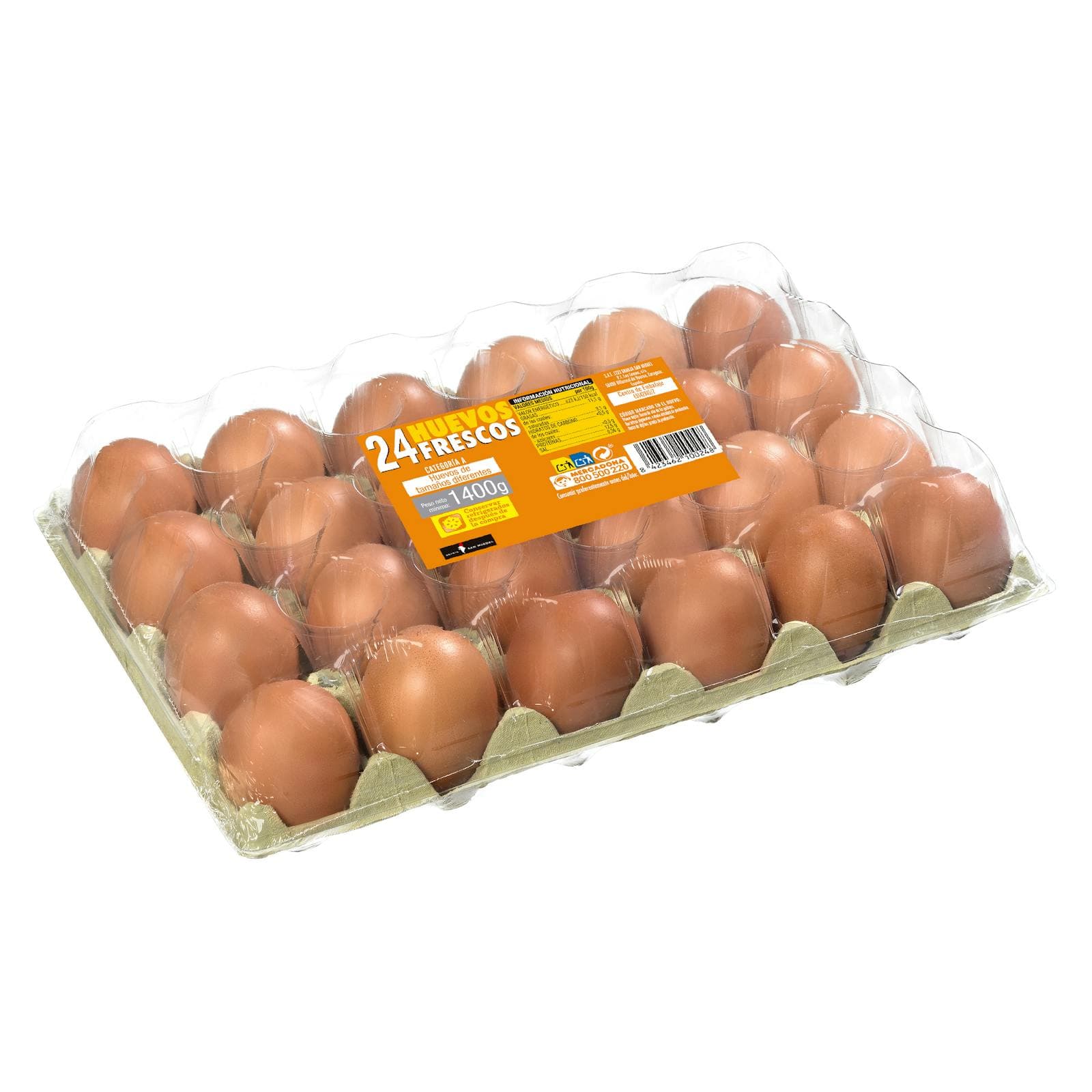 €5.60
€5.60Eggs
24 dz · Mercadona
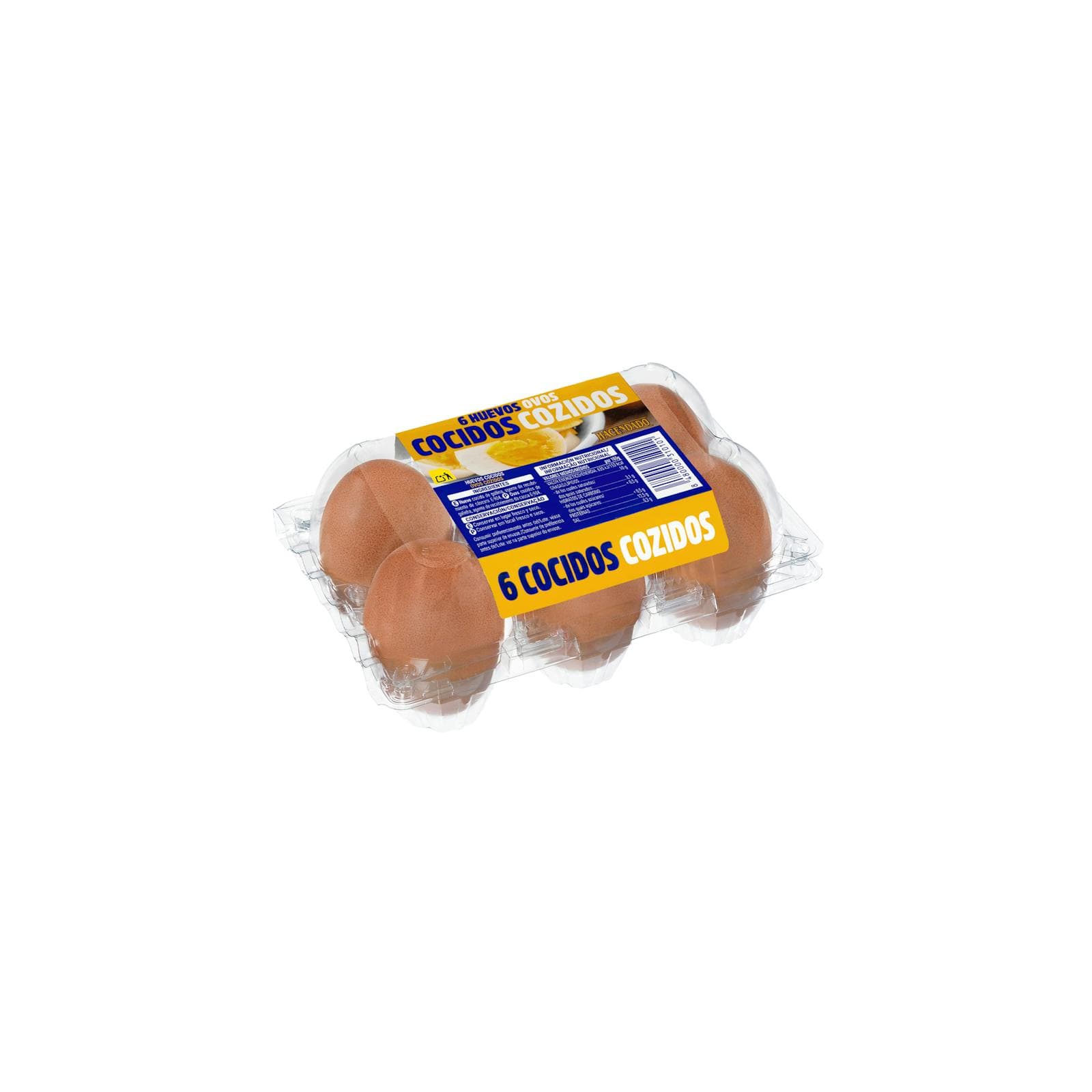 €2.20
€2.20Cooked Eggs
6 dc · Mercadona
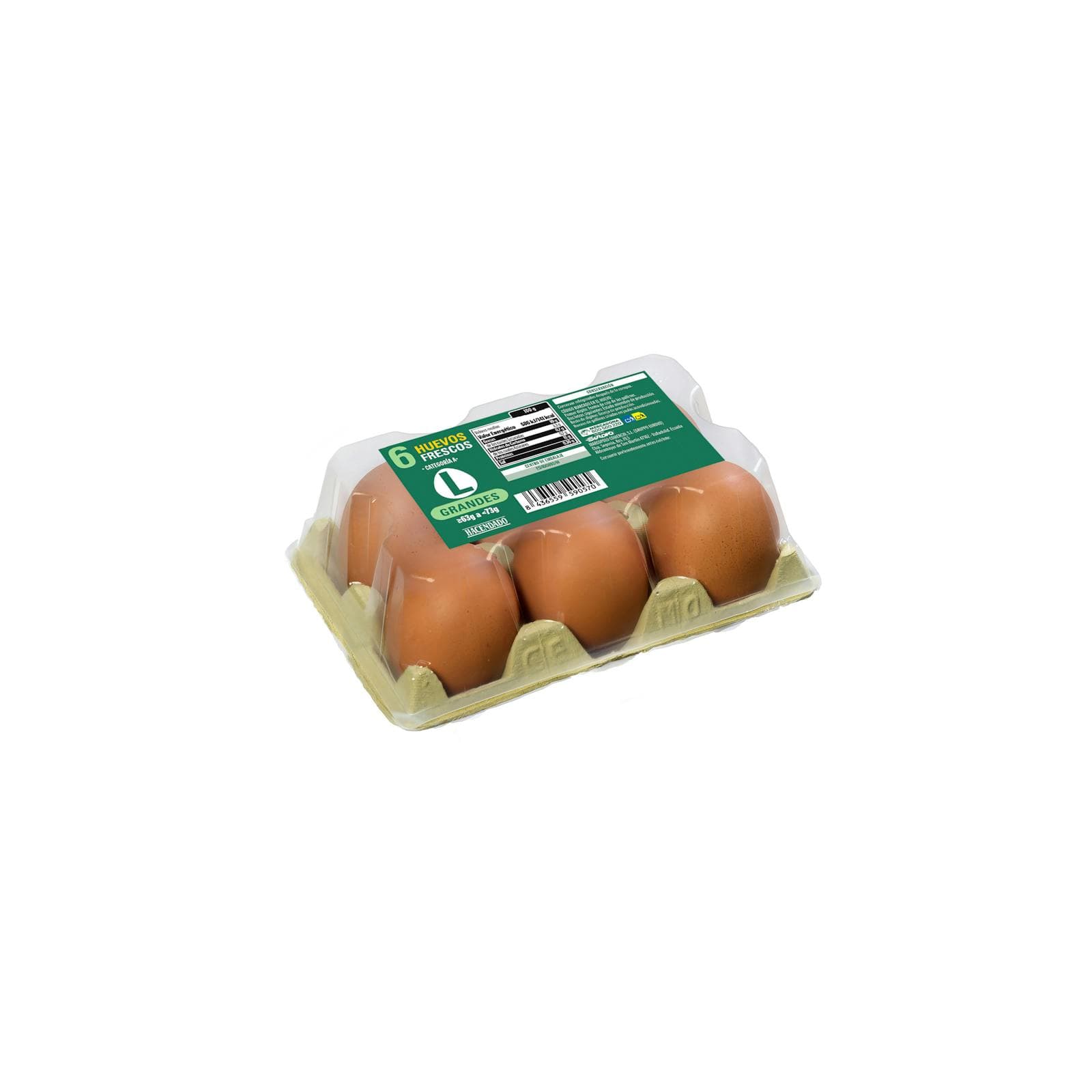 €1.80
€1.80Large Eggs
6 dc · Mercadona
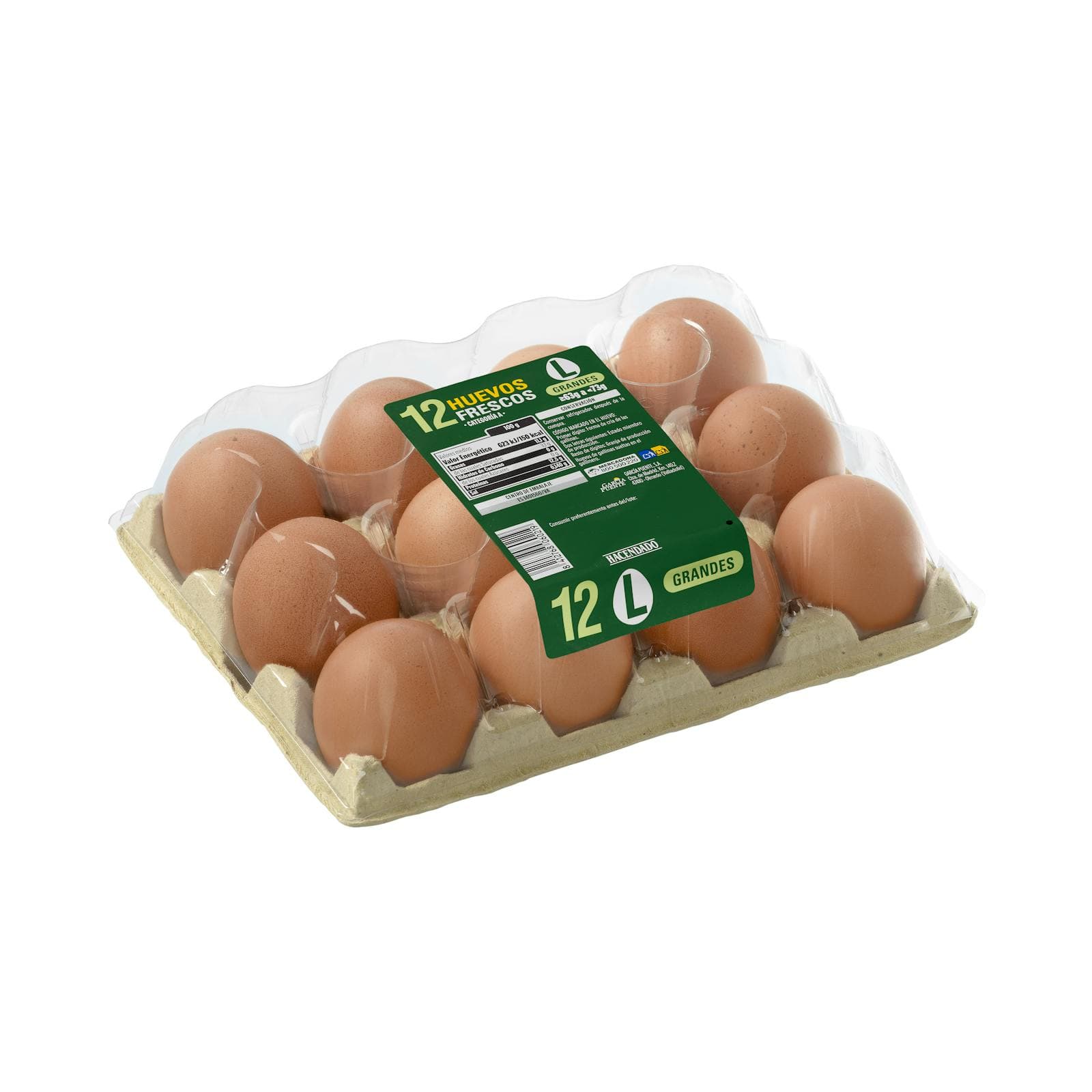 €3.20
€3.20Large Eggs
12 dc · Mercadona
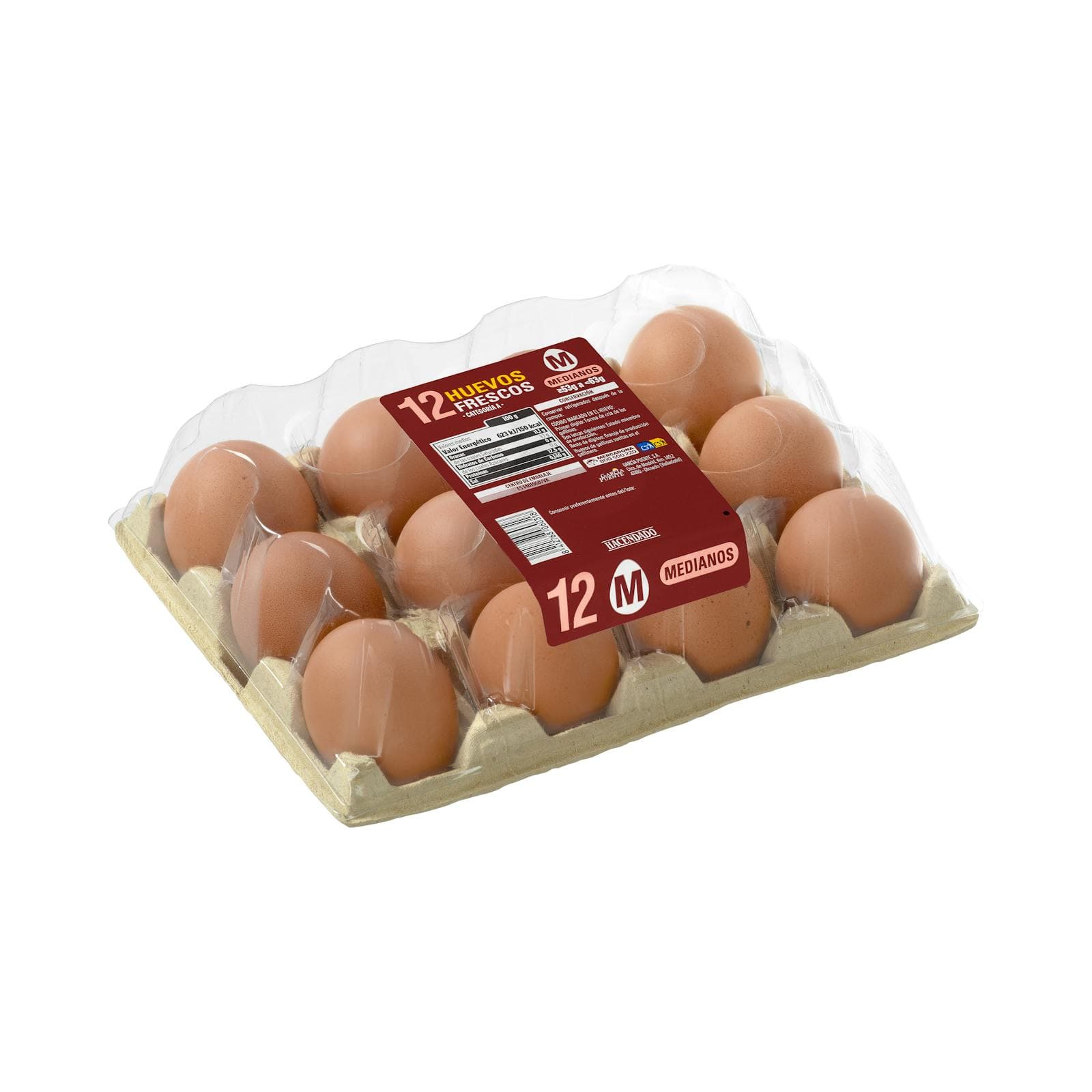 €3.00
€3.00Medium M Eggs
12 dc · Mercadona
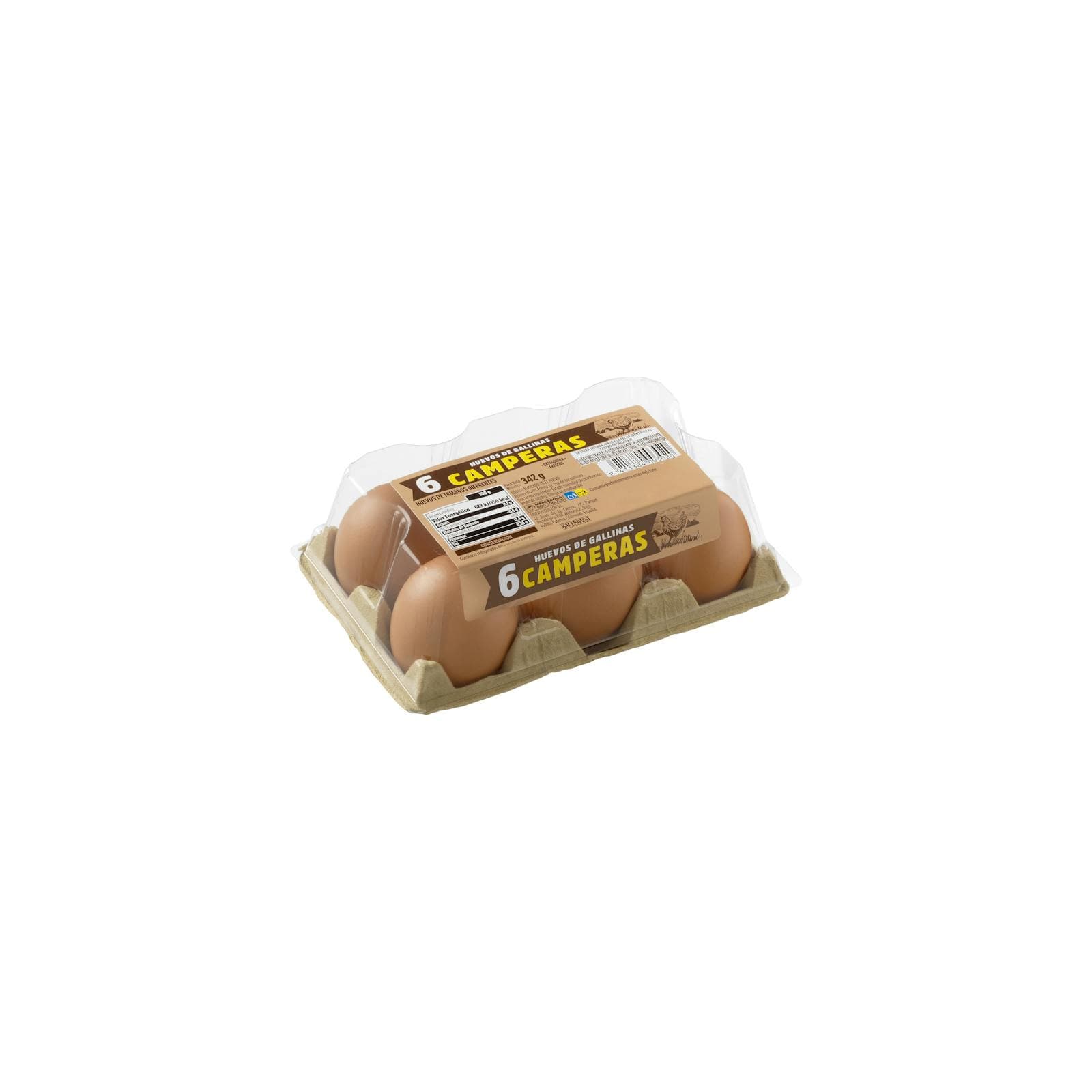 €2.10
€2.10Free-Range Eggs
6 dc · Mercadona
Good to know
- Also called
- Pidan (皮蛋), Songhuajiang (松花蛋), Thousand-Year Egg
- Origin
- China; Ming Dynasty, circa 16th century, Hunan province
- Primary egg type
- Duck egg (traditional); also chicken and quail
- Processing agents
- Quicklime (calcium oxide), sodium carbonate, salt, sometimes rice hulls or tea ash
- Key chemical change
- High pH (9–12) denatures proteins, producing translucent albumin and sulfur-iron reactions in yolk
- Processing time
- 2 weeks to 3 months (not 100 years)
- Shelf life (unopened)
- 6–12 months at room temperature or refrigerated
- Shelf life (opened/peeled)
- 1–2 weeks refrigerated
- pH
- 9–12 (strongly alkaline)
- Season
- Available year-round; peak production in winter for spring availability
Substitutes
- Tea Egg (茶叶蛋) — Marinated boiled egg with soy and tea; different flavor profile but similar savory egg garnish for congee or rice dishes
- Salt-cured Egg Yolk — Duck yolk cured in salt; provides rich, savory element but lacks the jelly texture and complex alkaline flavor
- Soft-poached Egg — Useful for texture contrast in congee or grain bowls; not a flavor substitute but workable for similar plating presentations
Pairs with
Also called
皮蛋 · Preserved Egg · Pidan · Thousand-Year Egg
Appears in these dishes
Related

Whole Milk
Rich, full-fat milk for drinking, coffee, sauces, and baking
Butter
Golden fat for searing, baking, and finishing a sauce
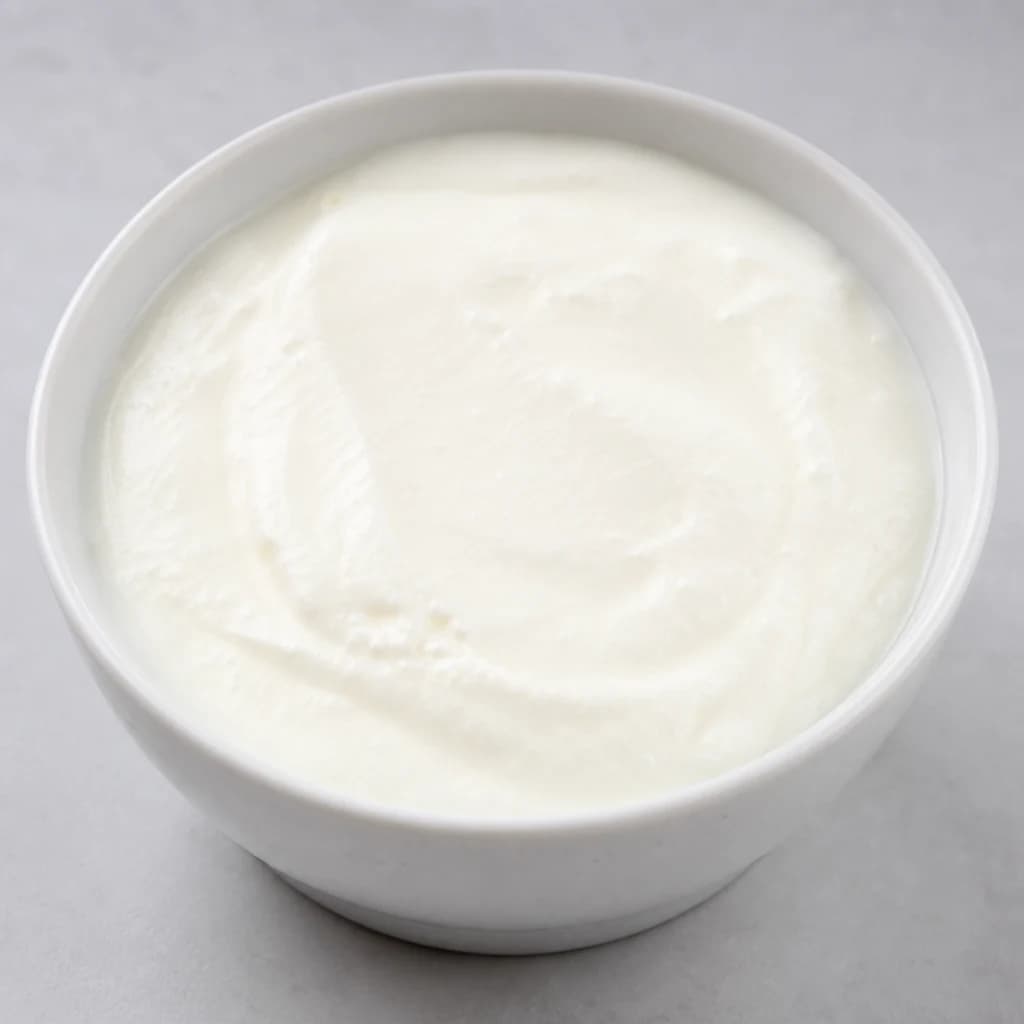
Yogurt
Tangy, creamy culture for breakfast, sauces, and marinades
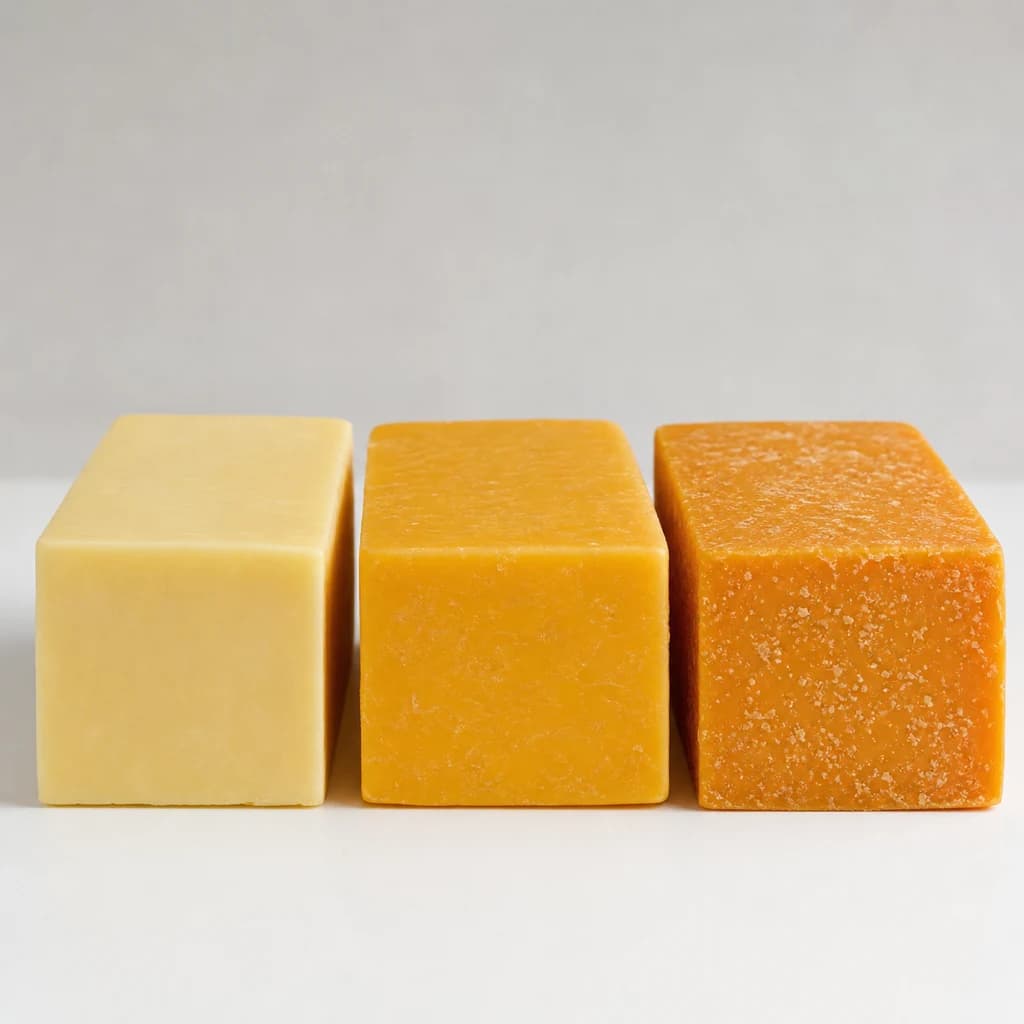
Cheddar Cheese
Sharp, melty cheese for sandwiches, gratins, and grating
Skim Milk
Fat-free milk for lighter drinking, coffee, and cooking
Heavy Cream
Rich cream that whips, enriches sauces, and sets ganache

Sour Cream
Tangy, thick cream for dolloping, baking, and dips
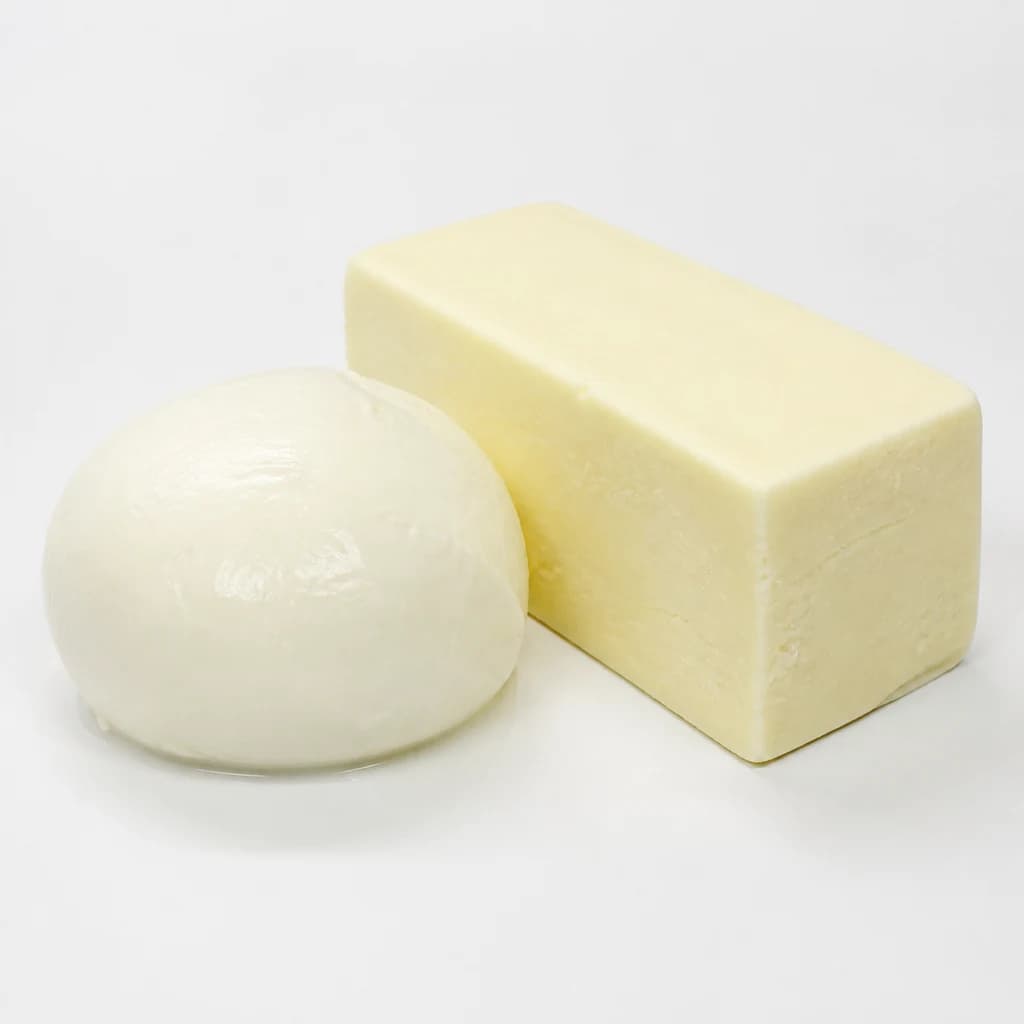
Mozzarella
Soft, milky cheese that melts into stretchy pizza pulls