
Natural form
Whole tea eggs with intact cracked shells showing the dark marbled exterior before peeling.
Shows the defining visual characteristic — the crackled, dark-stained shell — that makes tea eggs immediately recognizable before peeling.
Dairy & Eggs
Tea Egg (茶葉蛋)
Chinese marbled egg simmered in tea, soy sauce and spices for a savory, crackle-patterned snack.
A tea egg is a hard-boiled egg whose shell is gently cracked, then simmered in a brew of black tea, soy sauce, star anise and other spices. The cracks let the dark liquid seep in, leaving a marbled web pattern on the white once peeled. It is a popular street and home snack across China and Taiwan, eaten warm or cold.
Tea egg (茶葉蛋) is a Chinese hard-boiled egg that undergoes a slow braise in a fragrant liquid of black tea, soy sauce, and warm spices, emerging with a distinctive marbled pattern etched into the egg white. The technique dates back centuries and remains one of the most ubiquitous street foods across China, Taiwan, and Chinese-speaking communities worldwide — found at night markets, train stations, convenience stores, and temple grounds. The marbling is not merely decorative; it represents the controlled penetration of tea tannins and soy pigments through a cracked but intact shell, creating the signature dark veins that make each egg visually distinct. The result is a savory, deeply seasoned egg with a firm white that carries the subtle bitterness of tea, the umami depth of soy, and the warm floral notes of star anise and Sichuan peppercorns — a snack that improves with every hour it rests in its own braising liquid.
The science behind the marbled pattern is straightforward: cracking the shell creates pathways for the braising liquid to seep between the shell membrane and the egg white, carrying color and flavor compounds into the protein. Extended resting — ideally overnight — allows these compounds to bond with the egg white, producing the characteristic dark rings visible in cross-section. The shell stays on throughout cooking, protecting the delicate egg white from breaking apart while allowing controlled infusion. A properly made tea egg should have a jammy, fully cooked yolk with subtle spice flecks, a firm white with deep even marbling, and a flavor that is savory without being overwhelmingly salty. The braising liquid itself is reusable, improving with each batch as it concentrates with spices and tea.
Tea eggs occupy a unique position in Chinese food culture as both a humble street snack and a protein-rich component of more formal meals. They are sold piping hot from vendor carts in winter and served chilled from convenience store cases in summer, demonstrating remarkable versatility across seasons and contexts. The technique requires no special equipment and minimal active cooking time — anyone with a saucepan and basic pantry ingredients can produce restaurant-quality tea eggs at home. The key lies not in cooking skill but in patience: the marbling develops during the resting phase, and the difference between a lightly tinted egg and a dramatically veined one is simply a matter of time spent in the closed pot.
- Measured in
- piece
- Storage
- Fridge
Allergens
Types & varieties
Heavier hand with five-spice powder and star anise; sold at convenience stores as a ubiquitous snack alongside bubble tea and steamed buns
Uses oolong tea for a lighter, floral character; slightly lighter soy sauce proportion for a subtler finish
Traditional northern/western Chinese style; pu-erh lends earthy, fermented depth; often served in noodle soups as a hearty garnish
Distinctive for using a higher proportion of tea to soy sauce and including dried shrimp in the braising liquid for an umami boost
The marbling mechanism
The marbled pattern forms through a simple physical process. The cracked shell allows the braising liquid to seep between the shell membrane and the egg white, carrying tea tannins and soy pigments into the protein matrix. Extended resting at room temperature — not additional cooking — is what draws these compounds inward and allows them to bond with the egg white proteins, creating the characteristic dark veins and rings. The egg yolk remains lightly seasoned and pale; it is the white that carries the visual and flavor signature of the tea egg. Removing eggs from the liquid too early produces a faint amber tint rather than true marbling — patience during the resting phase is non-negotiable for results worth eating.
- Hairline cracks are preferable to deep fractures — a spiderweb pattern yields even marbling, while shattered shell pieces create uneven penetration
- The shell stays on during braising to protect the egg white from breaking apart while allowing controlled liquid entry
- Room temperature resting is essential; refrigeration during this phase slows flavor penetration and produces inferior results
Braising liquid fundamentals
The braising liquid is the soul of the tea egg and improves with reuse. A basic ratio of roughly 2 cups water to 1 tablespoon soy sauce to 1 tablespoon loose tea leaves provides a balanced starting point, but proportions can be adjusted freely to taste. Dark soy sauce adds depth and a richer mahogany color; light soy sauce contributes salt and umami without the color. The tea should be loose-leaf for best extraction — tea bags work but produce a milder result. Whole spices are simmered briefly to bloom their flavors before the eggs are added. After cooking, strain and refrigerate the liquid; it can be reused for 3–4 batches of eggs, growing more aromatic with each use.
- A teaspoon of dark soy sauce deepens the color significantly
- Add water as needed during extended simmering to keep eggs submerged — exposure to air causes uneven coloring
Common uses
Tips & pitfalls
- Crack the shells with the back of a spoon or by gently tapping on a hard surface — the goal is a spiderweb of hairline cracks, not shattered pieces; too few cracks produce a faint pattern, too many make the egg cook unevenly
- The shell stays on during braising; the cracks allow liquid penetration but protect the egg white from breaking apart
- Use a ratio of roughly 2 cups water to 1 tablespoon soy sauce to 1 tablespoon loose tea leaves for the braising liquid — adjust saltiness to taste
- Simmer for at least 30 minutes; then turn off the heat and let eggs rest in the liquid for a minimum of 4–6 hours, ideally overnight — this is what creates the deep, even marbling
- Reuse the braising liquid up to 3–4 times; it improves with each use as it concentrates with spices and tea
- For a deeper mahogany color, add a teaspoon of dark soy sauce to the liquid
- Do not refrigerate during the resting phase — room temperature resting in the closed pot draws the flavor inward; only refrigerate after the resting period if storing longer than 24 hours
- Slicing the egg in half reveals the most dramatic marbled pattern on the white — quartering is acceptable but halves show off the veining best
Nutrition
Energy
598 kJ · per 100 g
Where the calories come from
Protein
12.6g
25% DV
Carbs
0.7g
0% DV
Fat
9.5g
12% DV
Fiber
0g
0% DV
Sugars
0.4g
of which
Sodium
142mg
6% DV
Source · USDA FoodData Central · approx. Egg, whole, raw, fresh
View on FDC →In the shops
Matched grocery products
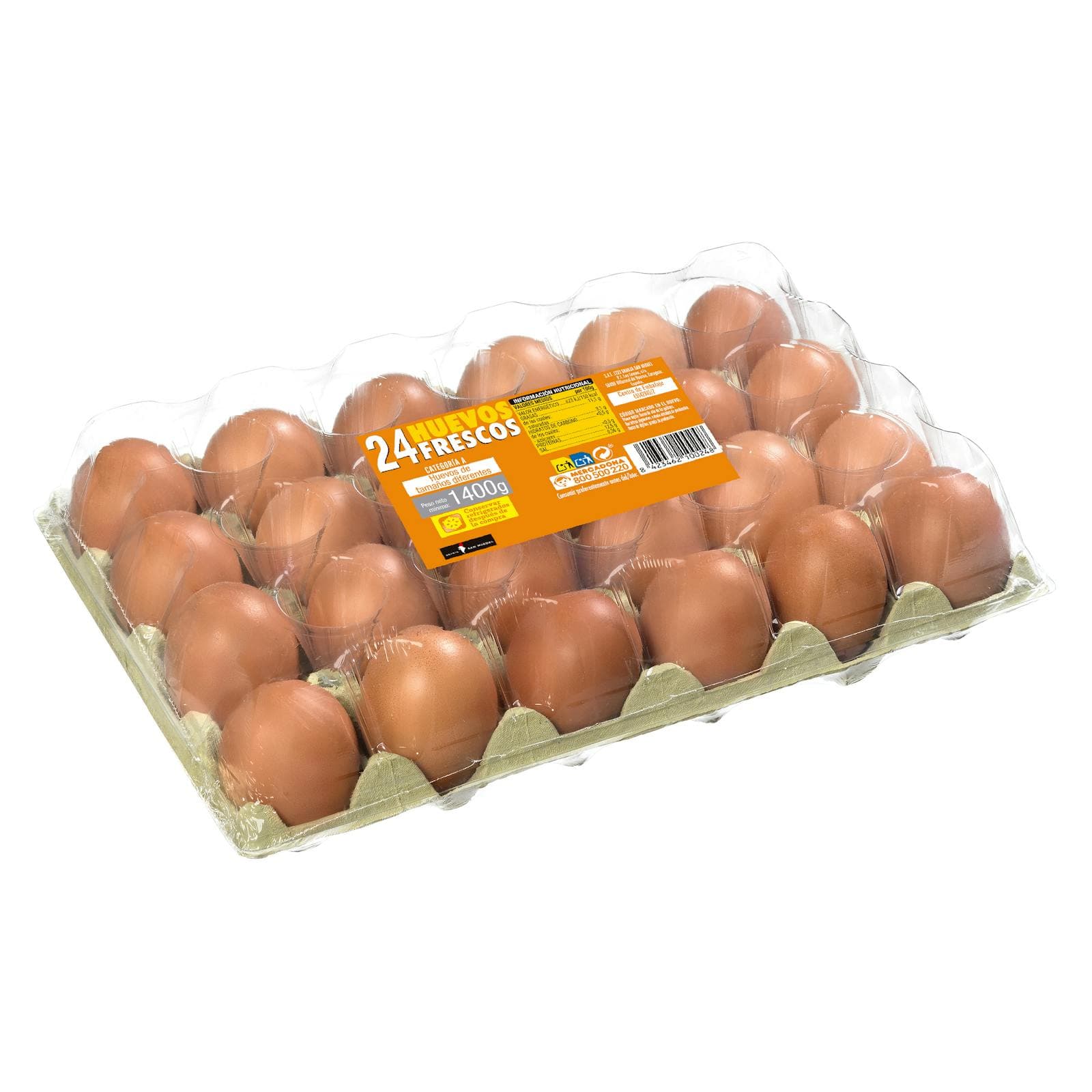 €5.60
€5.60Eggs
24 dz · Mercadona
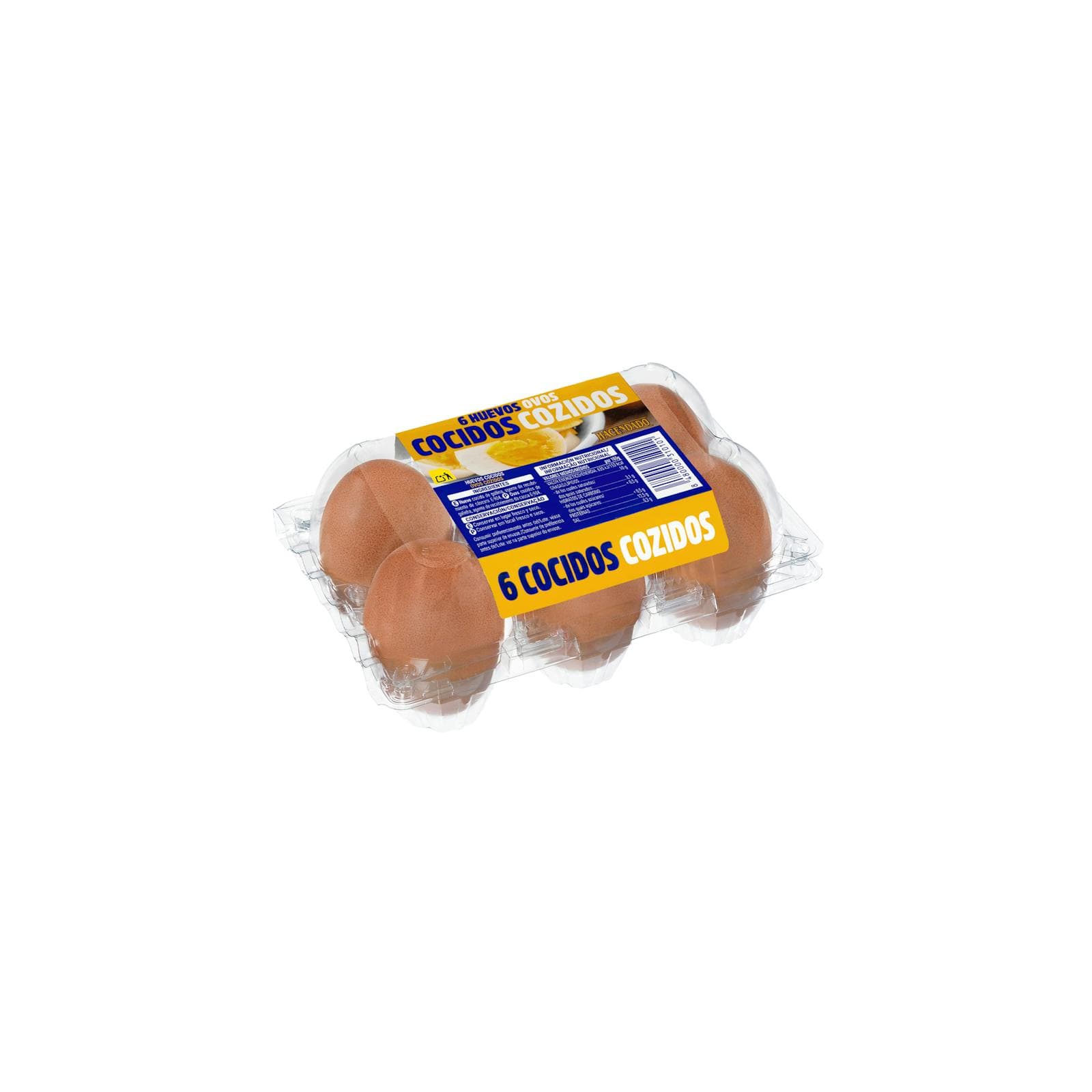 €2.20
€2.20Cooked Eggs
6 dc · Mercadona
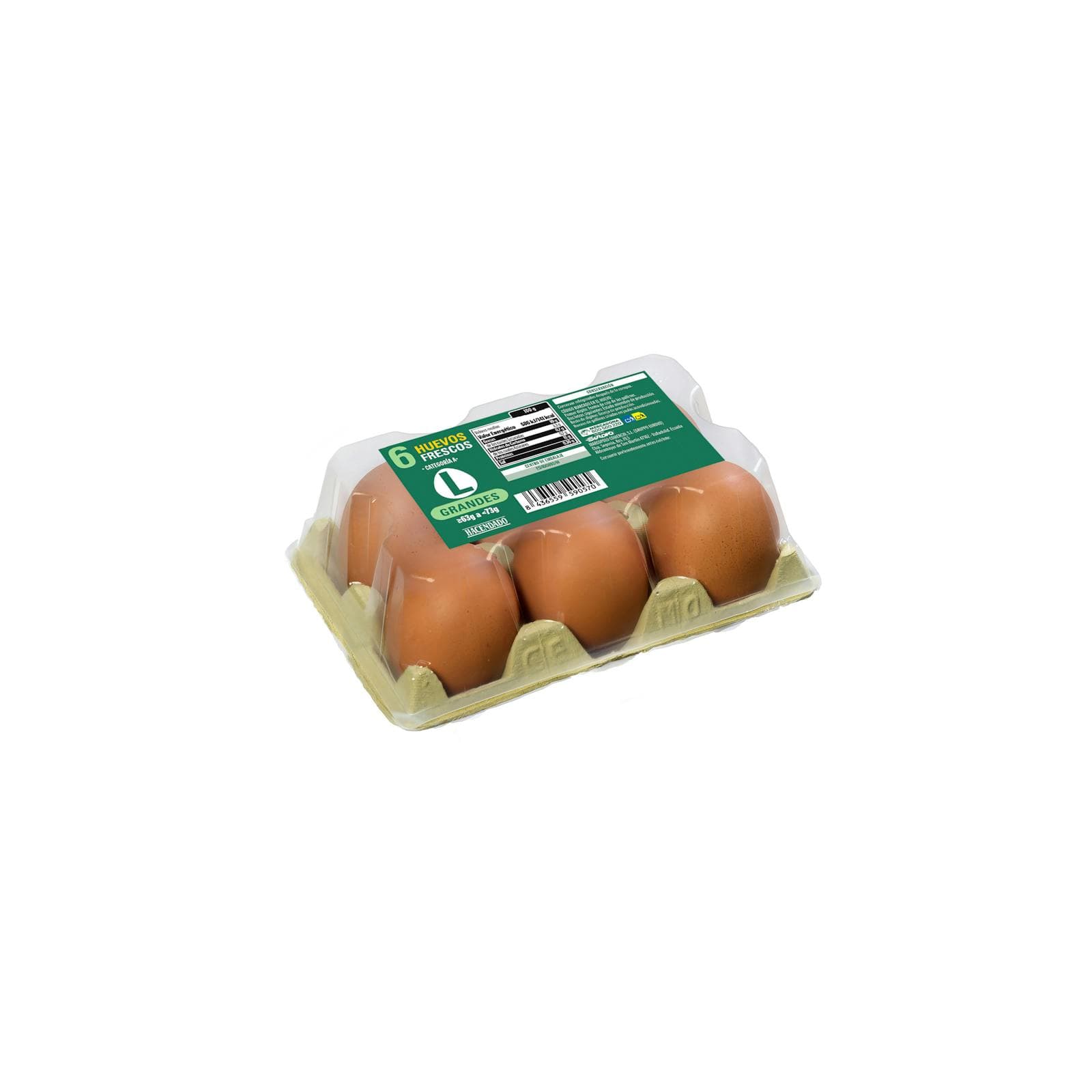 €1.80
€1.80Large Eggs
6 dc · Mercadona
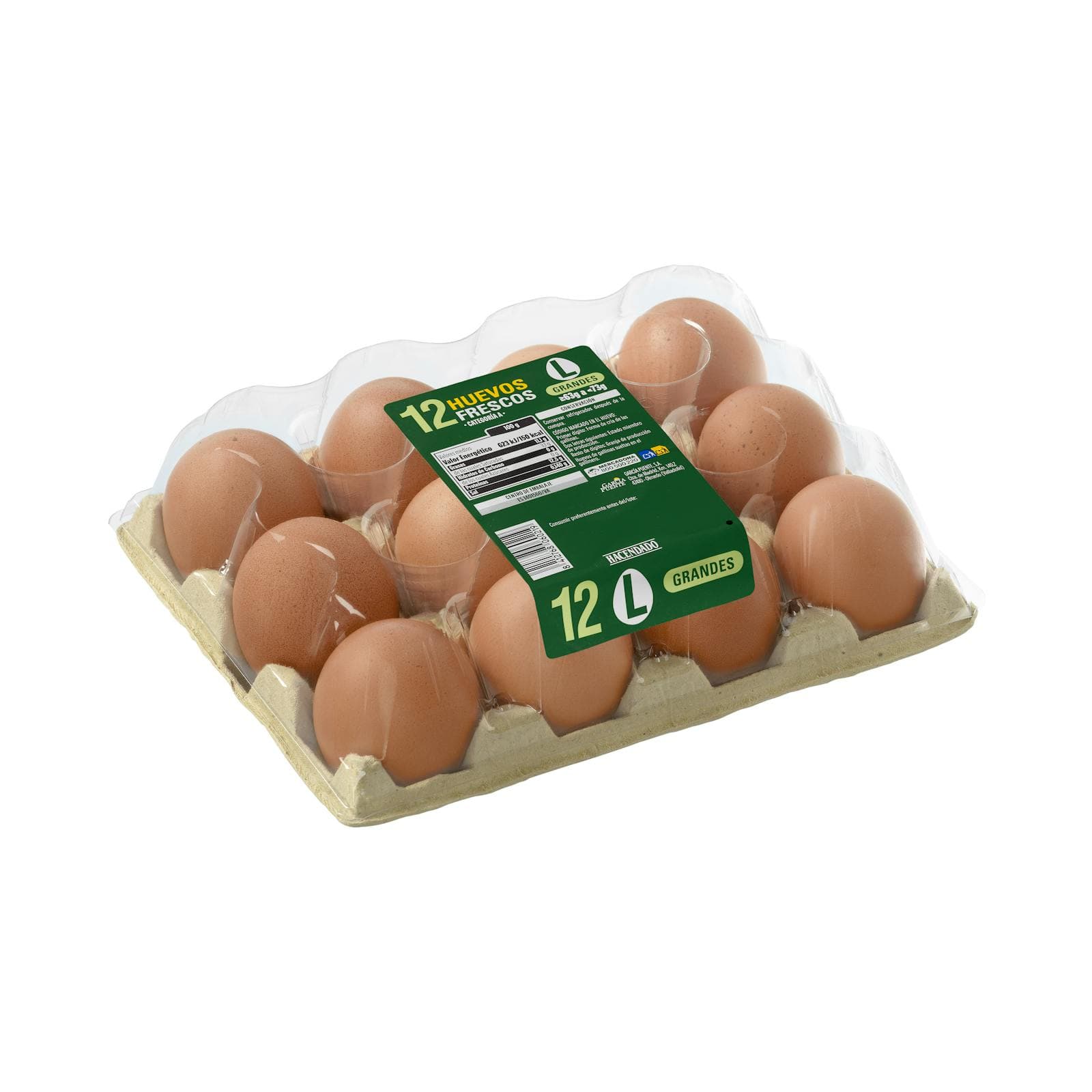 €3.20
€3.20Large Eggs
12 dc · Mercadona
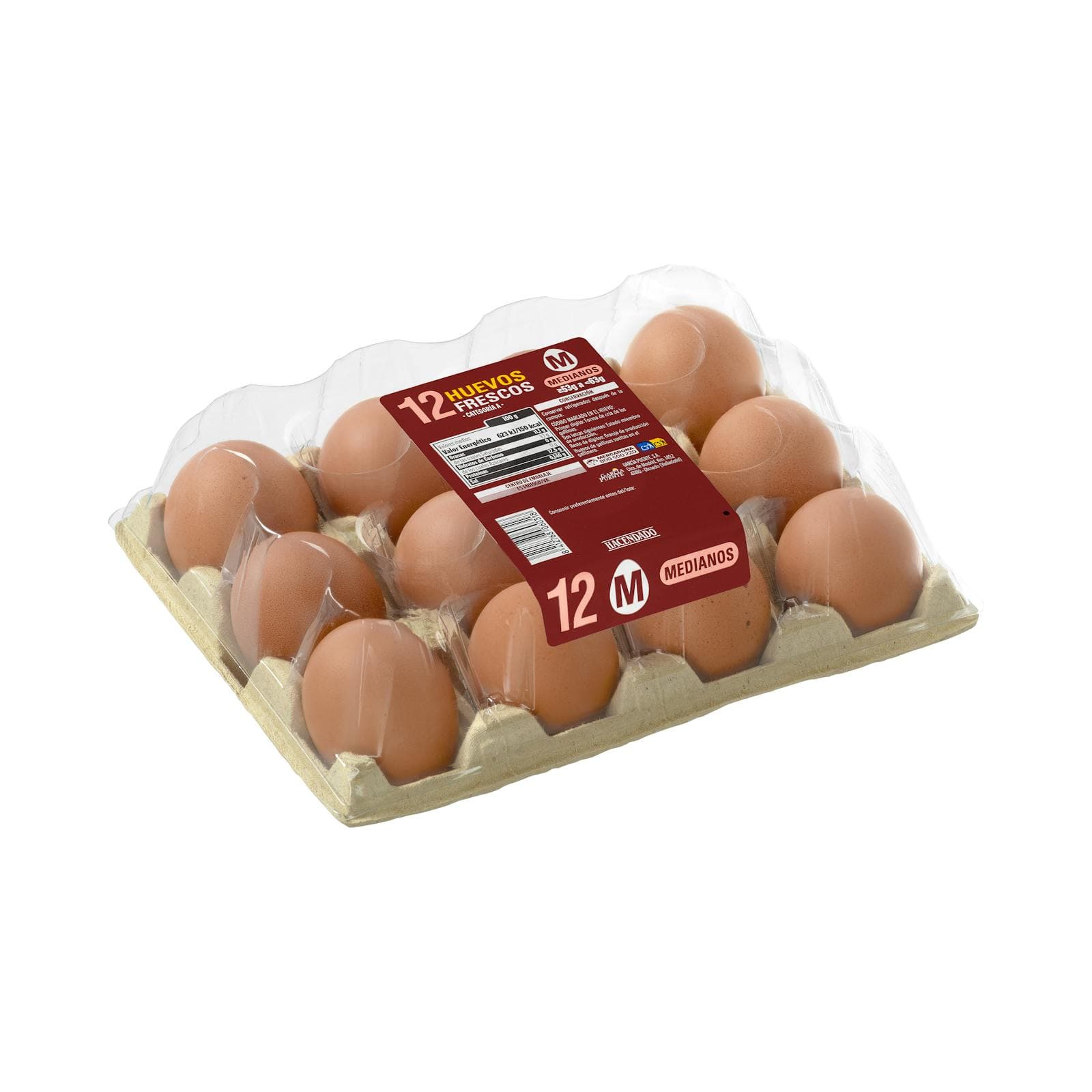 €3.00
€3.00Medium M Eggs
12 dc · Mercadona
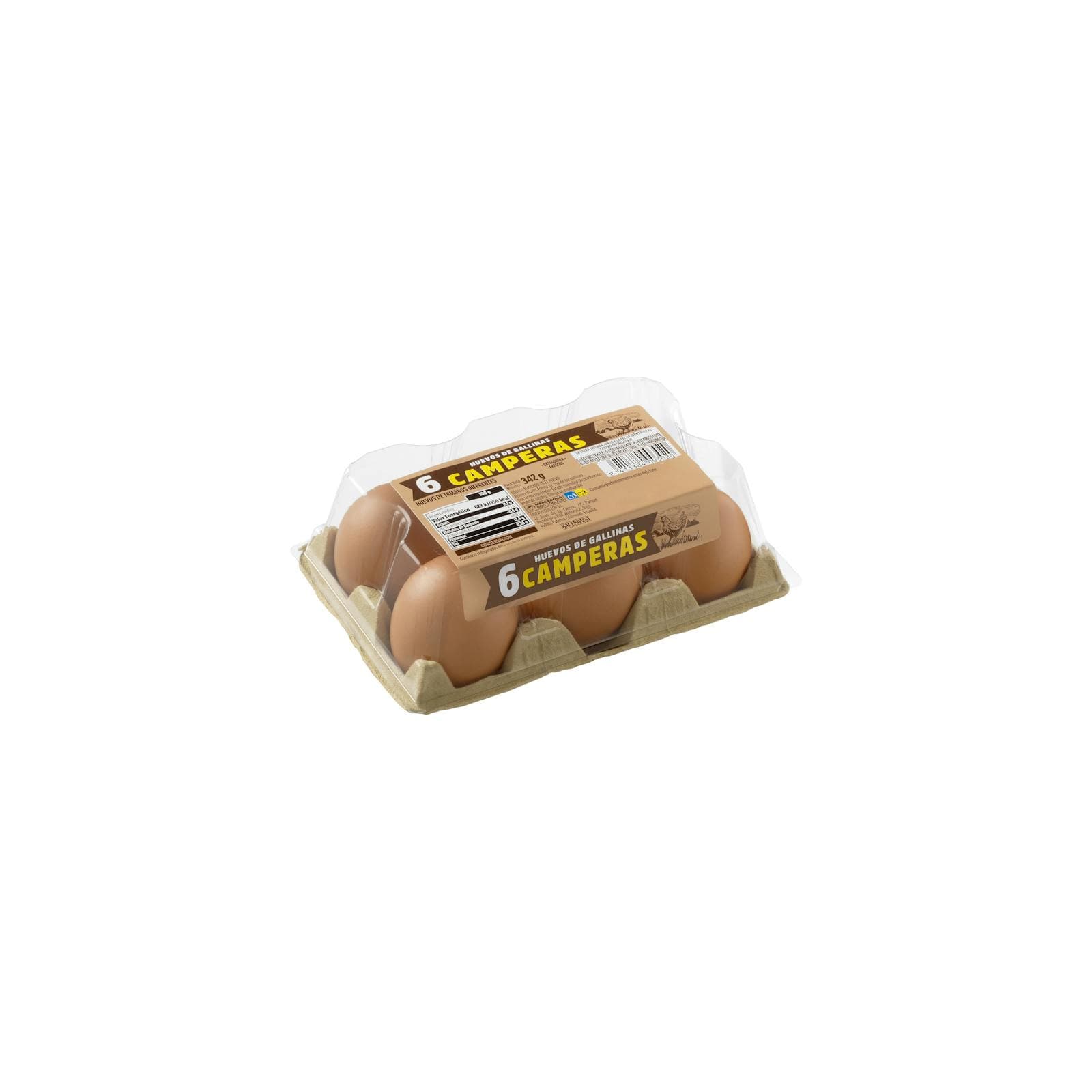 €2.10
€2.10Free-Range Eggs
6 dc · Mercadona
Good to know
- Origin
- China — widely consumed across mainland China, Taiwan, Hong Kong, and Chinese-speaking communities worldwide
- Type
- Seasoned hard-boiled egg, traditionally simmered in a spiced tea-soy braising liquid
- Flavor profile
- Savory, mildly salty, umami-rich with subtle tea bitterness and warm spice notes from star anise, cinnamon, Sichuan peppercorns, bay leaf, and fennel
- Shell pattern
- Marbled/crackle pattern created by cracking the eggshell before braising; pattern depth depends on crack density and marinating time
- Typical tea used
- Black tea (Lapsang Souchong) or pu-erh for robust flavor; oolong used in lighter Hong Kong-style versions
- Typical spices
- Star anise, cinnamon, Sichuan peppercorns, bay leaf, fennel seeds, cloves, dried orange peel
- Shelf life
- Up to 5 days refrigerated in braising liquid; flavor deepens significantly over 24–48 hours
- Difficulty
- Very easy — requires minimal active cooking time; success depends on resting duration rather than technique
- Equipment
- Saucepan or wok with tight-fitting lid; no special equipment needed
Substitutes
- Duck egg — Traditional and richer; increase simmering time by 5–8 minutes due to larger size and thicker shell; the marbling effect is equally striking and the yolk is creamier
- Quail egg — Bite-sized; reduce simmering to 15 minutes and rest time to 2–3 hours; peel carefully due to delicate shell; served whole for snacking and appetizers
Pairs with
Also called
Marbled Egg · Chinese Tea Egg
Related

Whole Milk
Rich, full-fat milk for drinking, coffee, sauces, and baking
Butter
Golden fat for searing, baking, and finishing a sauce
Yogurt
Tangy, creamy culture for breakfast, sauces, and marinades
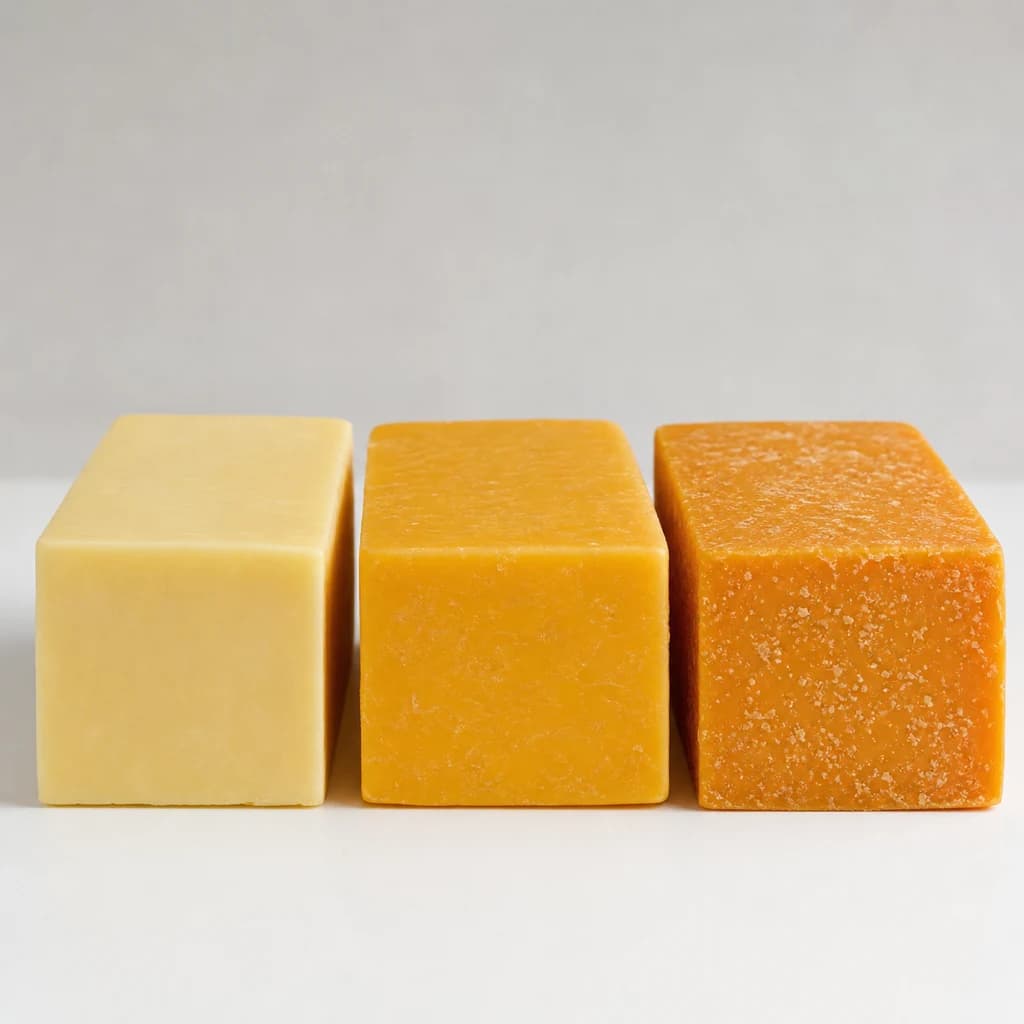
Cheddar Cheese
Sharp, melty cheese for sandwiches, gratins, and grating
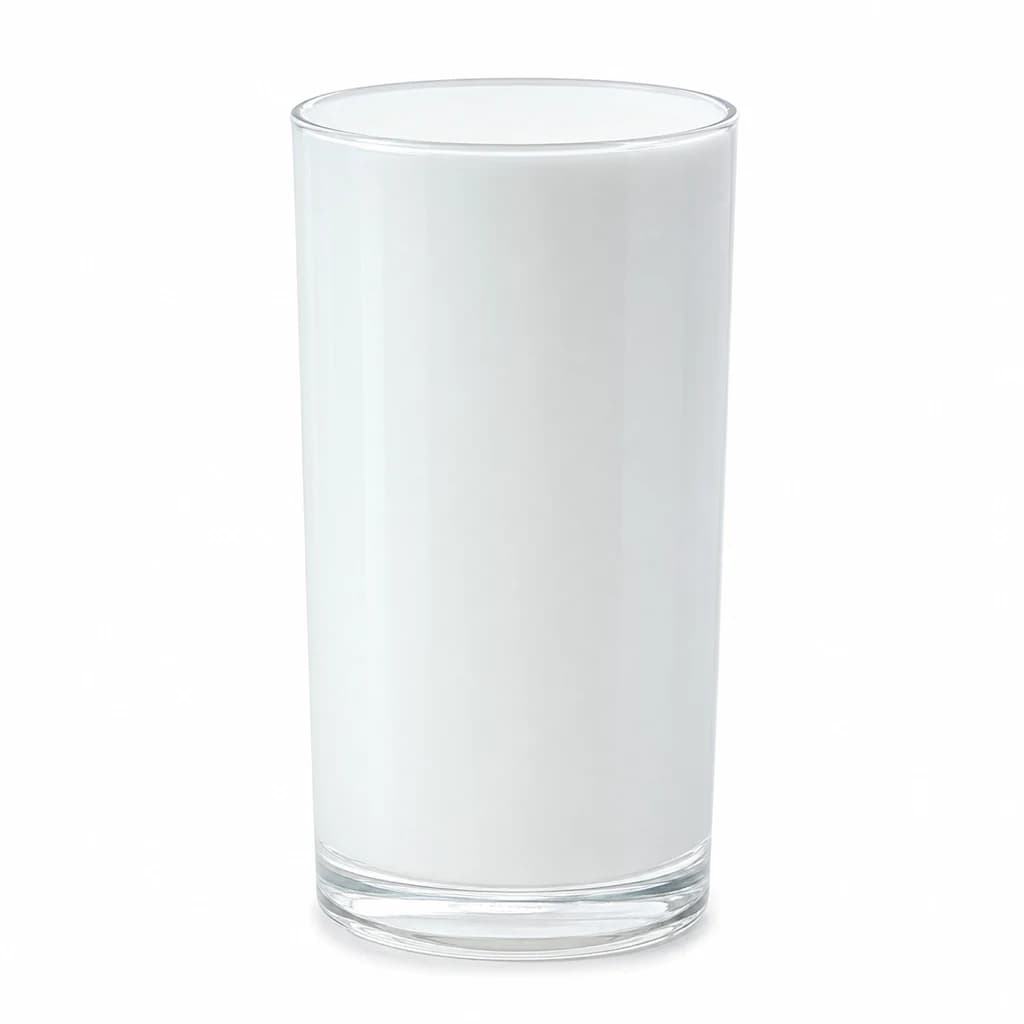
Skim Milk
Fat-free milk for lighter drinking, coffee, and cooking
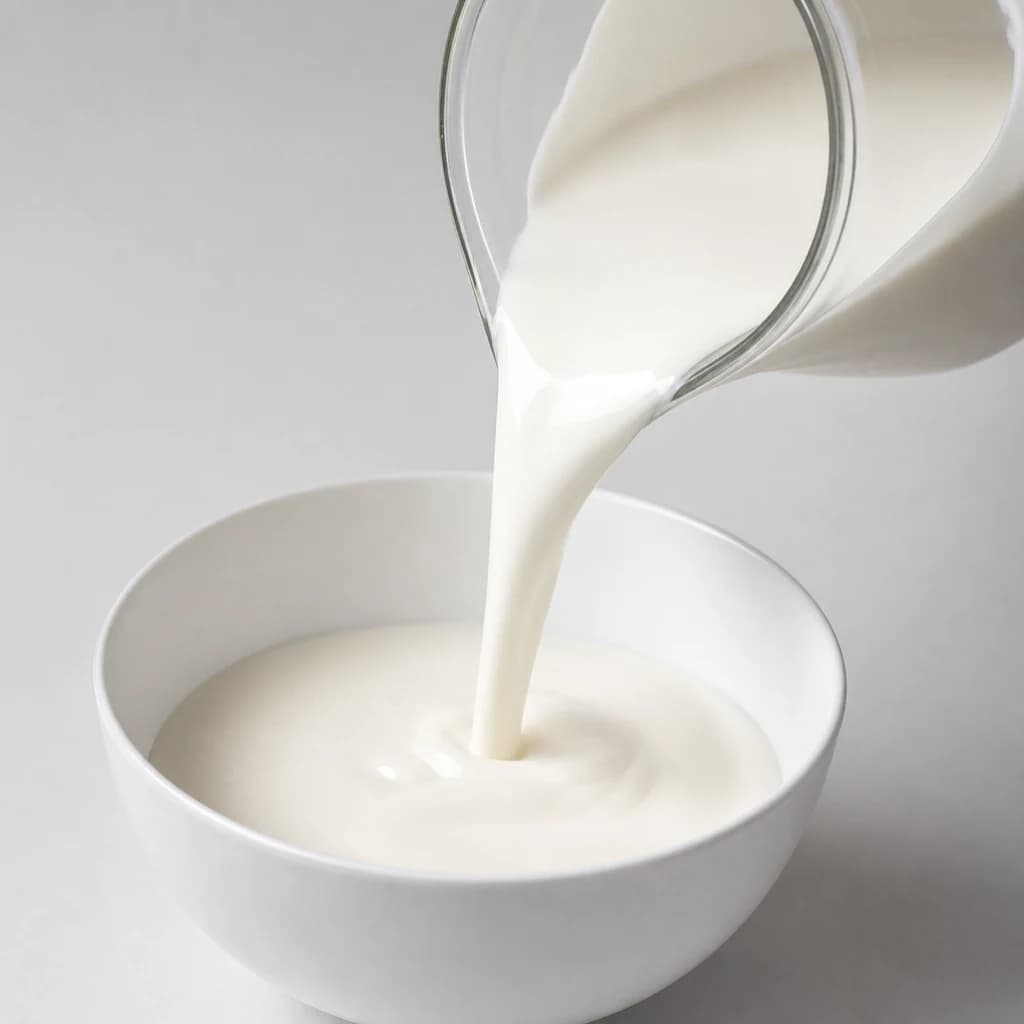
Heavy Cream
Rich cream that whips, enriches sauces, and sets ganache

Sour Cream
Tangy, thick cream for dolloping, baking, and dips
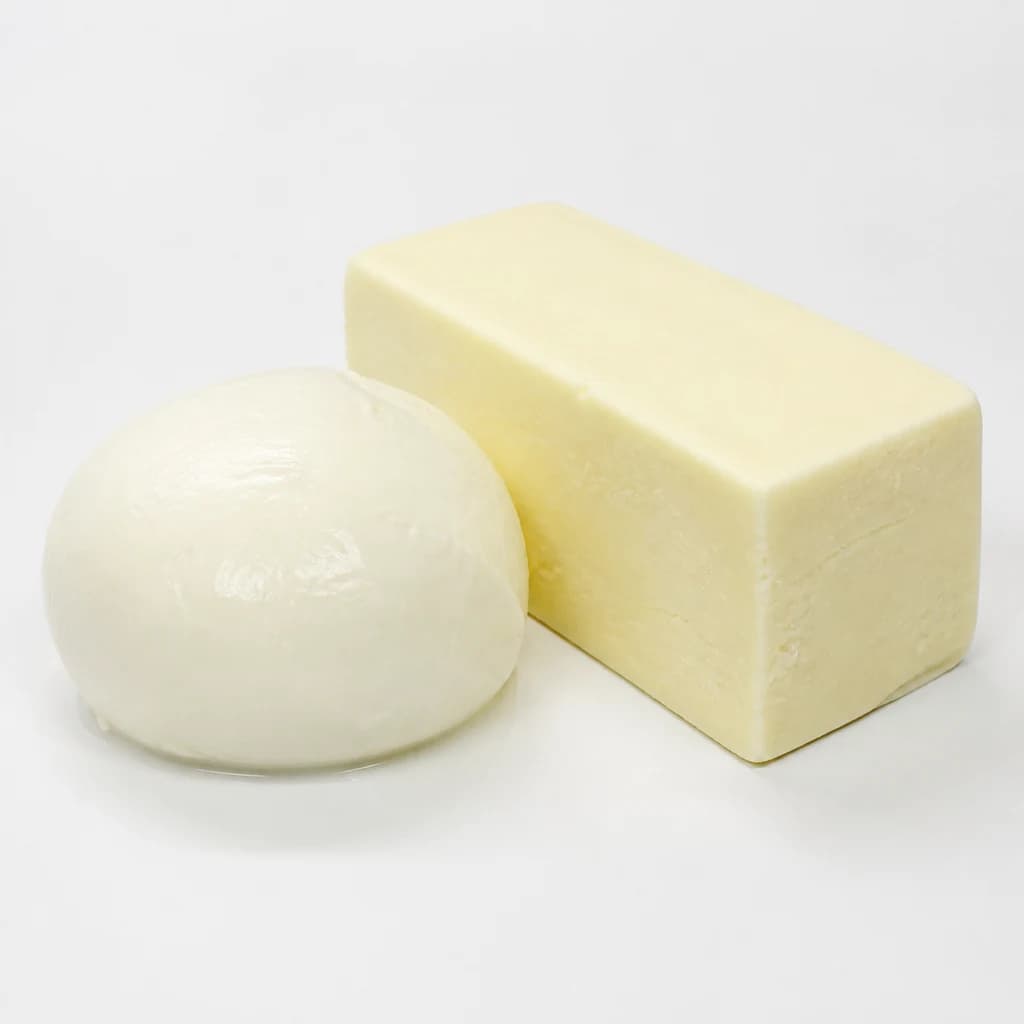
Mozzarella
Soft, milky cheese that melts into stretchy pizza pulls