Dairy & Eggs
Egg Substitute
Plant-based binder (aquafaba, flax or commercial powder) standing in for eggs. Works for binding and moisture in bakes; aquafaba whips to a meringue, but none fully replace eggs in custards.
An egg substitute is not a single ingredient but a category of plant-based and processed alternatives that stand in for chicken eggs wherever the cook needs binding, leavening, emulsification, moisture, foam, or color. The right choice depends entirely on which of those jobs the recipe actually demands: a flax egg binds but does not lift, vinegar and baking soda lift but do not bind, and only aquafaba whips into a stable foam that genuinely mimics egg white. Learning to think in terms of function — rather than blindly reaching for "one egg replacement" — is the single most useful skill for working with this category.
The ingredients that work as egg substitutes range from kitchen-pantry improvisations (mashed banana, applesauce, silken tofu) to purpose-built commercial powders and liquid products engineered for vegan baking. Aquafaba — the viscous liquid drained from canned or cooked chickpeas — deserves special mention: it is the only plant ingredient that replicates egg-white behavior with real reliability, whipping to stiff peaks and holding structure in meringues, marshmallows, and even mayonnaise. For everything from cookies to lentil loaf, the modern cook has dependable options, though no substitute replicates the full package of a real egg. Custards, hollandaise, classic French macarons, and traditional soufflés remain difficult or impossible to veganize without specialized technique.
In everyday baking — cookies, muffins, quick breads, pancakes, brownies — the translation is usually clean. Flavor differences are subtle and texture stays tender as long as liquids and leaveners are adjusted to match the substitute being used. The breakdown points and the behavior of each alternative in a hot oven or stand mixer are covered in the sections below.
- Measured in
- g
- Storage
- Pantry
Find it in
Suits
Types & varieties
Brine from canned or cooked chickpeas (other beans work but whip less reliably). The only substitute that genuinely mimics egg-white foam, holding stiff peaks with cream of tartar.
1 Tbsp ground flaxseed + 3 Tbsp water. Vegan, neutral-to-nutty flavor. Binder only — no leavening or whipping.
1 Tbsp ground chia + 3 Tbsp water. Slightly grainier than flax; same binding function.
¼ cup ripe purée. Adds sweetness, banana flavor, and moisture; best in muffins, quick breads, and pancakes.
¼ cup unsweetened. Adds moisture and mild sweetness; can weigh down delicate cakes.
¼ cup (≈60 g) blended until smooth. Neutral flavor, contributes protein structure; works in dense cakes, brownies, and quiches when paired with starch.
Soy or coconut yogurt. Adds moisture and tang; good in cakes and quick breads.
1 tsp of each per egg. Pure leavening reaction; no binding power, so pair with another binder.
Starch + water. Light binding and a glossy finish; suited to puddings and pie fillings.
Brands such as Ener-G, Bob's Red Mill, Orgran, and King Arthur. Typically potato starch, tapioca starch, and a leavener; neutral and reliable.
JUST Egg (mung bean protein), Follow Your Heart VeganEgg (chickpea flour), and Vegg. Closest behavior to real scrambled eggs and omelets.
Psyllium husk powder + water. Strong gel prized in keto and gluten-free baking for chew and structure.
Matching substitute to function
The fastest way to ruin a vegan bake is to pick a substitute by name rather than by job. Every egg in a recipe is doing at least one of seven things, and the substitute has to cover the same function or the result collapses, sinks, or tastes wrong. Use the list below as a quick reference before you reach for the flax jar.
- Binding (cookies, burgers, loaves): flax egg, chia egg, silken tofu, commercial powder, psyllium.
- Leavening (cakes, cupcakes, pancakes): vinegar + baking soda, aquafaba foam, or any commercial powder that contains a leavener.
- Moisture and tenderness (brownies, dense bars, quick breads): mashed banana, applesauce, plant yogurt, silken tofu.
- Foaming (meringues, marshmallows, mousse, mayo): aquafaba only — nothing else in this category whips reliably.
- Browning and color: brush the surface with plant milk, maple syrup, or aquafaba before baking; no substitute browns like an egg wash.
- Emulsification (mayo, hollandaise): aquafaba, or use a commercial liquid replacer with mustard; custards and true hollandaise are not reliably replicated.
Common uses
Tips & pitfalls
- Match the substitute to the function the egg is performing — binding, leavening, whipping, or moisture — rather than assuming all substitutes are interchangeable.
- Rest flax and chia mixtures at least 5 minutes so the soluble fiber gels; adding them straight to batter yields a slack, under-bound result.
- Banana and applesauce carry fruit flavor — never use them in neutral or savory recipes like sugar cookies, shortbread, or veggie burgers, where they will read as fruit.
- Silken tofu must be blended completely smooth or you'll see white flecks in the finished bake; a few seconds under the immersion blender is usually enough.
- Vinegar + baking soda gives lift but no binding — always pair it with another binder (a tablespoon of flour, a flax egg, or a commercial powder) in cookies and cakes.
- Reduce other liquid by 1–2 Tbsp per egg replaced when using banana, applesauce, or yogurt, since these substitutes add significant moisture.
- Commercial powders contain leaveners; if a recipe already uses a lot of baking powder, taste for metallic or soapy notes and reduce to avoid a chemical aftertaste.
- Aquafaba meringues bake at a slightly lower temperature (200–225°F / 95–110°C) and dry slowly — high heat causes them to weep and collapse like under-set egg whites.
Nutrition
Energy
1858 kJ · per 100 g
Where the calories come from
Protein
55.5g
111% DV
Carbs
21.8g
8% DV
Fat
13g
17% DV
Fiber
0g
0% DV
Sugars
21.8g
of which
Sodium
800mg
35% DV
Source · USDA FoodData Central · Egg substitute, powder
View on FDC →In the shops
Matched grocery products
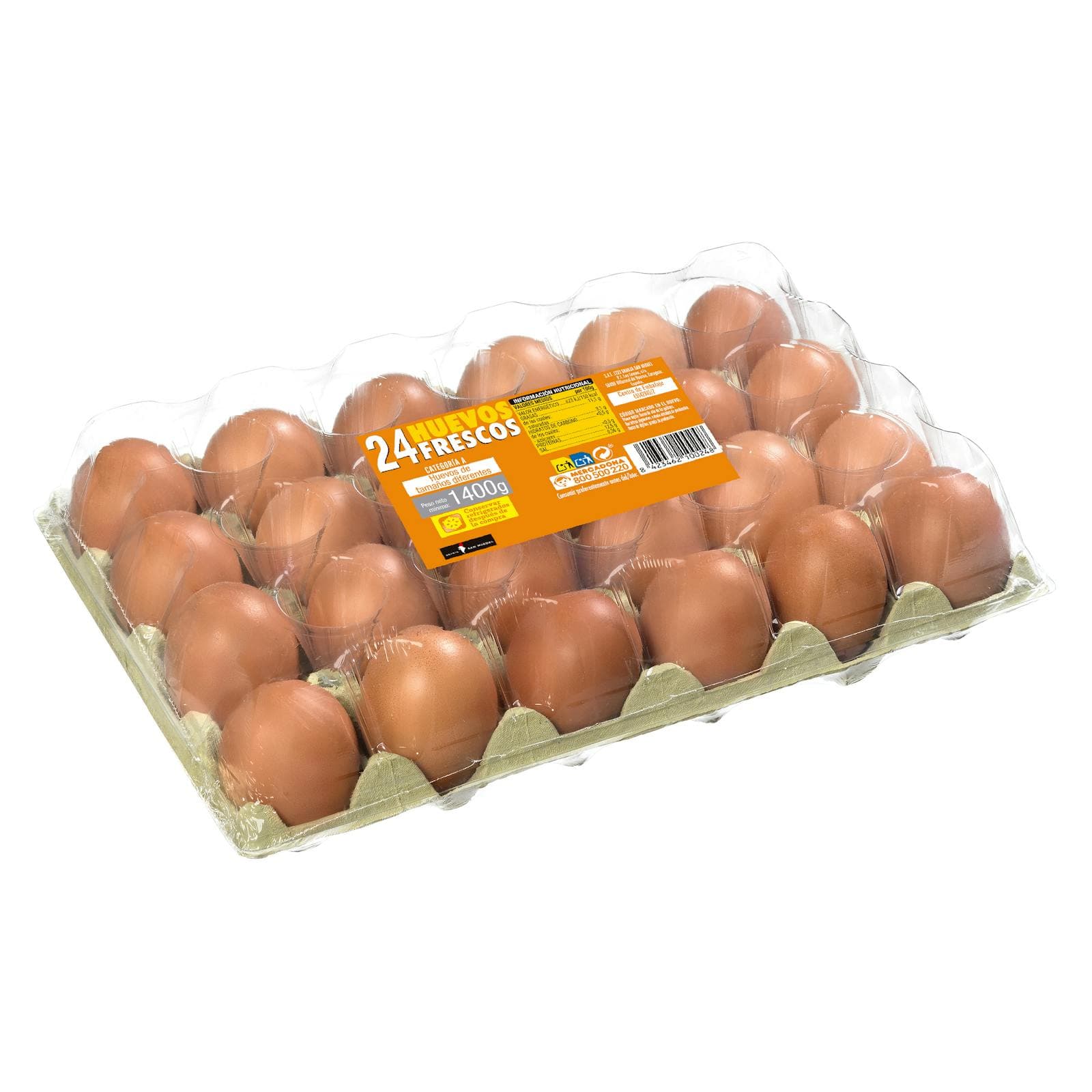 €5.60
€5.60Eggs
24 dz · Mercadona
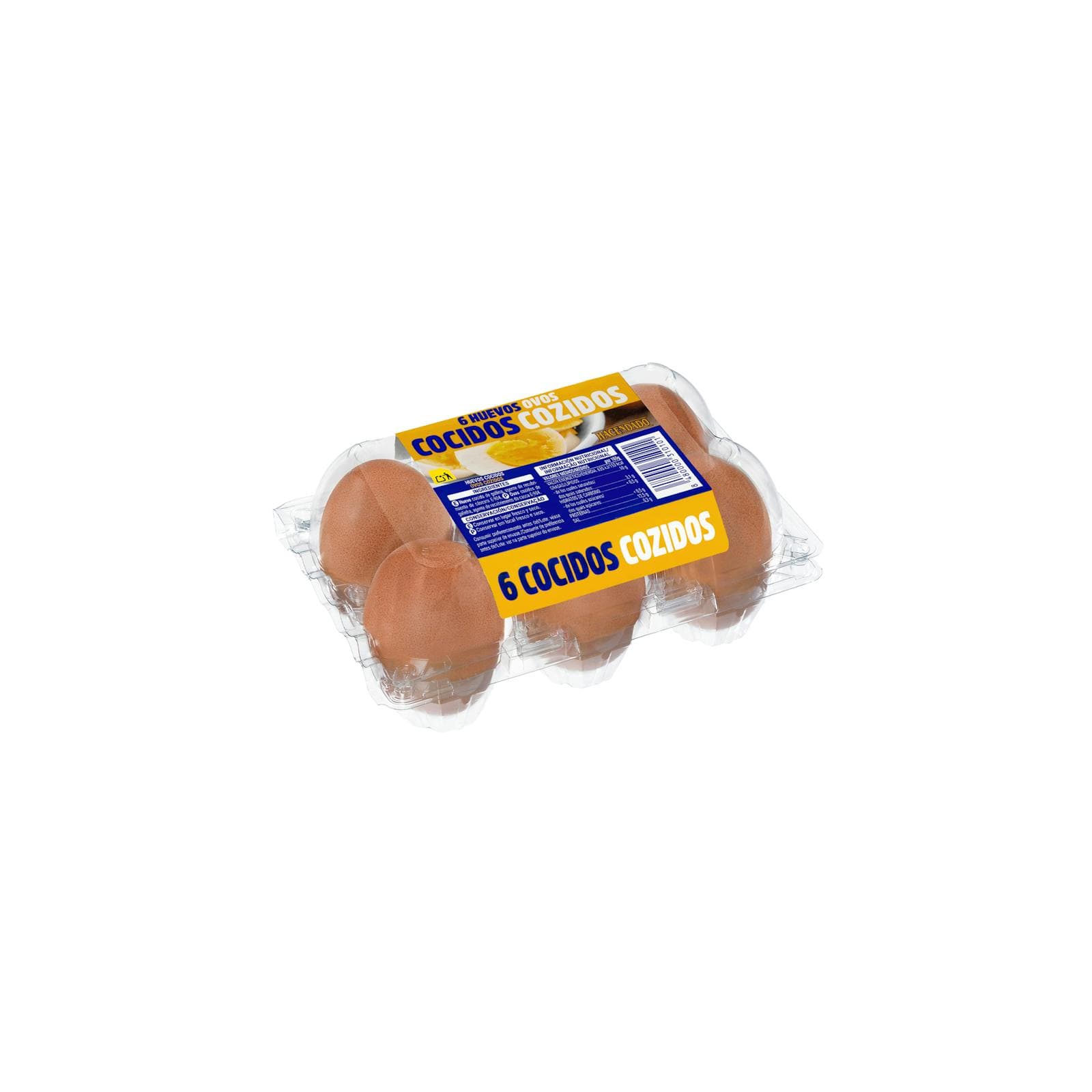 €2.20
€2.20Cooked Eggs
6 dc · Mercadona
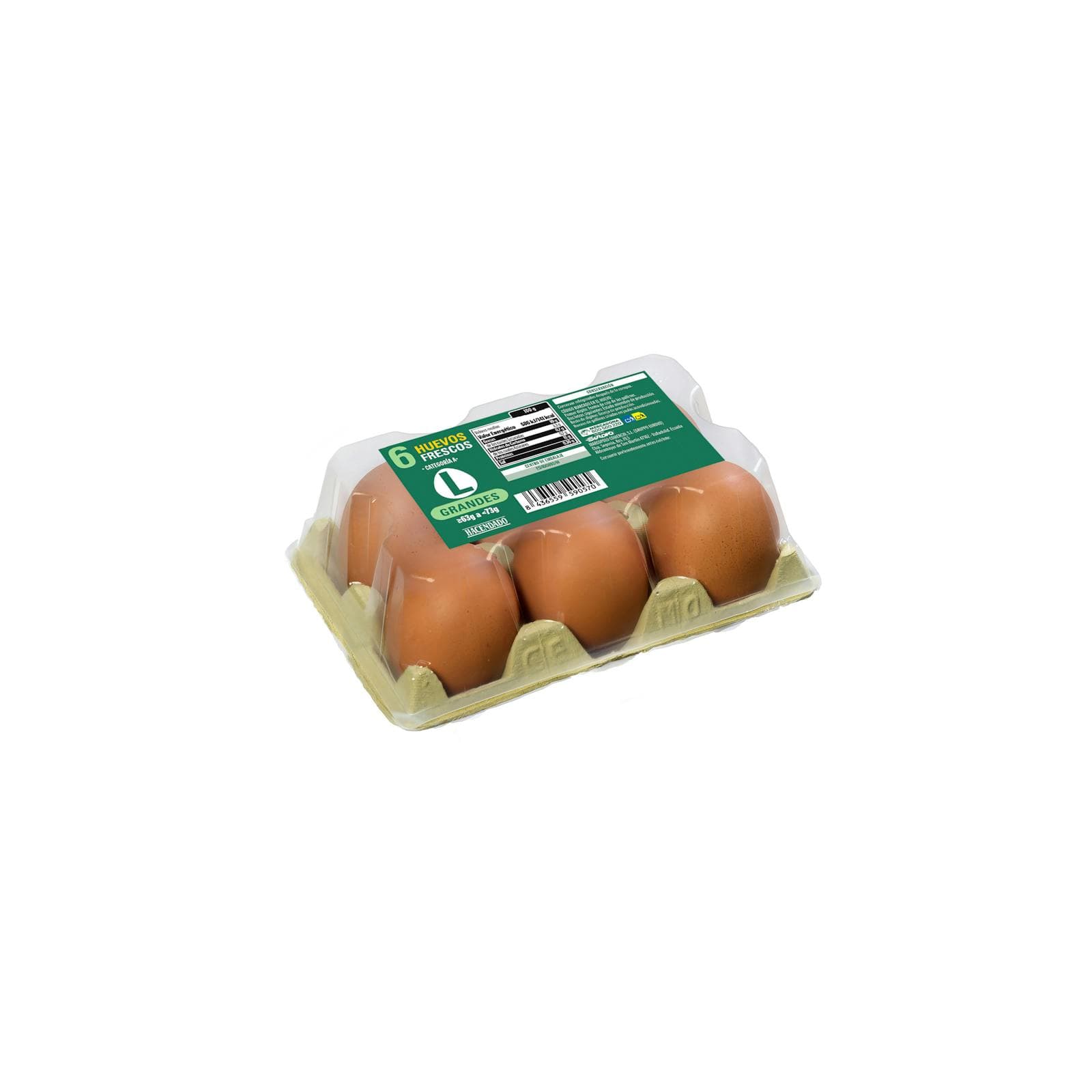 €1.80
€1.80Large Eggs
6 dc · Mercadona
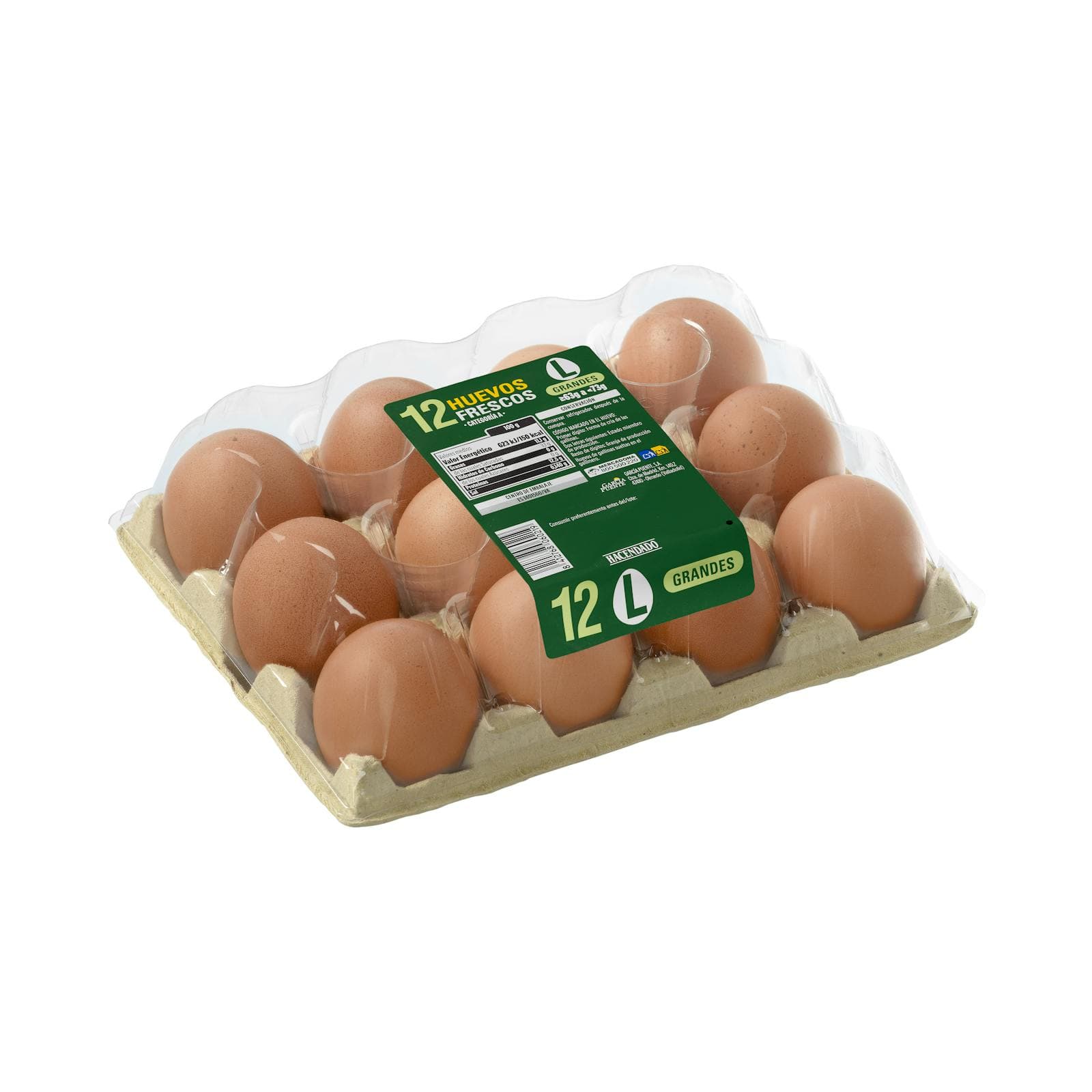 €3.20
€3.20Large Eggs
12 dc · Mercadona
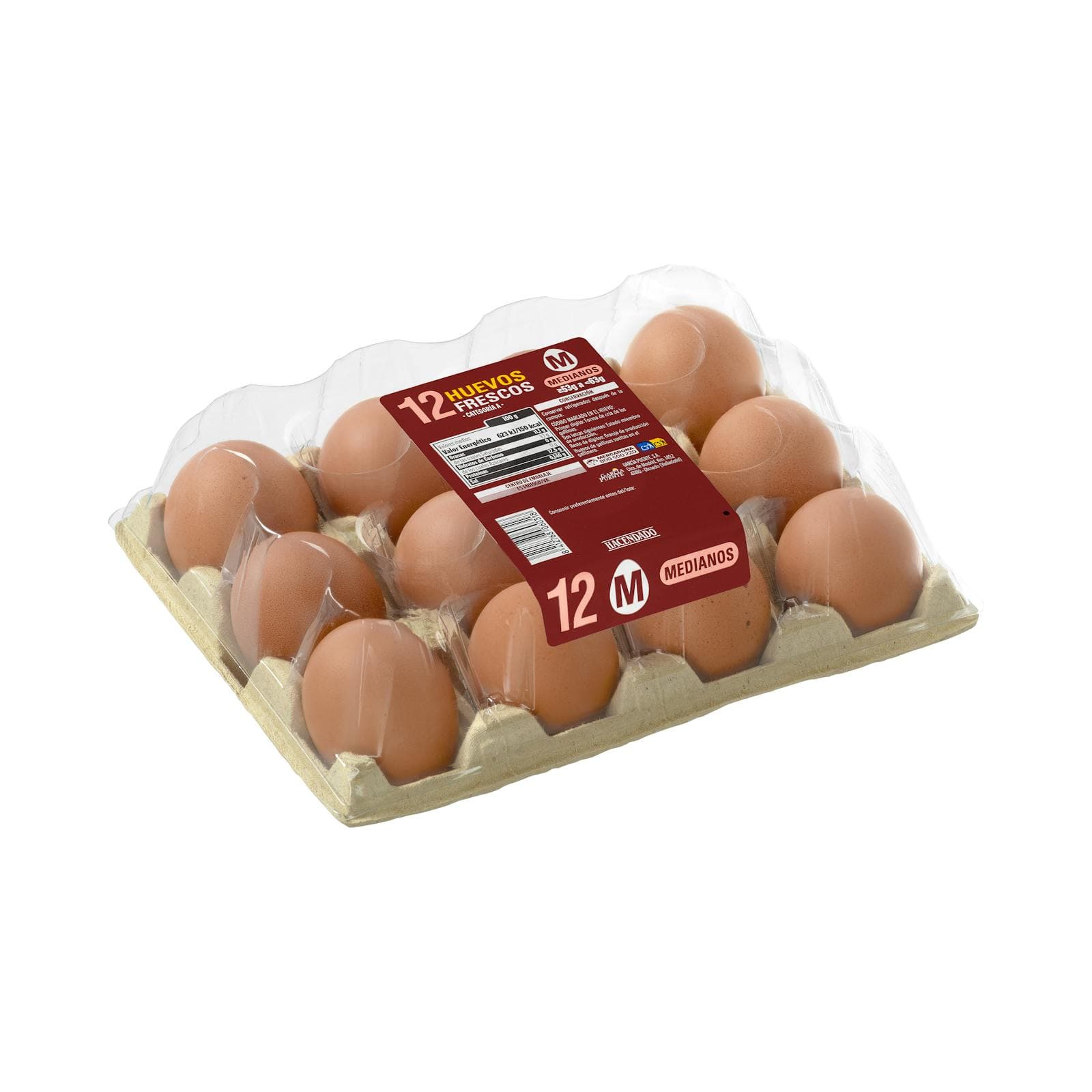 €3.00
€3.00Medium M Eggs
12 dc · Mercadona
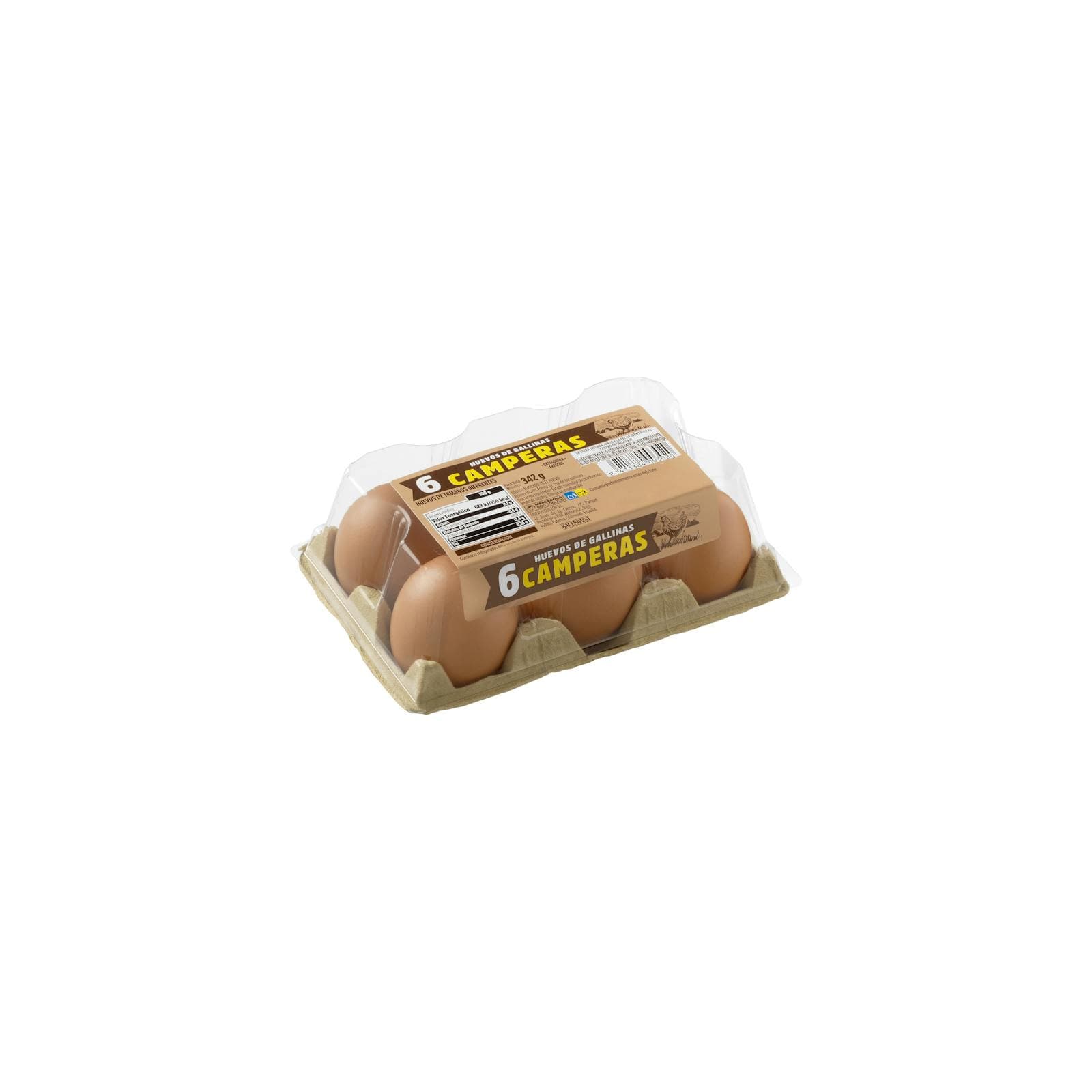 €2.10
€2.10Free-Range Eggs
6 dc · Mercadona
Good to know
- Standard egg weight
- 1 large egg ≈ 50 g (about ¼ cup); white ≈ 30–33 g; yolk ≈ 18 g
- Functions replaced
- Binding, leavening, emulsification, moisture, structure, browning (Maillard), and color
- Aquafaba ratio
- 3 Tbsp (≈45 g) = 1 egg for binding; ⅓ cup (≈80–90 g) whips like 3 egg whites
- Flax egg ratio
- 1 Tbsp ground flaxseed + 3 Tbsp water = 1 egg; rests 5–10 minutes to gel
- Commercial powder ratio
- Typically 1½ tsp powder + 2 Tbsp water per egg (varies by brand)
- Aquafaba term
- Coined 2015 in the vegan baking community; from Latin aqua (water) + faba (bean)
- Not suitable for
- Soufflés, custards, hollandaise, and classic French macarons; meringues and pavlovas are only feasible with aquafaba
- Aquafaba storage
- 3–4 days refrigerated, or up to 3 months frozen in ice-cube trays (3 Tbsp per cube = 1 egg)
Substitutes
- Aquafaba ↔ Flax egg — In binding roles, swap 1:1; flax adds nuttiness, aquafaba is neutral.
- Banana ↔ Applesauce — ¼ cup for ¼ cup; both add sweetness and moisture to quick breads and muffins.
- Silken tofu ↔ Plant yogurt — ¼ cup blended tofu for ¼ cup yogurt; tofu is neutral, yogurt adds tang.
- Chickpea brine ↔ White bean or butter-bean brine — Both whip, but chickpea aquafaba whips most reliably and to the highest volume.
- Commercial powder ↔ DIY starch blend — Mix 2 Tbsp potato starch + 1 Tbsp tapioca starch + ½ tsp baking powder per egg.
- Vinegar + baking soda ↔ Self-rising flour — In simple cakes, 1 tsp of each per egg can be replaced with self-rising flour, adjusting other leaveners.
- Psyllium ↔ Extra flax + xanthan — For keto or gluten-free bread, combine 1 Tbsp psyllium with 1 tsp xanthan if the dough feels slack.
Pairs with
Also called
vegan egg · egg replacer · flax egg · aquafaba · no-egg