Proteins
Game Meat
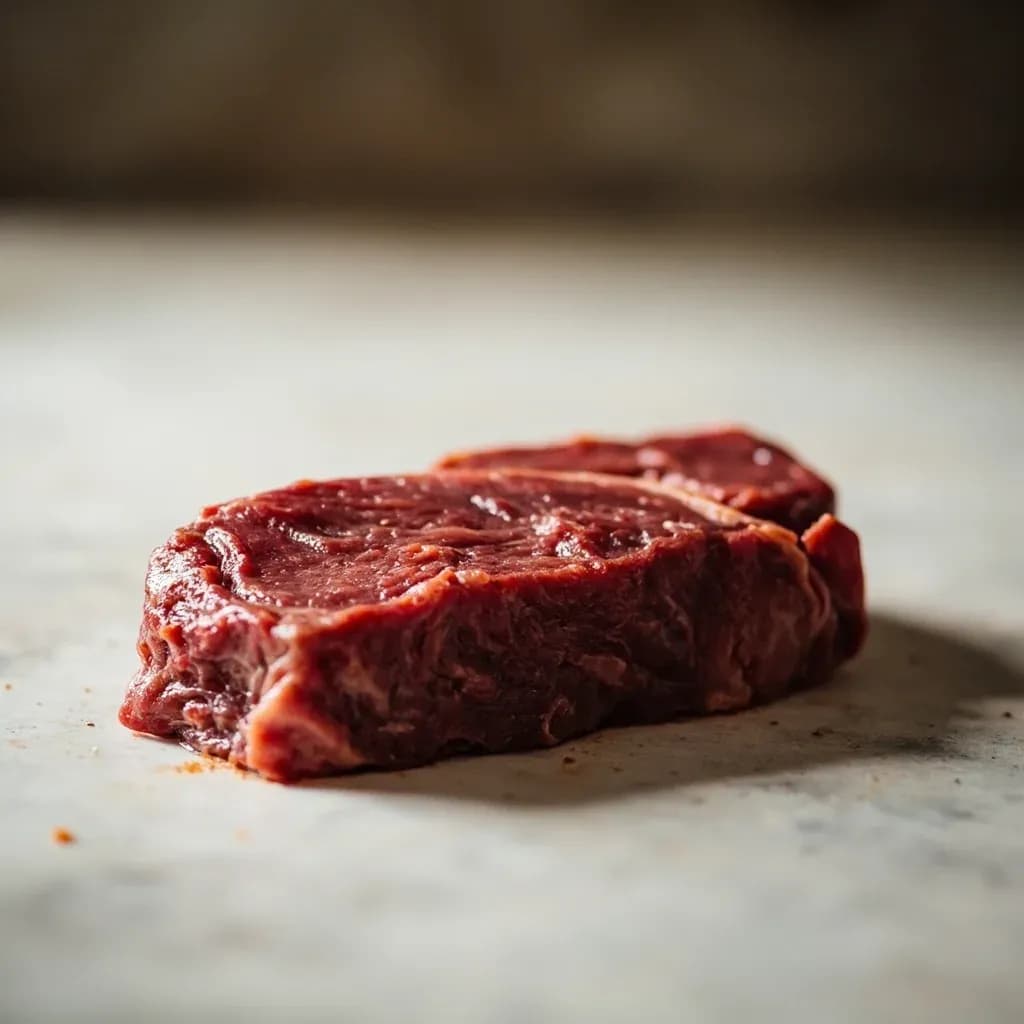
Lean wild antelope and venison like kudu, springbok, and oryx.
Game meat refers to the flesh of wild or semi-wild animals such as kudu, springbok, and oryx hunted across Southern Africa. Leaner and more strongly flavored than farmed meat, it is grilled, braised, or dried into biltong. Its low fat means it is best cooked carefully to avoid drying out.
African game meat encompasses a range of wild-caught antelope and game animals harvested from the managed savanna ecosystems of Southern Africa—primarily South Africa, Namibia, Botswana, and Zimbabwe. These species include kudu, springbok, oryx, impala, wildebeest, blesbok, and zebra, all roaming free on natural pasture before harvest. The meat represents a stark departure from conventional red meat: with typically 2–3% fat versus the 15–20% found in grain-fed beef, game meat is extraordinarily lean while delivering 22–25g of protein per 100g serving. Its flavor ranges from mild and delicate in smaller species like springbok to pronounced and earthy in larger animals like oryx, offering a spectrum of gamey intensity that responds to careful cooking. The critical principle governing all game meat preparation is this: low fat means no buffer against overcooking. Where conventional beef can tolerate a wider temperature window, game meat rewards precision and punishes neglect. When handled correctly—cooked rare to medium-rare, rested properly, and paired with bold accompaniments—African game meat delivers flavor and texture that surpasses its farmed counterparts.
- Measured in
- g
- Storage
- Fridge
Types & varieties
Large antelope; the most widely exported African game meat. Rich, slightly sweet flavor; best from loin and tenderloin. Coarser grain than venison; excellent as steaks or cubes for stew.
Small, fast antelope; most tender of the African game meats. Delicate, mild gamey flavor. Ideal as medallions, carpaccio, or quick-seared cuts.
Large desert antelope with very lean, long-grained meat. Stronger gamey character. Best slow-braised or in curries; high heat quickly dries it out.
Medium-sized antelope; versatile and balanced. Good for burgers, sausages, and steaks. Milder than oryx, firmer than springbok.
Heavier build; meat most closely resembles beef in texture and flavor. Best for slow cooking, braises, and jerky. Higher collagen content.
Small, common South African buck; tender, mild-flavored. Good all-purpose game meat for grilling and roasting.
Equine meat; lean, dark, and slightly sweet. Higher in myoglobin than antelope. Best prepared as steaks or cured.
Understanding the Lean Problem
Game meat's leanness is both its greatest asset and its primary challenge. Conventional beef derives moisture and tenderness from intramuscular fat marbling; game meat has none. When heated past 57°C (135°F), the proteins in lean meat contract and squeeze out what little moisture remains, resulting in a texture that is simultaneously dry and tough. This is not a flaw to overcome—it is the fundamental characteristic that defines how you must cook game meat. Every technique, temperature, and timing decision flows from this reality.
- Fat is flavor in beef; moisture retention is everything in game
- Overcooked game meat is a textural disaster, not just a dryness issue
- Leaner cuts from smaller animals (springbok) tolerate slightly more heat than larger species (oryx)
The Cold Chain Imperative
Because game meat is not from controlled farming operations, its safety and quality depend entirely on proper handling from harvest to plate. In Southern Africa, game meat is harvested under veterinary supervision and typically quick-frozen within hours to preserve quality and ensure food safety. When purchasing internationally, the cold chain must remain unbroken. Never accept frozen game meat with frost buildup, ice crystals, or packaging that has been compromised. If you encounter fresh game meat, use it within two to three days and maintain refrigerator temperatures at 0–2°C.
Common uses
Tips & pitfalls
- Bring meat to room temperature 30–45 minutes before cooking—this ensures even cooking from edge to center.
- Never overcook: game meat's low fat means no buffer against dryness. Pull from heat at 52–57°C internal.
- Use a meat thermometer—guessing is the most common mistake that turns great meat into a dry disappointment.
- Rest steaks 5–8 minutes under loose foil before slicing; this prevents juices from running out onto the cutting board.
- Marinate lean cuts for at least 2 hours in acid (wine, citrus, vinegar) with oil—the acid begins tenderizing while the oil adds moisture and helps develop a crust.
- Sear at very high heat (cast iron at smoking point) to develop a crust before finishing thicker cuts in a low oven.
- For stews, brown meat in batches in a hot Dutch oven—crowded meat steams and grays instead of searing.
- Add a splash of red wine or game stock to the pan after searing; deglaze and reduce for a quick pan sauce.
- Oryx and wildebeest have more connective tissue—braise at low heat (150–165°C) for 2–3 hours minimum.
- Ground game meat benefits from 20–30% pork fat backfat blended in; pure game burgers dry out fast on the grill.
Nutrition
Energy
678 kJ · per 100 g
Where the calories come from
Protein
20.8g
42% DV
Carbs
0g
0% DV
Fat
8.1g
10% DV
Fiber
0g
0% DV
Sodium
82mg
4% DV
Source · USDA FoodData Central · Game meat, muskrat, raw
View on FDC →In the shops
Matched grocery products
No matched grocery products for Game Meat yet.
Good to know
- Source
- Wild-caught antelope and game animals from African savanna regions (primarily South Africa, Namibia, Botswana, Zimbabwe)
- Primary Species
- Kudu, springbok, oryx (gemsbok), impala, wildebeest, blesbok, zebra
- Fat Content
- Very low; typically 2–3% fat versus 15–20% for conventional beef
- Protein
- High; approximately 22–25g per 100g serving
- Flavor Profile
- Mild to pronounced gamey, depending on species and diet; earthy, herbaceous notes
- Cooked Texture
- Dense, firm; becomes dry and tough if overcooked
- Ideal Internal Temp
- 52–57°C (125–135°F) for medium-rare; avoid above 65°C (150°F)
- Storage (Fresh)
- Refrigerate at 0–2°C; use within 2–3 days
- Storage (Frozen)
- Vacuum-seal; freeze at -18°C or below for up to 6 months
- Nutritional Edge
- Higher in iron, zinc, and B vitamins than conventional red meat
Substitutes
- Venison (deer) — Best direct substitute; similar leanness and gamey edge. Use same cooking approach—high heat, rare to medium-rare.
- Bison — Comparable leanness and texture; milder flavor. Available widely in North America.
- Elk — Lean, dense, and gamey. Excellent substitute for kudu in particular.
- Lean Beef (sirloin or tenderloin) — For emergency use; lacks gamey character. Salt and sear aggressively to approximate the crust.
- Lean Pork Loin — Works in stews and braises where game meat's firmness is desired; no gamey flavor.
Pairs with
Also called
Game Meat (Kudu/Springbok/Oryx) · Venison · Wild Game
Appears in these dishes
Related
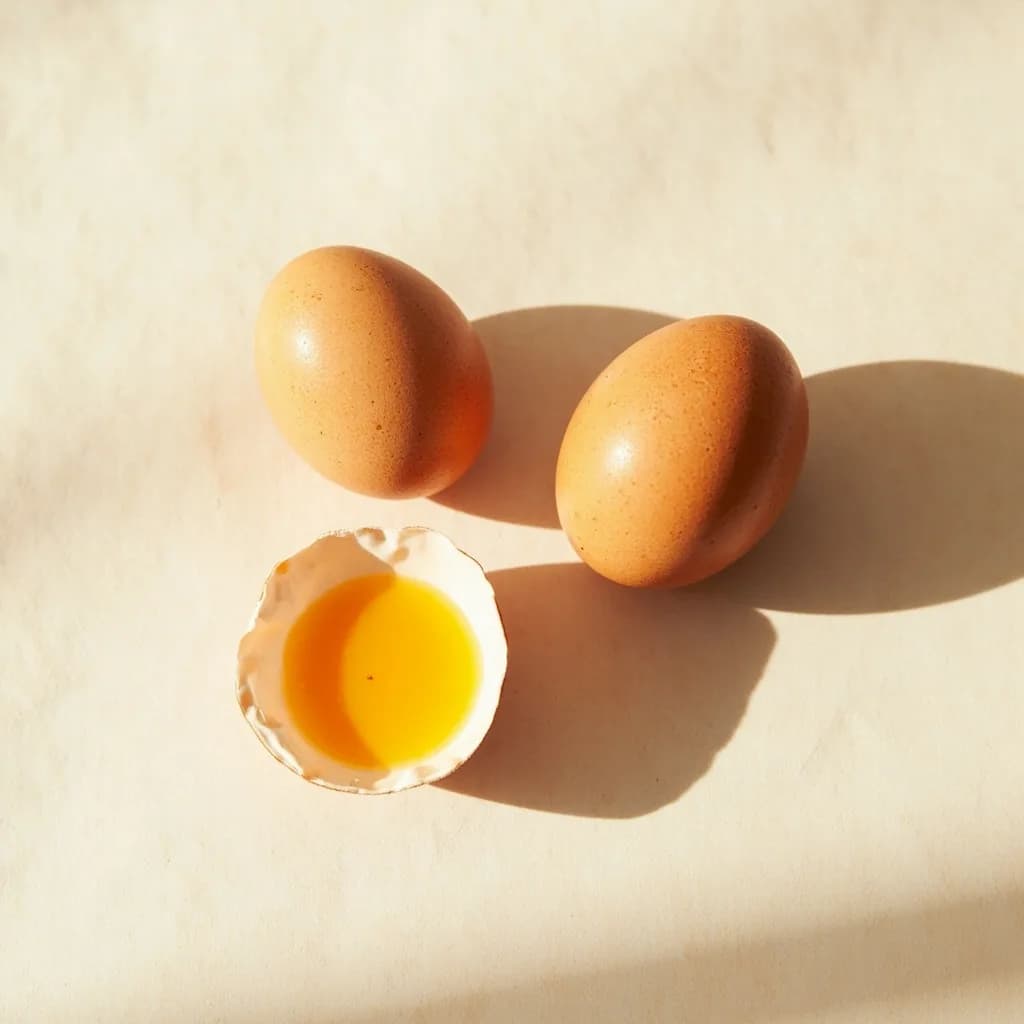
Egg
The kitchen's everything ingredient — bind, leaven, enrich, or fry
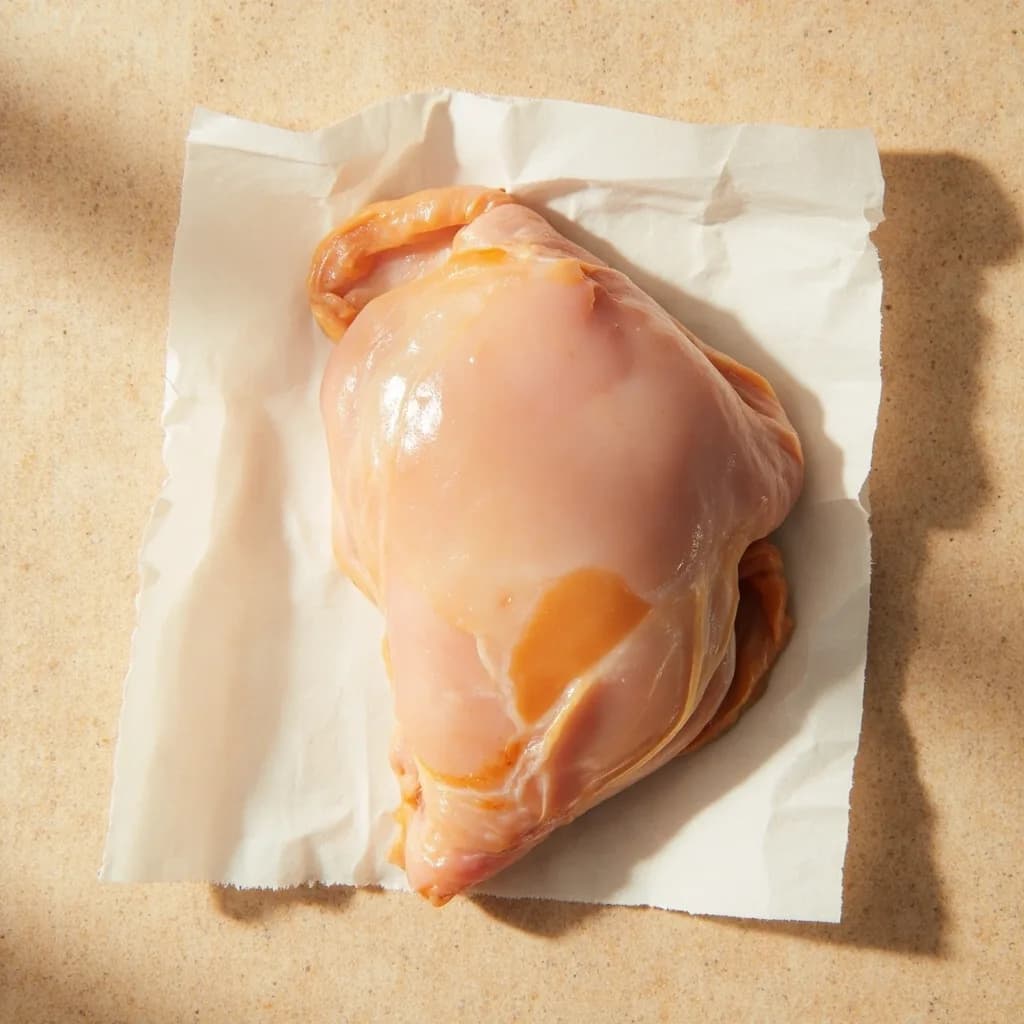
Chicken Breast
Lean, quick-cooking white meat for everyday dinners

Ground Beef
Versatile minced beef for burgers, ragù, tacos, and meatballs
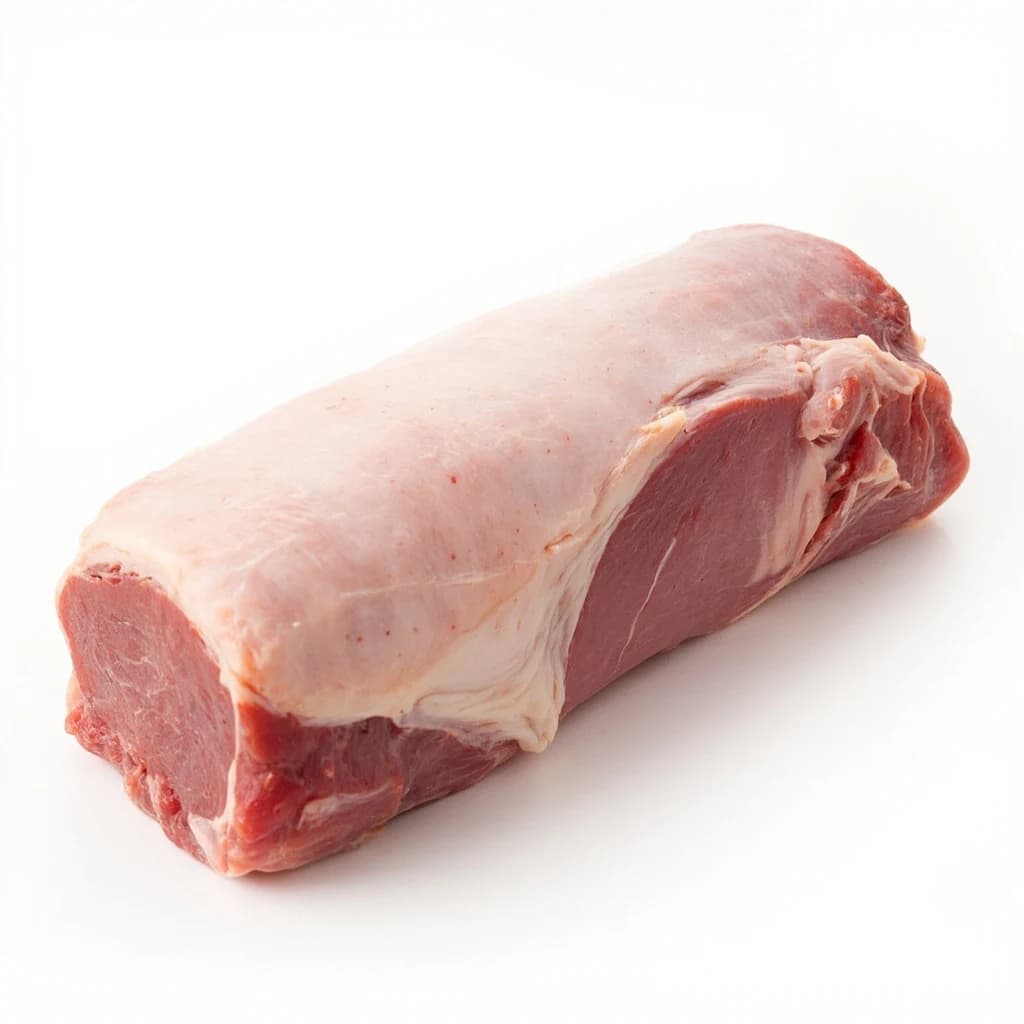
Pork Loin
Lean, tender roasting cut that stays juicy with care
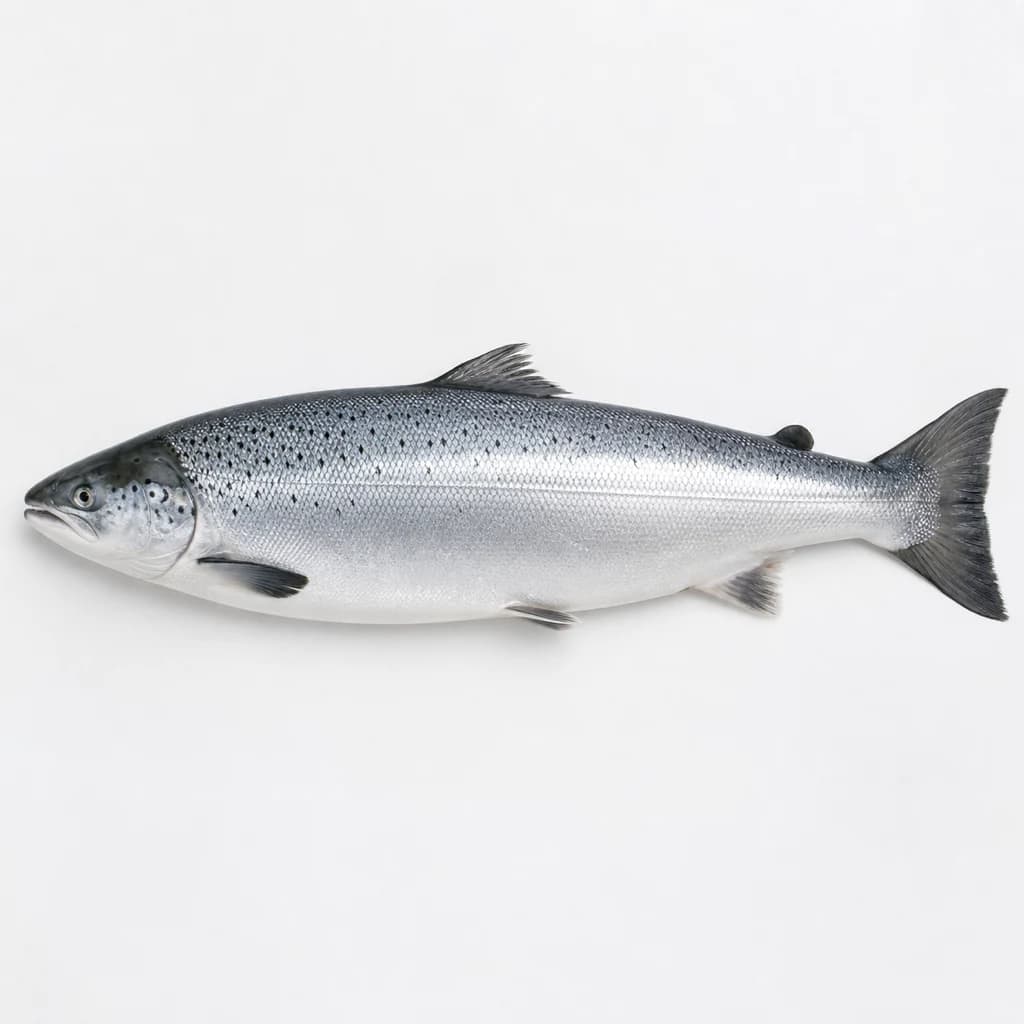
Salmon
Rich, rosy fish that roasts, grills, or cures beautifully

Egg White
Pure protein that whips to airy peaks for meringue and more
Egg Yolk
Rich, golden yolk for custards, mayonnaise, and pasta

Quail Egg
Tiny, speckled eggs for garnishing and elegant bites