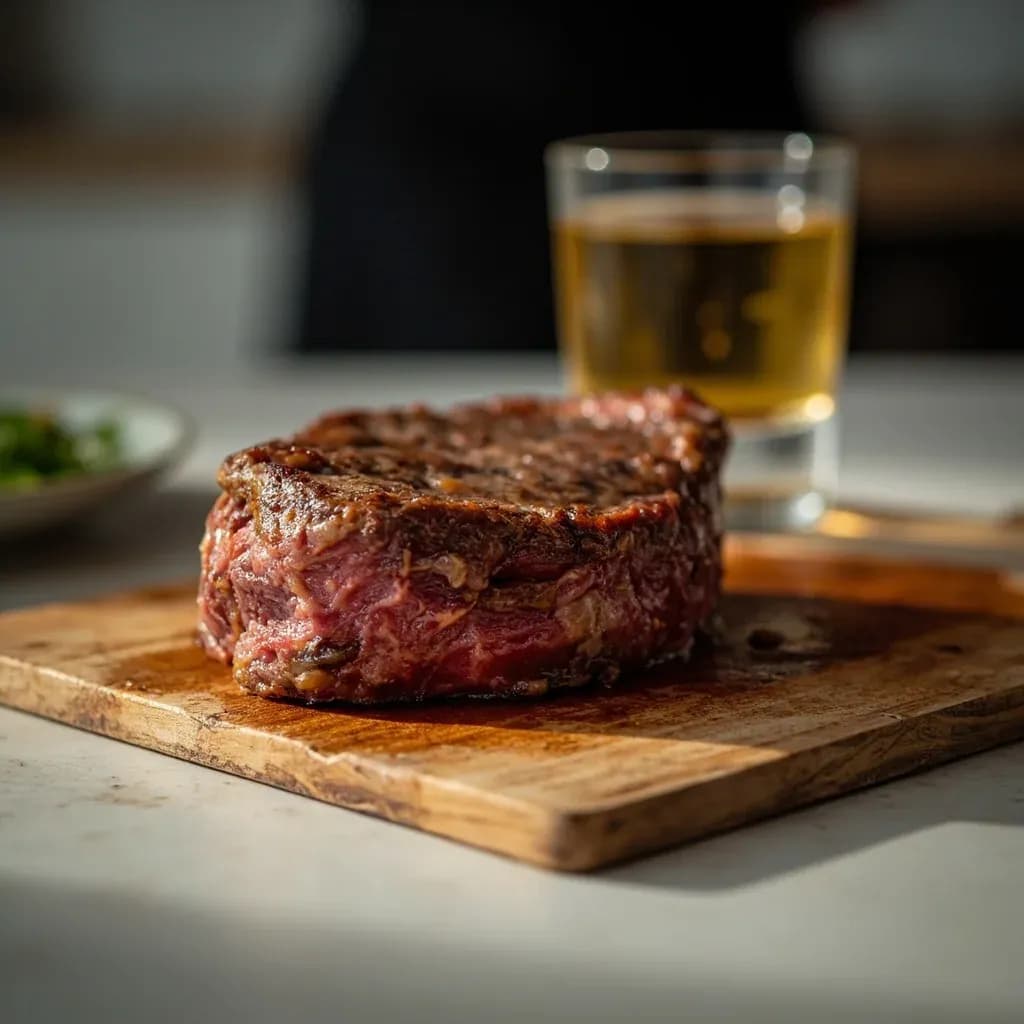
Proteins
Venison
Lean, dark, gamey deer meat; roasted, braised in stews, or made into sausages and steaks.
Venison is the meat of deer, lean and dark red with a distinctive rich, gamey flavor. Because it is so low in fat, it is best cooked quickly to rare-medium for steaks or slowly braised in stews and wine-based sauces for tougher cuts, and is also ground into sausages. It pairs classically with juniper, red wine, and earthy or fruity accompaniments like mushrooms and berries.
Venison is the lean, dark meat of deer from the cervidae family, encompassing wild-harvested and farmed animals alike. It is among the oldest meats consumed by humans—archaeological evidence ties deer hunting to the very origins of tool-making—and has long been prized across Europe, Asia, and the pre-Columbian Americas as a free-ranging, exceptionally lean protein. The animal's diet profoundly shapes its flavor: acorn-fed deer produce sweeter, more buttery fat, while forest and meadow-fed deer yield more herbal, earthy gaminess. Venison's extreme leanness (2–5% fat versus 15–20% for typical beef) makes it behave differently in the kitchen—moisture loss is rapid and irreversible at high heat, and fat is not available to baste the meat from within during cooking. Understanding this fundamental character is the key to working with venison successfully.
Unlike conventional livestock, venison carries virtually no marbling; the intramuscular fat is sparse, and a subcutaneous layer is typically removed during butchering. This makes the meat cook differently than beef—less forgiving of overcooking, but extraordinarily juicy when treated correctly. The flavor sits on a spectrum from mildly gamey and slightly sweet (farmed or young animals) to assertively earthy and wild (older, wild-harvested deer). Aging (hanging) wild venison for 5–14 days is standard practice that tenderizes the meat and mellows aggressive gaminess; farmed venison, slaughtered young at consistent weights, rarely requires it. The fine-grained, firm texture varies by cut: the loin and backstrap are tender, while the shoulder, neck, and shank are built for low, slow braising.
In the kitchen, venison rewards cooks who respect its lean character. It excels as a vehicle for bold, complementary flavors—juniper, red wine, dark game stocks, and forest mushrooms—while demanding precise temperature control to avoid the dry, chewy outcome that gives venison its reputation for being difficult. Ground venison is exceptionally versatile but requires the addition of fat (pork shoulder, bacon, or butter) to retain moisture in burgers, sausages, and meatballs. Properly cooked venison—pink, juicy, and richly flavored—is one of the most satisfying proteins in any cook's repertoire.
- Measured in
- g
- Storage
- Fridge
Types & varieties
Most common North American species; mild-flavored, lean
Western North America; slightly larger, deeper flavor than white-tailed
Native to Europe, widely farmed in New Zealand; medium gamey flavor
Larger than most deer; richer, beef-like flavor; widely available in specialty markets
Largest cervid; extremely lean, mildly gamey; available in northern regions and specialty markets
Common European game species; delicate, fine-grained; popular in British and Continental cuisine
Small European deer; sweet, delicate flavor; prized by French and German chefs
Arctic and subarctic species; intensely flavored, very lean; traditional in Nordic and Indigenous cuisines
Large deer native to South and Southeast Asia; strong, dark meat
Wild vs Farmed Venison
Wild venison comes from deer harvested during legal hunting seasons; its flavor is shaped entirely by the animal's diet and environment, producing more assertive gamey notes, a deeper color, and leaner texture. It benefits significantly from dry-aging (hanging) for 5–14 days to tenderize and mellow gaminess before butchering. Farmed venison, produced in controlled environments in New Zealand, the UK, and the US, is milder and slightly fattier due to formulated diets; it is harvested young at consistent weights and does not require aging. Both are excellent, but they call for slightly different handling—wild venison may need fat additions and longer braises to compensate for leanness, while farmed venison can stand more direct heat.
- Wild venison: more gamey, leaner, benefits from aging, flavor varies by season and forage
- Farmed venison: milder, more consistent, slightly higher fat content, ready to cook without aging
- Source matters: check local hunting regulations for wild venison; farmed venison widely available from specialty butcher
Butchering Notes
The loin and backstrap (the muscle along the spine) are the premium cuts—tender, mild, and best suited for quick, high-heat cooking to medium-rare. The leg yields both tender steaks and suitable meat for grinding. The shoulder, neck, and shank contain connective tissue that dissolves into silky tenderness during long, slow braising—these are the workhorse cuts for stews, chilies, and ragùs. Trimmings and less desirable cuts are excellent for ground venison, sausages, and pâtés. A whole deer carcass yields substantial stock from bones and aromatics.
- Reserve bones and trimmings for rich, gelatinous game stock
- Grind shoulder or neck trimmings for burgers and sausages rather than using premium loin cuts
- Butterfly the loin or backstrap for even, rapid roasting
Common uses
Tips & pitfalls
- Bring venison to room temperature 30–45 minutes before cooking to ensure even doneness throughout the cut
- Season generously with salt ahead of time (30+ minutes) to improve flavor penetration and surface dryness for better browning
- Sear in a very hot pan (cast iron or carbon steel) to develop a crust before any finish cooking
- Do not overcook: venison becomes dry and chewy beyond medium; the ideal is 130–145°F (54–63°C) for a pink, juicy result—note that wild-harvested venison should reach 145°F (63°C) for safety
- Add fat deliberately: wrap in bacon, lard with butter, or fold 20–30% pork fat into ground venison to compensate for leanness
- Use wet marinades (wine, buttermilk, yogurt) to add moisture and tame gamey notes in wild-harvested meat
- Rest cooked roasts and steaks 5–10 minutes, tented loosely, to allow carryover cooking and juices to redistribute
- Braise low and slow (275–325°F / 135–160°C) for tough cuts like shoulder and neck; 2–3 hours until fork-tender
- Wild venison benefits from hanging (dry-aging) 5–14 days to mellow gaminess and tenderize; farmed venison does not require aging
- Do not use high heat for extended periods on lean cuts—moisture loss is rapid and irreversible
- Deglaze pan drippings with red wine, stock, or game stock to make a pan sauce; the fond is intensely flavorful
- Store fresh venison in the coldest part of the refrigerator; if freezing, wrap tightly in plastic then foil to prevent freezer burn and off-flavors
Nutrition
Energy
502 kJ · per 100 g
Where the calories come from
Protein
23g
46% DV
Carbs
0g
0% DV
Fat
2.4g
3% DV
Fiber
0g
0% DV
Sugars
0g
of which
Sodium
51mg
2% DV
Source · USDA FoodData Central · Game meat, deer, raw
View on FDC →In the shops
Matched grocery products
No matched grocery products for Venison yet.
Good to know
- Source
- Deer (cervidae family); wild-harvested or farmed
- Primary Cuts
- Loin, backstrap, leg, shoulder, neck, shank, ground/trimmings
- Color
- Deep red, darker than beef; very little marbling
- Fat Content
- 2–5% (extremely lean); subcutaneous fat layer typically removed
- Protein
- ~30g per 100g serving
- Texture
- Fine-grained, firm; can be tender or chewy by cut
- Flavor
- Mildly gamey, earthy, slightly sweet; intensity varies with diet and age
- USDA Safe Temp
- 145°F (63°C) for medium-rare; higher temps quickly dry and toughen the meat
- Chilling
- Refrigerate use-by dated; freeze up to 6–9 months at 0°F (-18°C)
- Yield
- Roasting yields ~65–70% edible product; braising yields 60–65%
Substitutes
- Elk — Closest flavor and texture; lean but slightly richer; 1:1 substitute in most preparations
- Beef (lean sirloin or tenderloin) — Milder flavor, more fat; works for steaks and braises but lacks gamey depth
- Bison — Similar leanness and mild game character; cook identically to venison
- Wild boar — Fattier and more assertively porky; good for braises and sausages, less so for delicate loin preparations
- Lean lamb (leg or loin) — Acceptable for stews and braises; significantly different flavor but similar leanness
- Ostrich — Very lean, mild; can substitute in burgers and stir-fries but lacks venison's earthiness
Pairs with
Also called
Deer Meat · Game Venison
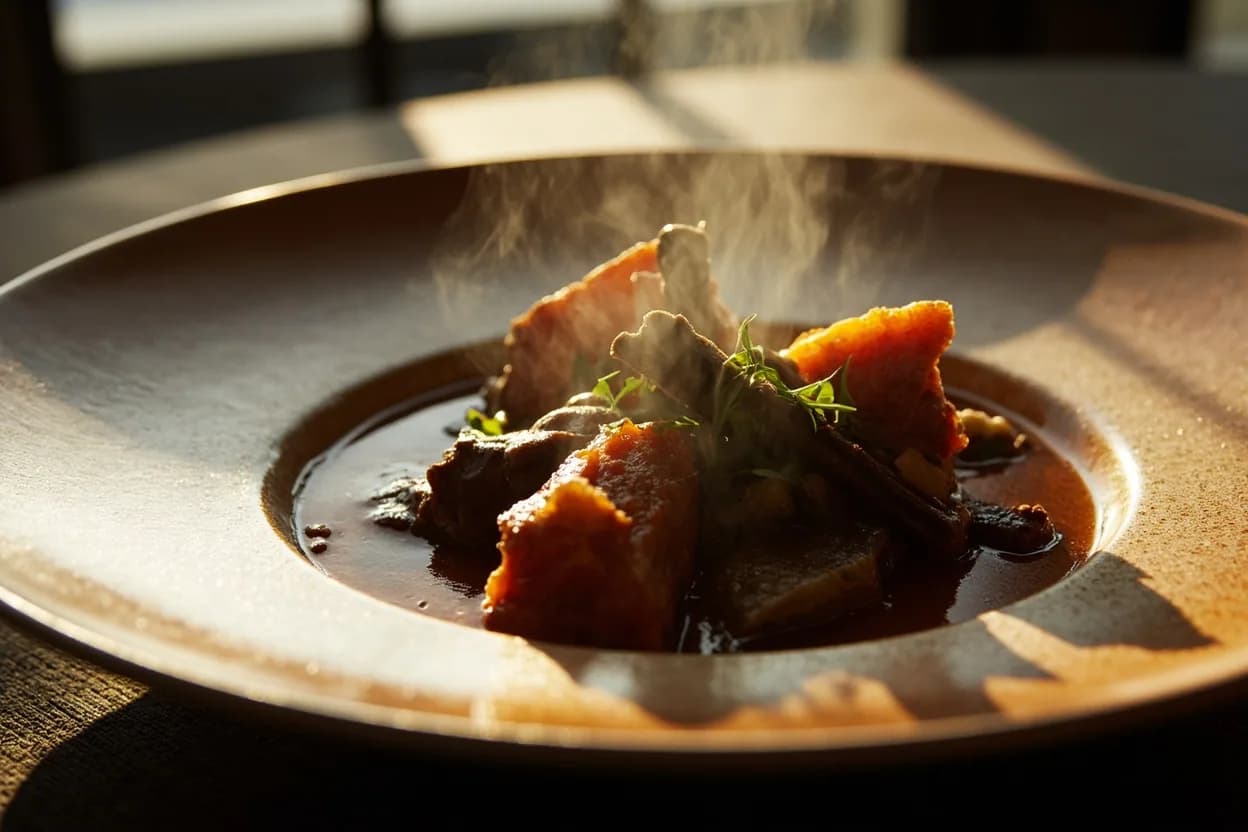
Appears in these dishes
Related
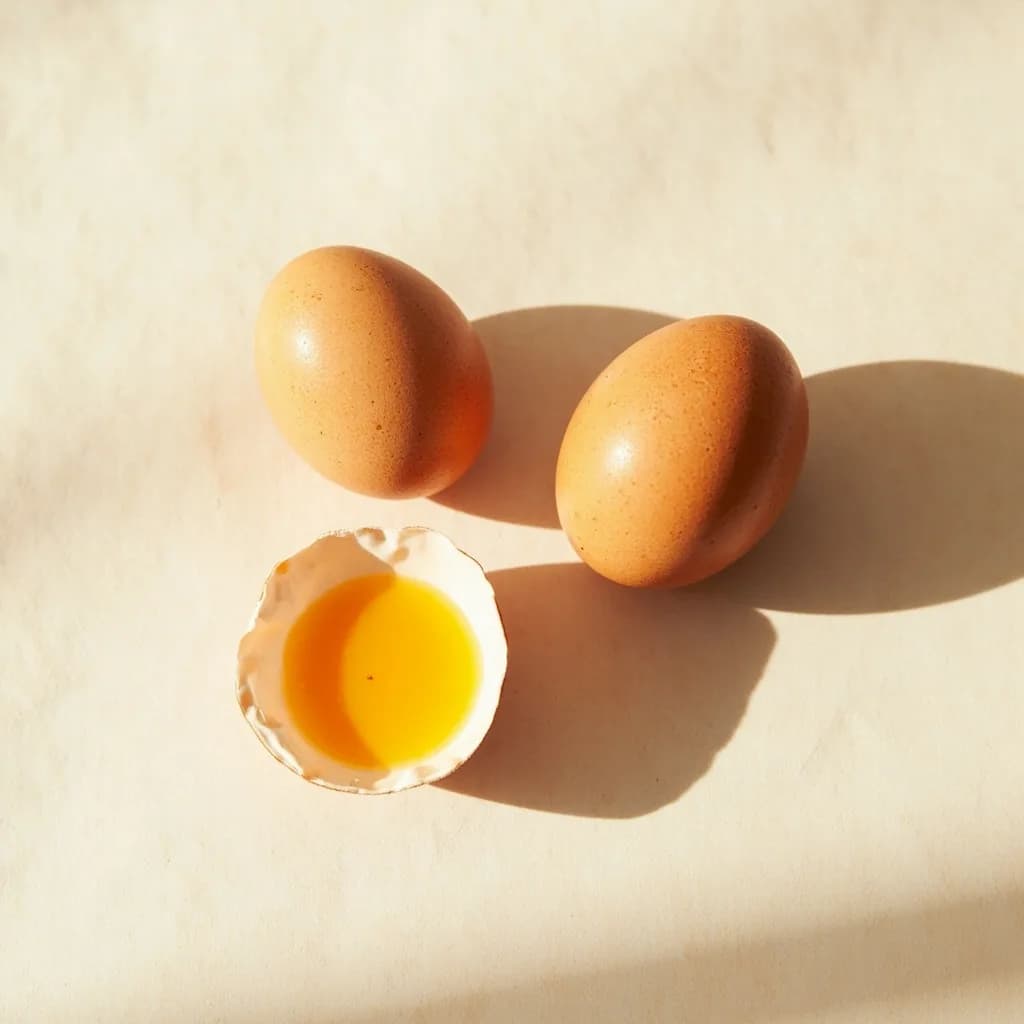
Egg
The kitchen's everything ingredient — bind, leaven, enrich, or fry
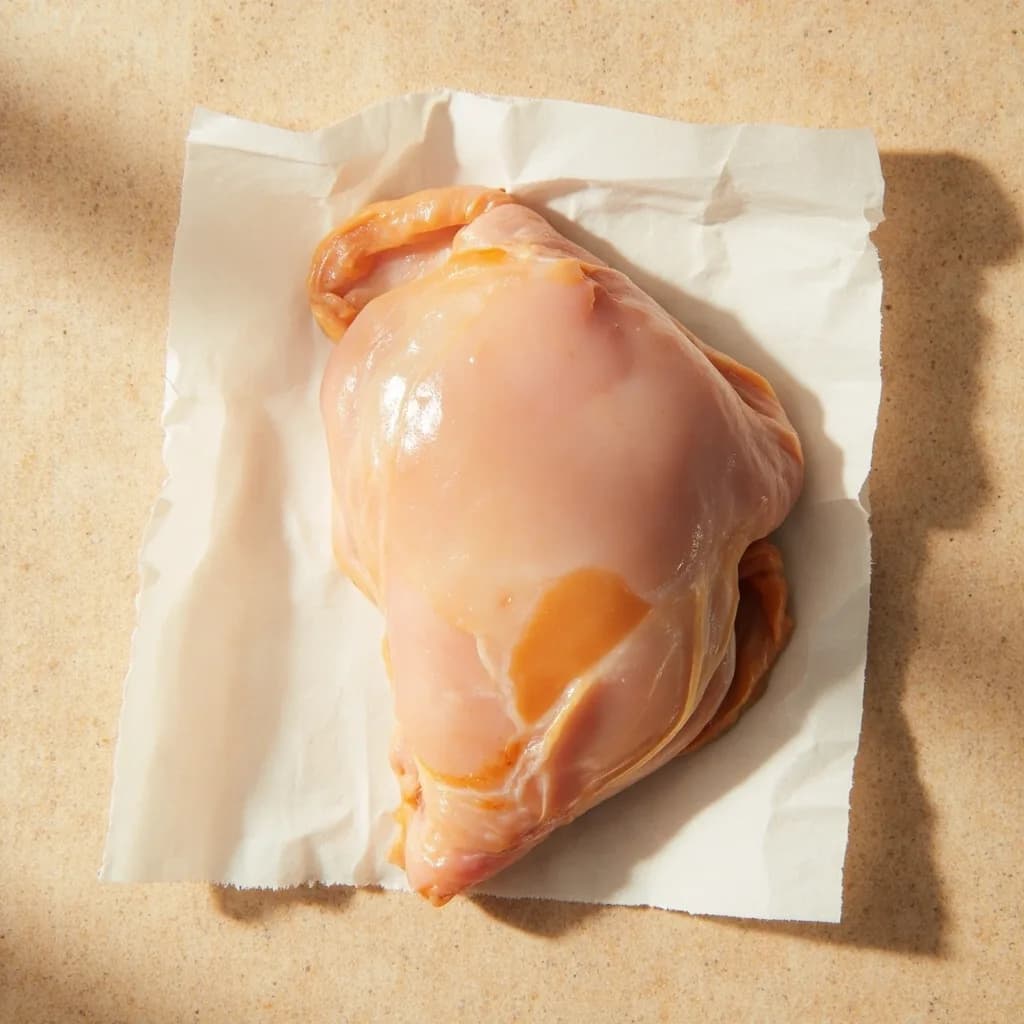
Chicken Breast
Lean, quick-cooking white meat for everyday dinners

Ground Beef
Versatile minced beef for burgers, ragù, tacos, and meatballs
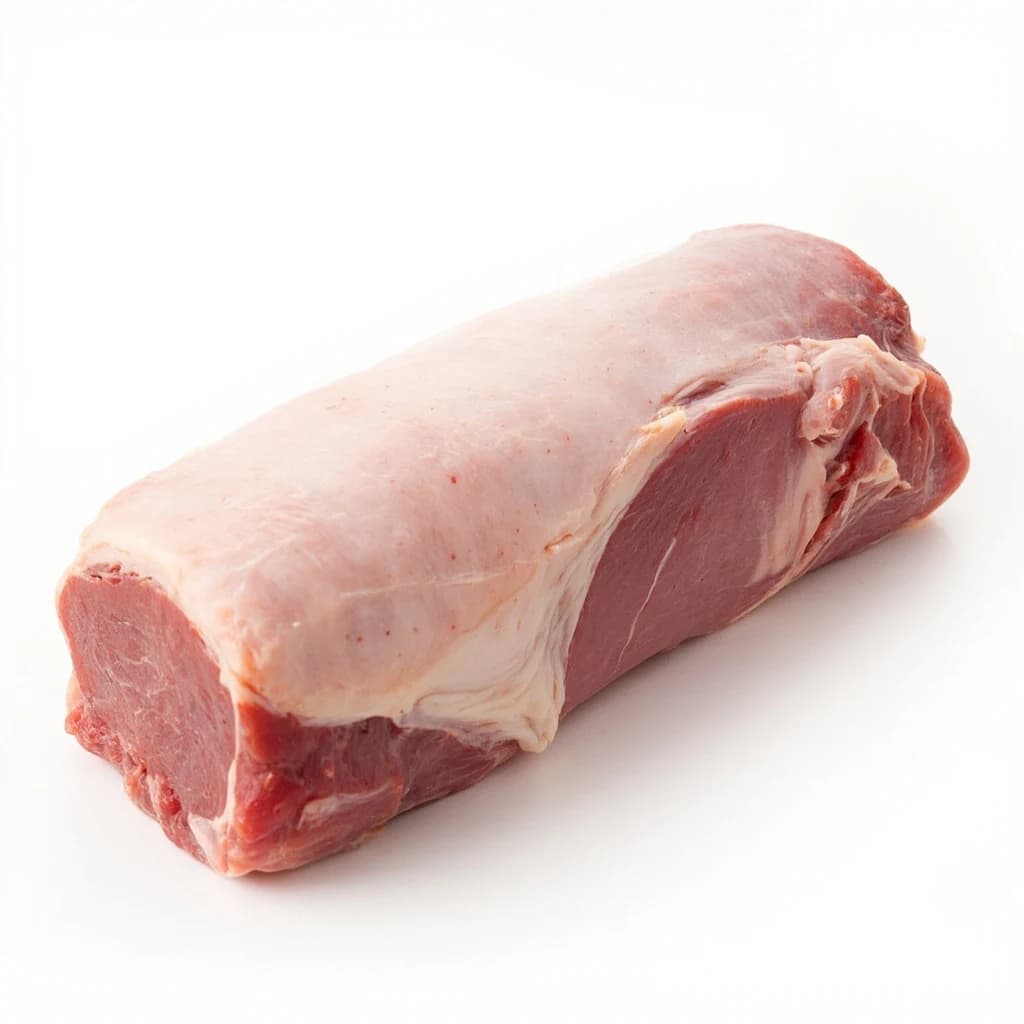
Pork Loin
Lean, tender roasting cut that stays juicy with care
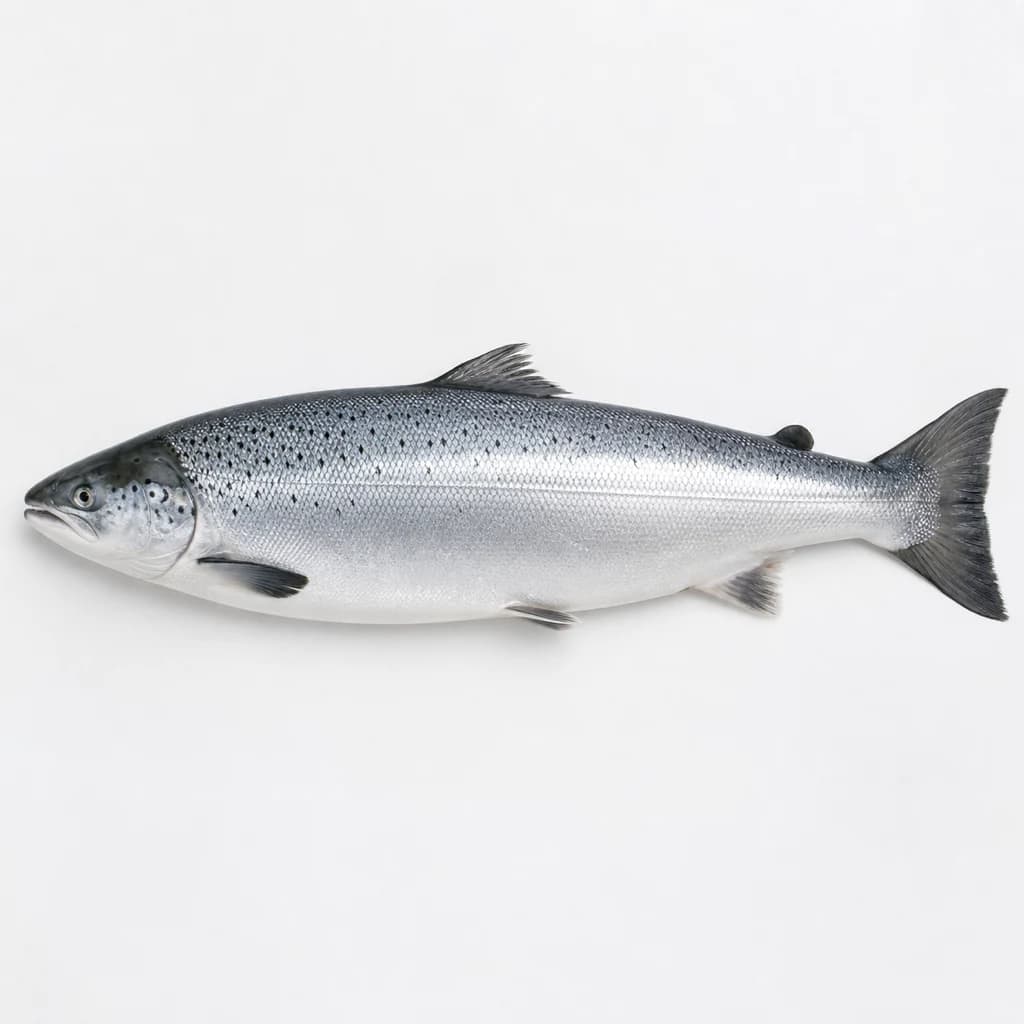
Salmon
Rich, rosy fish that roasts, grills, or cures beautifully

Egg White
Pure protein that whips to airy peaks for meringue and more
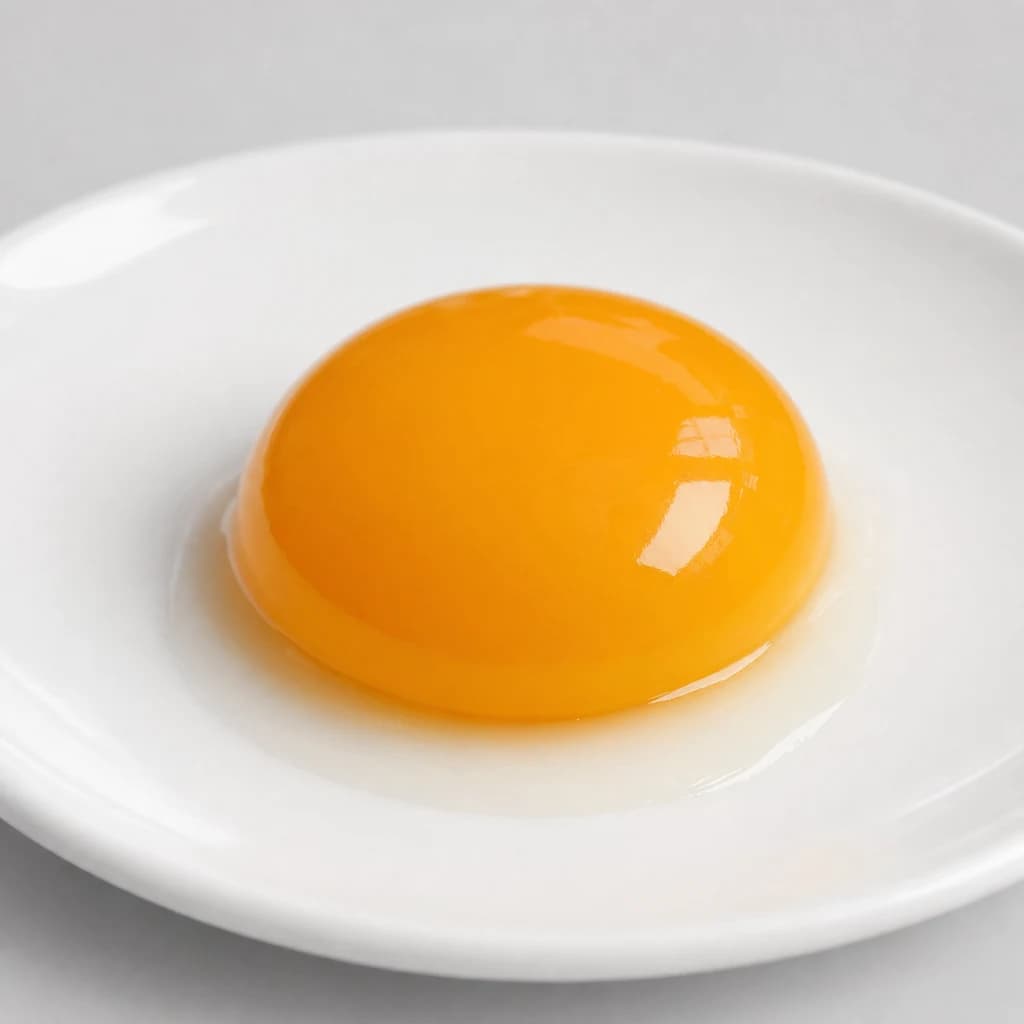
Egg Yolk
Rich, golden yolk for custards, mayonnaise, and pasta

Quail Egg
Tiny, speckled eggs for garnishing and elegant bites