Proteins
Wild Boar (Cinghiale)
Lean, dark, intensely flavored wild pork, slow-braised into rich ragùs and stews.
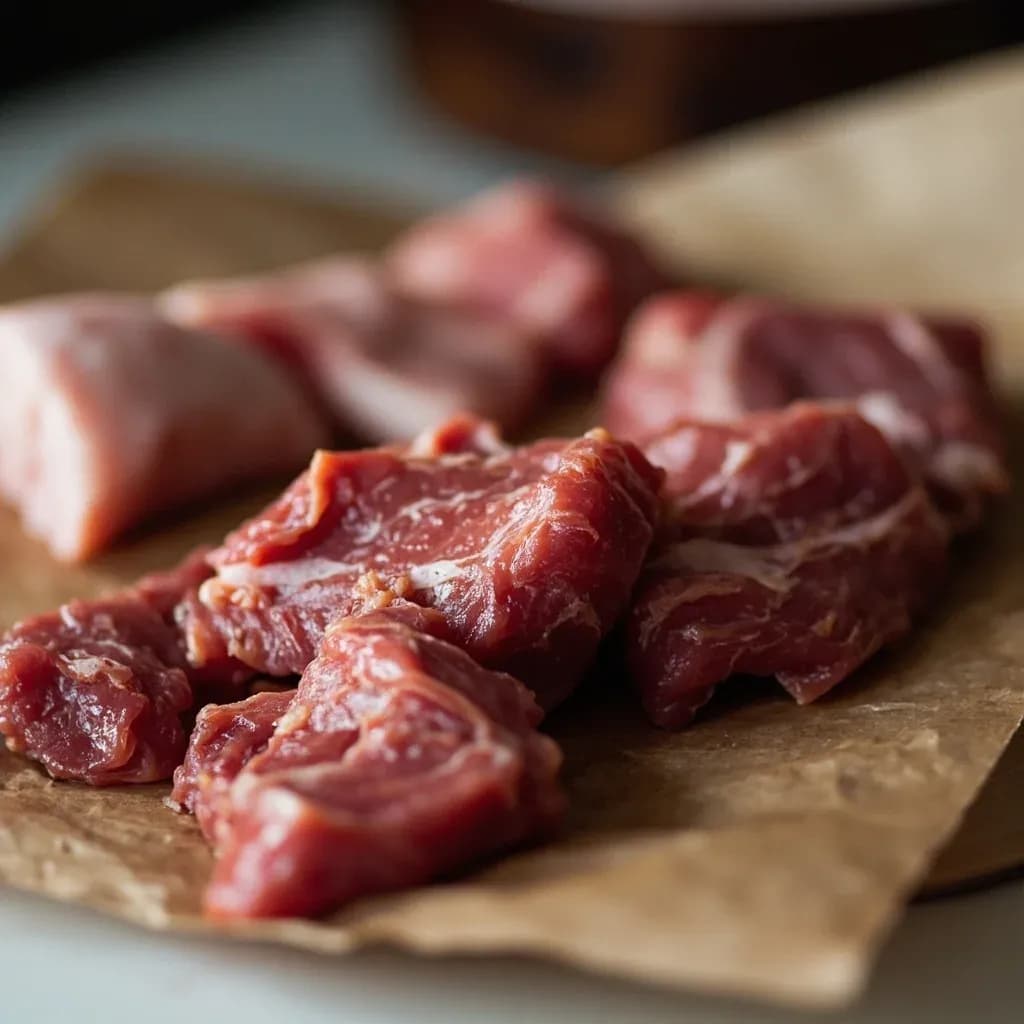
Wild boar (cinghiale in Italian) is the meat of wild pigs, leaner and far more deeply flavored than farmed pork, with a robust, slightly gamey taste. It is most often marinated and slow-braised into hearty ragùs (pappardelle al cinghiale), stews, and sausages, common in Tuscan and broader European game cookery. Long cooking tenderizes its tougher cuts.
Wild boar is the undomesticated ancestor of Sus scrofa, the domestic pig—and while they share a species, the resemblance ends there. Where farmed pork is pale, mild, and fatty, wild boar delivers deeply colored, intensely flavored, remarkably lean meat that demands an entirely different approach at the stove. The flesh carries a robust, gamey savoriness that domestic pork simply cannot match, along with a coarser texture and very low fat content (3–8%) that makes it prone to drying and toughening if treated carelessly. This is not a weeknight swap for ground pork; it requires respect, patience, and proper technique.
The meat's leanness is both its defining characteristic and its primary challenge. Without intramuscular fat to baste the fibers during cooking, wild boar desiccates rapidly over high heat. The upside is a finished dish of concentrated, almost jammy intensity when properly handled—think of the glossy, mahogany ragù that clings to hand-rolled pappardelle in a Tuscan trattoria. The animal's diet of acorns, roots, tubers, and small game contributes earthy, nutty undertones that vary by region and season, which is why Italian, Spanish, and French traditions have each developed distinct approaches to the meat.
Sourcing matters significantly. Ranched and farmed wild boar offer consistency, food safety assurances, and a milder game flavor suitable for cooks unfamiliar with the ingredient. Wild-caught boar—available from specialty hunters, specialty grocers, or well-stocked markets in hunting regions—tends toward greater intensity and requires stricter attention to temperature and doneness. American feral boar, particularly from Texas and the Gulf Coast, has become increasingly available and represents a sustainable choice given its invasive status, though the flavor skews gamier than managed European strains.
- Measured in
- g
- Storage
- Fridge
Types & varieties
Central Italian strain, prized in Tuscan cuisine; typically hunted or ranch-raised in Tuscany, Umbria, and Lazio. The benchmark for classic wild boar preparations.
Iberian wild boar; found throughout Spain, especially in Extremadura and Andalusia. Used in hunting stews, estofados, and cured embutidos.
French wild boar; central to Provençal and Burgundian cooking. Often featured in civet (hunter's stew) and charcuterie.
Feral domestic pigs reverted to wild state; prevalent in Texas, California, and Gulf Coast states. Gamier and leaner than European strains; sustainably harvested as invasive species.
Farm-raised under controlled conditions for consistent quality and food safety. Milder game flavor than wild-caught; best choice for first-time cooks.
The Tuscan Two-Day Ragù Method
The most rigorous and widely imitated approach to wild boar comes from Tuscany, where the process is treated with near-ceremonial care. The two-day method is worth following precisely for the depth of flavor it produces: Day one involves trimming the meat into large chunks, submerging it in a marinade of Chianti along with diced soffritto (onion, carrot, celery), bay leaves, rosemary, juniper berries, and sometimes a splash of red wine vinegar. This rest period accomplishes two things—acid denatures surface proteins for better texture, and the wine and aromatics penetrate the lean tissue, mellowing gaminess while building complexity. Day two, the meat is drained, seared in batches in a heavy Dutch oven, then braised low and slow in its strained marinade until collapse-tender. The result is a concentrated, glossy sauce that tastes nothing like a shortcut weeknight braise.
- Day 1: Cube meat (2-inch pieces), combine with wine, aromatics, herbs; refrigerate 12–24 hours
- Day 2: Drain meat, reserve marinade, pat pieces dry; sear in olive oil until deeply browned
- Add strained marinade, cover, and braise at 300°F (150°C) for 2.5–3 hours until meat yields easily
- Reduce braising liquid to sauce consistency; adjust seasoning before serving
Selecting Cuts for Different Preparations
Wild boar shoulder is the workhorse cut: well-marbled with connective tissue, it braises into silky tenderness and holds its shape in stews. The leg (haunch) is leaner and more muscular, best suited for long, slow moist-heat cooking or roasting after a prolonged marinade. Belly, when available, offers the rare luxury of intermuscular fat—render it slowly for crisp, rich results. Ribs require extended cooking (3–4 hours low-and-slow or pressure cooking) to break down the heavy bone. Ground boar (sminuzzato) is excellent for ragùs, meatballs, and sausages but demands fat added back for proper texture and moisture.
- Shoulder: braising, stews, ragùs — forgiving of extended cooking
- Haunch/leg: roasts, medallions post-marination, ground use
- Belly: slow-rendered for cracklings, braised whole, lardo-style cure
- Ribs: low-and-slow smoking, braising, pressure cooking
- Ground: sausages, meatballs, ragù — always add 20–30% pork fat back
Charcuterie with Wild Boar
The same intensity that makes wild boar challenging for direct cooking makes it exceptional for curing. Because the meat is so lean, proper charcuterie requires blending with sufficient pork fat (typically 30–40% pork belly or back fat) to create a workable mixture. Wild boar responds beautifully to fermentation and long cures: cured whole muscles like lonza and coppa, ground and stuffed salami, and finocchiona-style products all take well to boar. The gamey depth intensifies over the cure, yielding charcuterie of remarkable complexity. For home charcuterie, work with a reliable ratio of fat to lean, maintain strict sanitation, and cure at controlled temperature and humidity.
- Always add back fat when making fresh or cured wild boar sausages
- Lean-to-fat ratio of approximately 70:30 for sausage meat
- Use pork shoulder or belly as the fat component for best flavor integration
- Cured wild boar products require precise cure calculations by weight
Common uses
Tips & pitfalls
- Marinate wild boar overnight—never skip this step. Use Chianti, red wine vinegar, bay, rosemary, juniper, and smashed garlic. The wine tenderizes surface proteins; the acid begins breaking down connective tissue; the aromatics penetrate and mellow gaminess.
- Always cook low and slow. High heat desiccates the lean meat and produces a dry, rubbery result. Braise at 300°F (150°C) or below, or use a pressure cooker or slow cooker for shoulder and stew cuts.
- Add back fat when grinding wild boar for sausage, meatballs, or burgers. Without sufficient fat (20–30%), the mixture will be dry, crumbly, and unpalatable. Pork shoulder or pork belly are the standard partners.
- Braise in an acidic liquid—wine, tomatoes, or both—to help break down the dense muscle fibers and connective tissue. This is not optional; it is the mechanism that transforms tough meat into tender eating.
- Cook wild boar to 160°F (71°C) internal temperature for food safety. Unlike venison, which can be safely served at medium-rare, wild boar requires thorough cooking. The low temperature is still far gentler than high-heat methods.
- Season aggressively. A common mistake is treating wild boar like mild domestic pork and undersalting. Its intense flavor requires more salt than you would use for comparable pork preparations—taste and adjust before serving.
- Pat meat completely dry before searing. Surface moisture is the enemy of browning. Wet meat steams; dry meat fries, developing the Maillard crust that contributes fundamental flavor to braises.
- Do not overwork ground wild boar when forming patties or meatballs. Mix just until cohesive, then stop. Overworked meat becomes dense and tough.
Nutrition
Energy
510 kJ · per 100 g
Where the calories come from
Protein
21.5g
43% DV
Carbs
0g
0% DV
Fat
3.3g
4% DV
Fiber
0g
0% DV
Source · USDA FoodData Central · approx. Game meat, boar, wild, raw
View on FDC →In the shops
Matched grocery products
No matched grocery products for Wild Boar (Cinghiale) yet.
Good to know
- Species
- Sus scrofa (same as domestic pig)
- Origin
- Native to Europe, Asia, and North Africa; introduced to North America and Australia
- Flavor
- Rich, intensely savory, mildly gamey; darker and more robust than farmed pork
- Texture (raw)
- Dense, lean, slightly coarse; tender and yielding when properly braised
- Fat content
- 3–8% — significantly leaner than domestic pork
- Color
- Deep brick-red, nearly purple when raw; darkens further when cooked
- Primary season
- Late autumn through winter (hunting season); ranched product available year-round
- Yield (cooked)
- ~60–65% after braising — plan accordingly when portioning
- Typical cuts
- Shoulder, haunch/leg, belly, ribs, ground/sminuzzato
- Storage
- Refrigerate within 2–3 days; freeze up to 6 months
- Doneness
- Cook to 160°F (71°C) internal temperature for food safety
Substitutes
- Pork shoulder — Best substitute; braise with generous wine, aromatics, and a tablespoon of juniper or game seasoning to approximate the intensity. The cooking method is identical; the flavor will be milder.
- Venison (deer) — Comparable leanness and game character; venison is slightly milder and more delicate. Cook using the same low-and-slow approach, and consider adding a touch more salt and acid to bridge the gap.
- Beef chuck — Acceptable workhorse substitute for stews and braises. It lacks the gamey complexity of boar but delivers similar tenderness and body to the braising liquid. Adjust seasoning upward and add wine and herbs.
Pairs with
Also called
Cinghiale · Wild Pig
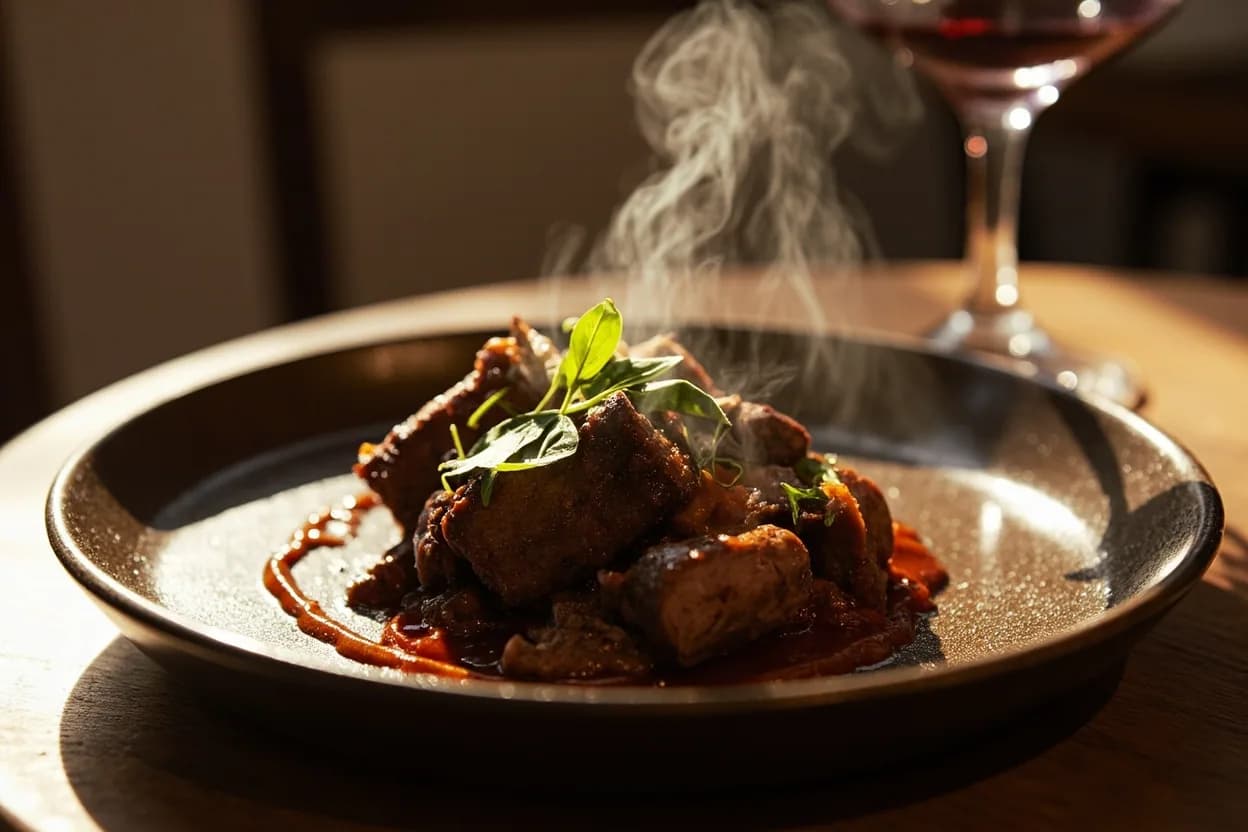
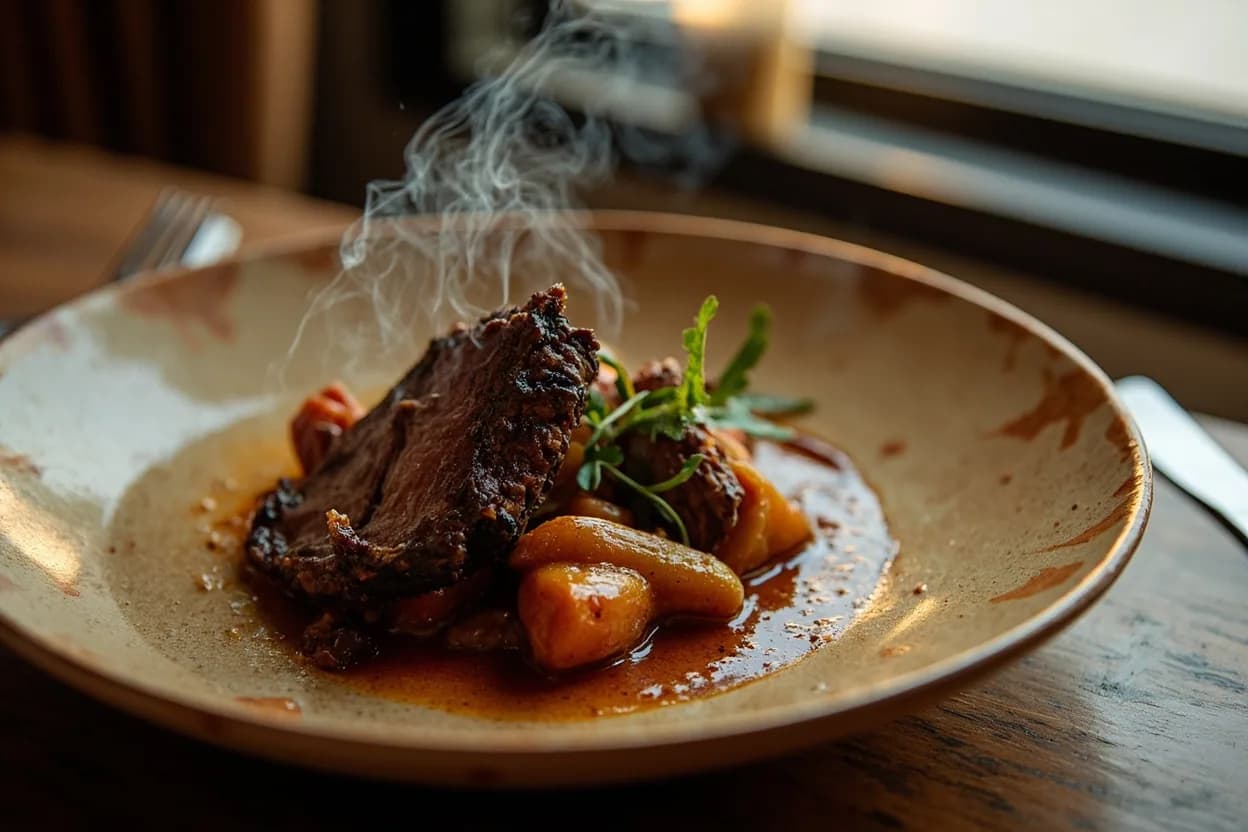
Appears in these dishes
Related
Egg
The kitchen's everything ingredient — bind, leaven, enrich, or fry
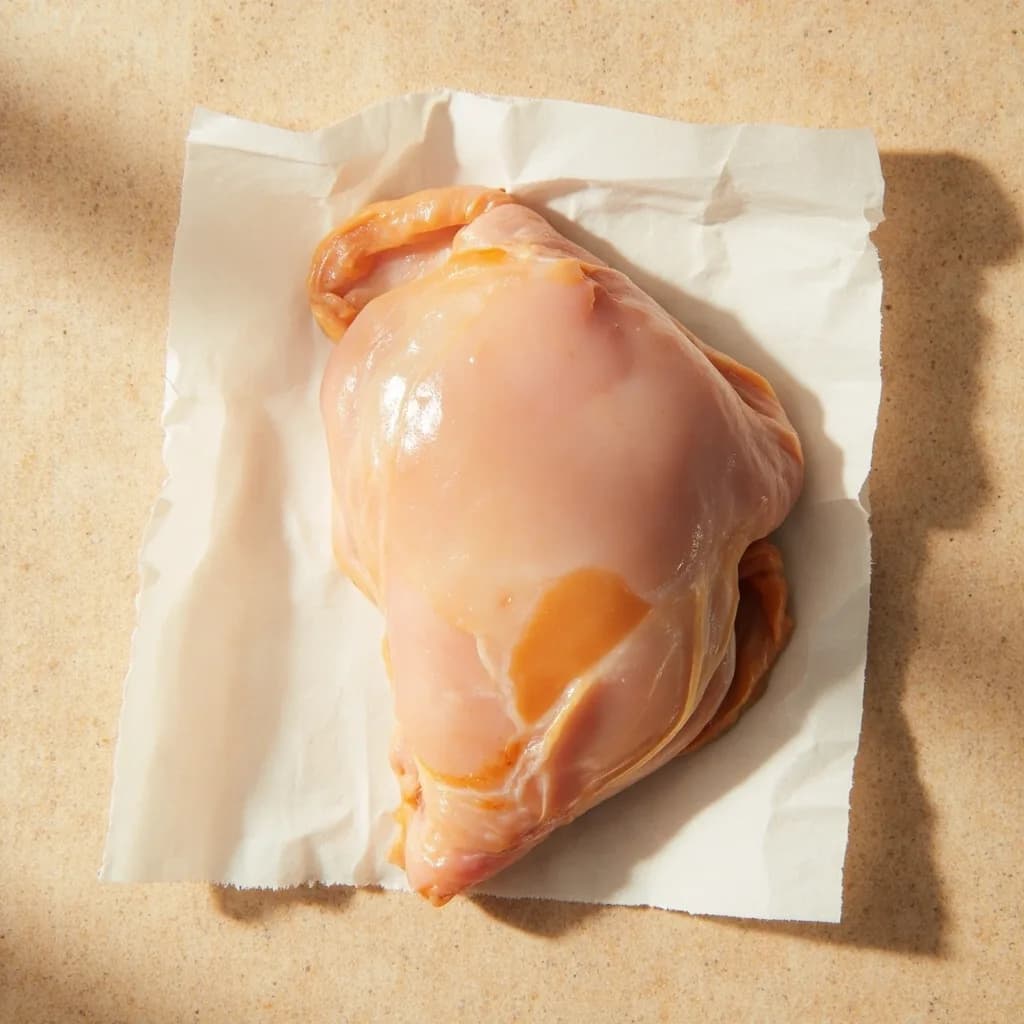
Chicken Breast
Lean, quick-cooking white meat for everyday dinners

Ground Beef
Versatile minced beef for burgers, ragù, tacos, and meatballs
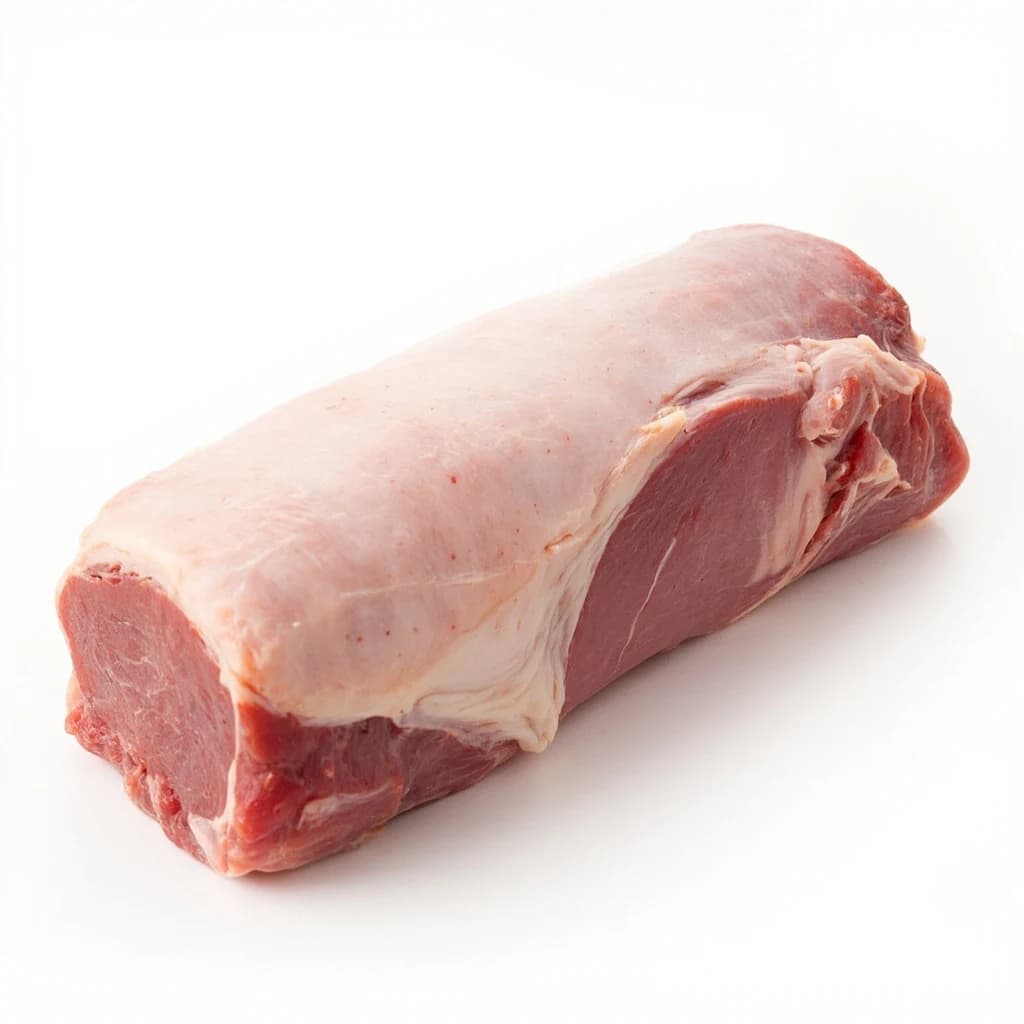
Pork Loin
Lean, tender roasting cut that stays juicy with care
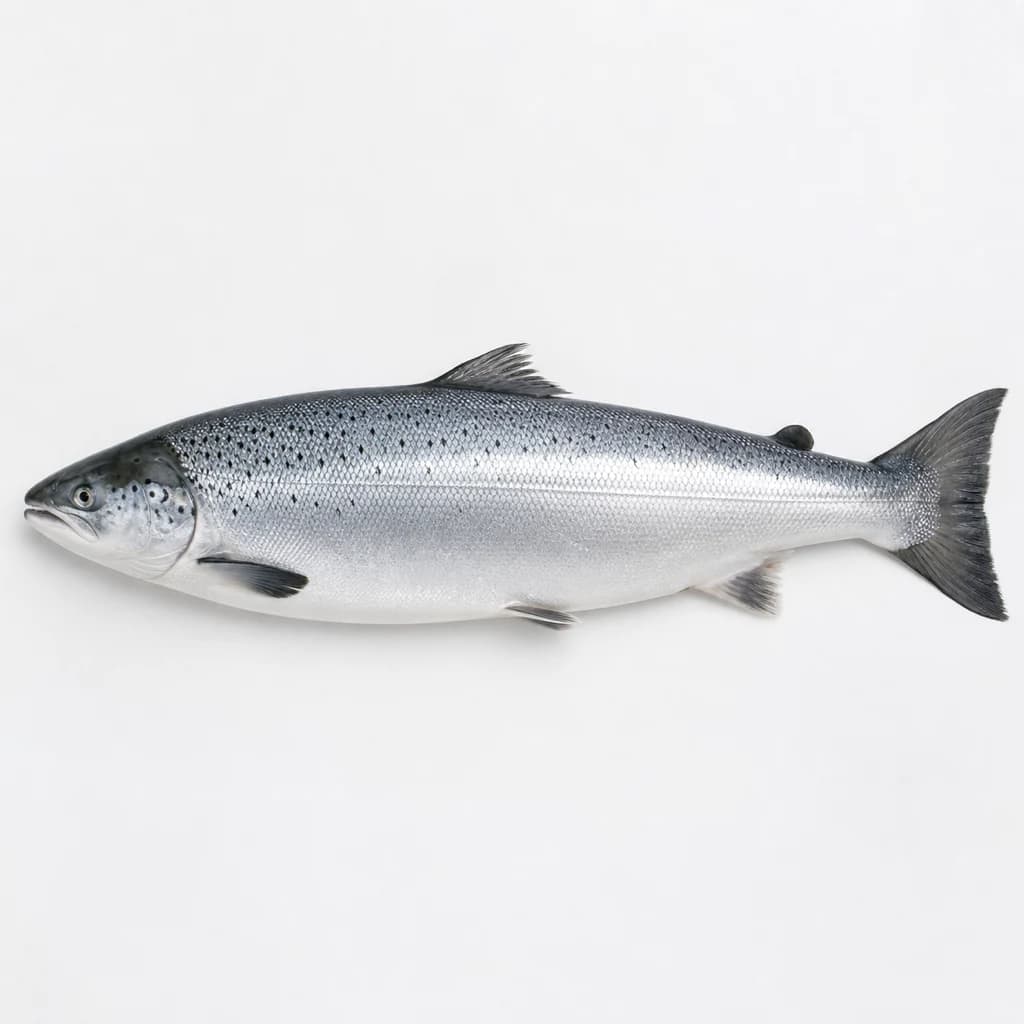
Salmon
Rich, rosy fish that roasts, grills, or cures beautifully

Egg White
Pure protein that whips to airy peaks for meringue and more
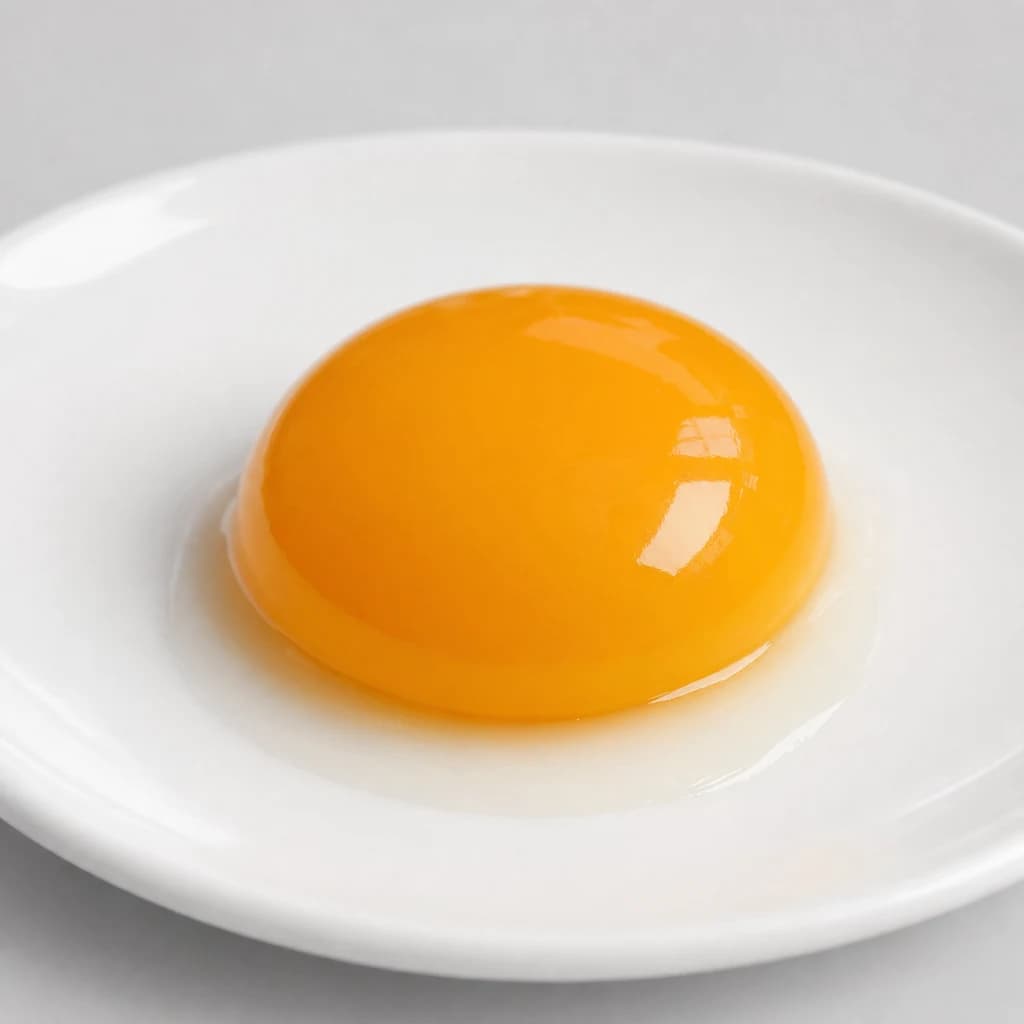
Egg Yolk
Rich, golden yolk for custards, mayonnaise, and pasta

Quail Egg
Tiny, speckled eggs for garnishing and elegant bites