
Natural form
Raw beef chuck roast showing heavy marbling and connective tissue before cooking.
Shows the distinctive shoulder cut in its unprocessed state so readers recognize it at the butcher counter.
Proteins
Beef Chuck
Well-marbled shoulder cut, ideal for braising, stewing, and ground beef.
Beef chuck comes from the shoulder, with plenty of connective tissue and marbling that breaks down into tender, juicy meat when cooked slowly. It is the go-to for pot roast, stews, braises, and flavorful ground beef and burgers. Long, moist cooking transforms its toughness into rich, fall-apart texture.
Beef chuck is the muscular, collagen-rich portion from the forequarter of the animal, encompassing the first through fifth thoracic vertebrae and extending down through the shoulder region. This primal cut represents roughly a quarter of an entire side of beef and is distinguished by its heavy concentration of slow-twitch muscle fibers interlaced with extensive connective tissue. The collagen within these fibers, when subjected to sustained moist heat at approximately 160°F (71°C), gradually converts to rich, silky gelatin—transforming what would otherwise be a tough, chewy cut into something yielding and succulent. Chuck's fat content, typically running 12–20% by weight in standard roasts, provides built-in moisture and flavor that few other cuts can match at this price point.
The cut's versatility is remarkable: while the whole roasts and stew cubes demand the patience of low-and-slow braising, specific muscles within the chuck have been identified and fabricated into premium steaks. The flat iron steak, removed from the top blade after trimming the heavy connective tissue seam, offers genuine tenderness suitable for high-heat cooking. The chuck eye roll, running toward the rib eye, is noticeably more tender than surrounding tissue and is sometimes misrepresented as rib eye in markets—a distinction worth noting when purchasing. The petite tender, a small tapered muscle from the shoulder, can be cooked like a tenderloin at higher temperatures.
Ground chuck—typically 80–85% lean—constitutes the workhorse of commercial and home kitchens alike. The fat content emulsifies beautifully during cooking, producing burgers that hold together without drying out and mixtures for meatballs, meatloaf, and Bolognese that remain moist and cohesive. This combination of affordability, accessibility, and culinary flexibility has made beef chuck the foundation of pot roast, beef stew, corned beef, and barbecue traditions across virtually every cuisine that works with beef.
- Measured in
- g
- Storage
- Fridge
Types & varieties
Bone-in; named for the H-shaped 7th vertebra cross-section; good marbling, requires braising
Cut across the blade bone; heavy connective tissue seam down center; braising only
Adjacent to rib eye; more tender than other chuck cuts; tolerates higher-heat roasting
Versatile pot roast sold as uniform roasts; best when shaped for even cooking
From bottom of chuck; slightly more tender; good for braising or stew meat
Most tender chuck steak; from top blade muscle after connective tissue removal; grill or pan-sear only
Small tapered shoulder muscle; grill like tenderloin; frequently mislabeled at retail
Large coarse-grained muscle; needs marinading or very long braising; common for stew meat
Tender, richly marbled steak cut from the chuck under-blade; surprisingly soft for a chuck cut, it grills or pan-sears well and slices cleanly against the grain.
The Science of Collagen and Gelatin
Chuck's toughness is structural, not permanent. The long, parallel chains of collagen that make slow-twitch muscle fibers resistant to tearing also happen to be water-soluble at temperatures between 160–180°F (71–82°C). When held at this temperature range for extended periods—typically 3–4 hours for a 3–4 pound roast—those collagen chains gradually unravel and absorb surrounding liquid, swelling into gelatin strands that disperse throughout the cooking liquid. This gelatin adds body to sauces, creates a silky mouthfeel, and actually increases the perceived juiciness of the meat by trapping water molecules within its structure. Dry heat cannot achieve this transformation; the proteins denature and squeeze moisture out before collagen converts, resulting in the shoe-leather texture chuck is known for producing when mishandled.
- Moist heat above 160°F (71°C) is non-negotiable for breaking down chuck's collagen
- The meat is done when a fork slides in and twists with no resistance
- Rushing the process with higher heat only toughens meat and creates shrinkage
Identifying Quality Chuck
Visual inspection reveals quality: look for bright cherry-red color in fresh cuts, firm texture that springs back when pressed, and marbling—fine white flecks of fat distributed throughout the lean—visible even in raw state. The fat marbling is your assurance of flavor and moisture retention during the long cooking process. Avoid any cut that appears gray, slimy, or has an off odor. For roasts, uniformity of shape matters: an irregular, tapered roast cooks unevenly, with thinner portions overcooking before thicker sections reach tenderness. When buying ground chuck, look for 80/20 or 85/15 ratios; anything leaner sacrifices the fat that makes burgers juicy and emulsified mixtures cohesive.
- Bright red color and firm texture indicate freshness
- Visible marbling predicts better results after braising
- Uniform roast shape ensures even cooking throughout
Common uses
Tips & pitfalls
- Braise at 300–325°F (150–160°C) for 3–4 hours until fork-tender; the sustained gentle heat dissolves collagen without moisture loss
- Pat roasts completely dry and sear on all sides in a hot Dutch oven before adding liquid; the Maillard crust adds significant flavor depth
- Do not salt heavily before searing; draw-out moisture prevents proper browning and development of the savory crust
- Use a tight-fitting lid or wrap tightly in plastic then foil before braising to retain all steam and juices
- Add acidic ingredients (tomatoes, wine, vinegar) in the last hour; acid initially firms proteins and can toughen meat if present throughout cooking
- Allow braised roasts to cool in their liquid; resting in cooking liquid prevents moisture loss and makes slicing easier
- For stews, cut meat against the grain into 1.5–2-inch cubes and brown in batches; crowding causes steaming instead of browning
- When grinding for burgers, chill meat and grinder parts thoroughly; fat emulsifies better in cold chuck, producing cohesive patties
- Rest braised meat 15–20 minutes before slicing against the grain; slicing too soon releases juices into the pan
- The flat iron steak should be grilled or pan-seared to no more than medium-rare; beyond that it toughens noticeably
Nutrition
Energy
548 kJ · per 100 g
Where the calories come from
Protein
20.5g
41% DV
Carbs
0g
0% DV
Fat
5.4g
7% DV
Fiber
0g
0% DV
Sugars
0g
of which
Sodium
56mg
2% DV
Source · USDA FoodData Central · approx. Beef, New Zealand, imported, chuck eye roll, separable lean only, raw
View on FDC →In the shops
Matched grocery products
No matched grocery products for Beef Chuck yet.
Good to know
- Primal cut
- Chuck (forequarter, 1st–5th thoracic vertebrae)
- Sub-primals
- Chuck Roll, Chuck Shoulder Pot Roast, Chuck Eye Roll
- Muscle type
- Slow-twitch fibers with abundant connective tissue (collagen)
- Collagen behavior
- Converts to gelatin at 160°F (71°C) with sustained moist heat
- Fat content
- 12–20% fat by weight in typical roasts; well-marbled for its class
- Typical forms
- Bone-in roasts (3–8 lb), boneless roasts (3–6 lb), steaks (3/4–1 inch), stew cubes, ground chuck
- USDA grades
- Select (acceptable), Choice (preferred for roasting), Prime (exceptional marbling)
- Storage
- 3–5 days refrigerated; 4–6 months frozen at 0°F
Substitutes
- Beef Brisket — Similar collagen and marbling content; requires same long moist cooking; works in braises and stews but has different grain structure
- Beef Short Ribs — Richly marbled with heavy connective tissue; ideal for braising and stews; bone-in pieces add gelatin to stocks
- Bottom Round — Leaner, from rear leg; acceptable for stews if cooked long enough; not suitable for braised roasts without added fat
- Oxtail — High collagen and marrow; excellent for braises, stews, and soups; smaller pieces require less cooking time
- Chuck Tender (Chuck Clod) — Direct substitute in stews; requires longer cooking due to coarser grain
Pairs with
Also called
Chuck Roast · Chuck Steak
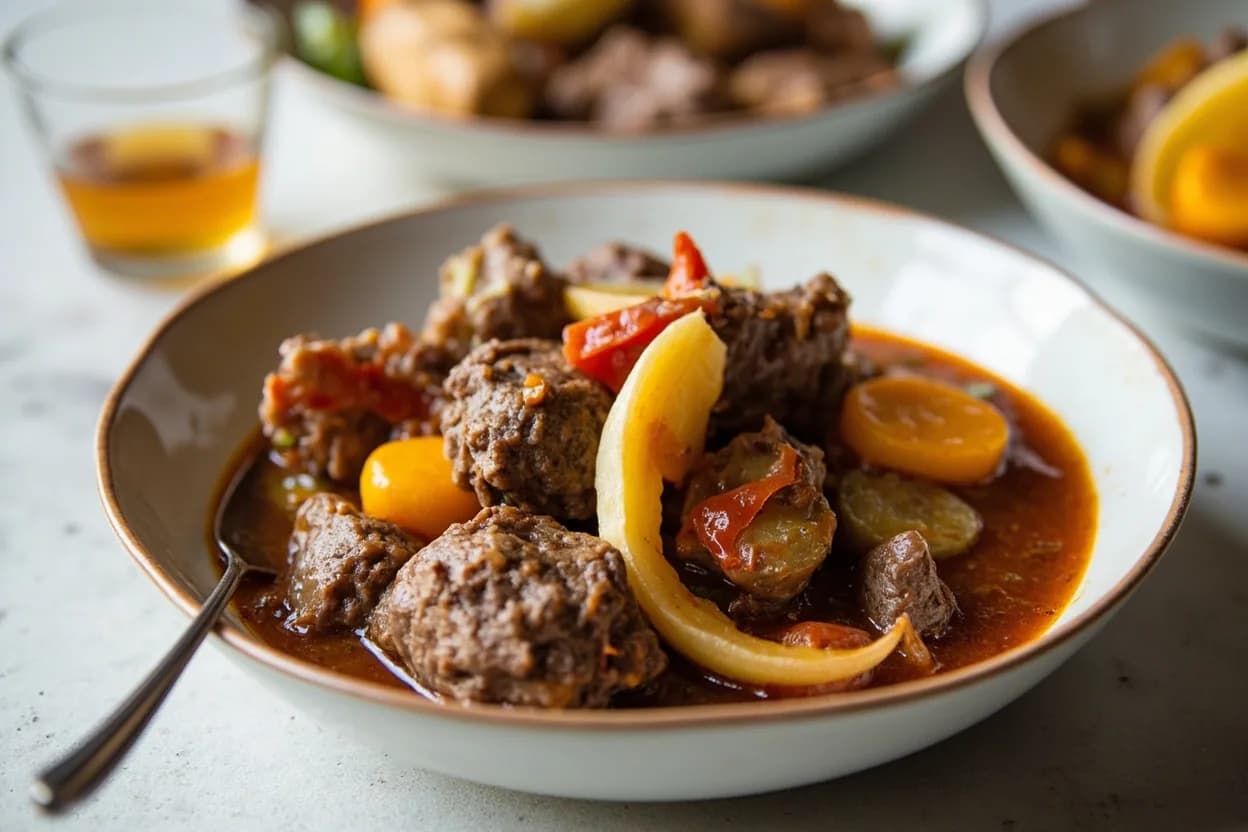
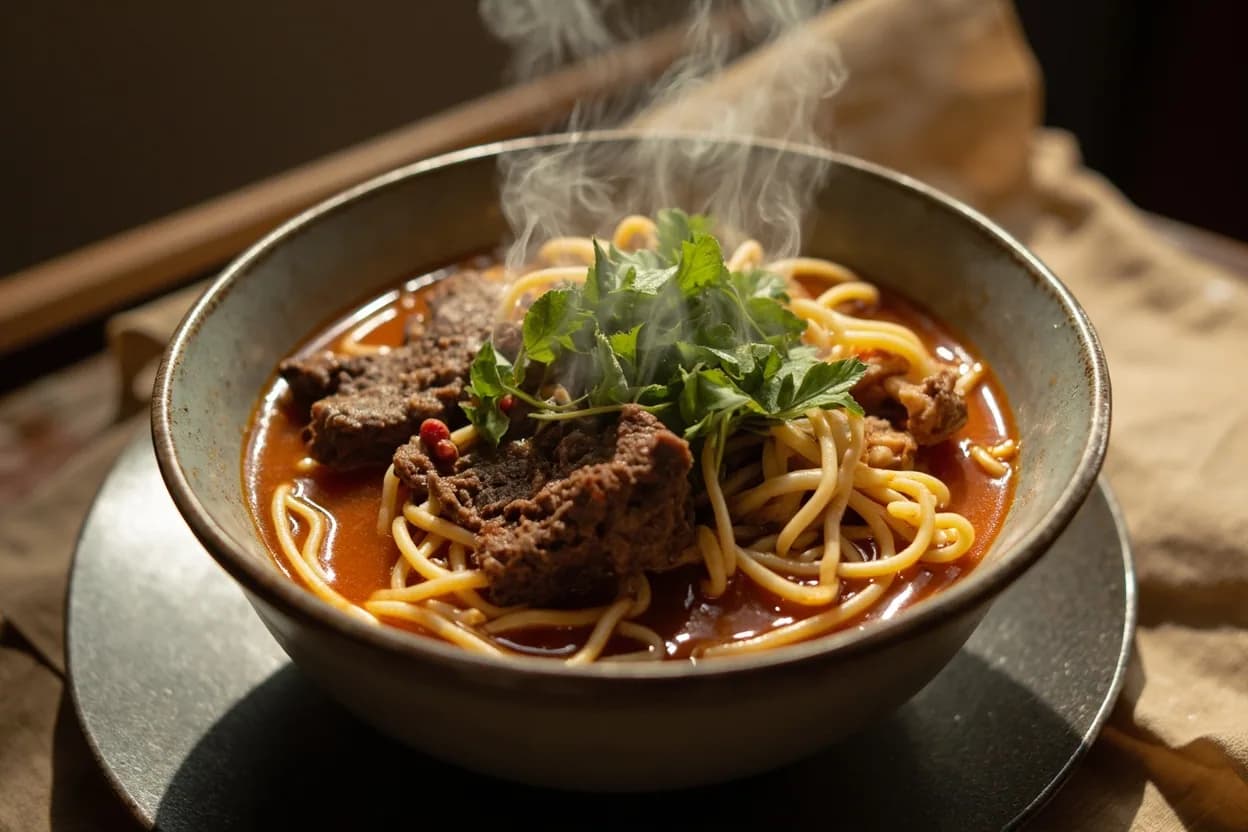
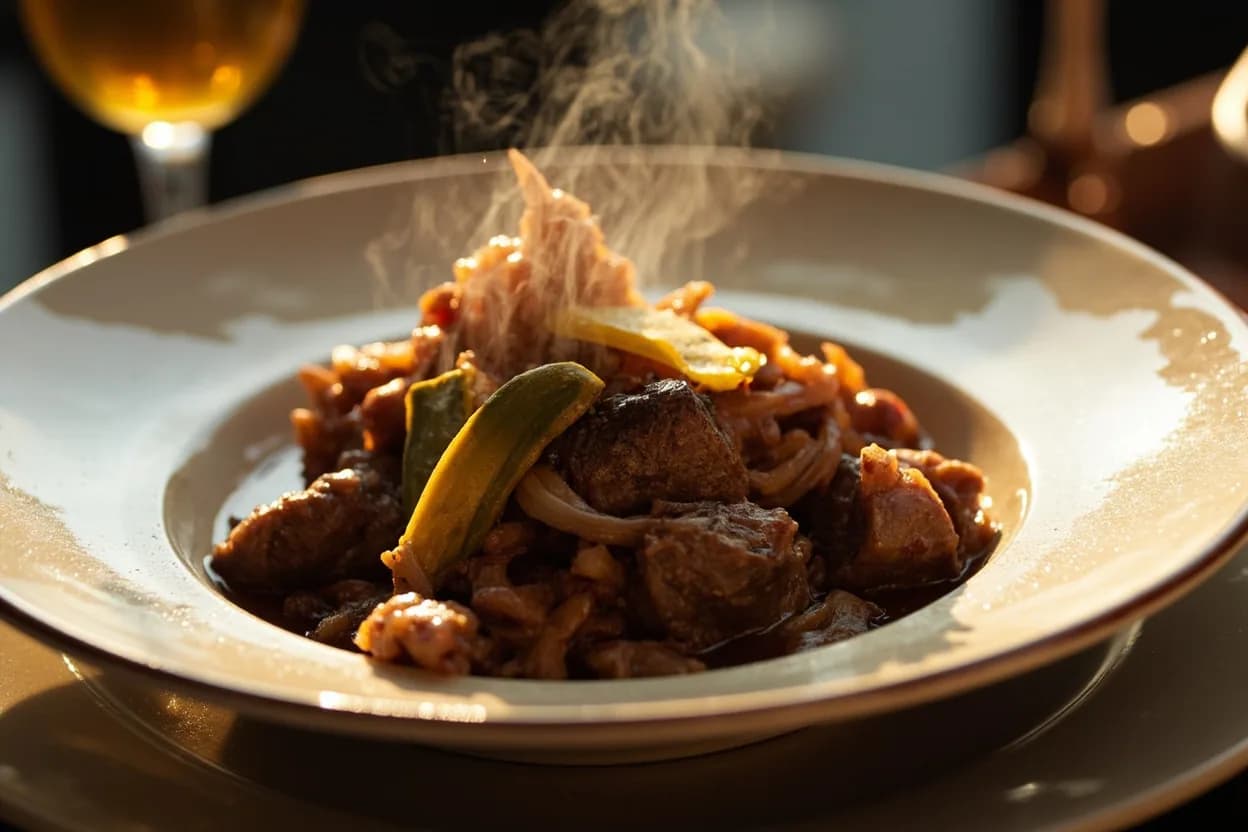
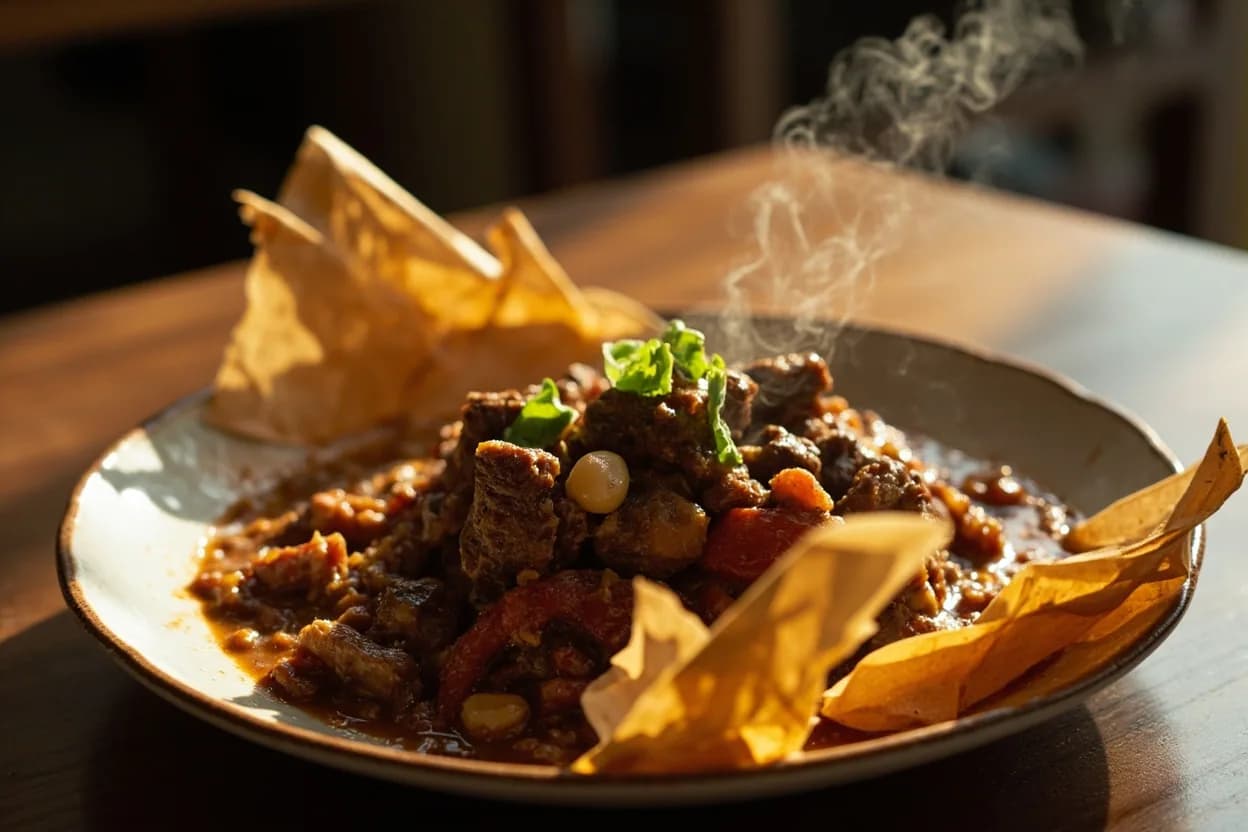
Appears in these dishes
Related
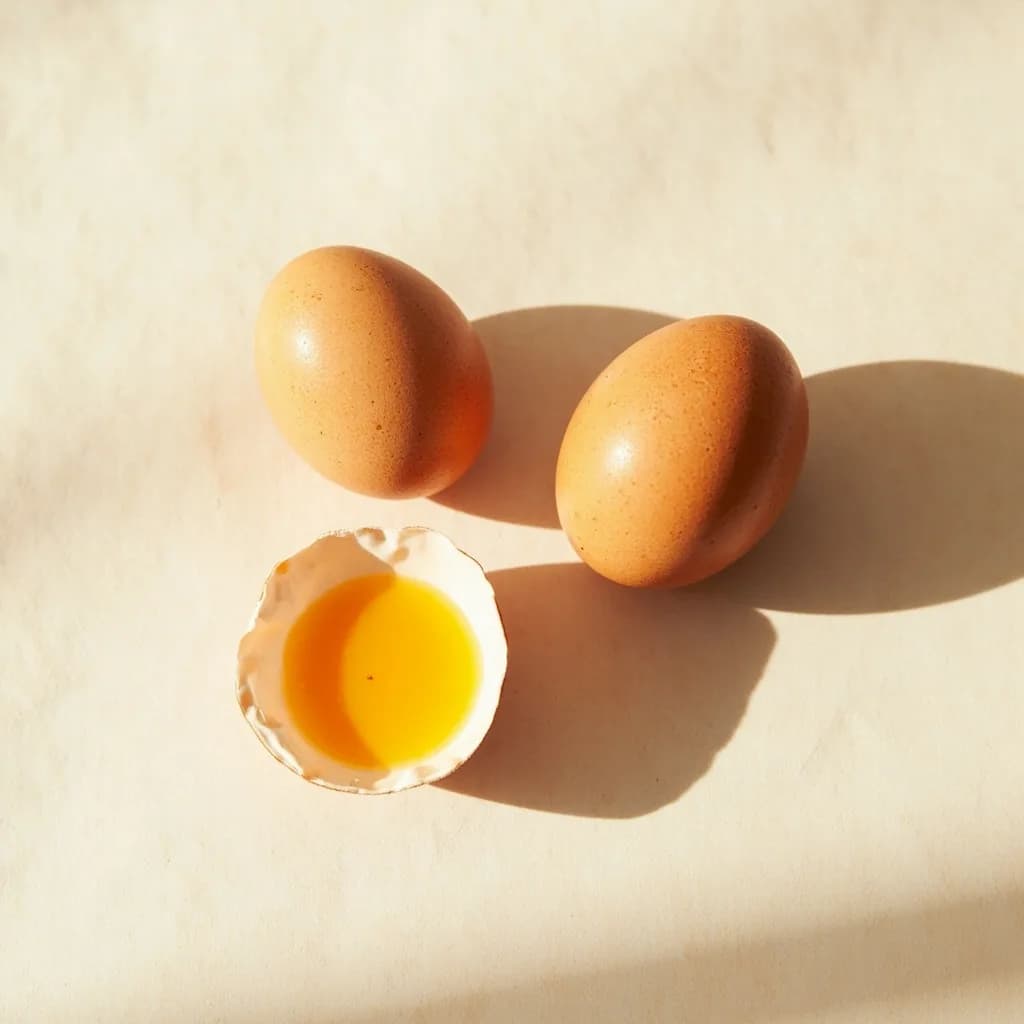
Egg
The kitchen's everything ingredient — bind, leaven, enrich, or fry
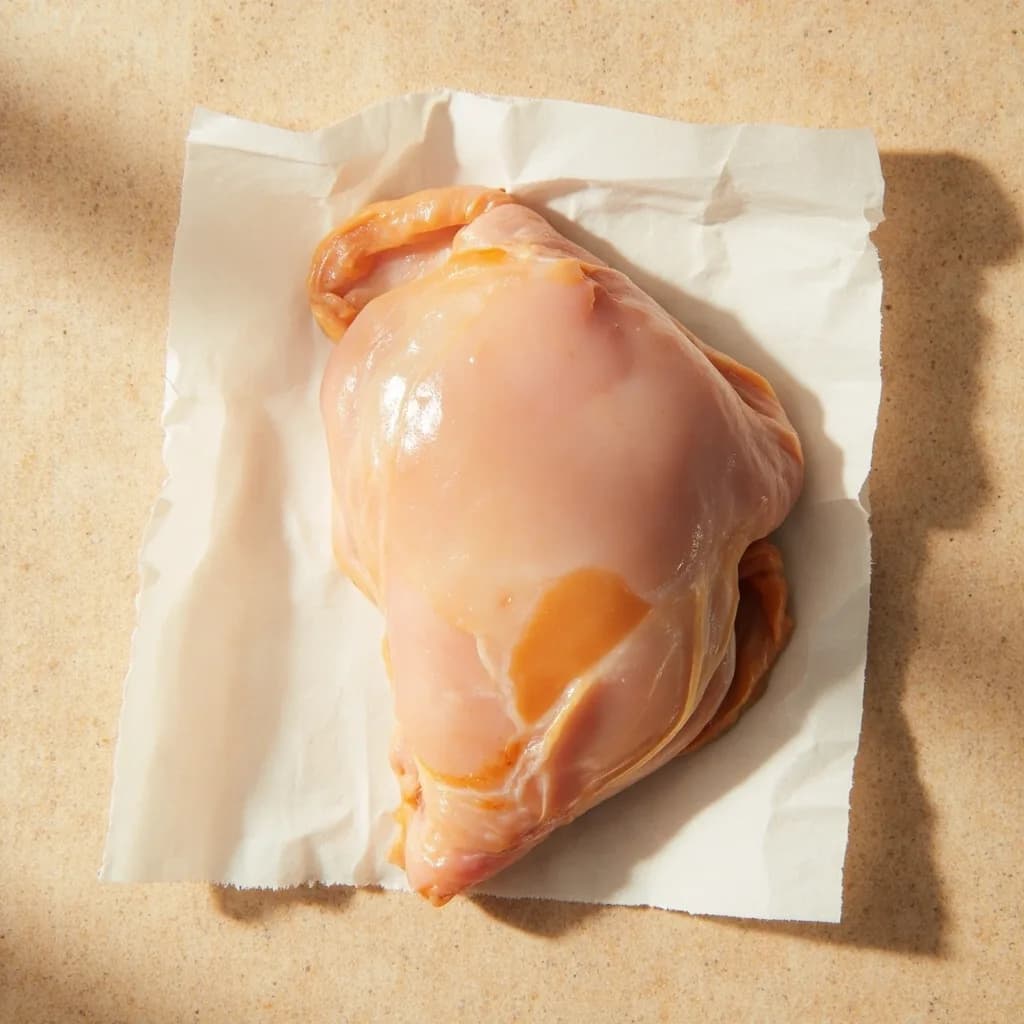
Chicken Breast
Lean, quick-cooking white meat for everyday dinners

Ground Beef
Versatile minced beef for burgers, ragù, tacos, and meatballs
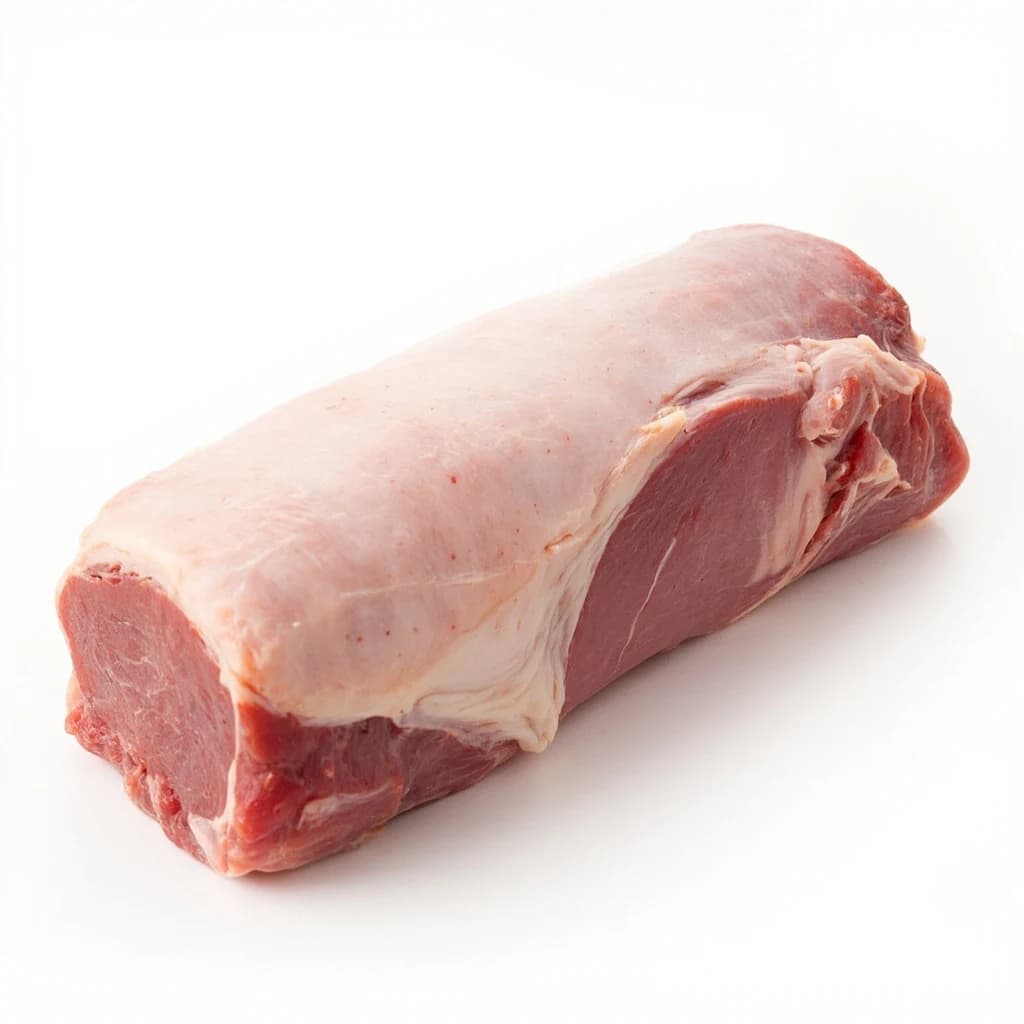
Pork Loin
Lean, tender roasting cut that stays juicy with care
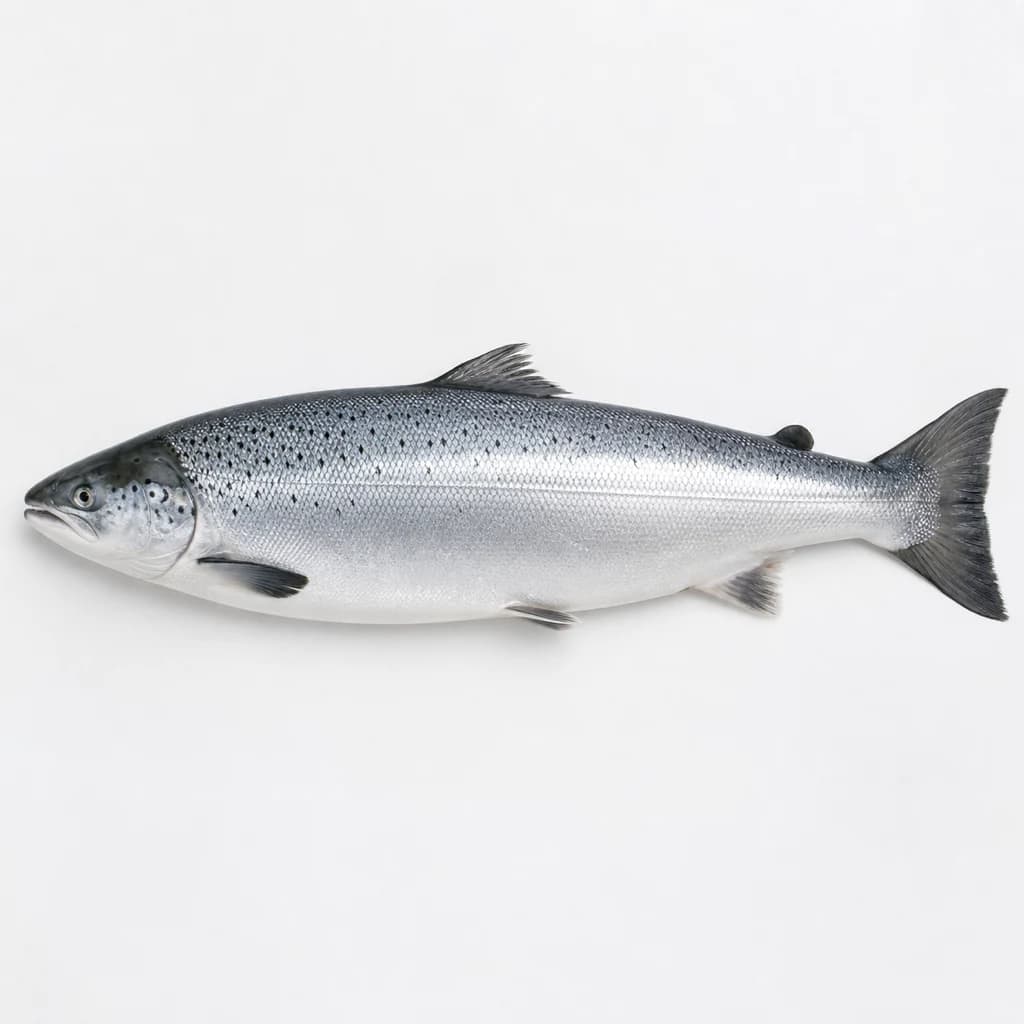
Salmon
Rich, rosy fish that roasts, grills, or cures beautifully

Egg White
Pure protein that whips to airy peaks for meringue and more
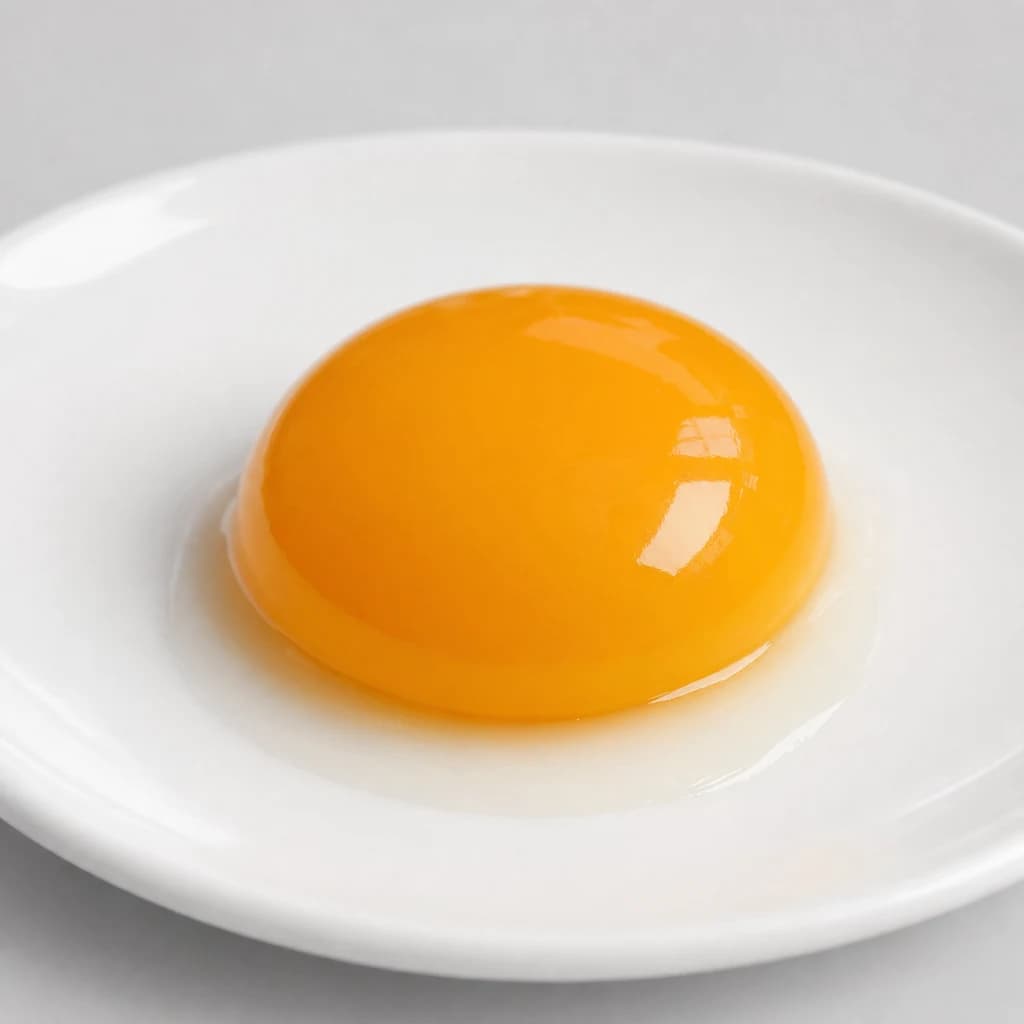
Egg Yolk
Rich, golden yolk for custards, mayonnaise, and pasta

Quail Egg
Tiny, speckled eggs for garnishing and elegant bites