Proteins
Tempeh
Firm fermented soybean cake with a nutty flavor, used as a meat substitute.
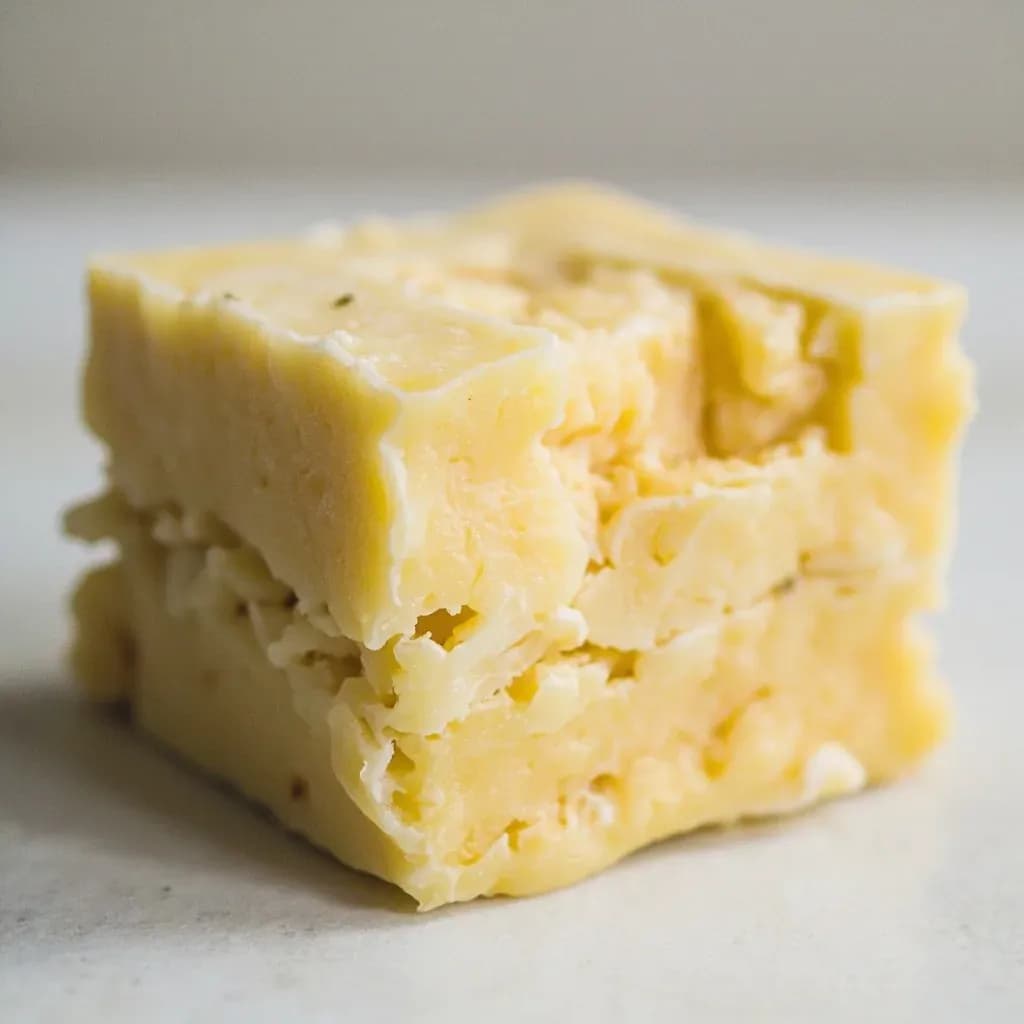
Tempeh is a traditional Indonesian protein made by fermenting cooked soybeans into a dense, sliceable cake bound by white mold. It has a firm, chewy texture and earthy, nutty, slightly mushroom-like flavor, and is sliced and fried, steamed, or marinated as a meat substitute. The whole-bean fermentation makes it high in protein and fiber.
Tempeh is a firm, dense cake of whole soybeans fermented with Rhizopus oligosporus, a filamentous mold culture. Originating in Java, Indonesia—where it has been documented since at least the 19th century and likely far longer—tempeh represents one of the world's great traditional fermentation applications. Unlike tofu, where soybeans are ground and coagulated, tempeh keeps the beans whole and fermenting together with their hulls intact. The mold binds them into a solid, sliceable cake while producing a distinctive nutty, earthy, faintly mushroomy aroma that deepens beautifully when cooked. The white mycelium threads visible throughout are not mold to fear—they are the desirable fermentation culture holding everything together.
Because the beans remain whole, tempeh retains significantly more fiber than other soy products, making it one of the more digestion-friendly forms of soy. Its firm, dense structure holds up exceptionally well to slicing, crumbling, marinating, and high-heat cooking, developing satisfying browning and crust formation that milder tofu rarely achieves. The fermentation process also partially breaks down phytic acid and trypsin inhibitors, improving nutrient availability and making tempeh easier to digest than unfermented soybeans. This combination of texture, flavor, and nutrition has made tempeh a staple not only in Indonesian cuisine but increasingly in kitchens worldwide seeking robust plant-based protein.
The Indonesian dishes tempeh goreng (deep-fried), tempeh bacem (braised in sweet soy and spices), and sambal tempeh are canonical preparations worth mastering. Beyond them, tempeh's firm bite and nutty depth adapt readily to stir-fries, grain bowls, sandwiches, and crumbled applications ranging from chili to breakfast scrambles. Understanding how to prepare it properly—pressing, steaming, searing, and seasoning—unlocks its full potential as a versatile, deeply satisfying ingredient.
- Measured in
- g
- Storage
- Fridge
Allergens
Types & varieties
Whole soybeans fermented with R. oligosporus; the original and most widely available variety worldwide
Soybeans combined with brown rice, barley, millet, or quinoa; slightly softer texture with a nutty grain flavor
Made with sweet lupin beans; higher protein content and a slightly bitter edge; popular in Australia and parts of Europe
Made from black soybeans; earthier and slightly sweeter than standard; marketed in North America as a soy-free alternative
Chickpeas or Bengal gram; nuttier and firmer result; often blended with soybeans for better binding
Pre-scented with natural smoke; adds depth without additional seasoning; sold vacuum-packed or in blocks
Pre-flavored with tamari, herbs, or spices; convenient for quick meals but limits customization options
Understanding Freshness and Spoilage
The white mycelium binding the beans is desirable and safe to eat. Gray or black discoloration is normal and does not indicate spoilage—these are simply variations in the mold. Spoiled tempeh is unmistakable: it emits a strong ammonia odor, feels excessively slimy or wet to the touch, and may display pink or yellow patches. When in doubt, discard it. Properly stored tempeh should smell pleasantly earthy and slightly sweet.
- Fresh tempeh smells nutty and earthy; avoid anything with a sharp ammonia scent
- Gray to black discoloration is normal—pink or yellow patches signal spoilage
- Excessive sliminess beyond the natural moisture of fresh tempeh indicates it has gone bad
- Always check the best-by date and use within 5–10 days of production
Pressing and Steaming: The Foundation Steps
Two preparatory steps dramatically improve tempeh's performance in most dishes. Steaming for 10 minutes straight from the refrigerator eliminates any ammonia-like bitterness and firms the texture, making the tempeh more receptive to marinades and searing. Pressing after steaming—or on fresh tempeh—draws out excess moisture that would otherwise prevent browning. Together, these steps transform inconsistent, watery results into consistently golden, crisp-edged tempeh.
- Steam tempeh for 10 minutes before cooking to mellow bitterness and improve texture
- Press after steaming: wrap in a clean towel and weight with a cutting board for 10–15 minutes
- Small cubes and thin slices press and sear more effectively than thick pieces
- Pressed, steamed tempeh sears faster and develops a deeper golden crust
Indonesian Canonical Preparations
To truly understand tempeh, master at least one traditional Indonesian dish. Tempeh goreng means deep-frying sliced tempeh until golden and crisp—simple and endlessly adaptable with different batters and seasonings. Tempeh bacem involves braising in kecap manis, palm sugar, tamarind, and aromatics until deeply caramelized and tender, then optionally finishing on the grill for char. Sambal tempeh combines fried tempeh with a fiery chili paste. These preparations reveal how tempeh interacts with sweetness, acidity, and heat in ways that inform all its other culinary applications.
- Tempeh goreng: slice thin, coat lightly in seasoned flour or batter, deep-fry at 350°F until golden
- Tempeh bacem: simmer 30–40 minutes in a mixture of kecap manis, palm sugar, tamarind, galangal, and bay leaves
- Let bacem tempeh cool in its braising liquid overnight for deeper flavor penetration
- Sambal tempeh: fry tempeh cubes crisp, then toss with homemade or store-bought sambal oelek
Common uses
Tips & pitfalls
- Bring refrigerated tempeh to room temperature before cooking — it sears more evenly and develops better crust
- If your tempeh tastes bitter or ammonia-forward, steam it for 10 minutes before cooking; this mellows off-flavors and firms the texture
- Always press tempeh before cooking if you want a good sear: wrap in a clean towel and place a weighted cutting board for 10–15 minutes to draw out excess moisture
- Cut tempeh into thin slices or small cubes for maximum surface area — this creates crispier edges and better marinade penetration
- Use high heat and enough oil to coat the pan when searing; tempeh sticks easily if the oil is insufficient or the pan is not hot enough
- Do not rush the sear — let one side develop a deep golden crust before flipping; premature flipping causes sticking and pale results
- Marinate for at least 20–30 minutes in a mixture containing acid (lemon juice or vinegar), oil, and umami (soy sauce or miso); overnight in the refrigerator is ideal
- For maximum umami, marinate in a paste of miso, ginger, garlic, and sesame oil before pan-frying or grilling
Nutrition
Energy
803 kJ · per 100 g
Where the calories come from
Protein
20.3g
41% DV
Carbs
7.6g
3% DV
Fat
10.8g
14% DV
Sodium
9mg
0% DV
Source · USDA FoodData Central · Tempeh
View on FDC →In the shops
Matched grocery products
 €1.10
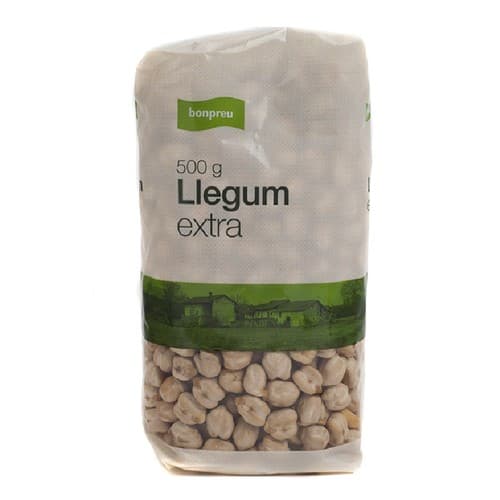
€1.10Chickpeas
BONPREU · kg · Bonpreu
 €2.20
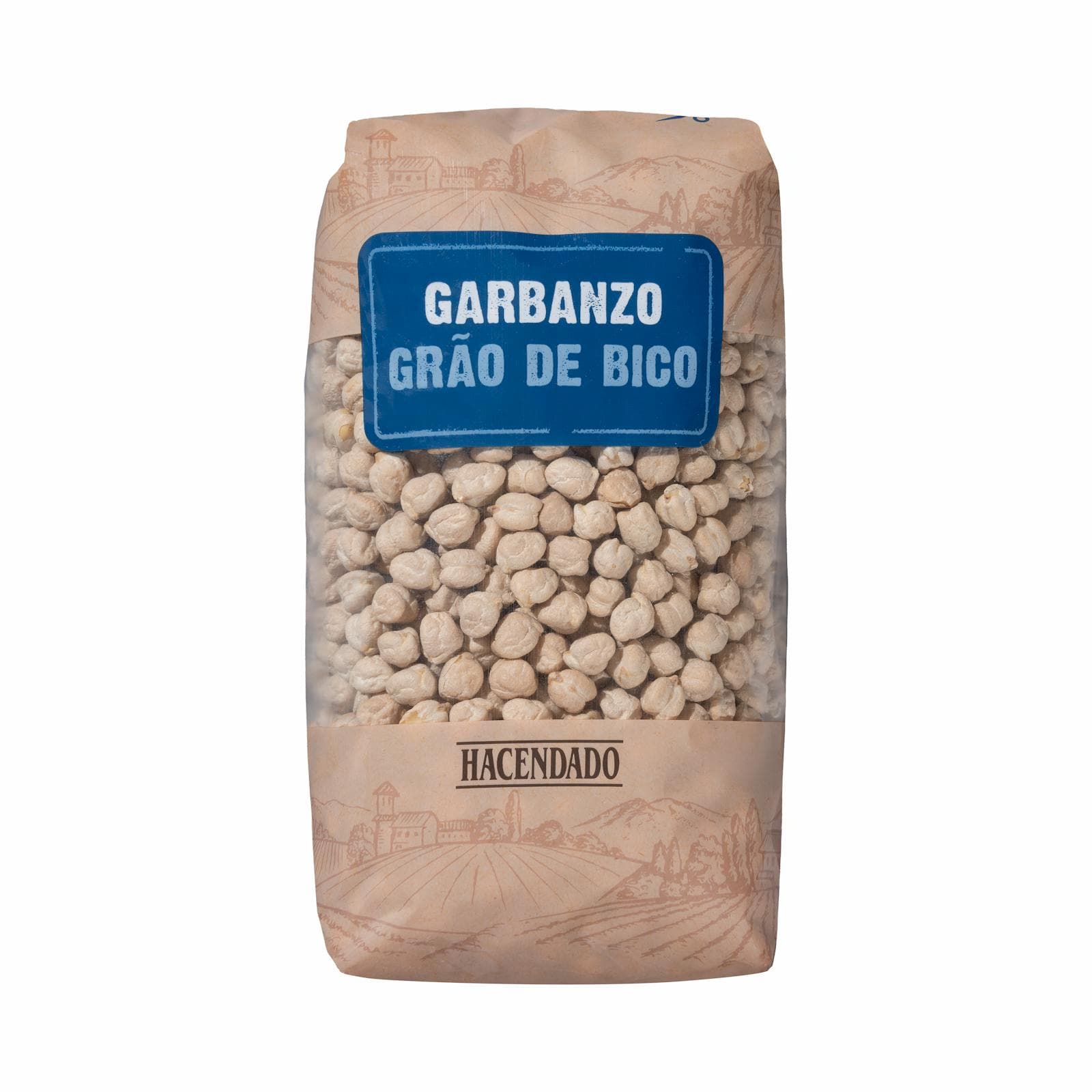
€2.20Chickpeas
Hacendado · 1 kg · Mercadona
 €0.75
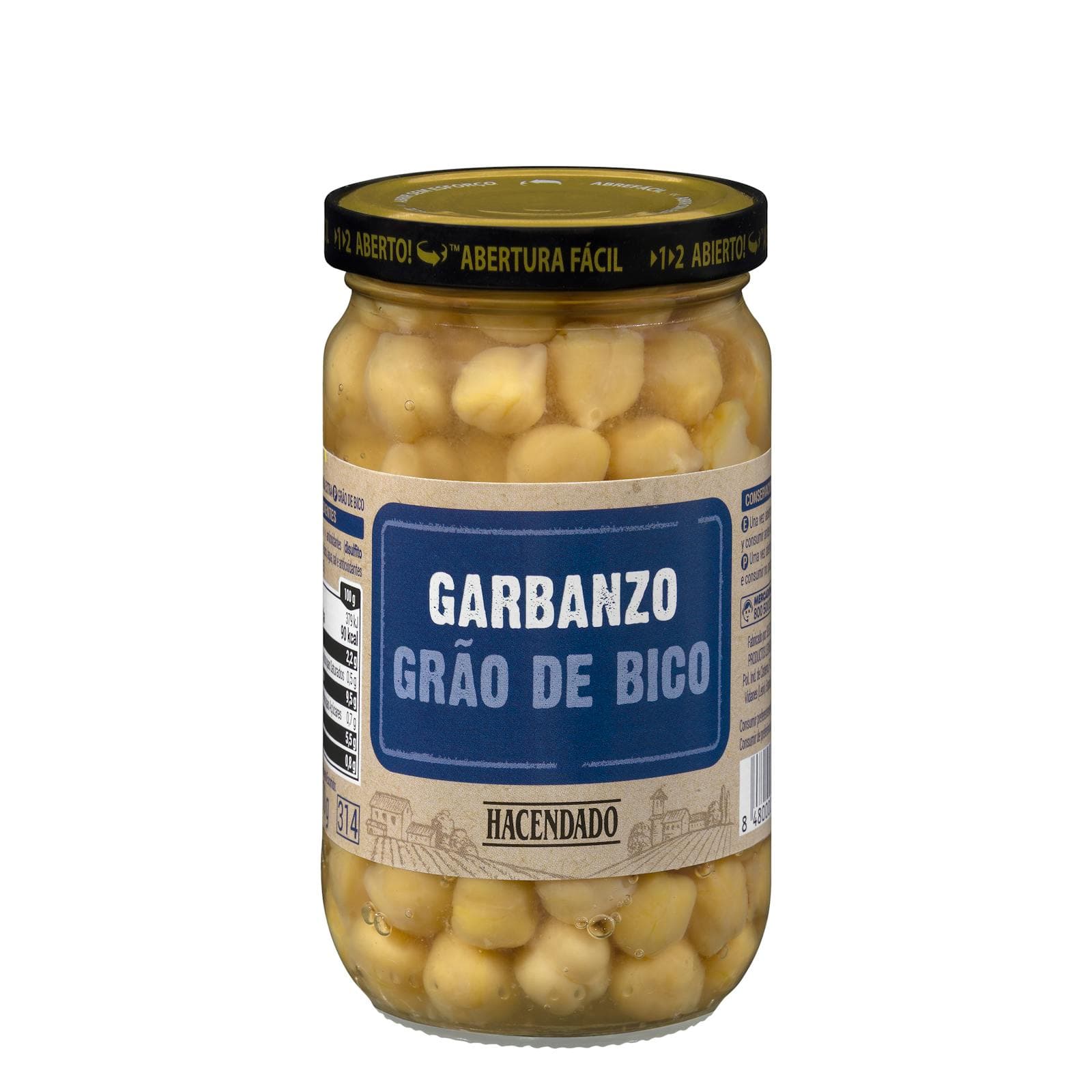
€0.75Cooked Chickpeas
Hacendado · 295 g · Mercadona
 €0.85
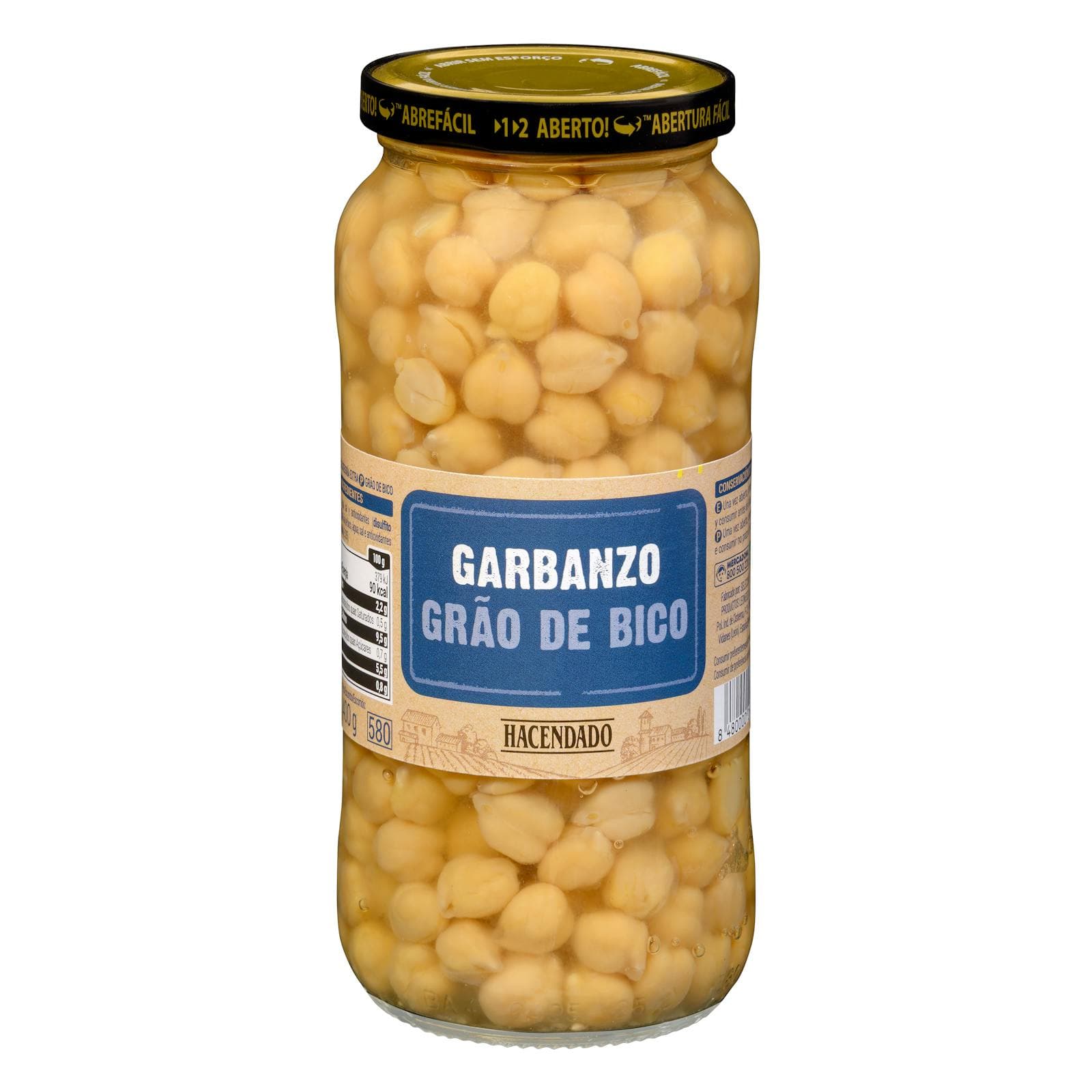
€0.85Cooked Chickpeas
Hacendado · 570 g · Mercadona
 €1.99
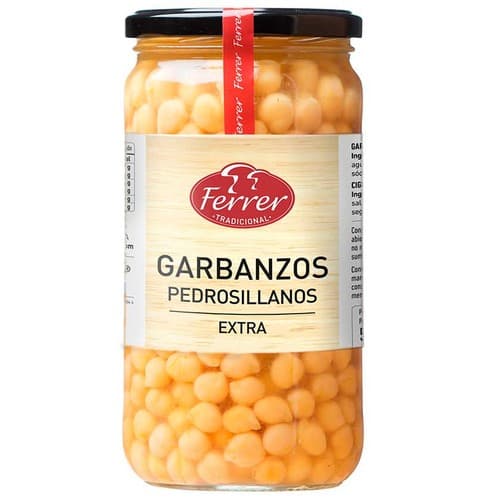
€1.99Cooked Chickpeas
FERRER · kg · Bonpreu
 €2.07
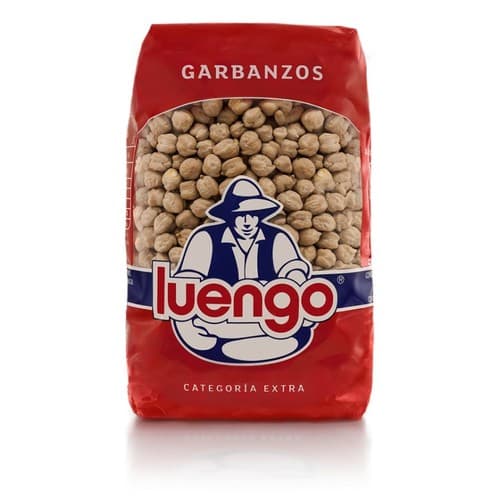
€2.07LUENGO Chickpeas
LUENGO · kg · Bonpreu
Good to know
- Origin
- Java, Indonesia — documented in 19th century; likely much older
- Primary Protein Source
- Soybeans (Glycine max)
- Fermentation Culture
- Rhizopus oligosporus (a filamentous mold)
- Typical Form
- Firm, dense cake, usually 10–15 cm × 7–10 cm × 2 cm, vacuum-wrapped
- Protein Content
- ~19–20 g per 100 g (raw)
- Fat Content
- ~10–11 g per 100 g (lower than tofu)
- Fiber Content
- High; whole soybeans retain their hulls and fiber
- Mineral Content
- Manganese, phosphorus, copper, iron, magnesium
- Vitamin Content
- B vitamins, especially B12 if fortified; fermented foods may contain B2, B6
- Gluten-Free
- Yes (plain soybean tempeh is gluten-free; check labels for added ingredients)
- Typical Shelf Life (refrigerated)
- 5–10 days from production date
- Shelf Life (frozen)
- Several months; texture may become slightly spongier but revives with cooking
- Typical Seasoning Marinade Time
- 20 minutes minimum; overnight yields best results
Substitutes
- Extra-Firm Tofu — Different texture (smoother, spongier) and flavor (bland vs. nutty); crumble tofu for a comparable use in chili or sauce
- Seitan (Vital Wheat Gluten) — Chewier, denser texture; neutral flavor; not gluten-free; best for mock-meat applications like satay or cutlets
- Chickpeas (canned or dried) — Crumbly texture and mild flavor; excellent for salads, curries, and frying; lower fermentation complexity but widely available
- Pinto or Black Beans — Mushier texture; good in Latin-American dishes, tacos, and refried preparations; not a direct textural substitute but works for protein-forward bowls
- Firm Paneer or Halloumi — Similar firm, dense bite when cooked; dairy-based; mild flavor; good for grilling or pan-frying in savory dishes
Pairs with
Also called
Tempe
Appears in these dishes
Related
Egg
The kitchen's everything ingredient — bind, leaven, enrich, or fry
Chicken Breast
Lean, quick-cooking white meat for everyday dinners

Ground Beef
Versatile minced beef for burgers, ragù, tacos, and meatballs
Pork Loin
Lean, tender roasting cut that stays juicy with care

Salmon
Rich, rosy fish that roasts, grills, or cures beautifully

Egg White
Pure protein that whips to airy peaks for meringue and more

Egg Yolk
Rich, golden yolk for custards, mayonnaise, and pasta

Quail Egg
Tiny, speckled eggs for garnishing and elegant bites