Sauces & Pastes
Tomato Passata
Smooth, uncooked strained raw tomatoes with no seeds or skins; a pourable base that simmers quickly into fresh-tasting pasta sauce, pizza, and shakshuka.
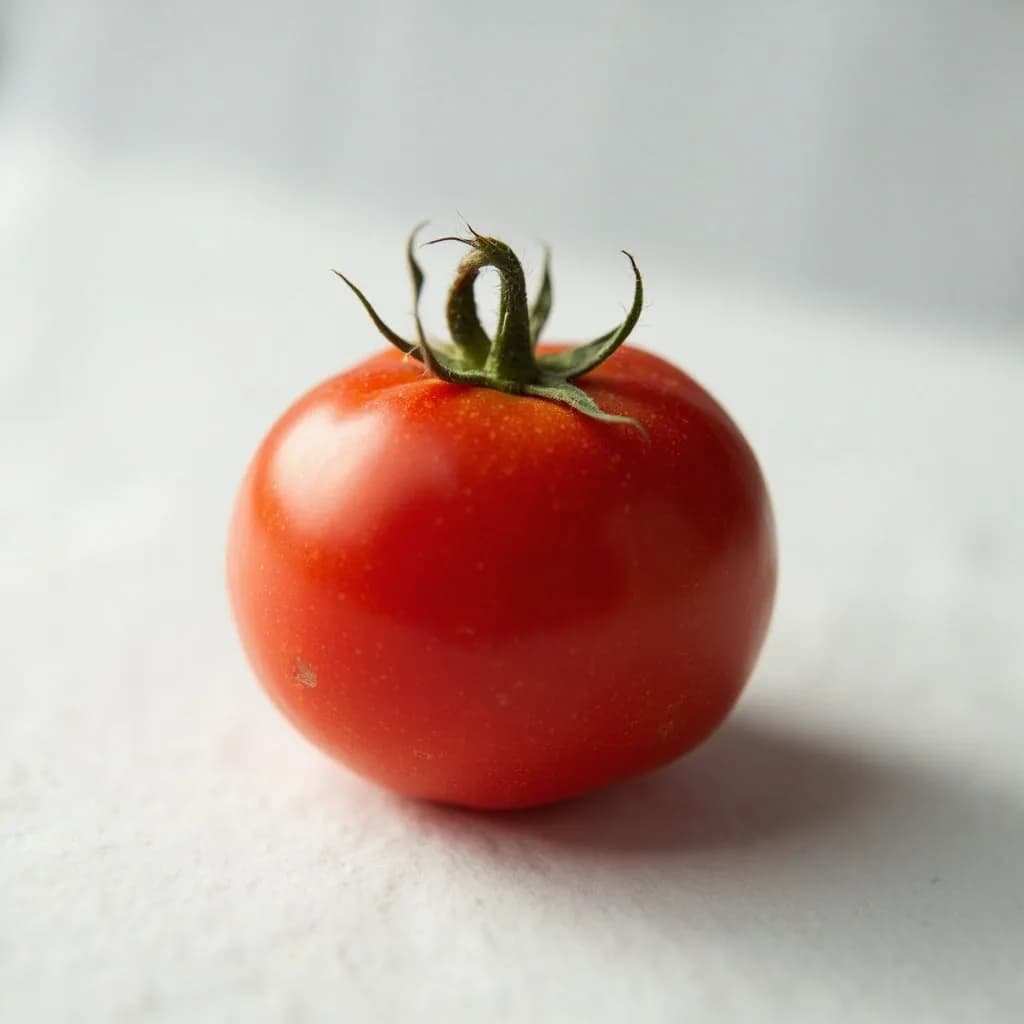
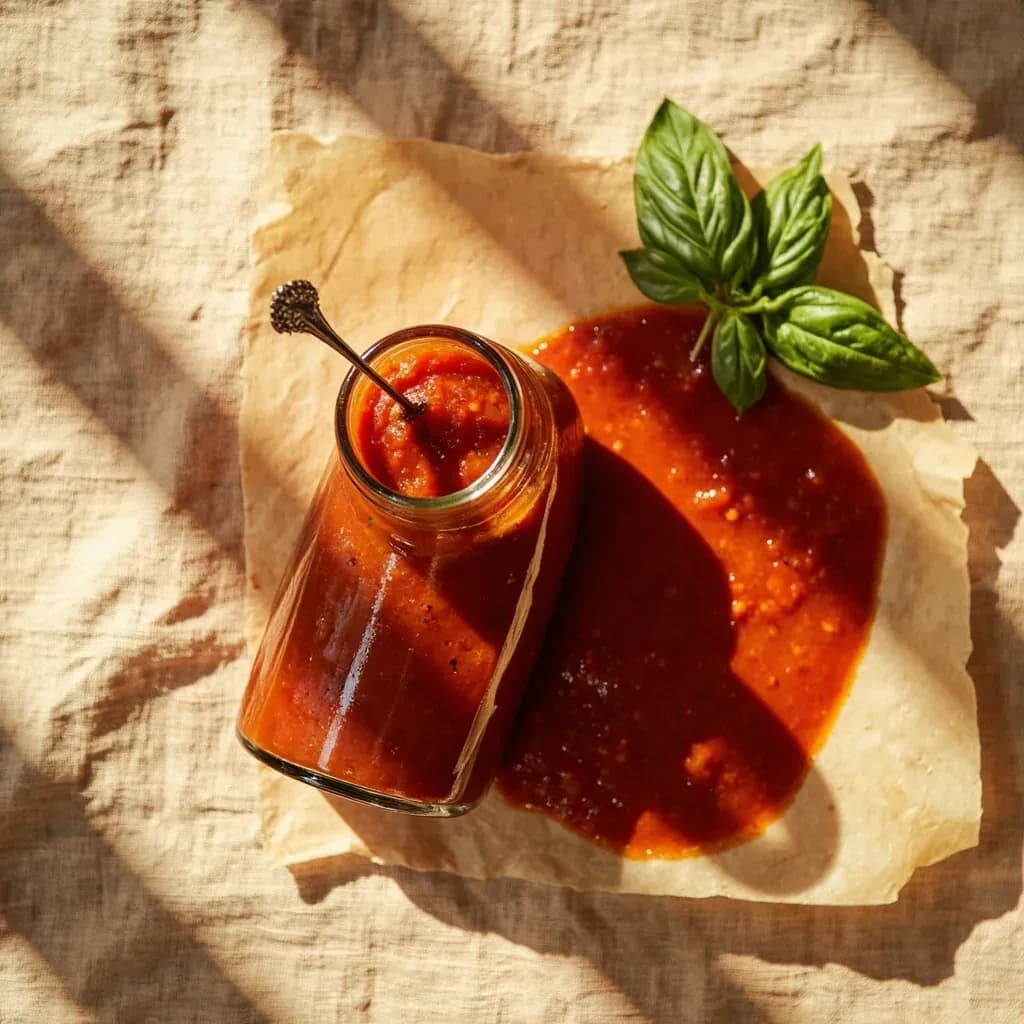
Tomato passata (passata di pomodoro) is uncooked, finely strained ripe tomatoes — nothing more. Ripe fruit is passed raw through a fine food mill or sieve, which removes skins and seeds and leaves a smooth, pourable purée that is bottled without further heat treatment. That absence of cooking is the whole point: passata tastes of fresh tomato in a way that pre-cooked purées and concentrates cannot.
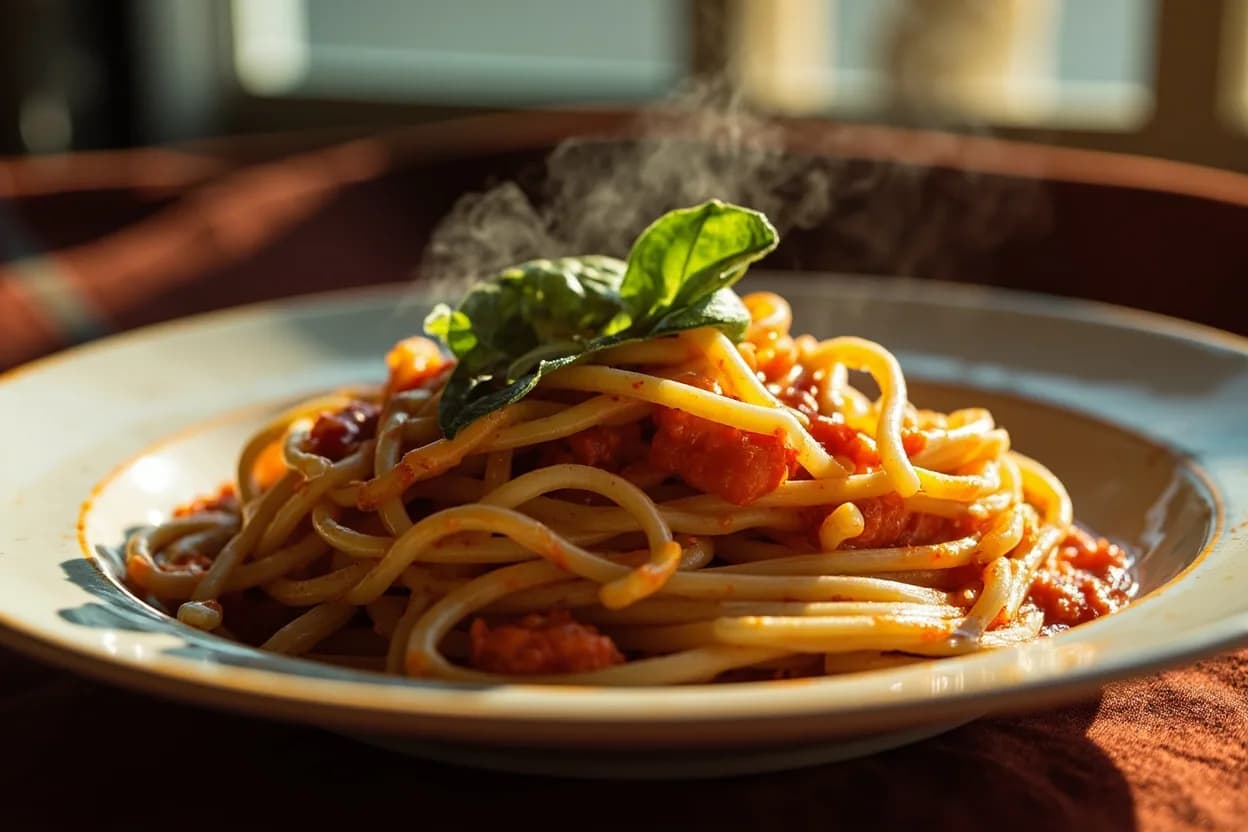
In the kitchen it occupies a useful middle ground. Passata is thinner than tomato paste, smoother than crushed tomatoes, and brighter than canned purée. Because it is already uniform, it melts into a sauce in 10–15 minutes rather than the 20–30 minutes a can of crushed tomatoes typically needs to break down. That makes it the default weeknight tomato base across much of Italy and a go-to for anything that needs clean tomato flavor fast: quick pasta sauces, pizza, shakshuka, fish in a light tomato broth, and the base for long-simmered ragùs where the cook wants a fresh backbone rather than a jammy one.
Quality Italian passata lists only tomatoes — sometimes basil, sometimes a pinch of salt — and is sold in tall glass bottles that protect color and flavor. Once you learn what good passata tastes like, it tends to displace canned crushed tomatoes entirely for the simple, tomato-forward dishes that define Italian home cooking.
- Measured in
- ml
- Storage
- Pantry
Find it in
Suits
Types & varieties
Plain strained tomatoes — the everyday workhorse for pasta, pizza, and quick braises.
Coarser texture with a little pulp left in; sits between passata and crushed tomatoes.
Infused with basil; a convenient shortcut for quick pasta sauces and pizzas.
Made from protected-designation San Marzano tomatoes grown in the Agro Sarnese-Nocerino area of Campania; prized for natural sweetness and low acidity.
Made from certified organic tomatoes, often single-origin; usually a clean ingredient list.
Not strictly passata, but an uncooked, strained product sold in cartons; used interchangeably in most recipes.
Choosing passata at the store
A few minutes of label-reading will reliably sort good passata from indifferent passata. The product is simple, so the label should be too.
- Prefer tall glass bottles over cans or tetra paks — glass protects both flavor and the deep red color of ripe tomatoes.
- The ingredient list should read 'tomatoes' and, at most, 'basil' and 'salt.' Avoid added sugar, citric acid, and anything labeled 'flavoring' or 'natural aroma.'
- Look for a brick-red or deep crimson color; a pale pink, orange, or brownish tint usually means underripe fruit.
- For the cleanest, sweetest result, choose Italian passata — and for special dishes, look for Passata di San Marzano DOP or single-origin varieties from Emilia-Romagna, Campania, or Puglia.
Storing and freezing
Passata is forgiving to keep on hand, but once opened it loses its fresh character quickly, so plan ahead.
- Unopened bottles keep 12–24 months in a cool, dark pantry; once opened, refrigerate and use within 3–5 days.
- Freeze leftovers in 100–200 ml portions — just enough for a single pasta sauce or pizza base — in airtight containers, freezer bags, or ice-cube trays.
- Frozen passata keeps its flavor well for up to 3 months; thaw in the fridge overnight or add directly to a pan from frozen.
Common uses
Tips & pitfalls
- Buy passata in glass bottles rather than cans or tetra paks — the flavor and color are noticeably cleaner, and the wide neck makes it easy to pour and measure.
- Read the label: quality passata lists only tomatoes, sometimes basil, sometimes salt. Avoid anything with added sugar, citric acid, or generic 'flavorings.'
- Use color as a quality signal. A deep brick-red points to ripe, well-grown tomatoes; a pale or orange tone usually means underripe fruit.
- Resist the urge to simmer passata for a long time. Its advantage over purées is fresh flavor, and overcooking flattens that — stop cooking as soon as the dish is done.
- Season with salt only after the sauce has reduced slightly. Uncooked passata tastes saltier than the finished sauce, and you can always add salt at the end but cannot take it away.
- If a finished passata sauce tastes sharp, reach for a small knob of butter or a few torn basil leaves before reaching for sugar — both round acidity while preserving freshness.
- Freeze leftover passata in 100–200 ml portions (ice-cube trays work perfectly) so you can pull out exactly the amount a recipe calls for without thawing a whole bottle.
Nutrition
Energy
63 kJ · per 100 g
Where the calories come from
Protein
1g
2% DV
Carbs
3g
1% DV
Fat
0.3g
0% DV
Fiber
0.7g
3% DV
Sodium
23mg
1% DV
Source · USDA FoodData Central · approx. Tomatoes, yellow, raw
View on FDC →In the shops
Matched grocery products
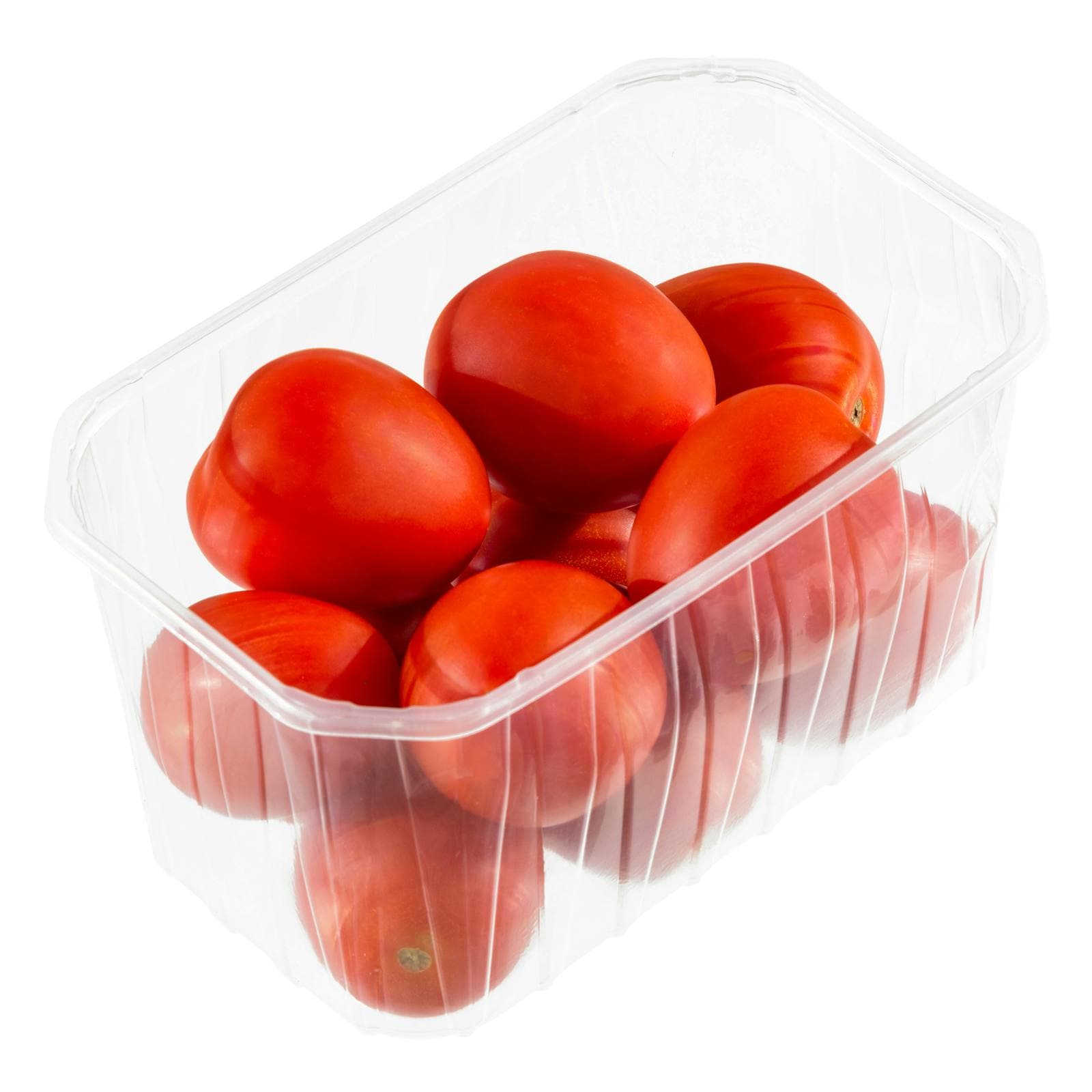 €2.62
€2.62Pear Tomatoes
1.14 kg · Mercadona
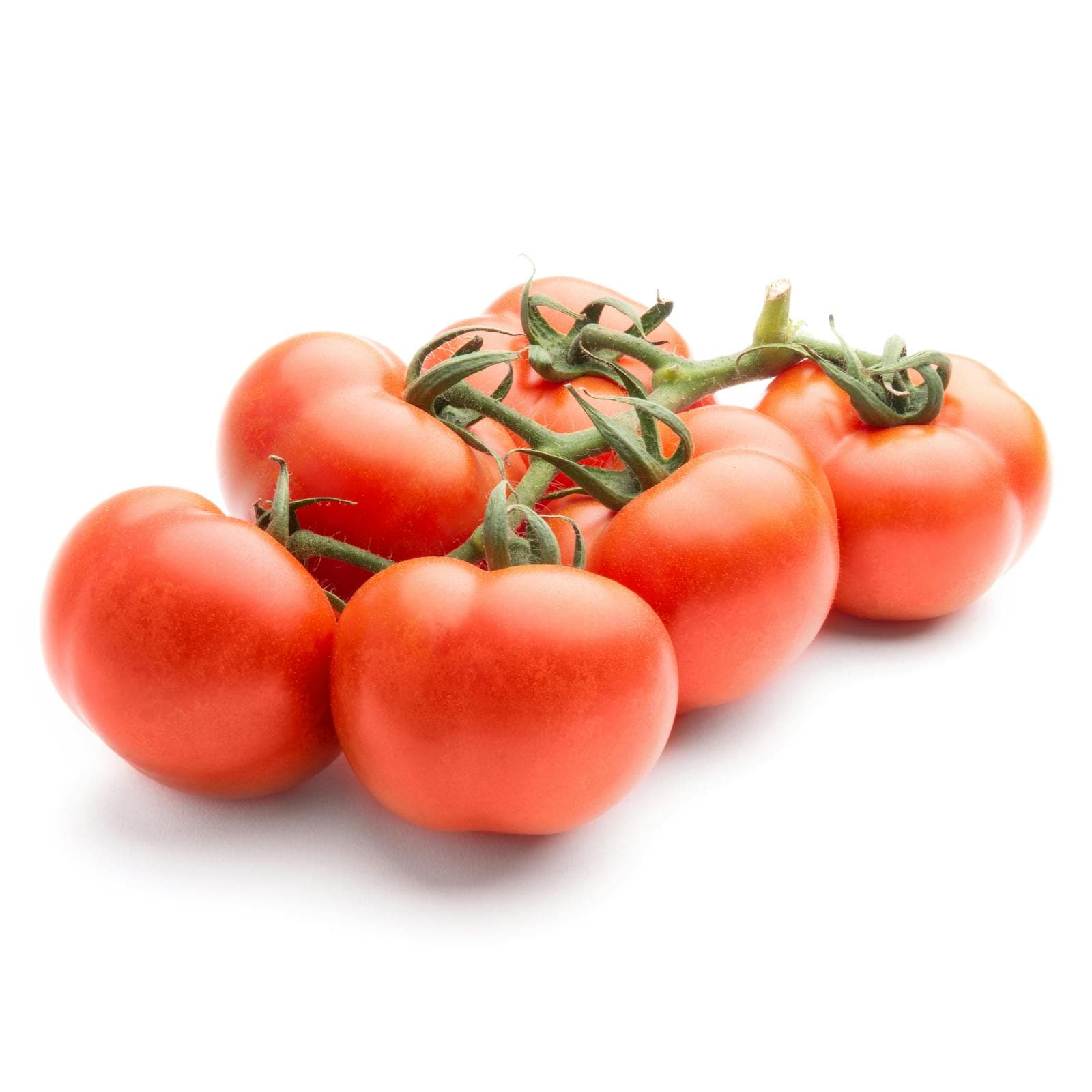 €1.49
€1.49Truss Tomatoes
550 g · Mercadona
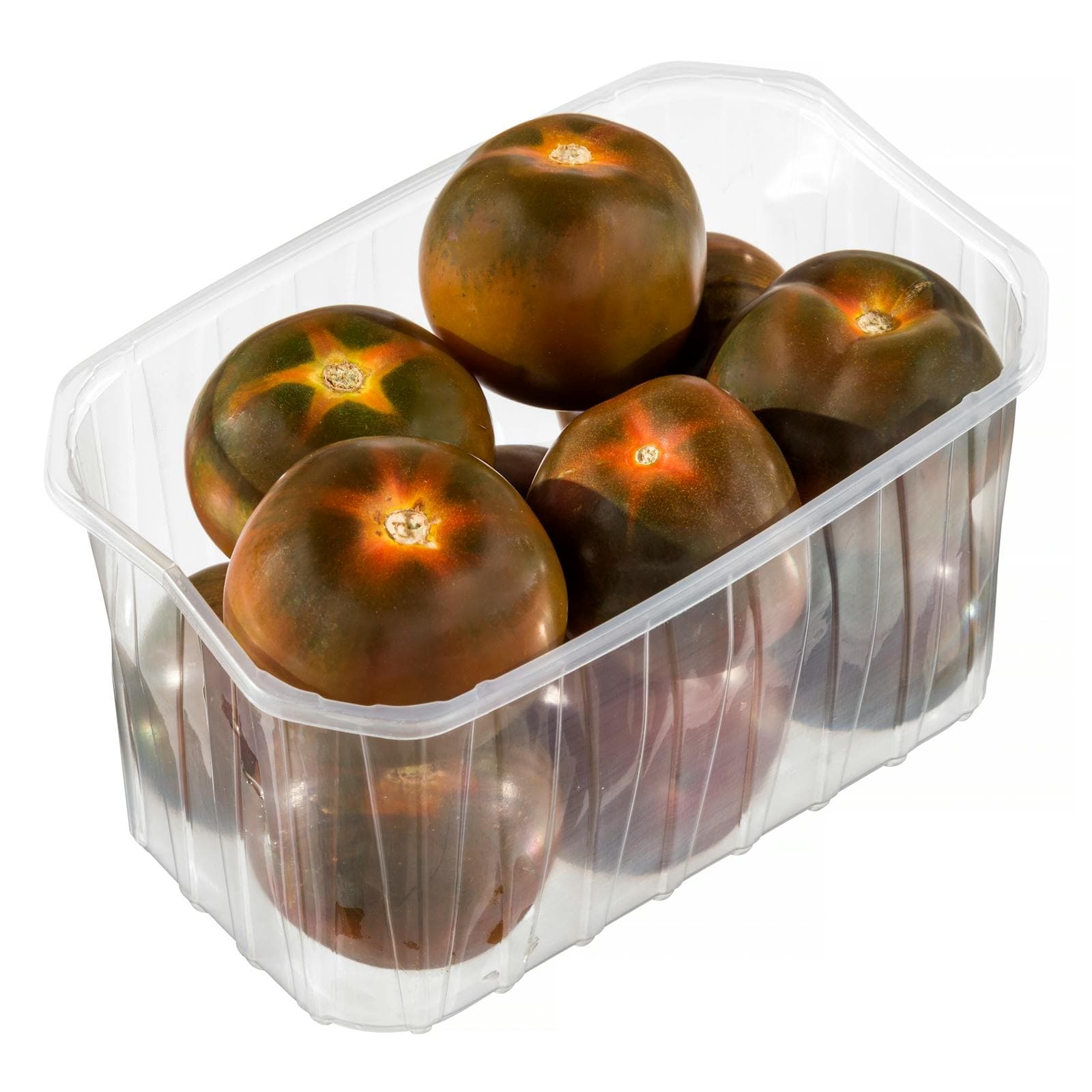 €2.60
€2.60Black Tomatoes
1 kg · Mercadona
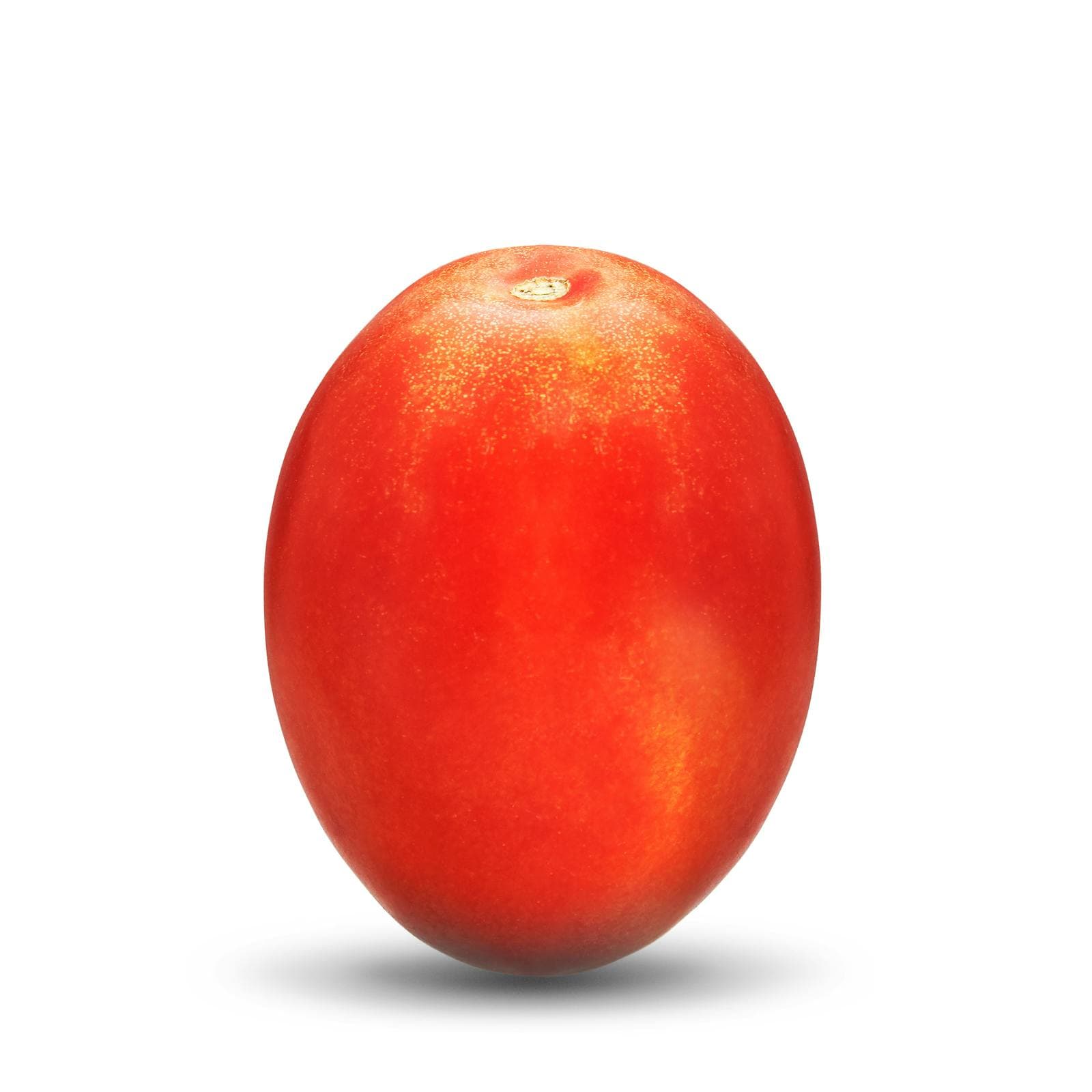 €0.29
€0.29Plum Tomato
130 g · Mercadona
 €1.07
€1.07Pink Tomato
ud · Bonpreu
 €1.16
€1.16Pink Tomato
340 g · Mercadona
Good to know
- Italian name
- Passata di pomodoro — literally 'strained tomatoes.'
- Processing
- Raw ripe tomatoes are passed through a fine sieve or food mill; seeds and skins are removed. The product is not cooked before bottling.
- Texture
- Smooth and pourable; thicker than juice, thinner than tomato paste.
- Typical packaging
- Tall glass bottle (traditionally around 680–700 ml) with a wide neck; glass preserves color and flavor better than cans or cartons.
- Standard ingredients
- Tomatoes only; quality versions may add basil or a pinch of salt and nothing else — no sugar, citric acid, or flavorings.
- Color as quality signal
- A deep brick-red signals ripe, well-grown fruit; a pale or orange tint usually means underripe tomatoes.
- Shelf life
- 12–24 months unopened in a cool, dark pantry; 3–5 days refrigerated once opened, tightly sealed; freezes well for up to 3 months.
- Yield and nutrition
- Roughly 1.5–2 kg fresh tomatoes yield 1 L of passata. Plain passata is low in calories, free of added fat and sugar, and provides lycopene, vitamin C, and potassium.
Substitutes
- Canned crushed tomatoes, blended and strained — The closest stand-in. Pulse in a blender, then push through a fine sieve to remove seeds and skins for a passata-like texture.
- Canned whole peeled tomatoes (San Marzano if possible) — Blend with their juices and pass through a food mill for an uncooked, smooth result very similar to passata.
- Canned tomato purée (UK/US style) — Smooth and strained but usually pre-cooked, so the flavor is flatter and less fresh — compensate with a pinch of sugar or fresh basil.
- Boxed strained tomatoes (e.g., Pomi) — Uncooked like passata, just packaged in cartons; substitute 1:1.
- Fresh ripe tomatoes, blanched, peeled, and blended — The best summer substitute; strain through a sieve if you want a smoother sauce. Use about 1.5 kg fresh tomatoes per 1 L of finished passata.
- Passata rustica — Acceptable if you don't mind slightly more texture; works well in rustic sauces and ragùs where small bits of pulp won't show.
Pairs with
Also called
passata · strained tomatoes · tomato puree (US)