Sauces & Pastes
Crushed Tomatoes
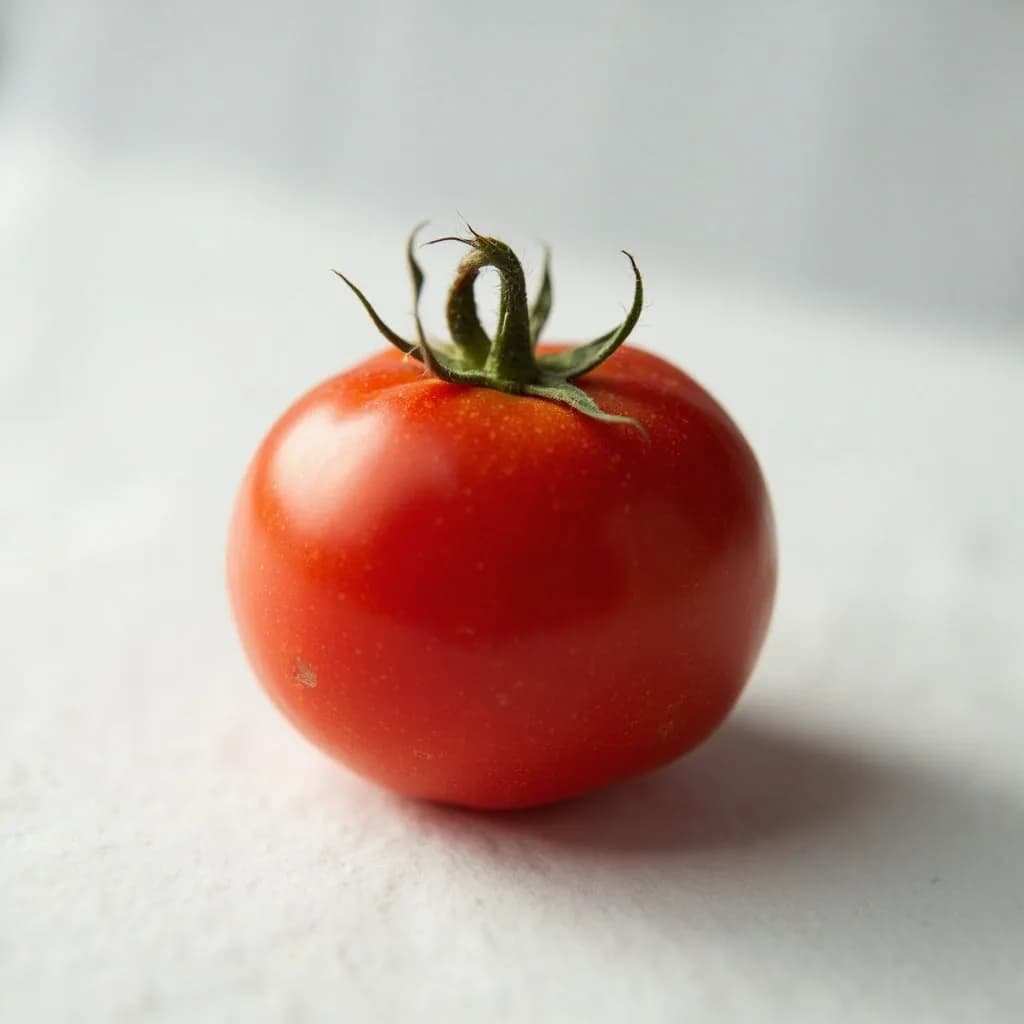
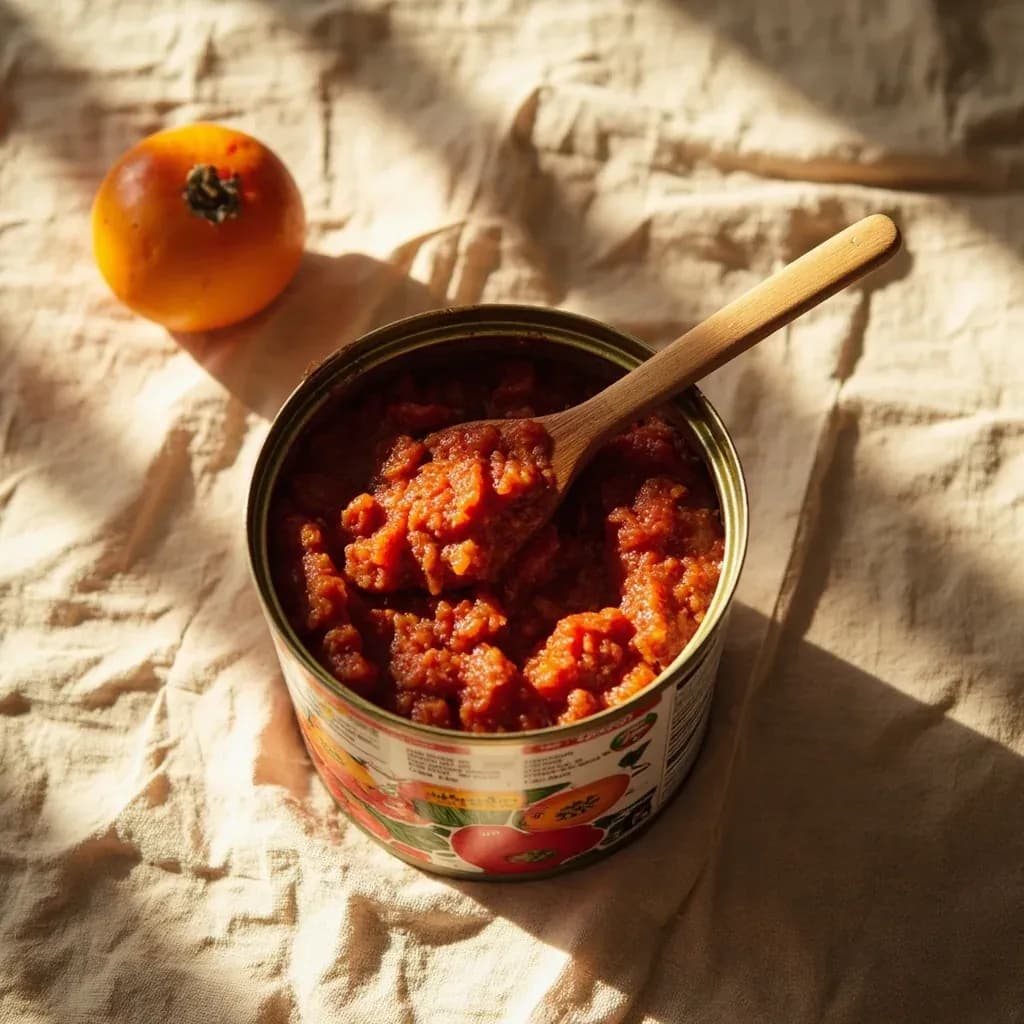
Canned tomatoes broken into a coarse, juicy pulp between whole and pureed; the quick base for marinara and pizza sauce, needing only a short simmer to thicken.
Crushed tomatoes are canned tomatoes that have been mechanically broken into a coarse, juicy pulp — chunkier than tomato puree, looser and more textured than paste, and ready to use without the step of fishing whole tomatoes out of the can and crushing them by hand. They occupy a specific middle ground in the canned tomato family that explains their dominance in American weeknight cooking: more body and flavor than tomato sauce, less commitment than whole peeled, and a head start on any recipe that calls for simmered tomato. A typical 28-ounce can yields about 3 to 3½ cups and is the size most Italian-American pizza and pasta recipes assume.
The texture isn't just a matter of mouthfeel — it changes how the product cooks. Crushed tomatoes hold small irregular pieces of flesh that soften and break down further as the sauce simmers, thickening it naturally without pureeing. This makes them the default base for pizza sauce, quick marinara, and any dish where you want some rustic body but no chunky tomato wedges. Most brands pack them in tomato juice or in concentrated tomato puree (read the label — the puree-packed version has a noticeably thicker body and needs less reduction), and the cleanest cans contain nothing but tomatoes, juice or puree, and a little salt.
For cooks, the practical appeal is speed and consistency. Crushed tomatoes have already been cooked once at the cannery, so a brief 10-to-15-minute simmer is often all that's needed to thicken and concentrate them, compared to 45 minutes or more for whole peeled. They also accept seasoning readily: a spoon of browned tomato paste for umami, garlic and dried oregano for Italian character, anchovies or a parmesan rind for depth, a pinch of sugar to tame the acidity of a thin or low-grade harvest. Buy the simplest ingredient list you can find and finish the sauce yourself — that's the single biggest upgrade to any recipe built on canned tomatoes.
- Measured in
- g
- Storage
- Pantry
Find it in
Suits
Types & varieties
The default supermarket product: tomatoes and tomato juice, sometimes a little salt. Cleanest canvas for seasoning yourself.
Packed in concentrated puree rather than juice, giving a thicker body and a shorter reduction time. Read the label to tell them apart.
Pre-seasoned with basil and often extra salt; convenient but limits your control over herb balance.
Pre-seasoned; a quick start for marinara, though many brands run high in sodium and may contain added flavor enhancers.
Tomatoes flame-grilled before crushing, lending a smoky, slightly charred note. Excellent in chili, beans, and southwestern dishes.
Made from San Marzano DOP or San Marzano-type plum tomatoes; sweeter, lower acid, fewer seeds. Worth the premium for Italian sauces.
Often Muir Glen or similar; frequently fire-roasted, frequently packed in non-BPA-lined cans. Strong everyday choice.
Useful when you want full control over seasoning or are watching sodium.
Firmer texture that resists breaking down during a long simmer. Good for distinct chunks, but can turn a long-cooked sauce gluey.
Choosing a Can
The single best predictor of a good crushed tomato is the ingredient list. A short list — tomatoes, tomato juice (or tomato puree), salt — almost always outperforms a longer one dressed up with herbs, garlic, sugar, and citric acid. The pre-seasoned versions are tempting on a Tuesday night, but they lock you into someone else's balance of salt and herbs, and they tend to mask the flavor of the tomato itself. If a brand carries both a plain and a flavored version, buy the plain.
Pay attention to what the tomatoes are packed in. Juice-packed crushed tomatoes are looser and need a slightly longer simmer to reach pizza-sauce thickness; puree-packed versions are thicker from the can and benefit from a gentler hand. For Italian preparations — pizza, marinara, eggplant parmigiana, fish in salsa — San Marzano-style crushed is widely considered worth the premium, and DOP-certified ones from the Agro Sarnese-Nocerino region carry the strictest standards. For chili, beans, and braises where the tomato is a supporting player rather than the star, a good organic or fire-roasted crushed is plenty.
Finally, check sodium. Many mainstream brands run heavy on salt, and you'll often find that a no-salt-added can plus your own measured salt produces a better-balanced, cleaner-tasting sauce. If you buy a no-salt-added product, taste before seasoning and add salt in small pinches as the sauce reduces.
- Shortest ingredient list usually wins: tomatoes, juice or puree, salt.
- Plain over pre-seasoned — finish herbs yourself for brighter flavor.
- Juice-packed = looser and needs longer reduction; puree-packed = thicker from the can.
- San Marzano-style (or DOP) is worth the premium for Italian sauces.
- No-salt-added gives you full control over seasoning.
Storing and Freezing
Unopened cans belong in a cool, dark pantry — not over the stove, where heat and light shorten shelf life and degrade flavor. After opening, transfer any unused crushed tomatoes to a glass or food-grade plastic container with a tight lid; the can itself, once opened, can react with the acid. Refrigerated, they'll keep 5 to 7 days. For longer storage, crushed tomatoes freeze well: pour into zip-top bags laid flat (they stack neatly and thaw quickly), leaving headspace for expansion, or use ice cube trays for small portions. Pour off a little of the watery liquid first to keep the bags slim. Properly frozen, crushed tomatoes keep about 6 months with no meaningful loss of flavor.
Common uses
Tips & pitfalls
- A 28 oz can of plain crushed tomatoes plus salt, olive oil, garlic, and a parmesan rind makes excellent emergency pizza sauce in under 15 minutes
- Brown a small spoon of tomato paste in the oil with the aromatics before adding the crushed tomatoes — it deepens color and umami in a way no amount of simmering can replicate
- A pinch of sugar (about ¼ teaspoon per 28 oz can) balances harsh acidity without making the sauce sweet; always taste before adding
- Simmer uncovered only as long as needed; over-reduction dulls the fresh tomato flavor and concentrates any tinny, canned note
- Watch sodium — many brands run heavy on salt, so either buy no-salt-added or hold off on added salt until you've tasted the finished sauce
- For pizza sauce, keep it thicker than pasta sauce; it should mound on a spoon rather than run off it, or you'll end up with a soggy crust
- Avoid brands with added calcium chloride if you plan a long simmer; the chunks stay unnaturally firm and the sauce can turn gluey
- If the sauce tastes flat, a splash of red wine, a parmesan rind, a few melted anchovies, or a pinch of red pepper flakes will wake it up
- If a recipe calls for crushed and you only have diced, pulse the diced tomatoes briefly in a blender or crush them by hand through your fingers
- Taste before seasoning — canned tomato flavor varies dramatically by brand and even by harvest year
Nutrition
Energy
134 kJ · per 100 g
Where the calories come from
Protein
1.6g
3% DV
Carbs
7.3g
3% DV
Fat
0.3g
0% DV
Fiber
1.9g
7% DV
Sugars
4.4g
of which
Sodium
186mg
8% DV
Source · USDA FoodData Central · Tomatoes, crushed, canned
View on FDC →In the shops
Matched grocery products
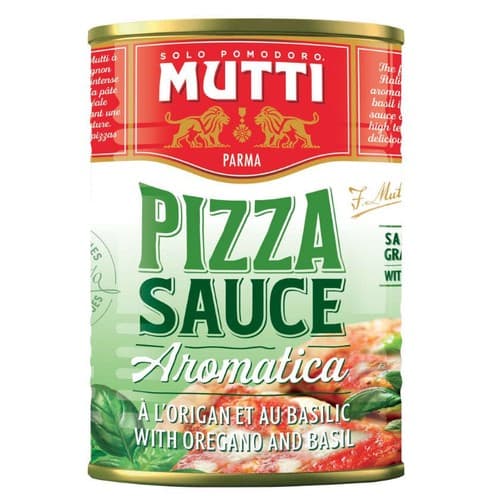 €2.55
€2.55Pizza Tomato Sauce
MUTTI · kg · Bonpreu
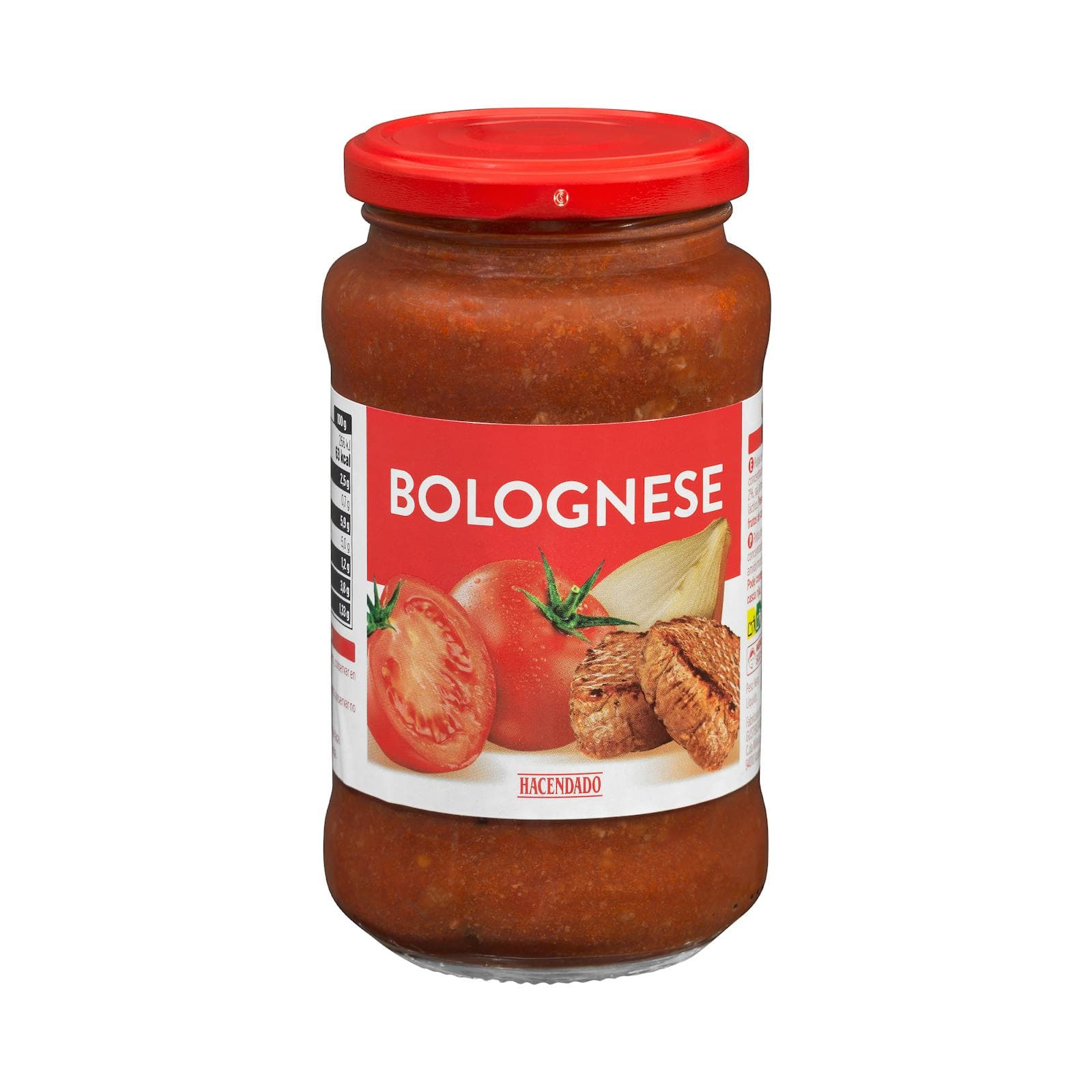 €1.90
€1.90Bolognese Tomato Sauce
Hacendado · 400 g · Mercadona
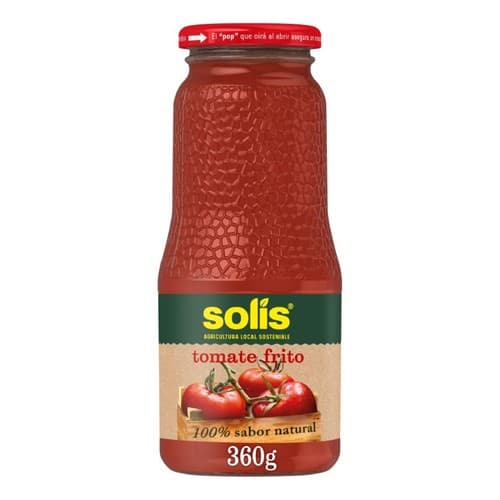 €1.49
€1.49Solís Fried Tomato Sauce
SOLIS · kg · Bonpreu
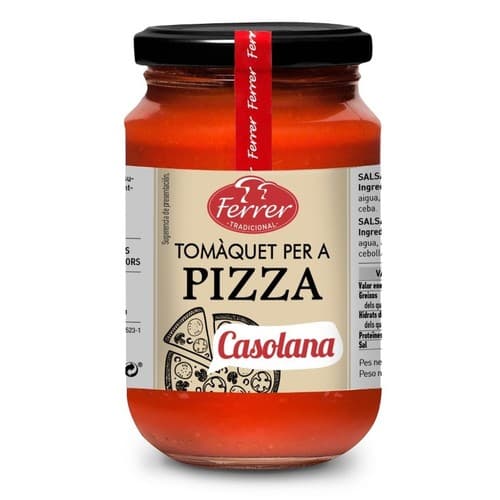 €2.25
€2.25Ferrer Pizza Tomato Sauce
FERRER · kg · Bonpreu
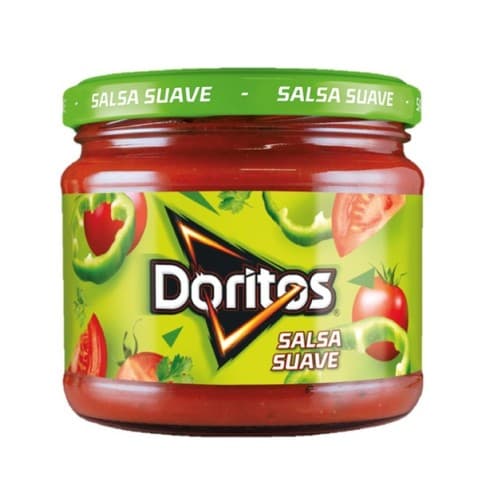 €2.99
€2.99Doritos Mild Tomato Sauce
DORITOS · kg · Bonpreu
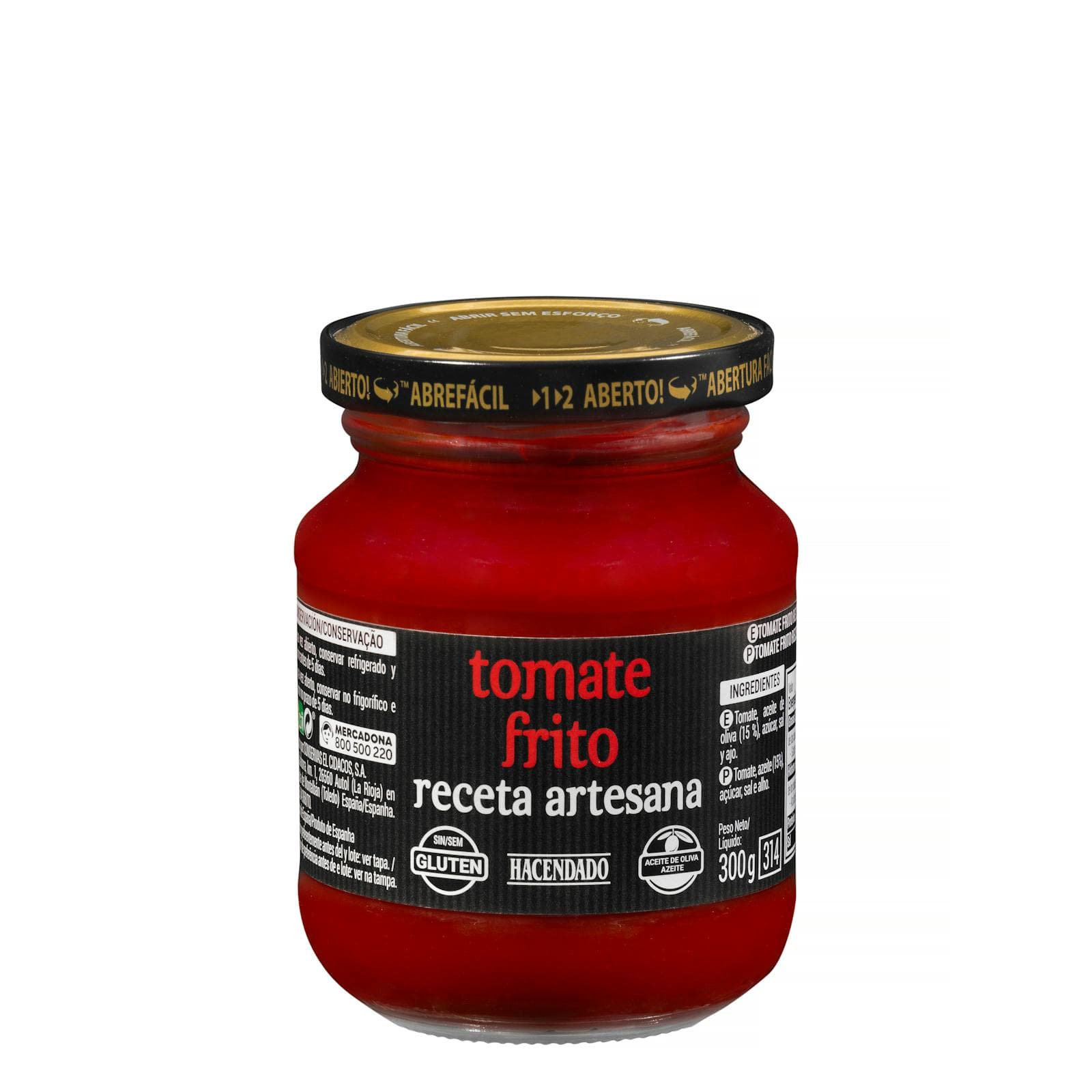 €1.40
€1.40Artisan Fried Tomato Sauce
Hacendado · 300 g · Mercadona
Good to know
- Category
- Canned tomato product
- Texture
- Coarse, juicy pulp with small irregular chunks; sits between whole peeled tomatoes and tomato puree
- Typical can sizes
- 14.5 oz / 15 oz and 28 oz; also sold in Tetra Pak cartons and glass jars
- Typical ingredients
- Tomatoes, tomato juice or tomato puree, salt; sometimes calcium chloride (firming), citric acid, or added herbs
- Approximate yield
- A 28 oz can yields about 3 to 3.5 cups; a 14.5 oz can yields about 1.75 cups
- pH
- Roughly 4.0 to 4.5 — acidic, safe for water-bath canning
- USDA grading
- U.S. Grade A (Fancy), U.S. Grade B (Extra Standard), and U.S. Grade C (Standard) based on color, defects, and consistency
- Shelf life
- 2 to 3 years sealed in a cool, dark pantry; 5 to 7 days refrigerated after opening; up to 6 months frozen
Substitutes
- Whole peeled tomatoes, hand-crushed — The closest match; squeeze each tomato through your fingers into a bowl. You control the chunk size and typically get better flavor from premium whole peeled brands.
- Diced tomatoes — Works fine but runs juicier; you may need a slightly longer simmer to reach the same thickness.
- Tomato puree — Much smoother and thinner; simmer longer to reduce and concentrate flavor. Best when texture doesn't matter.
- Tomato sauce — Already seasoned and very thin; not ideal for pizza but acceptable in soups that are getting reduced anyway.
- Fresh ripe tomatoes, peeled and chopped — Work in summer when tomatoes are in season; you'll need longer cooking and a small amount of tomato paste to mimic canned intensity.
- Fire-roasted crushed tomatoes — Direct 1:1 swap when you want a smokier flavor; great in chili, beans, and southwestern dishes, less so in delicate Italian preparations.
Pairs with
Also called
crushed tomato · canned crushed tomatoes · tomate triturado · tomaquet triturat