Stored
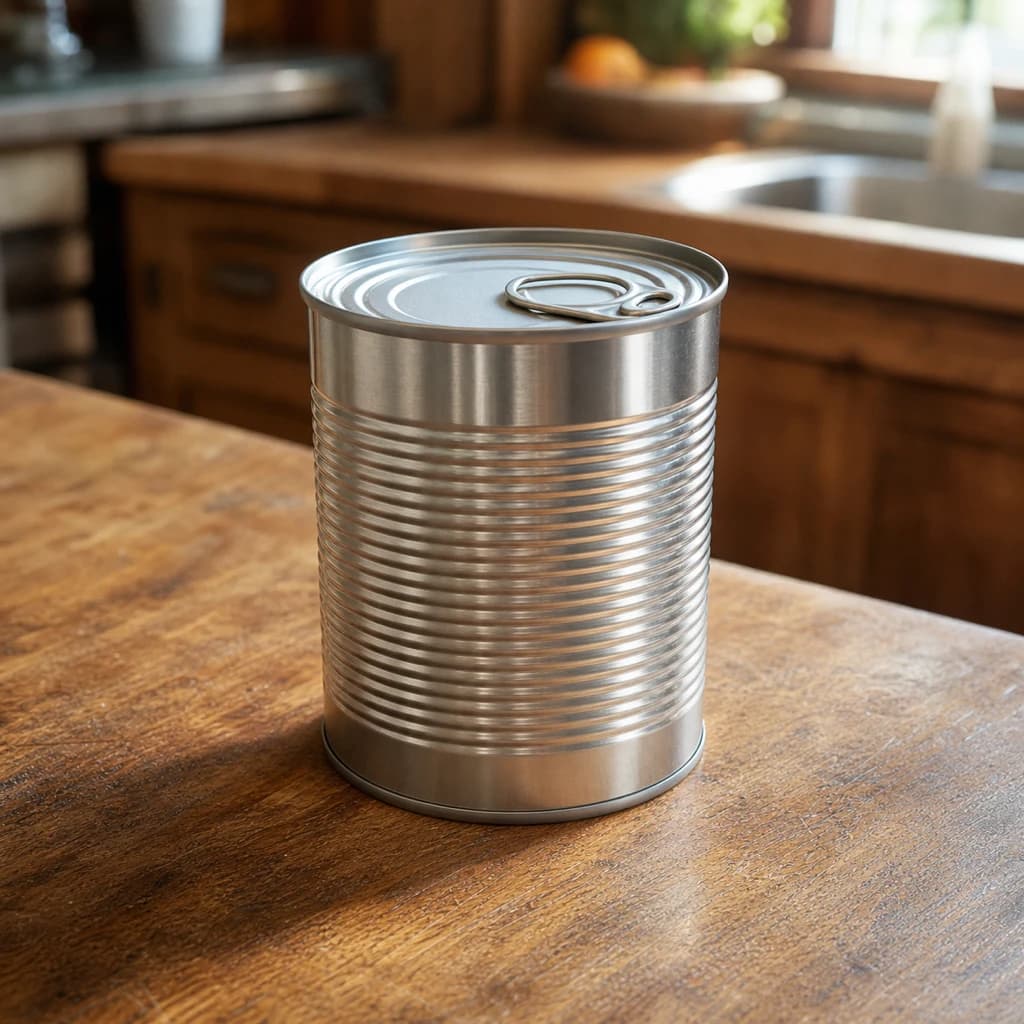
Standard 14-oz can of diced tomatoes, the everyday pantry staple for quick cooking.
Shows the product in its most common purchased form, helping readers recognize it on a store shelf or in their pantry.
Produce
Canned Diced Tomato
Pre-diced canned tomatoes for fast sauces, soups, and stews.
Canned diced tomatoes are peeled tomatoes cut into chunks and packed in tomato juice, a pantry workhorse for quick cooking. They go straight into sauces, soups, chili, and braises without prep, holding more of their shape than crushed tomatoes. The #10 can is the large foodservice size.
Canned diced tomatoes are pre-cut tomatoes packed in tomato juice or purée, typically in 14.5 oz cans in the US. The dicing process—usually ½ to ¾-inch cubes—gives them a distinct advantage over whole or crushed tomatoes: you get recognizable pieces that hold their shape through cooking while still releasing their bright, acidic juice into the surrounding liquid. Most commercial diced tomatoes contain calcium chloride, a firming agent that keeps the pieces intact during the canning process and through cooking.
The quality of canned diced tomatoes varies dramatically between brands, and this is one of the few pantry staples where the difference matters. Tomatoes for canning are processed at peak ripeness, typically in late summer when field-ripened fruit is at its best—so a good canned product often outperforms fresh supermarket tomatoes in midwinter. Look for brands that list a specific tomato variety (San Marzano, Roma) rather than generically stating "tomatoes." Muir Glen, Mutti, Cento, and reputable store brands consistently outperform generic value cans in both flavor and texture.
The liquid in canned diced tomatoes is flavorful and worth using—only discard it when a recipe specifically requires a thick, low-moisture result. Compared to crushed tomatoes, diced tomatoes offer brighter acidity and more defined texture; compared to whole canned tomatoes, they save you the step of chopping. This makes them the workhorse of weeknight tomato cooking.
- Measured in
- g
- Storage
- Pantry
Types & varieties
Tomato juice pack; most versatile and widely available
Tomatoes are charred over an open flame before dicing; adds smoky depth and slight caramelization
Same product without added sodium; critical for low-sodium diets and for controlling seasoning from scratch
Rotel-style; combines diced tomato with chopped green chilies; commonly used in Southwestern and Mexican cooking
Made from San Marzano or similar heirloom varieties; often packed in purée rather than juice; sweeter and less acidic
Same product from organically grown tomatoes; no synthetic pesticide or fertilizer residues
Smaller dice, more liquid; already partially cooked; ideal for quick weeknight sauces
Common uses
Tips & pitfalls
- Drain liquid into a separate container when a recipe calls for less liquid; reserve it to thin sauces or soups later
- If a recipe specifies whole canned tomatoes but you have only diced, approximate: one 14.5 oz can of diced ≈ two medium whole tomatoes plus liquid
- For a smoother sauce with fewer visible pieces, cook diced tomatoes uncovered over medium heat for 10–15 minutes until liquid reduces and pieces soften
- Fire-roasted varieties add complexity without extra effort; they pair especially well with ground cumin, smoked paprika, and black beans
- Briefly rinsing canned tomatoes in a strainer can reduce sodium content and mild canned flavors if either is a concern
- The calcium chloride firming agent keeps pieces intact during cooking; if you want them to break down completely, add an acid like a splash of vinegar or lemon juice mid-cook
- No-salt-added varieties are interchangeable with regular in equal measure; they just require you to season more deliberately
- For a flavor boost, sauté diced tomatoes briefly in olive oil with garlic before adding liquid ingredients—this blooms the tomato's natural sugars
- Common mistake: not adjusting for the extra liquid canned tomatoes introduce compared to fresh; most tomato-based recipes need 10–20% less added liquid when using canned
Nutrition
Energy
63 kJ · per 100 g
Where the calories come from
Protein
1g
2% DV
Carbs
3g
1% DV
Fat
0.3g
0% DV
Fiber
0.7g
3% DV
Sodium
23mg
1% DV
Source · USDA FoodData Central · approx. Tomatoes, yellow, raw
View on FDC →In the shops
Matched grocery products
 €2.62
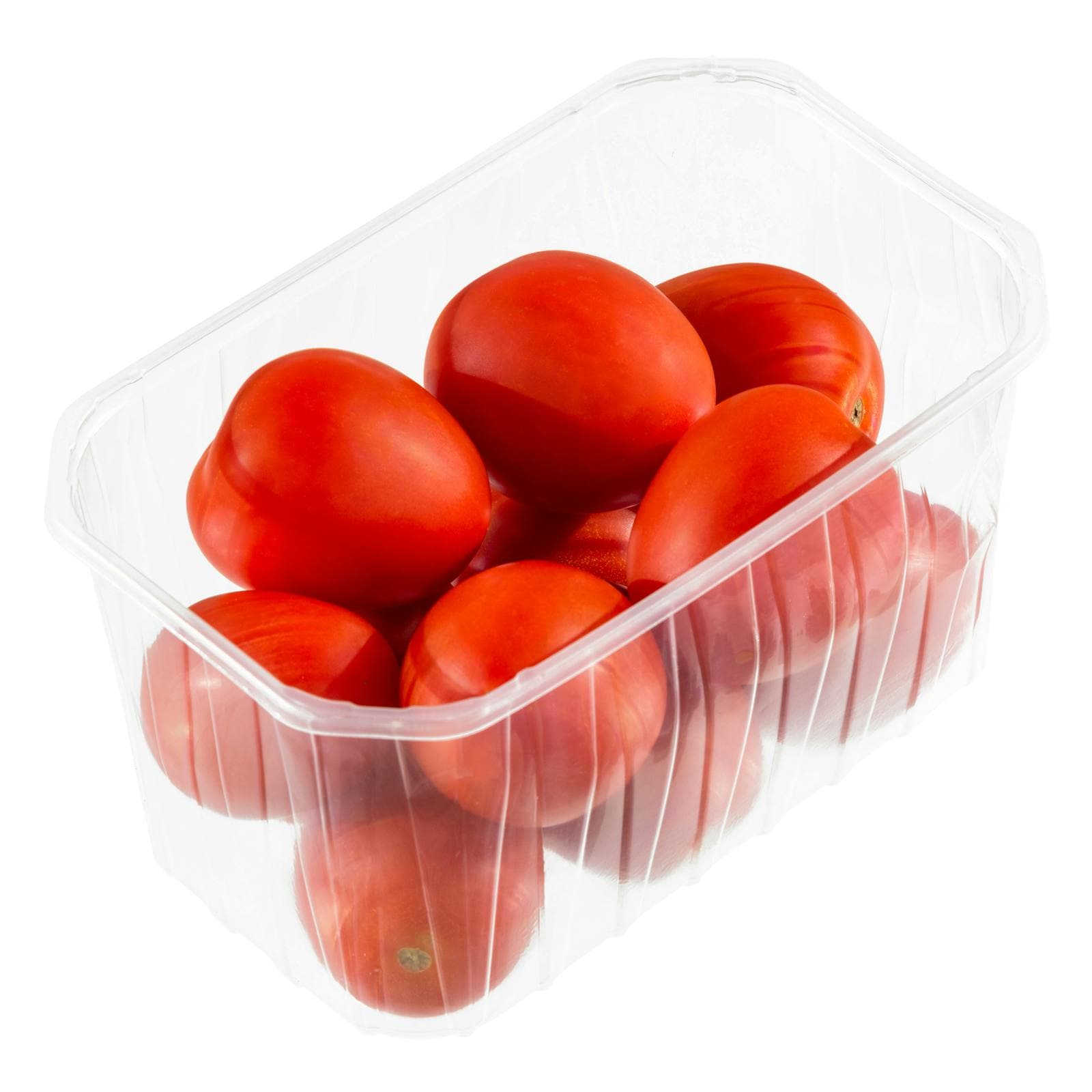
€2.62Pear Tomatoes
1.14 kg · Mercadona
 €1.49
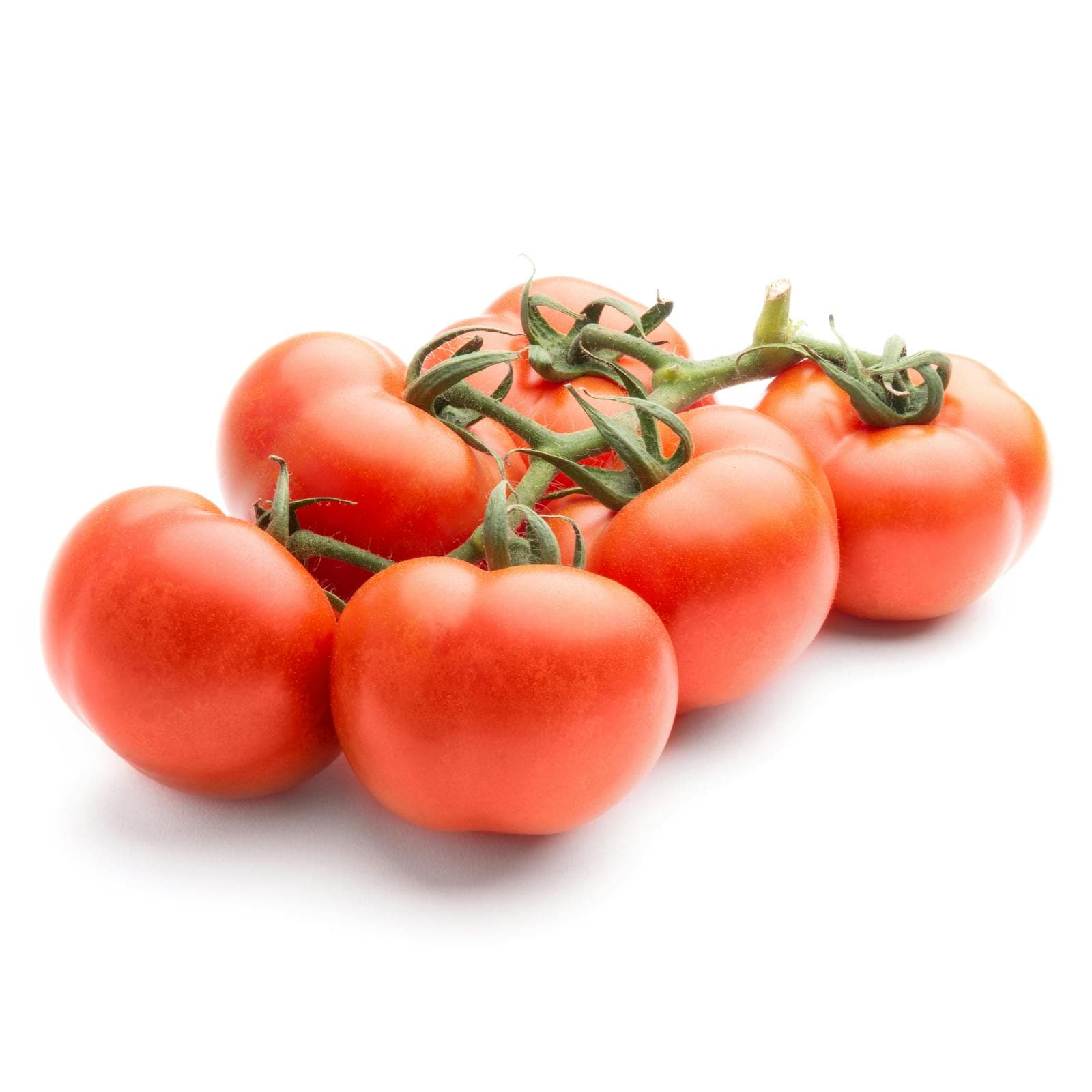
€1.49Truss Tomatoes
550 g · Mercadona
 €2.60
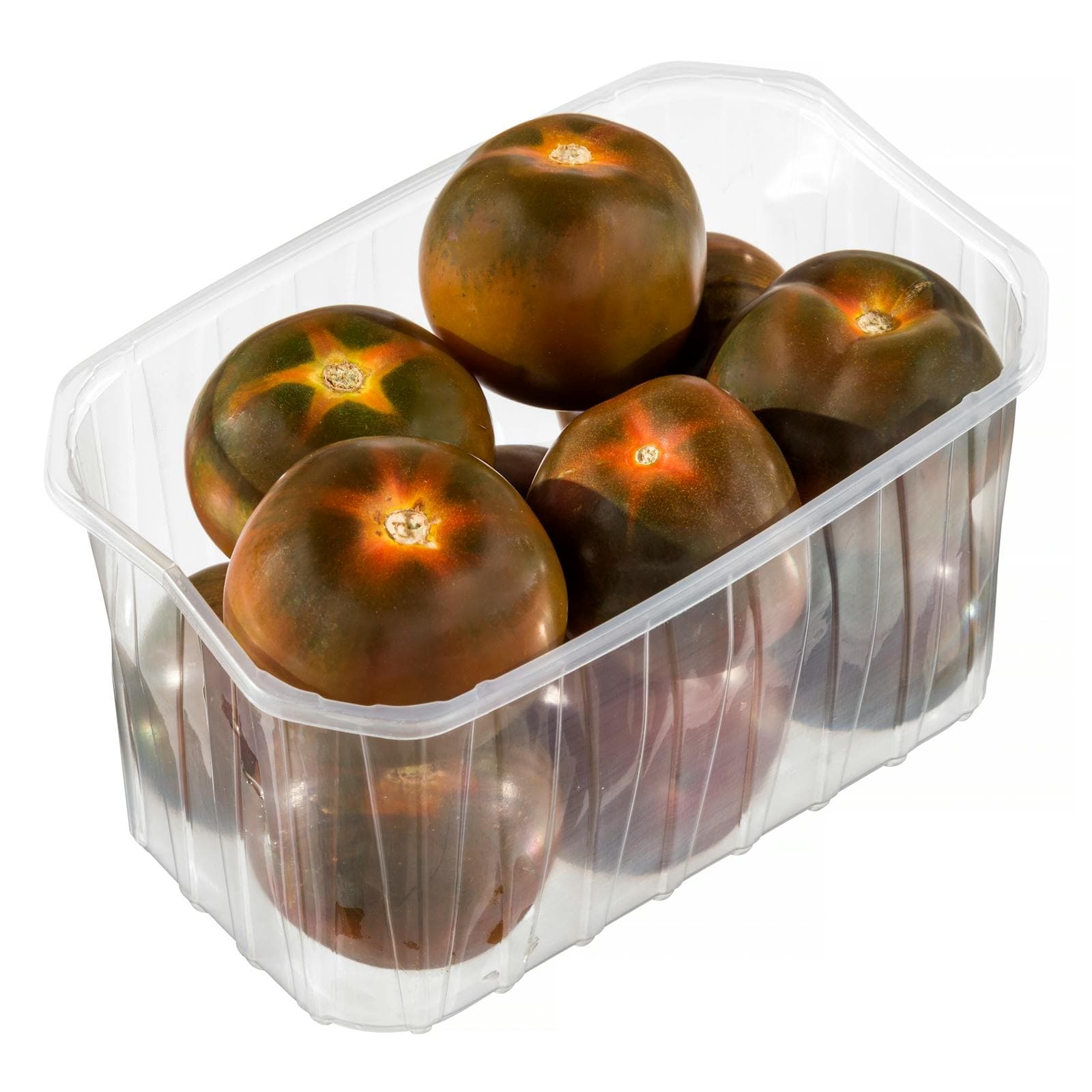
€2.60Black Tomatoes
1 kg · Mercadona
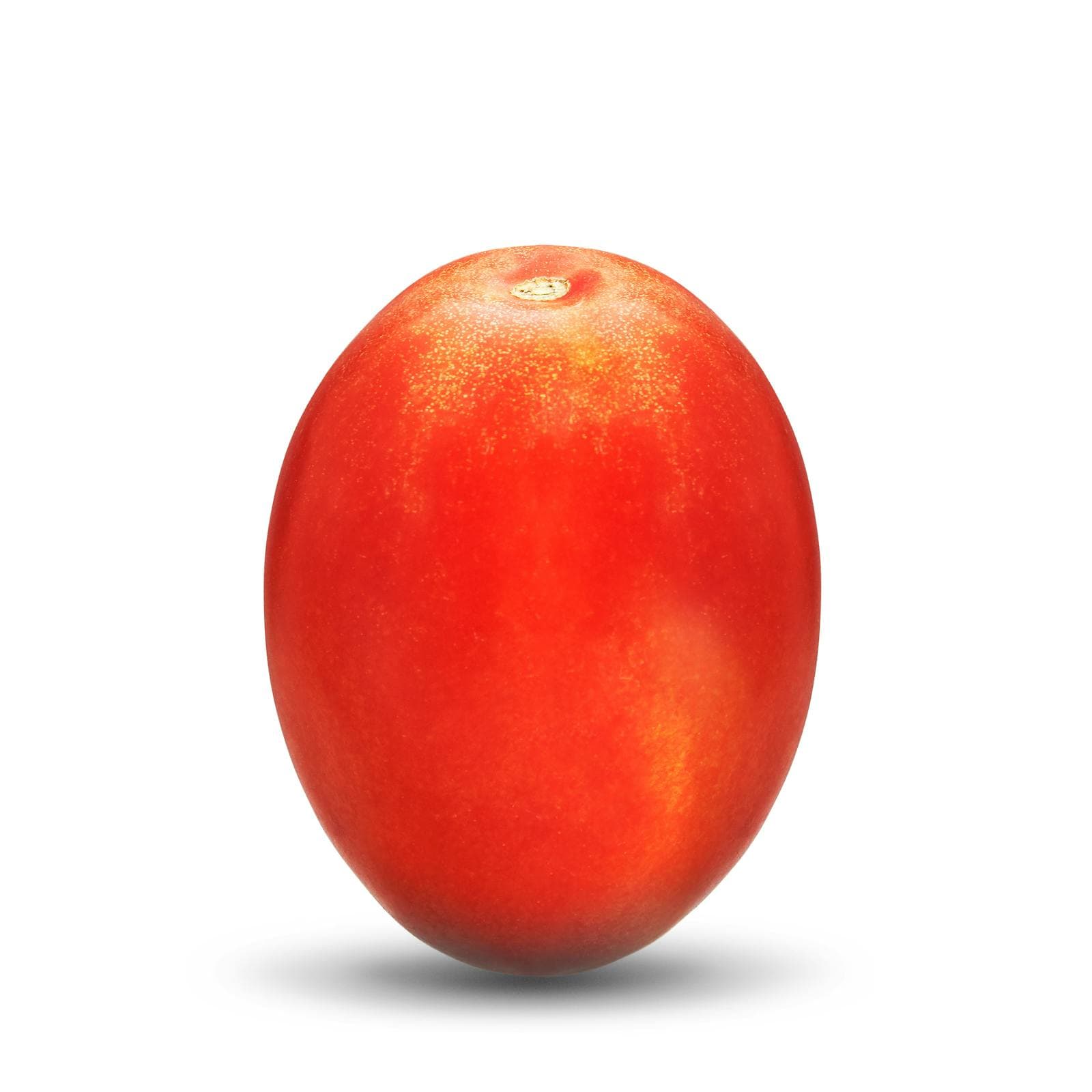 €0.29
€0.29Plum Tomato
130 g · Mercadona
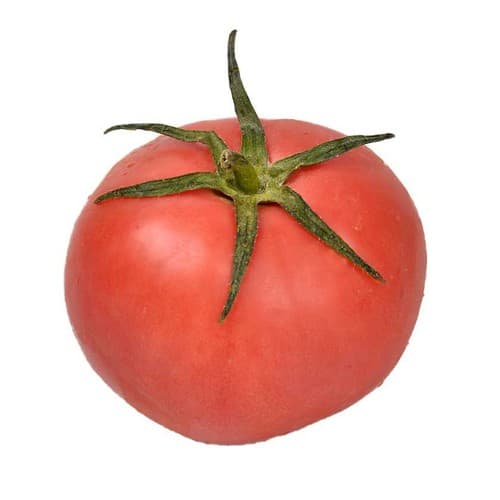 €1.07
€1.07Pink Tomato
ud · Bonpreu
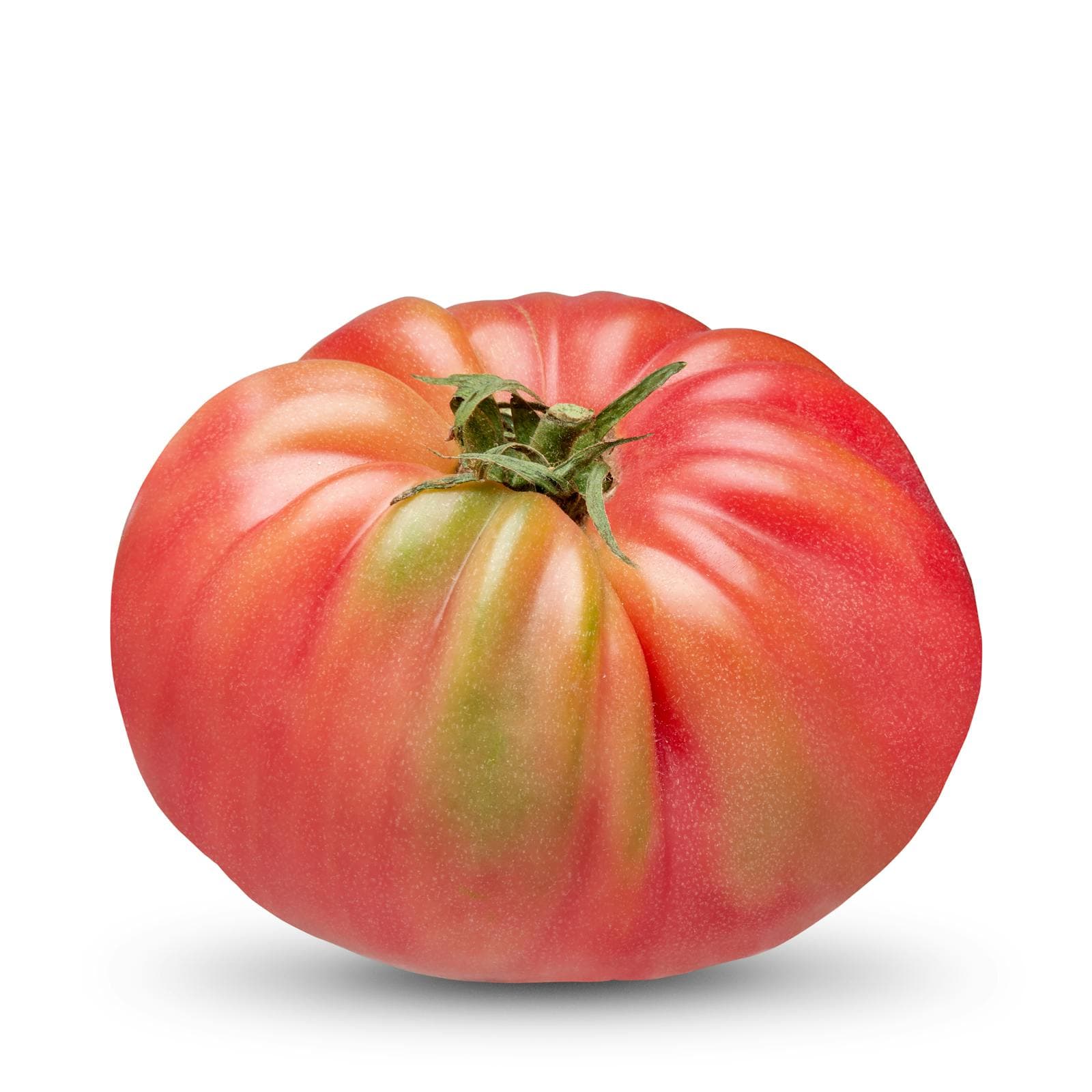 €1.16
€1.16Pink Tomato
340 g · Mercadona
Good to know
- Typical can size
- 14.5 oz (411 g) in the US; 400 g in most other countries
- Yield (approx.)
- One 14.5 oz can yields about 1.5 cups diced tomatoes (drained weight ~1 cup)
- Primary packaging liquid
- Tomato juice or tomato purée
- Sodium range
- Regular: 150–400 mg per half-cup serving; no-salt-added: under 40 mg
- Shelf life (unopened)
- 12–18 months; check the best-by date
- Shelf life (opened)
- Refrigerate in a sealed container; use within 5–7 days
- Common additive
- Calcium chloride (firming agent) to prevent mushiness during canning
- Flavor profile
- Brighter and more acidic than crushed tomatoes; less concentrated than tomato paste; texture holds distinct cube-like pieces
- Origin of commercial canning
- Napoleon's 1809 food-preservation prize spurred French and English development; US commercial tomato canning began in 1847 in New Jersey
Substitutes
- Fresh tomatoes — Blanch, peel (optional), and dice 2–3 medium tomatoes per 14.5 oz can; use the same day for best texture
- Crushed tomatoes — Run diced tomatoes through a food processor or crush by hand; adds more body and less defined texture; use equal volume
- Whole canned tomatoes — Chop or crush by hand to approximate dice; one 14.5 oz can of whole ≈ 1.5 cups diced
- Passata — Strained uncooked tomato purée; smoother with no pieces; not a 1:1 substitute in recipes where texture matters
- Sun-dried tomatoes (rehydrated) — Intensely flavored; chop finely and rehydrate; adds strong umami but lacks the fresh-tomato brightness and liquid content
- Tomato juice or V8 — No structural pieces; suitable only as the liquid base in soups or braises, not for recipes requiring diced texture
Pairs with
Also called
Canned Diced Tomato (#10) · Diced Tomatoes
Appears in these dishes


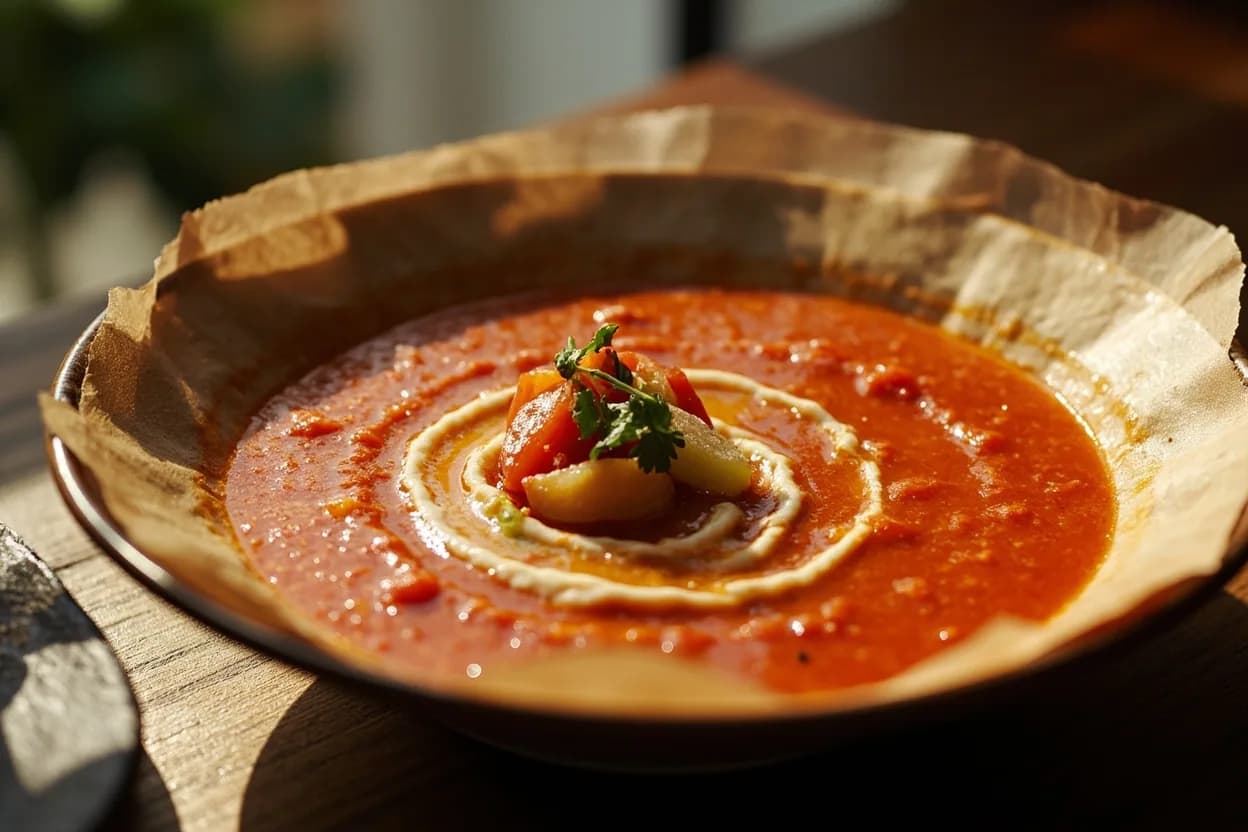
Related
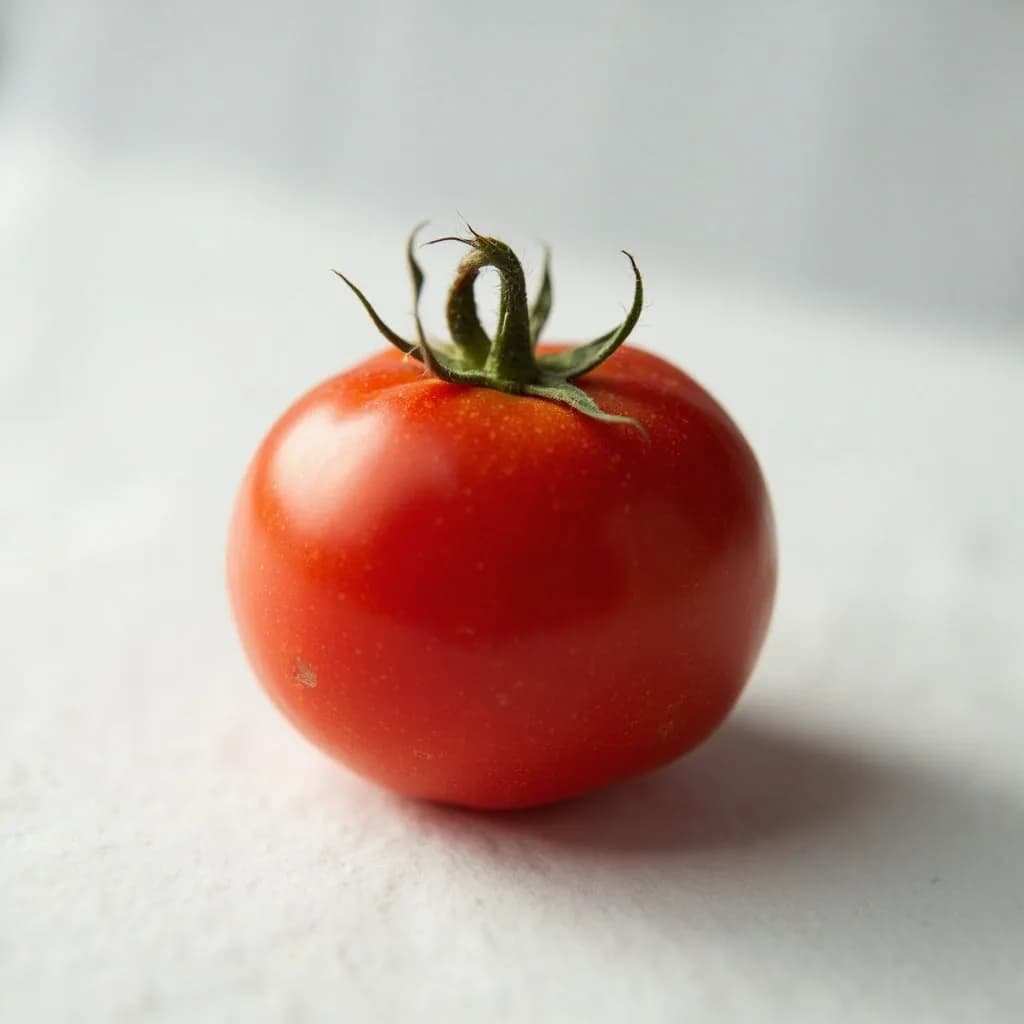
Tomato
Juicy, sun-sweet fruit for sauces, salads, and slow-cooked depth
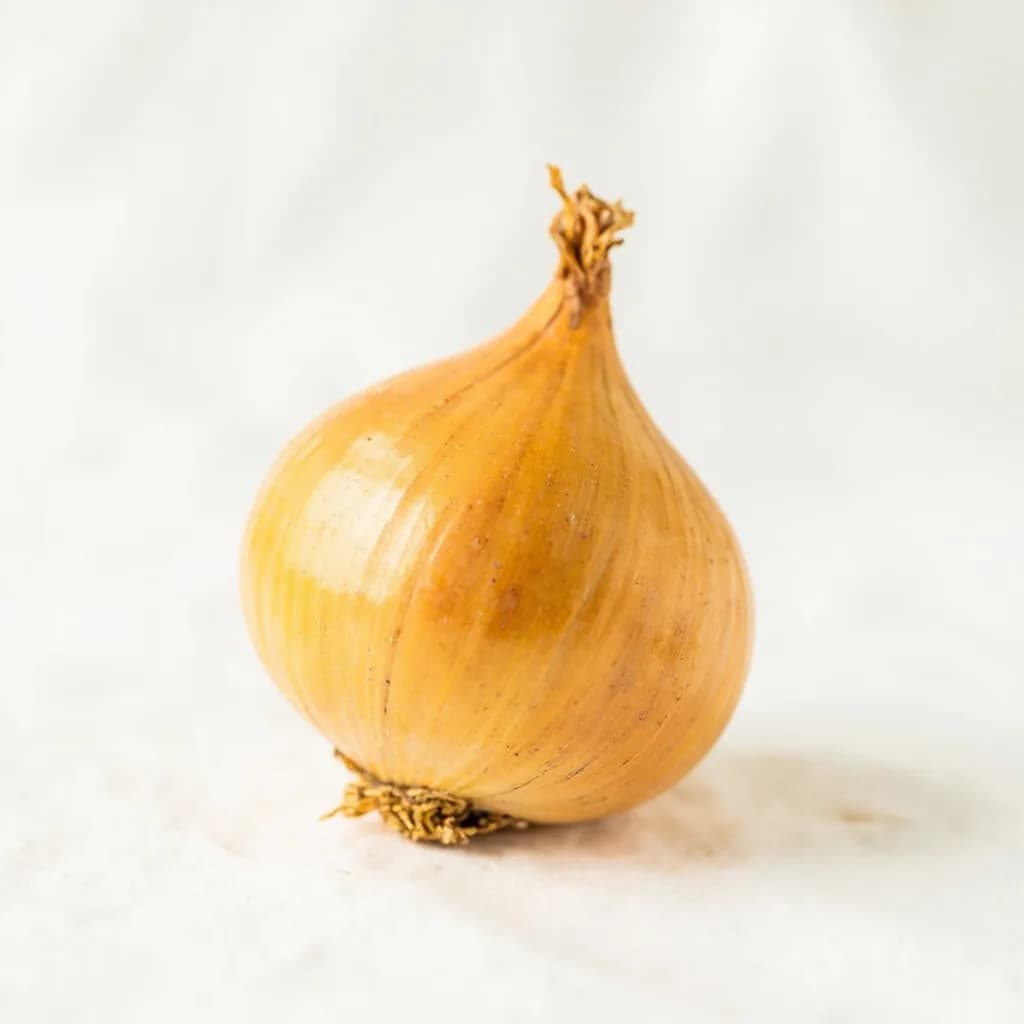
Yellow Onion
The aromatic backbone of soups, sofritos, and braises
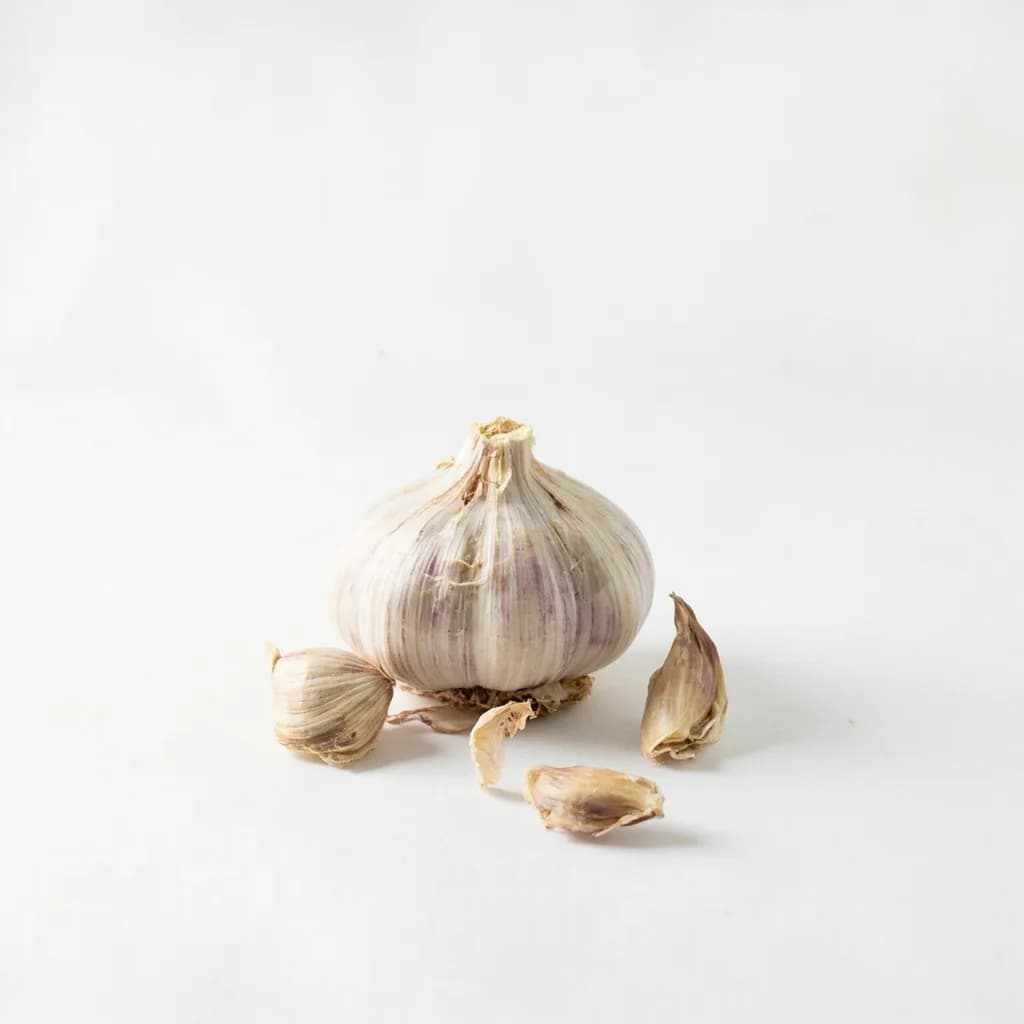
Garlic
Pungent cloves that perfume nearly every savory dish
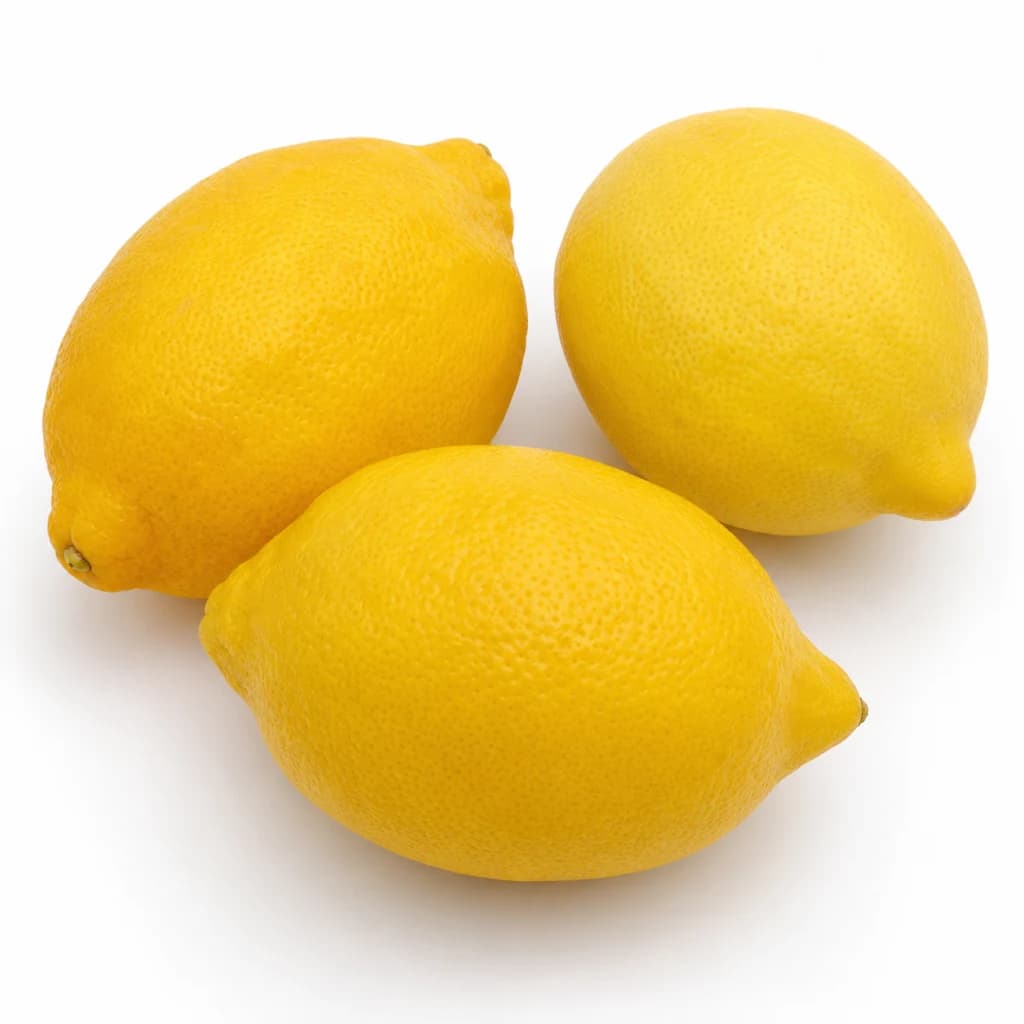
Lemon
Bright, acidic citrus that wakes up almost any dish
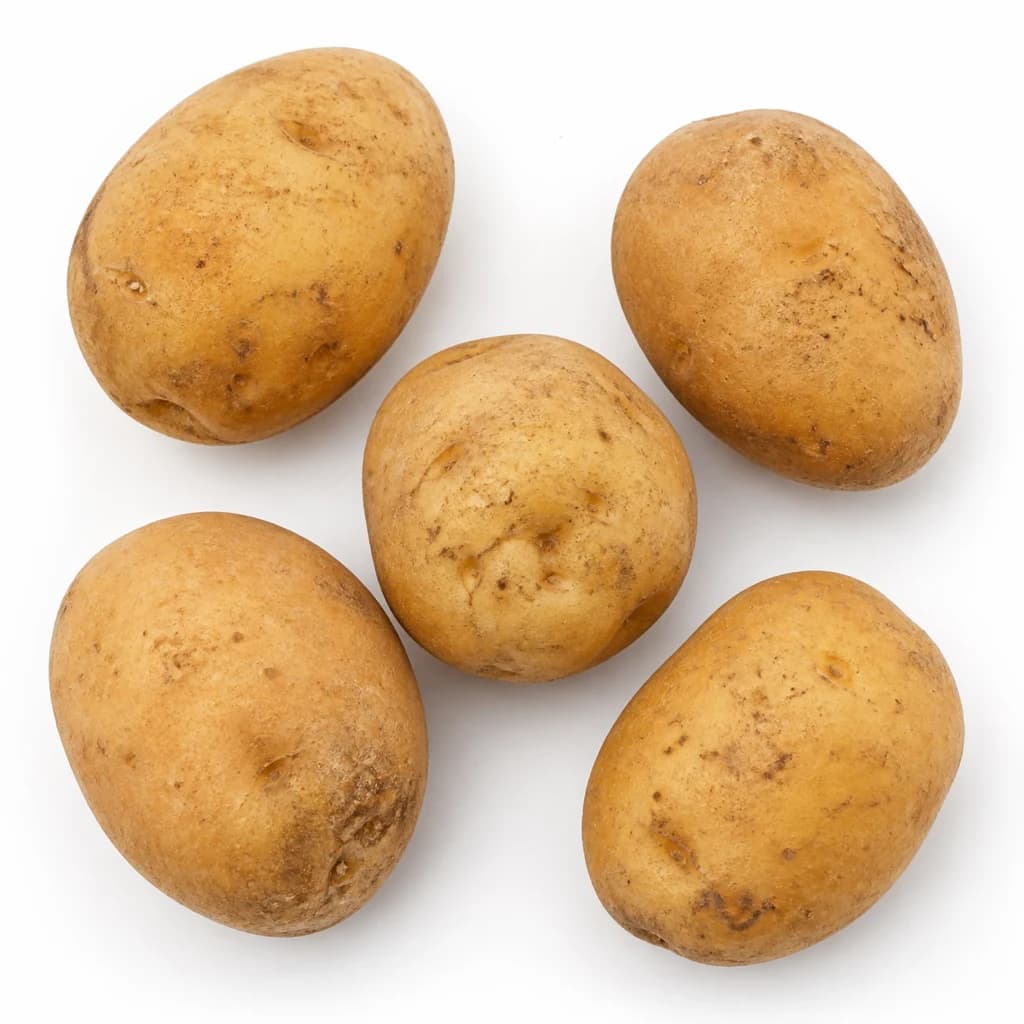
Potato
Humble, hearty staple — roast, mash, fry, or boil
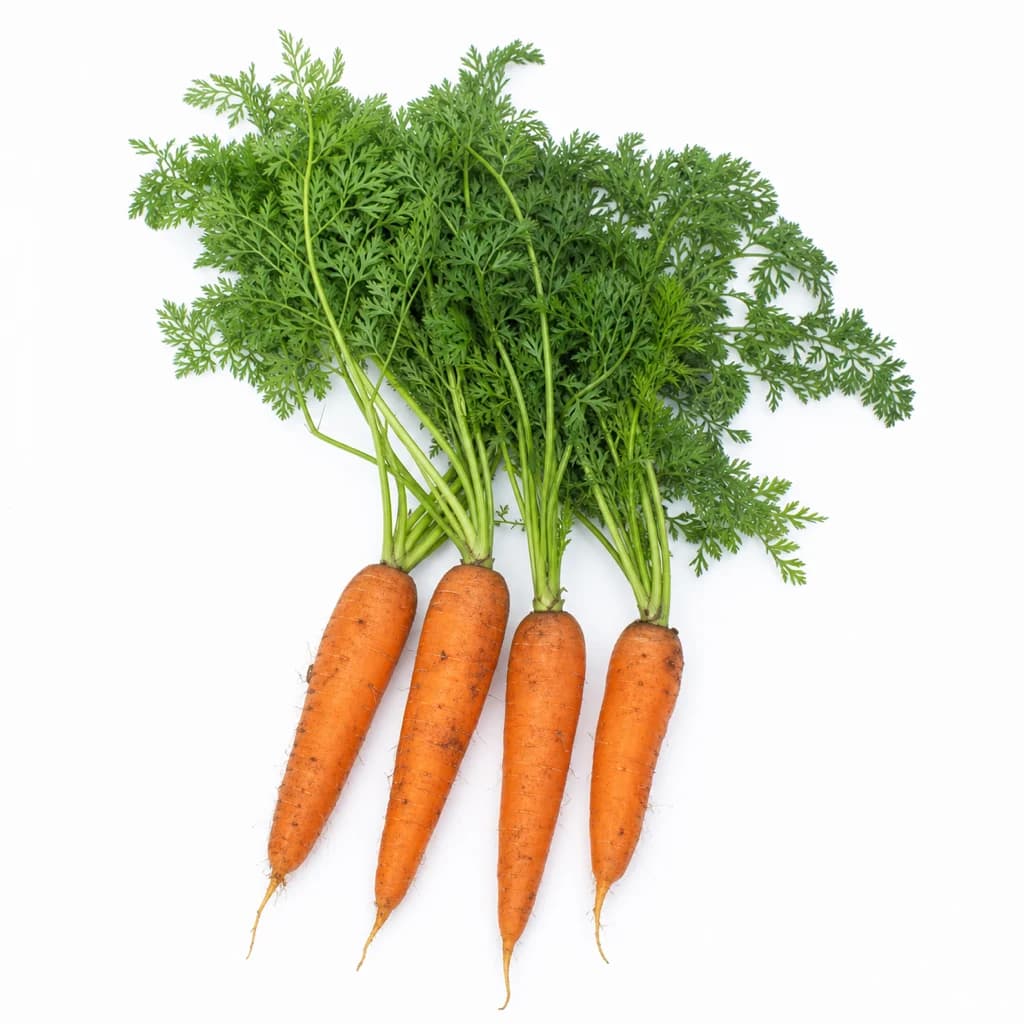
Carrot
Sweet, crunchy root — raw, roasted, or the base of a sofrito
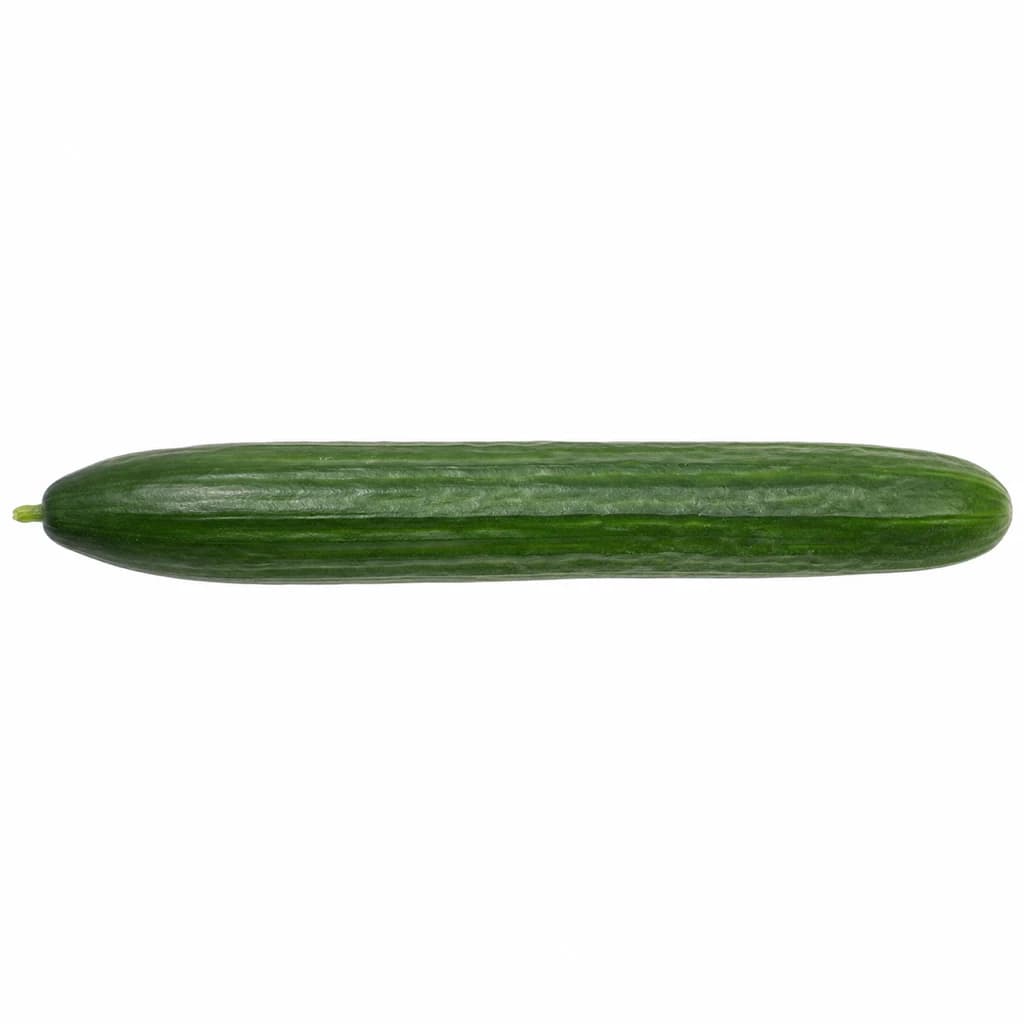
Cucumber
Cool, crisp, and watery — for salads, pickles, and tzatziki

Lettuce
Crisp leaves for salads, wraps, and a fresh crunch